





































































































































































































































































































































































































































































































































































































































































































































































































































































































































































































































































































































































































































































































































































































































































































































































































































































































































































































Blast in North Waziristan Religious School Claims Lives of Two Children, Eight Injured


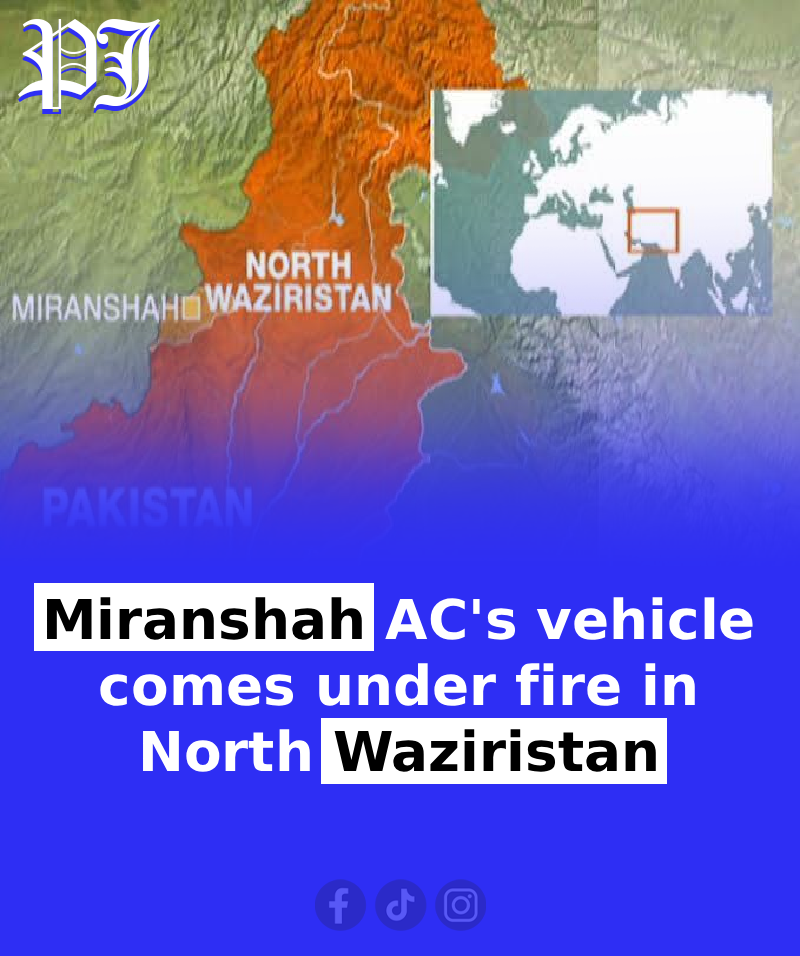
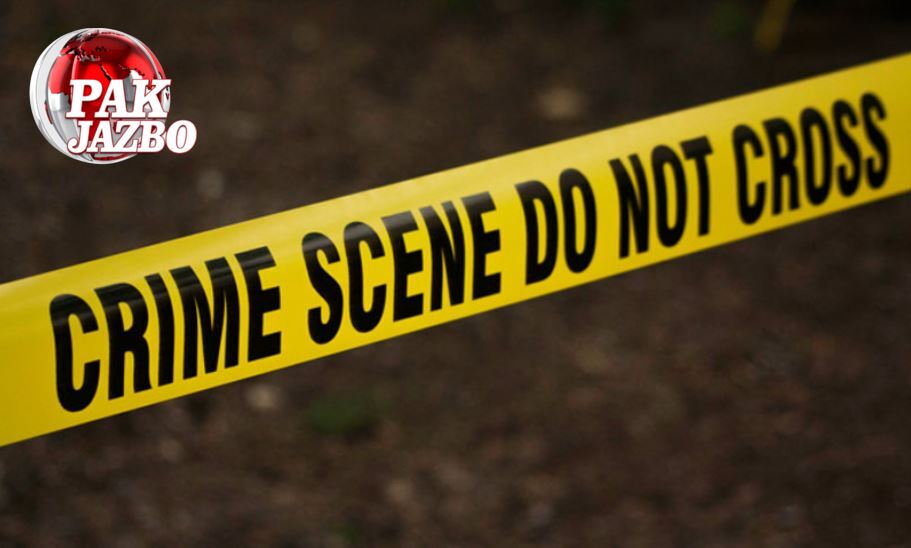
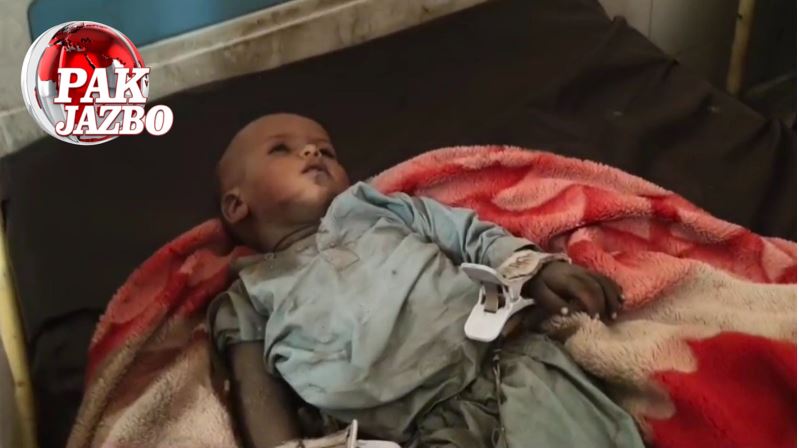
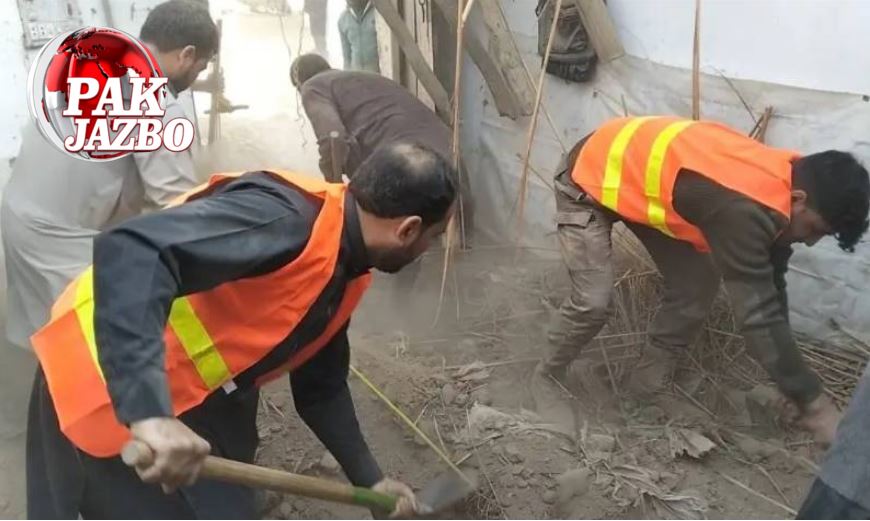
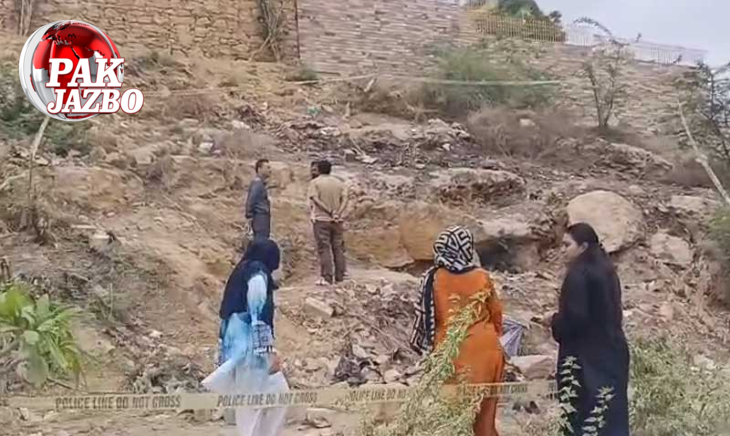
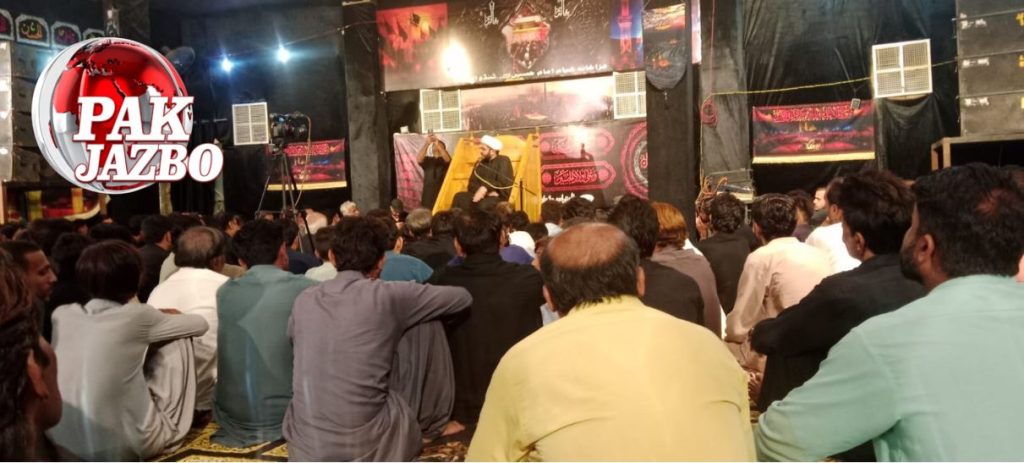
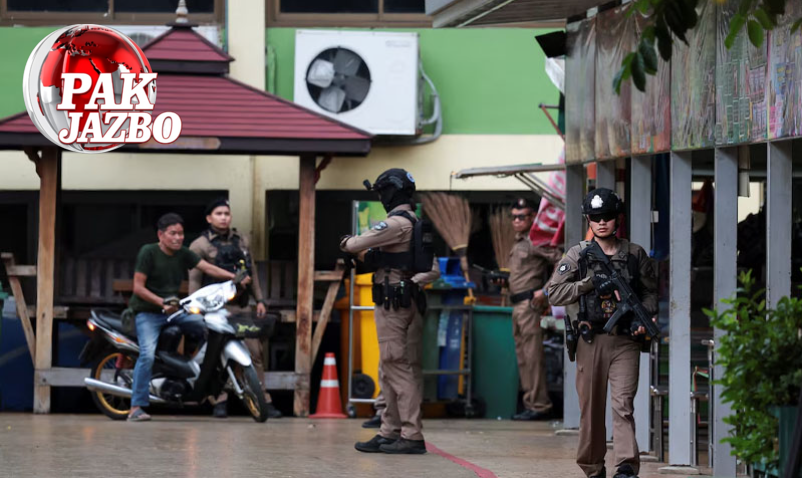
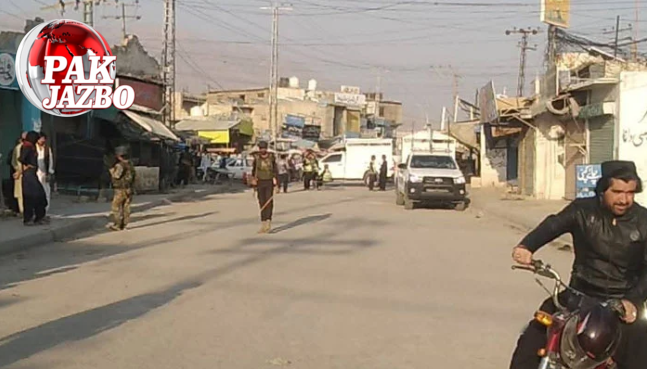
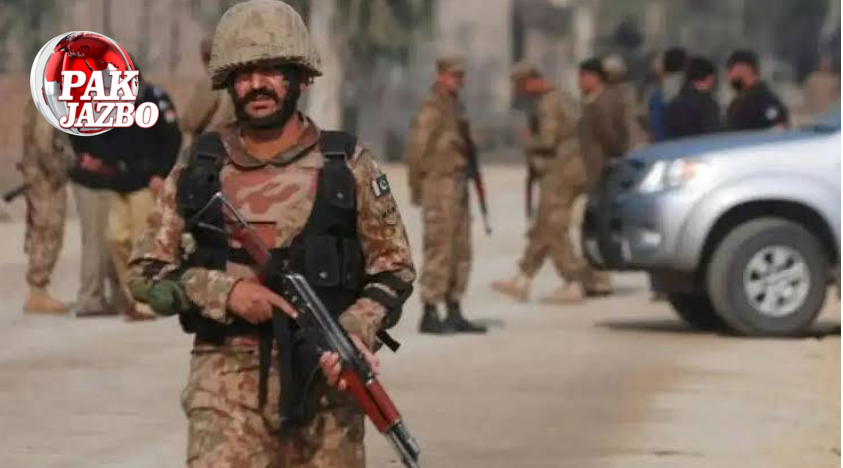
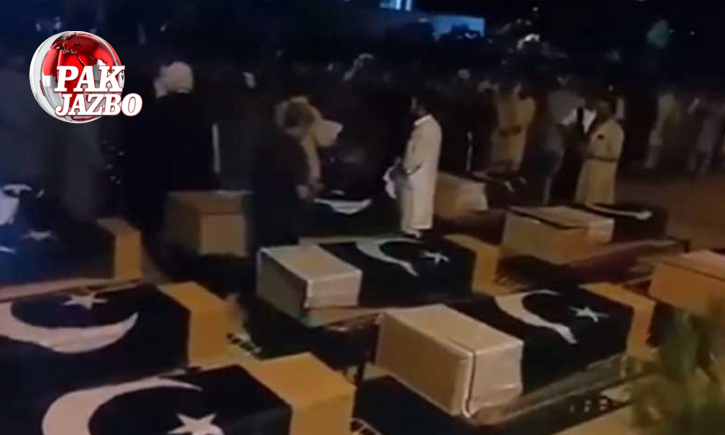
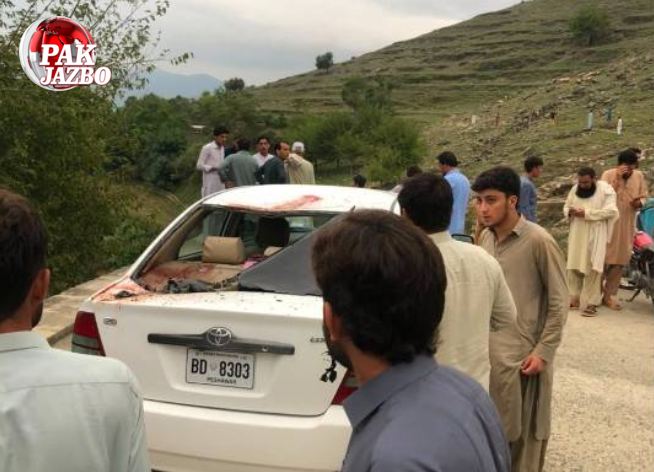
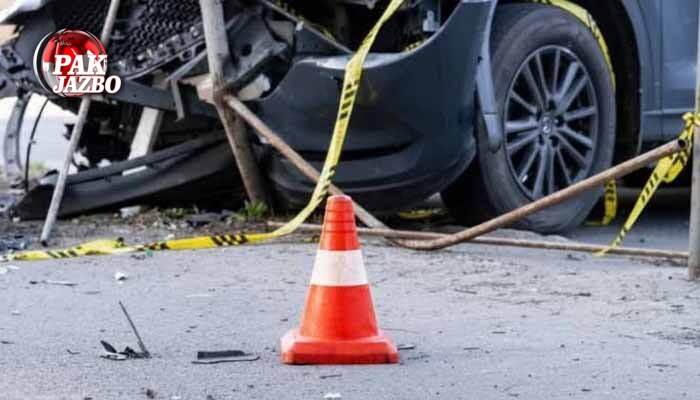
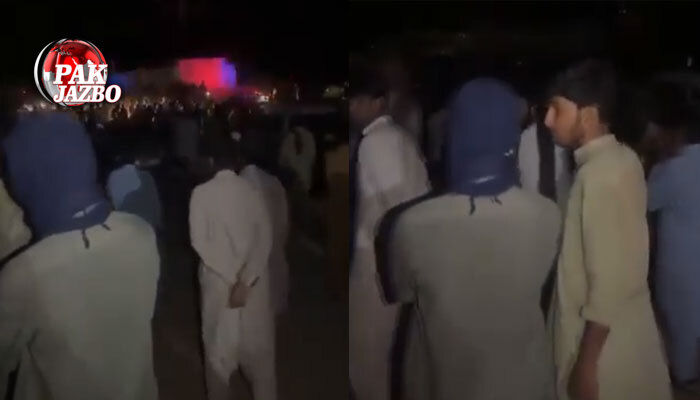
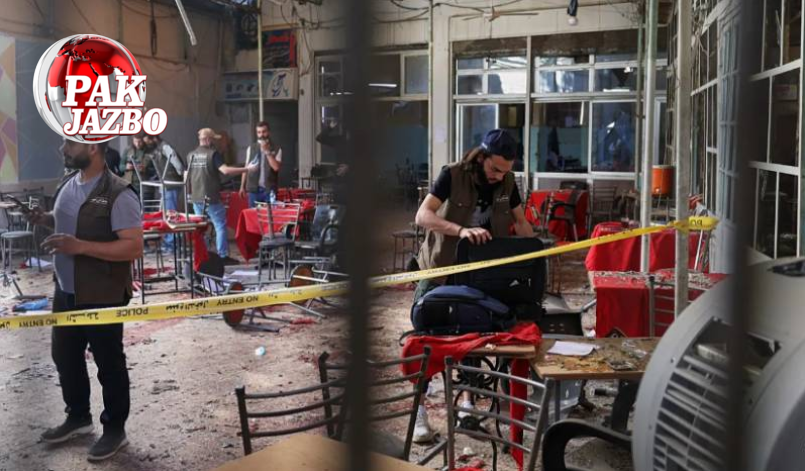
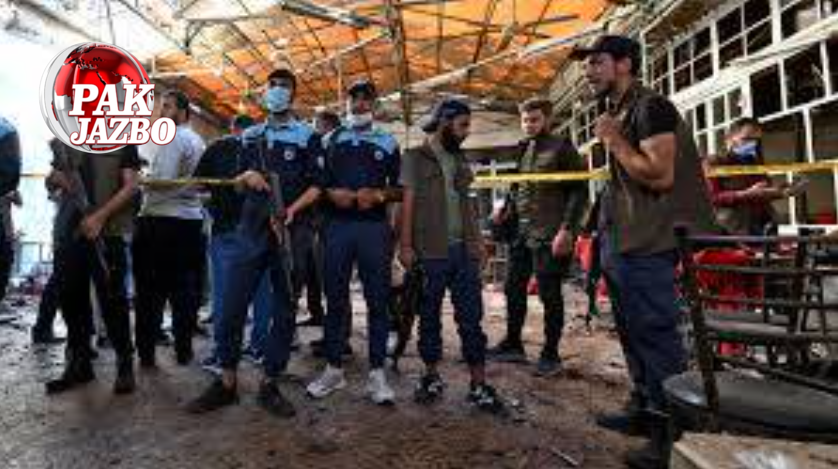
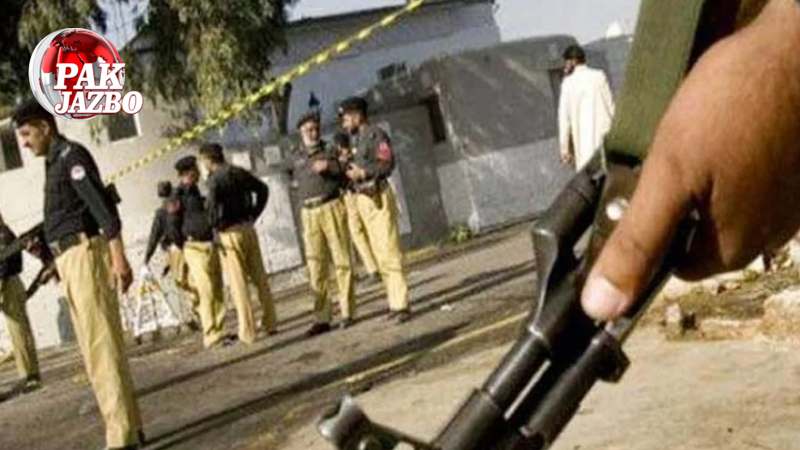
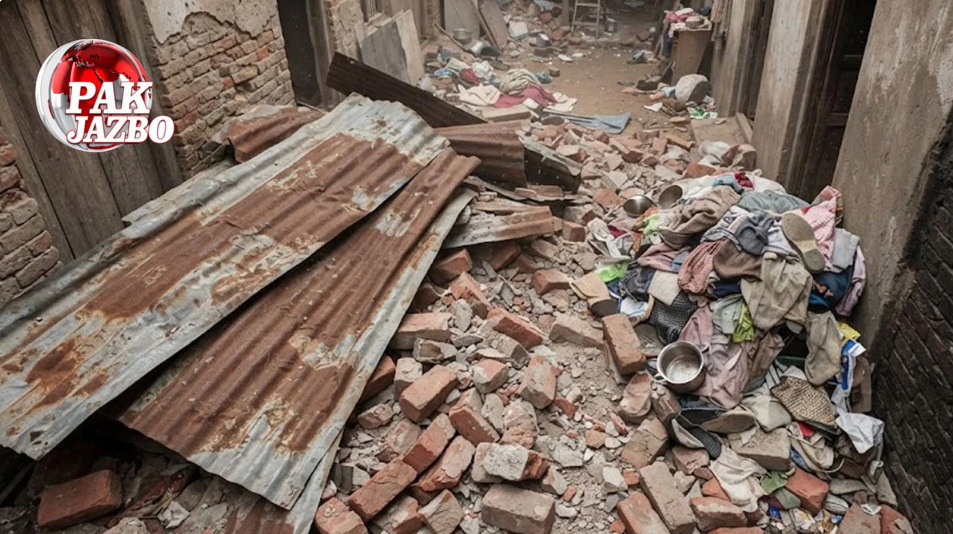
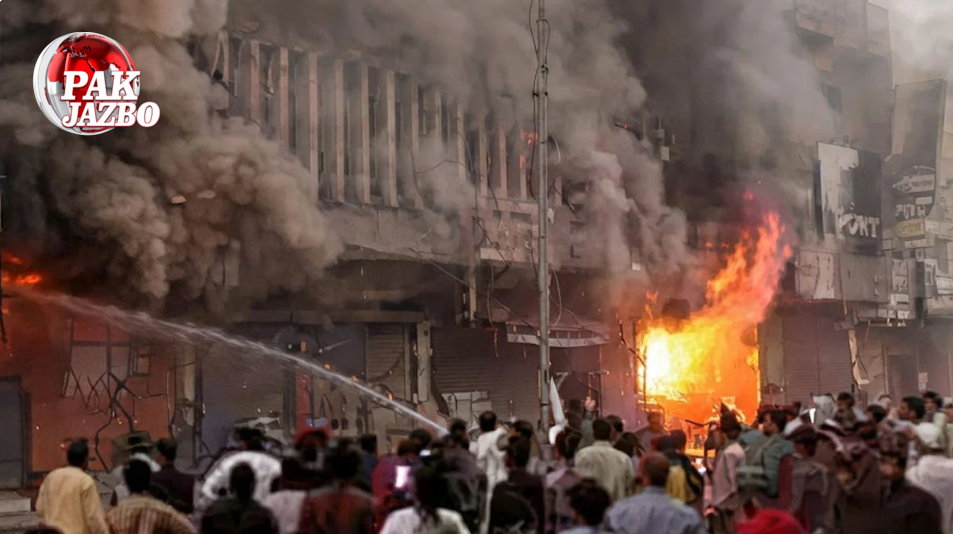
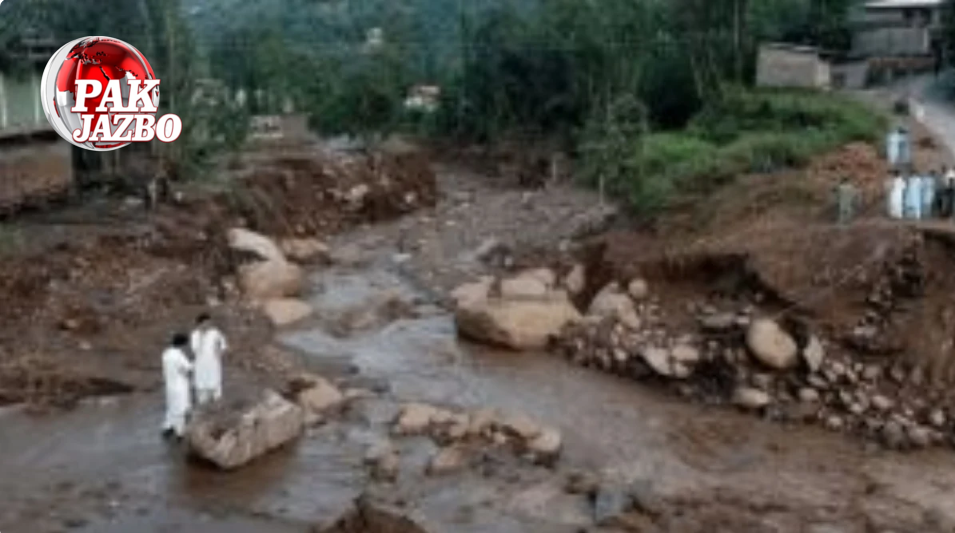
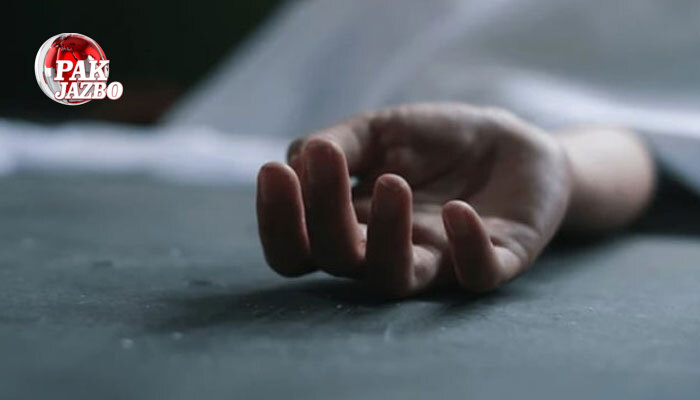
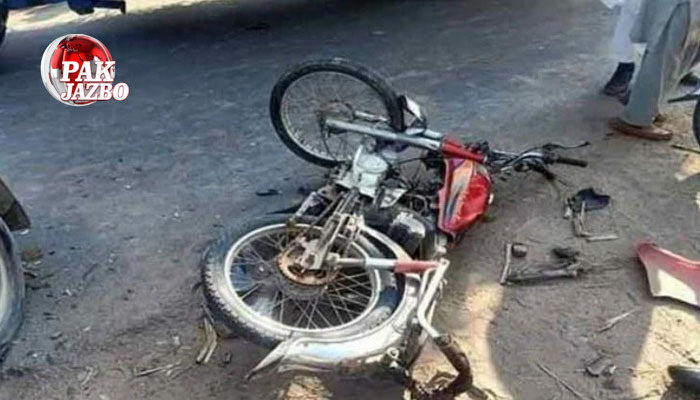
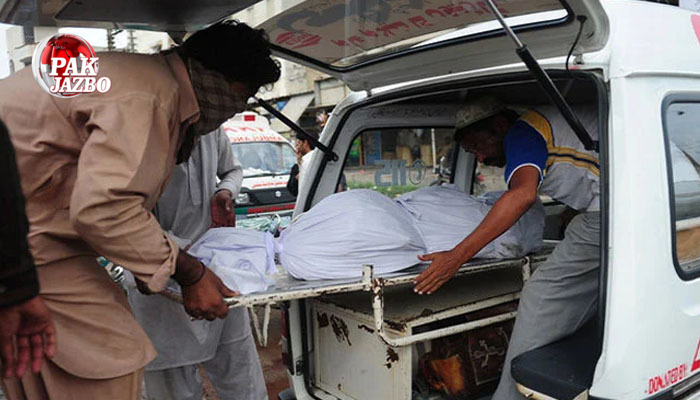
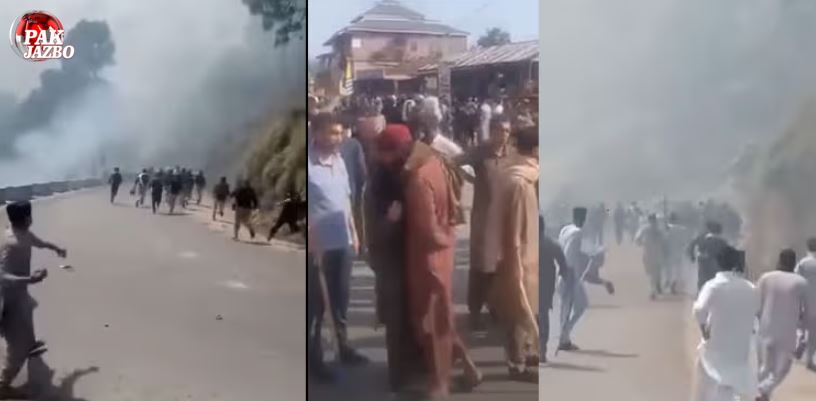
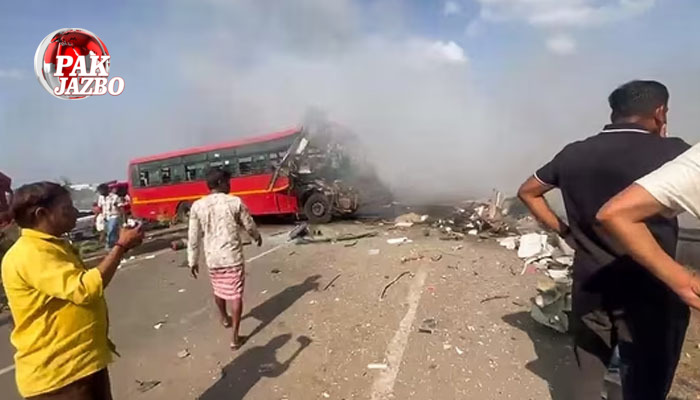
A tragic incident unfolded in North Waziristan’s Mir Ali tehsil, where a blast inside a local madrassa in the village of Isori claimed the lives of two young children and left eight others injured. The explosion has once again highlighted the lingering dangers posed by leftover explosive devices in former conflict-hit areas.
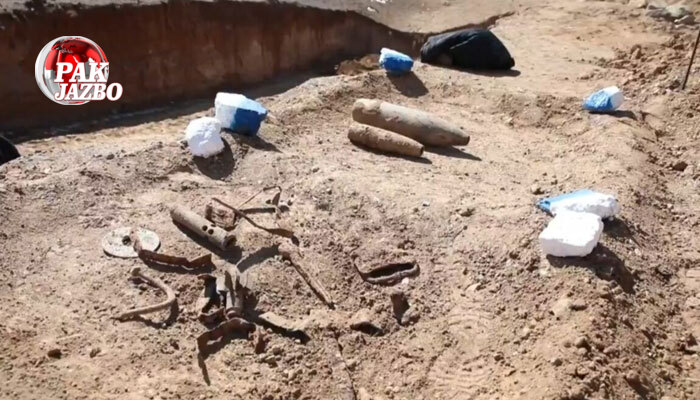
According to security sources, the blast occurred while children were playing in or near the madrassa premises. Initial findings suggest that the explosion was caused by an improvised explosive device (IED) or other explosive material left behind by militants—referred to by officials as “khawarij”—during previous operations. These devices were originally planted to obstruct the movement of security forces but have since become a silent and deadly threat to civilians, especially children.
Background of Explosive Hazards in the Region
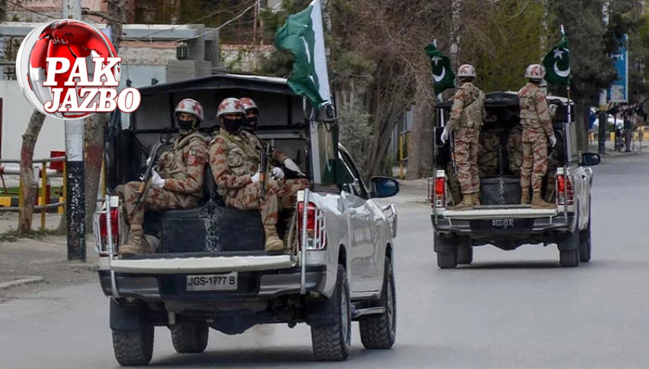
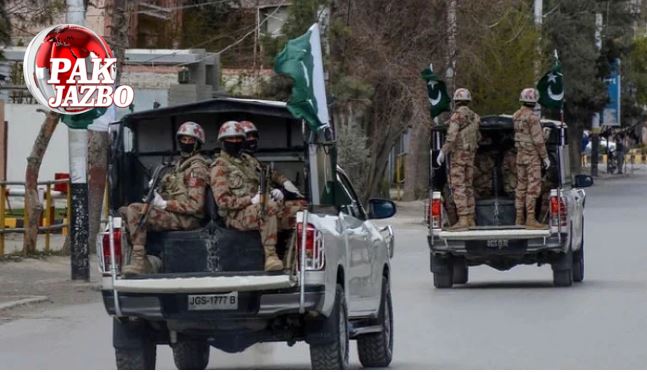
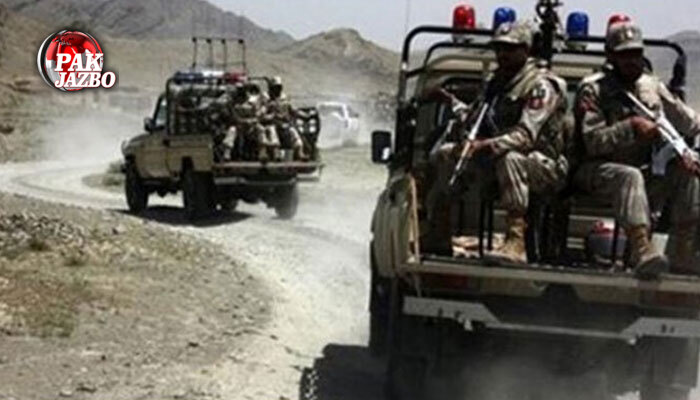
Security officials revealed that militant groups had in the past placed numerous explosive devices, including landmines and booby traps, across various parts of North Waziristan. These were intended as defensive barriers to hinder security operations and restrict the mobility of Pakistan’s armed forces. Although major military actions have significantly reduced militant presence, the danger posed by leftover explosives continues to affect local communities.
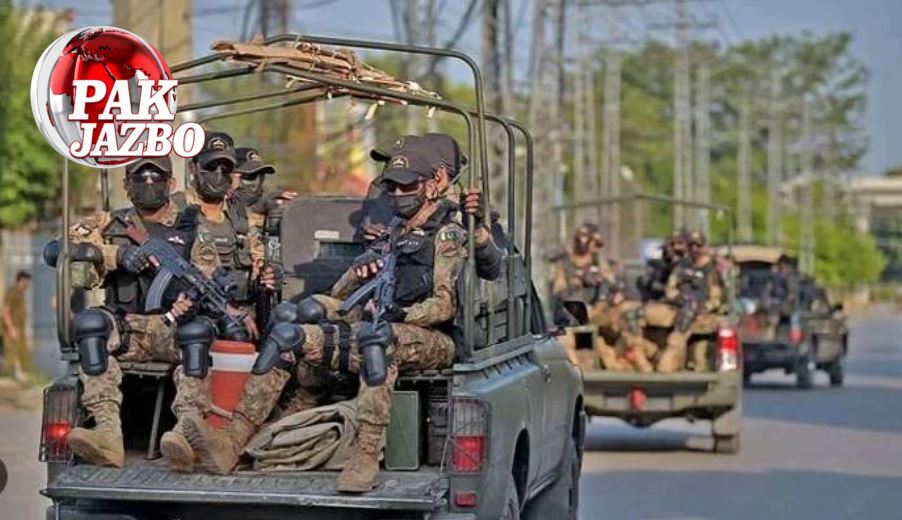
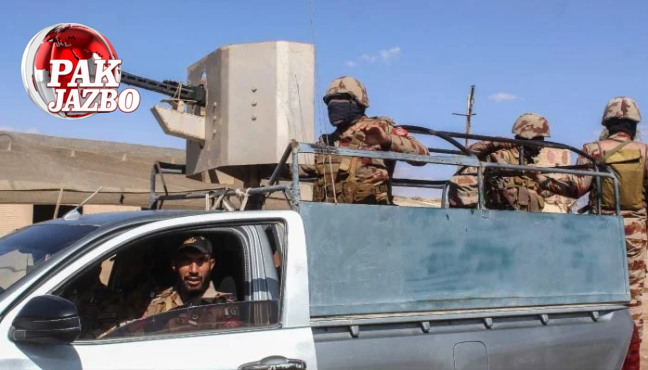
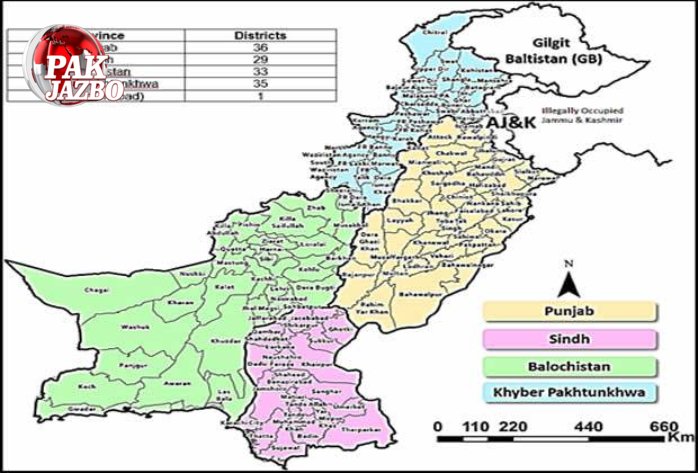
According to official data shared by security sources, explosive devices were previously identified in 114 square kilometers of land across different districts of Khyber Pakhtunkhwa. Out of this, the Pakistan Army has successfully cleared 82 square kilometers, making those areas safe for civilian movement, agricultural activities, and rebuilding efforts.
The remaining sectors, which still contain traces of explosive hazards, are undergoing rapid de-mining under strict protocols and continuous surveillance.
Ongoing De-Mining and Safety Efforts
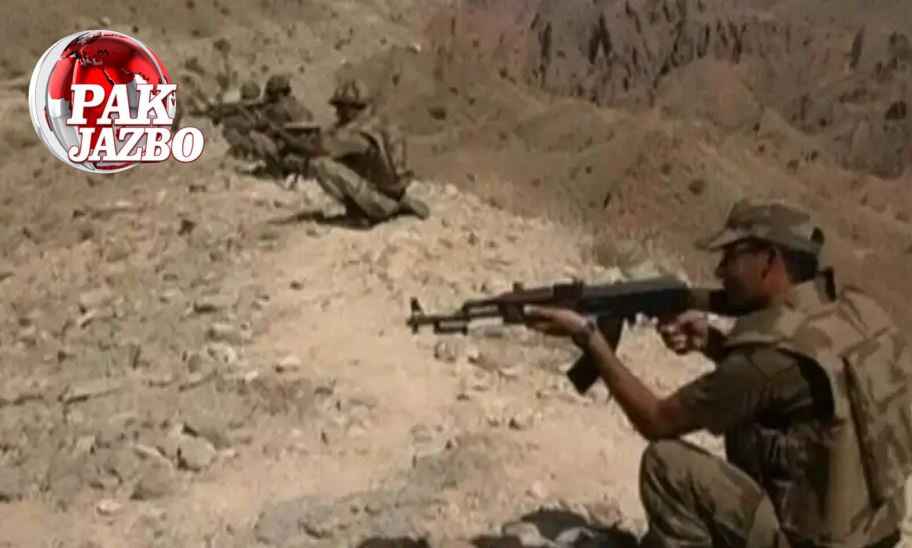
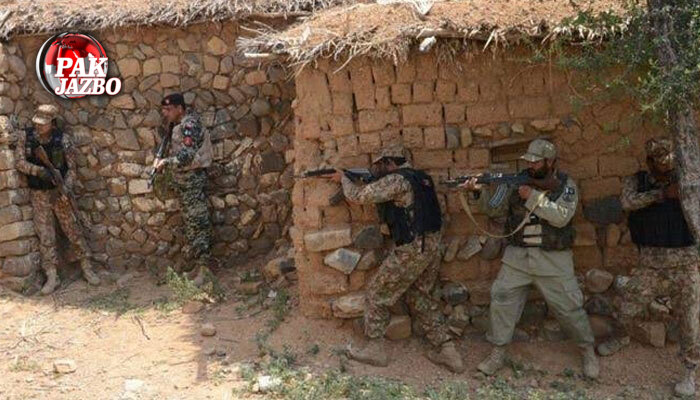
Officials confirmed that de-mining operations are progressing swiftly, with specialized teams working to clear remaining dangerous zones. These teams use advanced equipment, trained detection animals, protective gear, and international-standard procedures to locate and neutralize explosive materials.
The de-mining process is highly technical and time-consuming, as each area must be thoroughly inspected to ensure full safety. Even a tiny leftover fragment can pose a major threat. Unexpected incidents—like the tragic blast in Isori—underscore the urgency of completing the remaining clearance work.
Security agencies emphasize that the safety of civilians is their top priority and that operations will continue until every identified zone is fully cleared and safe.
Impact on Local Communities
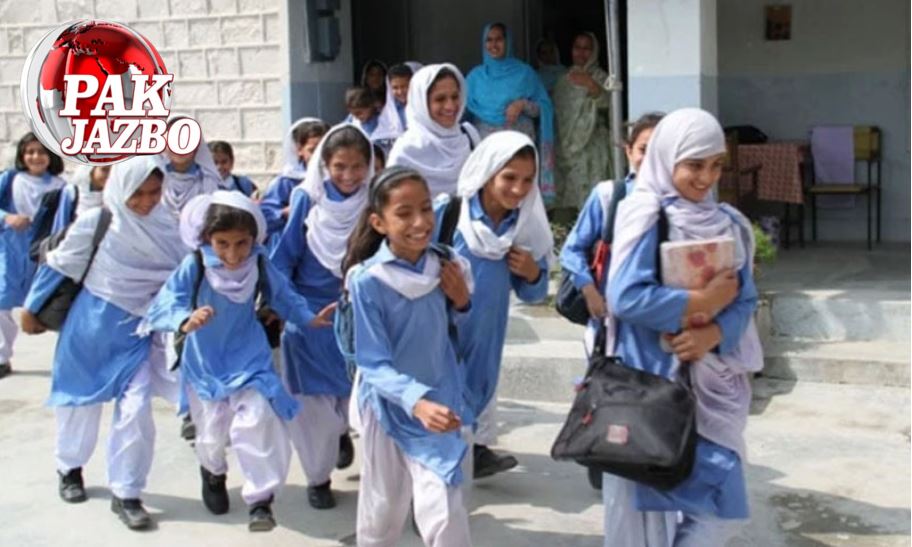
Local residents of Mir Ali expressed deep sorrow over the tragic loss of two children, describing the incident as heartbreaking for the entire village. Community elders noted that although many areas have become peaceful and stable, parents still worry about children inadvertently encountering dangerous objects while playing outdoors.
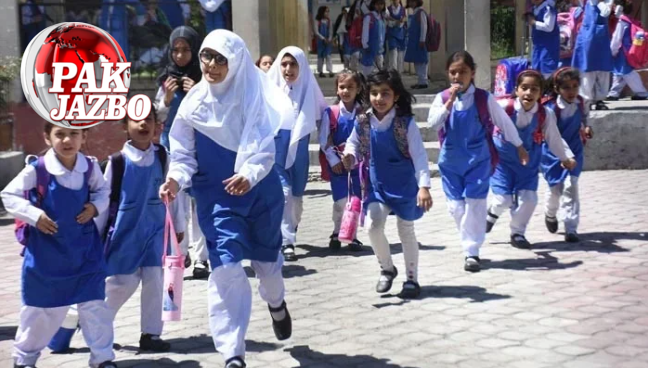
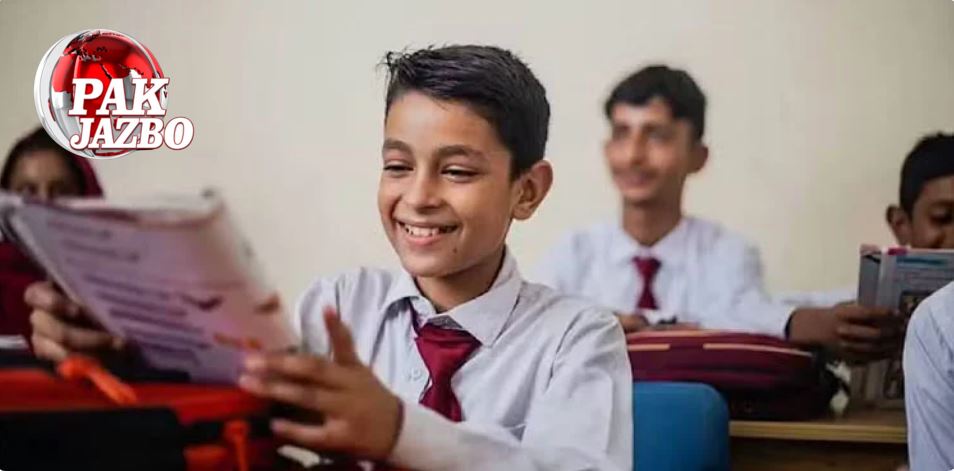
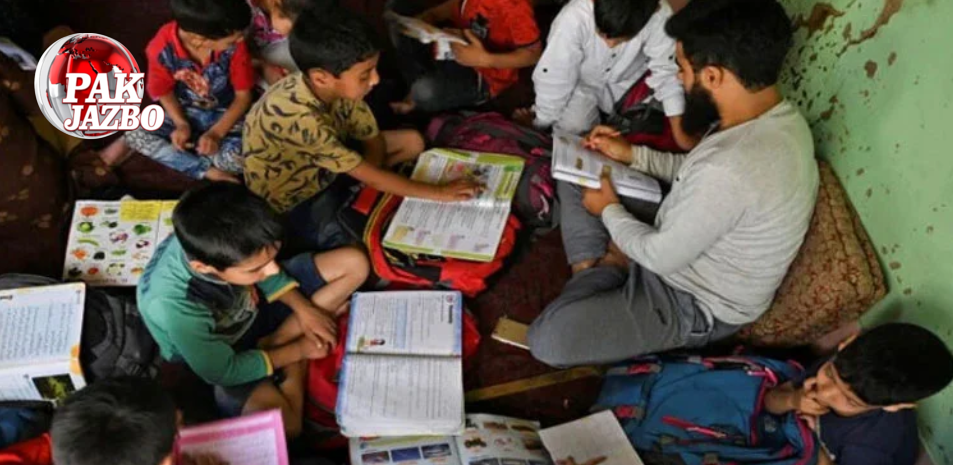
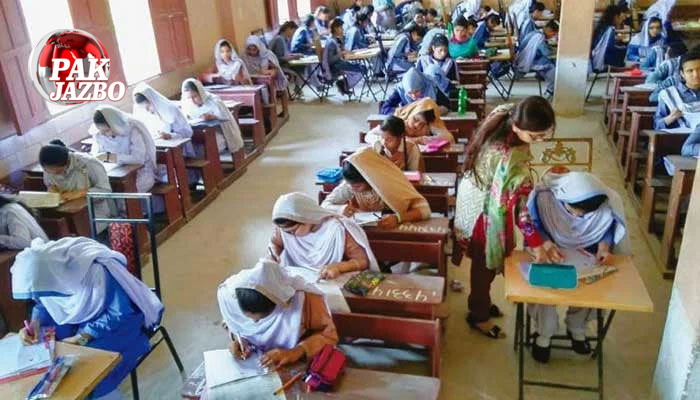
Educational facilities such as madrassas and primary schools often attract children after school hours. Any leftover explosive device in such spaces can lead to severe and unthinkable consequences.
Authorities have urged communities—especially parents, school staff, and local leaders—to remain cautious and report any suspicious object or material to the nearest security post immediately.
Government and Security Response
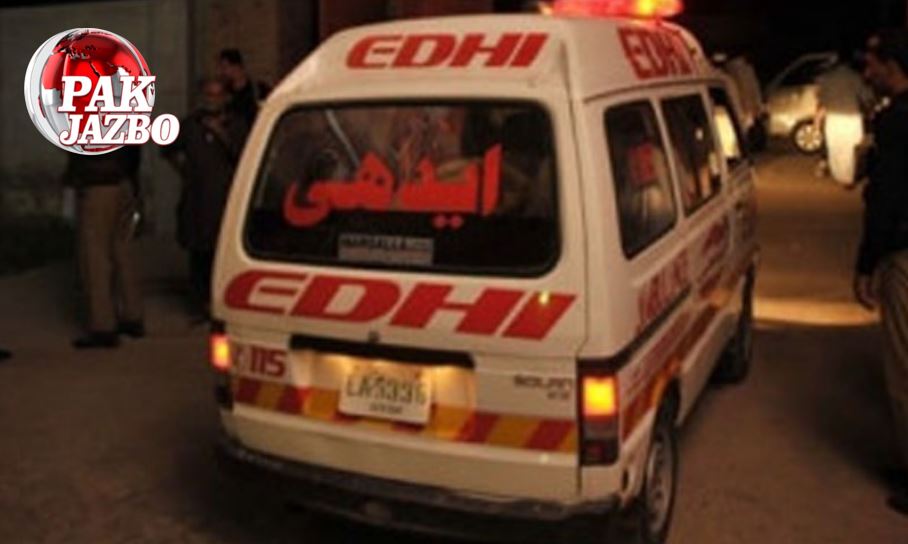
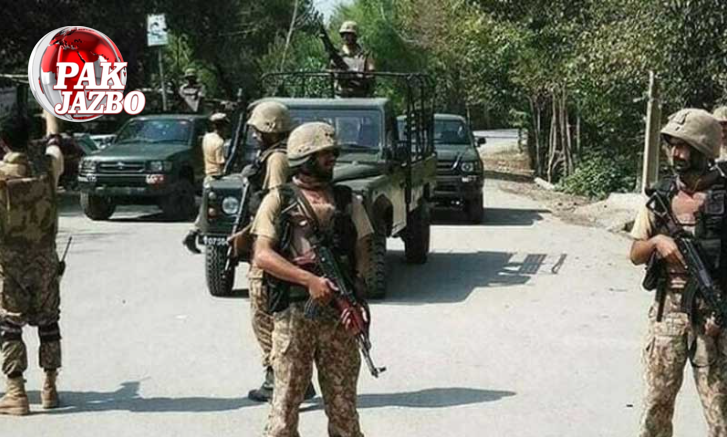
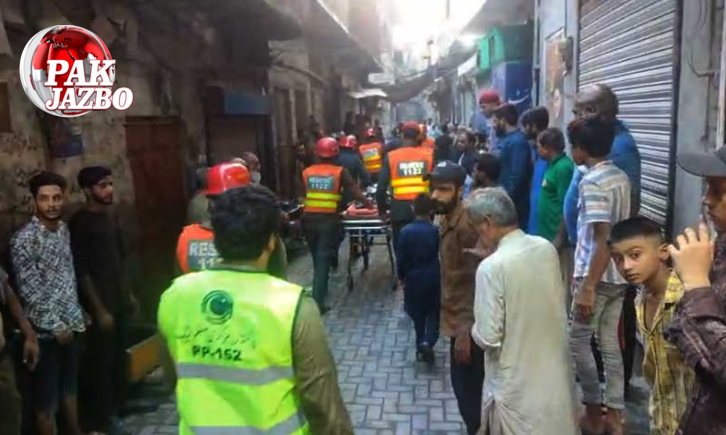
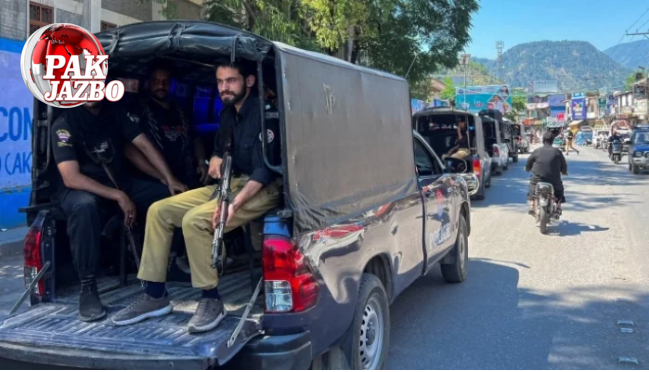
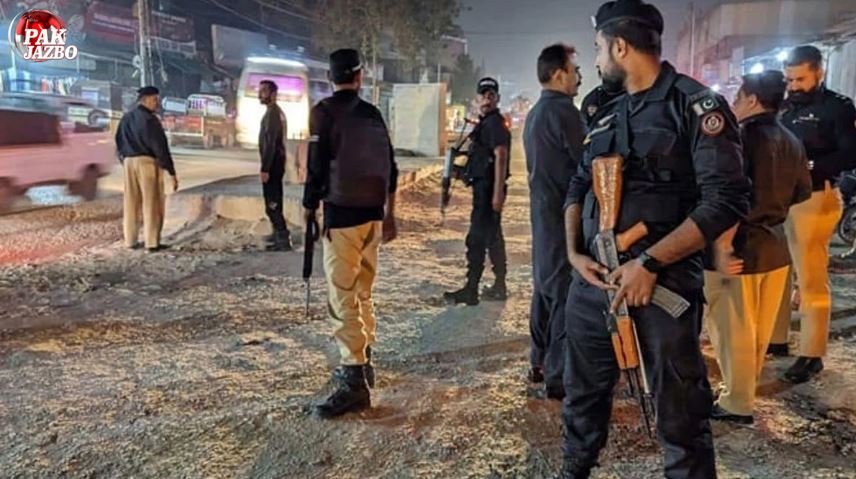
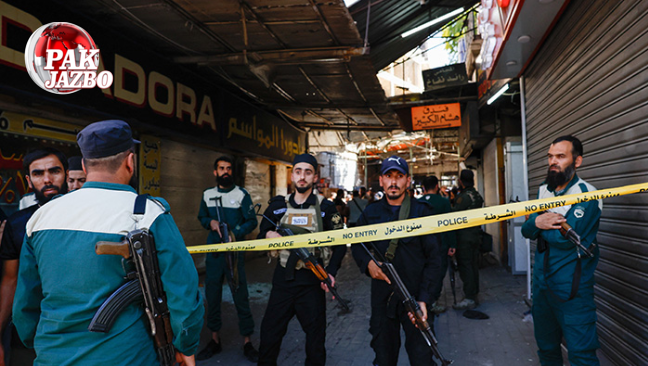
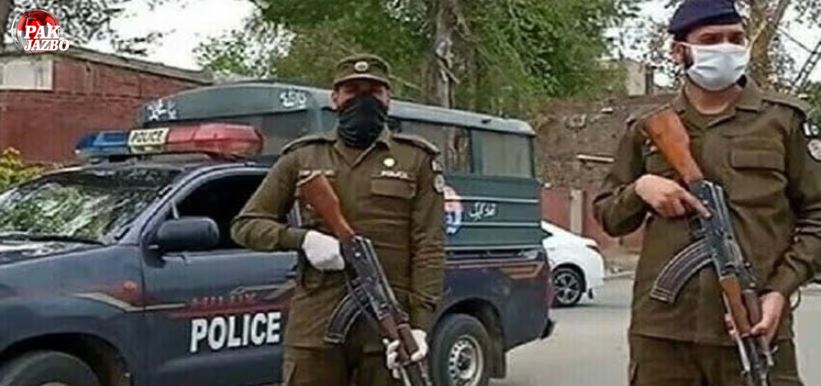
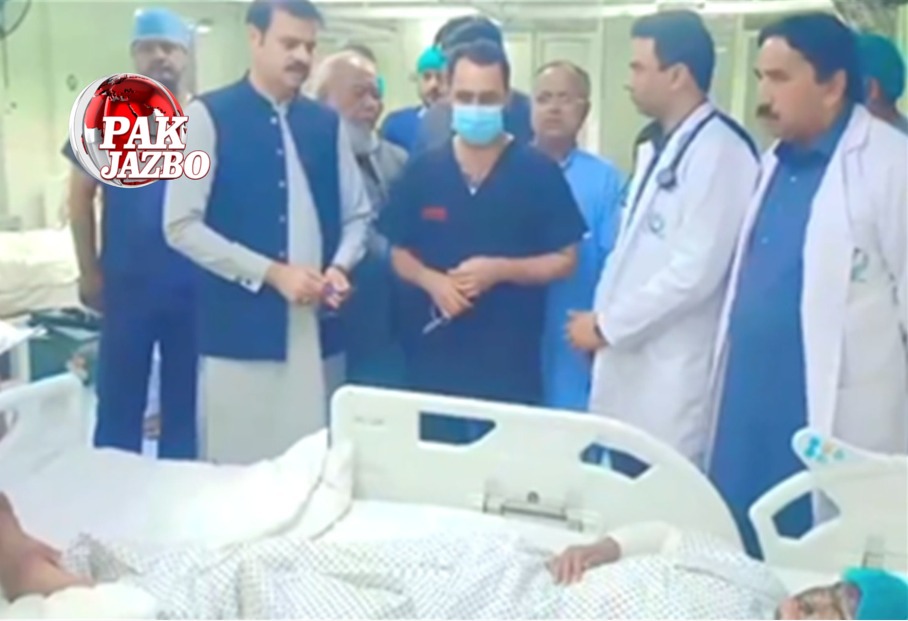
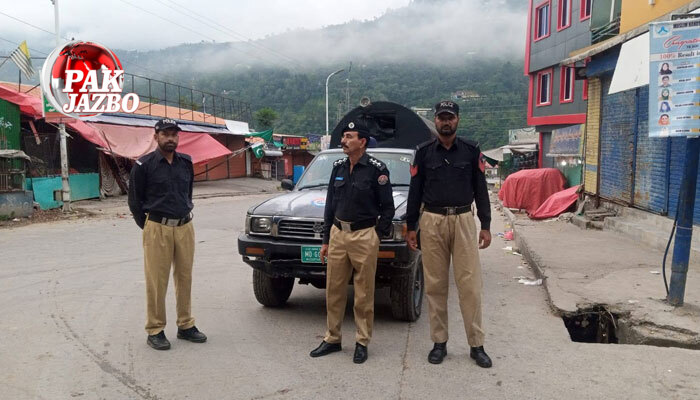
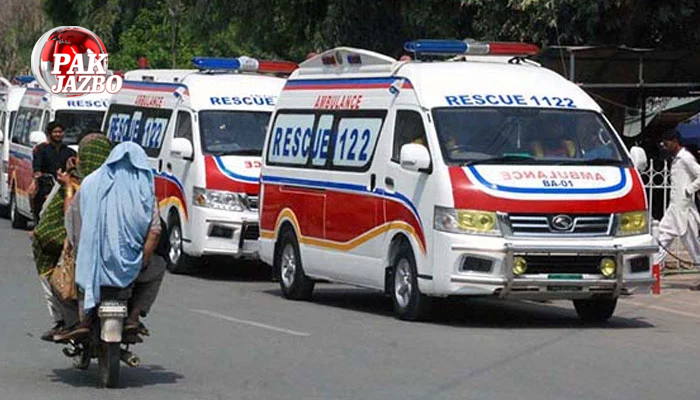
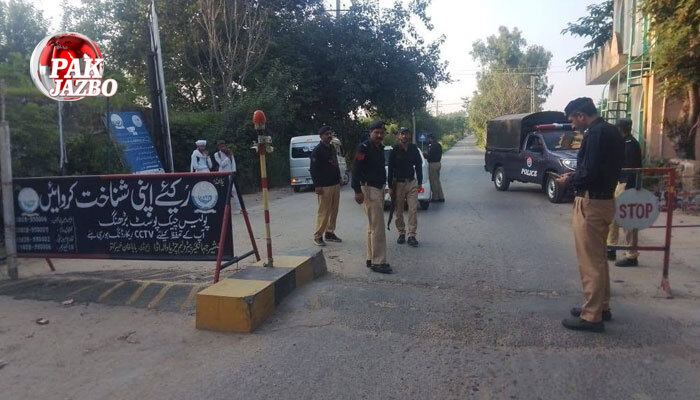
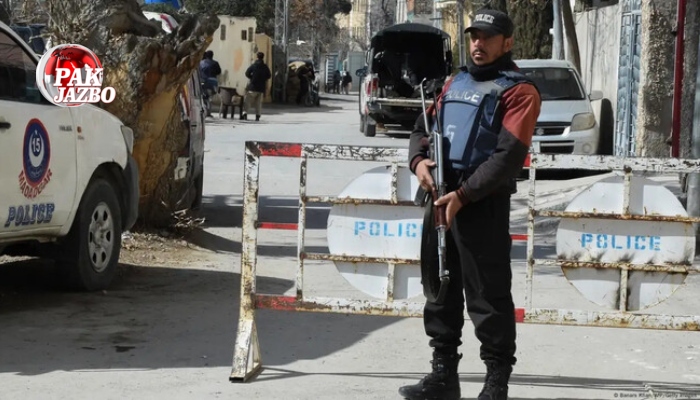
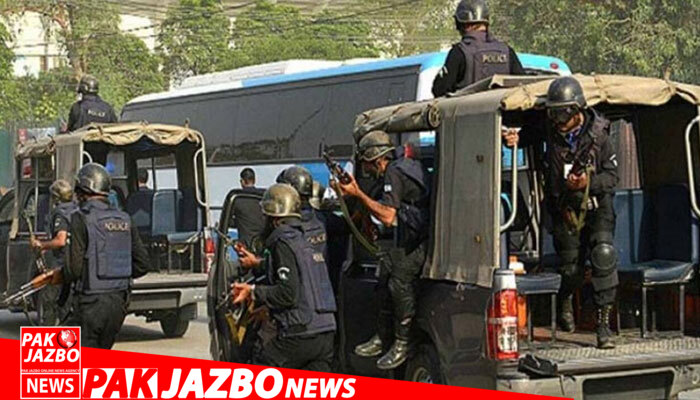
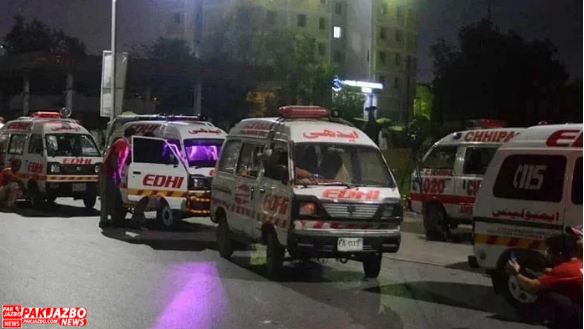
Following the incident, local administration and security teams quickly reached the site to assist the injured and secure the area. The wounded children were shifted to nearby medical facilities where they are receiving treatment. Health officials stated that emergency measures were taken promptly, which helped stabilize several of the injured.
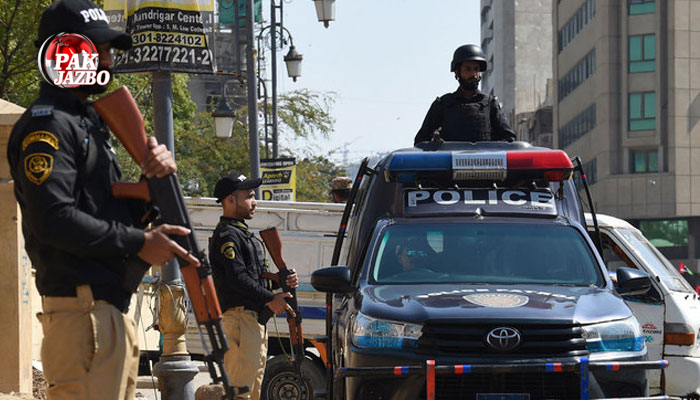
Security forces also launched an immediate sweep of the surrounding area to ensure no additional explosive devices posed a threat to residents.
Officials reiterated that militant-planted explosives are a violation of humanitarian laws and continue to pose severe risks even years after being deployed. They also assured the public that the government remains committed to clearing all such hazards and restoring complete normalcy in the region.
Need for Awareness and Long-Term Safety
Experts stress the importance of community awareness and education to prevent similar incidents. Vulnerable groups—particularly children—must be warned against touching unfamiliar objects found on the ground. Public awareness campaigns, school visits, mosque announcements, and cooperation with community elders are essential parts of the long-term safety plan.
Non-governmental organizations involved in humanitarian mine action have also worked in some districts to spread awareness about the risks associated with leftover explosive materials. Such efforts will continue to complement the government’s de-mining operations.
A Call for Continued Vigilance
As the region continues to rebuild after years of conflict, tragedies like the Isori blast are stark reminders of the lingering dangers. The loss of innocent young lives has strengthened the resolve of security forces to expedite de-mining and ensure safer environments for families across North Waziristan and wider Khyber Pakhtunkhwa.
What’s your Reaction?
+1
+1
+1
+1
+1
+1