


















































































































































































































































































































































































































































































































































































































































































































































































































































































































































































































































































































































































































































































































































































































































































































































































































































































































































































































































































































































































































Debate Over Creation of New Provinces in Pakistan Gains Momentum: Think Tank Proposes Three Scenarios


Islamabad, August 24, 2025 – Report by Rana Ghulam Qadir
A fresh debate has emerged in Pakistan over the creation of new provinces as part of proposed administrative and economic reforms. A prominent economic think tank, Economic Policy and Business Development, has suggested three possible scenarios for restructuring the administrative map of the country to address longstanding issues of inequality, population imbalance, and uneven development.
Three Proposed Models
According to the think tank’s report, the following scenarios could redefine Pakistan’s administrative structure:
- Twelve Smaller Provinces:
- The population of each province would be reduced to roughly 20 million people.
- Provincial budgets under this model are estimated to reach 994 billion rupees per province, allowing for more focused governance and targeted resource allocation.
- Fifteen to Twenty Provinces:
- Each province would have a population between 12 and 16 million.
- The provincial budget range would be 600 to 800 billion rupees, which could create greater fiscal balance and ensure resources are more evenly distributed.
- Thirty-Eight Federal Divisions:
- Each division would be restructured as an independent federal unit.
- The average population per division would be 6.3 million, which the report argues would significantly reduce the governance gap between citizens and administrators.
Why Restructuring is Needed
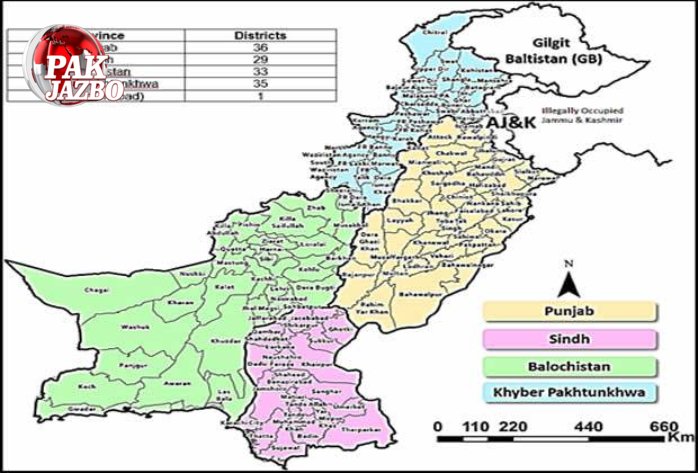
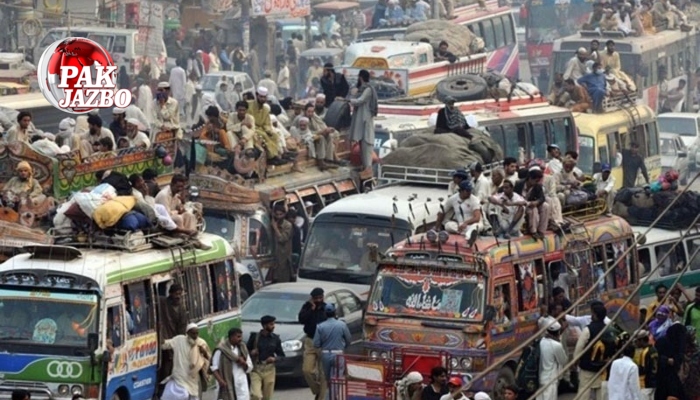
The report highlights that Pakistan’s current administrative structure is among the largest in the world in terms of provincial population sizes. With a national population of 241.5 million, the entire country is currently divided into only four provinces—a system the think tank believes is inadequate for effective governance.
The present population breakdown is:
- Punjab: 127.6 million
- Sindh: 55.6 million
- Khyber Pakhtunkhwa: 40.8 million
- Balochistan: 14.8 million
This means that, on average, each province has a population of more than 60 million people—a scale that overwhelms governance capacity and contributes to uneven development.
Socioeconomic Imbalances
The report stresses that vast differences in poverty levels, unemployment, and education rates between provinces have created a growing sense of inequality.
- Poverty levels vary drastically:
- Punjab: 30%
- Sindh: 45%
- Khyber Pakhtunkhwa: 48%
- Balochistan: 70%
Such disparities, the report argues, are exacerbated by the uneven distribution of resources due to the provinces’ large populations and varying levels of development.
Resource Allocation Challenges
The think tank noted that resource allocation under the current system reflects these imbalances. For example:
- Punjab, due to its population size, receives 5,355 billion rupees in resources.
- Balochistan, despite its vast geographical size, receives only 1,028 billion rupees.
This disproportionate allocation fuels a cycle of underdevelopment, especially in the smaller provinces. According to the report, creating smaller administrative units would allow for more efficient use of budgets, better oversight, and improved service delivery.
Potential Benefits of Smaller Provinces
The proposed restructuring is not just about numbers but about effective governance and equity. Smaller provinces or divisions, the report suggests, would:
- Reduce the administrative gap between governments and citizens.
- Allow targeted development programs tailored to local needs.
- Increase fiscal responsibility, with each unit accountable for its own budget.
- Narrow socioeconomic disparities by ensuring resources are not monopolized by larger provinces.
- Empower historically marginalized regions by giving them stronger representation in the federation.
Public Reaction and Political Implications
The idea of creating new provinces is not new in Pakistan. Past discussions have surfaced, particularly around South Punjab, Hazara, and Karachi as potential new provinces. However, the debate has often been derailed by political disagreements, ethnic sensitivities, and constitutional hurdles.
This new proposal by the think tank is likely to rekindle political debate. While some see it as a necessary step toward modern governance, others fear it could deepen ethnic divisions or create administrative chaos if implemented hastily.
Analysts suggest that any move to restructure Pakistan’s provinces will require broad political consensus, constitutional amendments, and careful planning to avoid exacerbating tensions.
A Comparison with Global Models
The report also compared Pakistan with other countries, noting that administrative units in most nations have much smaller populations, allowing governments to deliver services more effectively. For instance, in many developed countries, a state or province rarely exceeds 10–20 million people. By contrast, Pakistan’s provinces—each larger than many entire countries—struggle with scale.
Challenges Ahead
Despite the potential benefits, the path to restructuring is fraught with challenges:
- Political resistance from ruling parties in large provinces, especially Punjab.
- Ethnic sensitivities that could trigger demands for further divisions along linguistic or cultural lines.
- Financial implications of creating new bureaucracies, assemblies, and governance structures.
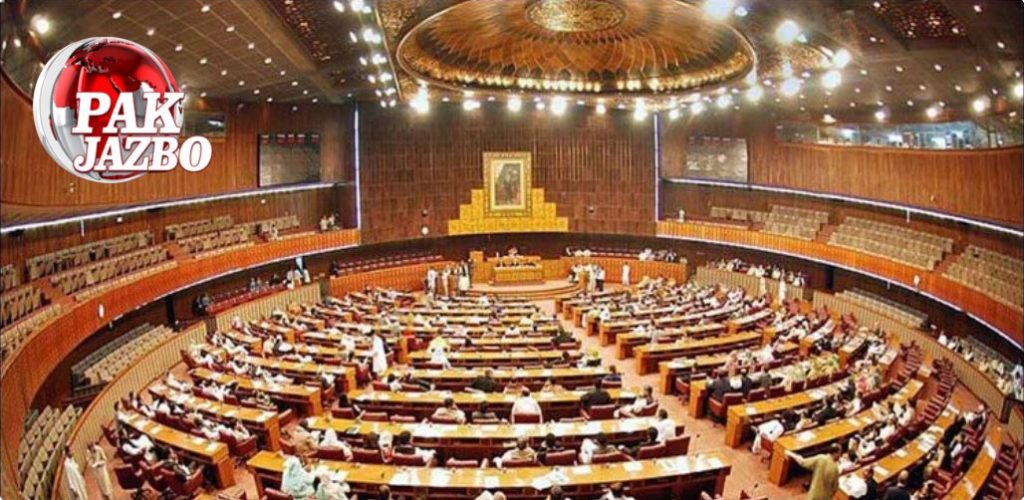
- Constitutional hurdles, requiring amendments that demand consensus across both houses of Parliament.
Conclusion
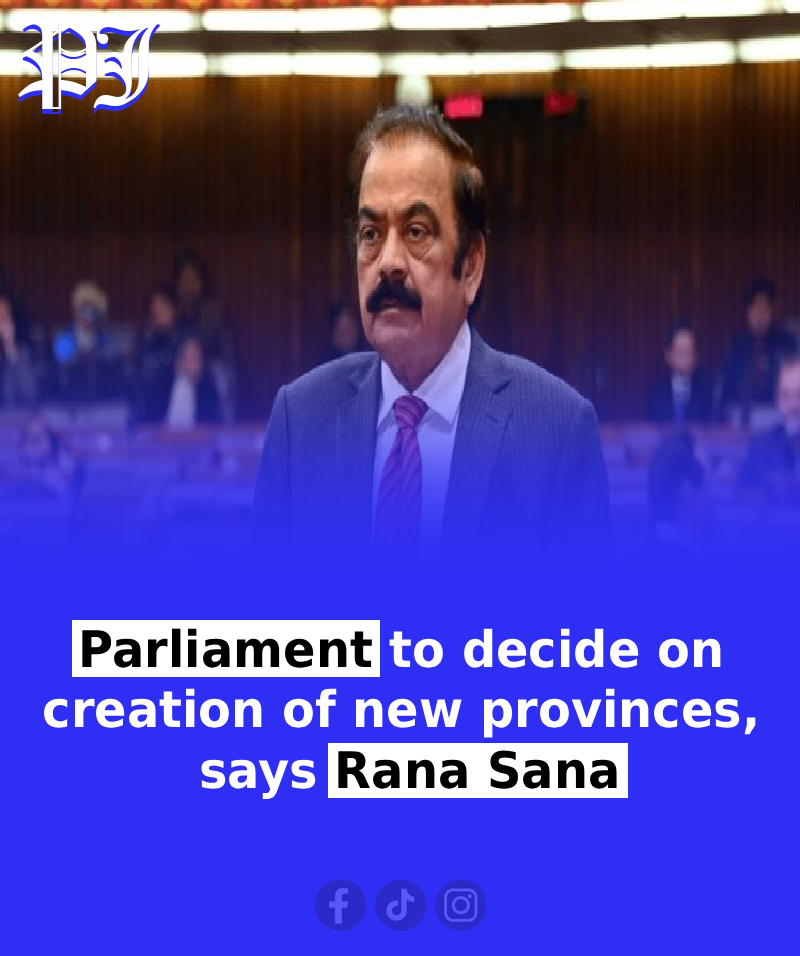
The think tank’s report has sparked a fresh and intense debate over whether Pakistan should adopt smaller administrative units for effective governance and economic development. With its population growing rapidly and regional inequalities widening, the question of new provinces is no longer just theoretical but an urgent governance challenge.
While three scenarios—12 provinces, 15–20 provinces, or 38 divisions—are on the table, their implementation depends on political will, public acceptance, and constitutional reforms. For now, the proposal has set the stage for what could become one of the most important debates in Pakistan’s governance and federal structure.
What’s your Reaction?
+1
+1
+1
+1
+1
+1