


























































































































































































































































































































































































































































































































































































































































































































































































































































































































































































































































































































































































































































































































































































































































































































































































































































































































































































































































































































































































Flour Prices in Balochistan Hit Record High for 2025, Dealers Warn of Further Increases


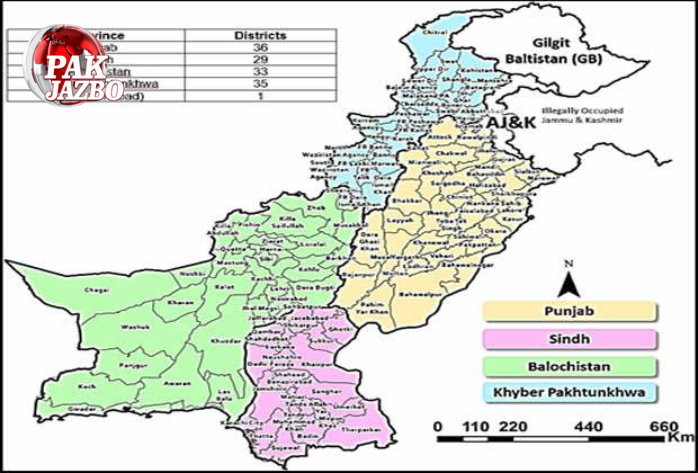
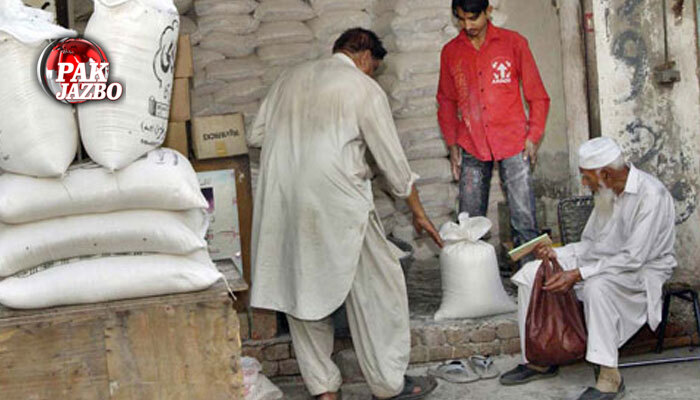
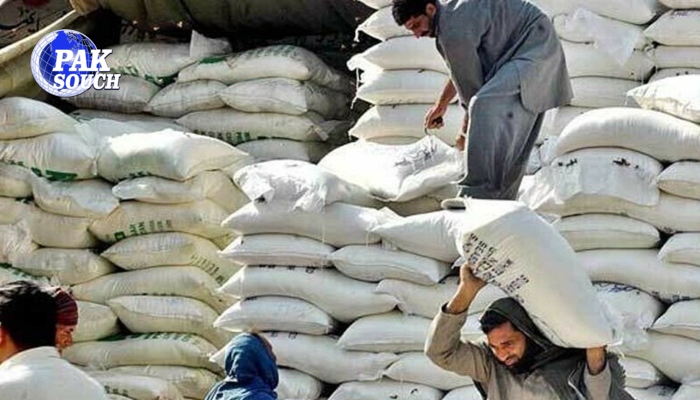
The price of wheat flour in Balochistan has surged to its highest level this year, sparking fresh concerns over food affordability in one of Pakistan’s most economically fragile provinces.
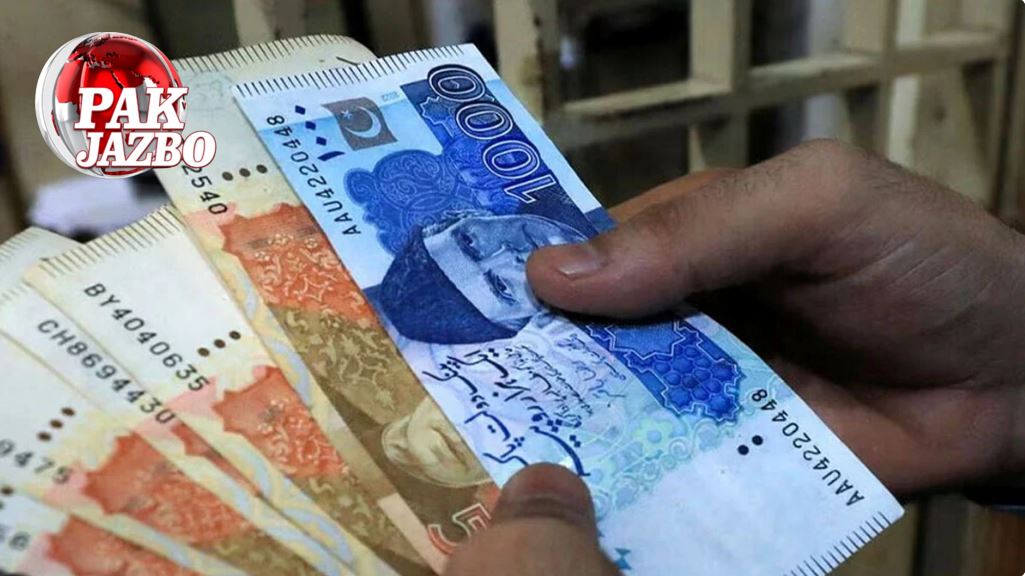
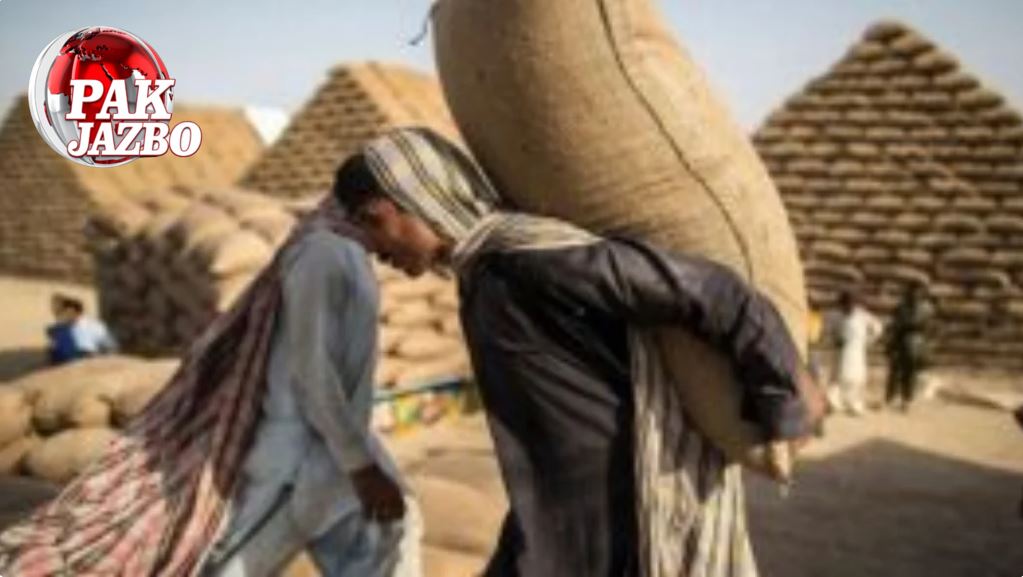
According to market reports, the cost of a 100-kilogram bag of flour, which was available for Rs 7,000 just 10 days ago, has now jumped to Rs 9,000 across several districts. This steep Rs 2,000 increase within a short span has put additional strain on consumers already battling inflation.
Sharp Price Hike in Chaman
The Chaman Dealers Association confirmed that flour prices have spiked alarmingly:
- Punjab Mills Flour: Previously Rs 6,900 per 100-kg bag, now costs Rs 8,900.
- Local Flour Mills (Fine Quality): Earlier sold at Rs 7,200 per 100-kg bag, now priced at Rs 9,150.
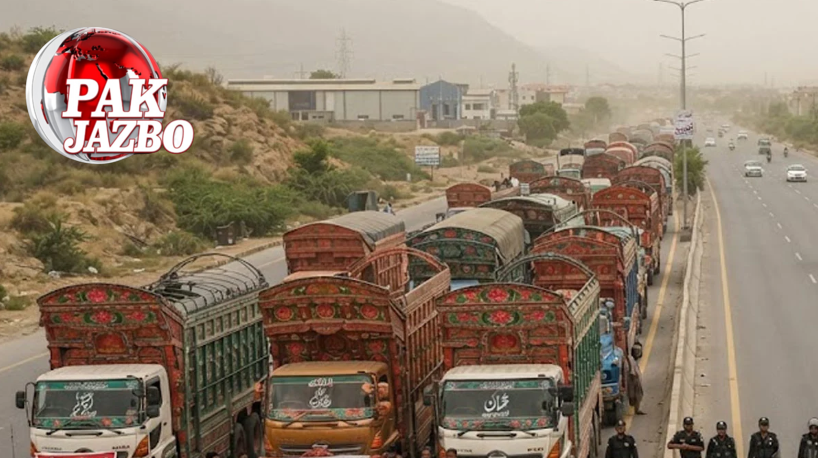
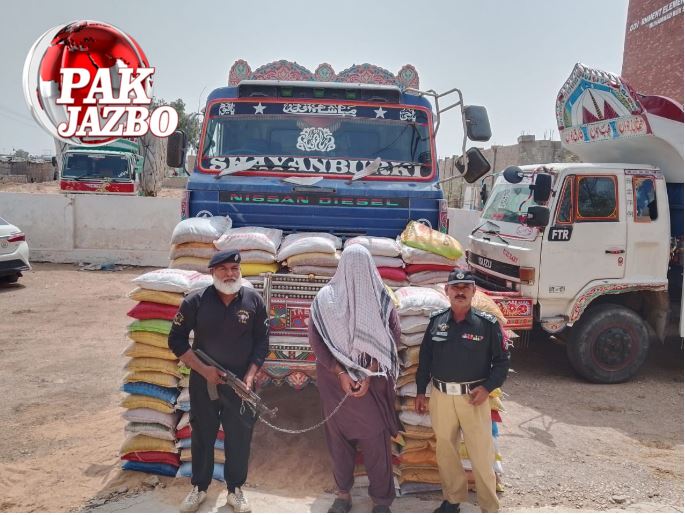
Dealers allege that flour mill owners are justifying the rise by citing torrential rains in Sindh and Punjab, disruptions in wheat supply, and increases in wheat prices. However, they claim that much of the hike is artificial and self-imposed, designed to maximize profits amid supply chain disruptions.
Not Limited to Chaman Alone
Flour traders and the provincial Flour Mills Association have clarified that this price surge is not confined to Chaman but is part of a province-wide trend. Markets in Quetta, Pishin, Khuzdar, and other urban centers are all reporting record-high flour prices. If current trends continue, analysts predict prices could rise even further by the end of August, pushing flour further out of reach for low-income households.
Price Shock Beyond Balochistan
The wave of flour inflation is also spreading beyond the province:
- Peshawar: The price of a 20-kg bag of flour has increased by Rs 550, now selling for Rs 1,850.
- Lahore: Wheat prices have risen by Rs 300 per maund, with the new rate reaching Rs 3,100 per maund. Traders warn that flour prices in Punjab are also likely to climb in the coming days if wheat costs continue to escalate.
Causes Behind the Surge
Several overlapping factors are driving the increase in flour prices across Pakistan:
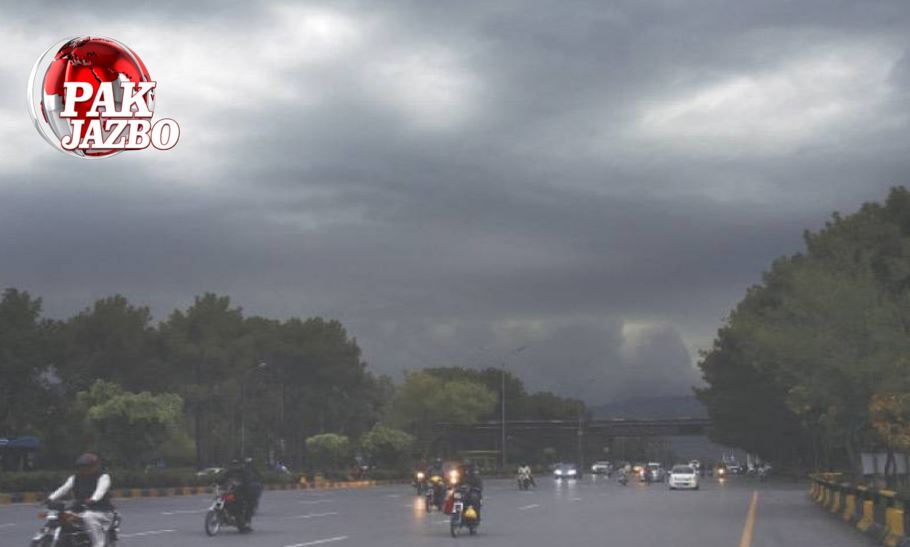
- Heavy Monsoon Rains: Torrential rains and flooding in Punjab and Sindh have disrupted the wheat supply chain, limiting the movement of grain to mills and markets.
- Wheat Price Hike: A consistent rise in wheat prices has had a direct impact on flour costs.
- Market Speculation: Traders and mill owners are accused of manipulating supply shortages to inflate profits.
- Weak Regulation: Critics argue that government monitoring of flour pricing and distribution remains ineffective, enabling unchecked price hikes.
Consumer Impact
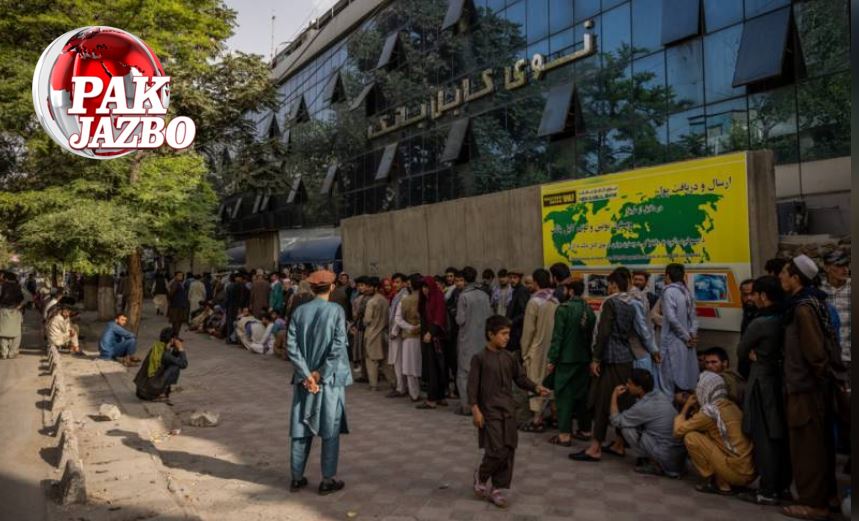
For many families in Balochistan, where poverty rates are higher than the national average, the price surge has immediate and severe consequences. Flour is the staple for millions, and any increase directly raises the cost of daily meals such as roti and naan. With a Rs 2,000 jump in just ten days, households are being forced to either cut back on food or switch to lower-quality substitutes.
What Lies Ahead
Market observers suggest that if rains continue to disrupt wheat supplies and mill owners maintain upward pricing pressure, flour may see another sharp hike before the end of the monsoon season. Unless provincial and federal authorities step in to regulate flour prices and ensure stable wheat supply chains, the crisis could worsen, triggering food insecurity in vulnerable communities.
What’s your Reaction?
+1
+1
+1
+1
+1
+1