














































































































































































































































































































































































































































































































































































































































































































Azerbaijan–Armenia Conflict: Historical Background and the Potential Impact of the New Peace Agreement


Azerbaijan and Armenia, both former Soviet republics, have had a long and bitter history of conflict over the Nagorno-Karabakh region. For decades, Russia acted as a key mediator between the two nations, but recent developments have shifted the balance of diplomacy. In a surprising geopolitical twist, the United States—under the leadership of President Donald Trump—has successfully brokered a peace agreement between the two countries, a move that analysts say is a strategic blow to Russia’s influence in the region and a potential “regional reset.”
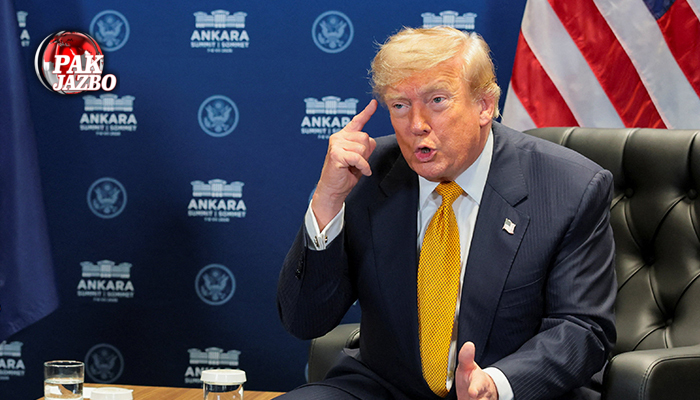
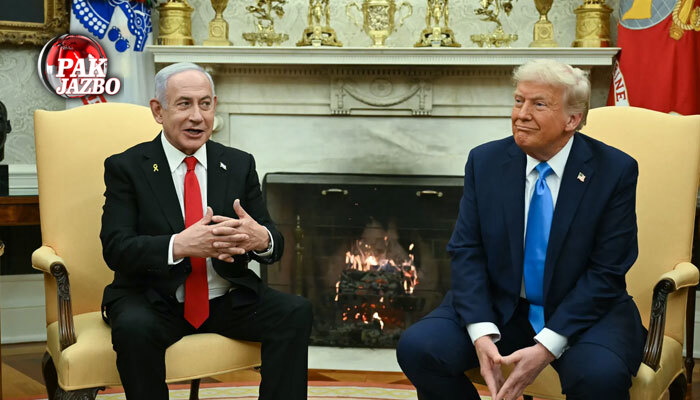
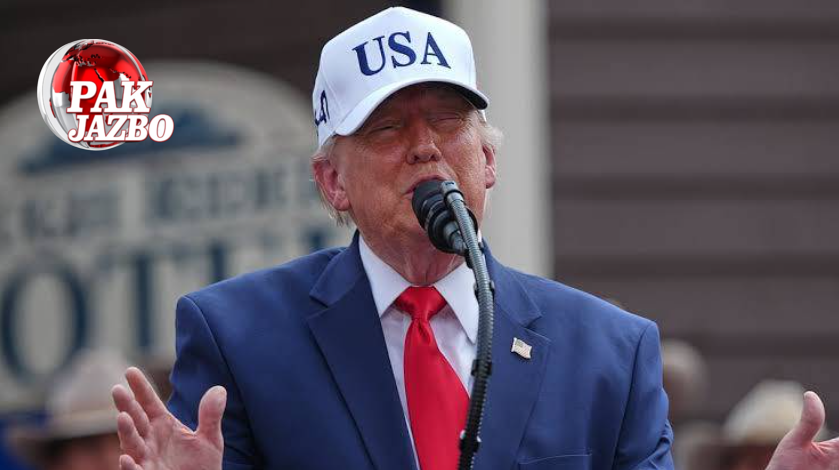
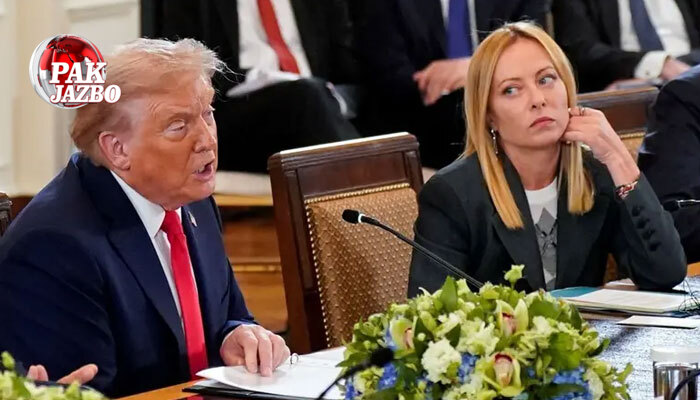
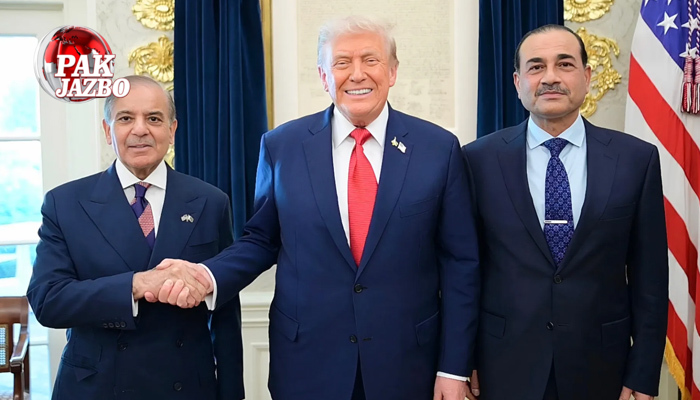
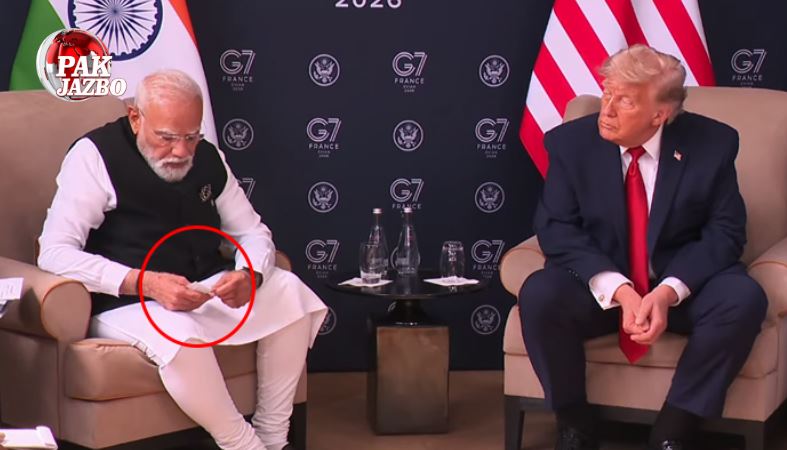
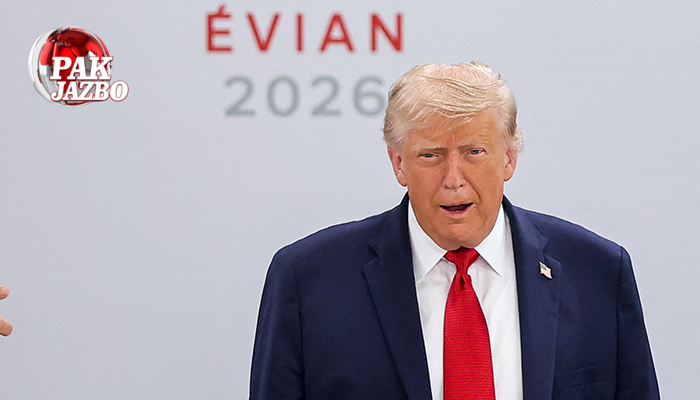
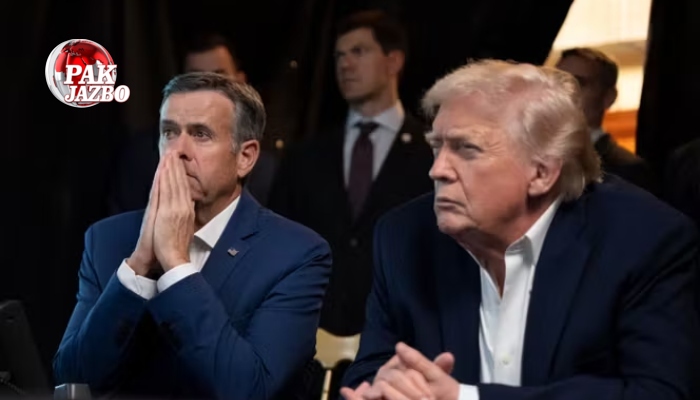
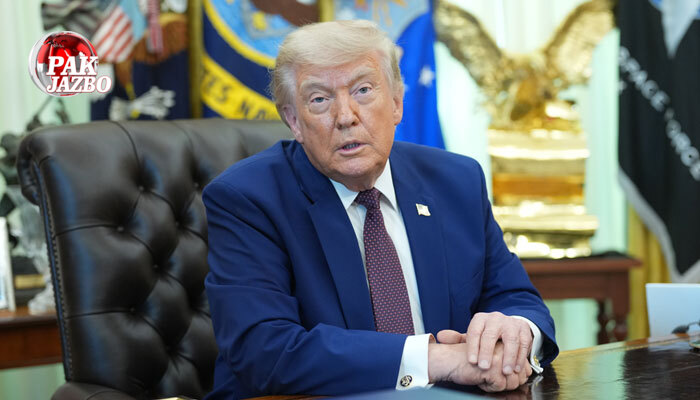
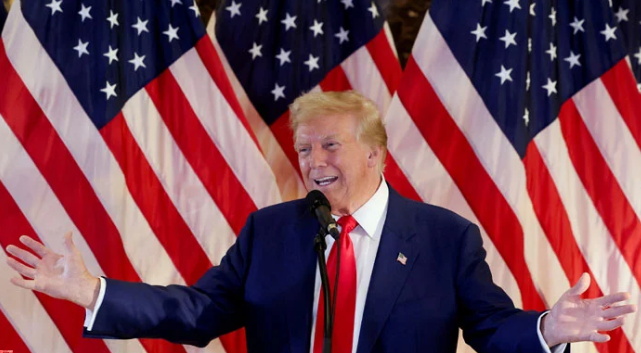
The historic agreement was signed at the White House, where Azerbaijan’s President Ilham Aliyev and Armenia’s Prime Minister Nikol Pashinyan met with President Trump. The signing ceremony concluded with a pledge of complete ceasefire. President Trump also signed the document as a witness, stating that both countries were heading toward a major war and that he personally intervened to prevent it. “I told both nations: don’t fight, trade,” Trump remarked. Both leaders assured him that they would refrain from armed conflict and focus instead on building peaceful relations.
The Historical Context of the Azerbaijan–Armenia Dispute
The roots of the dispute trace back to the late 1980s, in the final years of the Soviet Union. The conflict centers on Nagorno-Karabakh, a mountainous region internationally recognized as part of Azerbaijan but populated historically by an ethnic Armenian majority. As the Soviet Union dissolved, both newly independent republics—Azerbaijan and Armenia—claimed the territory.
This dispute escalated into a full-scale war from 1988 to 1994, resulting in the deaths of over 36,000 people and the displacement of hundreds of thousands. By the time a ceasefire was reached in 1994, Armenian forces had taken control of most of Nagorno-Karabakh and several surrounding Azerbaijani districts.
The fragile ceasefire held for years, but tensions simmered beneath the surface. In 2020, a six-week war erupted, leading to significant Azerbaijani territorial gains. Azerbaijan recaptured parts of Nagorno-Karabakh and surrounding areas, altering the status quo for the first time in decades.
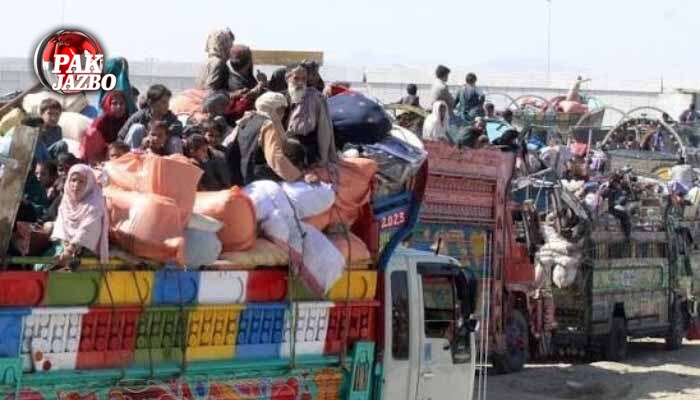
The final decisive shift came in 2023, when Azerbaijan took full control of the remaining territory in Nagorno-Karabakh. This resulted in the mass exodus of approximately 100,000 ethnic Armenians from the region. Russia—bogged down in its war in Ukraine—remained largely passive during this period, prompting anger and frustration in Armenia, which had historically relied on Moscow for security. This diplomatic vacuum paved the way for Yerevan to lean increasingly toward the West.
The New Peace Agreement and Its Provisions
The U.S.-brokered peace deal not only establishes a complete ceasefire but also paves the way for enhanced regional connectivity. One of its most notable features is the creation of a “Trump Route for Peace and Prosperity,” a proposed transit corridor linking Azerbaijan to its autonomous Nakhchivan exclave.
Nakhchivan, separated from mainland Azerbaijan by a 32-kilometer stretch of Armenian territory, has long been a logistical and strategic challenge for Baku. The proposed corridor will include a railway network, oil and gas pipelines, and fiber-optic connections, strengthening economic ties between the two sides.
However, the corridor remains a sensitive point. Azerbaijan insists that Armenia should not control it, while Armenia views ceding any control to a third party as an infringement on its sovereignty. U.S. mediation is now attempting to find a balanced solution that satisfies both nations’ security concerns.
Geopolitical Ramifications
This peace initiative has implications far beyond the South Caucasus. The Organization for Security and Co-operation in Europe (OSCE) has been asked to disband the Minsk Group—a body established in the 1990s to mediate the conflict and co-chaired by Russia, France, and the U.S. If the group is dissolved, Russia’s formal role as a mediator in the conflict would effectively end, diminishing Moscow’s influence in the region.
For Russia, this development is another strategic setback at a time when its focus is already consumed by the war in Ukraine. Similarly, China and Iran, both of which have stakes in the Caucasus due to its strategic location and energy resources, may view the growing U.S. presence with concern. Washington’s active engagement signals a broader push to secure its influence in Eurasia, partly by aligning with countries that have traditionally been within Moscow’s orbit.
Potential Benefits and Challenges Ahead
If implemented successfully, the agreement could usher in a new era of regional stability. Economic integration through the transit corridor could create new trade routes, boost energy exports, and connect markets more efficiently. For Armenia, improved relations with Azerbaijan could open access to regional infrastructure and economic opportunities. For Azerbaijan, securing its link to Nakhchivan would enhance both security and economic resilience.
However, the road ahead is complex. Deep mistrust remains between the two societies after decades of war, displacement, and loss. The question of governance and security along the corridor will require careful negotiation. Additionally, while the U.S.-brokered deal may sideline Russia temporarily, Moscow still has influence in the region through military, political, and energy ties, and could act to undermine the agreement if it perceives its interests threatened.
In essence, the peace agreement is both a diplomatic breakthrough and a geopolitical maneuver. It reflects a shift in the balance of power in the South Caucasus, one that could either pave the way for lasting peace or trigger new rivalries depending on how it is managed.
If this is done right, the region could transition from decades of bloody conflict into an interconnected zone of trade and cooperation—fulfilling the vision of “Peace and Prosperity” that President Trump invoked. But as history shows, in this corner of the world, peace is always fragile, and the real test will be in the months and years ahead.
What’s your Reaction?
+1
+1
+1
+1
+1
+1