








































































































































































































































































































































































































































































































































































































































































































































Israel Intensifies Economic Suppression: Thousands of Palestinian Olive Trees Uprooted in West Bank


In yet another move that highlights the systematic targeting of Palestinian livelihood, Israeli forces have launched a large-scale operation to destroy olive trees in the occupied West Bank. According to Arab media reports, more than 3,000 olive trees have already been uprooted in and around the city of Ramallah, and operations are still underway.
The olive tree, considered a lifeline for Palestinian farmers and a powerful symbol of heritage, resilience, and connection to the land, has once again become a target in Israel’s broader strategy of dispossession. Beyond the mass killings, land grabs, and illegal settlements, Palestinians now face what observers describe as “economic strangulation”—an attempt to weaken their survival by destroying their main agricultural resources.
Reports indicate that the Israeli army has issued orders to uproot olive trees across a 0.27 square-kilometer area in the village of Al-Mughayir, located northeast of Ramallah. This village, home to around 4,000 residents, has been under intense pressure due to its strategic location between expanding Israeli settlements. Local farmers and families are devastated, as the olive harvest has been the backbone of their economy for generations.
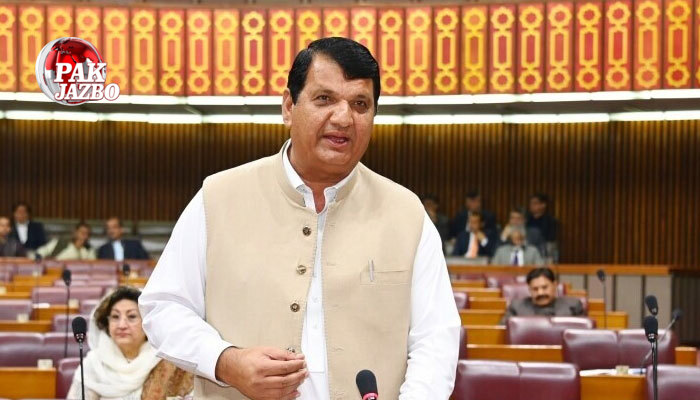
Amin Abu Alia, head of the local council of Al-Mughayir, explained that the village is being directly targeted because of Israel’s expansionist agenda. He stated that by destroying the olive trees, Israeli forces aim to force Palestinian residents to abandon their land, thereby clearing the area for settlement expansion. “This is not just about trees—it is about erasing our presence, our culture, and our rights to this land,” Abu Alia stressed.
The olive industry in Palestine is not only an economic asset but also a cultural treasure. Approximately 100,000 Palestinian families depend on olive cultivation, with the harvest season representing both an economic lifeline and a tradition passed down through generations. The destruction of these trees—many of which are centuries old—inflicts not only financial loss but also deep psychological trauma.
International observers and human rights organizations have long documented this systematic targeting of Palestinian agriculture. Reports suggest that since the occupation began, hundreds of thousands of olive trees have been destroyed, often under the pretext of “security measures” or land clearance. Critics argue that such actions are part of a calculated policy to make life unlivable for Palestinians in rural areas, ultimately pushing them to migrate and abandon their ancestral lands.
The latest destruction in Al-Mughayir coincides with ongoing violence and restrictions across the West Bank. Palestinians are facing intensified settler attacks, roadblocks, and land confiscations, while Israeli settlement projects continue to expand in defiance of international law. The United Nations and other global bodies have repeatedly declared Israeli settlements illegal under international law, yet accountability remains elusive.
For the residents of Al-Mughayir, the loss of thousands of olive trees is catastrophic. Beyond immediate economic hardships, it means years of recovery, as new olive trees can take up to a decade to fully mature and bear fruit. Many farmers see this as a deliberate attempt to strip them of their resilience and weaken their ties to their ancestral lands.
Palestinian activists emphasize that the destruction of olive trees symbolizes an assault not only on the economy but also on identity. “The olive tree is the soul of Palestine. Destroying it is like destroying part of our existence,” said one farmer from Ramallah.
Meanwhile, international condemnation has started to grow, but Palestinians argue that words are not enough. They call for concrete international pressure on Israel, including sanctions and legal actions, to halt the destruction of their lands and resources.
As bulldozers continue to uproot centuries-old olive groves in the West Bank, the people of Al-Mughayir and other villages vow to resist. Despite the devastation, they affirm that they will replant and rebuild, no matter how many times their trees are destroyed. For them, the olive tree remains not just a source of livelihood, but a symbol of endurance, deeply rooted in the struggle for freedom and justice.
What’s your Reaction?
+1
+1
+1
+1
+1
+1

