
















































































































































































































































































































































































































































































































































































































































































































































































































































































































































































































































































































































































































































































































































































































































































































































































































































































































































































































































































































































































































































































































































































































































































































































































































































































Afghan Citizen Executed in Mecca for Drug Smuggling, Saudi Arabia Reiterates Zero Tolerance Policy


In a stark reminder of Saudi Arabia’s uncompromising stance on narcotics-related crimes, the Kingdom has carried out the execution of an Afghan national convicted of drug smuggling. The incident, which took place in Mecca, underscores the government’s continued resolve to combat drug trafficking within its borders and to set a stern example for others who may consider violating the country’s stringent anti-narcotics laws.
The Case Against the Afghan Citizen
According to an official statement released by the Saudi Ministry of Interior, the Afghan citizen, identified as Ghulam Rasool Faqeer, was convicted of attempting to smuggle heroin into the Kingdom. The charges were proven beyond doubt in court, leading to his eventual death sentence. The Ministry’s report indicated that the accused had deliberately attempted to bring narcotics into Saudi Arabia, a crime considered not only a violation of civil law but also a grave moral and religious offense in the country.
Legal Proceedings and Appeals
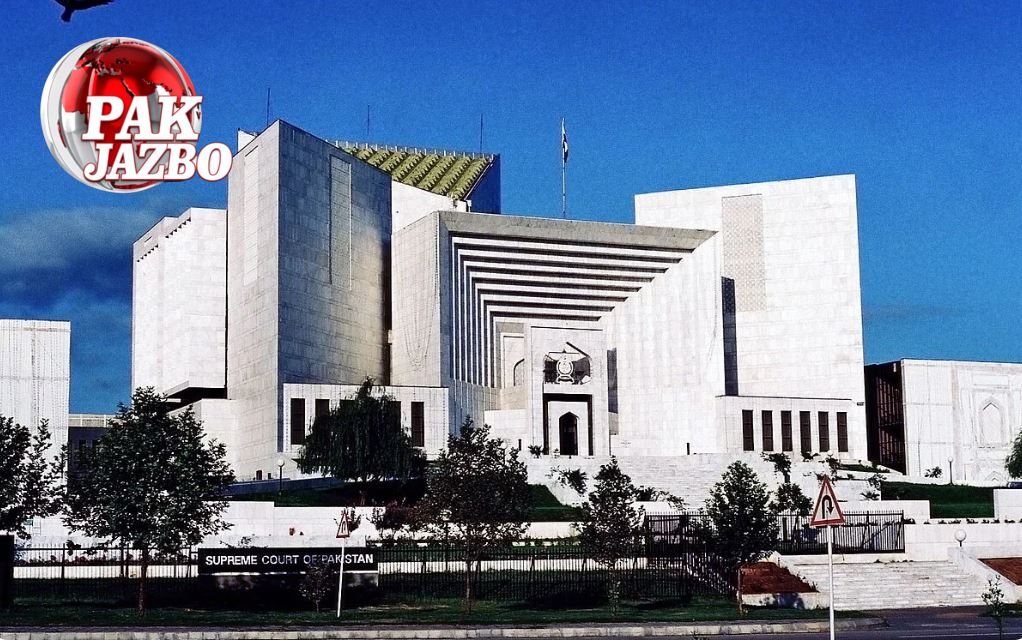
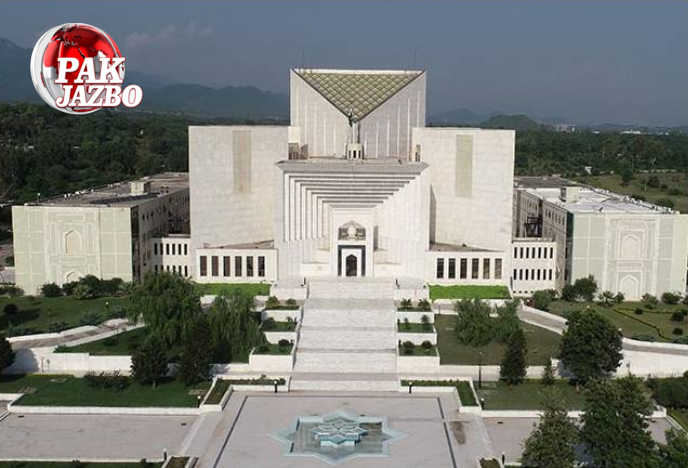
The legal process in this case followed the strict judicial framework of Saudi Arabia. After his initial conviction by a competent criminal court, Faqeer appealed the ruling to higher judicial authorities, including the Supreme Court of Saudi Arabia. However, the apex court upheld the original verdict, leaving no further room for appeal.
Following the rejection of his appeal, the execution order was confirmed and carried out on Saturday in Mecca. The Ministry of Interior clarified that all due process requirements were strictly observed, ensuring that the sentence was legally binding and consistent with Saudi judicial norms.
Execution as a Deterrent
The Kingdom of Saudi Arabia is known for its zero-tolerance policy on drugs, and executions for smuggling offenses are not uncommon. By carrying out this death sentence, the government once again emphasized its position that narcotics pose a severe threat to society, public health, and moral values.
In its statement, the Ministry of Interior warned that anyone attempting to smuggle, distribute, or consume narcotics in Saudi Arabia would face severe consequences in accordance with Islamic law (Shariah) and state regulations. The execution serves not only as a punishment for the offender but also as a deterrent to others who may consider engaging in similar crimes.
The Broader Context of Anti-Drug Laws in Saudi Arabia
Saudi Arabia has some of the strictest anti-drug laws in the world. The Kingdom’s leadership views narcotics as destructive substances that undermine the moral and physical well-being of society. Drug smugglers, in particular, are dealt with harshly because their crimes extend beyond personal use to the deliberate endangerment of others by flooding communities with dangerous substances.
Punishments in the Kingdom can include imprisonment, heavy fines, public flogging, and, in the most severe cases, the death penalty. Drug-related executions often involve individuals caught smuggling large quantities of heroin, hashish, cocaine, or amphetamines into the country.
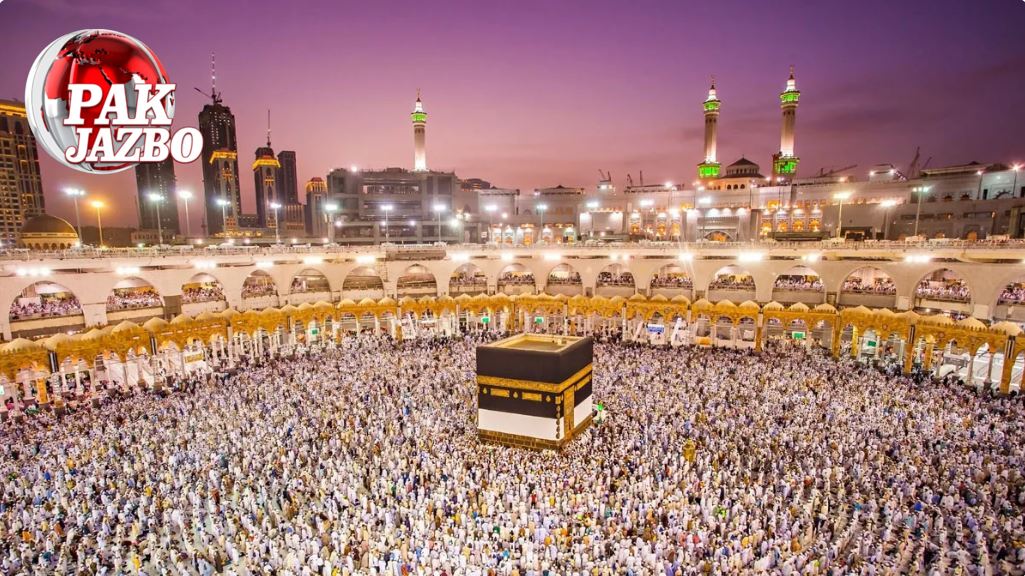
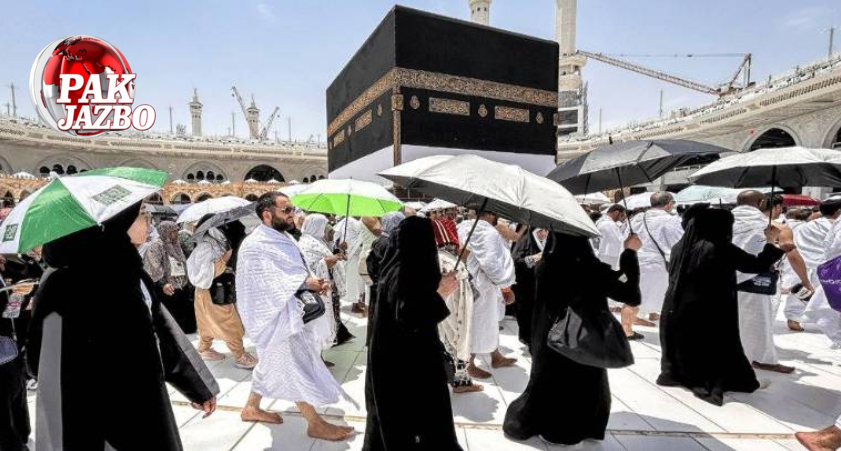
Saudi officials argue that these harsh measures are necessary to maintain the safety, security, and sanctity of the country, particularly given that Mecca and Medina are the two holiest cities in Islam, attracting millions of pilgrims annually. Ensuring that these cities remain free from narcotics is seen as a religious as well as a social obligation.
Regional and International Implications
The execution of the Afghan citizen has also attracted international attention. Afghanistan has long been one of the world’s largest producers of opium, which is often refined into heroin and smuggled across borders. Saudi Arabia, like many other nations in the region, faces challenges from organized networks seeking to bring narcotics into the Kingdom.
The Saudi government has consistently stated that it will continue to work with international partners to intercept drug shipments and dismantle smuggling networks. However, it also makes clear that individuals caught violating its laws will face the full weight of justice, regardless of nationality.
This latest execution serves as a message to global drug cartels and individuals alike: Saudi Arabia remains one of the most unforgiving environments for drug smugglers.
Human Rights Debate
While Saudi authorities defend their anti-drug stance as essential for the protection of society, the use of capital punishment for drug offenses has long been criticized by human rights organizations. Groups such as Amnesty International and Human Rights Watch argue that executions for non-violent crimes, such as drug smuggling, are disproportionate and violate international human rights standards.
Despite this criticism, Saudi Arabia has consistently reiterated that its laws are rooted in Shariah principles, which it regards as divinely mandated and non-negotiable. The government also insists that the overwhelming majority of its citizens support the strict measures against narcotics, given the potential harm drugs could bring to families, youth, and society at large.
Public Reaction and Domestic Perspective
Within Saudi Arabia, public opinion largely supports such measures. Citizens often view drug traffickers as enemies of society, attempting to corrupt youth and destroy families for profit. For many Saudis, the strict enforcement of drug laws—including executions—acts as a protective shield against the problems of addiction, crime, and social decay witnessed in other countries with more lenient policies.
The execution of Ghulam Rasool Faqeer in Mecca is thus not only seen as an act of justice but also as a reaffirmation of the state’s duty to safeguard its citizens and the sanctity of its holy sites.
Conclusion
The execution of an Afghan citizen for drug smuggling in Mecca highlights Saudi Arabia’s unwavering stance on narcotics-related crimes. Despite criticism from international human rights groups, the Kingdom remains resolute in its belief that strict enforcement and severe punishments are essential to deter potential offenders and protect society from the destructive impact of drugs.
With the Ministry of Interior once again warning that drug trafficking will not be tolerated under any circumstances, the case serves as a sobering reminder to all foreign nationals and citizens alike: in Saudi Arabia, drug smuggling is not just a crime—it is a capital offense.
What’s your Reaction?
+1
+1
+1
+1
+1
+1