













































































































































































































































































































































































































































































































































































































































































































































































































































































































































































































































































































































































































































































































































































































































































































































































































































































































































































































































































































































































































































































































































































































PM Laptop Scheme Scandal: Hundreds of Laptops Missing, Over Rs. 11.9 Million Loss to Government


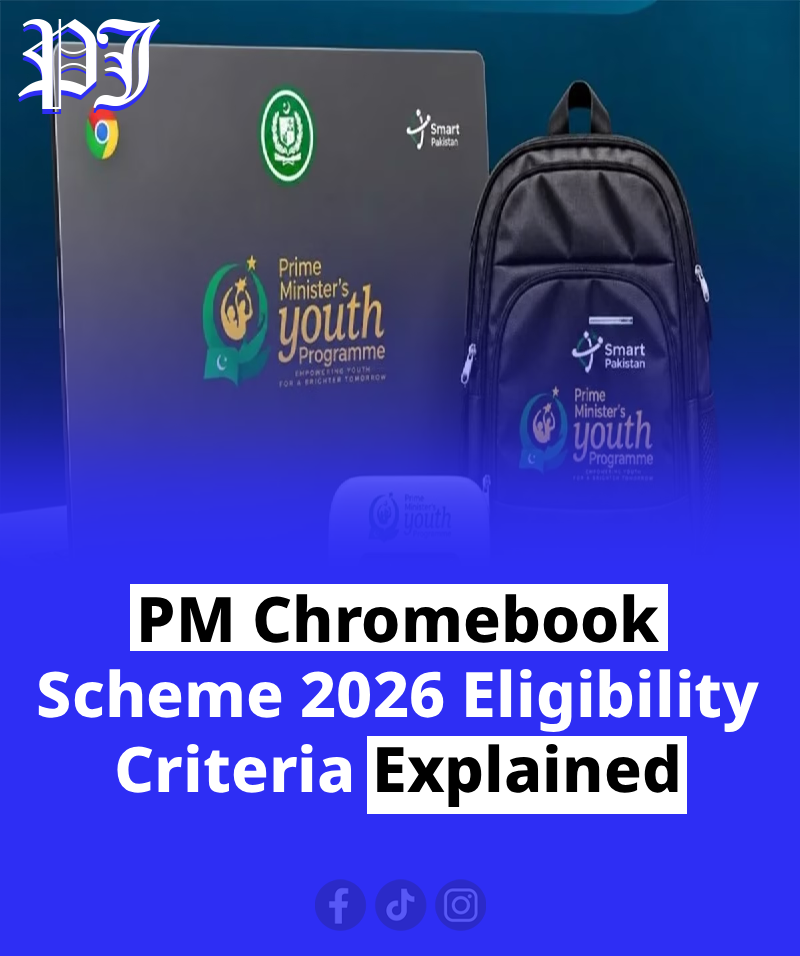
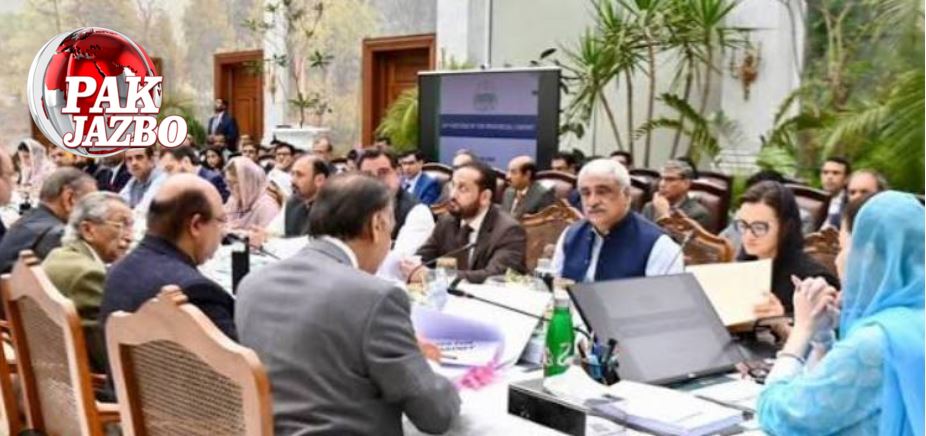
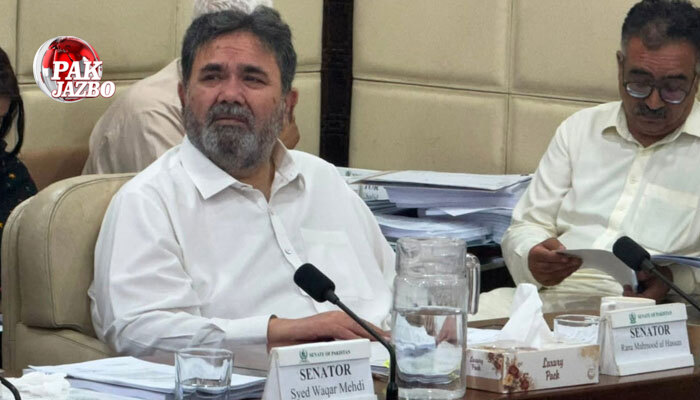
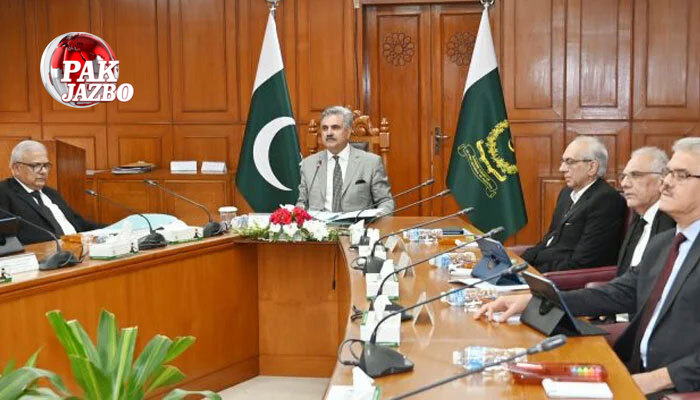
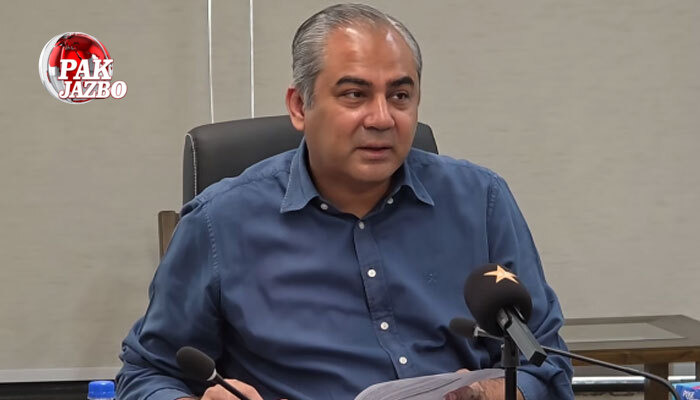
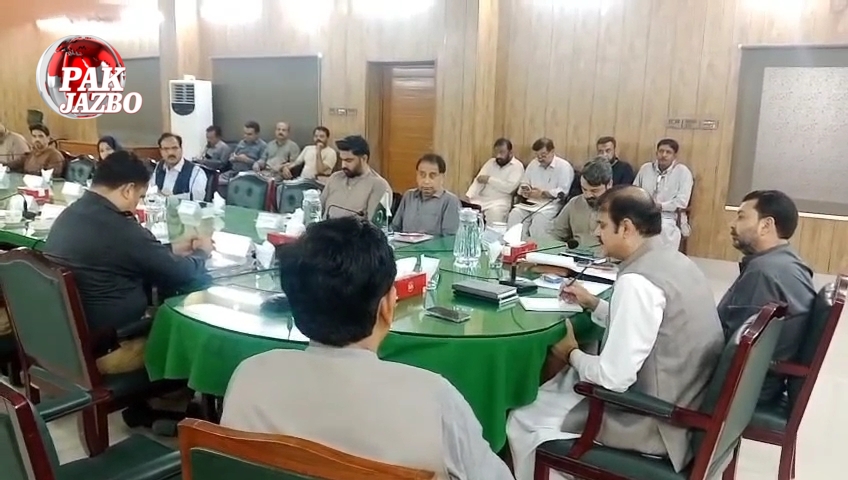
Islamabad: A startling revelation has emerged regarding the Prime Minister’s Laptop Scheme, as hundreds of laptops distributed under the program have reportedly gone missing, causing a financial loss of more than Rs. 11.9 million to the government. The matter came to light during a session of the Public Accounts Committee’s (PAC) subcommittee, raising serious concerns over accountability and transparency in the Higher Education Commission’s (HEC) handling of the scheme.
Background of the Laptop Scheme
The Prime Minister’s Laptop Scheme was introduced during the tenure of former governments as part of an initiative to promote digital literacy and provide access to modern technology for students across Pakistan. Thousands of laptops were distributed to students in universities nationwide under different phases of the scheme, particularly targeting meritorious and deserving students to enhance their academic and research capabilities.
While the scheme initially received praise for encouraging digital learning, it has frequently been criticized for poor monitoring, political motivations, and weak oversight mechanisms. The latest revelation adds to the controversy, pointing towards mismanagement and lack of control over valuable public resources.
Details of Missing Laptops
According to HEC officials, under Phase-II of the scheme, a significant number of laptops distributed to universities could not be properly tracked. Out of the laptops that were unaccounted for, 784 were eventually recovered, but 227 laptops remain missing to this day.
Officials confirmed that the missing laptops have caused an estimated loss of Rs. 11.9 million (1 crore 19 lakh rupees) to the government treasury. Furthermore, an additional 757 laptops lack proper record documentation from universities, making it unclear whether they were actually delivered to students, remain in storage, or were misappropriated.
PAC Committee Raises Concerns
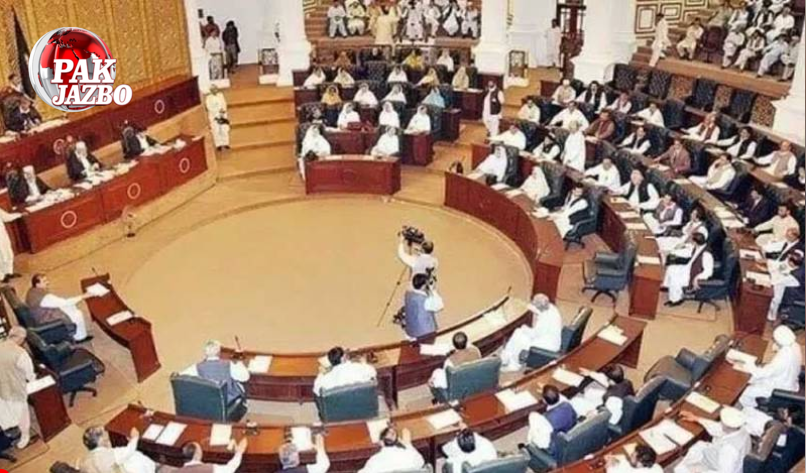
The PAC subcommittee expressed dissatisfaction with the explanations provided by HEC representatives. Members criticized the lack of accountability, questioning how such a large number of laptops could disappear without proper oversight.
Committee members emphasized that the scheme involved taxpayers’ money, and any irregularity in distribution or record-keeping reflects serious negligence. They directed HEC to provide a detailed report on the missing laptops and the absence of records from universities, as well as to identify those responsible.
HEC’s Position
HEC officials defended their position by claiming that most of the laptops had been successfully distributed and tracked, but acknowledged shortcomings in the monitoring process. They explained that coordination with universities was often inconsistent, and some institutions failed to maintain up-to-date records of distribution.
However, critics argue that such excuses cannot justify the disappearance of public property worth millions of rupees, and stronger oversight mechanisms should have been in place from the beginning.
Financial and Governance Implications
The financial loss of Rs. 11.9 million may appear modest compared to the overall scale of the scheme, which distributed hundreds of thousands of laptops nationwide. However, the symbolic impact of the scandal is significant. It raises questions about governance, financial accountability, and the state’s ability to safeguard public resources.
With Pakistan already facing economic difficulties and public frustration over mismanagement in multiple sectors, revelations like these further erode trust in government programs. Opposition parties are likely to use the scandal to criticize the government’s priorities and highlight inefficiencies in flagship initiatives.
Impact on Students and Universities
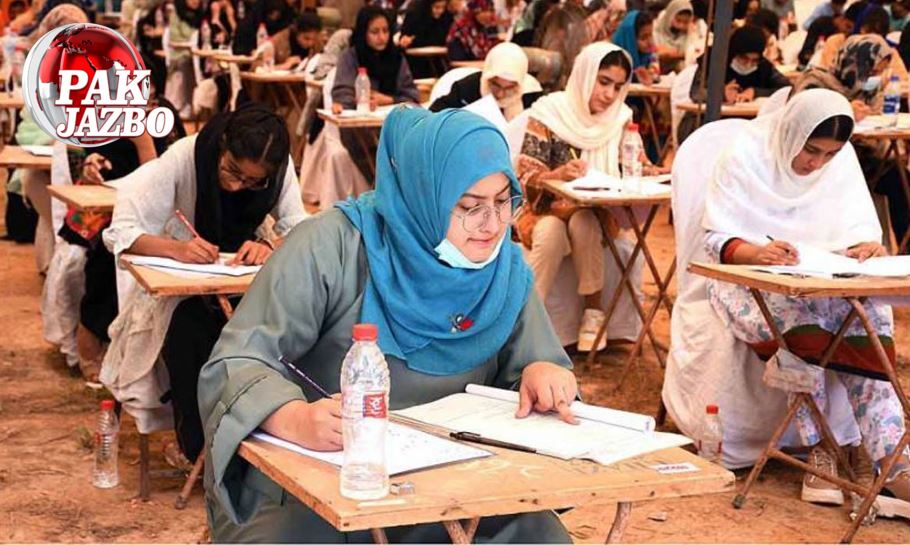
For many students, the laptop scheme was a lifeline that provided access to online education, research resources, and digital connectivity. In rural and underprivileged areas, where access to technology is limited, the scheme had the potential to bridge the digital divide.
However, the irregularities risk undermining the credibility of the entire initiative. Missing laptops not only represent financial loss but also mean that deserving students may have been deprived of opportunities they were promised. University administrations, already struggling with resource constraints, now face additional scrutiny over their handling of government programs.
Public Reaction and Criticism
Public reaction to the news has been critical, with many social media users mocking the lack of accountability in government schemes. Some have questioned whether laptops were ever distributed fairly, while others suggest the scheme was used as a political tool rather than a genuine educational initiative.
Civil society organizations have called for a transparent investigation and for stricter rules to ensure that such losses do not occur in the future. They argue that while technology schemes for students are important, they must be accompanied by foolproof auditing and monitoring systems.
Next Steps and Possible Investigations
The PAC has instructed the HEC to conduct a thorough review of the scheme’s record-keeping and submit an updated audit report. There is also a possibility that the matter could be referred to accountability bodies, such as the National Accountability Bureau (NAB), for further investigation into possible misappropriation or corruption.
If negligence or deliberate mismanagement is proven, disciplinary action may be taken against university administrations and HEC officials involved in the distribution process. Calls are also growing for reforms in how such government schemes are designed and monitored, with suggestions for digital tracking systems, biometric verification of recipients, and centralized record databases.
Conclusion
The missing laptops scandal is yet another reminder of the governance challenges Pakistan faces in implementing large-scale public initiatives. While the Prime Minister’s Laptop Scheme was designed to empower students and bridge the digital gap, weak monitoring and oversight mechanisms have allowed irregularities to creep in.
The revelation that hundreds of laptops have vanished, resulting in a multi-million-rupee loss, not only highlights systemic flaws but also undermines public trust in similar government programs. Unless strong corrective measures are taken, such initiatives risk being seen not as investments in education but as examples of waste, negligence, and mismanagement.
As the inquiry continues, the government faces mounting pressure to hold those responsible accountable and to ensure that future educational programs are free of such scandals. For the students who were supposed to benefit, the hope remains that reforms will turn these well-intentioned schemes into genuinely transformative opportunities.
What’s your Reaction?
+1
+1
+1
+1
+1
+1