








































































































































































































































































































































































































































































































































































































































































































































































































































































































































































































































































































































































































































































































































































































































































































































































































































































































































































































































































































































































































































































































































































































































































Torrential Rains in Karachi Disrupt Air Travel: Flights Diverted, Delayed, and Canceled


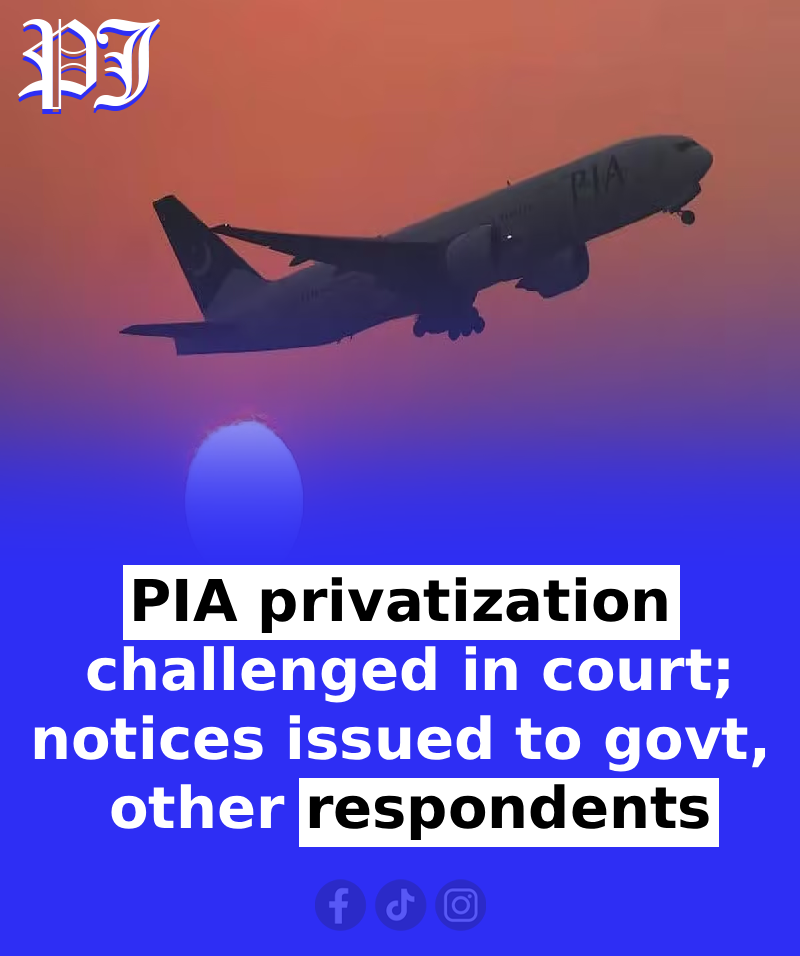
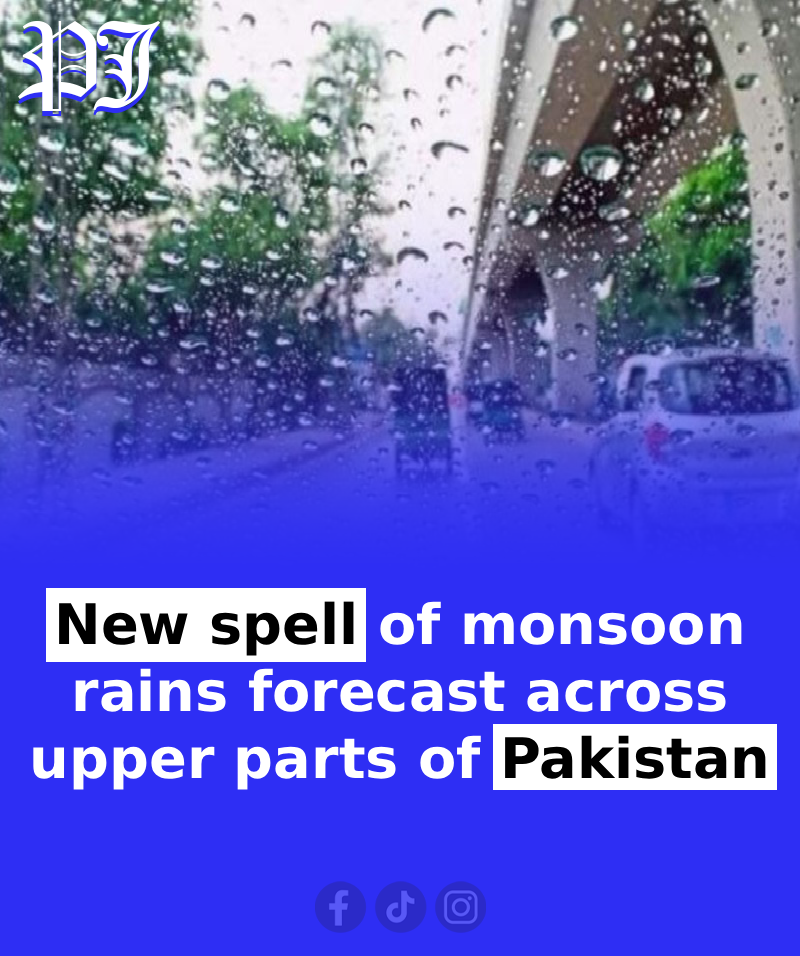
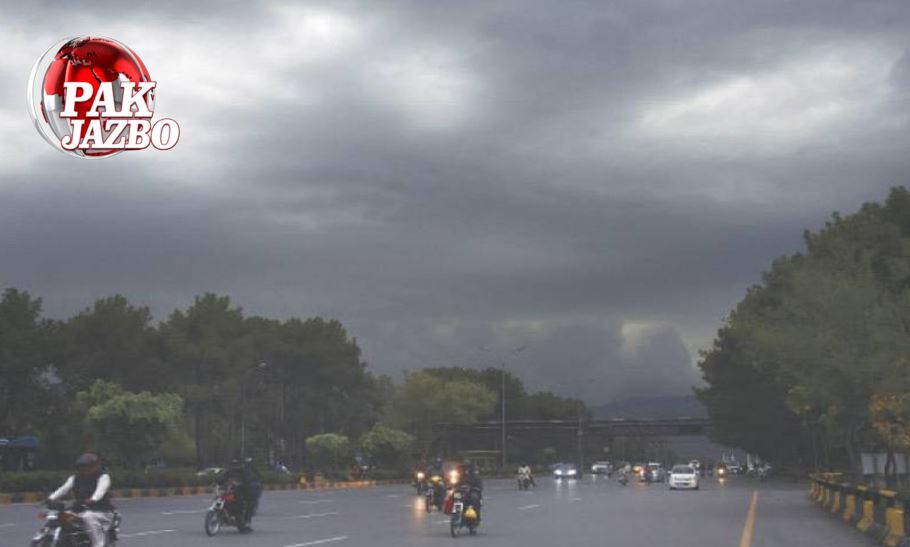
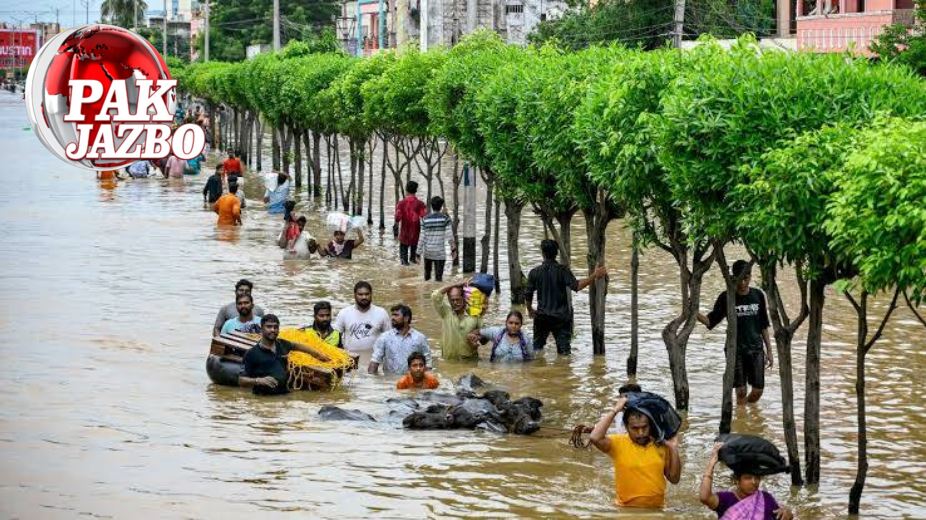
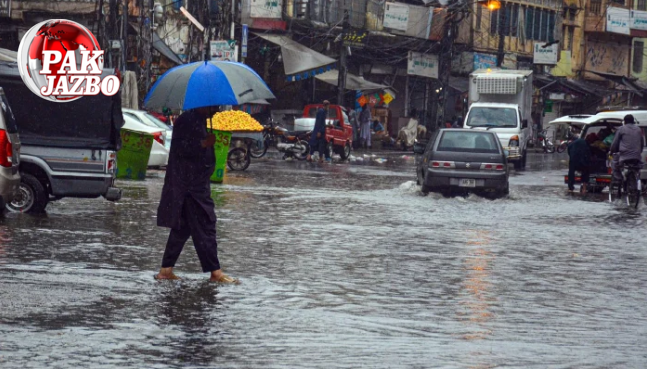
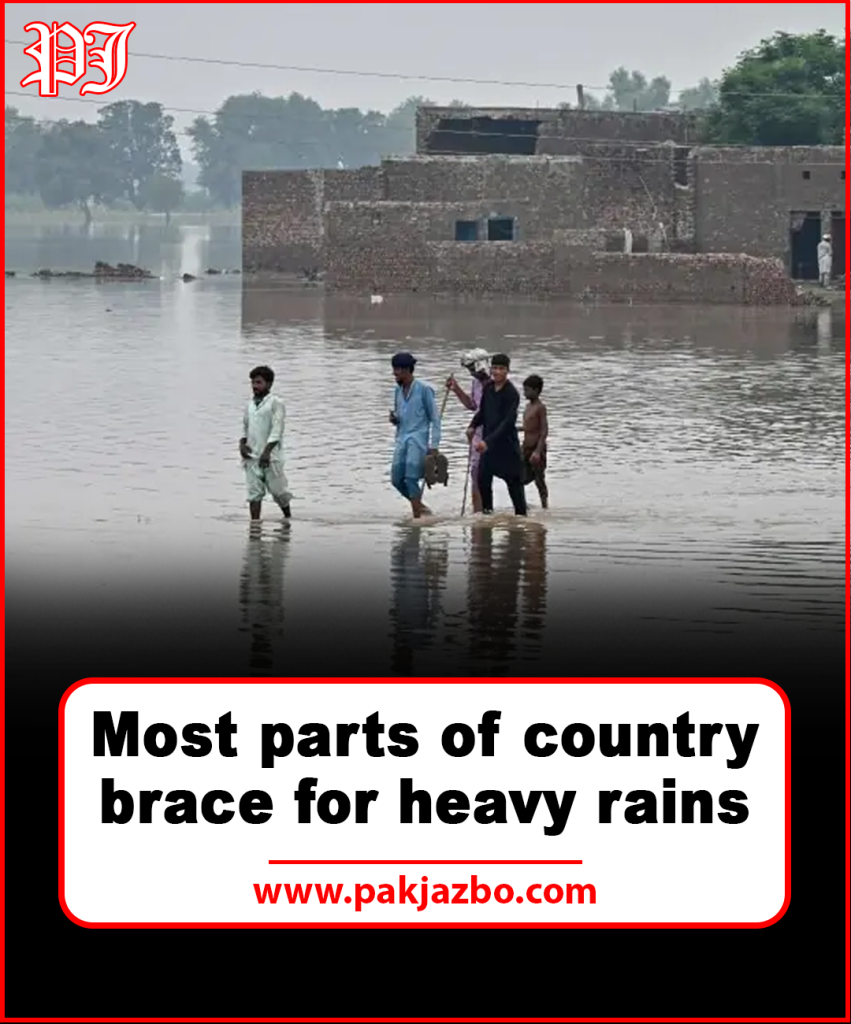
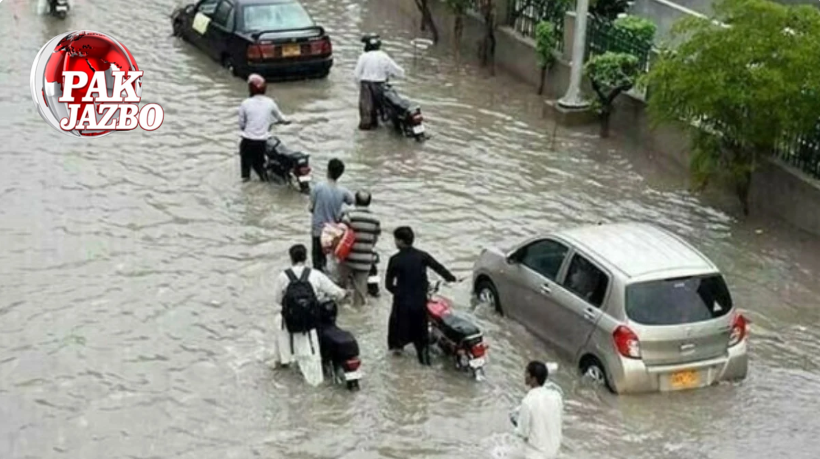
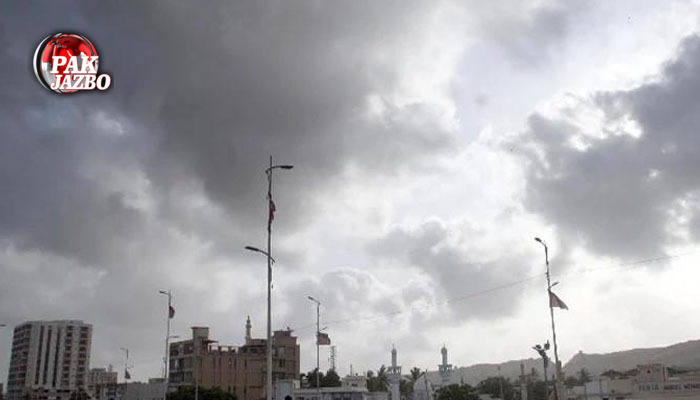
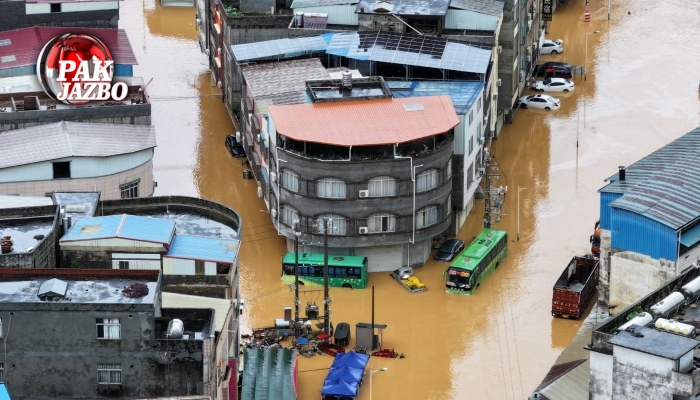
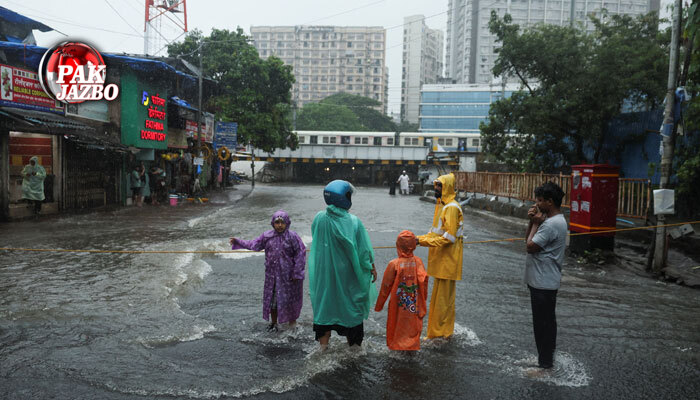
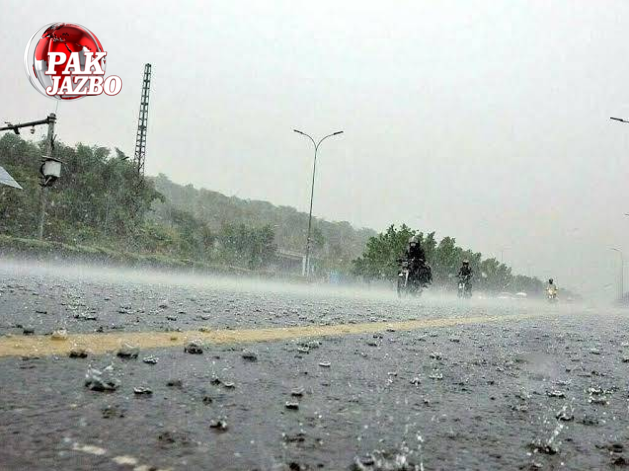
Karachi – The heavy monsoon rains that lashed Karachi on Tuesday not only brought the country’s largest city to a standstill on the ground but also severely disrupted operations at Jinnah International Airport, forcing airlines to cancel, delay, and divert dozens of flights.
What began as a day of intermittent downpour soon transformed into a citywide crisis, with passengers stranded at airports, flights circling over Karachi unable to land, and airlines scrambling to divert planes to safer alternatives.
Flight Operations Thrown Into Chaos
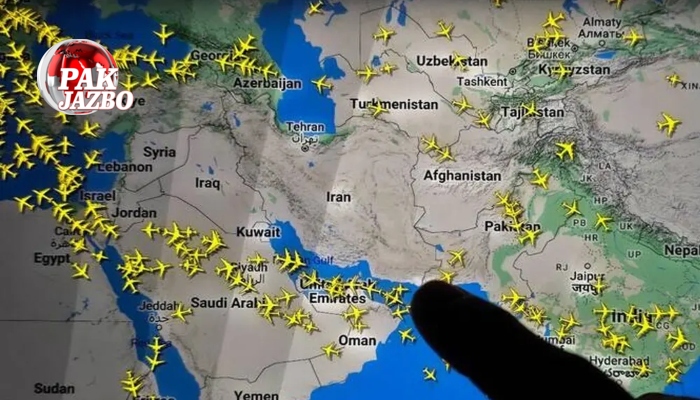
According to airport officials, as rainfall intensified over Karachi, five flights failed to land at Jinnah International Airport and were instead diverted to other cities. In addition, 14 flights were canceled outright and 82 others faced prolonged delays, leaving passengers frustrated and uncertain about their travel schedules.
Among the most notable disruptions was flight ER-501, which attempted to land in Karachi twice but was unable to do so because of poor visibility and unsafe conditions. The aircraft was eventually ordered to return to Islamabad, leaving passengers onboard disappointed and exhausted.
Meanwhile, flight PA-405 from Lahore to Karachi and flight FZ-335 from Dubai were diverted to Multan Airport, where passengers disembarked to await further instructions. Similarly, a flight from Skardu to Karachi circled the skies for over an hour before making a failed landing attempt, after which it was diverted to Sukkur Airport.
Adding to the long list of diversions, ER-812, a private airline flight from Jeddah bound for Karachi, was redirected to Islamabad, as rain and thunderstorms continued to batter the metropolis.
Passengers Left Stranded and Frustrated
The sudden disruption left hundreds of passengers stranded, both at Karachi airport and at alternative airports where flights had been diverted. At Multan Airport, passengers from Dubai expressed frustration at the lack of immediate arrangements for onward travel.
“We were supposed to land in Karachi three hours ago. Now we are stuck in Multan with no clarity,” said one passenger who had traveled from Dubai. “Our families are waiting for us in Karachi, and no one is giving us proper information.”
At Jinnah International Airport itself, large crowds of stranded travelers built up as dozens of departures were delayed or canceled, creating chaotic scenes. Families with children and elderly passengers struggled to find space and comfort in the crowded terminals.
“I had to attend a medical appointment in Lahore today, but my flight was canceled without notice,” said a Karachi resident. “This isn’t just about inconvenience—it is about people missing important commitments.”
Airlines Cite Safety Concerns
Airlines defended their decision to cancel or divert flights, emphasizing that passenger safety comes first.
Officials explained that heavy rains combined with low visibility, waterlogged runways, and gusty crosswinds made it dangerous for pilots to attempt landings. Aircraft that tried to descend were forced to abort due to turbulence and poor ground conditions.
“Safety is our top priority,” an airline spokesperson said. “We understand the frustration of passengers, but landing in unsafe weather could risk lives. Our crews are trained to divert flights whenever conditions are not up to international aviation safety standards.”
Broader Impact on the Aviation Sector
The disruption had ripple effects across Pakistan’s aviation network. With aircraft stranded at alternate airports, subsequent flights on multiple routes were delayed or canceled due to lack of available planes and crew schedules being thrown off balance.
Air cargo operations also took a hit, delaying shipments of essential goods. Business travelers and pilgrims returning from Saudi Arabia were among those most affected, as their itineraries faced sudden changes.
Civil aviation officials acknowledged the widespread inconvenience but said that the severity of the rainfall was beyond the airport’s capacity to manage smoothly. They pointed out that even advanced drainage systems often fail when the city experiences hours of torrential downpour.
Karachi Airport’s Recurring Monsoon Challenge
The disruption once again highlighted the vulnerability of Karachi’s aviation infrastructure during the monsoon season. Year after year, flights are canceled or diverted when the airport struggles to cope with heavy rains.
Experts argue that while weather cannot be controlled, better planning and contingency measures can minimize passenger suffering. Suggestions include:
- Expanding diversion coordination to ensure smoother onward travel from alternate airports.
- Improved passenger communication systems, including real-time updates through SMS and airline apps.
- Investment in upgraded runway drainage systems to minimize flooding on tarmacs.
- Stronger passenger support facilities at diversion airports like Sukkur and Multan, which often lack the capacity to handle large numbers of unexpected arrivals.
Passengers Demand Better Information
One of the most common complaints from travelers was the lack of timely updates. Many reported being kept in the dark about cancellations or delays until the last minute.
A passenger on a delayed flight to Islamabad said: “We were told to wait at the gate for two hours. Finally, the flight was canceled with no alternative arrangements. People were angry, and there was no proper system to handle the situation.”
Such complaints underline the urgent need for airlines and airport authorities to improve crisis communication. In an age of digital connectivity, passengers expect prompt updates and contingency plans, not hours of uncertainty.
Looking Ahead
As Karachi braces for more rain in the coming days, aviation experts warn of further possible disruptions. Airlines have advised passengers to check flight status before heading to the airport and to prepare for sudden changes in schedule.
Civil aviation authorities have also promised to review emergency preparedness measures, although critics argue that such promises are made every year with little visible improvement.
Conclusion
The torrential rains that swept Karachi on Tuesday served as a reminder of the city’s fragile infrastructure—not only on its flooded roads but also in its aviation sector. With five flights diverted, 14 canceled, and 82 delayed, thousands of passengers were left stranded or rerouted, facing exhaustion and uncertainty.
While airlines insisted that passenger safety was never compromised, the chaos underscored the urgent need for better planning, improved infrastructure, and more transparent communication to prevent such large-scale disruption in the future.
Until then, for travelers in and out of Karachi, the monsoon season will continue to bring an unwelcome sense of unpredictability and anxiety.
What’s your Reaction?
+1
+1
+1
+1
+1
+1