






































































































































































































































































































































































































































































































































































































































































































































































































































































































































































































































































































































































































































































































































































































































































































































































































































































































































































































































































K-Electric Claims Power Restored to 2,000 Feeders, But Many Karachi Neighborhoods Remain Without Electricity for Over 24 Hours


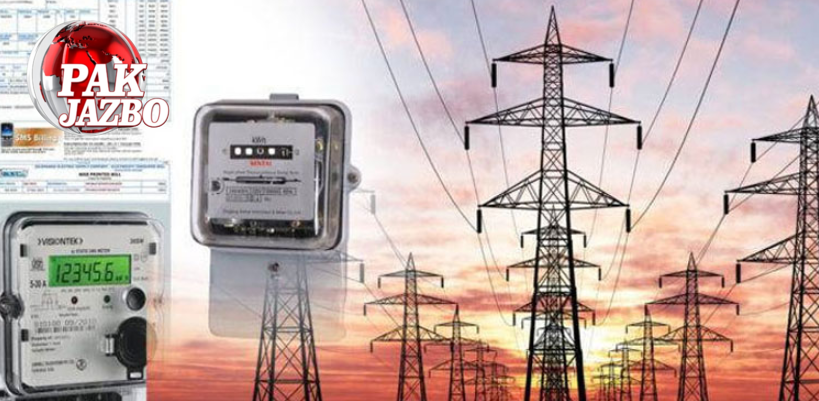
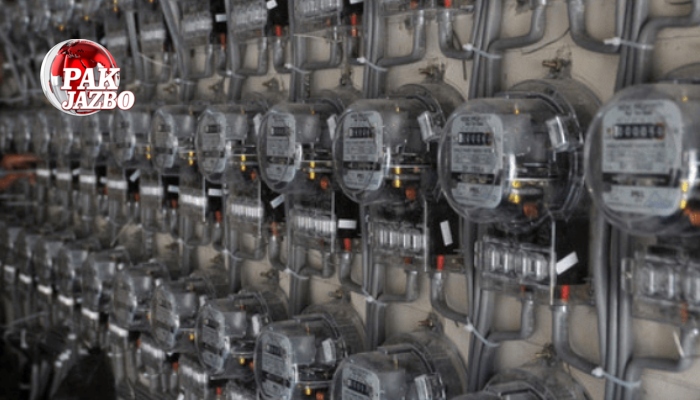
Karachi – Despite official claims by Karachi’s power supplier, K-Electric, that electricity has been restored to nearly 2,000 feeders in the city, thousands of residents remain plunged into darkness more than 24 hours after the latest spell of torrential monsoon rains disrupted power supply across the metropolis.
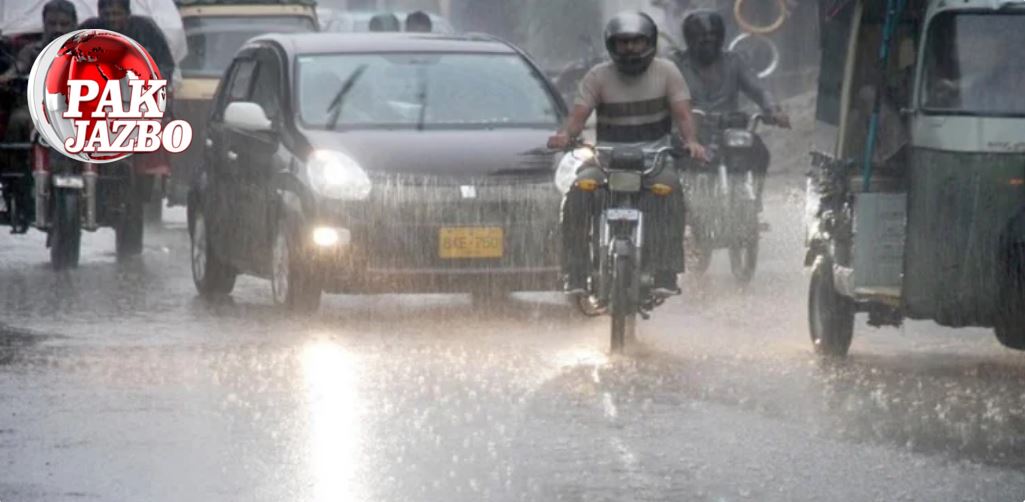
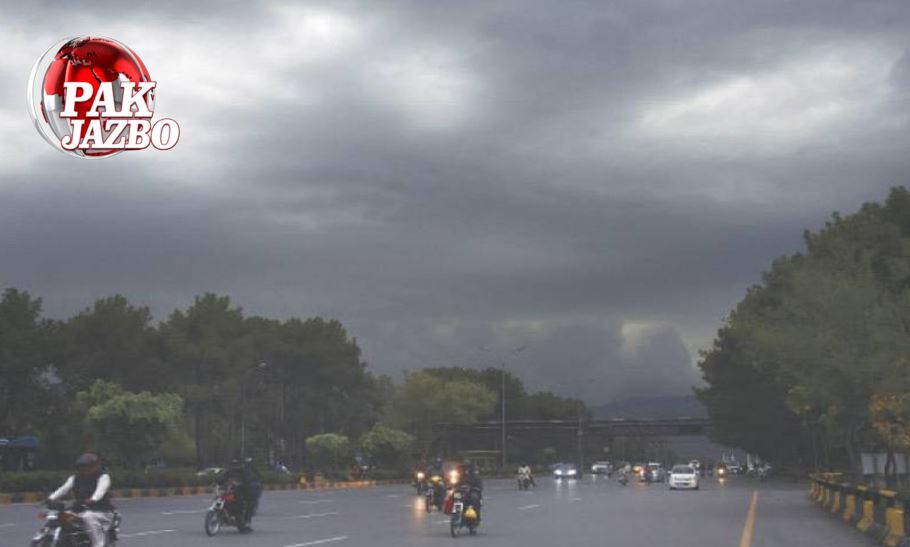
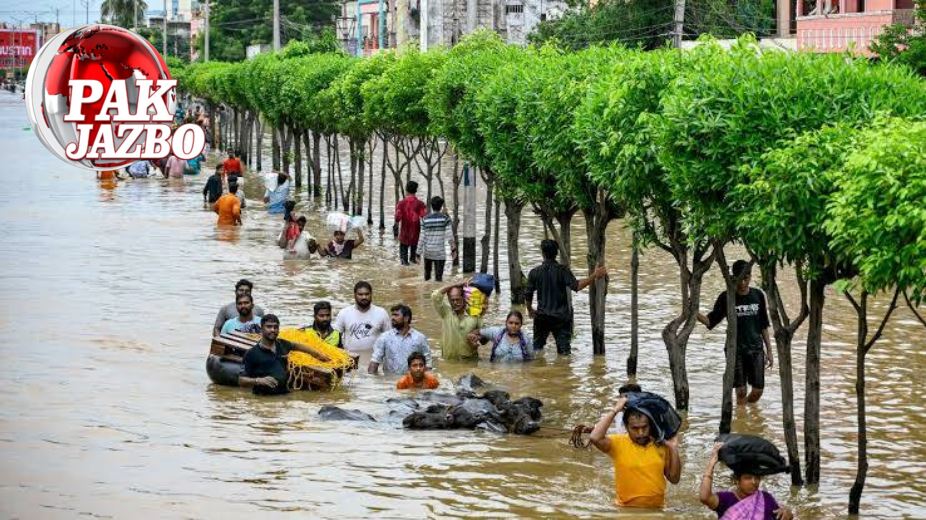
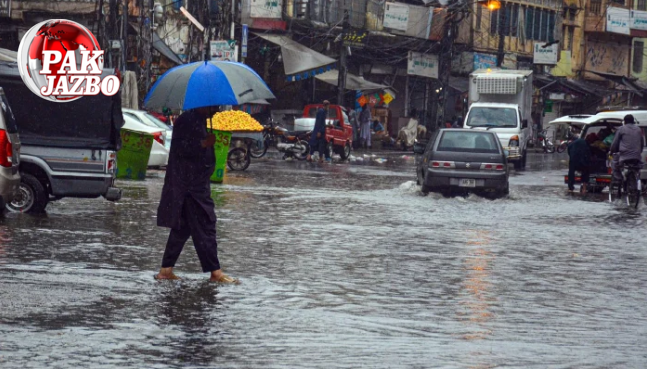
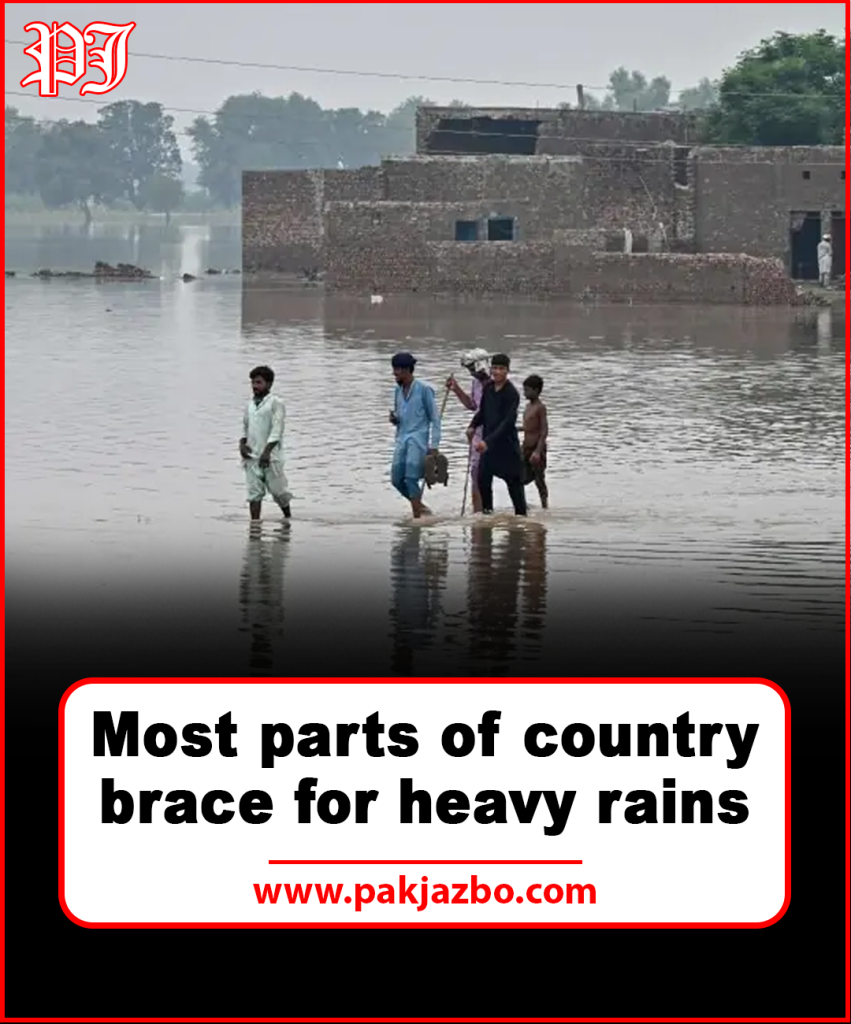
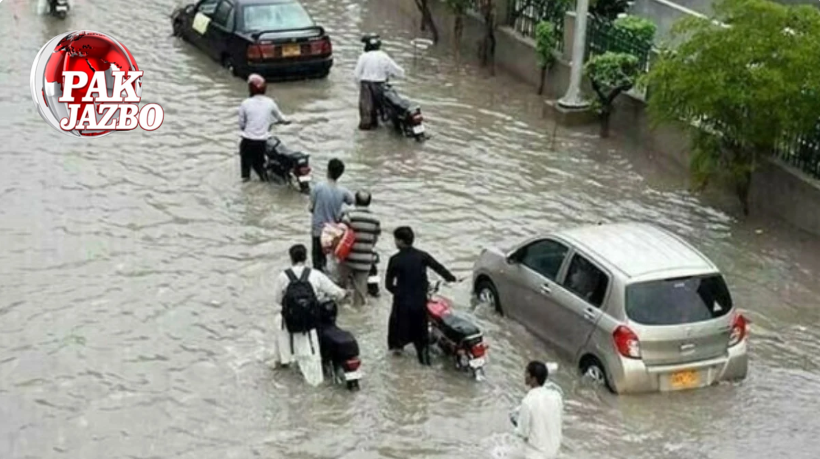
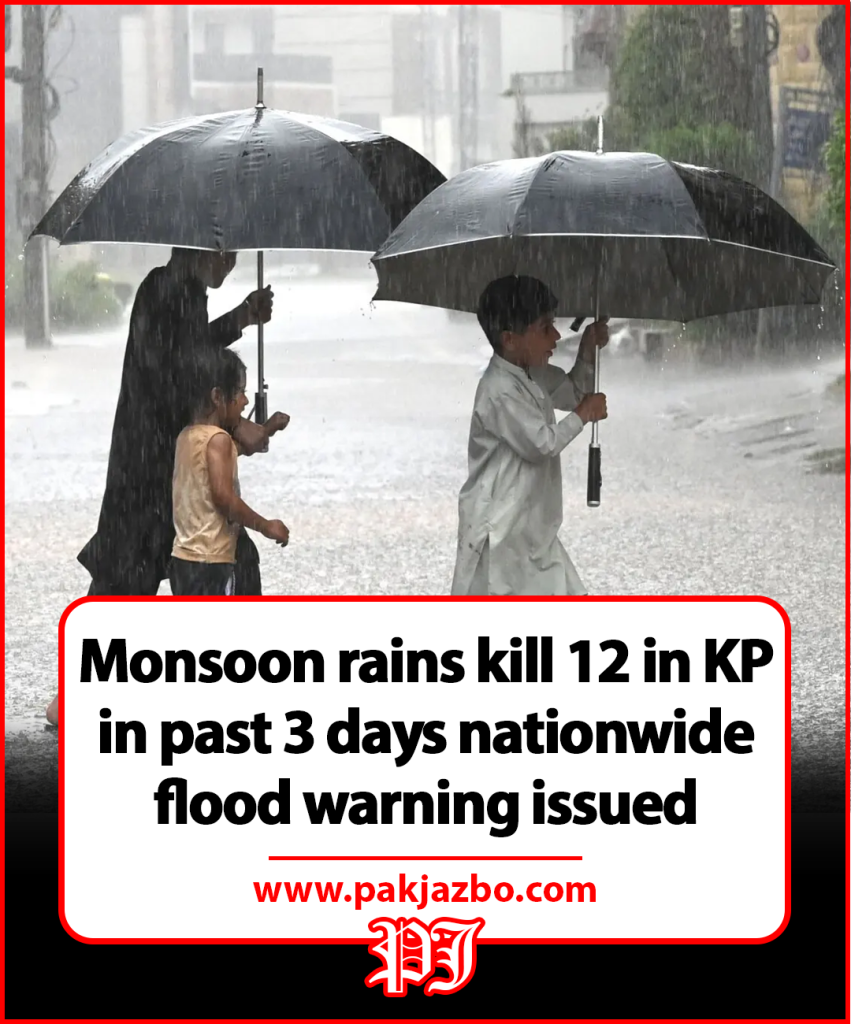
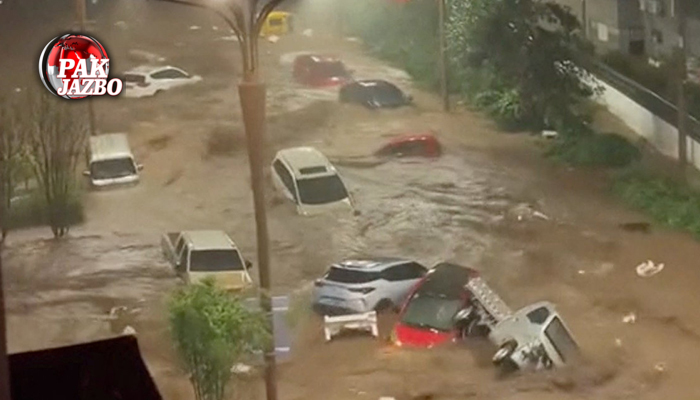
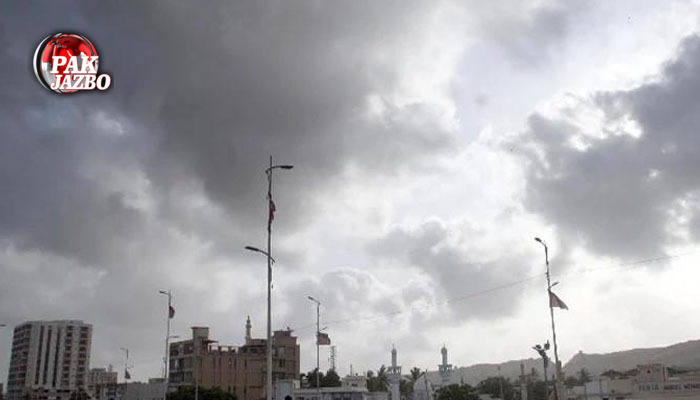
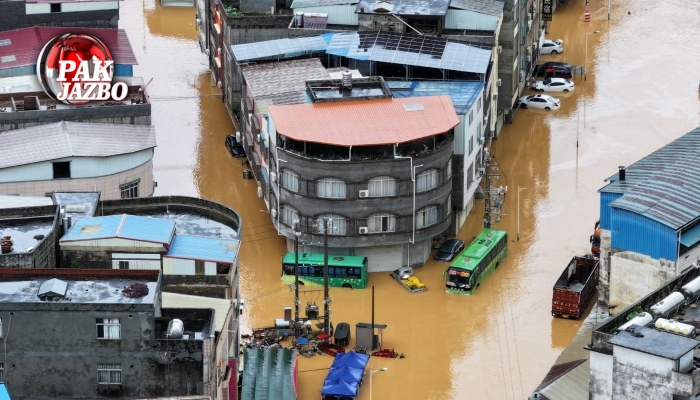
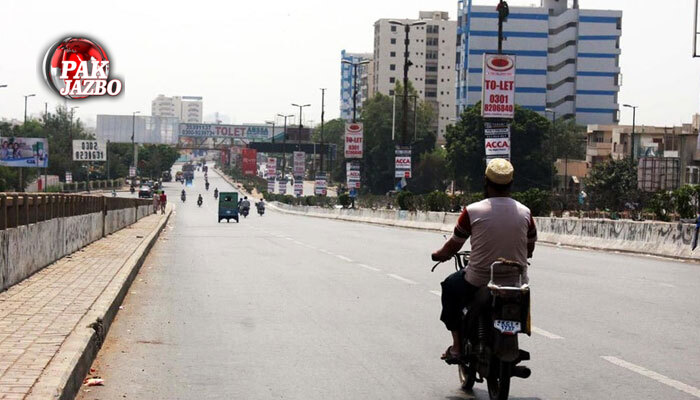
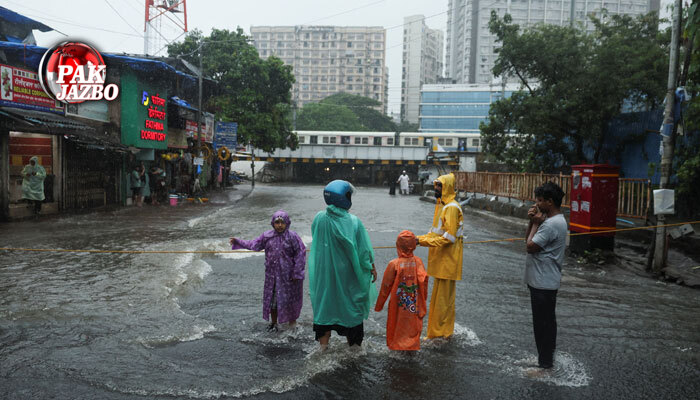
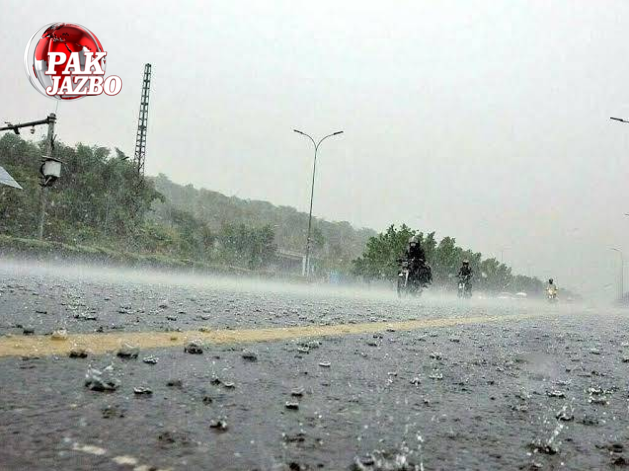
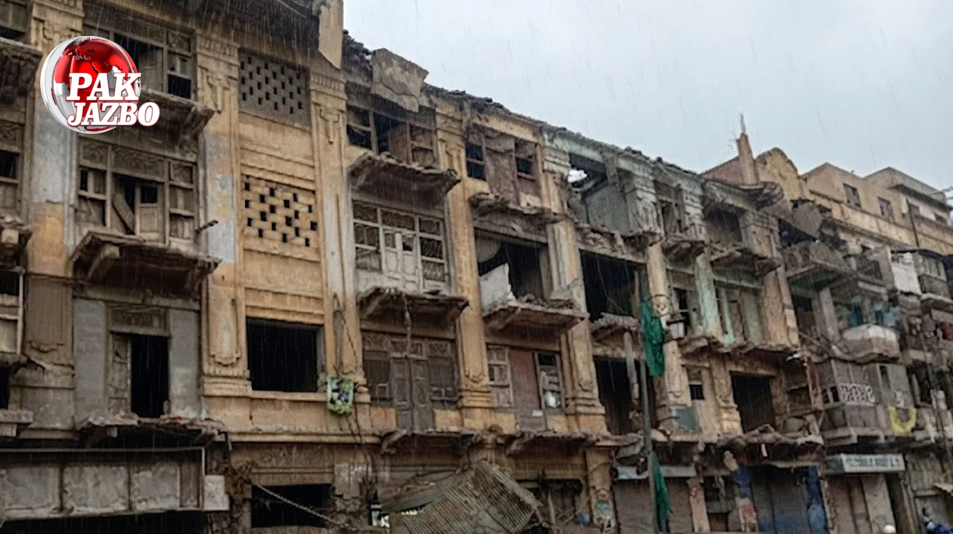
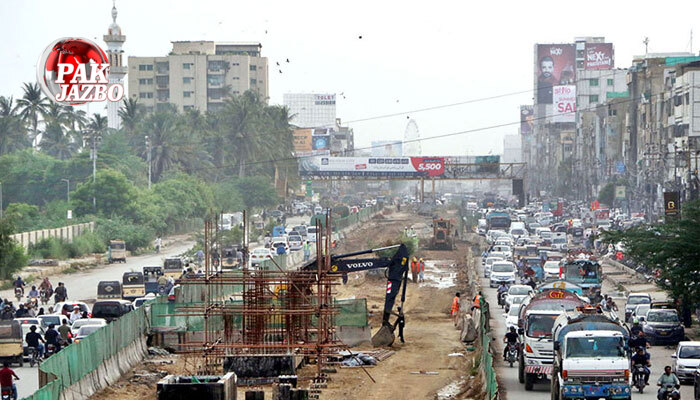
The heavy downpour, which lashed Karachi on Tuesday, not only paralyzed road networks and communication services but also crippled the city’s electricity infrastructure, exposing once again the fragile state of its urban services.
K-Electric’s Recovery Claim
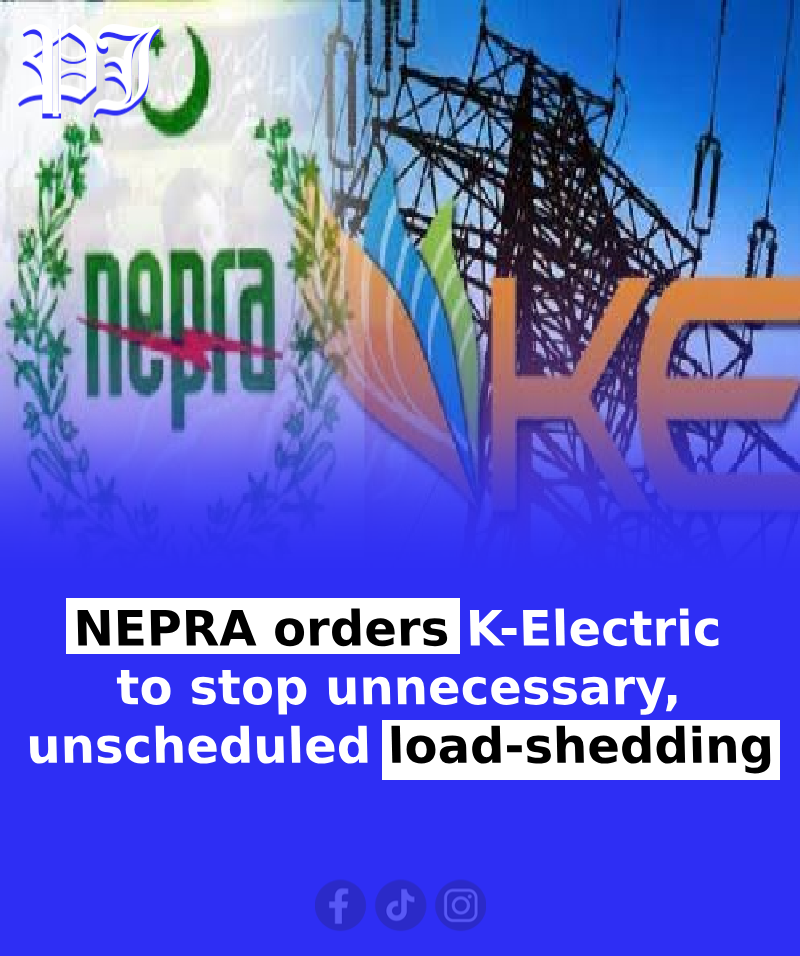
According to a statement by K-Electric, Karachi has 2,122 power feeders, out of which 2,000 have been restored. The company said its field teams have been working round the clock to fix faults and reconnect power supply to households and businesses.
K-Electric also argued that heavy flooding, submerged roads, and logistical difficulties had delayed the restoration process in certain areas. “Our crews are facing access issues in some neighborhoods due to water accumulation. Safety is our top priority, so restoration in flooded areas is being carried out with caution,” a company spokesperson said.
Residents Dispute the Narrative
However, ground reports and accounts from affected citizens tell a different story. Sources indicate that at least 240 feeders remain non-functional, leaving several major neighborhoods without power for over a day.
Areas including Gulistan-e-Jauhar, Sultanabad, North Nazimabad, Malir, Moinabad, Korangi, Orangi Town, Liaquatabad, Gadap, Kathore, and Bin Qasim have been identified as particularly hard-hit.
Additionally, Surjani Town, PECHS, Gulshan-e-Iqbal, and Defence Housing Authority (DHA) residents report being without electricity for as long as 22 to 24 hours, despite repeated complaints to K-Electric’s helpline.
For many households, the blackout has triggered a secondary crisis: severe water shortages, as electric pumps used to lift water into storage tanks remain non-functional. “Without electricity, we cannot operate our pumps, and now our homes are running out of water. This is a double disaster,” said a resident of Gulshan-e-Iqbal.
Human Suffering Amid Scorching Humidity
The timing of the outage has worsened the plight of Karachiites. After the heavy rainfall, the city has been experiencing stifling humidity, with little ventilation in households due to power cuts. Families have been forced to spend the night without fans or air-conditioning.
Small businesses, which rely on uninterrupted electricity supply, have also reported losses. Shopkeepers in Korangi and Orangi said they were unable to operate refrigerators, lighting, and essential equipment for more than a day. For daily wage earners and small entrepreneurs, even a single day of disruption can have serious financial consequences.
Rainfall Records and Forecasts
The Pakistan Meteorological Department (PMD) confirmed that the rain in Karachi was among the heaviest recorded in recent years.
- Gulshan-e-Hadeed received 178 millimeters,
- Keamari recorded 173 millimeters,
- Old Airport area measured 163 millimeters within a short span.
According to PMD Deputy Director, another round of heavy showers is expected today, particularly between 2 PM and 7 PM, raising fears that areas already struggling with power failures may face renewed breakdowns.
A Familiar Cycle of Outages
For Karachi’s nearly 20 million residents, power failures after heavy rains have become a familiar ordeal. Each monsoon season brings with it complaints of feeder tripping, long delays in restoration, and disputes over the accuracy of K-Electric’s claims.
Urban planners and civic activists argue that the city’s outdated and overloaded electricity infrastructure cannot cope with extreme weather events. They also criticize the lack of investment in drainage systems, which leads to waterlogging that hampers restoration work.
K-Electric Under Fire
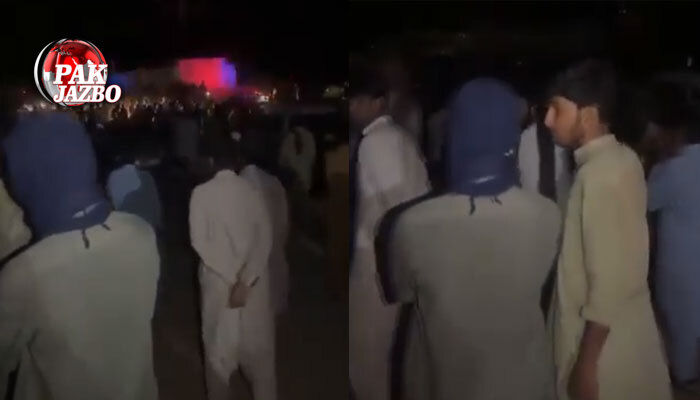
Public anger has been mounting against K-Electric, which enjoys a monopoly over the city’s electricity supply. Social media platforms have been flooded with complaints and videos from residents showing entire neighborhoods plunged in darkness.
Civic groups accuse the company of overstating restoration progress to downplay the crisis. “K-Electric says 2,000 feeders are back online, but the reality is that hundreds of thousands of people are still without power. This is misinformation, plain and simple,” said an activist from Karachi Bachao Tehreek.
Infrastructure Weakness Exposed
Experts highlight that Karachi’s distribution network, especially low-lying feeders, is highly vulnerable to rain-induced faults. Flooded substations and poor insulation often cause tripping, forcing prolonged shutdowns.
A former K-Electric engineer told media that the company has not upgraded much of its network in decades. “Every time it rains, the same cycle repeats. Unless there is investment in modern infrastructure, this crisis will not end,” he explained.
Lingering Public Health Concerns
The blackout also has public health implications. In some areas, stagnant rainwater mixed with sewage has raised concerns of waterborne diseases, particularly when residents lack access to clean drinking water due to disrupted supply systems. Doctors warn that extended outages also risk spoiling food stocks in households and shops, potentially leading to outbreaks of gastrointestinal illnesses.
The Road Ahead
As Karachi braces for another round of heavy showers today, citizens fear that recovery efforts may be further delayed. Many are demanding urgent intervention from regulatory authorities to hold K-Electric accountable and ensure transparency in its reporting.
For now, life remains difficult in the city. As one resident of Malir summed up: “They [K-Electric] keep telling us power is restored, but we are sitting in the dark. It’s the same story every year. Who will fix this system?”
Conclusion
The crisis underscores the deep vulnerabilities of Karachi’s infrastructure in the face of extreme weather. While K-Electric insists that the vast majority of feeders are back online, ground realities show that tens of thousands of residents continue to endure prolonged blackouts, water shortages, and suffocating heat.
With more rain on the horizon, Karachiites brace themselves for further hardship, resigned to a cycle of floods, outages, and official denials that has become all too familiar.
What’s your Reaction?
+1
+1
+1
+1
+1
+1