

















































































































































































































































































































































































































































































































































Historic Trade Deal Signed with Pakistan; PM Shehbaz Sharif Sends Special Message of Gratitude to U.S. President Trump


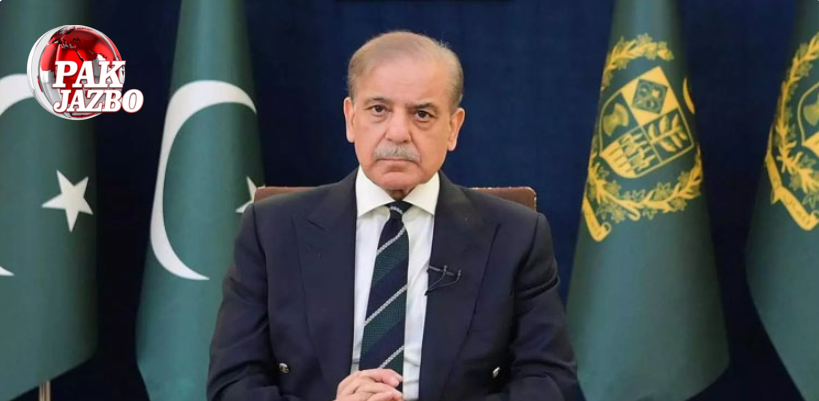
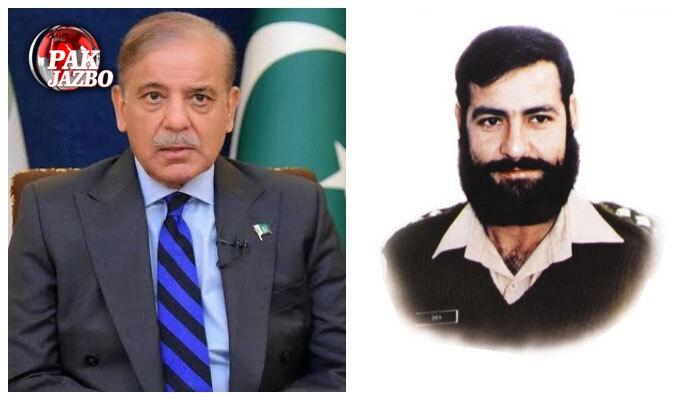
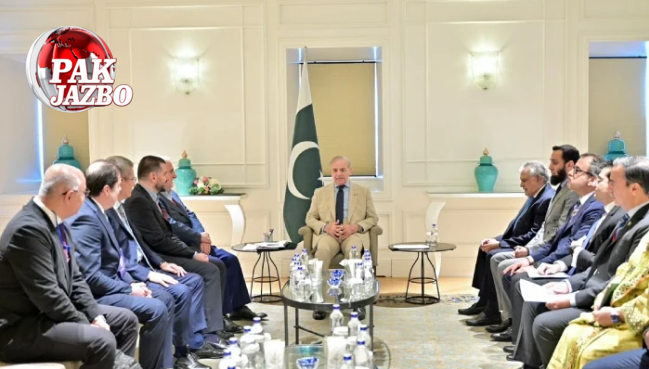
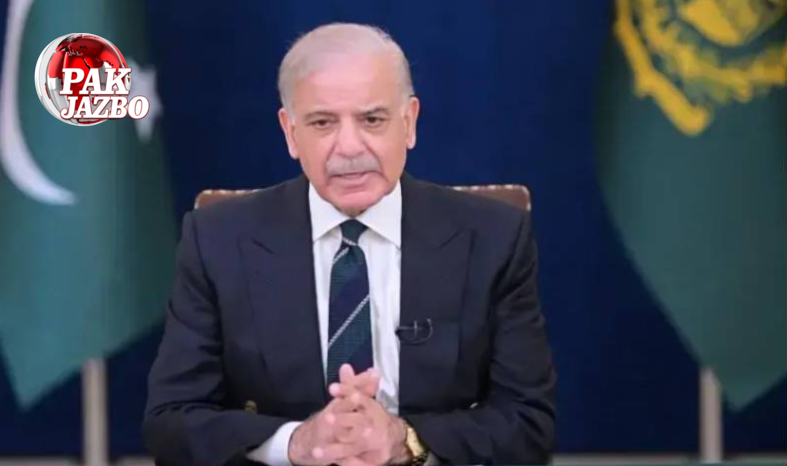
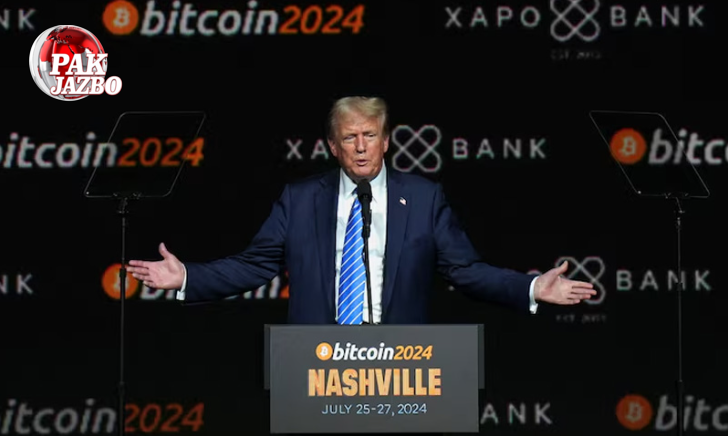
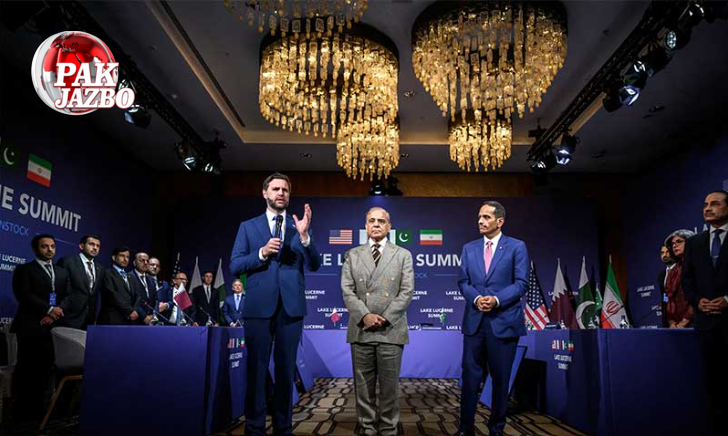
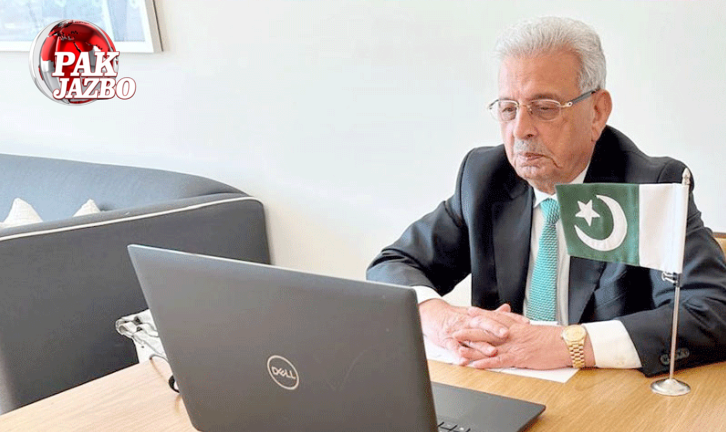
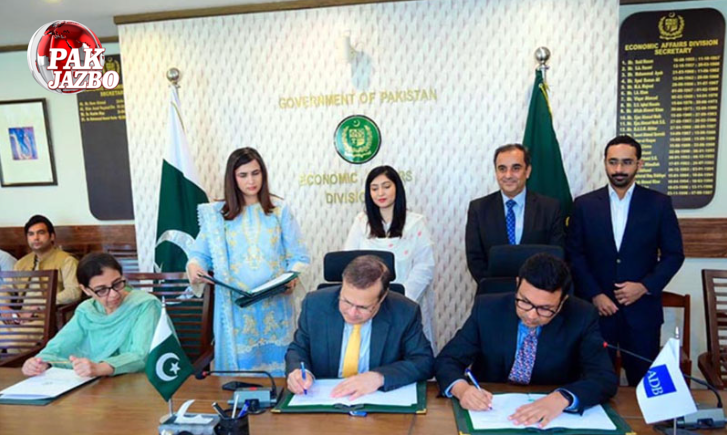
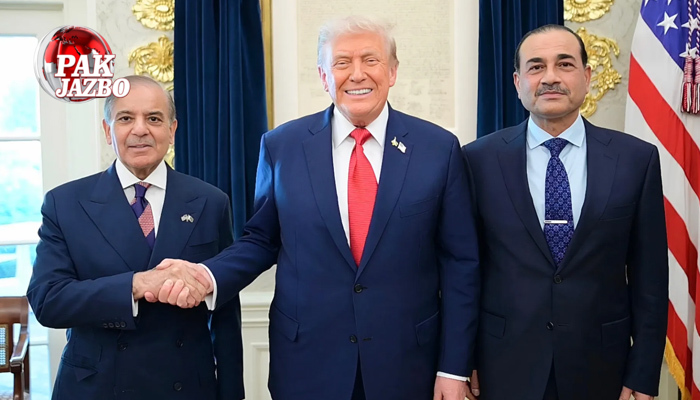
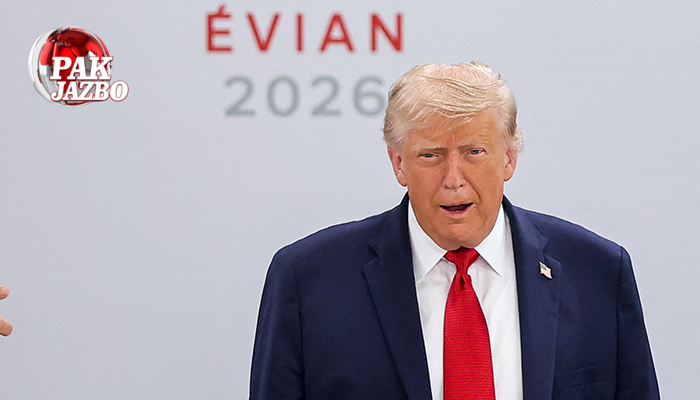
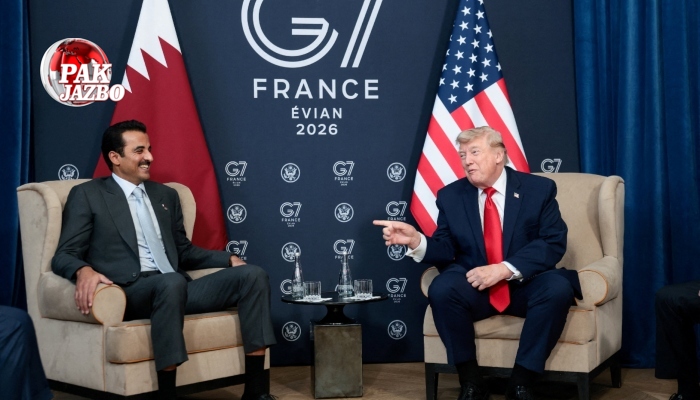
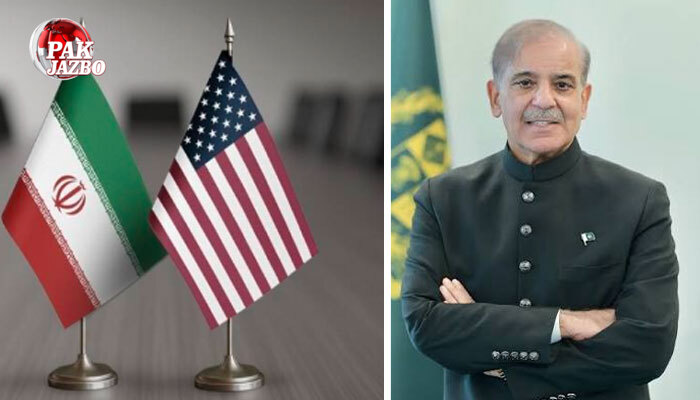
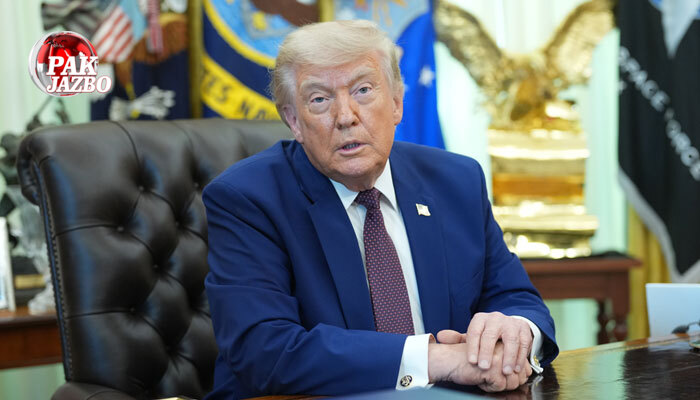
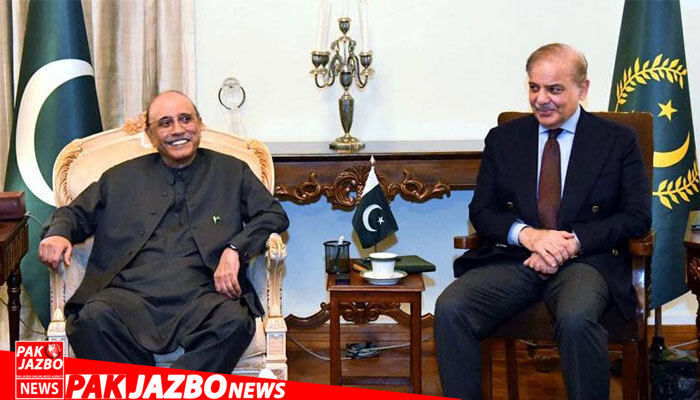
In a major diplomatic and economic breakthrough, Pakistan and the United States have signed a historic trade agreement, marking a new era of economic cooperation between the two nations. The landmark deal was finalized in Washington on July 30, 2025, following several rounds of high-level negotiations. Prime Minister Shehbaz Sharif played a central role in steering the process, and he has extended a heartfelt message of gratitude to U.S. President Donald Trump for his personal leadership and commitment in making the deal a reality.
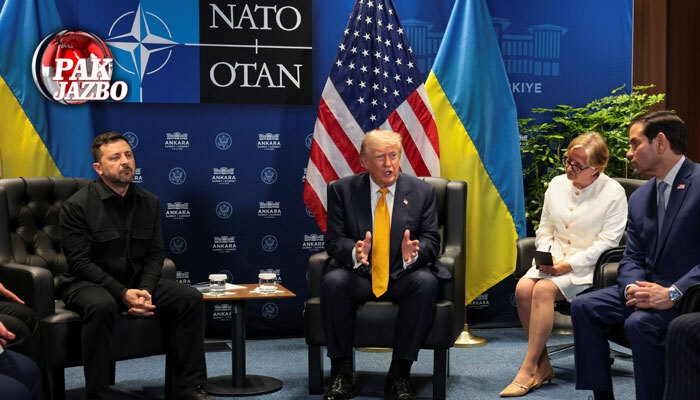
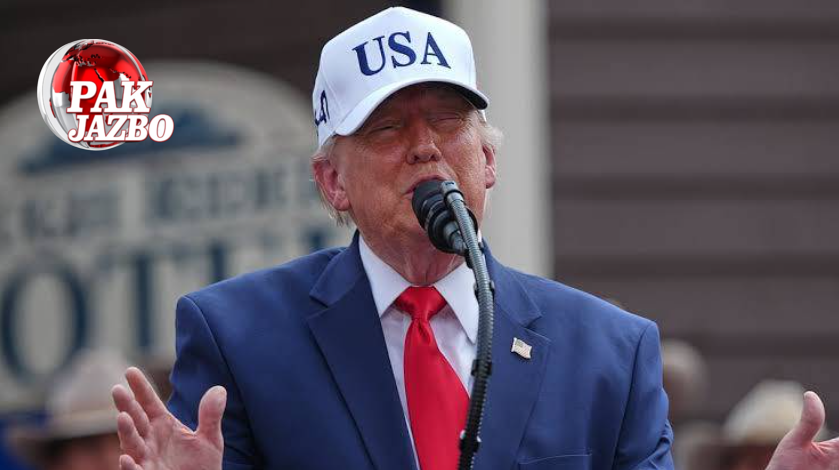
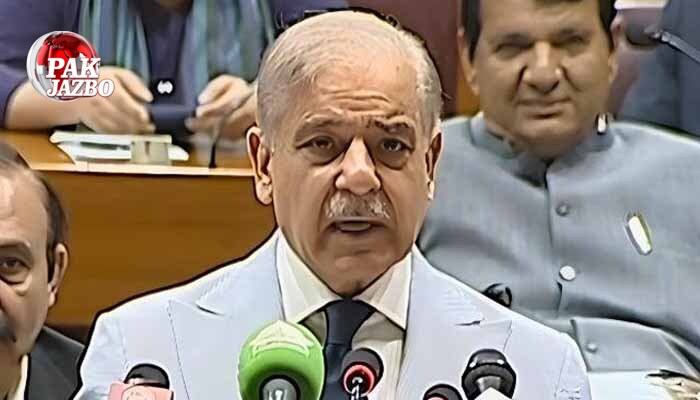
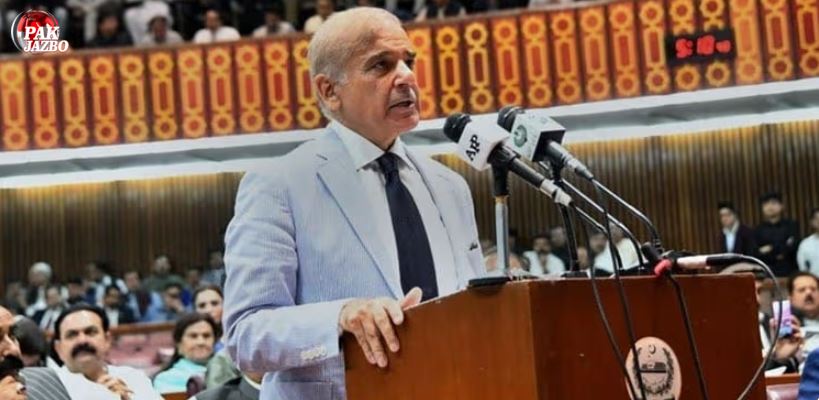
Taking to social media on Thursday, Prime Minister Shehbaz Sharif congratulated President Trump, stating, “I extend my sincerest congratulations to President Donald Trump for his pivotal role in the successful finalization of the historic trade deal between Pakistan and the United States. This agreement is a significant step toward strengthening bilateral cooperation and will give a powerful boost to our enduring partnership.”
Shehbaz Sharif emphasized that the trade deal would open up new avenues for economic engagement and serve as a foundation for long-term, sustainable cooperation between the two countries. He described the agreement as a reflection of mutual trust and shared interests, particularly in the areas of commerce, technology, and investment.
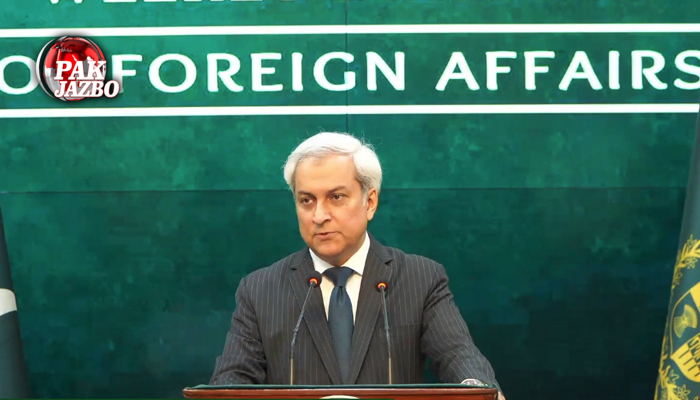
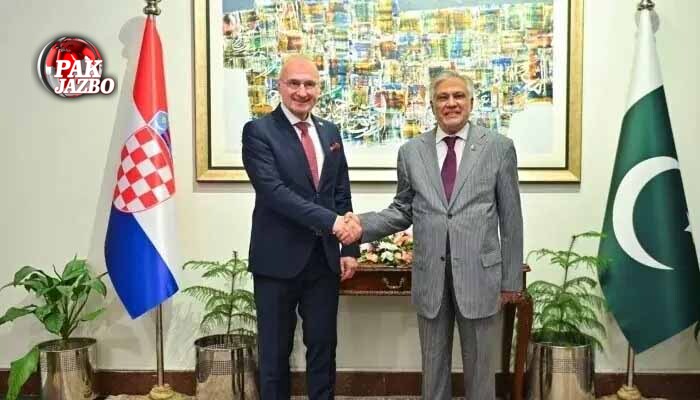
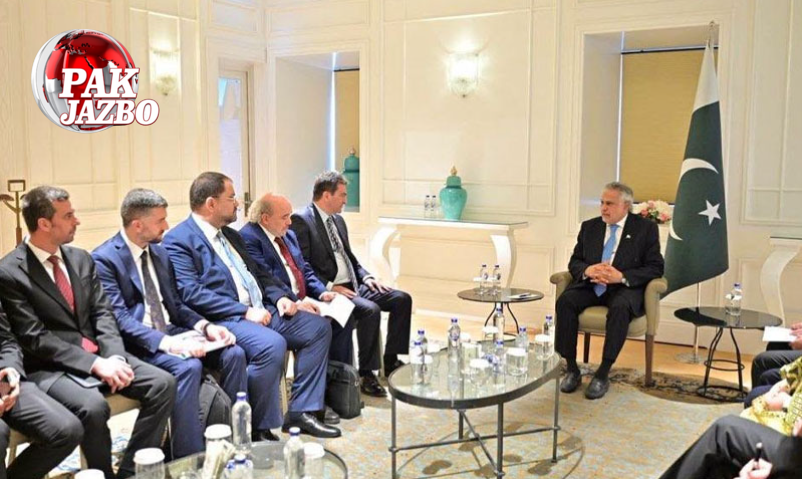
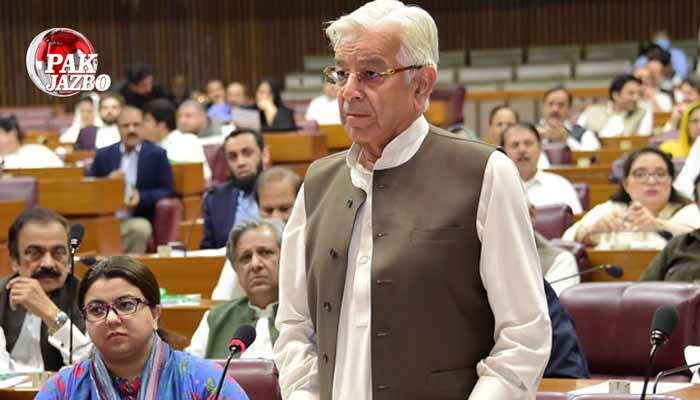
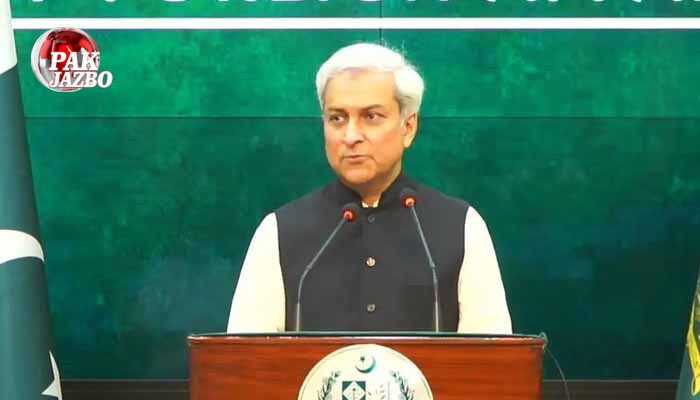
The announcement of the trade deal has generated widespread optimism in Pakistan, particularly among economic and business circles. Deputy Prime Minister and Foreign Minister Ishaq Dar also shared his sentiments on social media, writing, “Alhamdulillah! Pakistan has successfully finalized a trade deal with the United States. This is a proud moment for our nation and a result of tireless efforts by our negotiation teams.”
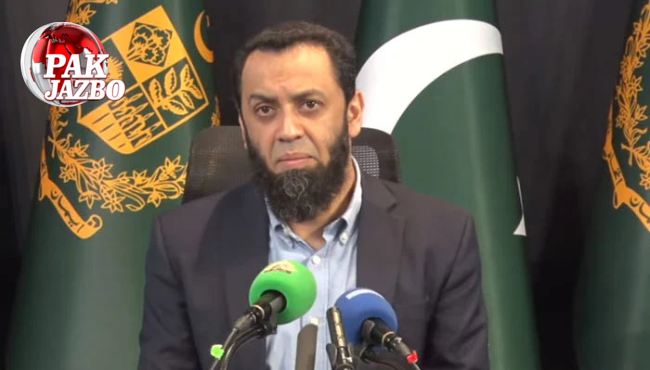
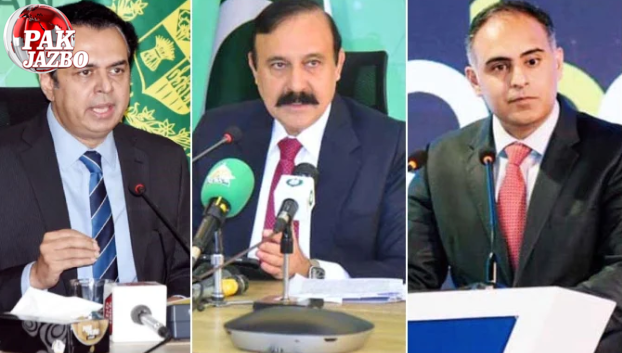
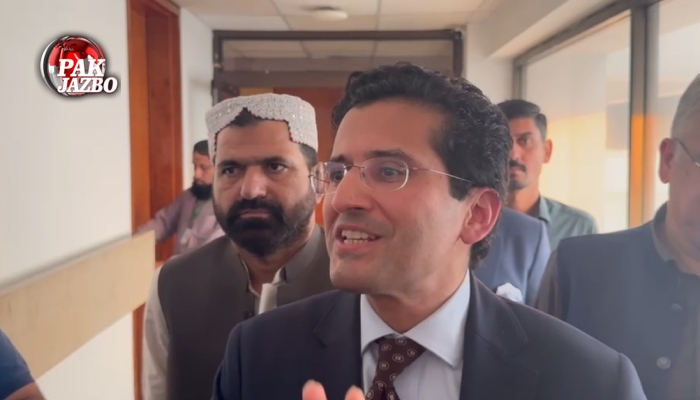
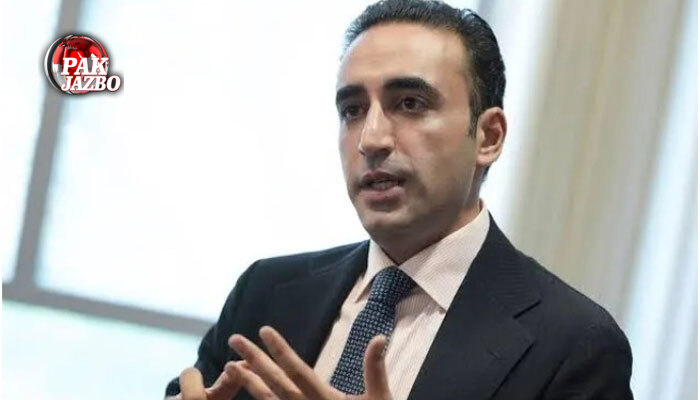
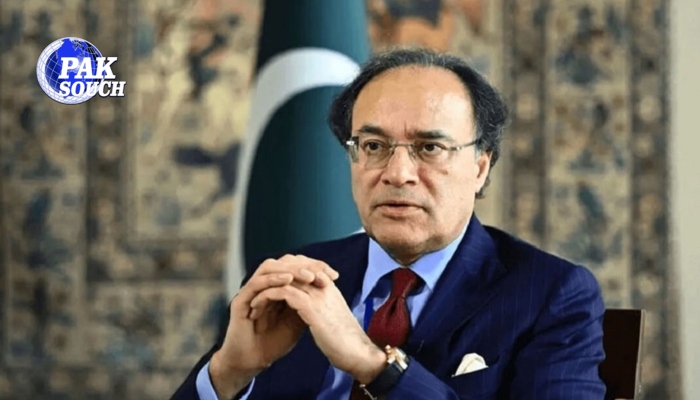
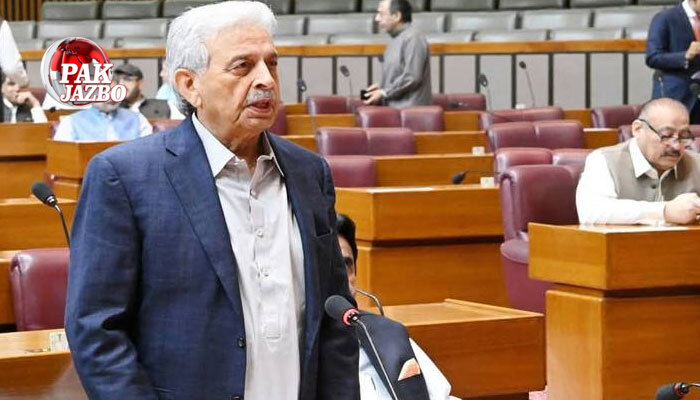
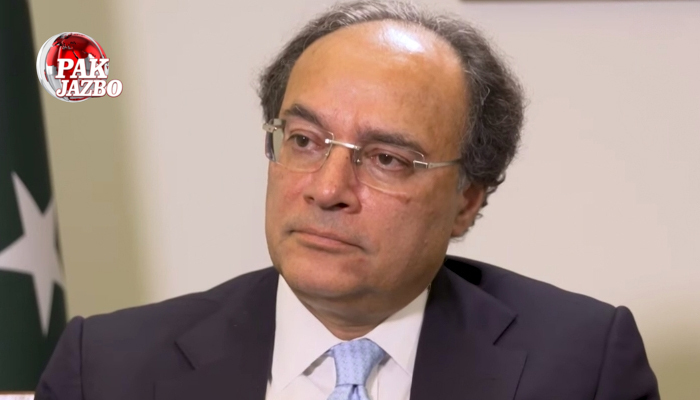
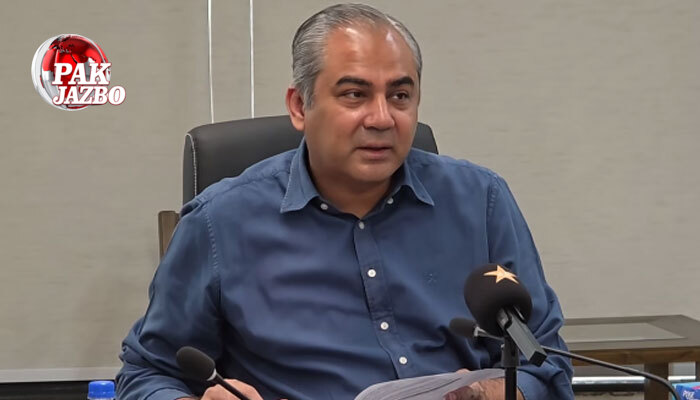
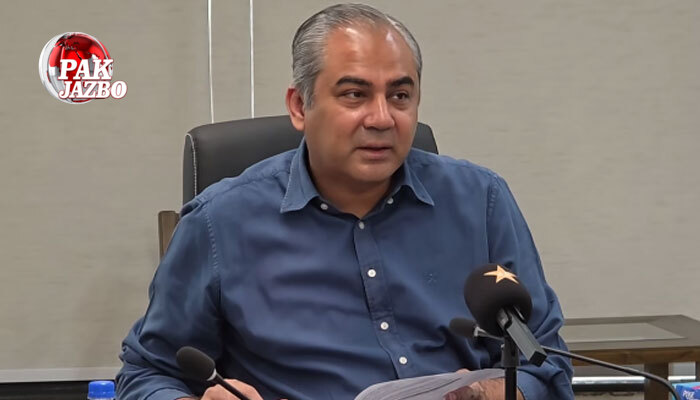
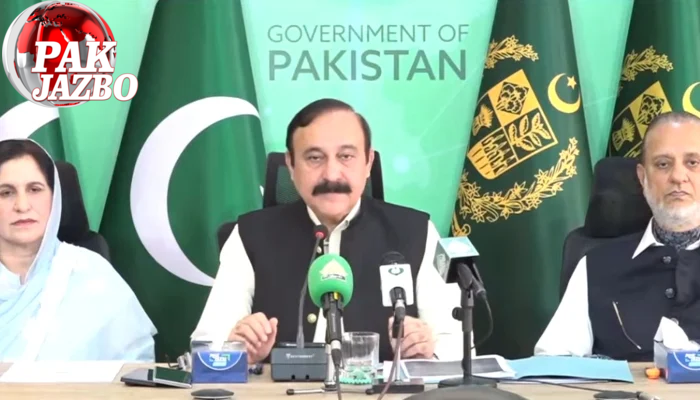
Speaking to a private news channel, Minister of State for Finance Bilal Azhar Kayani described the agreement as a major milestone for the country’s economy. He revealed that negotiations with the United States had been ongoing for several months, with dedicated teams working around the clock to reach a consensus on trade tariffs and market access.
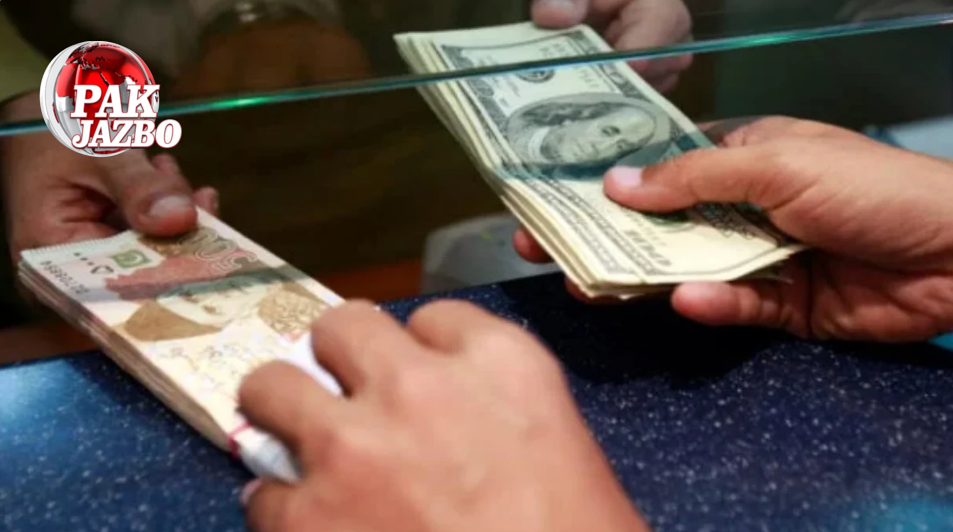
“This deal is a game-changer,” Kayani stated. “Under this agreement, the tariffs on Pakistani exports to the United States will be significantly reduced, which will have a major positive impact on our industries and overall trade volume. We are confident that this will stimulate growth, create jobs, and enhance Pakistan’s position in global markets.”
According to preliminary details, the trade deal includes reductions in tariffs on textiles, surgical instruments, agricultural products, and IT-related services — sectors where Pakistan has a competitive edge. In return, Pakistan has agreed to enhance regulatory transparency and intellectual property protections, addressing long-standing concerns raised by American businesses.
Economic analysts believe the agreement could increase Pakistan’s exports to the U.S. by billions of dollars over the next few years. With the U.S. already being one of Pakistan’s largest trading partners, the deal is expected to deepen that relationship and unlock further investment opportunities in critical sectors.
Furthermore, the trade pact includes provisions for bilateral working groups to monitor implementation, address trade barriers, and explore future cooperation in renewable energy, digital economy, and manufacturing. These working groups will meet quarterly and include representatives from both public and private sectors.
The timing of this agreement is especially significant for Pakistan, as the country continues to navigate through economic challenges such as inflation, fiscal deficits, and foreign exchange shortages. Officials see the U.S. deal as a vote of confidence in Pakistan’s economy and a turning point that could attract further international support.
“This is not just a trade deal, but a strategic signal,” remarked an international relations expert based in Islamabad. “It shows that the U.S. is willing to engage Pakistan on a deeper economic level, and that Pakistan is positioning itself as a serious player in the global economy.”
On the American side, the White House released a brief statement acknowledging the deal, stating that it aligns with President Trump’s vision for ‘fair and reciprocal’ trade agreements. The statement highlighted the importance of strengthening alliances in South Asia and fostering economic stability through strategic partnerships.
Industry leaders in Pakistan have welcomed the development with enthusiasm. Exporters in Sialkot, Lahore, and Karachi expressed hope that reduced tariffs would make their products more competitive in U.S. markets. The Pakistan Business Council called the deal “a much-needed catalyst for export growth,” while chambers of commerce around the country lauded the government’s efforts.
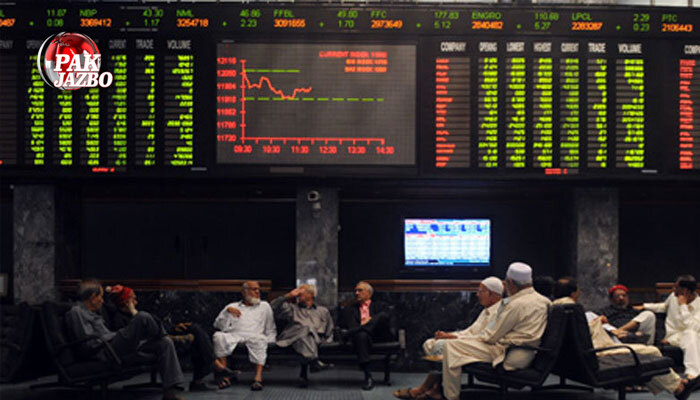
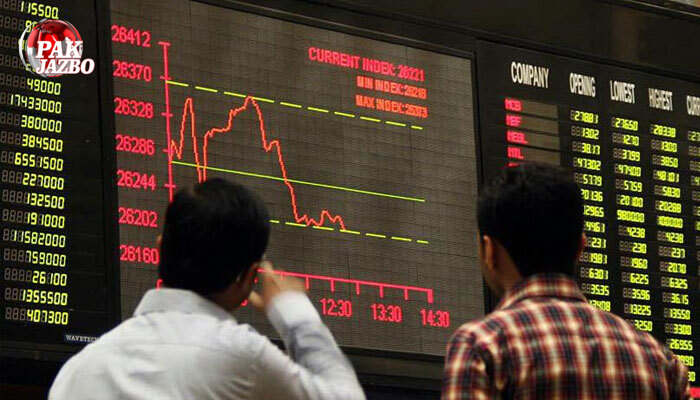
Meanwhile, the Pakistan Stock Exchange reacted positively to the news, with the KSE-100 index recording a significant uptick on Thursday. Market analysts attributed the rally to investor confidence sparked by the trade deal and its potential to improve foreign exchange inflows and macroeconomic indicators.
Prime Minister Shehbaz Sharif’s leadership throughout the negotiation process has also drawn praise from various political quarters. Even some opposition leaders acknowledged the importance of the deal, calling it a “win for Pakistan” that should be built upon through consistent policy reforms and diplomatic engagement.
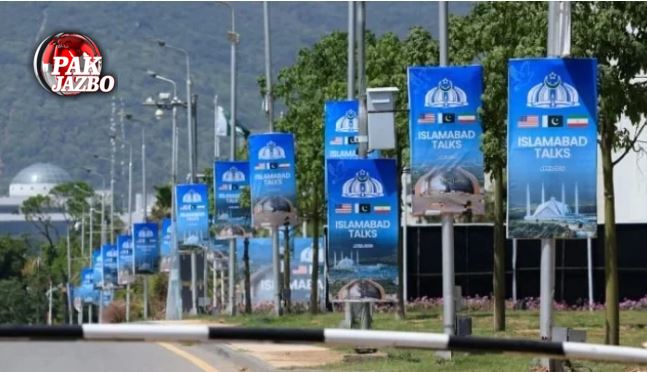
Moving forward, officials from both sides are expected to meet again in Islamabad later this year to discuss the implementation roadmap and identify potential areas for expansion of the trade pact. Expectations are high that this agreement could serve as a stepping stone toward a more comprehensive economic partnership between Pakistan and the United States.
In conclusion, the historic trade agreement between Pakistan and the U.S. is a major diplomatic success that reflects mutual interests, economic priorities, and strategic vision. With high-level political backing, industry support, and public optimism, the deal is set to become a defining chapter in Pakistan’s economic journey — one that could reshape the future of bilateral relations and set new standards for global trade cooperation.
What’s your Reaction?
+1
+1
+1
+1
+1
+1

