


























































































































































































































































































































































































































































































































































































Silent Witnesses: What Gaza Teaches Us About Kashmir


Have we ever paused to consider whether any of us will even be alive 5 or 6 Decades from now? Probably not. Neither I, nor today’s global leaders, nor the politicians making headlines will be around. But the real question is not who will be alive, but how the world will remember us.

Today, we are caught in the race for titles, power, and status. We sacrifice everything to preserve our positions, but we rarely stop to ask: how will history judge our silence, our indifference?
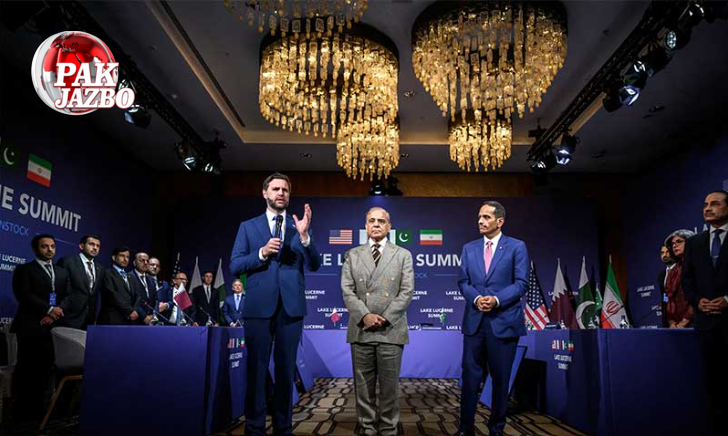
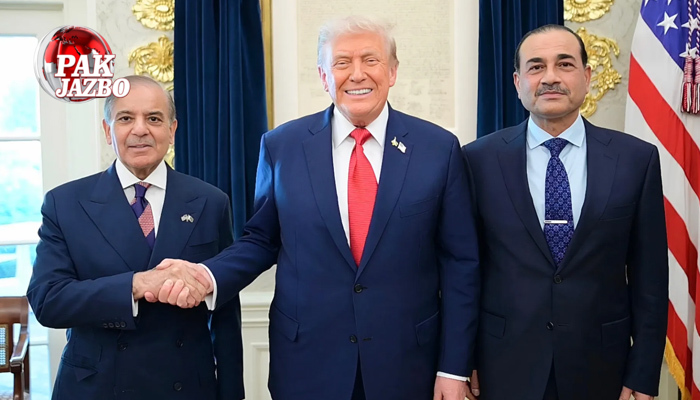
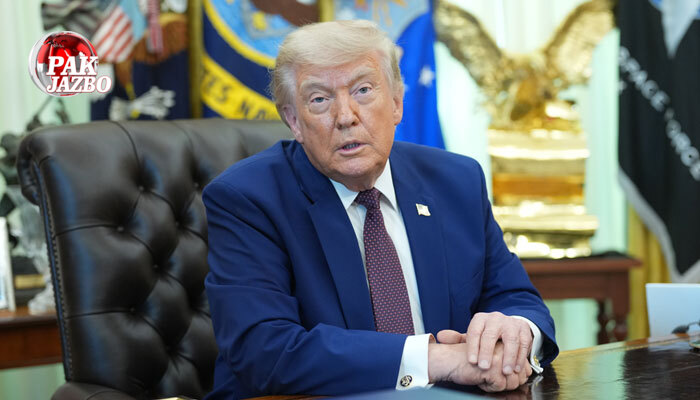
In May 2025, the U.S. President brokered a ceasefire between Pakistan and India. In June, he did the same between Israel and Iran. These moves may have grabbed global attention, but can mere ceasefires create true peace when the soil of Palestine and Kashmir remains soaked in blood?
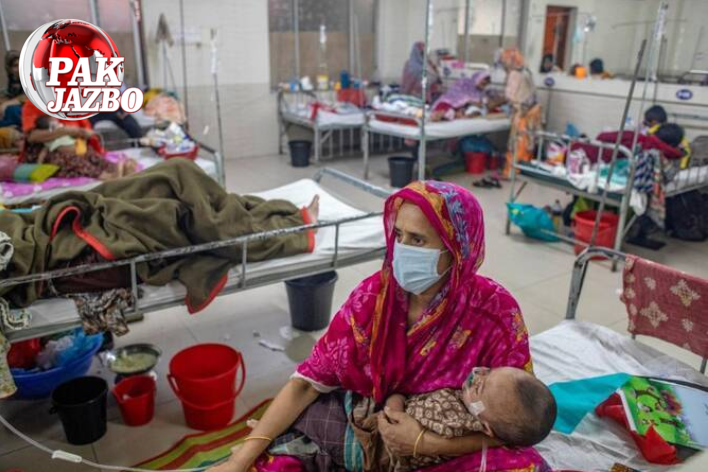
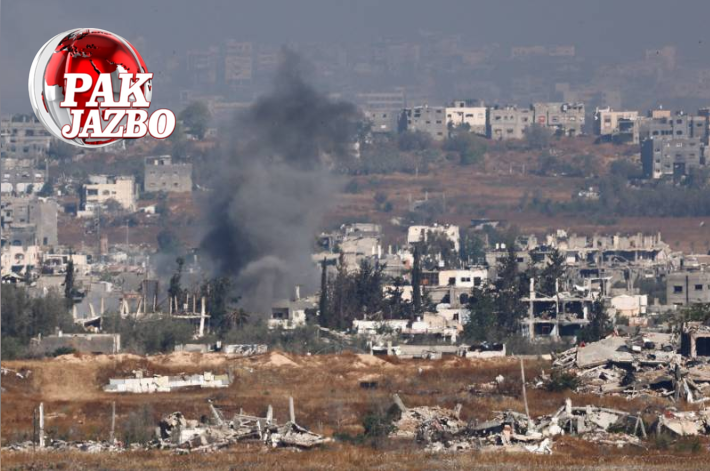
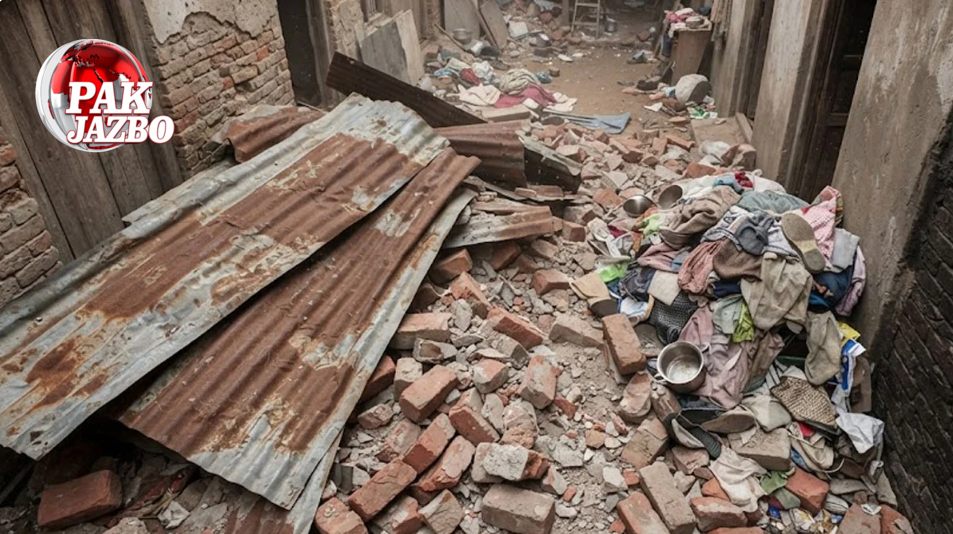
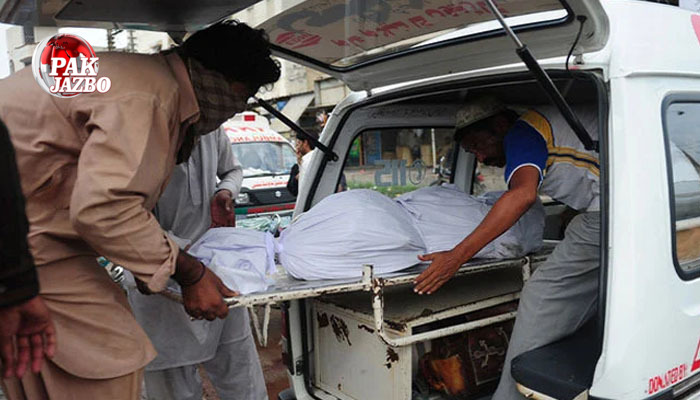
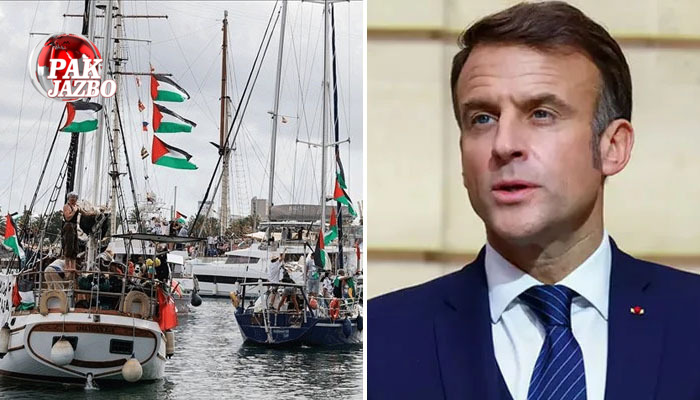
The massacre in Gaza, ongoing since October 2023, has yet to stop. Global media estimates put the Palestinian death toll between 50,000 and 100,000. But these are not just numbers—they are human beings. Mothers, children, the elderly—killed simply because they were Palestinian.
Major world powers and many Muslim nations have remained silent spectators. Occasionally, a formal statement is issued or a resolution passed through the OIC—but little more.
Many Muslim leaders promote the two-state solution as the path to peace in Palestine, forgetting that the very resolution (UNGA 181) that created Israel also granted statehood to Palestine—yet Israel has constantly violated it.
The October 2023 attack by Hamas was labeled terrorism, but few explained that Hamas was not attacking Israel per se, but trying to reclaim land that was unlawfully seized after 1948 in defiance of Resolution 181—territory that was originally allocated to a Palestinian state.
It’s important to remember that the UN, in Resolution 3314 (1974), declared that armed resistance against occupying forces is a legitimate form of self-determination. I do not support attacks targeting civilians—women, children, or the elderly—but we must understand that when a people are deprived of food, water, and basic freedoms, resistance becomes inevitable.
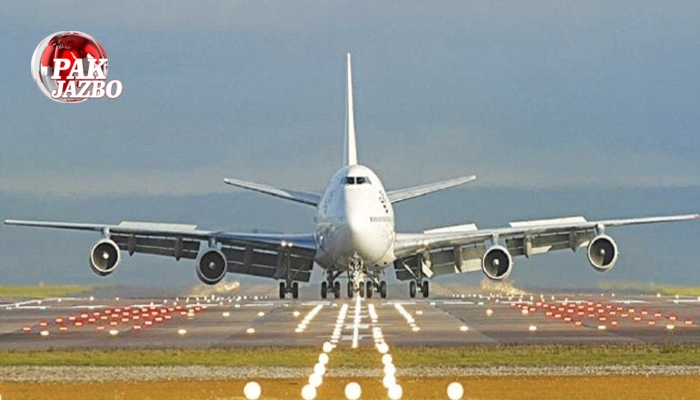
According to French author Jean-Pierre Filiu, the idea of forcibly removing Palestinians from Gaza has been under consideration since 1965. There were plans to relocate them to Iraq or Libya. In 1968, Israeli intelligence agency Mossad formed a special unit to push Palestinians toward Jordan. The result: an intensification of resistance, and by 1970, the Popular Front for the Liberation of Palestine (PFLP) hijacked three planes to make a statement.
Today, some Western commentators label Hamas an Iranian proxy—just as 50 years ago, the world criticized ties between the PLO and Ayatollah Khomeini. After the 1979 Iranian Revolution, PLO leader Yasser Arafat was seen as a symbol of resistance. But under international pressure, Muslim governments pushed him toward negotiations with Israel.
In 1993, the Oslo Accords gave Arafat control over a weak and fragmented Palestinian Authority. This weakened the PLO and gave rise to Hamas, whose leaders largely hailed from regions Israel had seized. Sheikh Ahmed Yassin was born in Al-Jura, and Ismail Haniyeh’s family also came from there—a village near the city of Al-Majdal.
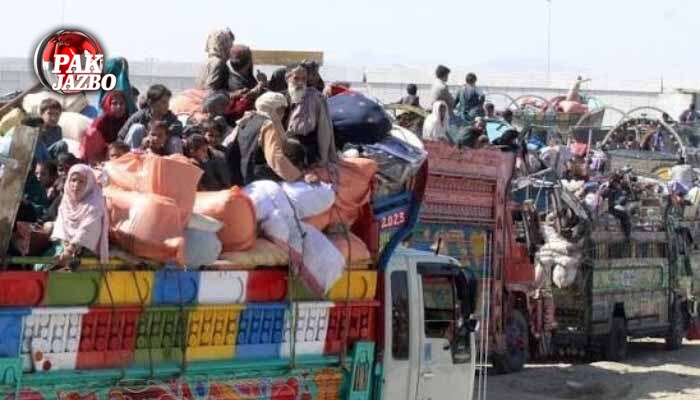
In 1948, Al-Jura and Al-Majdal were part of Palestinian territory, but Israel took them and built a new city called Ashkelon. Most refugees in Gaza today are from these very areas—displaced by Israeli forces. Currently, Israel occupies about 60% of the land originally allocated for a Palestinian state under Resolution 181.
Many towns have had their names erased—Jaffa, Galilee, and Beersheba among them. For example, a historic Arab village called Qarya Salama once stood 5 km east of Jaffa. It was named after the companion of the Prophet Muhammad ﷺ, Salama bin Hisham, who was martyred there. His grave stood in that village, but Israel bulldozed the site and renamed it Kfar Shalem.
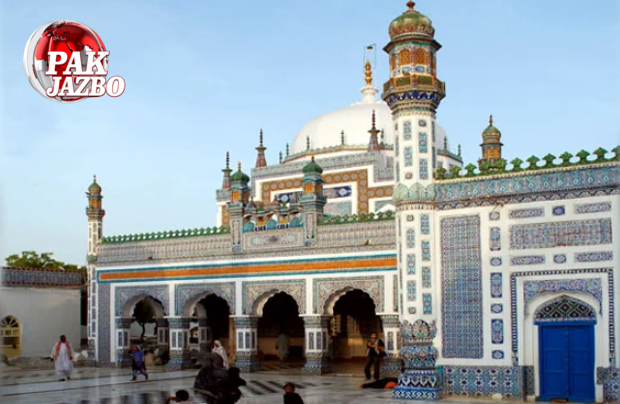
Ashkelon and Salama were once part of greater Gaza. In Gaza lies the Mosque of Sayyid Hashim bin Abd Manaf, named after the Prophet Muhammad’s ﷺ great-grandfather. He died during a trade journey to Gaza and is buried there. Imam Shafi’i, one of Islam’s greatest scholars, was also born in Gaza. His father Idris’s grave still remains in the city.
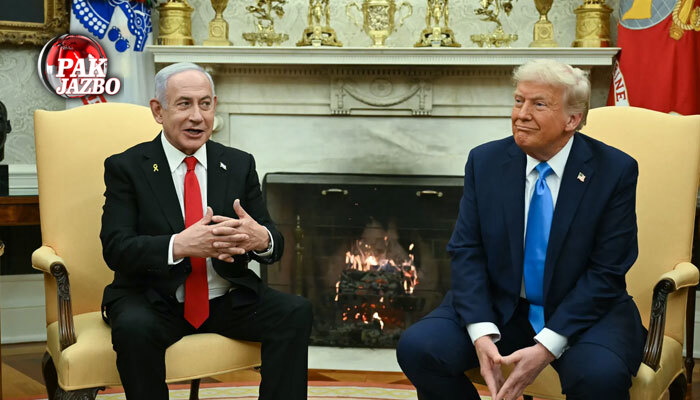
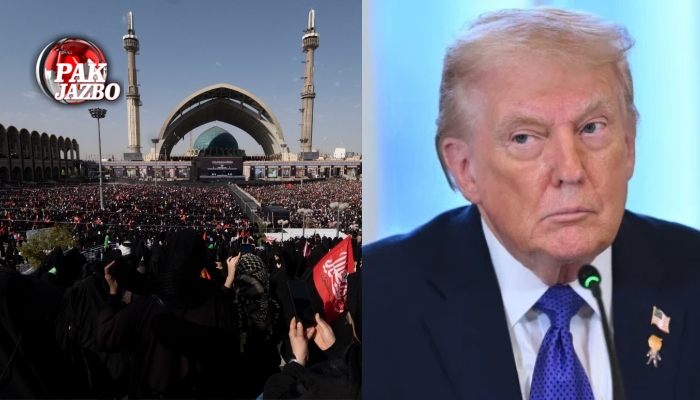
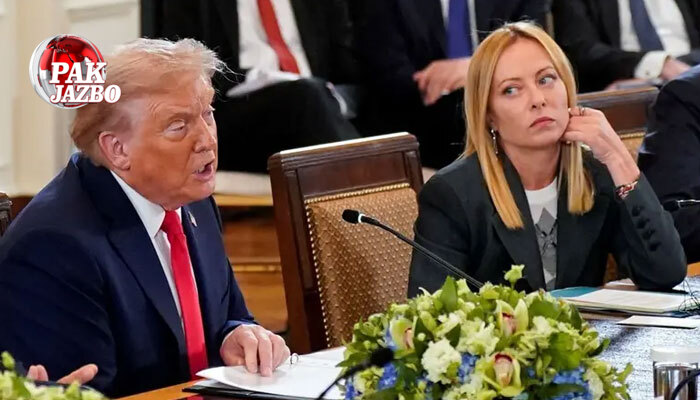
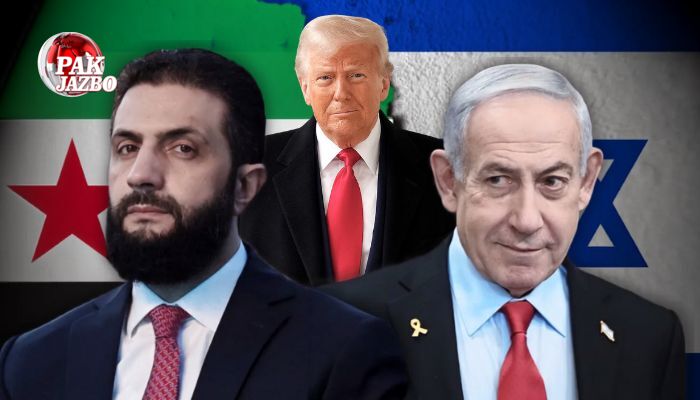
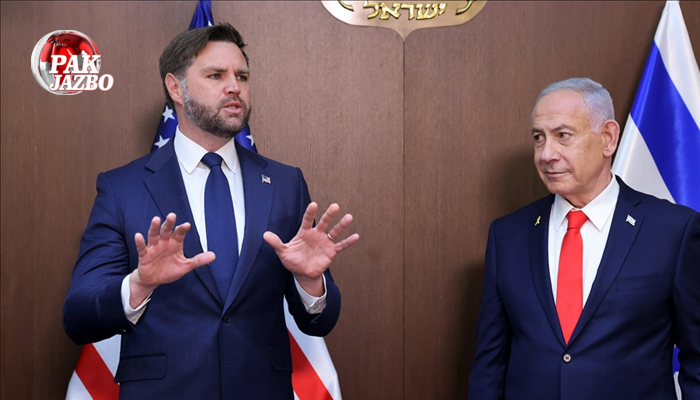
Today, Trump and Netanyahu aim to expel Palestinians from this very land. The plan is over 50 years old—and may continue for another 50—but how can a two-state solution work without ending the illegal occupation?
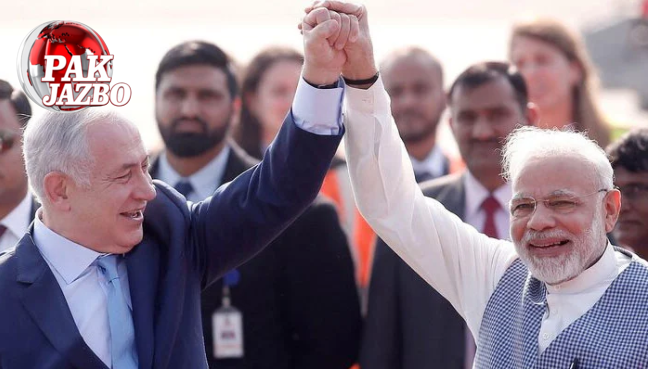
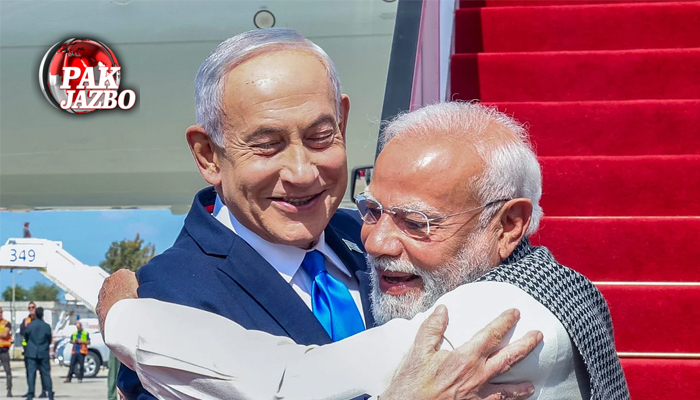
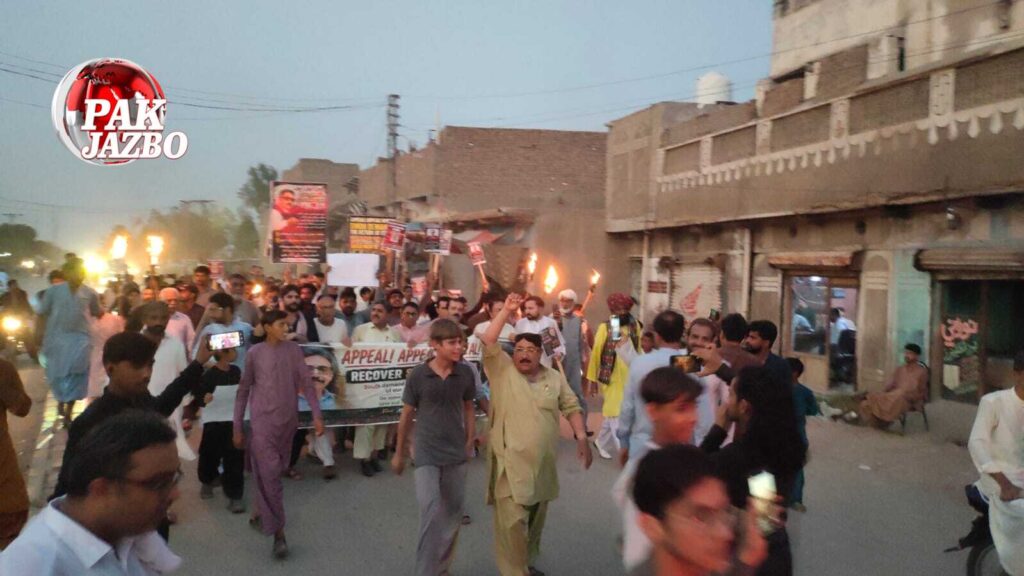
South African journalist Azad Essa, who has reported on both Palestine and Kashmir, exposed a covert alliance between Netanyahu and Indian PM Narendra Modi in his book Hostile Homelands. According to Essa, Modi—backed by Israel—plans to turn Kashmir into the next Gaza.
If we fail to protect Gaza today, we may find ourselves powerless to save Kashmir tomorrow.
So we must ask ourselves: 50 years from now, how will our children remember us?
As defenders of the oppressed—or as silent collaborators of the oppressors?
What’s your Reaction?
+1
1
+1
+1
+1
+1
+1

