

























































































































































































































































































































































































































































































































































































































































































































































































































































































































































































































































































































































































































































































































































































































































































































































































































































































































































































































































































































































































































































































































































































































































































































Israel Rejects Formation of Gaza Board, Calls It Contrary to Government Policy


Israel has formally rejected the proposed formation of a Gaza Board, stating that the initiative runs counter to Israeli government policy and was announced without prior consultation with Israeli authorities. The rejection comes amid growing international debate over post-conflict governance and reconstruction mechanisms for Gaza.
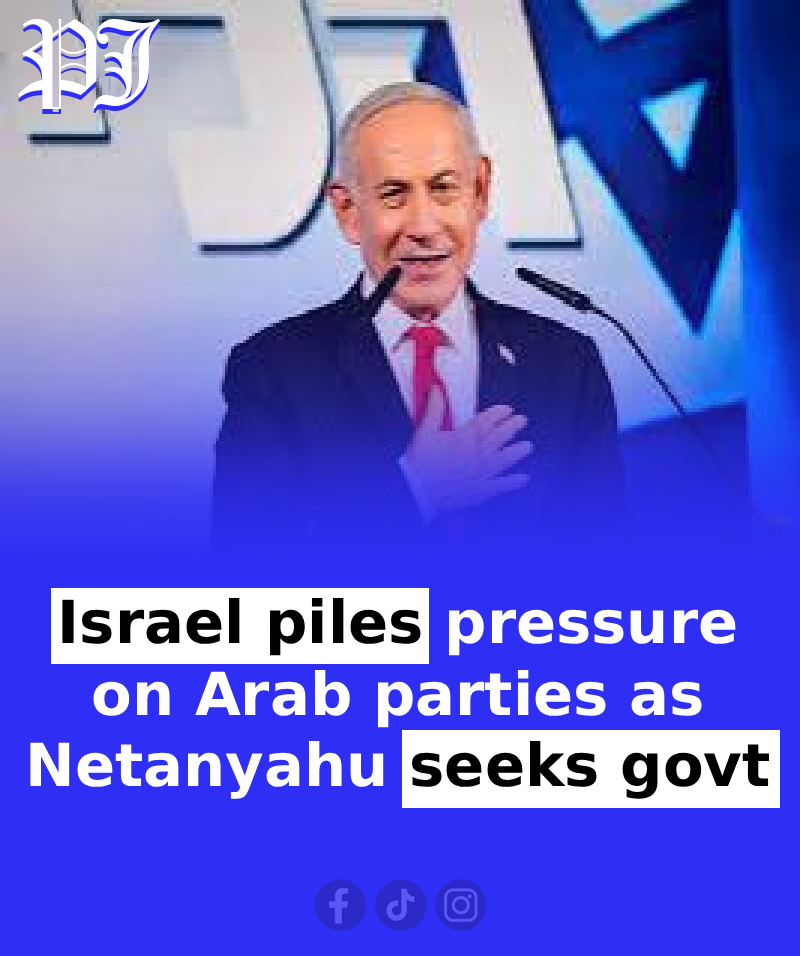
According to foreign media reports, a statement issued by the office of Israeli Prime Minister Benjamin Netanyahu made it clear that Israel was neither consulted nor informed before the announcement of the Gaza Board. The statement emphasized that any initiative related to Gaza’s administration, security, or reconstruction cannot move forward without Israel’s involvement, given the region’s sensitive security and political dynamics.
“The establishment of such a board is against the policy of the Israeli government,” the statement said, underscoring Israel’s firm opposition to externally imposed frameworks concerning Gaza. Israeli officials expressed concern that the proposed structure could undermine Israel’s security interests and bypass established diplomatic and political channels.
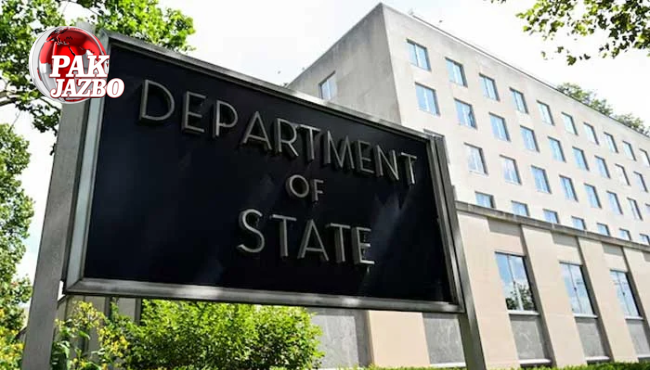
The statement further noted that Israeli Foreign Minister Gideon Sa’ar intends to raise the issue of the Gaza Board with U.S. Secretary of State Marco Rubio. Diplomatic sources indicate that Israel plans to seek clarification from Washington regarding the board’s mandate, authority, and long-term objectives, particularly in relation to Israel’s security concerns and regional stability.
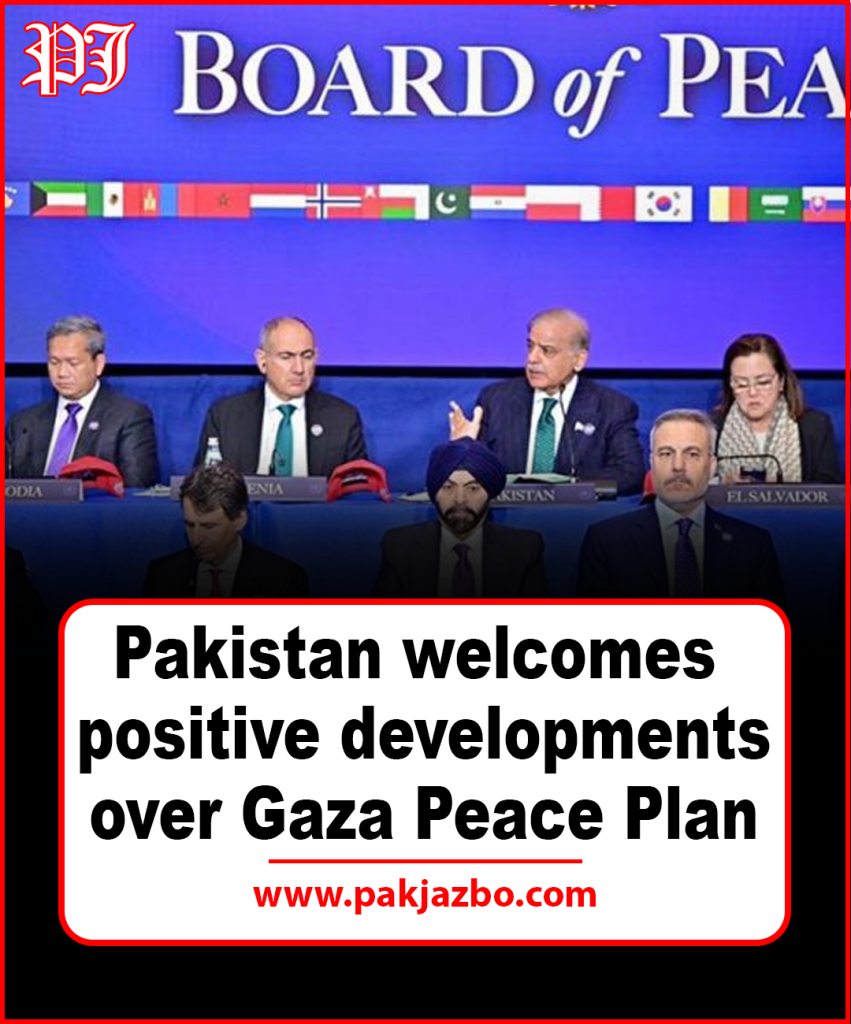
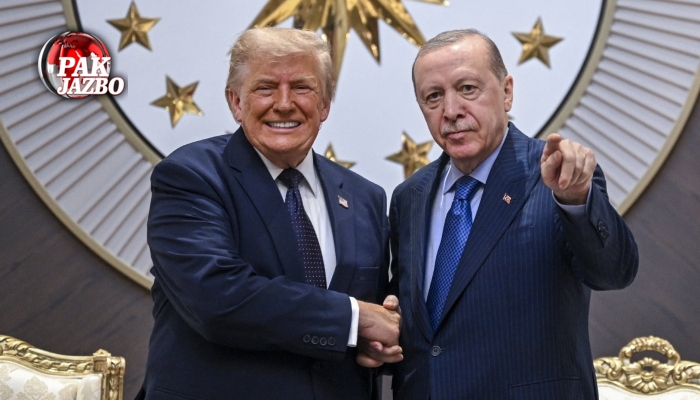
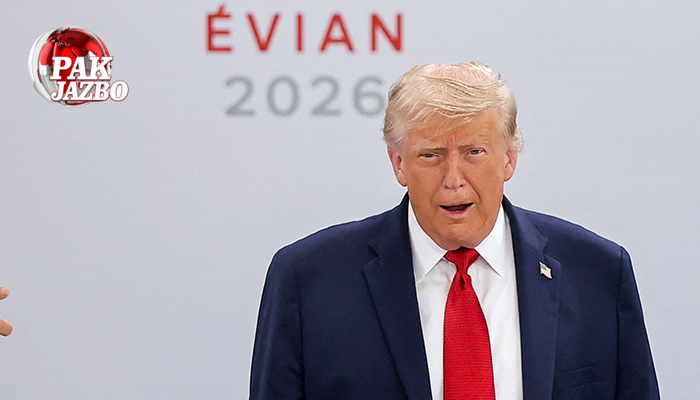
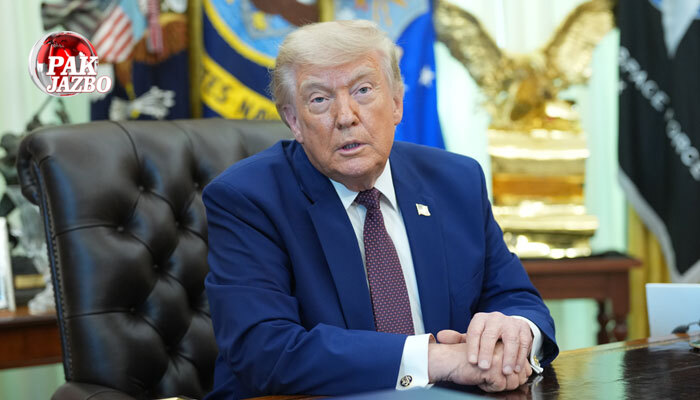
The controversy follows the White House’s recent announcement of the names of members of the “Gaza Board of Peace,” an initiative introduced under former U.S. President Donald Trump’s proposed peace framework for the region. The board is described as a key component of Trump’s broader plan aimed at stabilizing Gaza and addressing long-standing governance and humanitarian challenges.
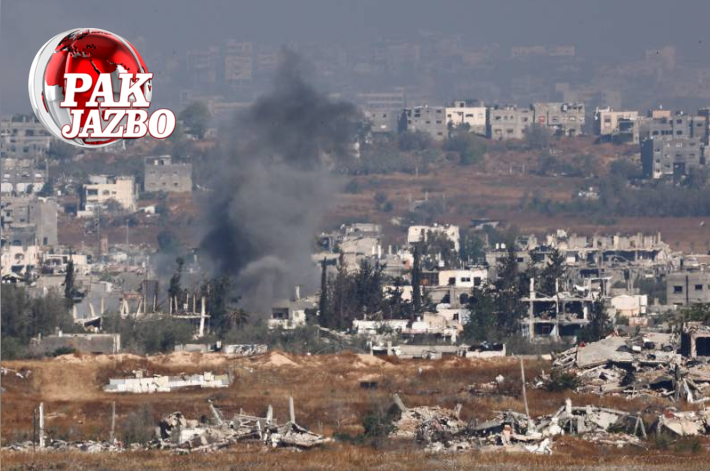
According to U.S. officials, the Gaza Board of Peace is intended to coordinate security arrangements, oversee humanitarian assistance, and facilitate reconstruction efforts in the war-torn enclave. The board is also expected to play a role in promoting administrative and institutional reforms within the Palestinian Authority and the broader Palestinian governance structure.
Supporters of the initiative argue that Gaza’s dire humanitarian situation and extensive infrastructure damage require an international coordination mechanism to ensure efficient aid delivery and reconstruction. They claim the board could help streamline assistance, prevent misuse of funds, and create a pathway toward long-term stability and economic recovery.
However, Israel’s rejection highlights deep disagreements over who should shape Gaza’s future governance. Israeli officials have repeatedly stated that any post-conflict arrangement must guarantee Israel’s security and prevent armed groups from regaining influence in the territory. From Israel’s perspective, externally designed bodies that exclude Israeli input risk complicating security coordination and undermining existing diplomatic frameworks.
Analysts note that Israel’s response reflects broader skepticism toward international initiatives that are perceived as limiting Israeli decision-making authority. The lack of consultation prior to the board’s announcement appears to have intensified Israeli concerns, reinforcing the government’s view that the proposal was premature and politically misaligned.
The announcement has also sparked debate within diplomatic circles about the feasibility of implementing such a board without buy-in from key regional stakeholders. Experts argue that successful governance or reconstruction efforts in Gaza would require coordination among Israel, the Palestinian Authority, regional actors, and international partners.
Meanwhile, Palestinian reactions to the Gaza Board proposal have been mixed. Some see it as an opportunity to address Gaza’s humanitarian crisis and rebuild critical infrastructure, while others question whether the board adequately represents Palestinian interests or sovereignty.
The United States has not yet issued a detailed response to Israel’s objections, though diplomatic sources suggest that discussions between Israeli and U.S. officials are expected in the coming days. These talks are likely to focus on aligning policy positions, clarifying the scope of the board’s authority, and addressing Israeli security concerns.
The dispute over the Gaza Board underscores the broader complexities surrounding Gaza’s future. With reconstruction needs mounting and political divisions deepening, efforts to establish a viable governance and coordination mechanism face significant diplomatic and practical challenges.
As regional tensions persist, the fate of the Gaza Board of Peace remains uncertain. Israel’s firm rejection, coupled with unanswered questions about the board’s structure and legitimacy, suggests that any progress will depend on extensive negotiations and consensus-building among all parties involved.
For now, Israel has made it clear that it will oppose any initiative related to Gaza that it believes conflicts with its policies or proceeds without its consent, setting the stage for further diplomatic engagement—and potential friction—between Israel and its international partners.
What’s your Reaction?
+1
+1
+1
+1
+1
+1