


















































































































































































































































































































































































































































































































































































































































































































































































































































































































































































































































































































































































































































































































































































































































































































































































































































































































































































































































































Initial Report on Islamabad Courthouse Suicide Attack Reveals Attacker’s Origin and Method of Execution


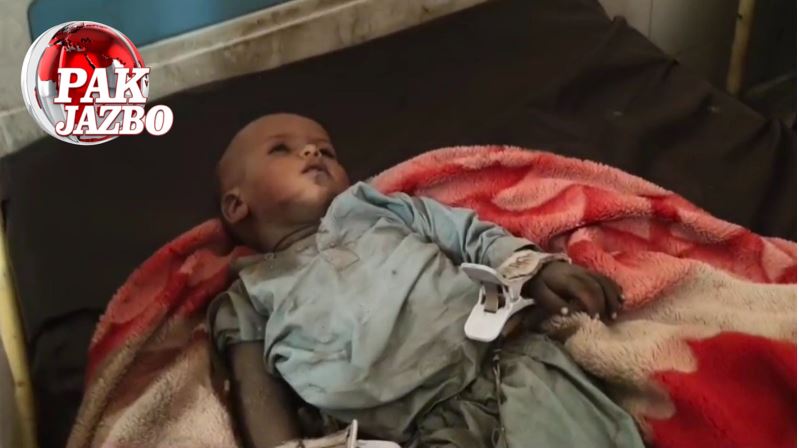
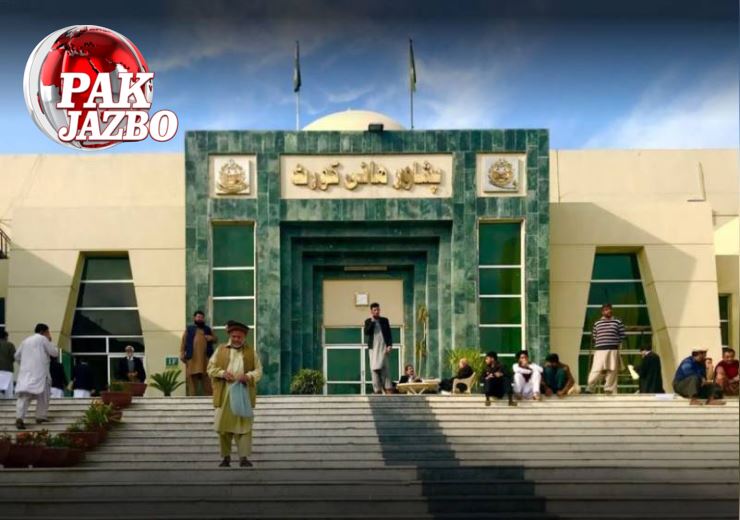
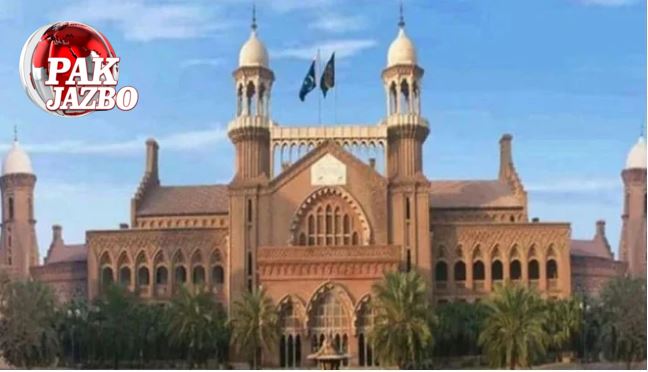
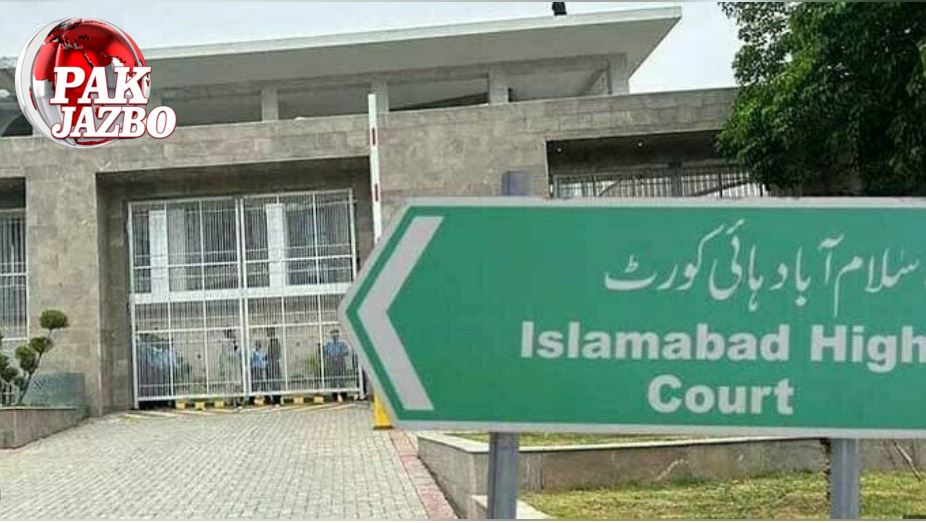
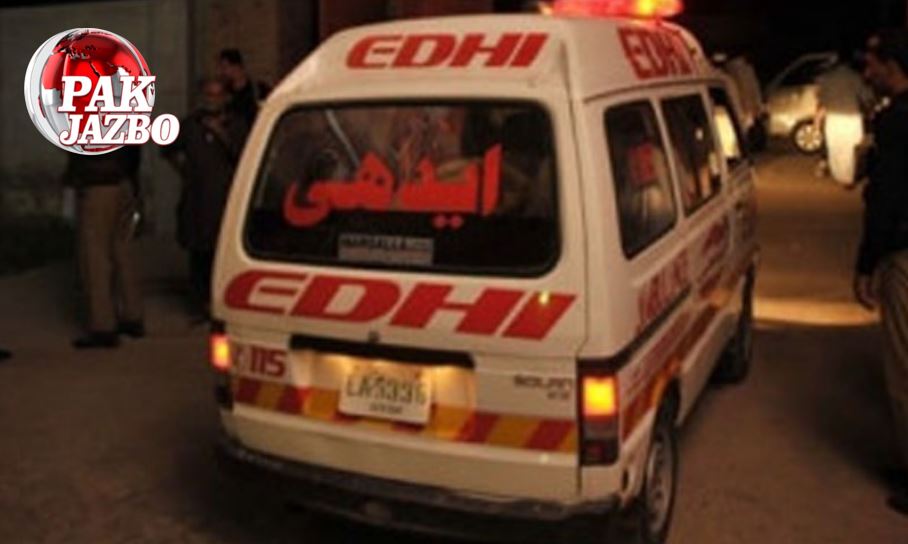
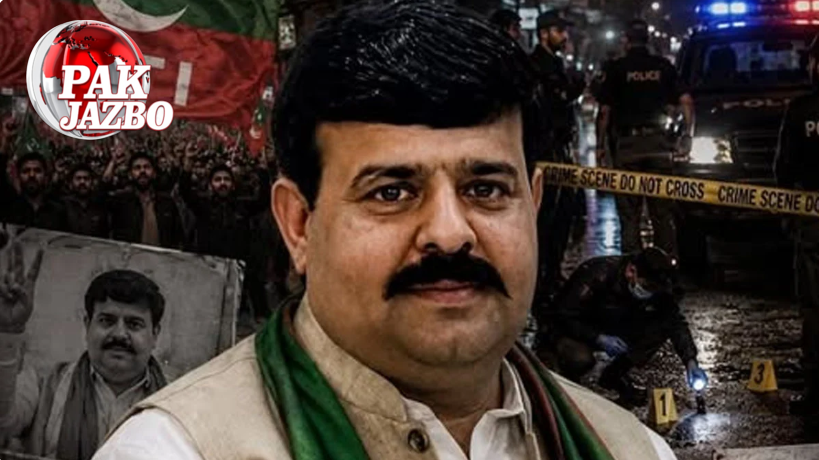
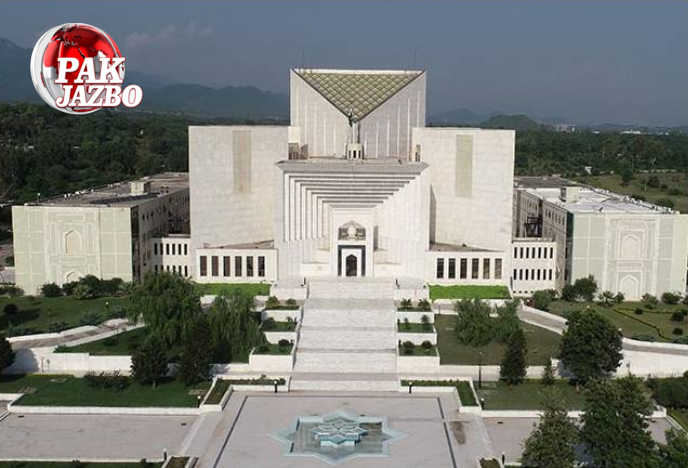
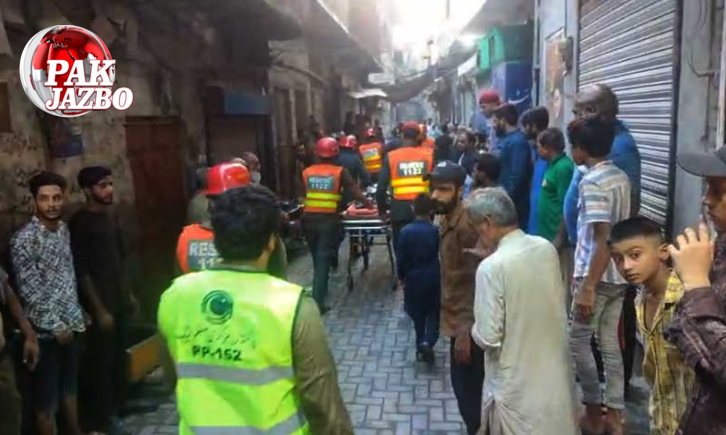
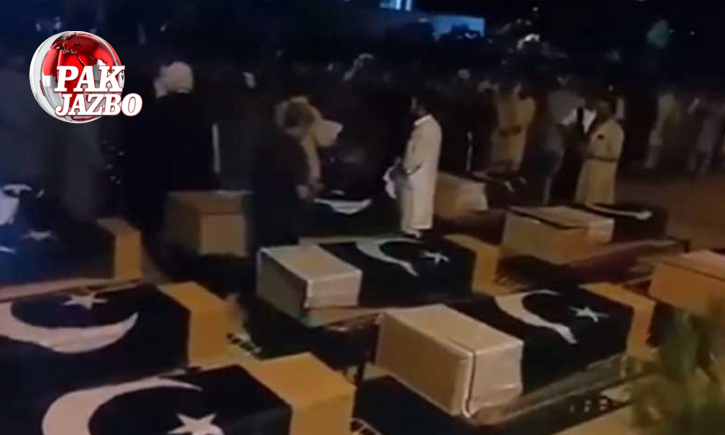
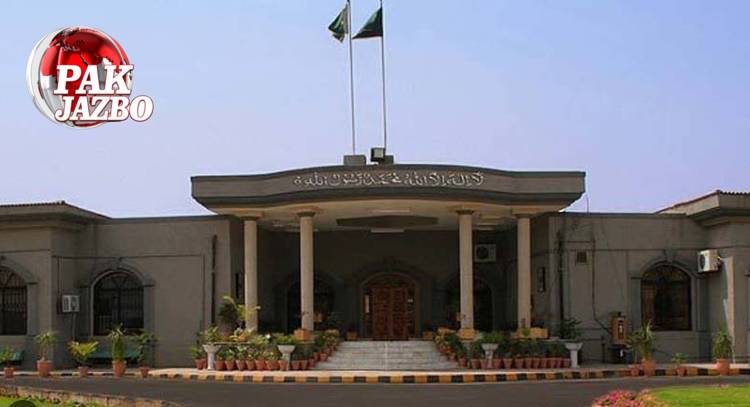
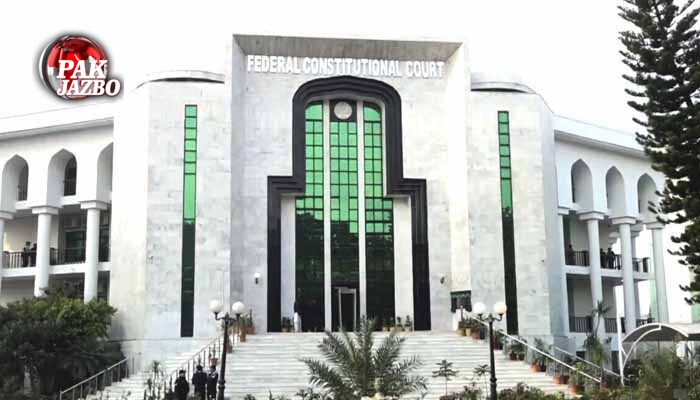
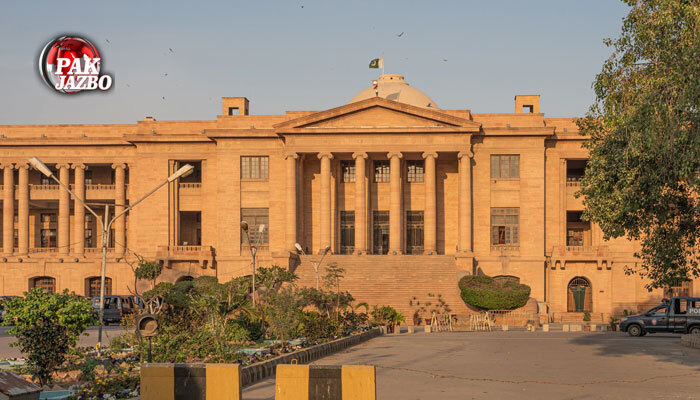
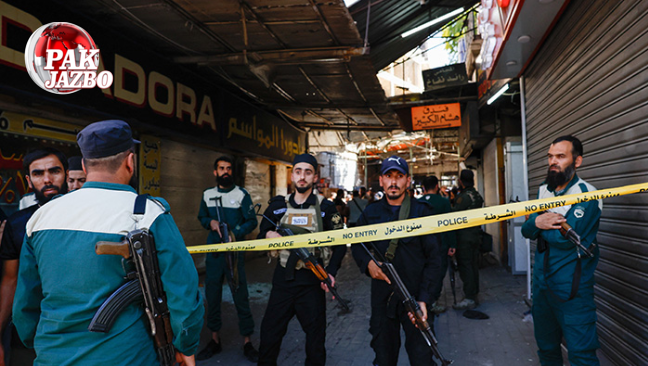
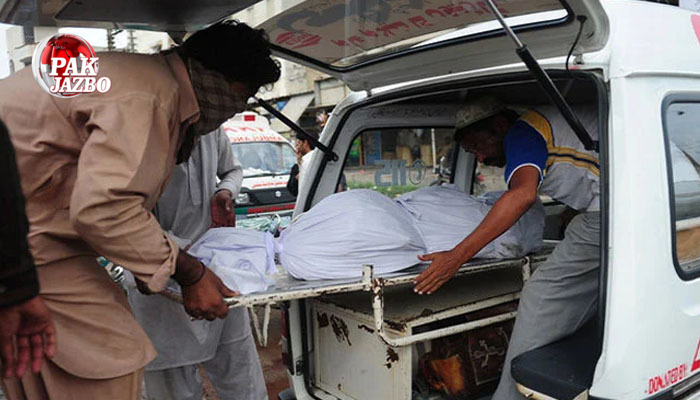
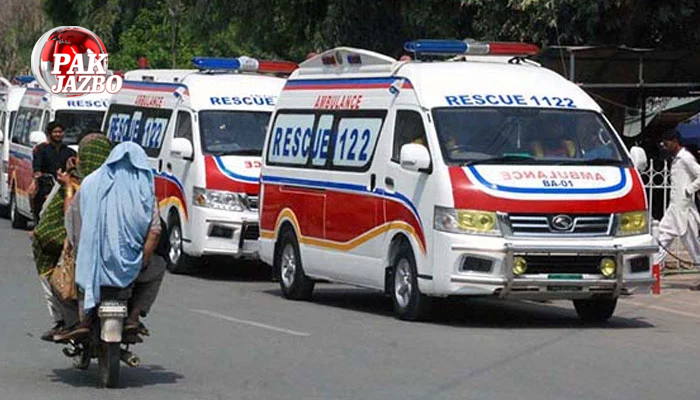
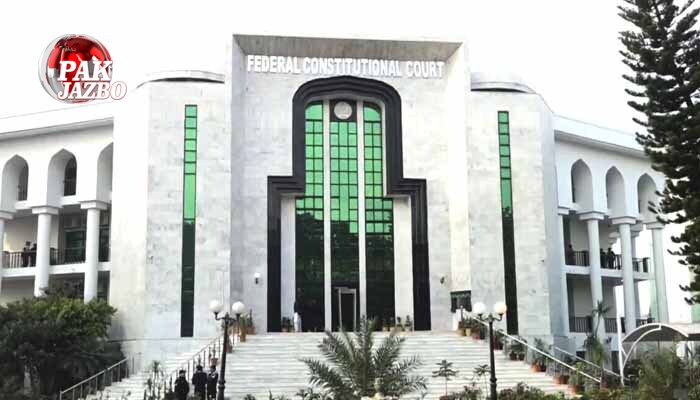
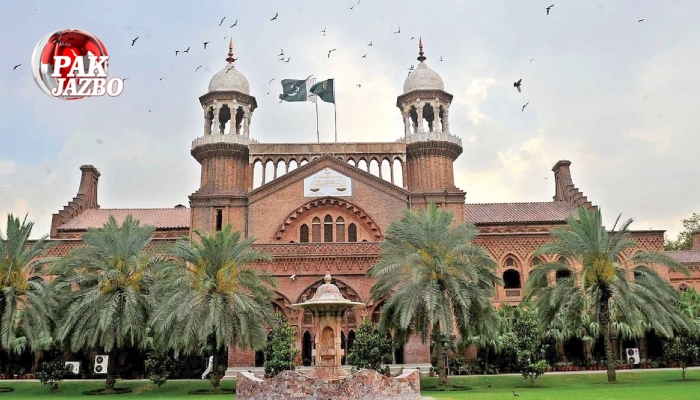
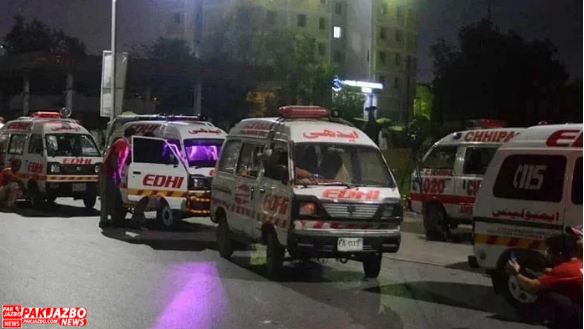
An initial investigative report has been prepared regarding the suicide attack carried out near the district courts in Islamabad’s G-11 sector earlier this week. The attack, which shocked the federal capital and raised fresh concerns over the resurgence of militancy, resulted in the martyrdom of at least 12 people and injuries to many others. The loud explosion, heard from several kilometers away, has once again brought the country’s security challenges and counterterrorism response into sharp focus.
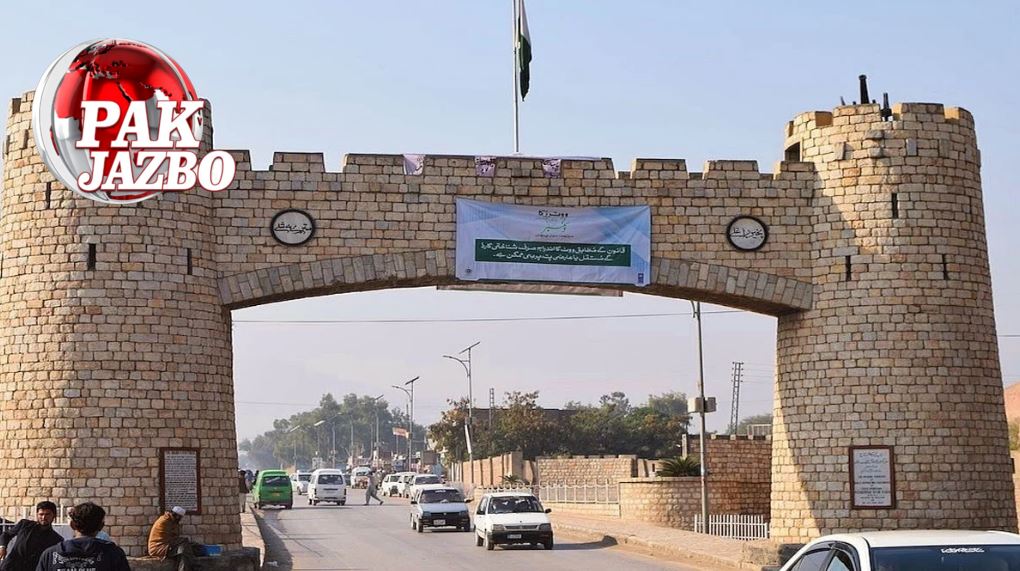
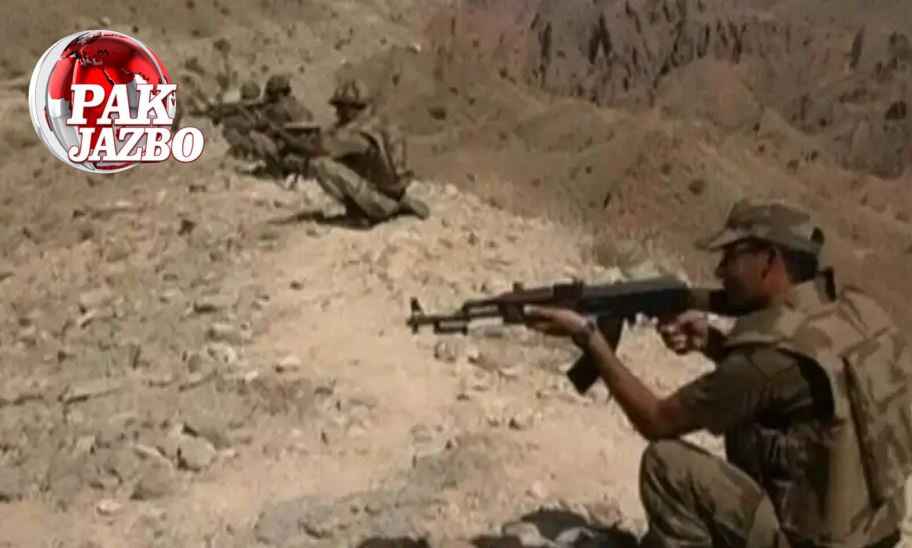
According to the preliminary findings compiled by investigative agencies, the suicide bomber was a resident of Bajaur, an area located in the northwestern region of Pakistan close to the Afghan border. Bajaur has historically been recognized as a sensitive zone, previously influenced by militant activity. The report indicates that the attacker traveled to Islamabad shortly before the incident. It states that he arrived in the city on Friday and spent some time in an undisclosed location before launching the attack on Tuesday afternoon.
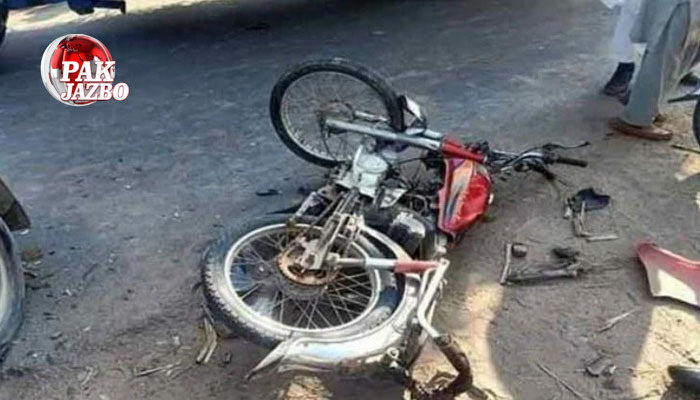
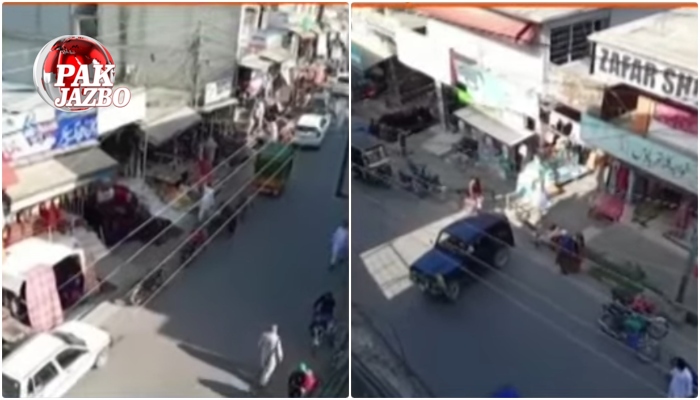
The attacker reportedly used public transportation to move around the city and ultimately reached Pirwadhai, a well-known transportation hub in Rawalpindi. From there, he acquired or boarded a motorcycle that he later rode to the target location near the district courts in sector G-11. The findings also state that the bomber had covered himself in a chadar (shawl), likely as part of a strategy to conceal the suicide vest and avoid detection by law enforcement personnel deployed in the area.
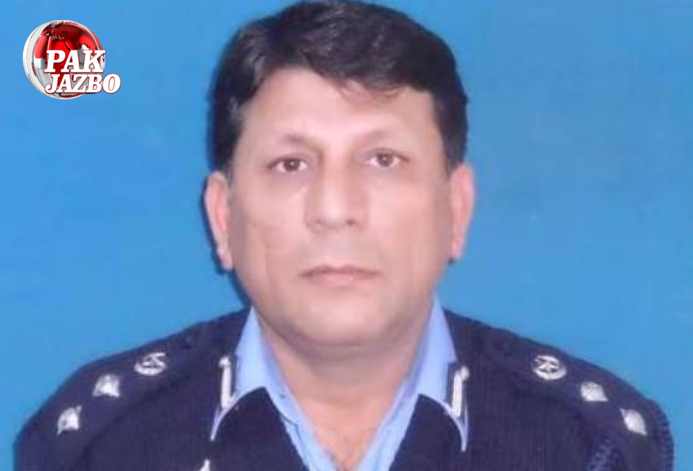
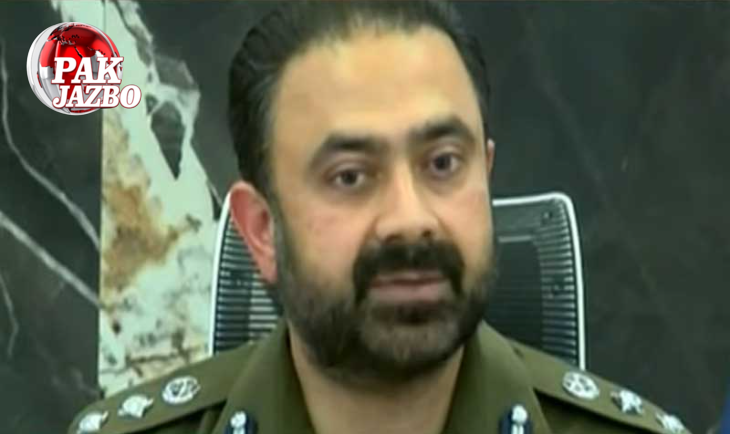
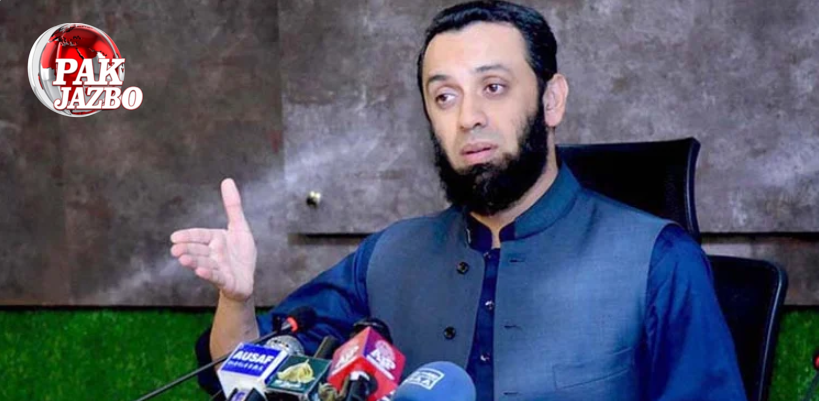
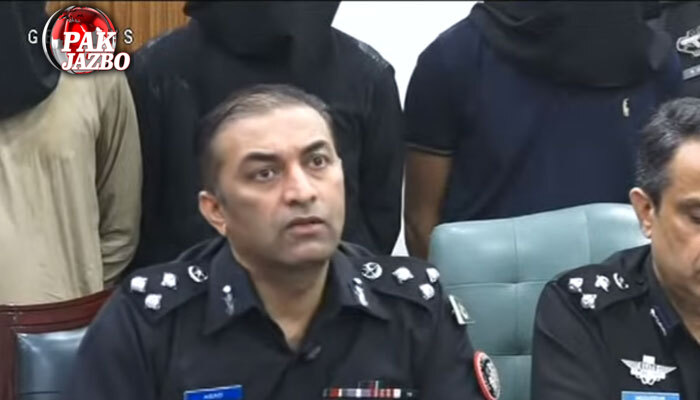
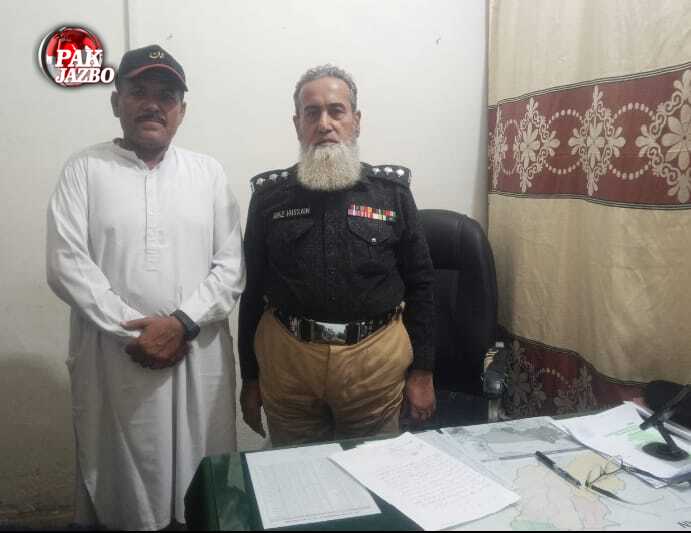
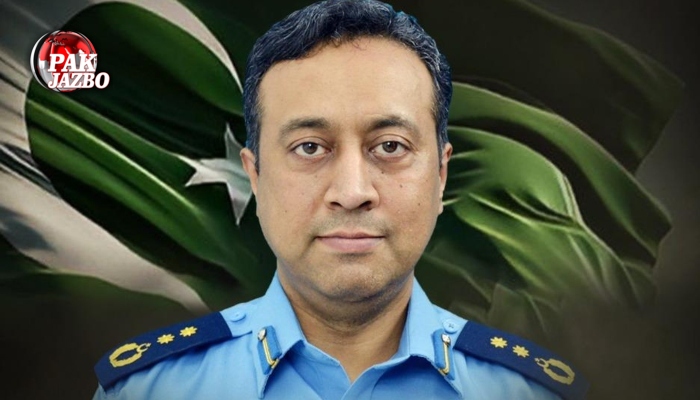
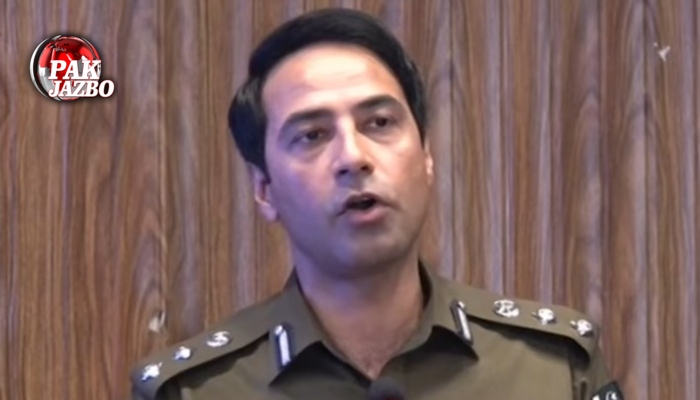
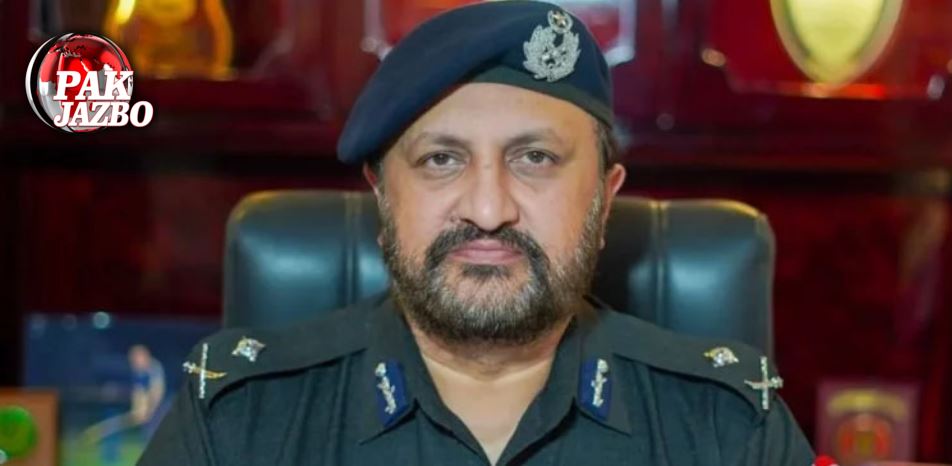
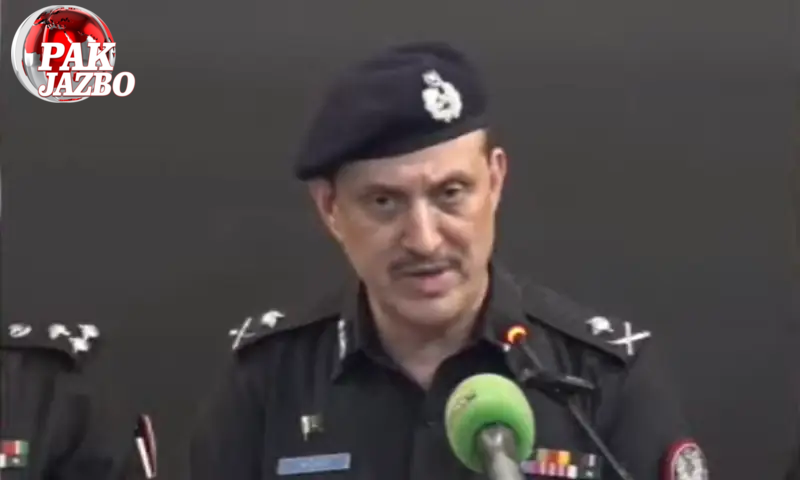
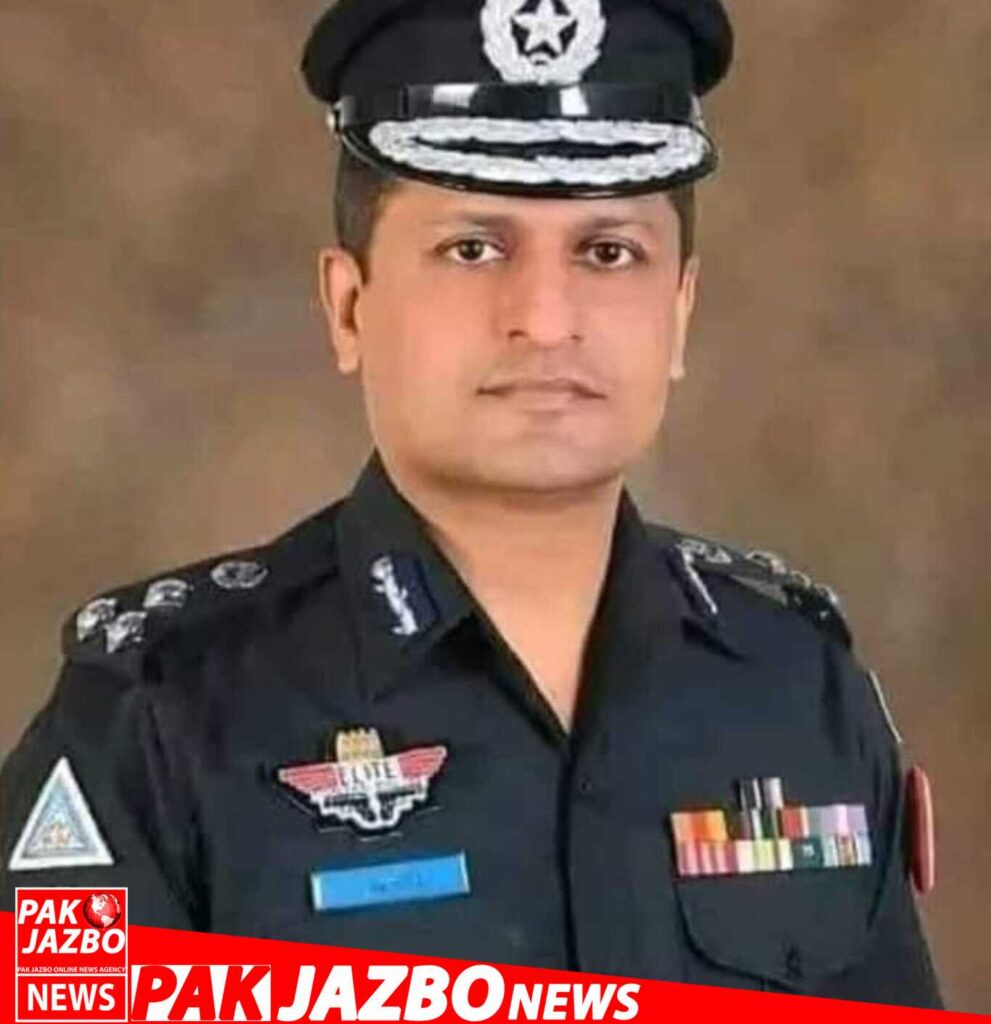
The Inspector General (IG) of Islamabad Police, in an official statement, confirmed that the suicide vest used in the attack contained approximately 8 kilograms of high-intensity explosives. The device was packed with ball bearings to maximize lethal impact, a common tactic used by militant groups to increase casualties in crowded environments. According to the IG, evidence collected from the scene strongly suggests that only one attacker was involved, countering early speculation that the assault may have been executed by multiple individuals or supported by a larger logistical cell present nearby at the time of the blast.
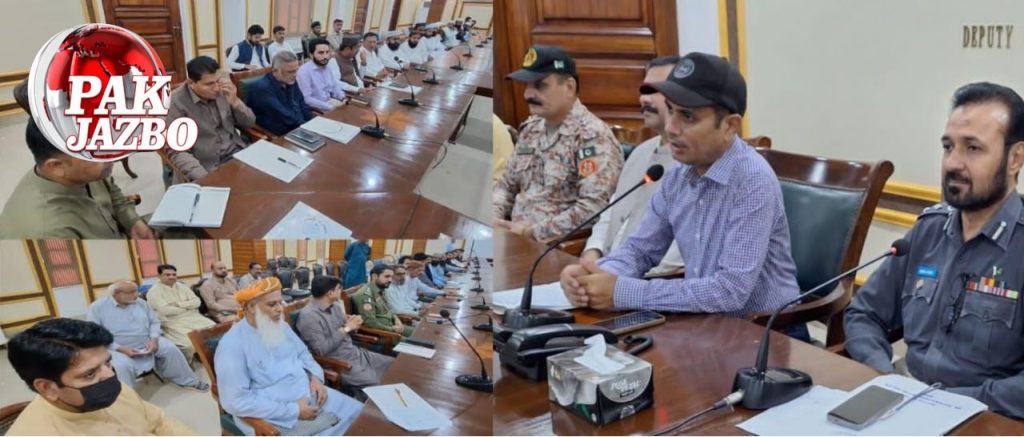
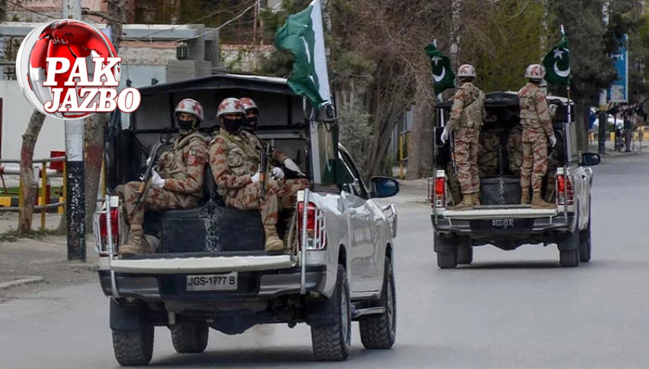
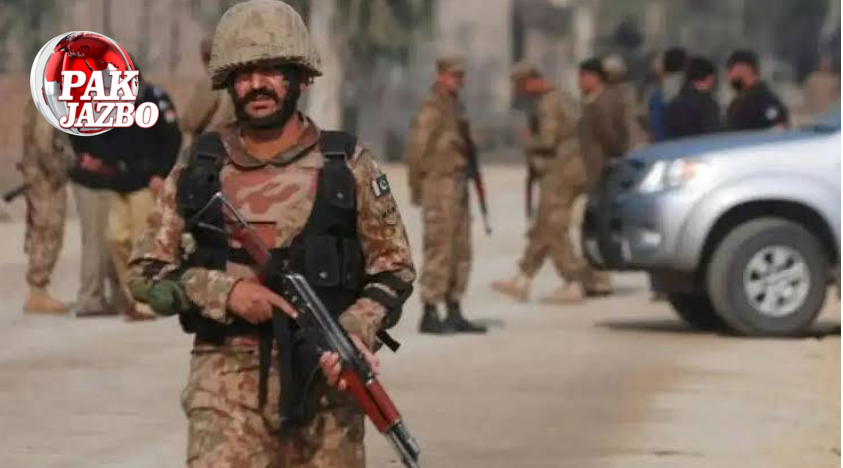
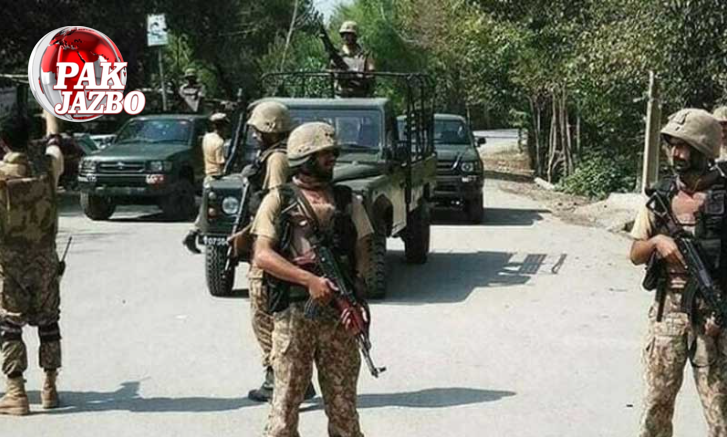
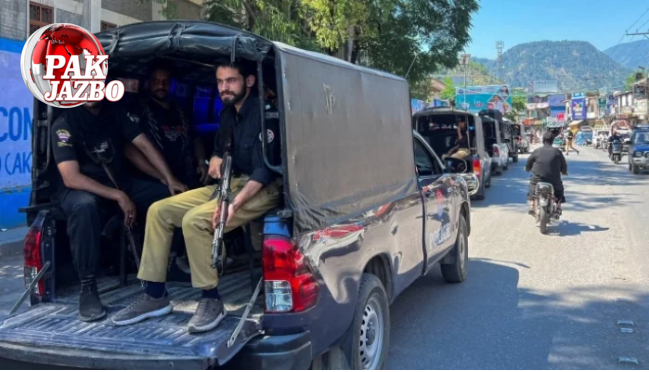
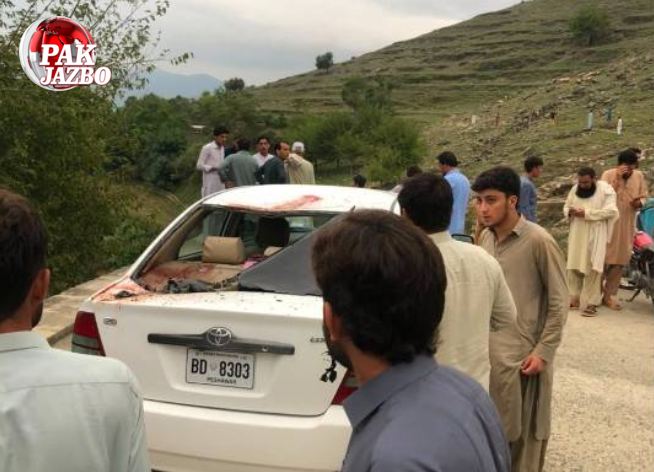
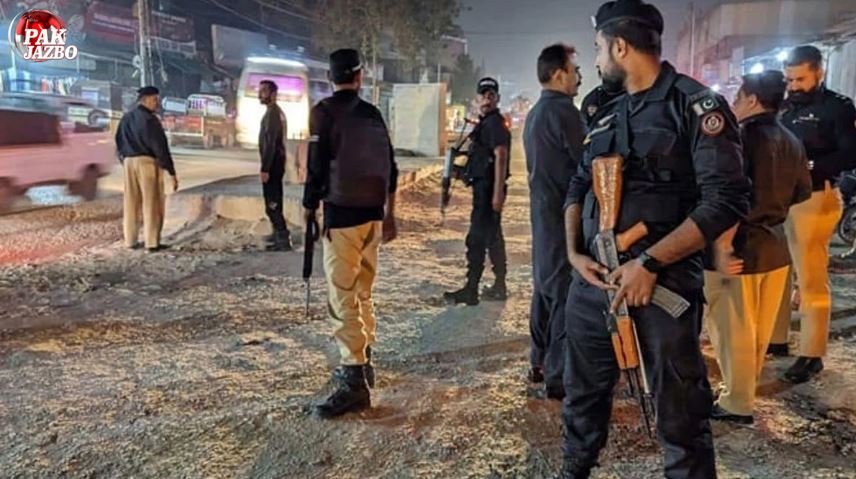
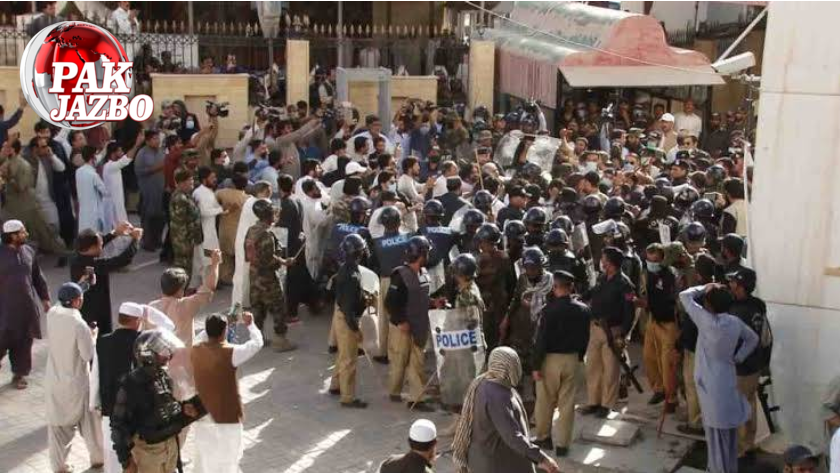
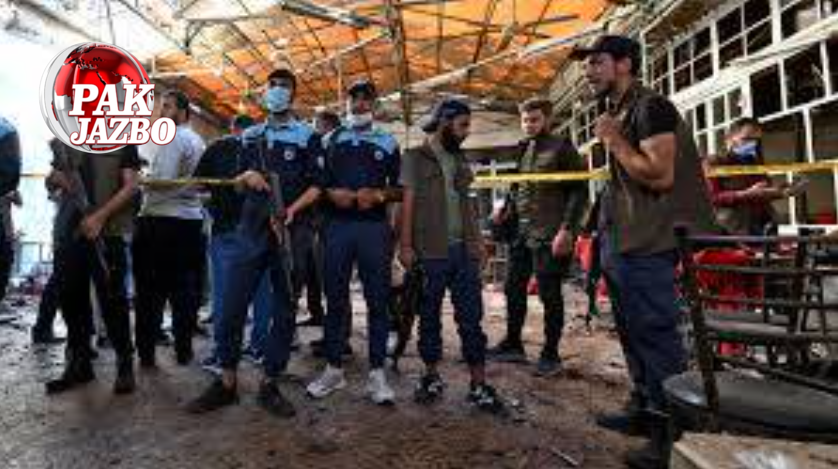
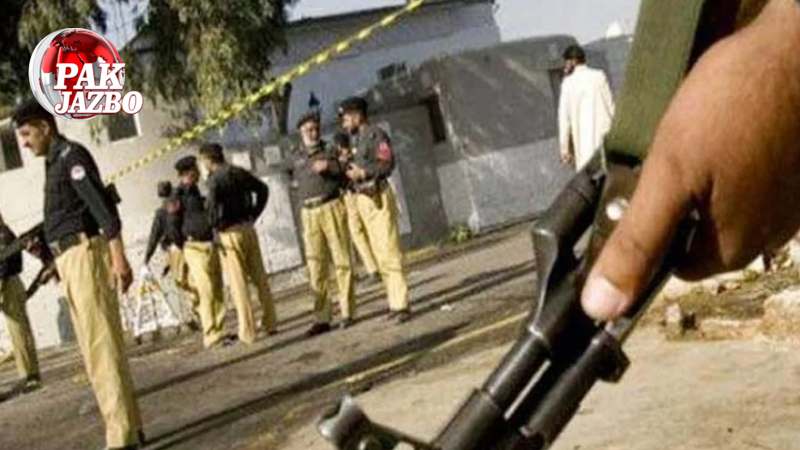
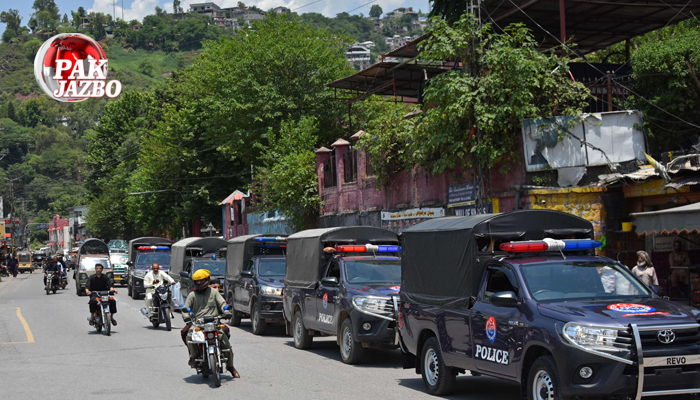
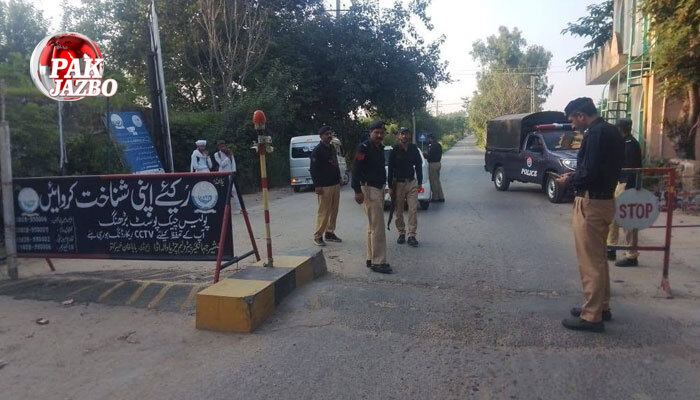
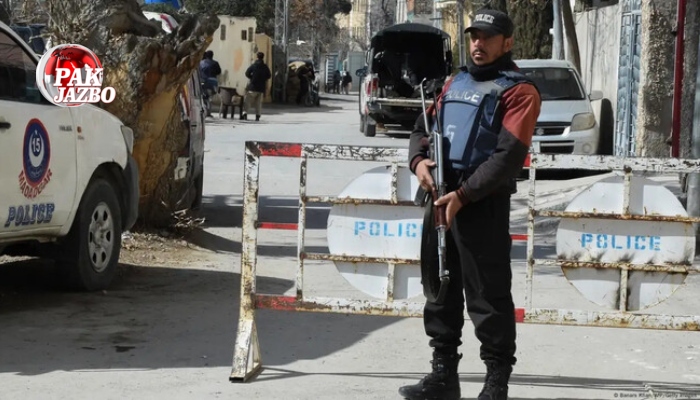
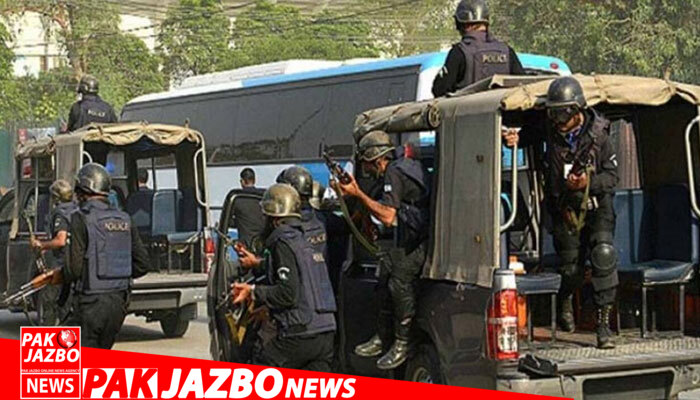
Law enforcement and investigative agencies, including the Counter Terrorism Department (CTD), the Forensic Science division, the Safe City surveillance authority, and sensitive federal security agencies, are collaboratively examining the crime scene. CCTV footage is being reviewed meticulously to trace the bomber’s route and identify any individuals who may have facilitated his travel or provided him shelter in Islamabad or Rawalpindi. The IG also confirmed that one motorcycle and a nearby parked vehicle have been flagged as “suspicious” and are undergoing forensic examination to determine whether they were used by the attacker or his associates.
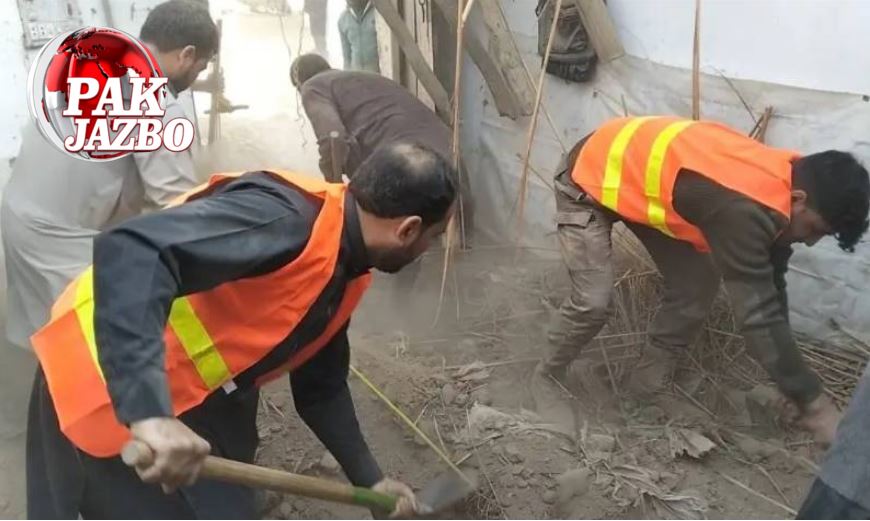
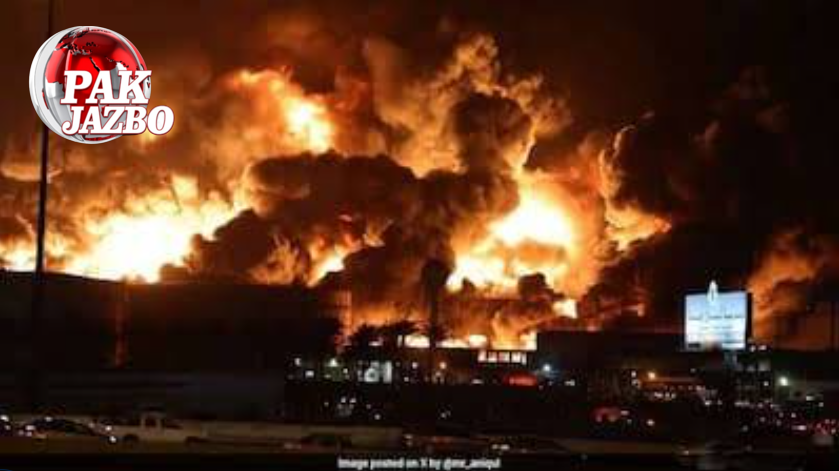
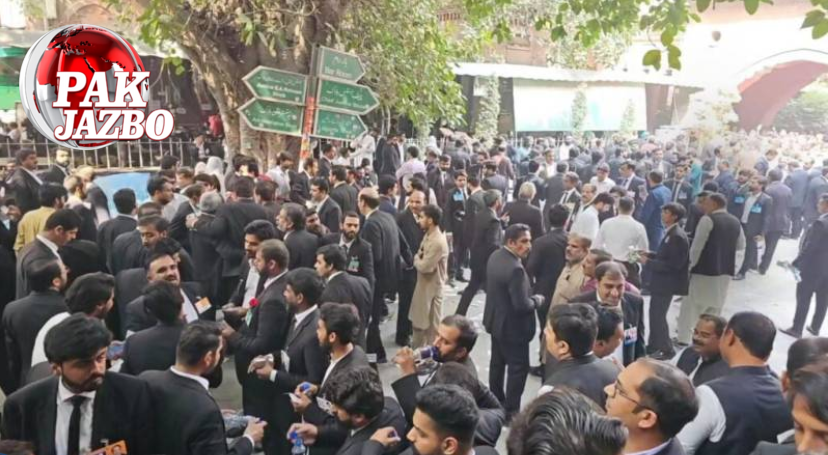
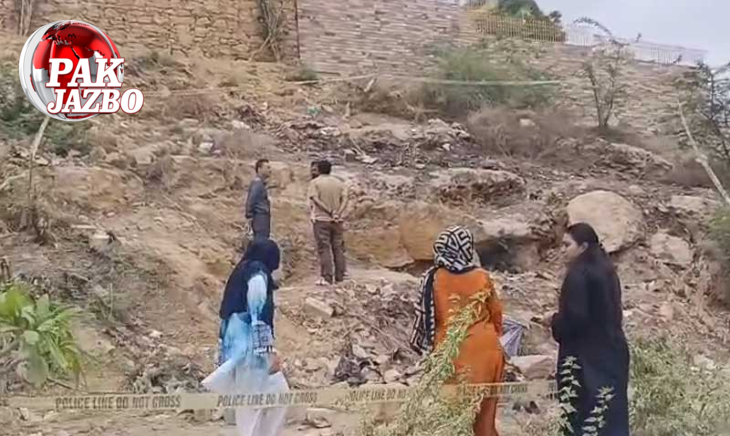
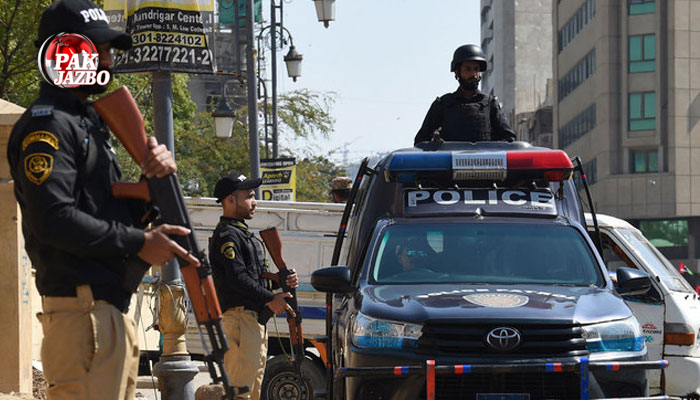
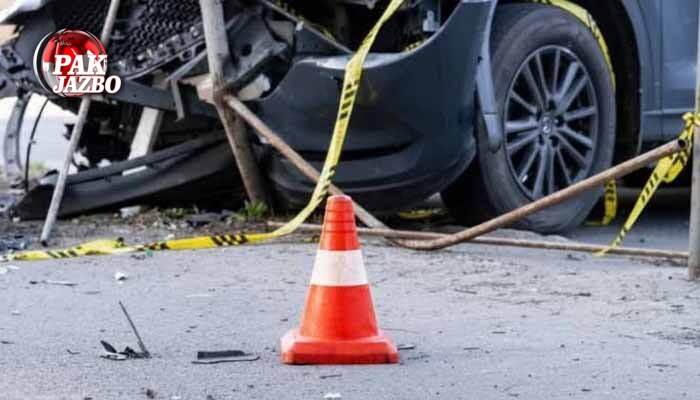
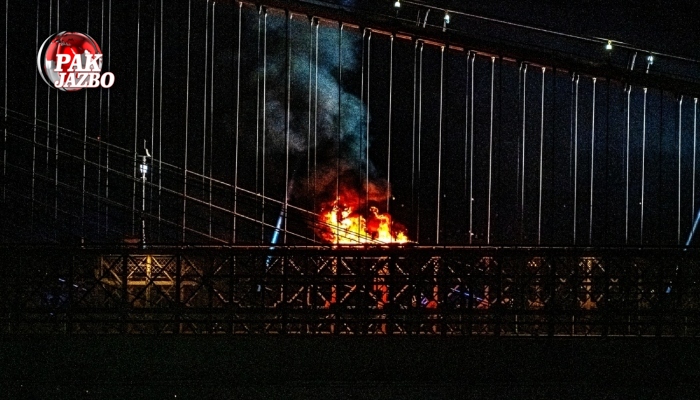
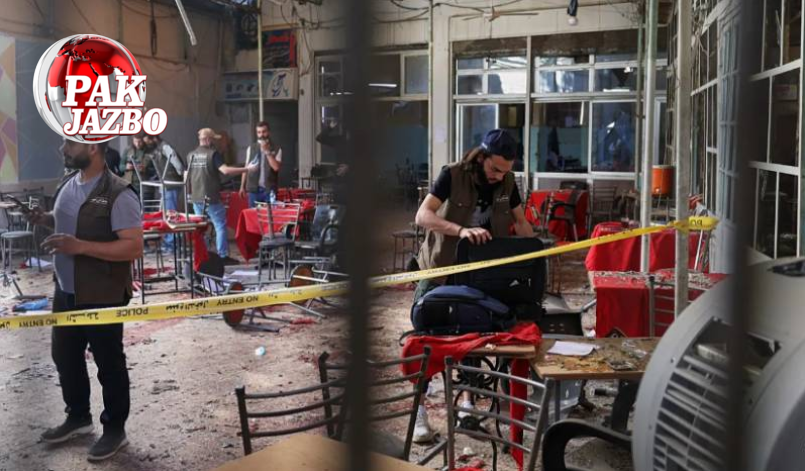
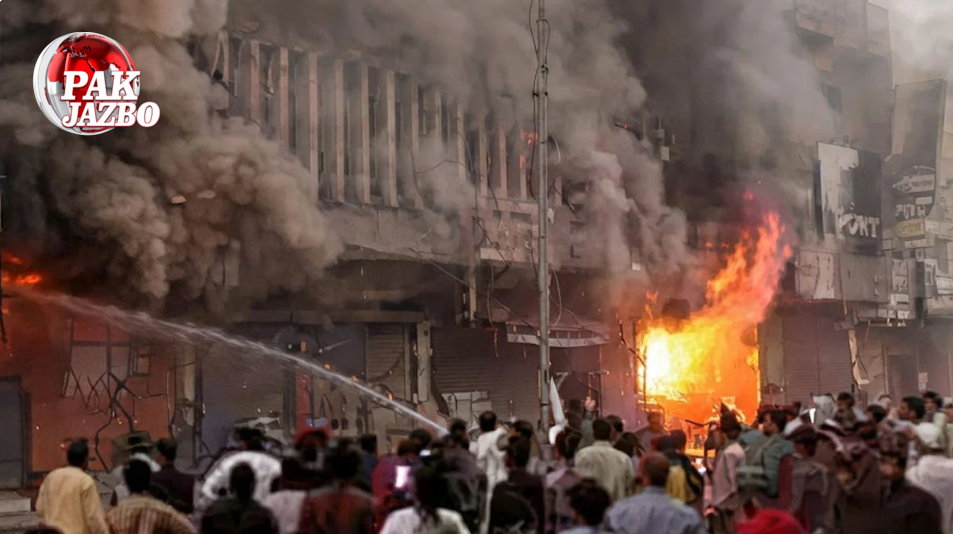
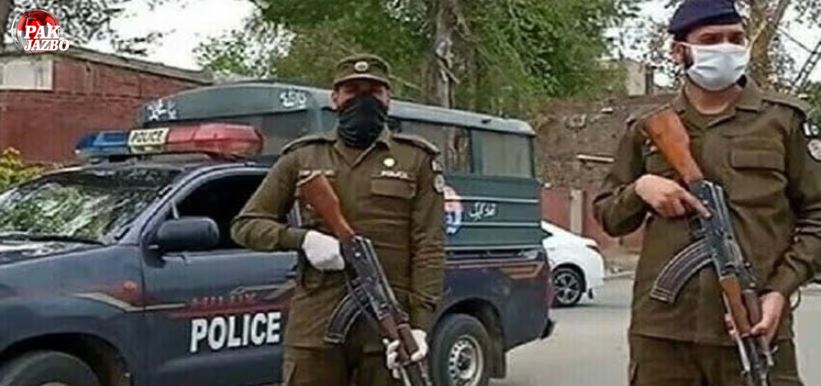
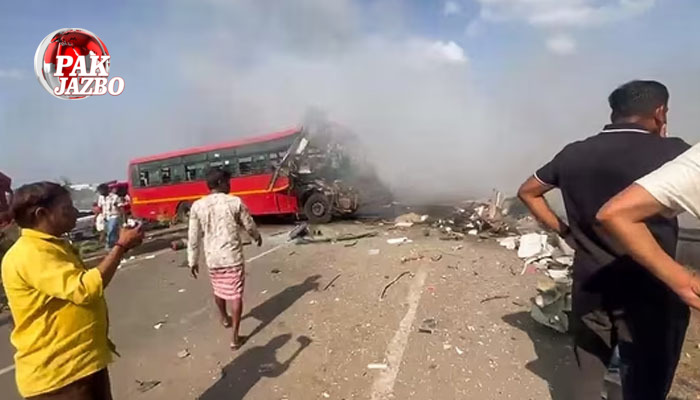
The explosion took place at around 12:30 PM on Tuesday afternoon, a time when the courthouse zone typically sees heightened public traffic due to ongoing judicial proceedings. Witnesses describe a sudden and deafening blast near a police vehicle stationed for routine duty. Eyewitness accounts suggest that the bomber steered the motorcycle close to the police vehicle before detonating the explosive. The impact of the blast was severe enough to ignite nearby vehicles and scatter metallic fragments across the courthouse perimeter. Body parts believed to be of the attacker were found inside the court premises, confirming the proximity and scale of the explosion.
The tragic incident has once again highlighted the vulnerability of public spaces, particularly judicial and government institutions, which are often considered high-risk targets by extremist groups. The attack raises questions about the security infrastructure surrounding Islamabad, a city known for its relatively strict perimeter checks and surveillance systems. Analysts note that while Pakistan has made significant progress in reducing large-scale terrorist incidents over the past decade, sporadic attacks continue to emerge, often linked to militant networks operating in border regions.
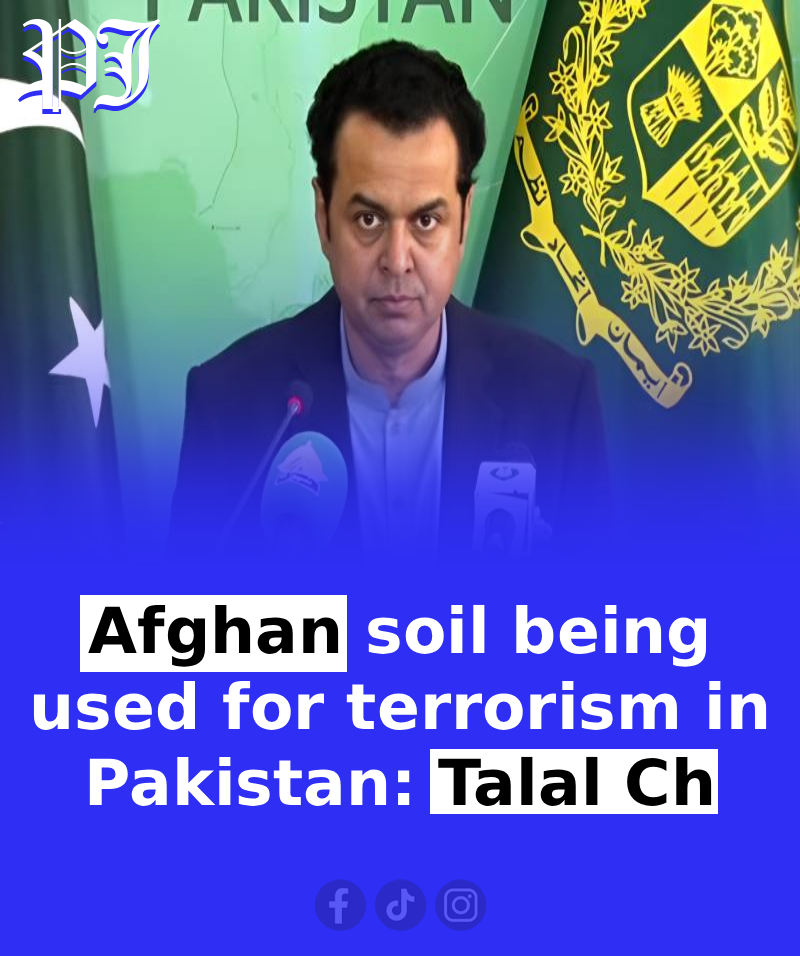
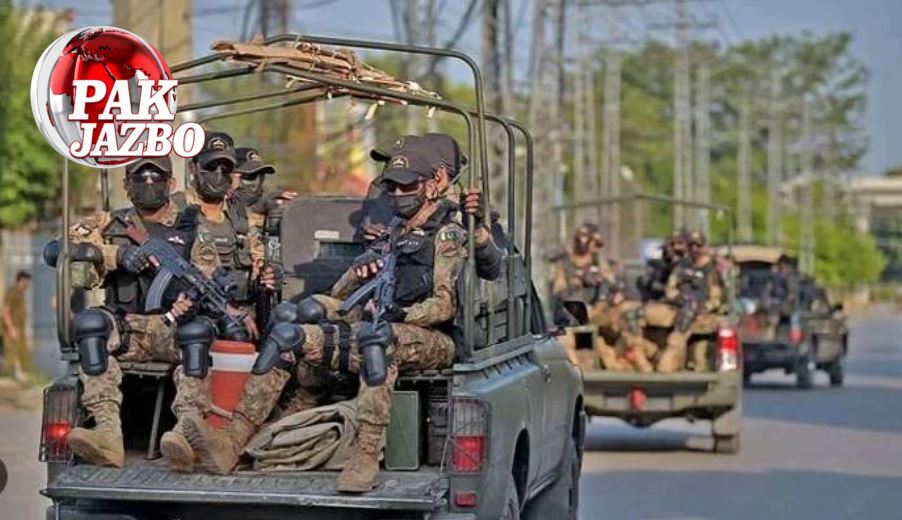
The broader implications of the attack are likely to influence national dialogue on internal security, counterterrorism policy, and Pakistan’s relationship with Afghanistan, particularly concerning cross-border militant movement and operational sanctuaries. Earlier statements by senior government officials have suggested that militant groups continue to attempt infiltration and operational revival in settled regions of Pakistan, including the capital.
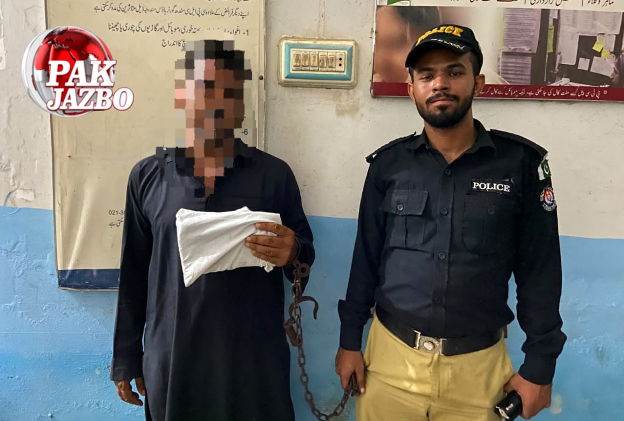
Authorities are presently focused on tracing the identity of any facilitators connected to the attacker. Investigators believe that while the bomber acted alone in the execution stage, the planning, transport, and preparation of the device likely involved a support network. Intelligence gathering has been intensified in both Bajaur and urban centers connected to the attacker’s travel route.
What’s your Reaction?
+1
+1
+1
+1
+1
+1