



























































































































































































































































































































































































































































































































































































































































































































































































































































































































































































































































































































































































































































































































































































































































































































































































































































































































































































































































































































































































































































































































































































































































































































































































































Israeli Army Chief Approves Plan to Seize Gaza City


Israeli Army Chief Approves Gaza City Takeover Plan Amid Escalating Humanitarian Crisis
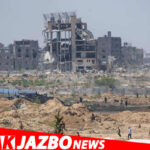
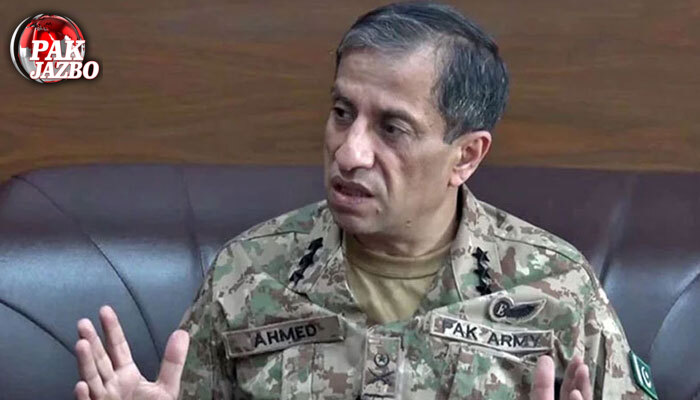
Tel Aviv: Israeli Chief of Staff Lt. Gen. Eyal Zamir has formally signed off on a controversial military plan to seize control of Gaza City, foreign media outlets confirmed on Sunday. The move marks one of the most significant escalations in the ongoing war, raising fears of an even deeper humanitarian catastrophe in the already devastated Palestinian territory.
Blueprint for Occupation
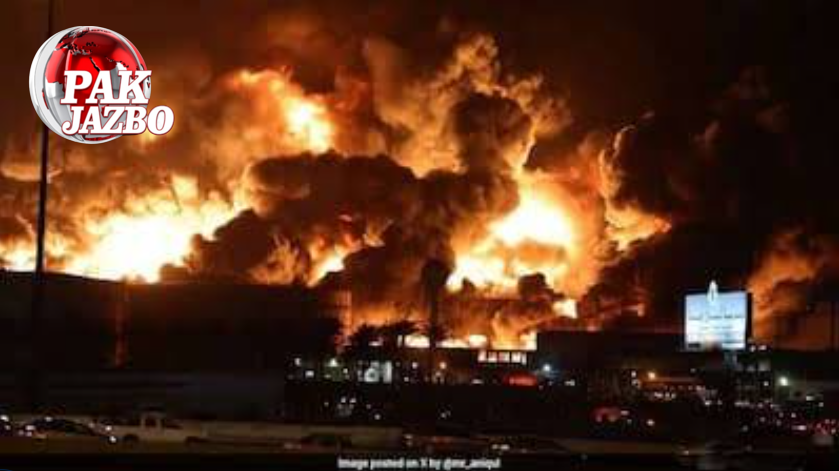
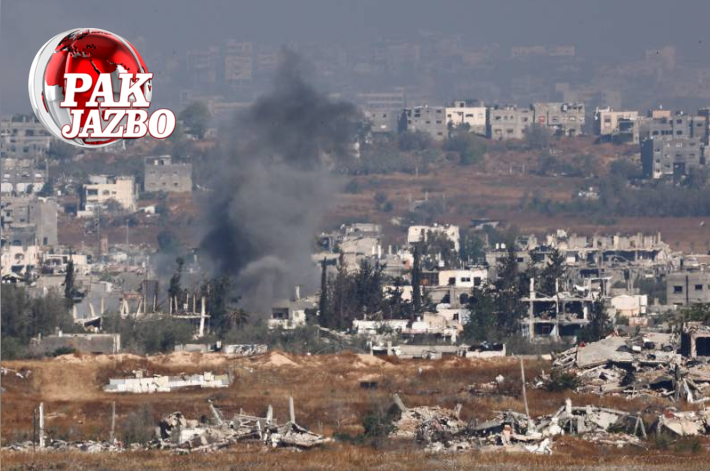
According to details emerging from security sources, the blueprint involves a two-week timeline during which the Israeli Defense Forces (IDF) aim to displace large sections of Gaza’s civilian population. The plan reportedly begins with an intensive aerial and artillery bombardment, targeting what the military describes as Hamas command centers, weapons caches, and tunnel networks.
Once the bombardment phase is complete, Israeli ground forces are expected to make a gradual entry into Gaza City, block by block, with the stated aim of establishing full military control over the densely populated urban area. The strategy mirrors earlier operations in northern Gaza but on a far larger scale, with expectations that thousands of troops and armored divisions will participate.
Political and Strategic Dimensions
While Lt. Gen. Zamir has already approved the plan at the military level, final political authorization rests with Defense Minister Yoav Gallant, who is scheduled to review the proposal next week. Reports suggest that once Gallant endorses the plan, it will move forward almost immediately, setting the stage for one of the largest urban offensives in Israel’s history.
The decision also highlights the growing influence of the Israeli military establishment in shaping political choices, particularly as Prime Minister Benjamin Netanyahu’s government faces increasing domestic and international pressure. With the conflict dragging on for months and casualties mounting, analysts believe the approval of such a plan reflects Israel’s desire to demonstrate decisive military gains.
U.S. Involvement and International Repercussions
Foreign media reports further indicate that Israeli officials intend to brief American counterparts on the Gaza City operation, a step reportedly taken at Washington’s request. While the U.S. has remained Israel’s strongest ally throughout the war, Washington has also expressed concerns about the scale of civilian suffering. By presenting the plan in advance, Israel appears to be seeking diplomatic cover and possibly additional military or political support from its key ally.
Internationally, the news has already sparked alarm among humanitarian organizations. The prospect of mass displacement of Palestinians in Gaza City—home to more than half a million residents before the war—raises questions of compliance with international humanitarian law. Human rights groups have long warned that forced displacement on such a scale could amount to collective punishment, a violation of the Geneva Conventions.
Situation on the Ground
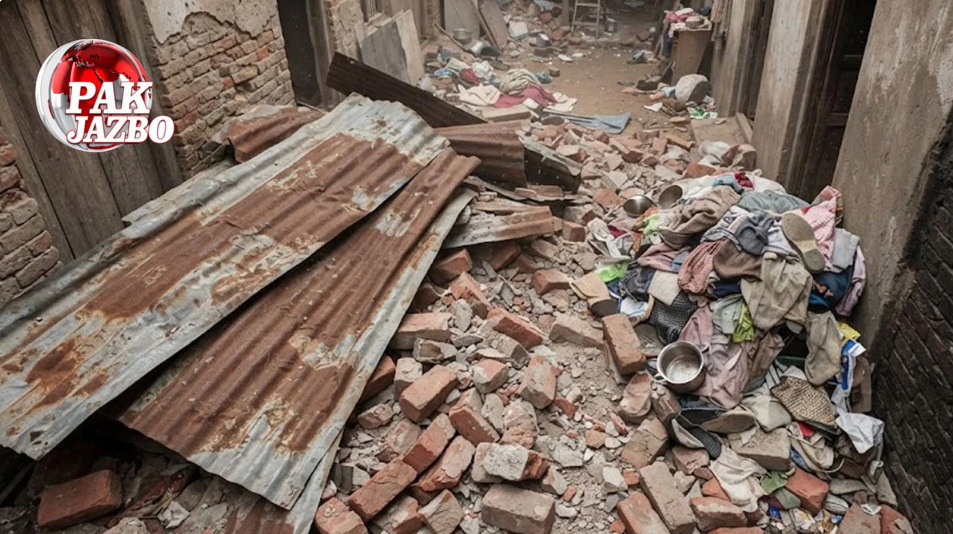
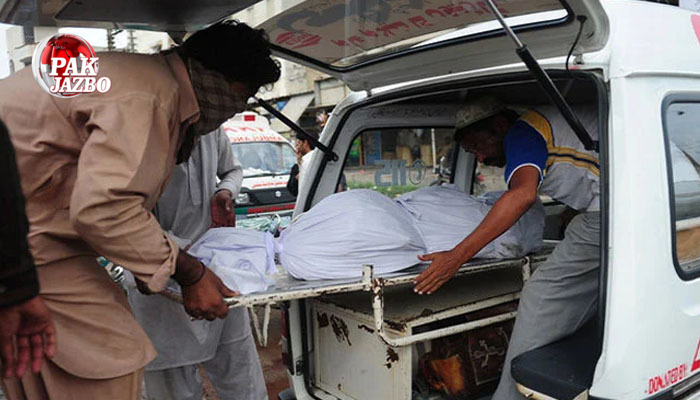
Even before the formal implementation of the plan, Gaza continues to experience relentless violence. Over the weekend, dozens of Palestinians were reported killed in a new wave of Israeli airstrikes, adding to a death toll that has already surpassed tens of thousands since the conflict began.
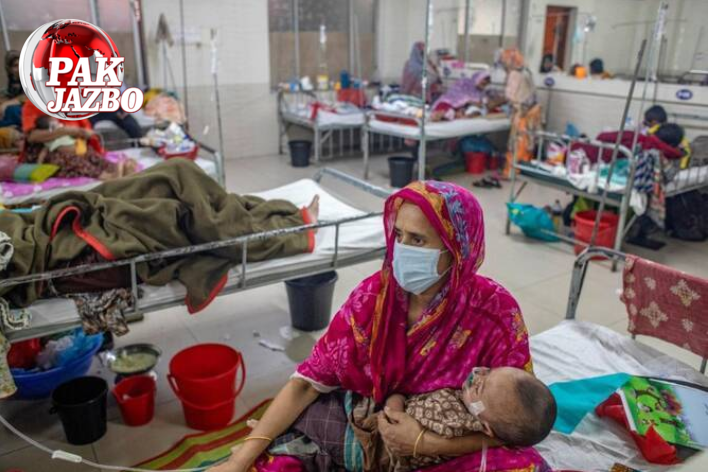
Hospitals, many of which are only partially functional, struggle to treat the wounded amid severe shortages of fuel, medical supplies, and staff. Displaced families are crammed into overcrowded shelters, with the United Nations Relief and Works Agency (UNRWA) warning of an unfolding humanitarian collapse. Food insecurity, lack of clean water, and the spread of disease have compounded the suffering of civilians trapped in the war zone.
Military Objectives Versus Humanitarian Concerns
The Israeli government maintains that a decisive operation in Gaza City is necessary to eliminate Hamas’ political and military infrastructure, arguing that the city remains the group’s symbolic and operational stronghold. Officials also claim that Hamas embeds its fighters and weapons among civilians, making large-scale military action unavoidable.
Critics, however, argue that such justifications mask a broader strategy of depopulating Gaza’s urban centers, which would fundamentally alter the region’s demographics. Regional analysts warn that beyond the immediate destruction, the long-term consequences of such a campaign could destabilize the entire Middle East, drawing in neighboring states and further eroding prospects for peace.
Humanitarian Voices Growing Louder
In response to reports of the new operation plan, Palestinian officials have condemned what they describe as Israel’s “war of extermination” against the people of Gaza. Calls for international intervention have intensified, with Arab nations urging the United Nations Security Council to take immediate steps to halt the offensive.
Meanwhile, humanitarian groups such as Amnesty International and Human Rights Watch have urged world leaders, particularly in the United States and European Union, to condition their support for Israel on adherence to international law. They warn that failure to act could not only result in mass civilian deaths but also set a dangerous precedent for future conflicts.
The Road Ahead
As Israel prepares for the next phase of its campaign, uncertainty looms over how the plan will be received both domestically and abroad. Inside Israel, some political leaders see the move as essential to national security, while others fear the economic and diplomatic costs of an open-ended military occupation.
For Palestinians in Gaza, the approval of this plan represents yet another chapter of fear, displacement, and loss. With no clear path to ceasefire negotiations and with regional powers divided, the situation threatens to spiral further into chaos.
What remains certain is that the humanitarian crisis in Gaza, already described by aid agencies as one of the worst of the 21st century, is set to deepen if the plan proceeds. As Lt. Gen. Zamir’s approval signals the military’s readiness, the world watches anxiously to see whether diplomacy will intervene or whether Gaza City will soon face one of the most devastating sieges in modern memory.
What’s your Reaction?
+1
+1
+1
+1
+1
+1