













































































































































































































Supreme Judicial Council Amends Judges’ Code of Conduct, Allows Limited Participation in Political and Diplomatic Functions


ISLAMABAD: The Supreme Judicial Council (SJC) has approved amendments to the Judges’ Code of Conduct, introducing changes regarding judges’ participation in official functions and expanding the code’s applicability to additional judicial institutions.
Code of Conduct Extended to More Courts
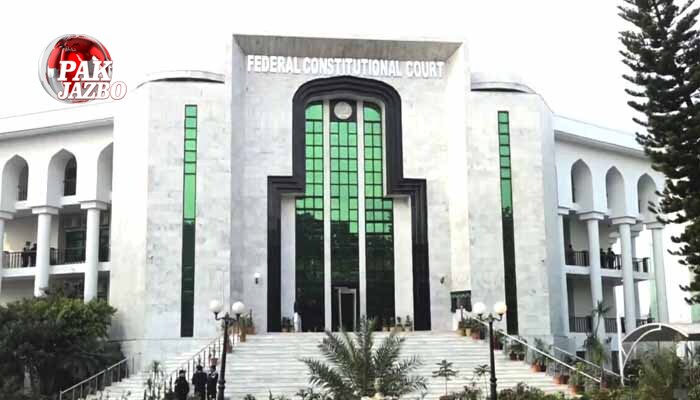
Under the revised framework, the Judges’ Code of Conduct will now also apply to judges of the Federal Constitutional Court and the Federal Shariat Court.
The amendment broadens the scope of judicial ethical guidelines and seeks to ensure uniform standards of conduct across Pakistan’s superior judiciary.
Participation in Political and Diplomatic Events
According to the revised rules, judges may now attend political and diplomatic functions only with the prior permission of the Chief Justice.
The amendment introduces a regulated mechanism for participation in such events while maintaining oversight by the head of the judiciary.
However, the revised code removes the blanket restriction on attendance at certain other functions, meaning judges will no longer face a general prohibition on participating in non-political events.
Changes to Article 15
The Supreme Judicial Council amended Paragraphs 2 and 3 of Article 15 of the Code of Conduct.
As part of the revision, the Federal Constitutional Court has been formally added to the provisions covered under the article, ensuring that judges of the court are subject to the same ethical standards and professional obligations as other superior court judges.
Previous Restrictions
Before the amendment, the Code of Conduct prohibited judges from participating in social, cultural, political, and diplomatic functions in order to safeguard judicial independence and avoid any perception of bias or external influence.
The new changes modify those restrictions by allowing limited participation in political and diplomatic engagements subject to approval from the Chief Justice.
Objective of the Amendments
Legal observers say the amendments are intended to provide clearer guidance on judicial conduct while maintaining the independence, neutrality, and integrity of the judiciary.
The revisions also ensure that newly established judicial institutions are formally integrated into the existing ethical and accountability framework.
Conclusion
The latest amendments by the Supreme Judicial Council mark a significant update to Pakistan’s judicial ethics framework. By extending the Code of Conduct to additional courts and establishing a permission-based mechanism for attendance at political and diplomatic events, the council aims to balance judicial independence with regulated public engagement.
What’s your Reaction?
+1
+1
+1
+1
+1
+1