






















































































































































































































































































































































































































































































































































































































































































































































































































































































































































































































































































































































































































































































































































































































































































































































































































































































































Karachi to Introduce International-Standard Smart Traffic Signals


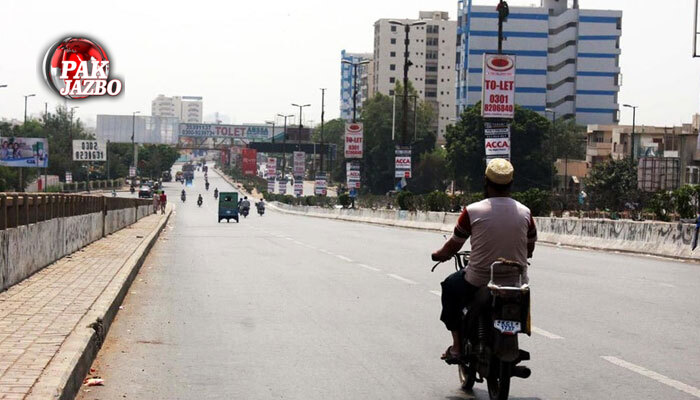
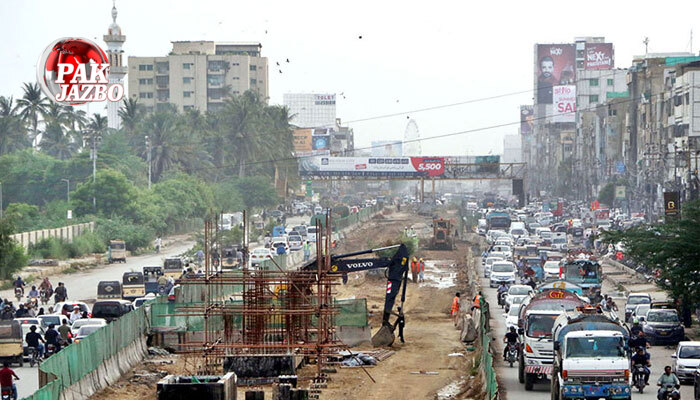
In a move aimed at improving traffic management and urban mobility, the Karachi administration has decided to upgrade the city’s traffic signal system to meet international standards. The initiative will involve the installation of smart traffic signals on major roads, marking a significant step toward modernizing the city’s infrastructure.
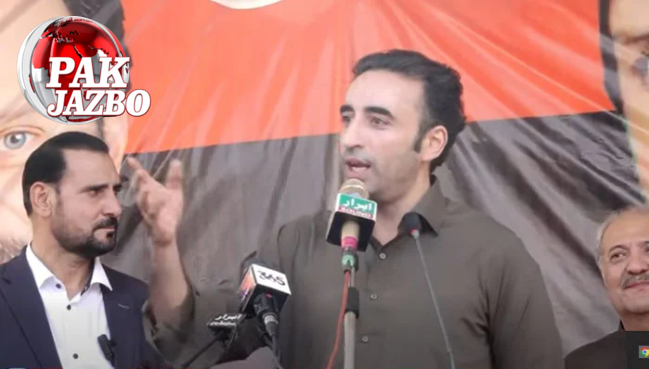
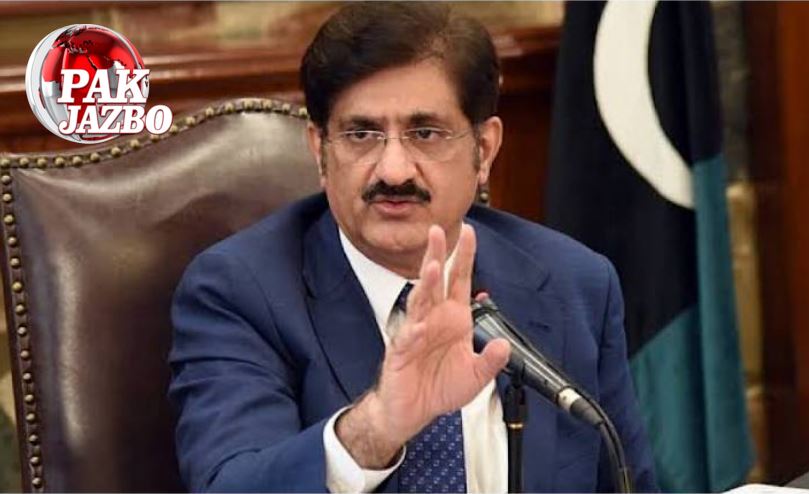
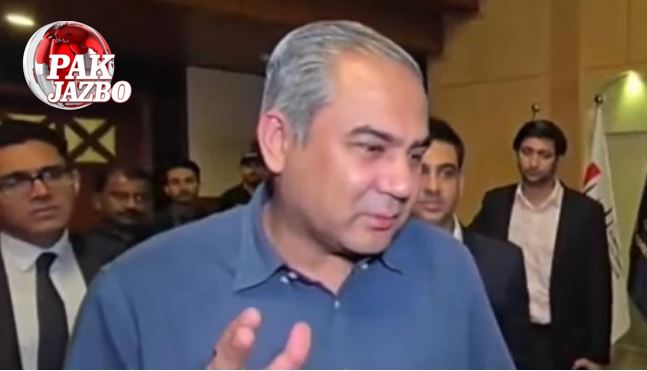
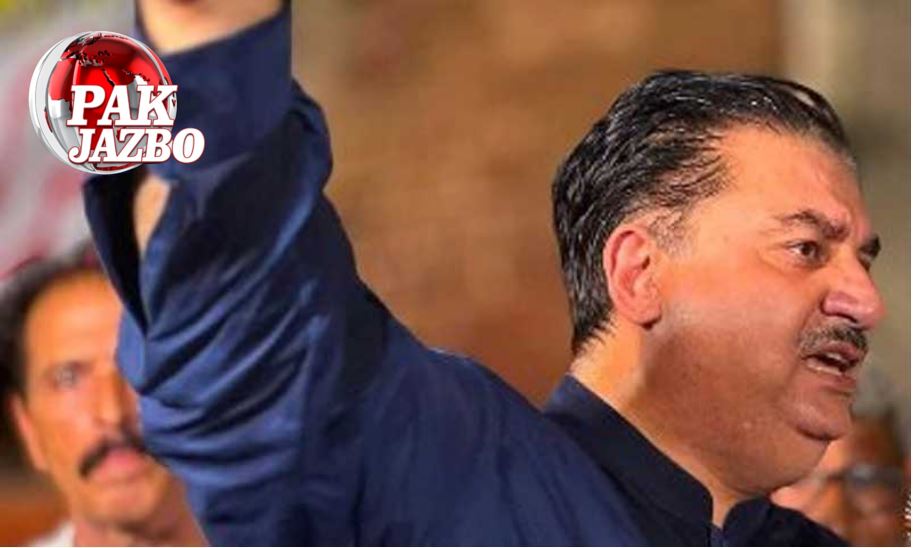
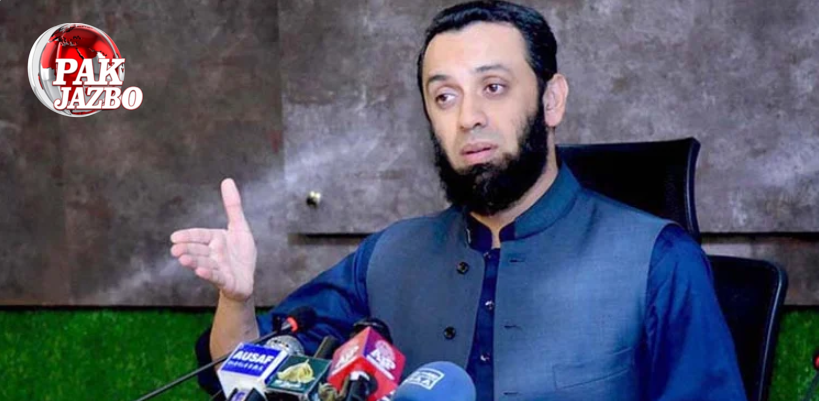
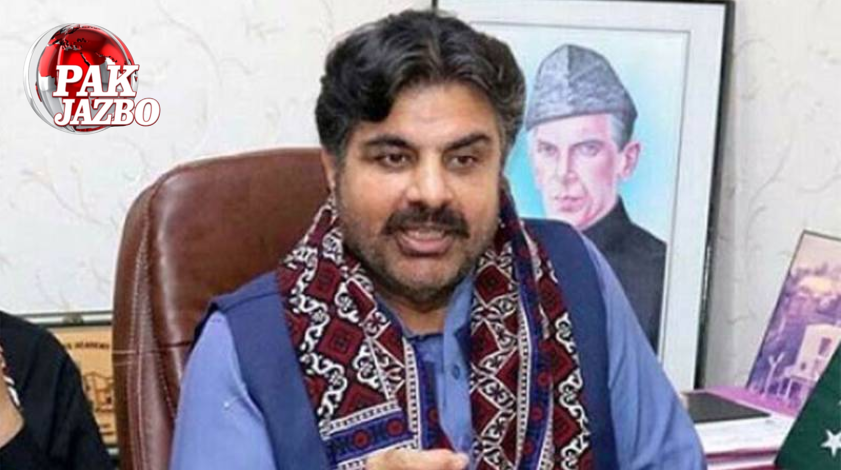
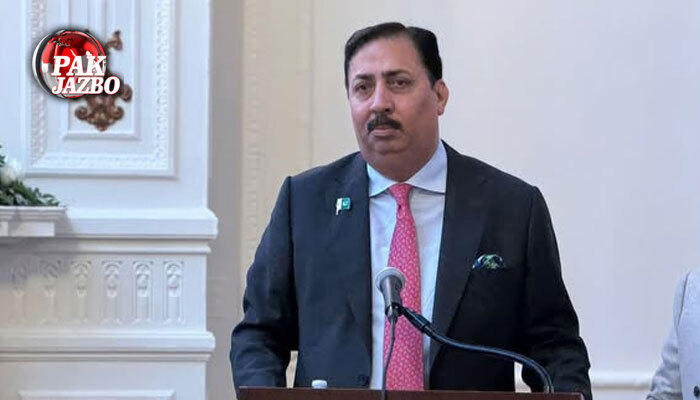
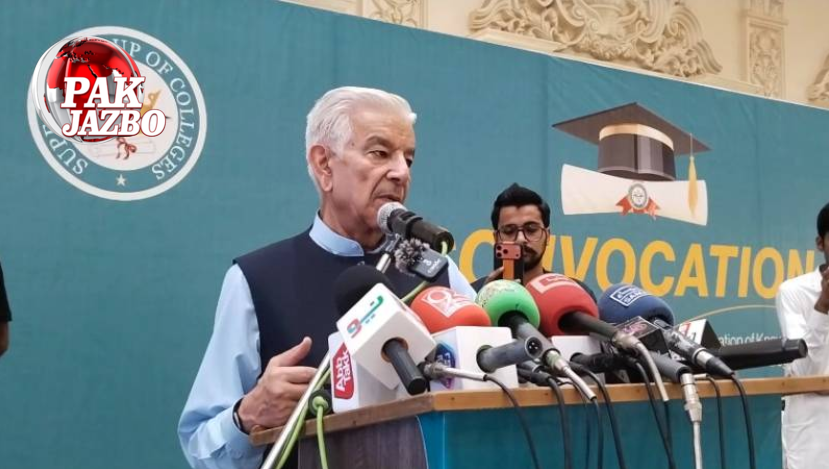
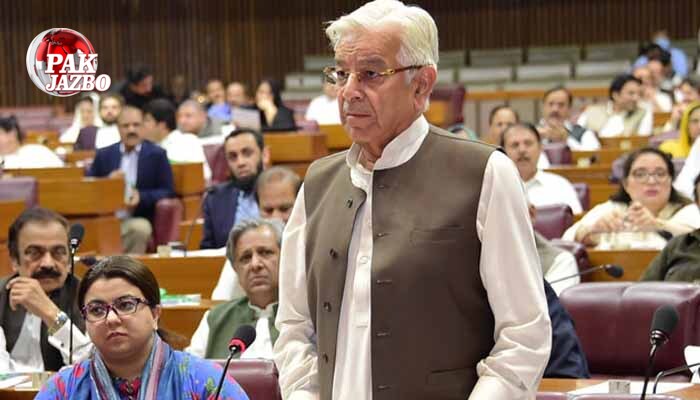
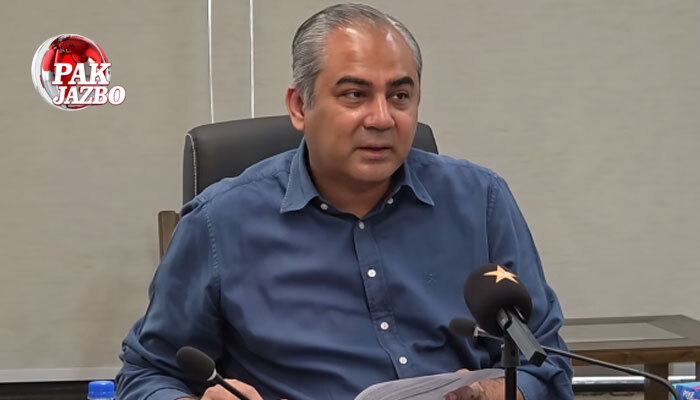
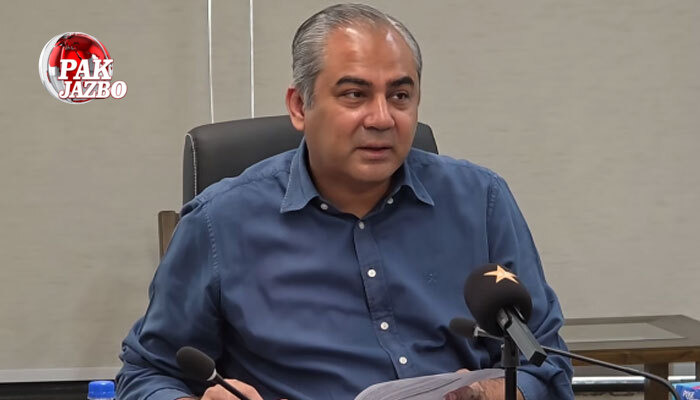
Mayor Karachi Murtaza Wahab announced the plan, stating that smart traffic signals will soon be installed across key arteries of the city. He directed the Municipal Commissioner to begin the procurement process for the new system without delay, indicating that the project is expected to move forward in the near future.
According to the mayor, the project will be implemented in phases. In the first phase, areas such as the Red Zone and I.I. Chundrigar Road will be developed as model corridors. These locations have been chosen due to their high traffic volume and strategic importance, serving as commercial and administrative hubs of the city.
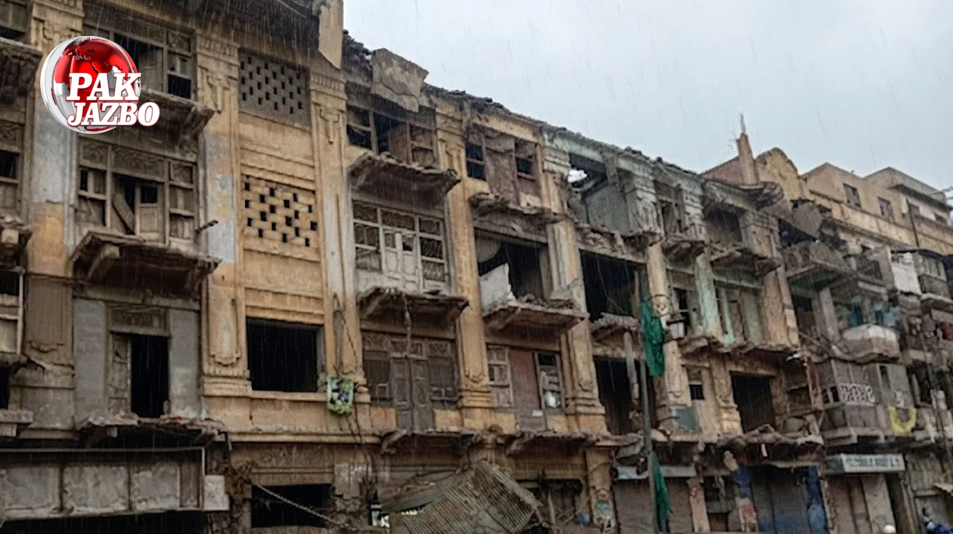
In the second phase, the focus will shift to M.A. Jinnah Road, one of Karachi’s busiest and most historic thoroughfares. Following this, the project will gradually expand to other major roads and intersections across the city, ensuring wider coverage and impact over time.
Smart traffic signal systems are designed to improve traffic flow by using sensors, cameras, and real-time data analysis. Unlike traditional signals, which operate on fixed timers, smart signals can adapt to changing traffic conditions. This helps reduce congestion, minimize waiting times, and improve overall road efficiency.
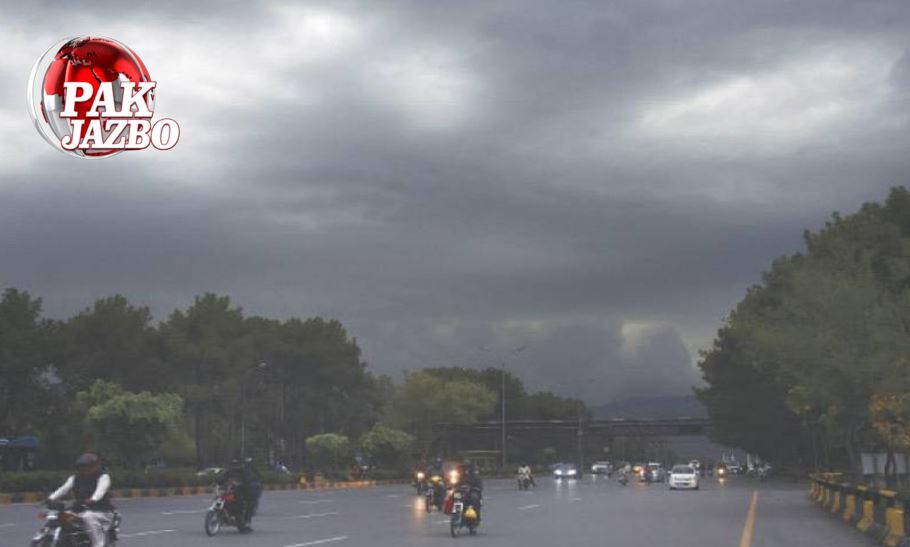
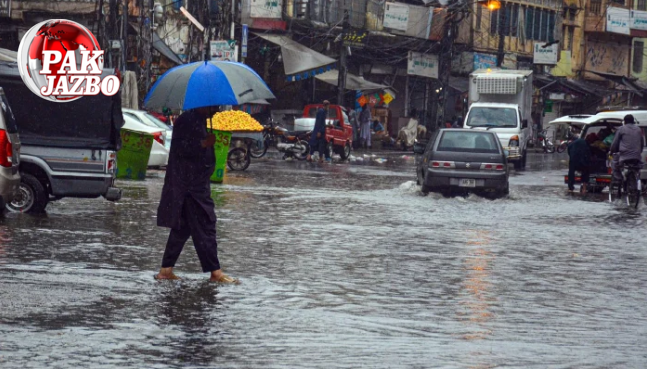
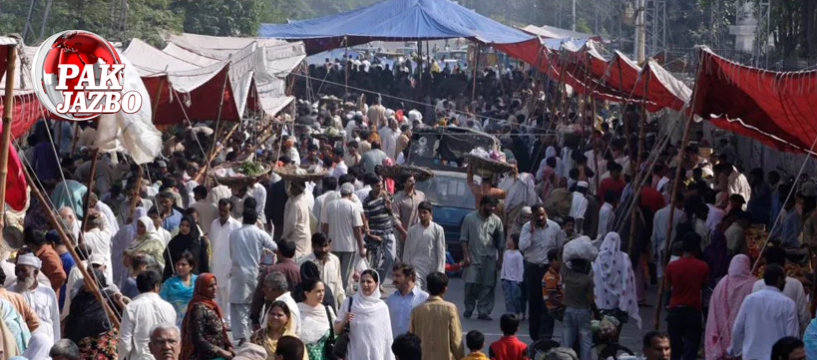
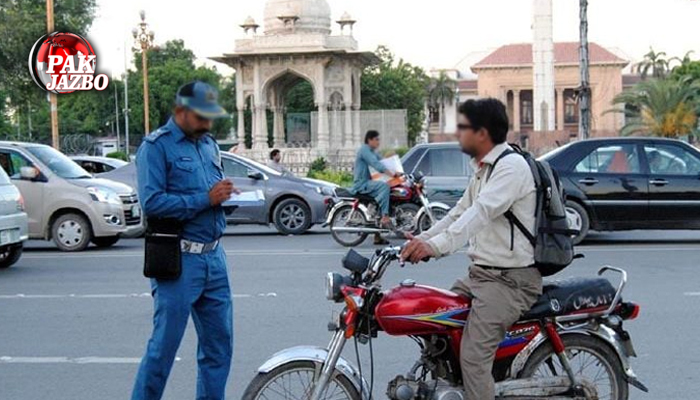
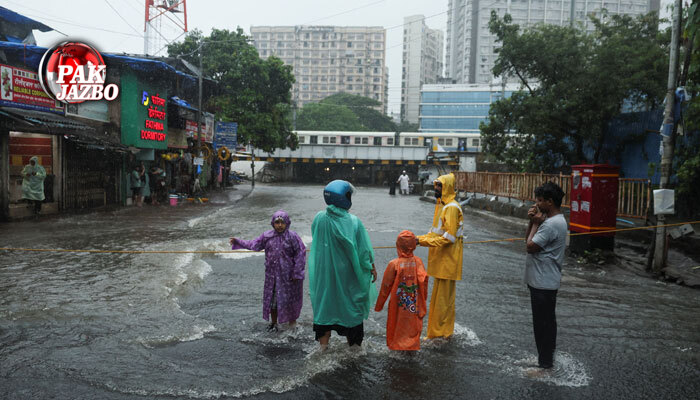
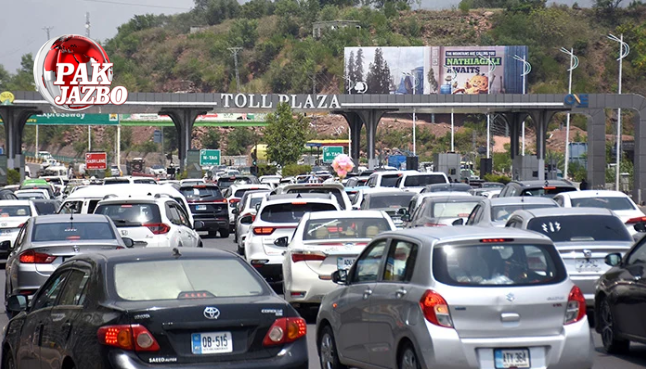
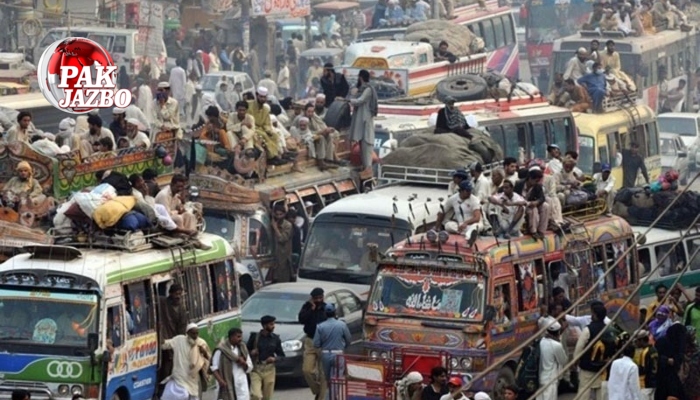
Experts believe that such systems can play a crucial role in addressing Karachi’s long-standing traffic challenges. With a rapidly growing population and increasing number of vehicles, the city has been struggling with congestion, delays, and frequent violations of traffic rules.
Mayor Wahab emphasized that infrastructure upgrades alone will not solve the problem. He stressed the importance of enforcing traffic laws and ensuring public cooperation. “If traffic is regulated effectively, half of the city’s problems can be resolved automatically,” he said, highlighting the need for discipline among drivers and pedestrians alike.
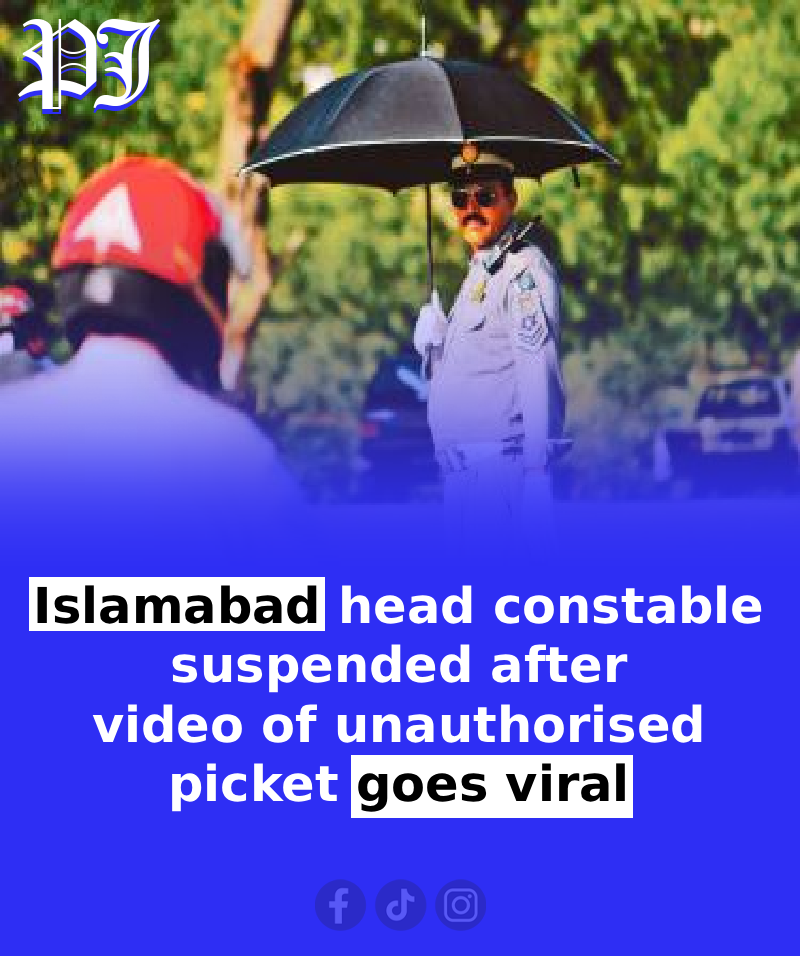
The introduction of smart signals is also expected to enhance road safety. By improving coordination between intersections and reducing human error, the system can help lower the risk of accidents. Additionally, integrated monitoring features may assist authorities in identifying violations and taking timely action.
Urban planners note that while the initiative is promising, its success will depend on proper implementation, maintenance, and integration with existing traffic management systems. Training of personnel and public awareness campaigns will also be essential to ensure smooth adoption.
Karachi, being Pakistan’s largest city and economic hub, requires efficient transport systems to sustain its growth. The move toward smart traffic management reflects an effort to align the city with global urban standards and improve the daily commuting experience for millions of residents.
What’s your Reaction?
+1
+1
+1
+1
+1
+1