





















































































































































































































































































































































































































































































































































































































































































































































Rising Marine Pollution in Karachi After Monsoon Rains: Federal Minister Orders Port Clean-Up and Urgent Preventive Measures


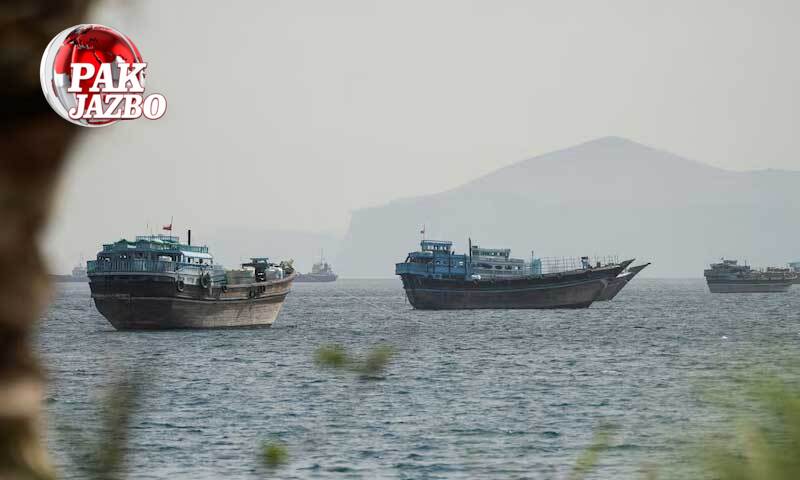
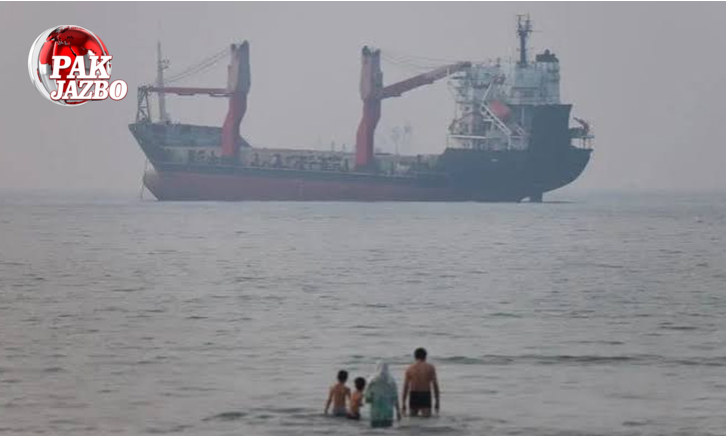
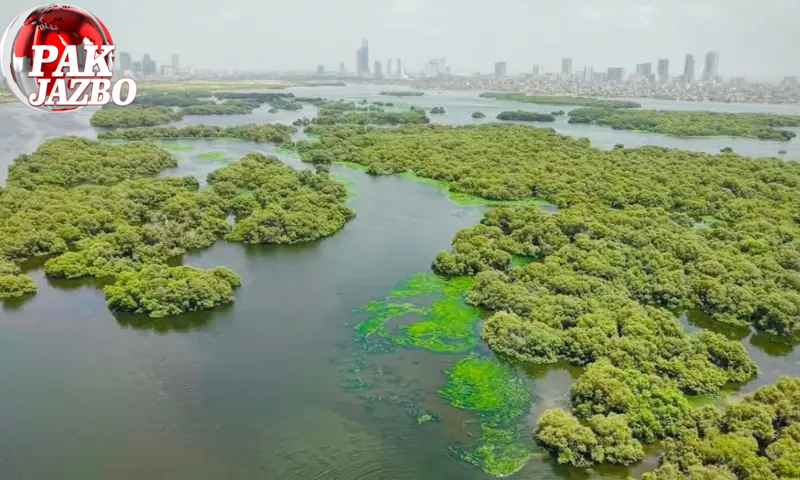
Karachi – Recent spells of monsoon rains have intensified the problem of marine pollution along Karachi’s coastline, raising alarms over environmental damage, public health risks, and threats to the livelihoods of the city’s fishing communities.
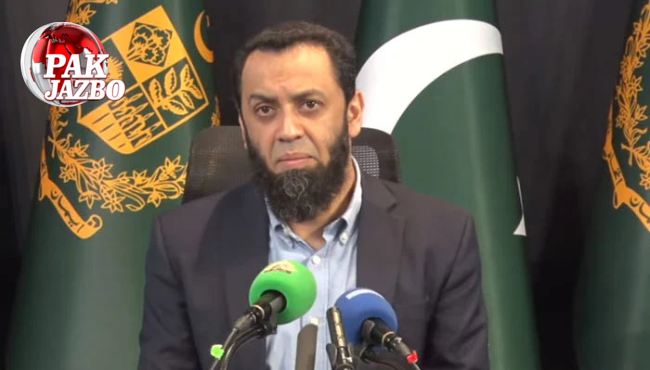
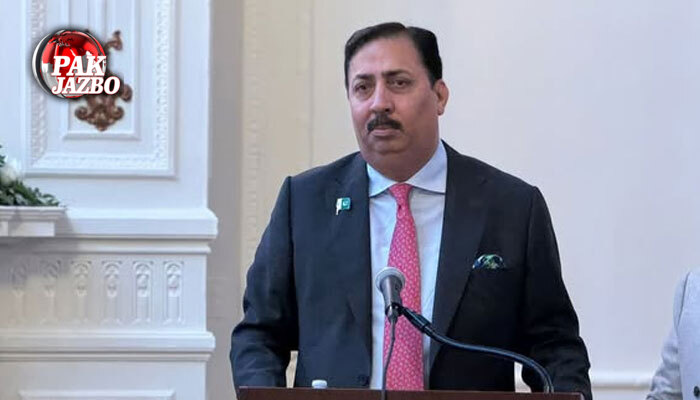
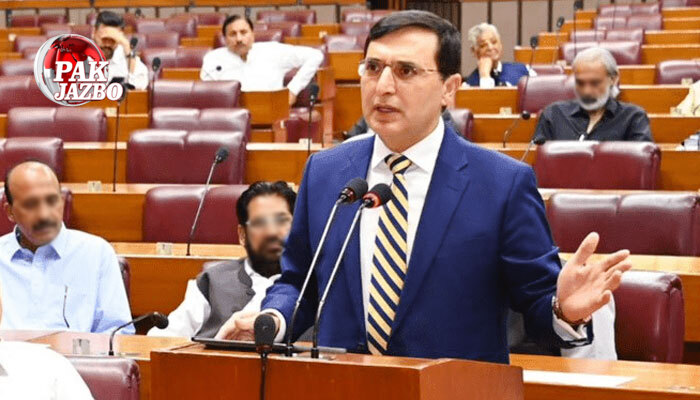
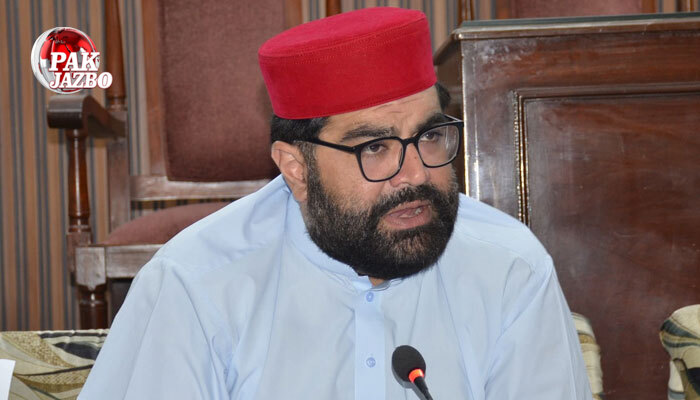
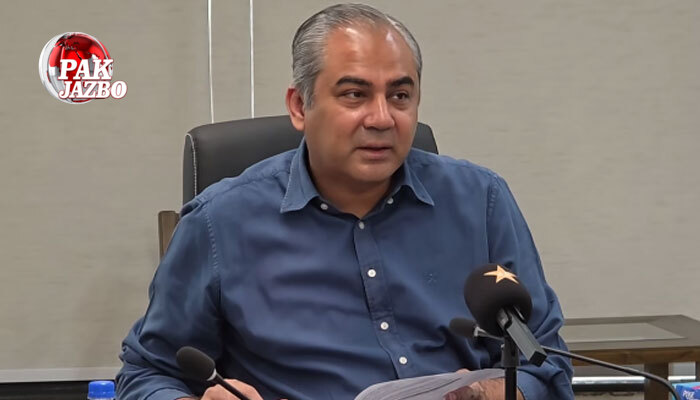
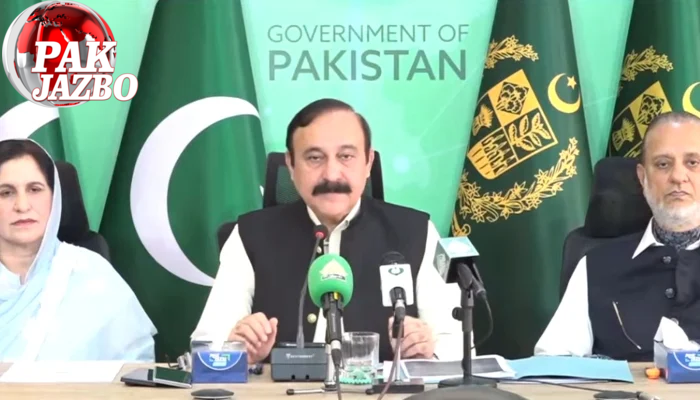
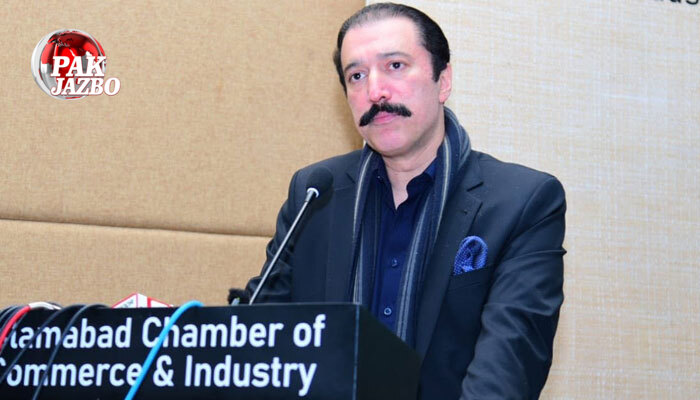
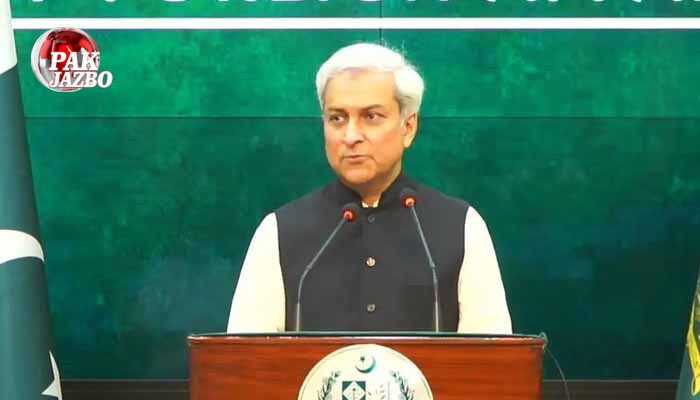
Federal Minister for Maritime Affairs, Junaid Anwar Chaudhry, has issued directives to launch a comprehensive port clean-up campaign. He emphasized that the effort must not be limited to superficial cleaning, but should also include preventive measures to stop pollution at the source.
As part of these measures, the government has reactivated the Marine Pollution Control Board, tasked with monitoring, regulating, and preventing the dumping of untreated sewage, industrial waste, and other pollutants into the sea.
Rainwater and Sewage Worsening the Crisis
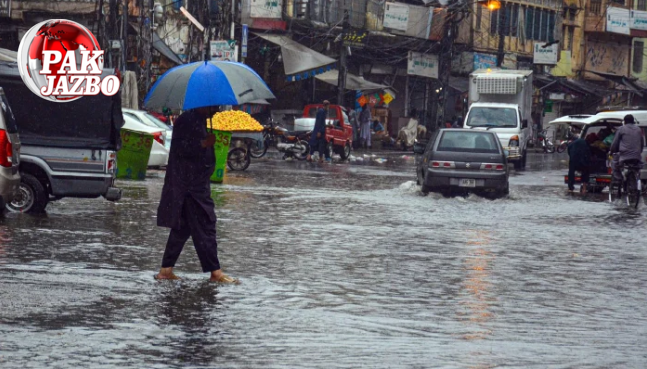
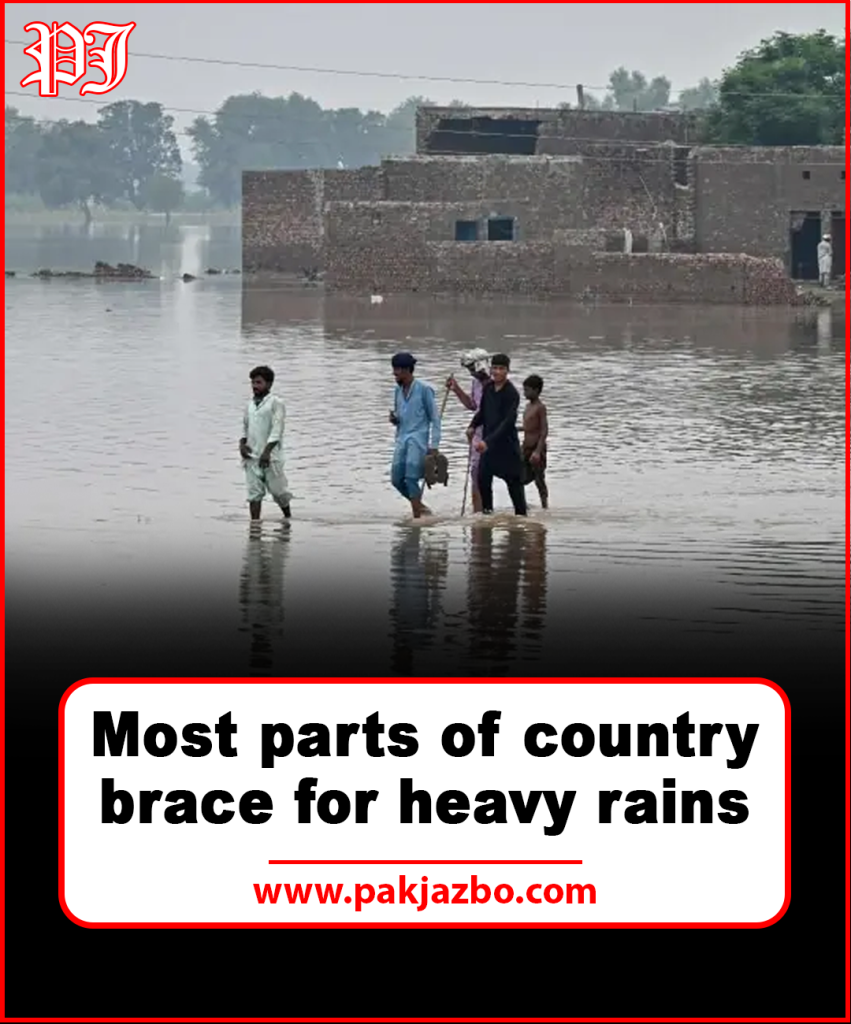
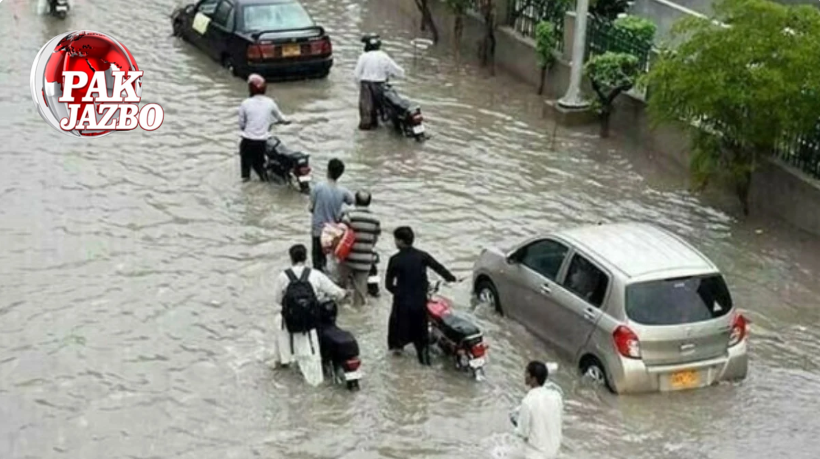
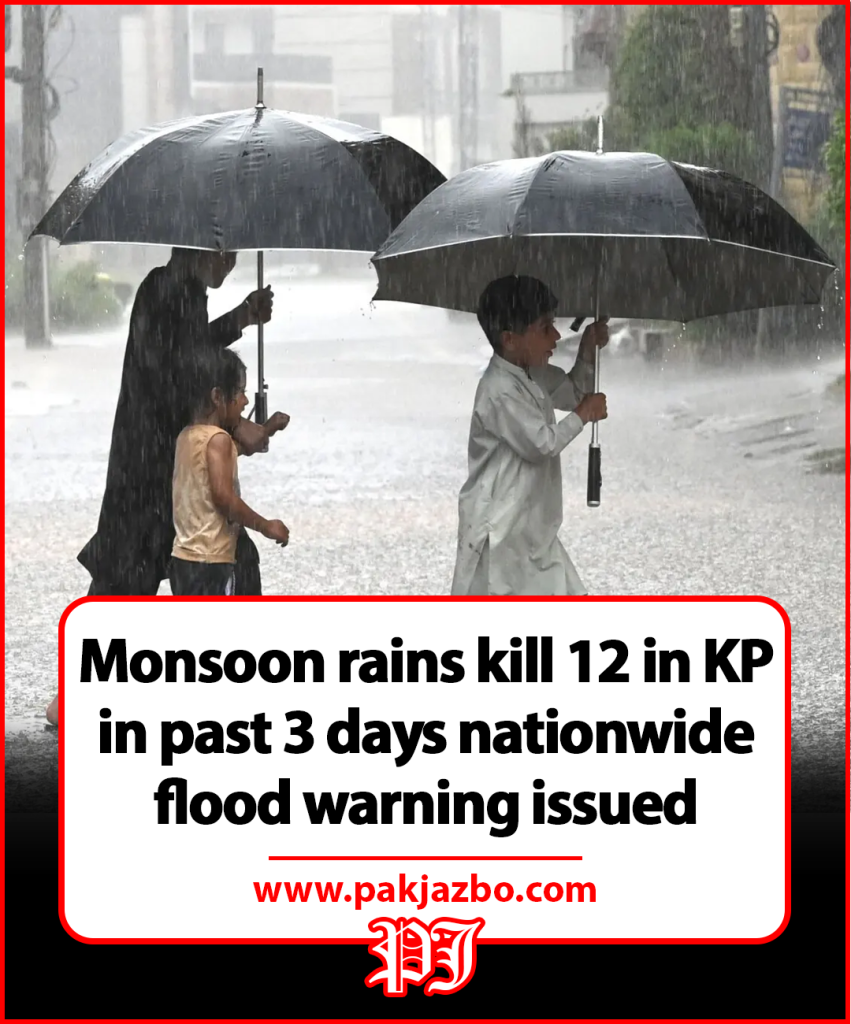
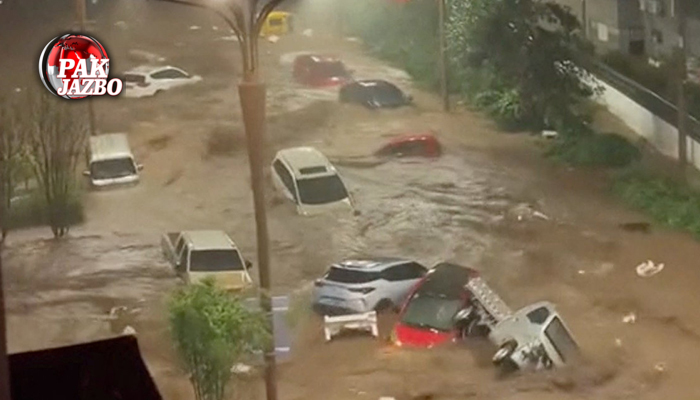
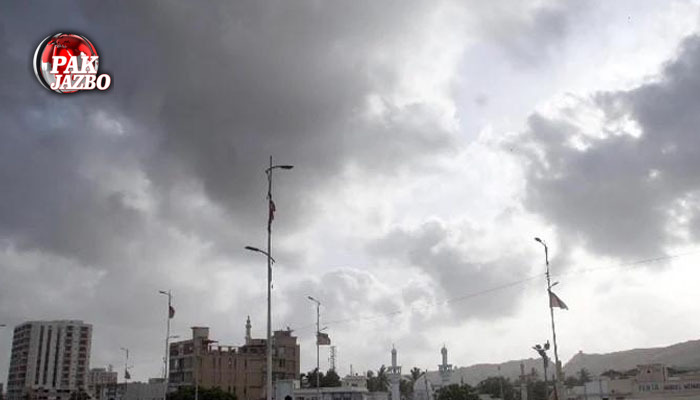
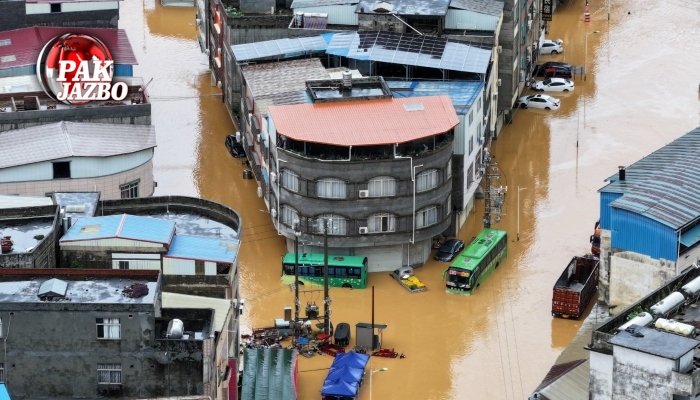
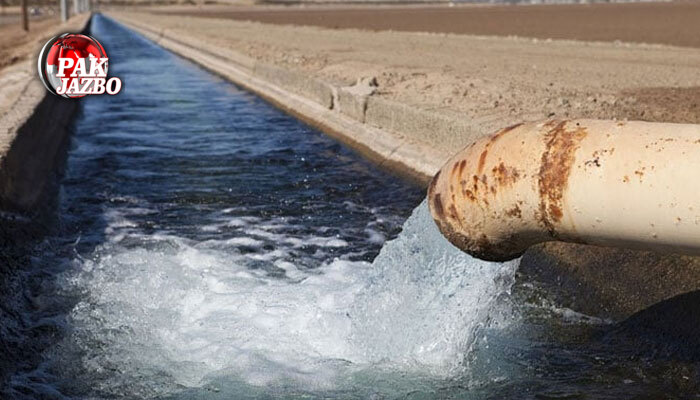
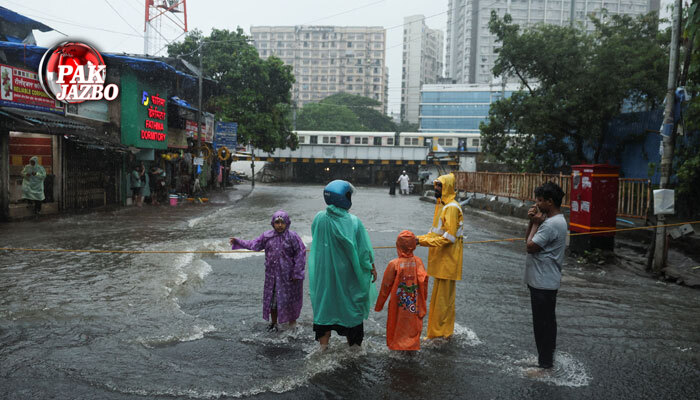
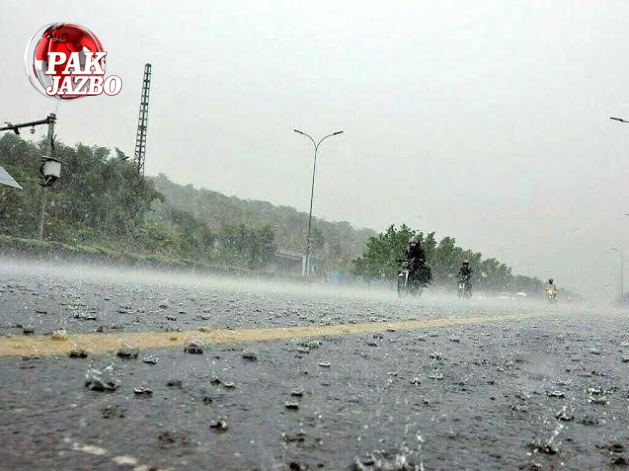
The minister noted that climate change has made monsoon rainfall patterns increasingly unpredictable, leading to heavy downpours in urban areas like Karachi. With inadequate drainage and sewerage systems, much of the contaminated rainwater flows directly into the Arabian Sea.
This untreated water carries industrial chemicals, oil residues, and domestic waste, which not only degrade marine water quality but also pose serious risks to the ecological balance of coastal zones.
“The dirty rainwater is contaminating our sea,” said Chaudhry, pointing out that Karachi’s long-delayed sewage treatment plant projects must be completed without further delays to prevent unchecked pollution from reaching the marine ecosystem.
Environmental and Health Hazards
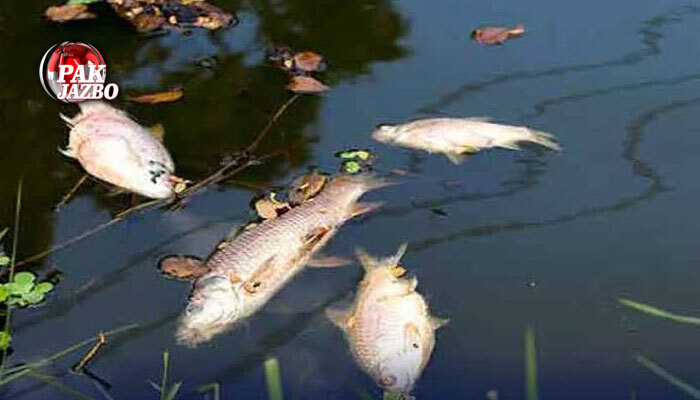
Marine pollution poses a dual threat—both to the environment and to the health of Karachi’s citizens. The minister highlighted that toxic elements, including plastics, oils, and chemical by-products, are contaminating marine food chains.
This contamination eventually reaches seafood consumed by people, creating potential long-term health hazards. Moreover, degraded water quality is destroying marine habitats, threatening biodiversity, and disrupting the delicate balance of aquatic ecosystems.
“Marine pollution is not just an environmental issue; it is a direct threat to the lives and livelihoods of our people,” Chaudhry said.
Impact on the Fishing Community
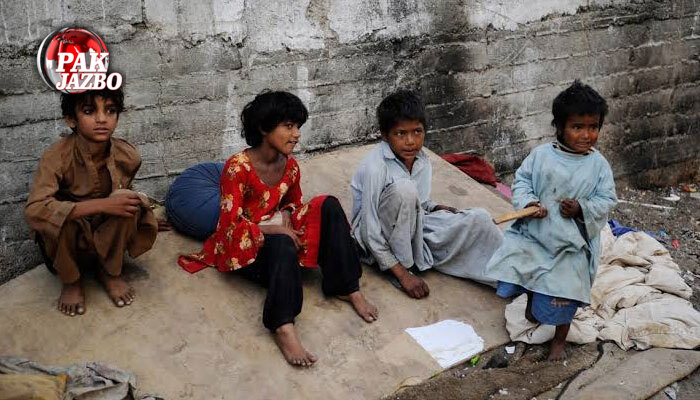
Particularly vulnerable to this crisis is Karachi’s fishing community, one of the oldest and most important segments of the city’s population. Polluted waters reduce fish stocks, damage breeding grounds, and render seafood unsafe for consumption.
The minister acknowledged that the livelihoods of thousands of fishermen are at serious risk. “When marine food sources become polluted, fishermen lose not only their income but their entire way of life,” he warned.
Call for Inter-Governmental Cooperation
Recognizing the scale of the challenge, Junaid Anwar Chaudhry stressed that the federal government cannot tackle the issue alone. He emphasized the need for joint efforts with the Sindh provincial government to create effective and lasting solutions.
This includes the enforcement of stricter regulations on waste management, monitoring of industrial effluents, expansion of sewage treatment facilities, and community awareness campaigns to discourage irresponsible dumping of plastics and other harmful substances into drainage channels.
“We will work in close coordination with the provincial government to protect our marine environment,” Chaudhry assured.
Broader Climate Change Context
The issue of marine pollution in Karachi cannot be separated from the broader challenges of climate change and urban mismanagement. Rising sea levels, increasing frequency of extreme rainfall events, and unplanned urban growth have compounded the strain on the city’s already weak drainage and waste disposal systems.
Environmental experts argue that unless comprehensive adaptation strategies are adopted—including stormwater management systems, waste segregation, and expansion of eco-friendly infrastructure—such pollution episodes will recur with greater severity in the years to come.
Public Concerns and Civil Society Response
Civil society groups and environmental activists have long been warning about the deteriorating state of Karachi’s marine environment. Plastic waste in particular has emerged as a major hazard, with millions of discarded bags, bottles, and packaging materials ending up in the sea.
Activists argue that government action has been too slow and reactive, usually limited to clean-up drives after major rains. They call for more systematic approaches, including public education campaigns to discourage single-use plastics, and penalties for industries and municipalities that fail to treat waste before disposal.
Looking Ahead
The directives from the federal minister mark a renewed policy emphasis on protecting Karachi’s marine environment. By activating the Marine Pollution Control Board and pushing for the completion of treatment plants, the government appears determined to address both the immediate symptoms and long-term causes of pollution.
For Karachi’s millions of residents, however, the real test will be in implementation. Citizens want to see visible improvements—cleaner beaches, safer seafood, healthier marine ecosystems, and a fishing community that no longer fears for its survival.
Conclusion
The increase in marine pollution after recent rains has once again exposed the fragility of Karachi’s environment and infrastructure. Federal Minister Junaid Anwar Chaudhry’s call for urgent action reflects the gravity of the crisis: pollution in the Arabian Sea is no longer just an environmental issue—it is a public health emergency and an economic threat.
Only sustained cooperation between federal and provincial authorities, backed by strict enforcement and community participation, can prevent Karachi’s seas from turning into dumping grounds. As Pakistan grapples with climate change and urban challenges, saving its marine environment has become a matter of survival—for the ecosystem, for the fishermen, and for the people of Karachi.
What’s your Reaction?
+1
+1
+1
+1
+1
+1