






























































































































































































































































































































































































Sindh Government Announces Crackdown on Wheat Hoarders, Approves Key Cabinet Decisions

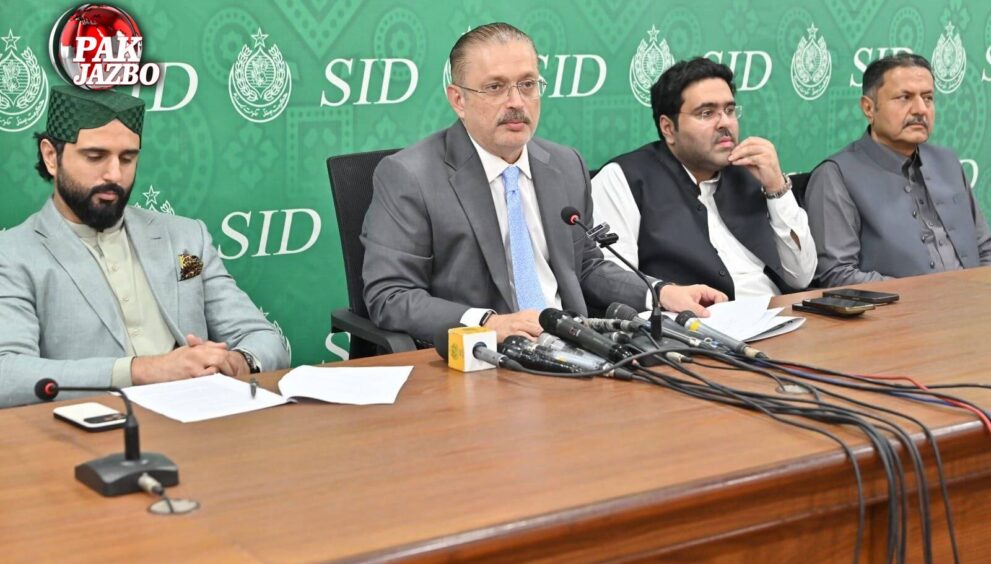
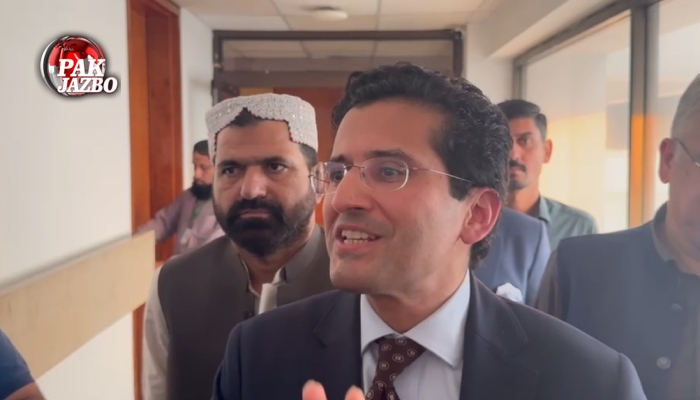
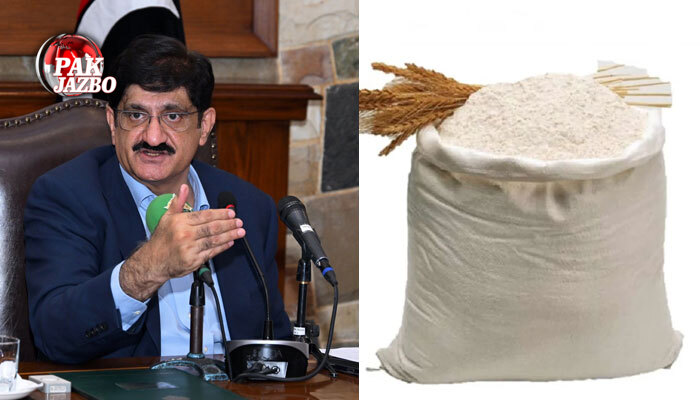
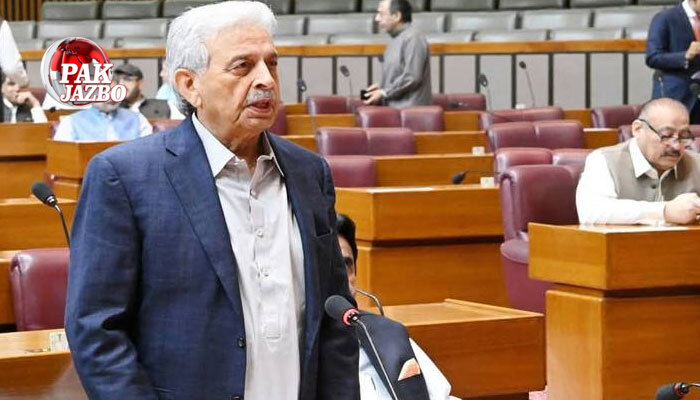
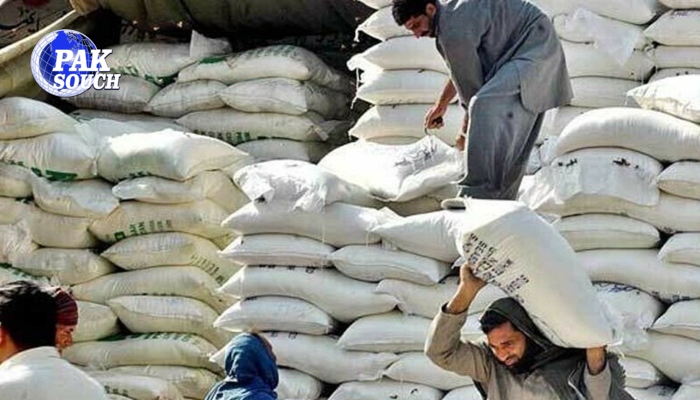
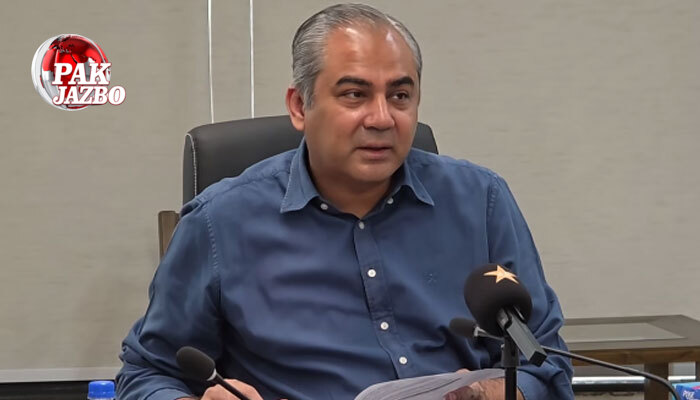
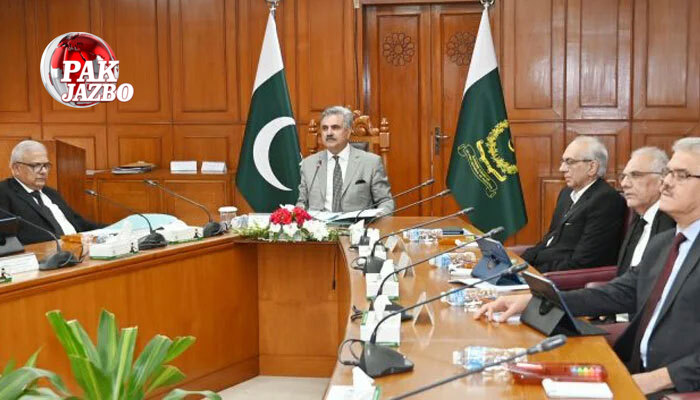
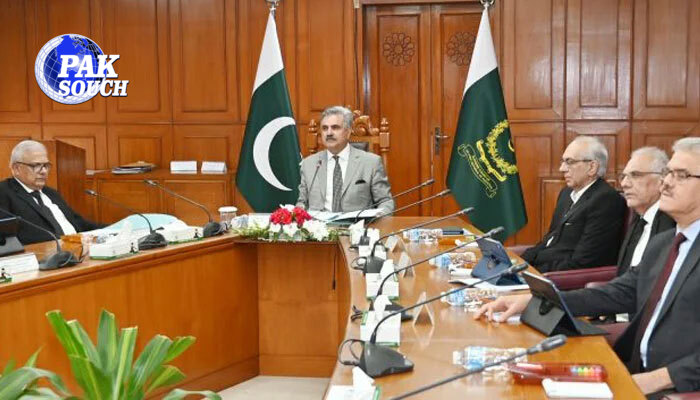
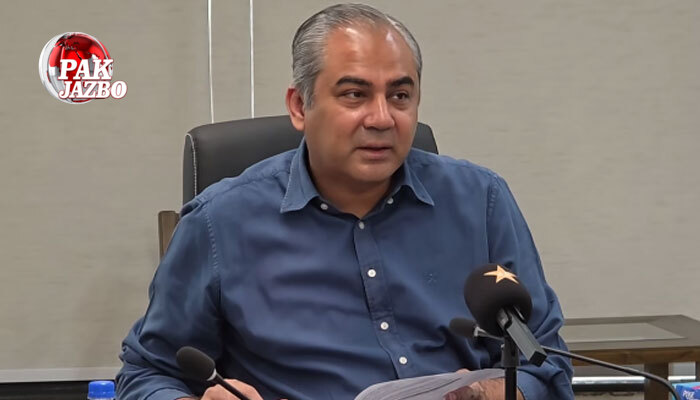
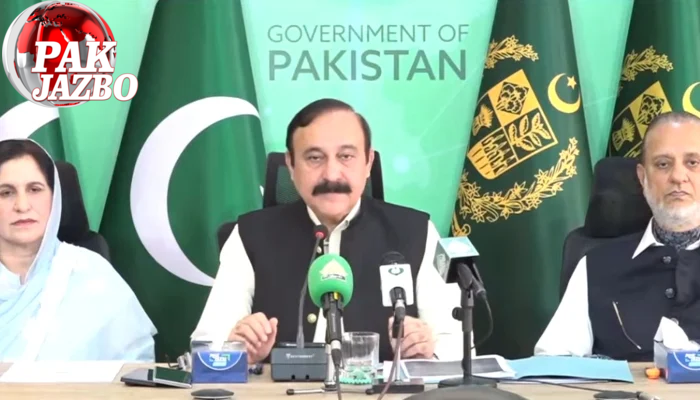
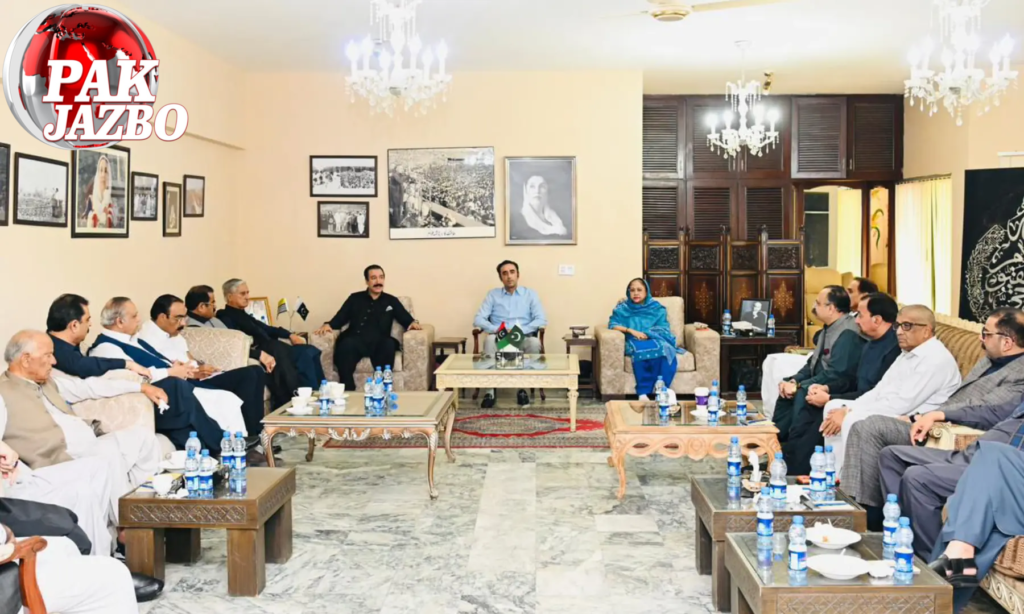
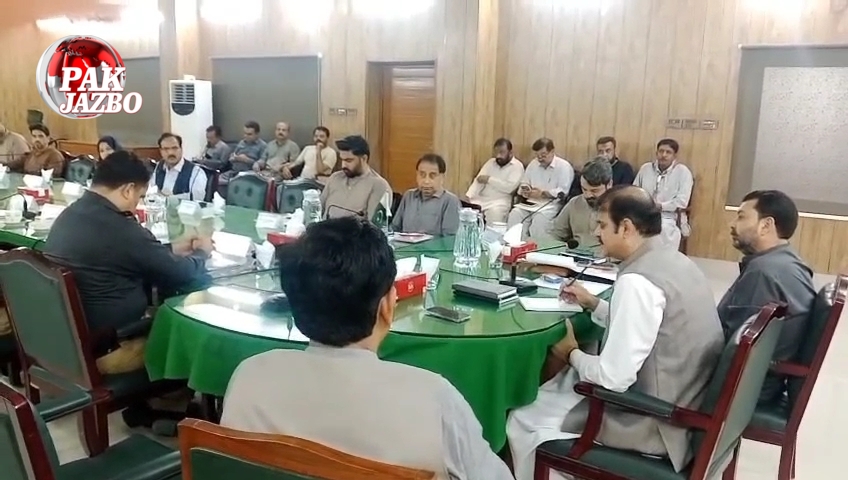
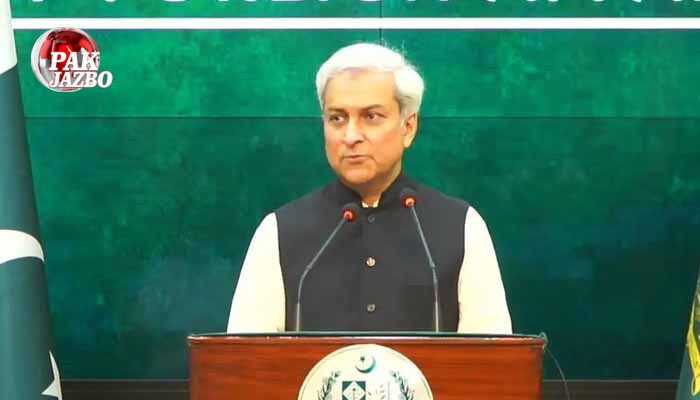
Karachi: The Sindh government has announced a province-wide crackdown on wheat hoarders in an effort to stabilize flour prices and prevent artificial shortages. The decision was taken during a lengthy meeting of the Sindh Cabinet chaired by Chief Minister Syed Murad Ali Shah and was announced at a joint press conference by Senior Minister Sharjeel Inam Memon, Provincial Ministers Makhdoom Mehboob-uz-Zaman, Muhammad Ali Malkani, and Muhammad Bakhsh Khan Mahar.
Sharjeel Inam Memon said the cabinet had directed authorities to launch indiscriminate action against individuals and groups involved in hoarding wheat. He stated that the provincial government would seek the assistance of the police and other law enforcement agencies to ensure effective implementation of the crackdown.
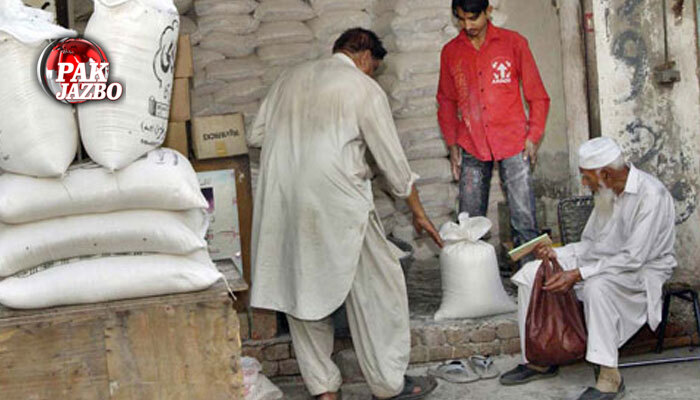
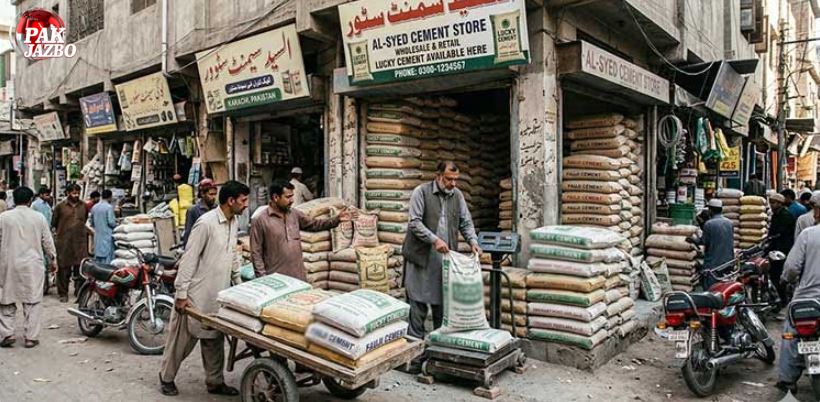
According to the senior minister, Sindh and Punjab both produced bumper wheat crops this year. However, he alleged that hoarders purchased large quantities of wheat directly from farmers in an attempt to create an artificial shortage and manipulate market prices. To counter these practices, the cabinet decided that warehouses used for illegal stockpiling would be sealed and strict legal action would be taken against those found involved in hoarding and profiteering.
Sharjeel Memon also announced that the cabinet had approved the introduction of an Integrated Weight Management System in the Sindh Food Department to improve transparency and efficiency in wheat management. The Sindh Information Technology Company (SITC) has been included in the project and has been given one month to conduct a detailed review and submit recommendations regarding its implementation.
In addition, the cabinet constituted a committee comprising the secretaries of the Food, Agriculture, and Law departments to review the National Wheat Policy 2026–2030. The committee has been directed to present its recommendations to the provincial cabinet within the stipulated timeframe.
Discussing reforms in the sugar sector, Sharjeel Memon said the Sindh Cabinet had supported conditional deregulation and the gradual liberalization of the sugar trade. However, it decided not to permit the establishment of any new sugar mills in the province.
He added that the provincial government wants regulatory authority over the sugar sector to remain with the province while ensuring the protection of farmers, consumers, and environmental interests. The cabinet also instructed the Agriculture Department to formally communicate Sindh’s position to the federal government and work toward securing effective provincial representation in the relevant national commission.
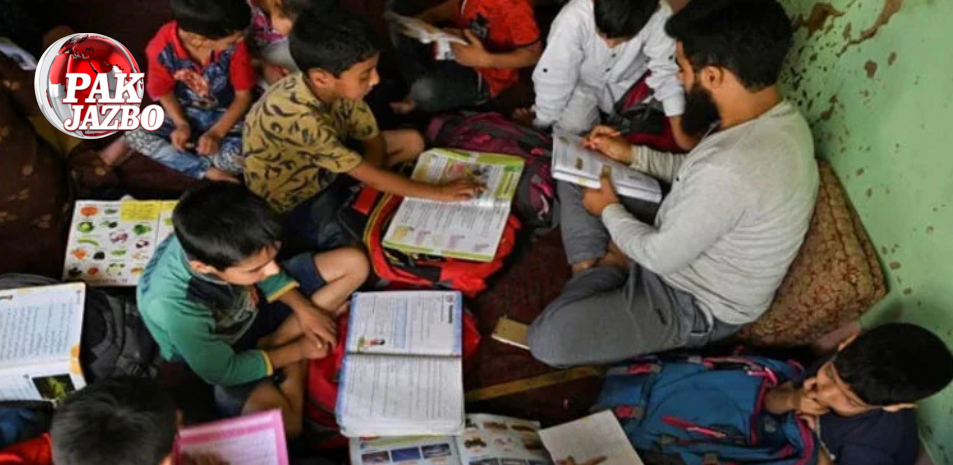
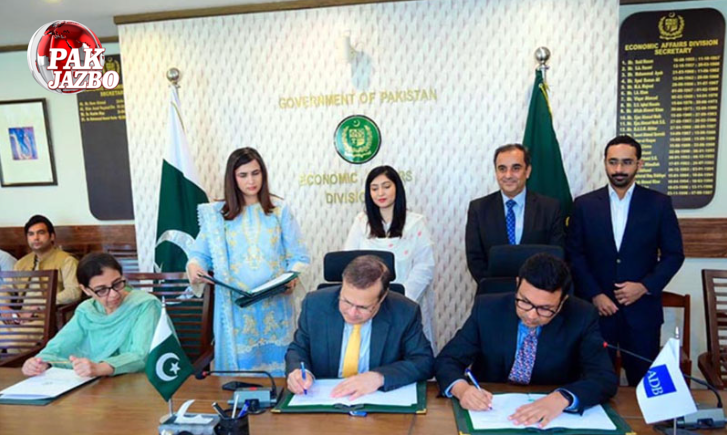
On the education front, the cabinet approved an agreement between the Department of Empowerment of Persons with Disabilities (DEPD) and Aga Khan University to promote inclusive education across Sindh.
Under the agreement, a Special Education Unit will be established at Aga Khan University to support teacher training, educational research, policy development, model schools, and the preparation of modern learning resources for children with special educational needs. The provincial government also approved financial assistance for the project.
The cabinet further approved the completion of the remaining construction work on the Shaheed Mohtarma Benazir Bhutto Flyover in Hyderabad. Responsibility for completing the project has been assigned to the Works and Services Department.
In another important decision, the Sindh government resolved to strengthen the province’s fisheries management and coastal surveillance system. The cabinet approved renaming the Marine Conservation Police as the Sindh Fisheries Service and supported the procurement of three modern speedboats to improve monitoring and enforcement along the coastline.
Provincial Food Minister Makhdoom Mehboob-uz-Zaman said wheat procurement during the current season had been carried out in a transparent and fair manner. He noted that Sindh had produced a record wheat crop this year and reiterated the government’s commitment to maintaining stable flour prices.
He warned that an organized network was attempting to create an artificial shortage of wheat and flour for financial gain. The provincial government, he said, would launch an indiscriminate and strict crackdown against hoarders and profiteers to protect consumers and ensure a stable supply of essential food items.
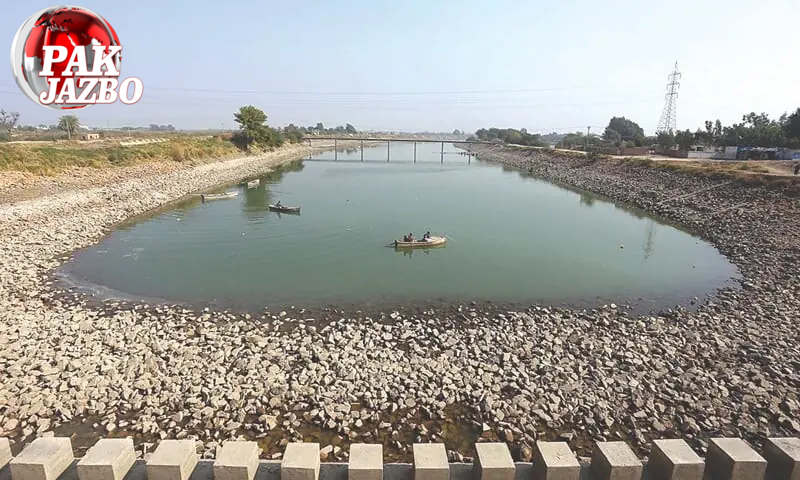
Provincial Agriculture Minister Muhammad Bakhsh Khan Mahar highlighted the growing impact of climate change on the agricultural sector. He said farmers had suffered significant losses due to changing weather patterns and emphasized that water scarcity had become one of the province’s most serious challenges.
He warned that water shortages could worsen in the future and said the Sindh government was implementing various measures to promote efficient water use and conservation to safeguard agricultural productivity.
Provincial Minister Muhammad Ali Malkani said the government had decided to strengthen fisheries management and improve enforcement along the coastal belt. He announced that action would be taken against individuals engaged in fishing without valid licenses to protect marine resources and ensure compliance with fisheries regulations.
Responding to questions from journalists, Sharjeel Inam Memon said the majority of Sindh’s population depends on agriculture and livestock for their livelihoods, making water availability a critical issue for the province.
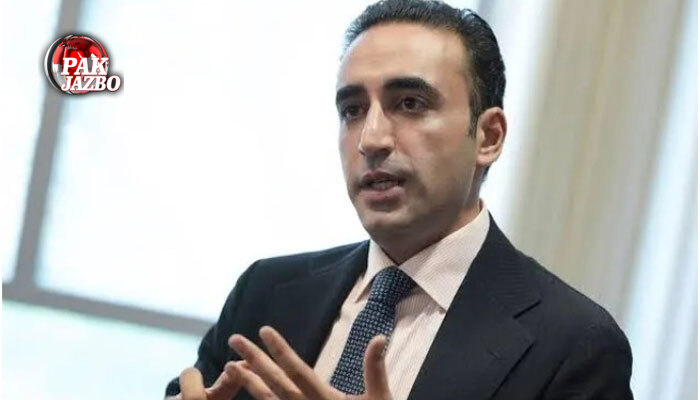
He accused the Indian government of violating the Indus Waters Treaty, alleging that New Delhi was attempting to undermine the agreement following regional tensions. He said Pakistan Peoples Party Chairman Bilawal Bhutto Zardari had effectively presented Pakistan’s position on the Indus River and the treaty before the international community. He reiterated that the Indus Waters Treaty is binding and cannot be unilaterally revoked.
The senior minister also demanded that the 1991 Water Apportionment Accord be implemented in its true spirit to ensure fair distribution of water among the provinces.
Addressing another question, Sharjeel Memon said the provincial government had not received any complaints regarding the disappearance of wheat stocks from Sindh.
Commenting on political developments, he said that if the Muttahida Qaumi Movement (MQM) was genuinely serious about public issues, it should withdraw from the federal cabinet and launch practical protests over Sindh’s water, gas, and electricity shortages rather than issuing statements alone.
He further stated that irregularities identified within the Labour Department had prompted immediate action by the provincial government. Referring to the Yellow Line Bus Rapid Transit (BRT) project, he said an advance payment had been made in violation of established procedures.
On social welfare, Sharjeel Memon described the Benazir Income Support Programme (BISP) as one of Pakistan’s most effective social protection initiatives. However, he noted that there remained room for improvement to make the program more comprehensive and efficient in serving deserving beneficiaries.
The cabinet’s decisions reflect the Sindh government’s broader agenda of addressing food security, strengthening agricultural governance, improving public infrastructure, expanding inclusive education, enhancing coastal resource management, and tackling governance challenges through administrative reforms and stricter enforcement measures.
What’s your Reaction?
+1
+1
+1
+1
+1
+1