

























































































































































































































































































































































































































































































































































































































































































































































































































































































































































































































































































































































































































































































































































































































































































































































































































































































































































































































































































































































































































































































































































































































































































































































































































36 Volunteers ‘Buried Alive’ in Snow for Scientific Avalanche Survival Experiment


800-Word Detailed English Report:
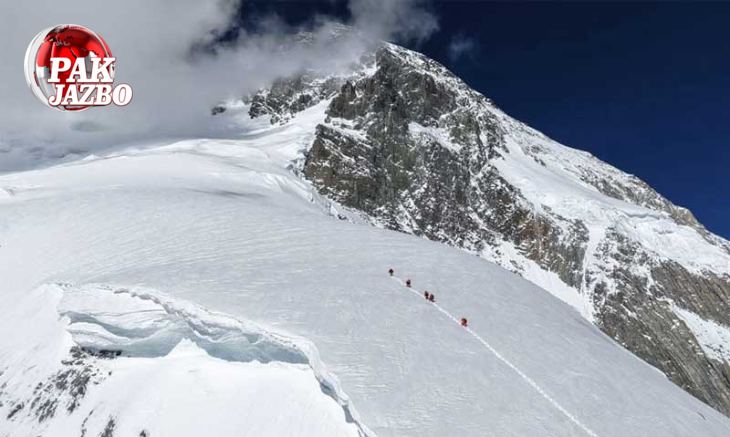
In a remarkable and daring scientific experiment, a group of 36 volunteers agreed to be ‘buried alive’ under snow to help researchers test a new life-saving device designed for people trapped beneath avalanches. Although the idea sounds frightening, the experiment was conducted under strict medical supervision and safety protocols. The purpose of the study was to understand how the human body reacts to a lack of oxygen and increasing levels of carbon dioxide when buried under snow, and to evaluate whether new technology could significantly increase survival time.
This research took place in Italy between January and March 2023, in an area where winter conditions allowed for controlled snow coverage. The volunteers, aged between 18 and 60, were all healthy and were fully briefed on the risks involved. They were divided into two groups: one group used a newly developed device called SafeBreathe (also referred to as Safe BEC), while the other group did not use the device.
Purpose of the Experiment
Avalanches are natural disasters common in mountainous regions, and they pose a major threat to hikers, climbers, and skiers. When someone is buried under snow, they face two major dangers:
- Rapid decrease in oxygen (hypoxia)
- Increase in carbon dioxide levels (hypercapnia)
In most avalanche-related accidents, victims suffocate within the first 35 minutes due to these conditions. Therefore, if any method can extend the survival time, rescuers get a larger window in which they can save lives. The SafeBreathe device was created to solve exactly this problem.
How the Device Works
The SafeBreathe device is worn around the face and is designed to pull air from the surrounding snow, filter it, and supply it back to the trapped person’s breathing space. Unlike ordinary breathing equipment, it does not require external oxygen tanks, power sources, or mouthpieces. The snow itself becomes the source of air, making the device extremely useful in real avalanche situations.
Conduct of the Experiment
Each volunteer was carefully buried under 50 centimeters of snow, enough to simulate real avalanche pressure but without crushing weight. Throughout the experiment:
- A medical team monitored heart rate, breathing rate, and blood oxygen levels.
- Volunteers were instructed to signal immediately if they felt discomfort.
- They were removed instantly if any danger was detected.
Difference Between the Two Groups
The results showed a striking difference:
| Group | Device Use | Average Time Survived Under Snow | Carbon Dioxide Accumulation |
|---|---|---|---|
| Group with SafeBreathe | Yes | 35 minutes | 1.3% CO₂ |
| Group without Device | No | 6 minutes | 6.1% CO₂ |
This means that the volunteers using SafeBreathe stayed almost six times longer under the snow before reaching dangerous oxygen levels. The group without the device faced rapid oxygen depletion and buildup of carbon dioxide, forcing the researchers to end their trials early for safety.
Key Findings
- People using the device remained safe and stable even when oxygen levels around them fell by more than 80%.
- The device significantly slowed suffocation, allowing more time for potential rescue.
- Carbon dioxide accumulation remained low in users of SafeBreathe, preventing early unconsciousness.
Importance of the Research
Avalanches kill dozens of people every year in Europe, North America, and Asia. Most victims die not from cold but from suffocation. Rescue teams usually have limited time to locate and dig out victims. However, if a device like SafeBreathe can extend survival time to over 30 minutes, emergency teams have a far better chance of reaching victims alive.
Researchers believe this technology could become standard survival gear for:
- Mountain climbers
- Skiers
- Snowboarders
- Rescue workers
- Armed forces deployed in snow regions
Global Impact
The findings of this study were published in the Journal of the American Medical Association (JAMA), one of the world’s most respected scientific journals. The publication has drawn attention from mountain rescue organizations, winter sports companies, and defense agencies.
Experts say that once the device becomes commercially available and affordable, it could transform avalanche safety practices around the world. Outdoor adventure athletes are often warned that no technology can guarantee survival, but SafeBreathe may provide a critical advantage in the most dangerous minutes after an avalanche strike.
Ethical Considerations
Although the experiment involved volunteers being buried under snow, researchers were careful to ensure:
- No one faced lasting harm
- Volunteers participated willingly
- Precise monitoring was maintained at all times
All participants were briefed beforehand and later praised the study, saying they were motivated by the possibility of saving lives in the future.
Conclusion
The experiment of 36 volunteers being buried alive under snow, while unprecedented, has provided groundbreaking evidence that technology like SafeBreathe can dramatically increase survival time during avalanches. The results offer hope that many lives can be saved in future disasters.
What’s your Reaction?
+1
+1
+1
+1
+1
+1