


































































































































































































































































































































































































































































































































































































































































































































































































































































































































































































































































































































































































































































































































































































































































































































































































































































































































































































































































































Islamabad Court Upholds Arrest Order for KP Chief Minister Suhail Afridi in Case Over Alleged Statements Against State Institutions


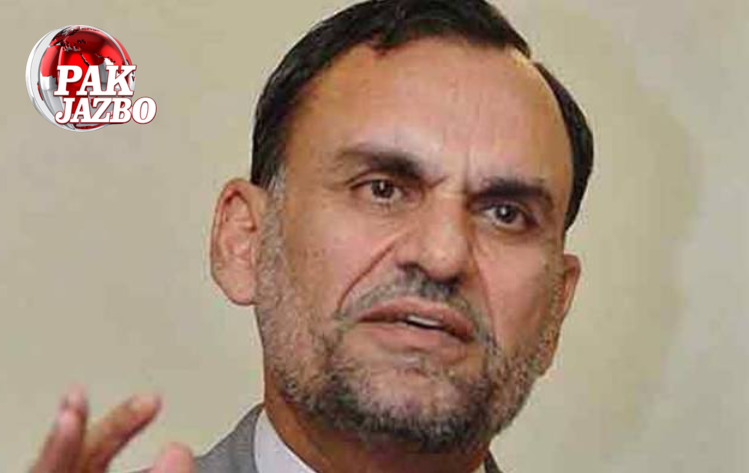
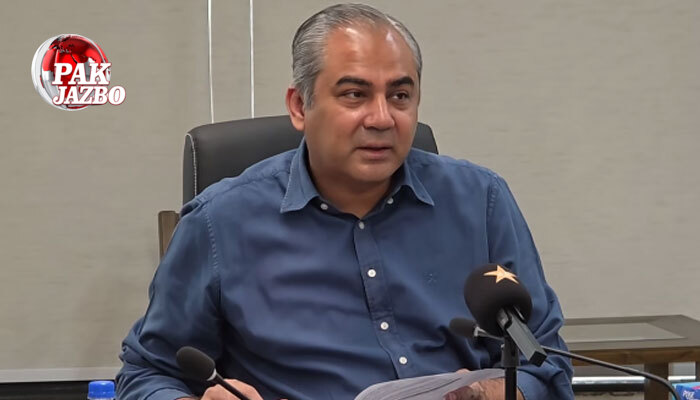
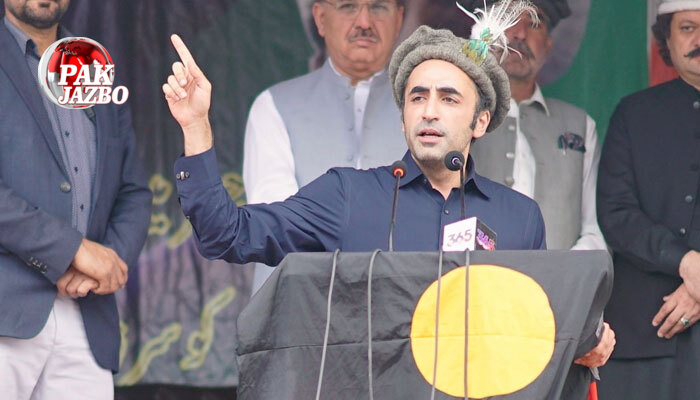
An Islamabad court has upheld its order directing the arrest and production of Khyber Pakhtunkhwa Chief Minister Suhail Afridi after he failed to appear in a case involving allegations of making statements against state institutions.
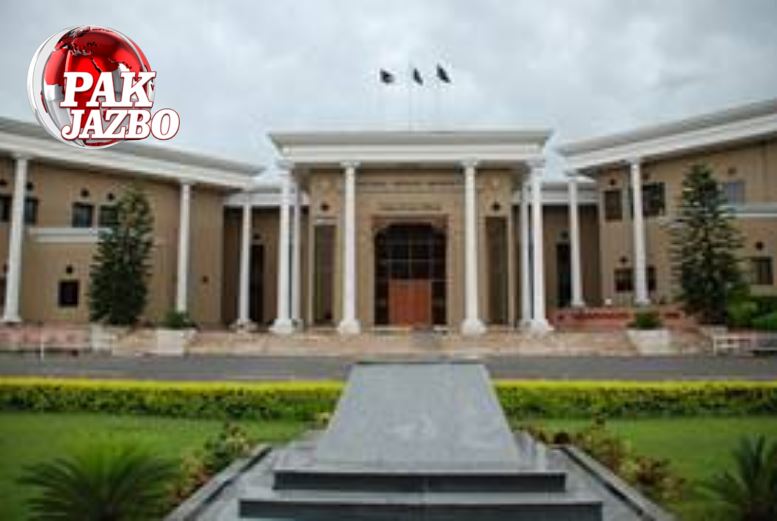
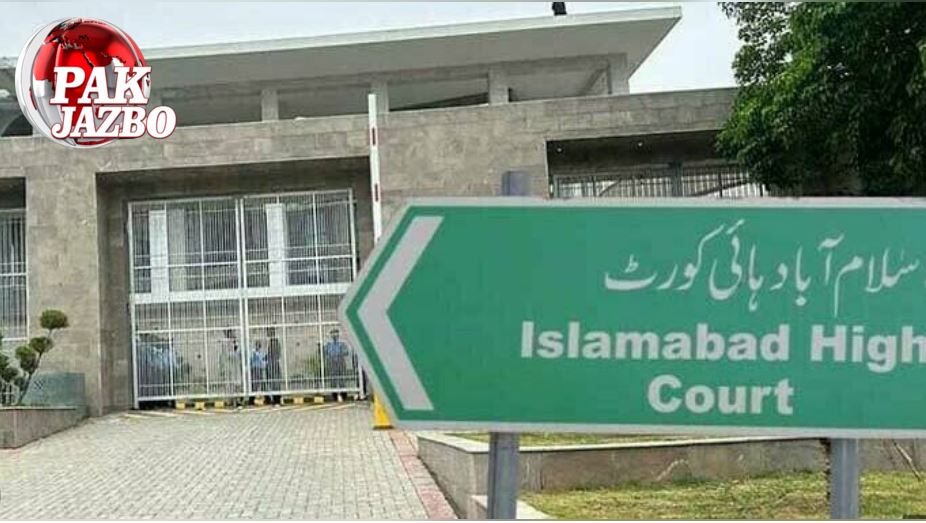
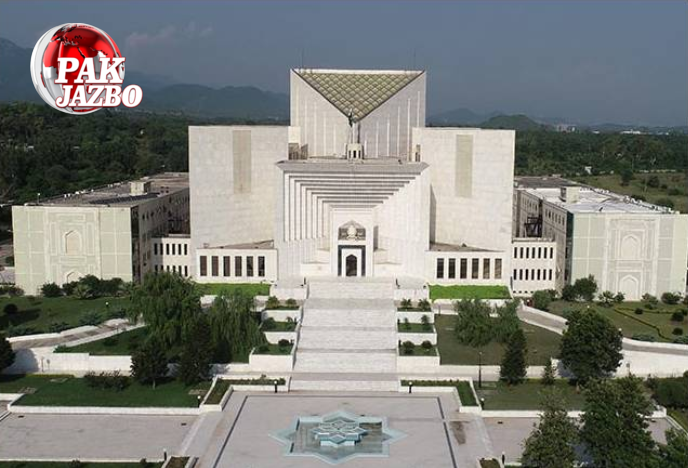
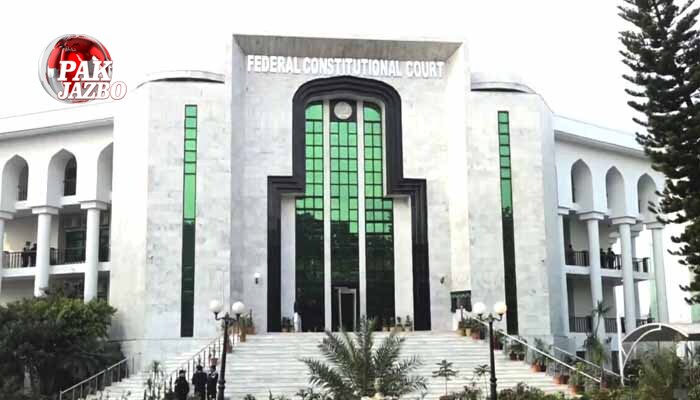
The hearing was conducted by Civil Judge Abbas Shah at a local court in Islamabad. During the proceedings, the court noted the absence of the chief minister despite the scheduled hearing in the case registered under Pakistan’s Prevention of Electronic Crimes Act (PECA).
Following his non-appearance, the court maintained the previously issued non-bailable arrest warrants and reaffirmed its directive that Suhail Afridi be arrested and presented before the court.
The hearing was later adjourned until July 21 due to the unavailability of the presiding judge.
According to court records, the National Cyber Crime Investigation Agency (NCCIA) registered the case against the chief minister over allegations that he made statements targeting state institutions through electronic means, an offense being investigated under the provisions of the PECA law.
The court did not issue any new substantive orders regarding the merits of the case during the latest hearing. Instead, the proceedings focused on the accused’s continued absence and compliance with earlier judicial directives.
Non-bailable arrest warrants are generally issued by courts when an accused repeatedly fails to appear despite being summoned or when the court considers physical appearance necessary for legal proceedings. Such warrants require law enforcement authorities to produce the accused before the court, although the accused may still seek legal remedies available under the law.
The case is one of several legal proceedings involving political figures under Pakistan’s cybercrime legislation, which governs offenses related to electronic communications, online content, and digital platforms.
The Prevention of Electronic Crimes Act provides the legal framework for investigating and prosecuting various cyber-related offenses, including the alleged misuse of digital platforms for unlawful activities. Authorities have stated that the investigation in this case relates to statements allegedly made against state institutions.
No detailed arguments on the substance of the allegations were presented during the latest hearing, and the court did not examine evidence related to the case because of the accused’s absence.
Legal experts note that at this stage of criminal proceedings, the issuance or continuation of arrest warrants does not constitute a finding of guilt. The allegations remain subject to judicial examination, and the accused retains the right to defend himself before the court.
Following the adjournment, the next hearing has been scheduled for July 21, when the court is expected to review compliance with its arrest order and determine the future course of proceedings.
Neither the court order nor the prosecution’s submissions during the hearing provided additional details regarding the specific statements that form the basis of the case.
The NCCIA, formerly known as the Federal Investigation Agency’s cybercrime wing before institutional restructuring, is responsible for investigating offenses involving electronic communications and cyber-related crimes under applicable Pakistani law.
Political cases filed under the PECA framework have often attracted public attention because they involve questions related to freedom of expression, the limits of online speech, and the protection of state institutions. However, the courts decide each matter individually based on the evidence presented and the applicable legal provisions.
The latest court proceedings remained procedural in nature, dealing primarily with the accused’s attendance rather than the factual merits of the allegations.
The court’s decision to maintain the non-bailable arrest warrants means the previous judicial order remains in effect unless modified by a higher court or withdrawn by the trial court in accordance with the law.
The prosecution is expected to continue presenting its case once the accused appears before the court, while the defense will have the opportunity to challenge both the allegations and the legal basis of the proceedings.
As the matter progresses, the court will ultimately determine whether sufficient evidence exists to proceed further under the relevant provisions of the Prevention of Electronic Crimes Act.
The case remains pending, and no final judicial determination has been made regarding the allegations. Under Pakistan’s legal system, every accused person is presumed innocent unless proven guilty through due process of law.
What’s your Reaction?
+1
+1
+1
+1
+1
+1

