











































































































































































































































































































































































































































































Pakistan Needs Alternative Leadership Beyond Government and Opposition, Says Barrister Saif


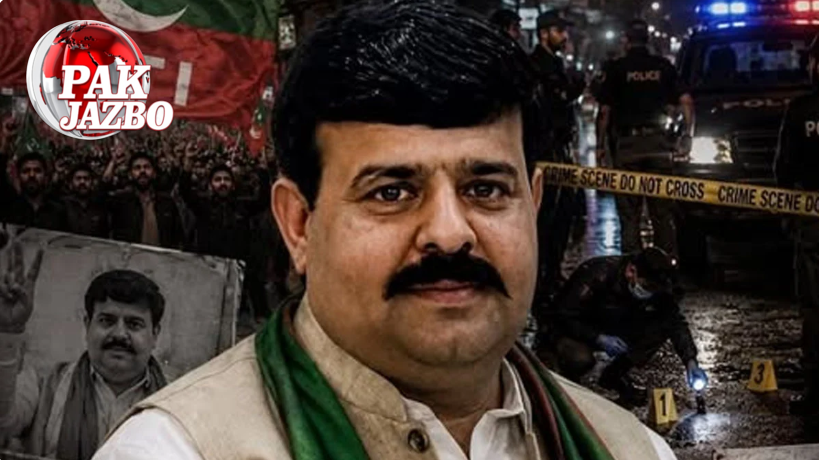
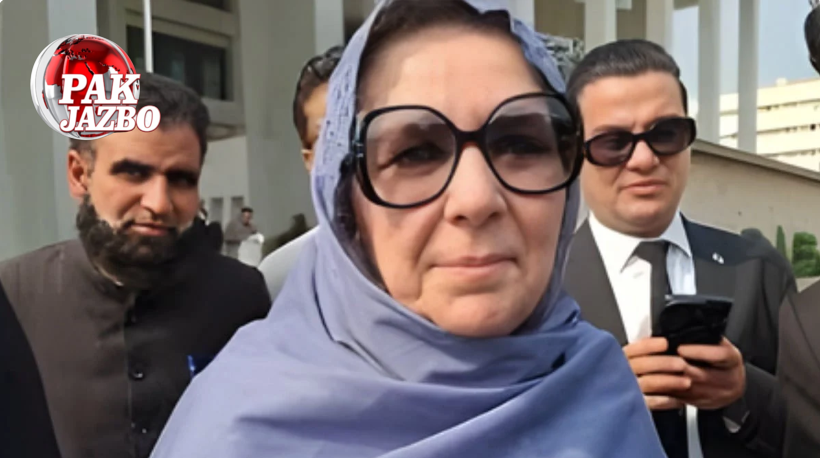
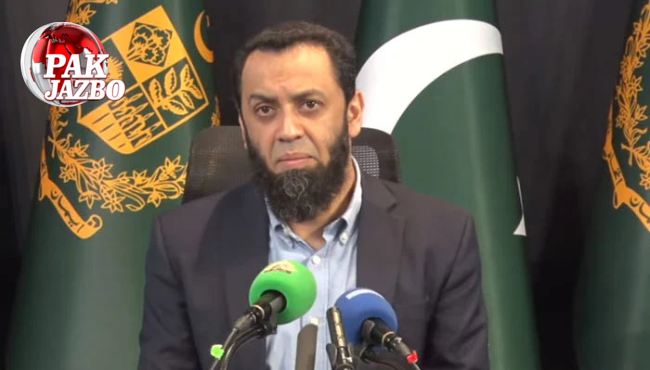
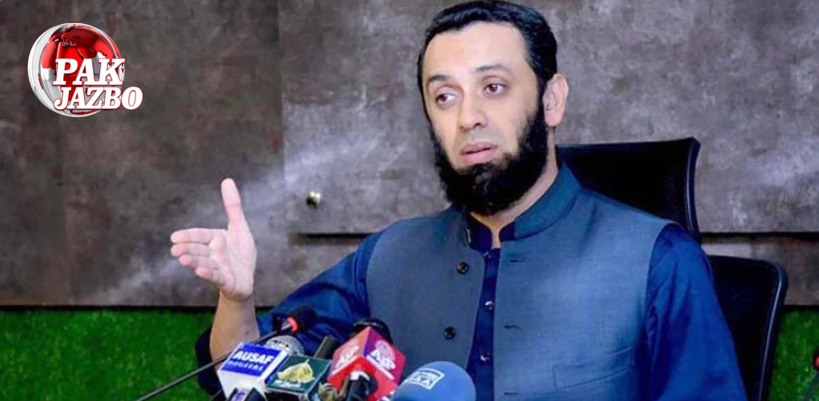
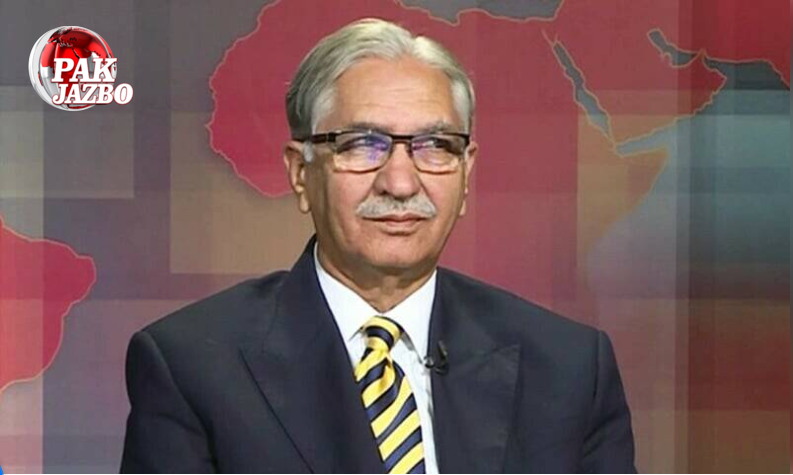
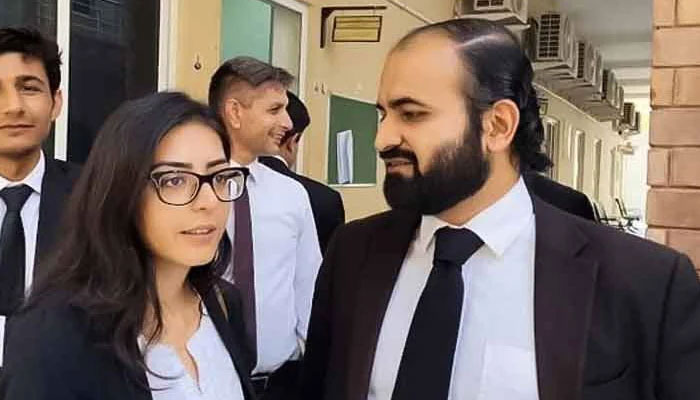
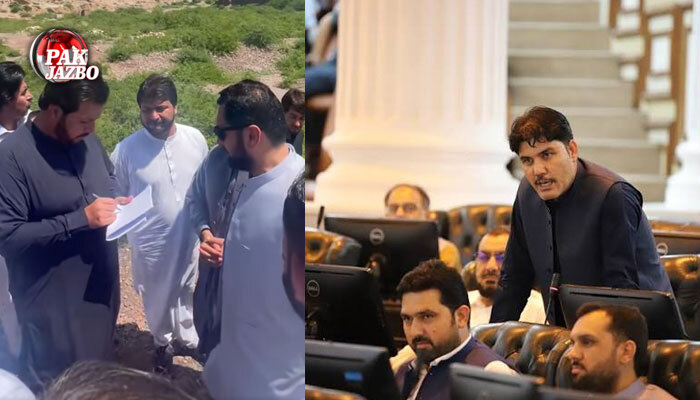
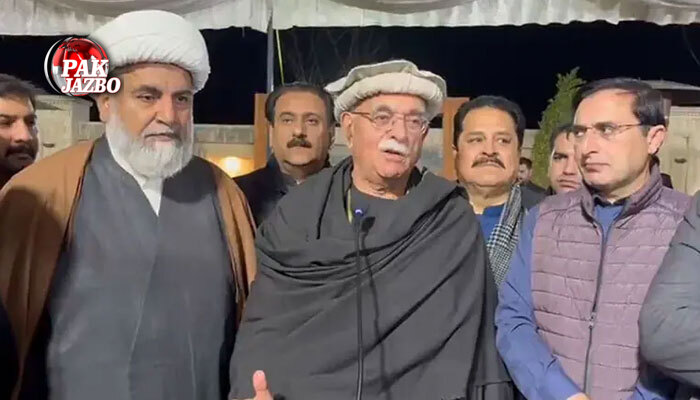
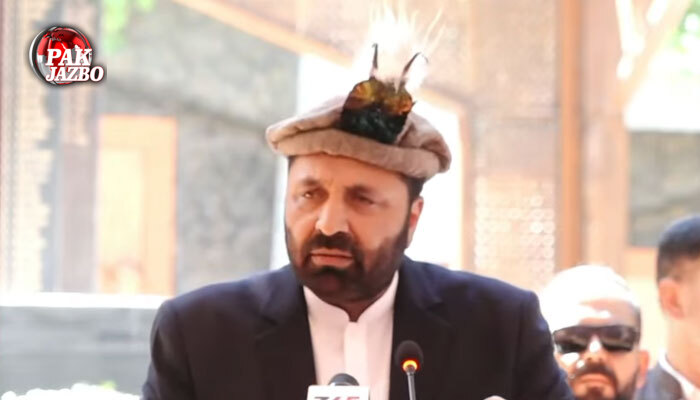
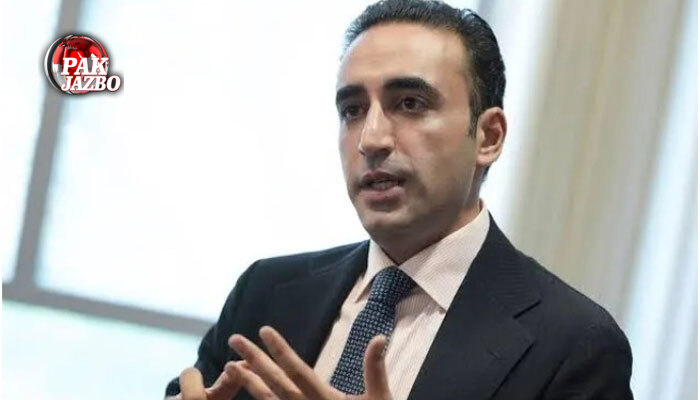
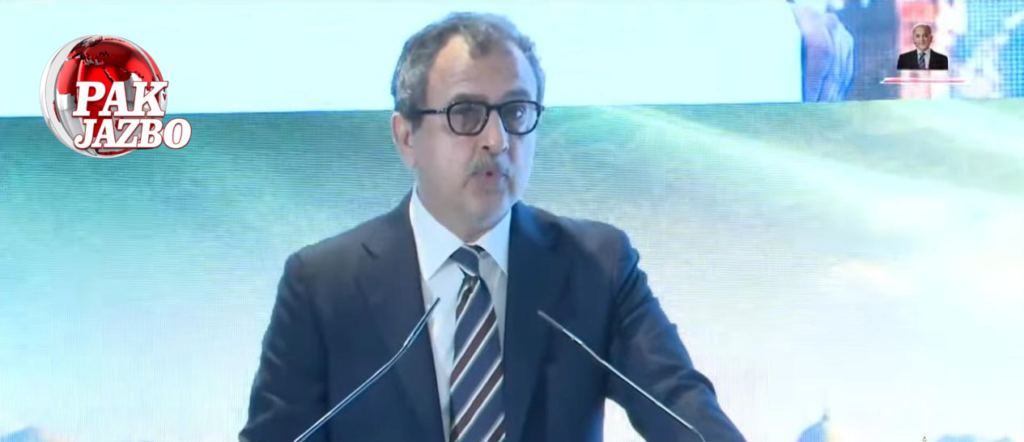
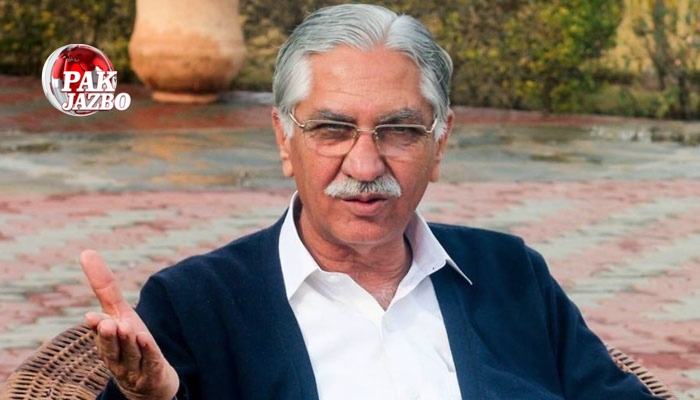
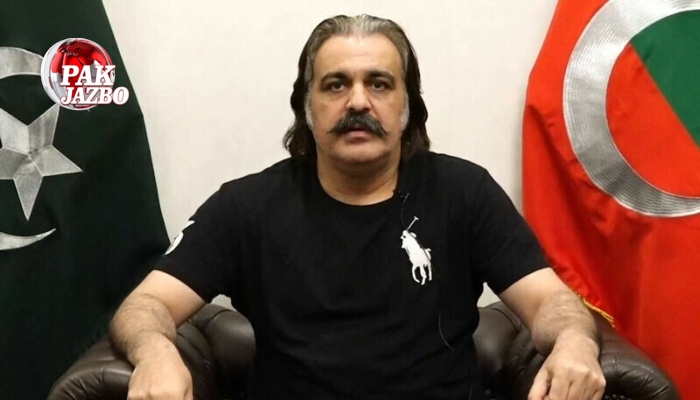
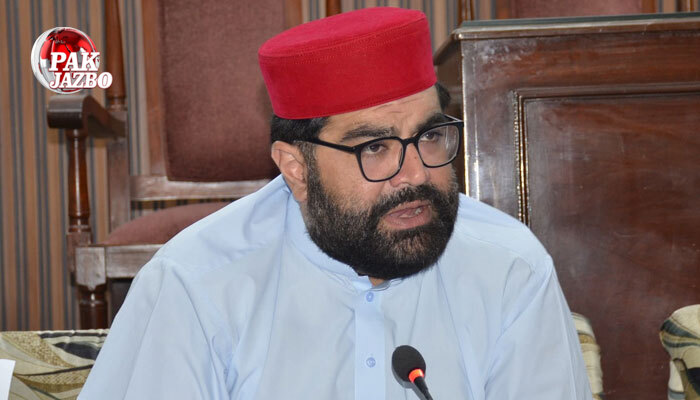
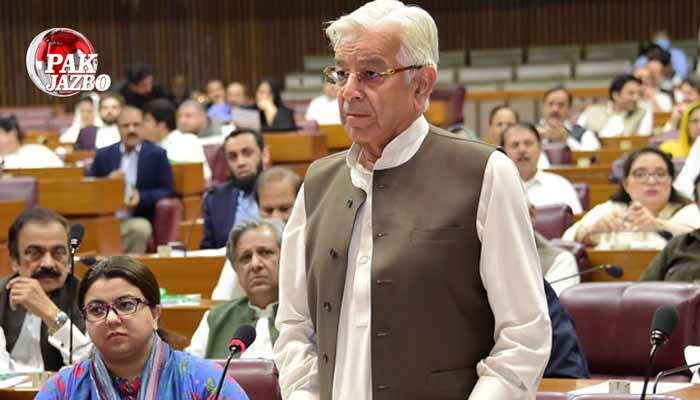
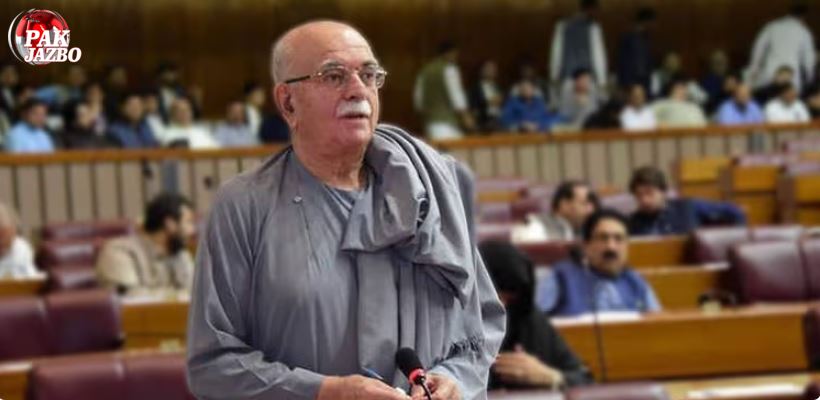
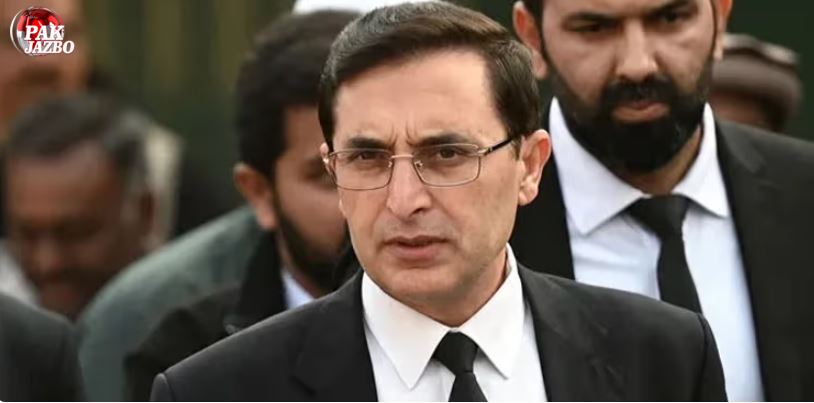
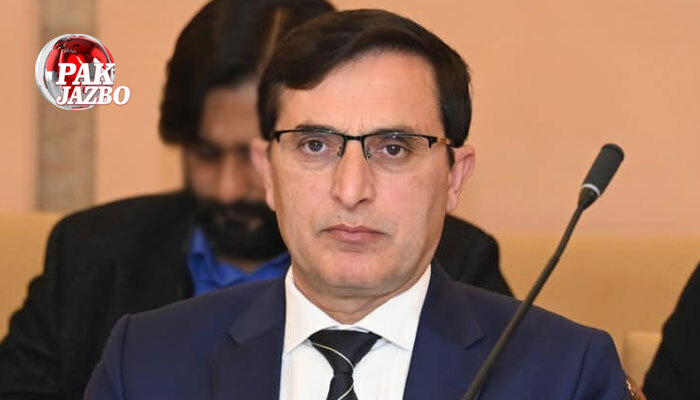
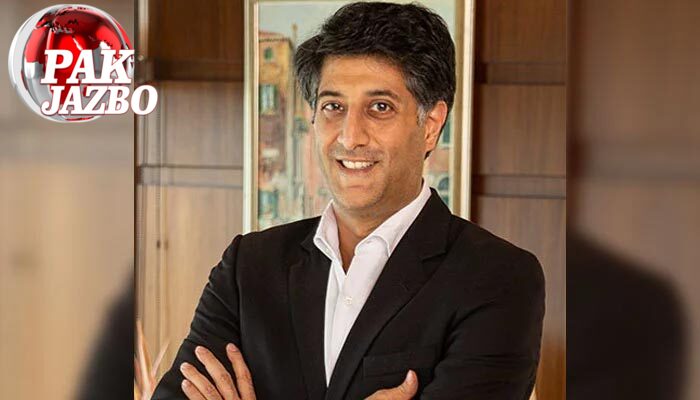
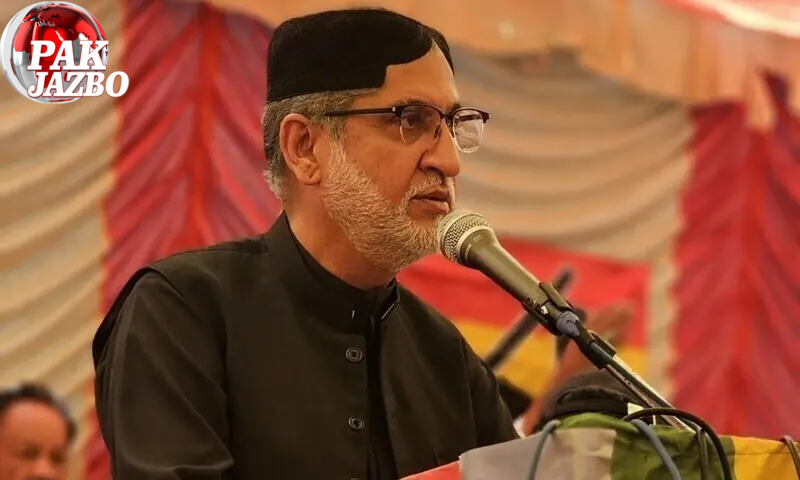
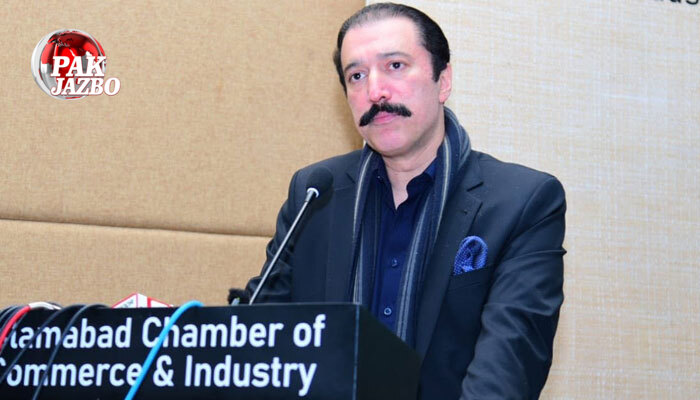
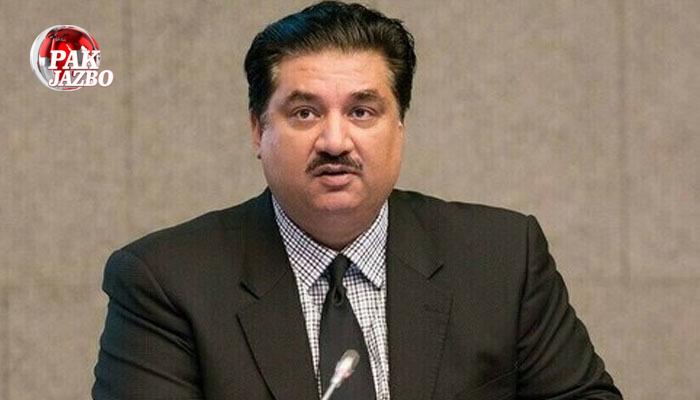
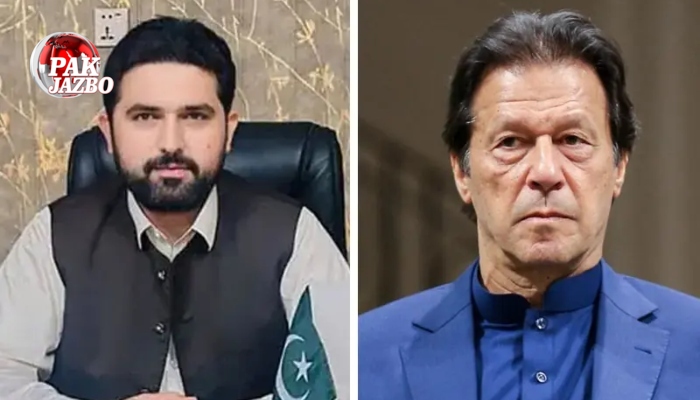
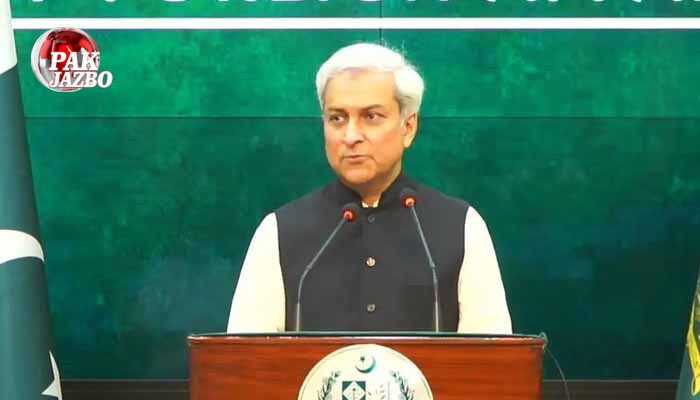
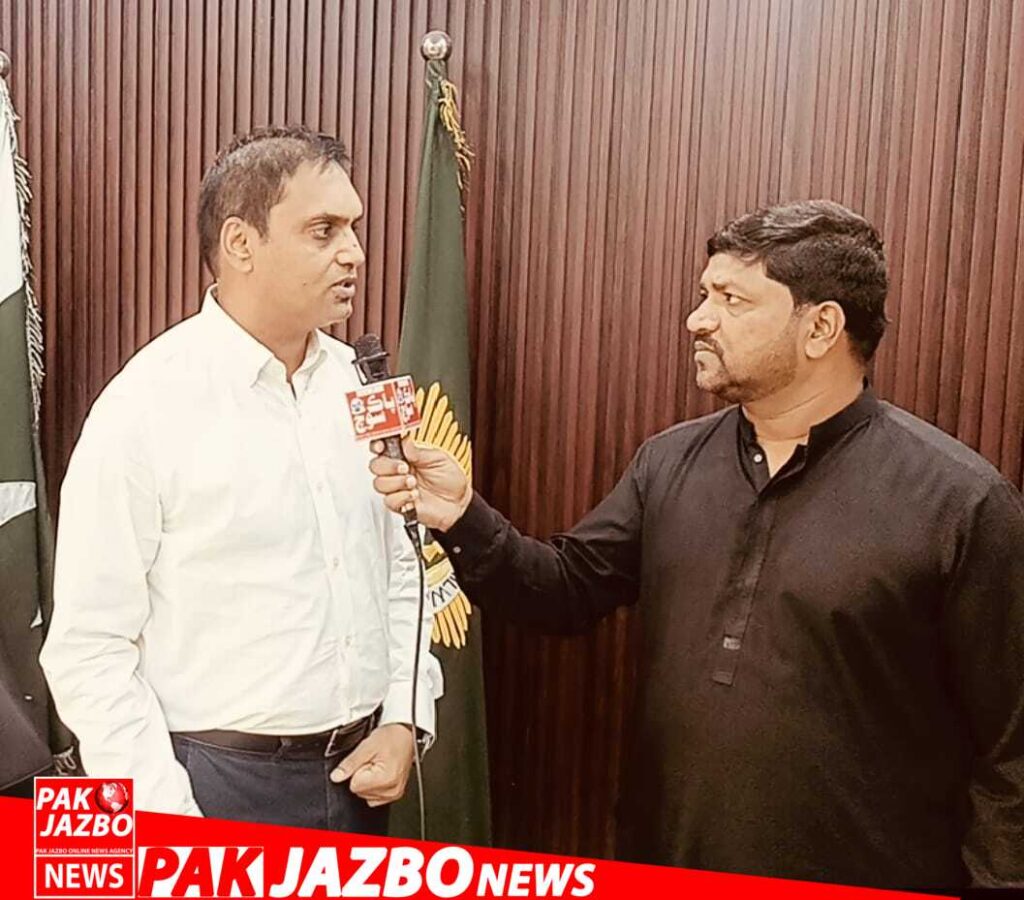
Former Khyber Pakhtunkhwa information adviser Barrister Saif has said that Pakistan requires an alternative political leadership beyond both the current government and the opposition, arguing that the country is facing political stagnation and a lack of effective democratic engagement.
In a statement issued recently, Barrister Saif said the opposition has failed to play an effective role in the country’s politics, while the ongoing political deadlock continues to create uncertainty and instability.
According to him, Pakistan’s current political environment demands fresh leadership and a serious effort toward national reconciliation and dialogue.
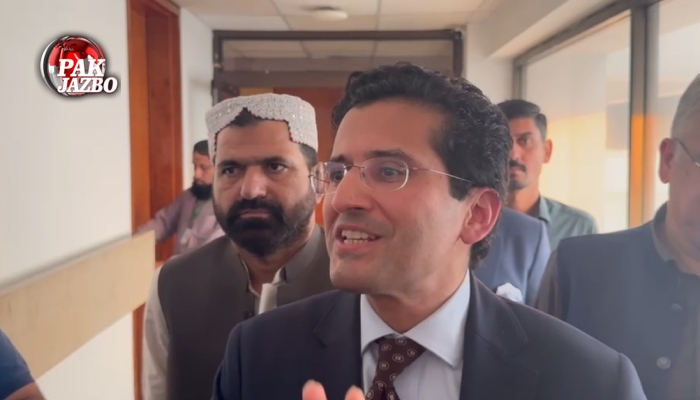
“The country needs alternative leadership in place of both the government and the opposition,” Barrister Saif stated. “The opposition appears unable to perform its effective role, and a national dialogue has become essential to end the political deadlock.”
His remarks come at a time when Pakistan continues to experience political polarization, economic challenges, and tensions among major political parties and state institutions.
Barrister Saif stressed that political forces must move beyond personal and partisan conflicts for the sake of the country’s broader interests. He emphasized that national issues can only be resolved through discussions, negotiations, and political harmony.
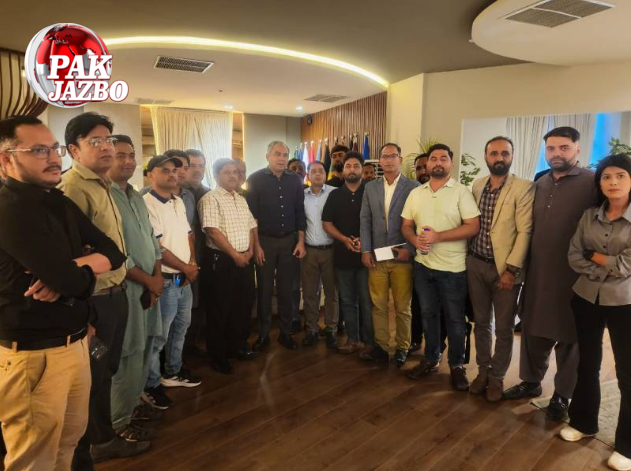
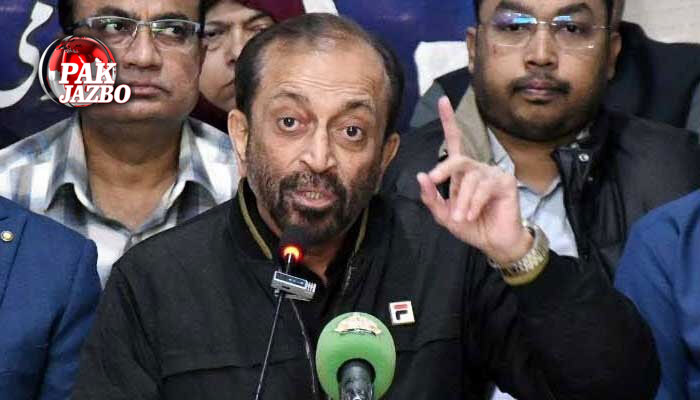
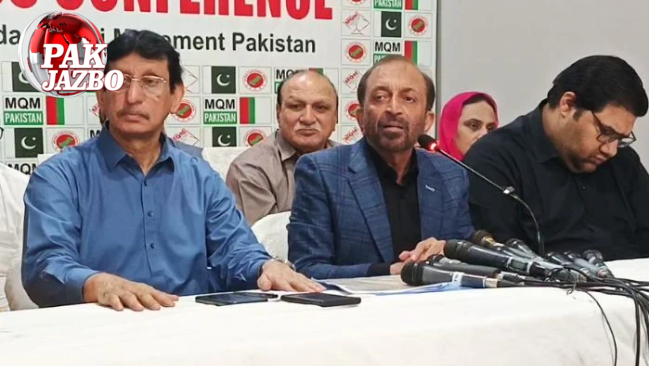
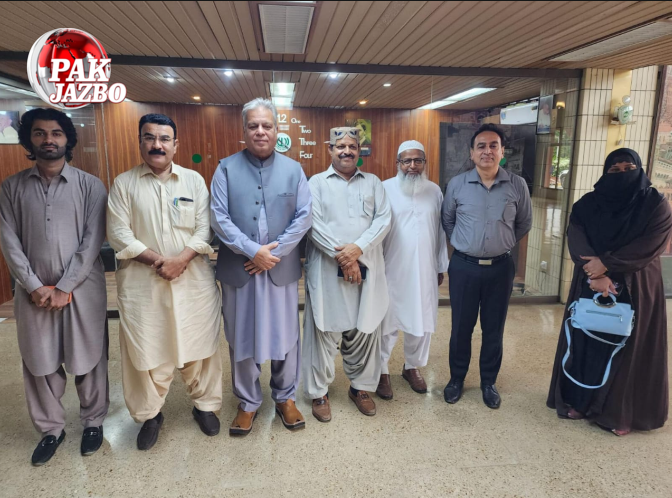
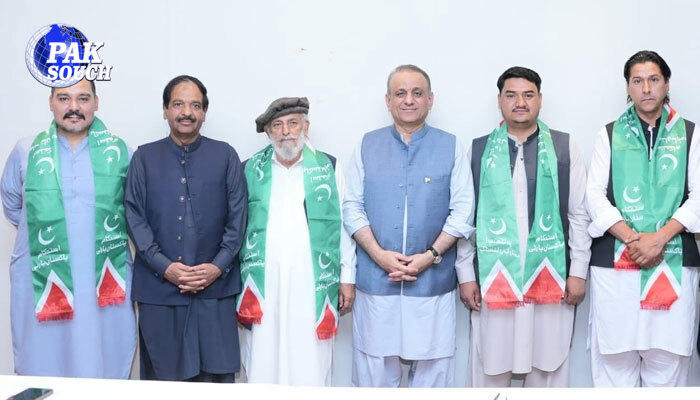
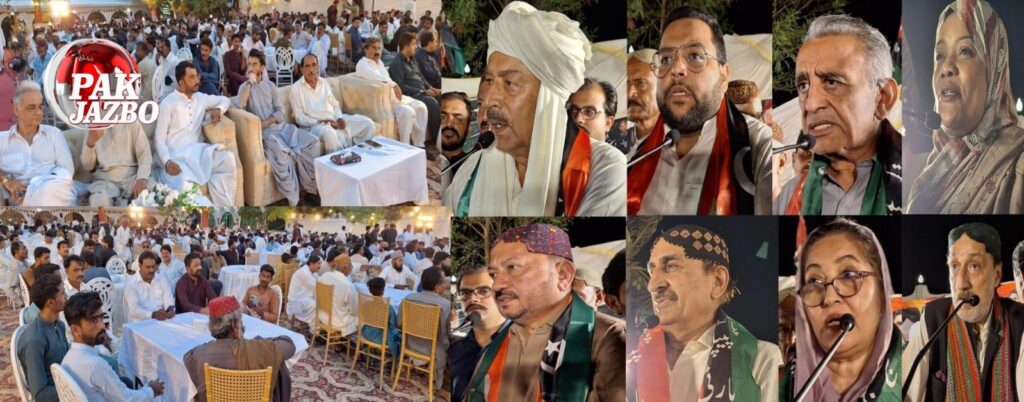
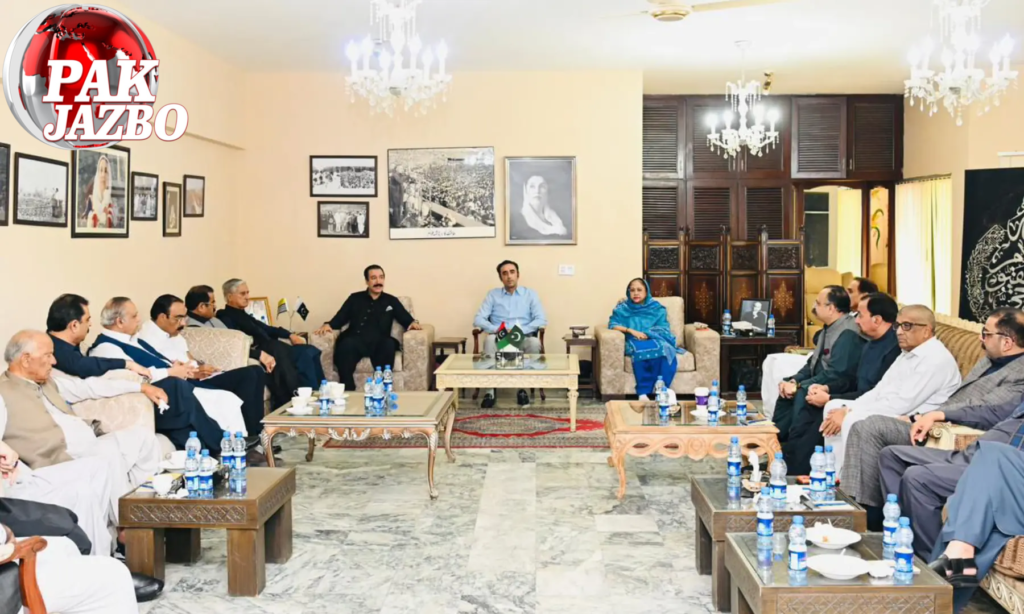
He announced that a ceremony organized by the National Dialogue Committee would be held in Karachi, where political and social figures are expected to discuss ways to promote national consensus and reduce political confrontation.
“Personal and political differences will have to be set aside for the public interest,” he said while referring to the objectives of the dialogue initiative.
The former adviser added that meaningful negotiations and political understanding are the only viable path toward solving Pakistan’s national problems.
Barrister Saif has previously spoken about the importance of engagement between political parties and state institutions. In earlier remarks, he stated that politics in Pakistan cannot function effectively without establishing communication with the establishment, a statement that generated debate within political circles.
His latest comments are likely to fuel further discussion regarding the need for political reforms, institutional balance, and dialogue between rival political stakeholders.
Political analysts note that calls for a “national dialogue” have frequently emerged during periods of political instability in Pakistan. However, such initiatives often face challenges due to deep mistrust among political parties and disagreements over accountability, elections, and governance.
Supporters of dialogue argue that negotiations are necessary to reduce tensions and create a roadmap for political stability, while critics believe that talks without clear constitutional and democratic commitments may not produce meaningful results.
Barrister Saif’s statement reflects growing concerns among some political figures that both the ruling coalition and the opposition have struggled to provide effective solutions to the country’s pressing challenges, including economic difficulties, governance issues, and political polarization.
The National Dialogue Committee event in Karachi is expected to bring together various voices from political, social, and intellectual backgrounds to discuss possible ways forward for the country.
Whether such initiatives can help bridge political divides remains uncertain, but the call for broader political consensus and alternative leadership continues to gain attention amid Pakistan’s evolving political landscape.
What’s your Reaction?
+1
+1
+1
+1
+1
+1

