












































































































































































































































































































































































































































































Trump Threatens Afghanistan Over Bagram Airbase: “Serious Consequences” if U.S. Demand Not Met


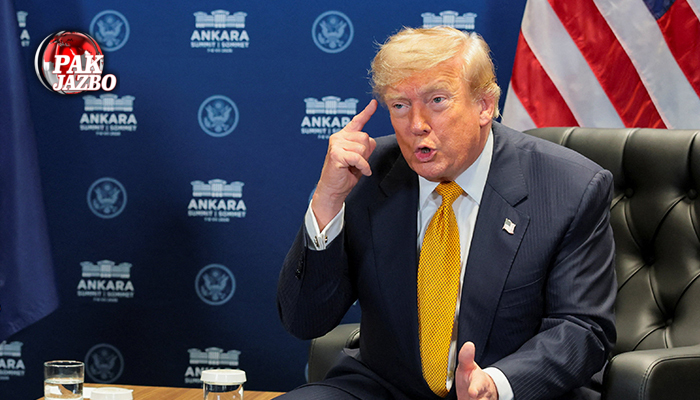
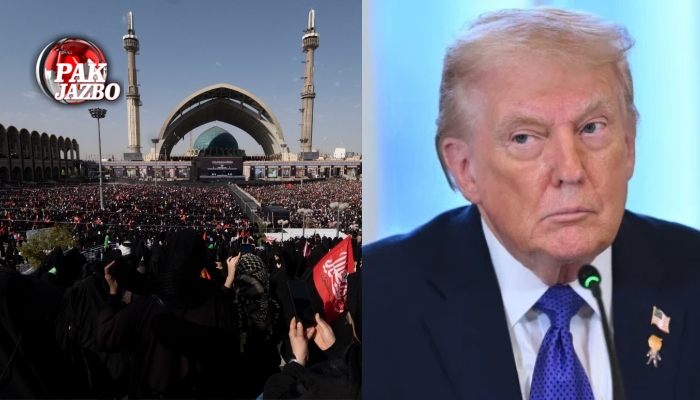
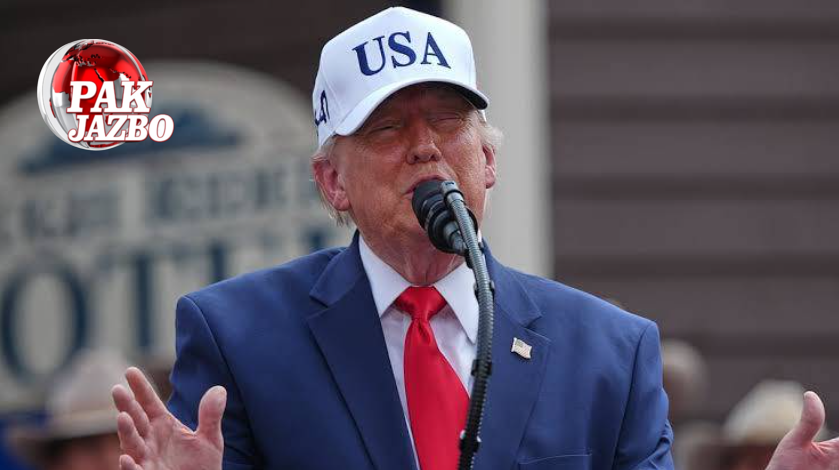
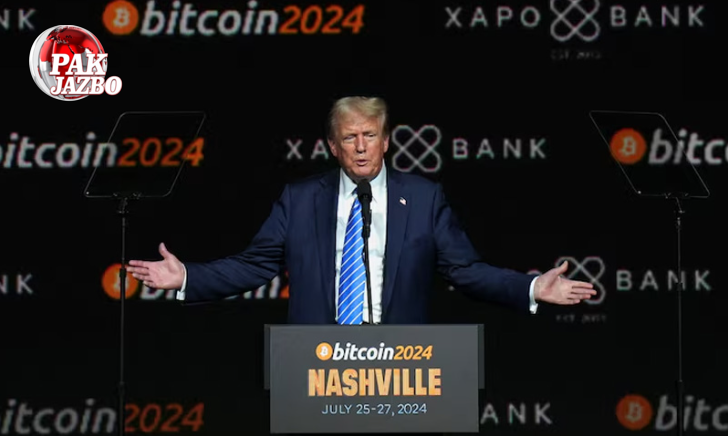
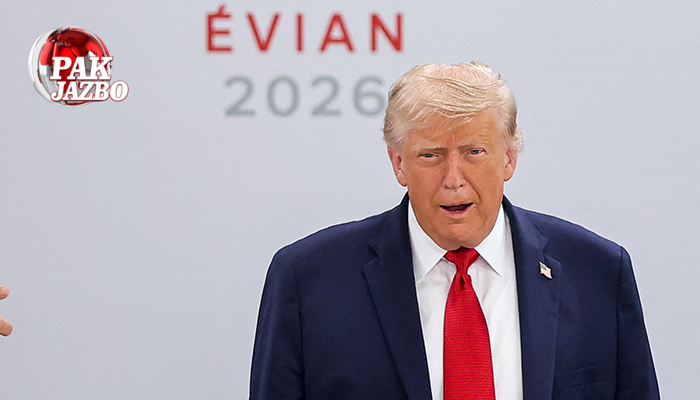
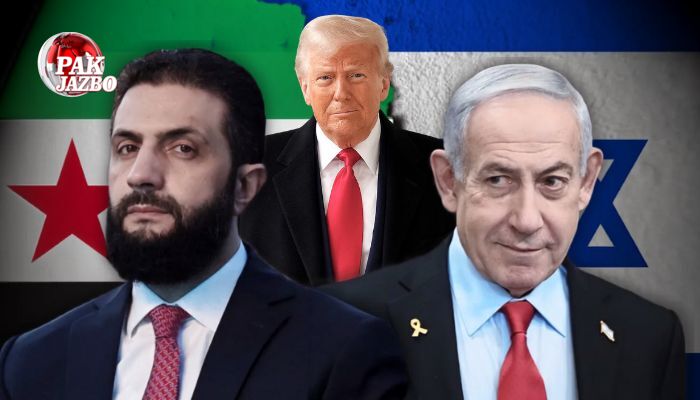
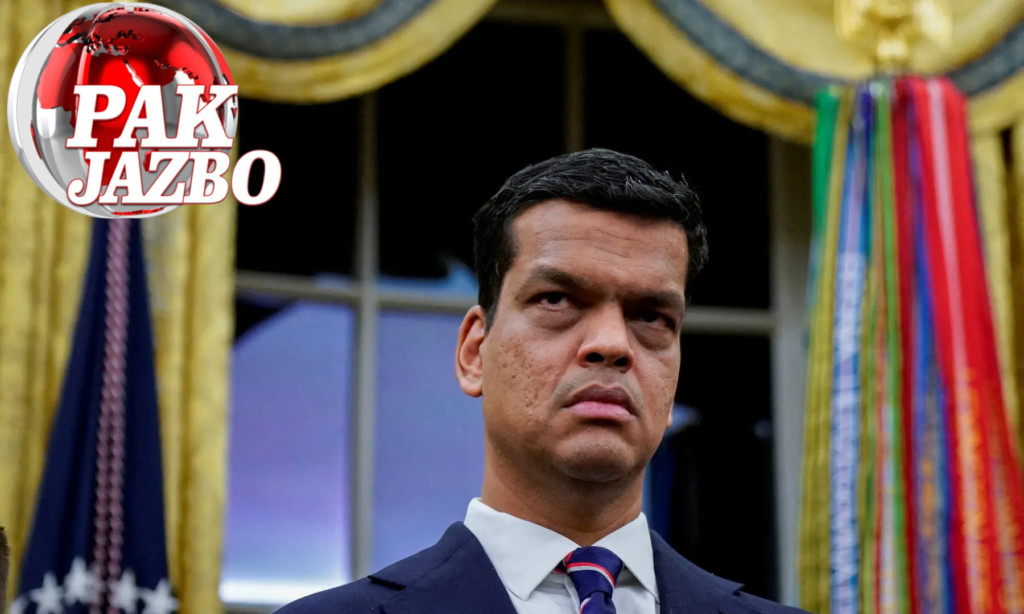
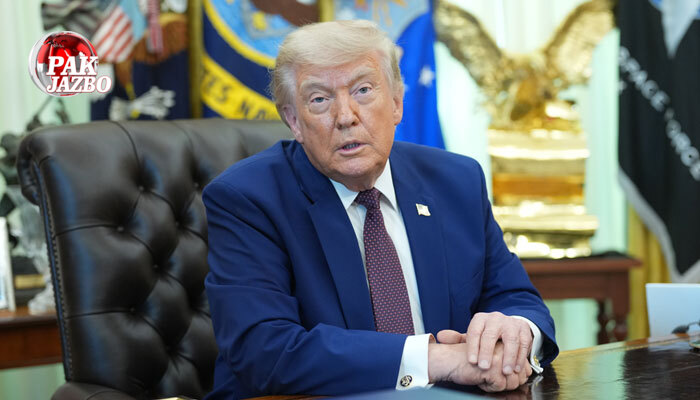
Former U.S. President Donald Trump has reignited controversy over the status of Afghanistan’s Bagram Airbase, issuing a stark warning that Kabul will face “serious consequences” if the facility is not returned to American control. His remarks, delivered via Truth Social, underline his continuing push to revisit one of the most symbolic and strategic legacies of the U.S. withdrawal from Afghanistan in 2021.
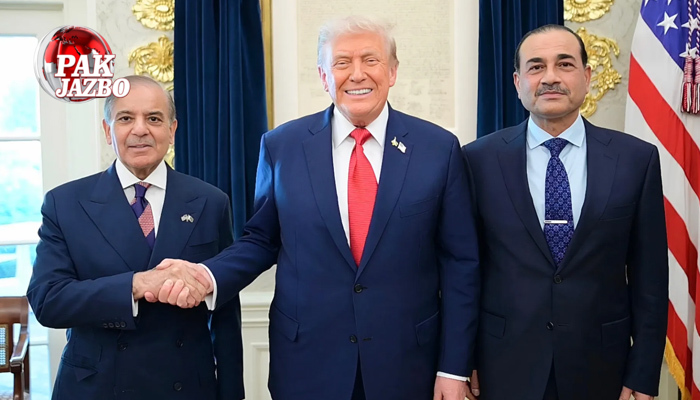
Trump wrote: “If Afghanistan does not return Bagram Airbase to those who built it, namely the United States, then it will be very bad.” His statement has drawn renewed attention to U.S.–Taliban negotiations currently underway over counterterrorism operations and potential American re-deployment at the site. According to U.S. media, special envoy Adam Boehler is leading talks that include consideration of stationing a limited number of U.S. troops at the airbase.
Trump’s Longstanding Criticism of Bagram Withdrawal
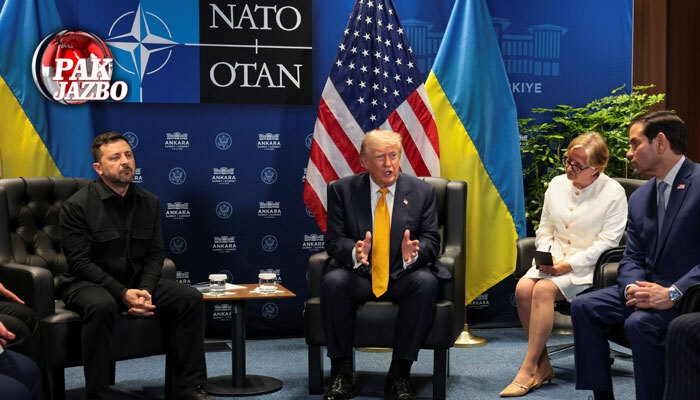
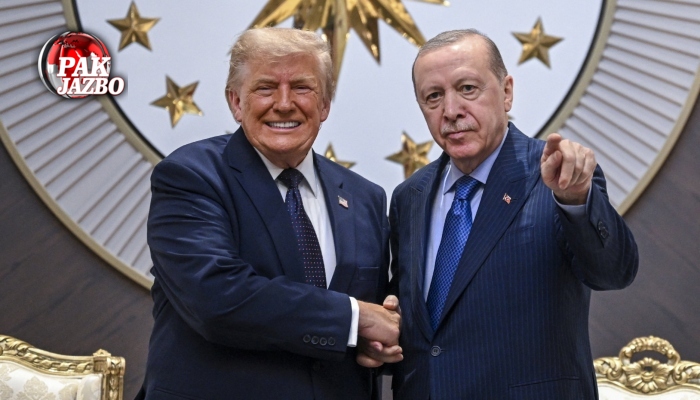
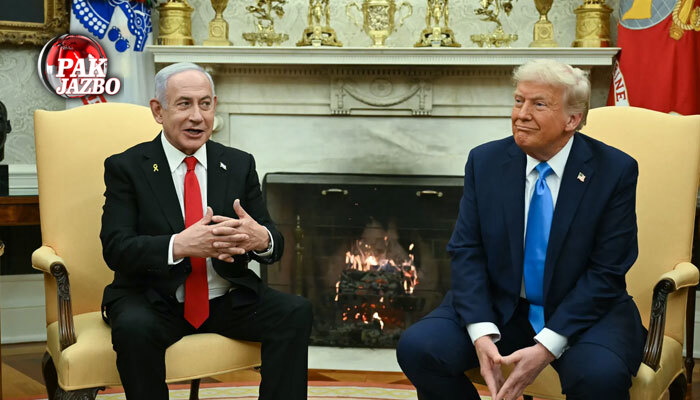
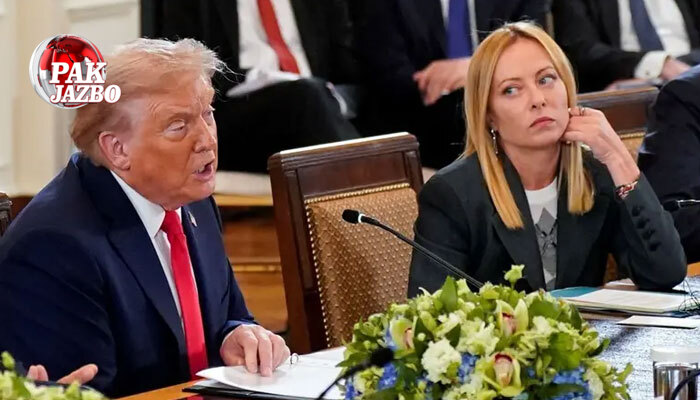
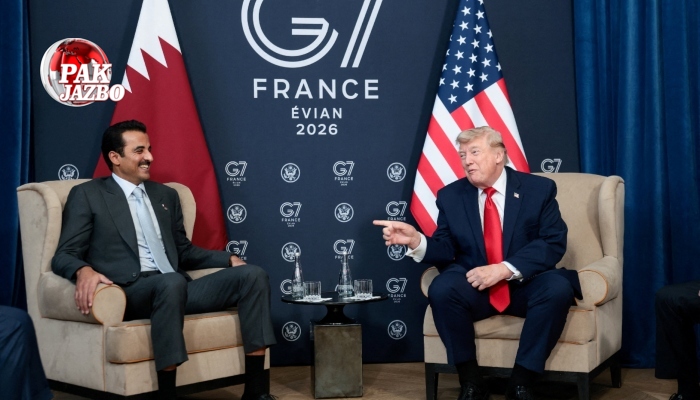
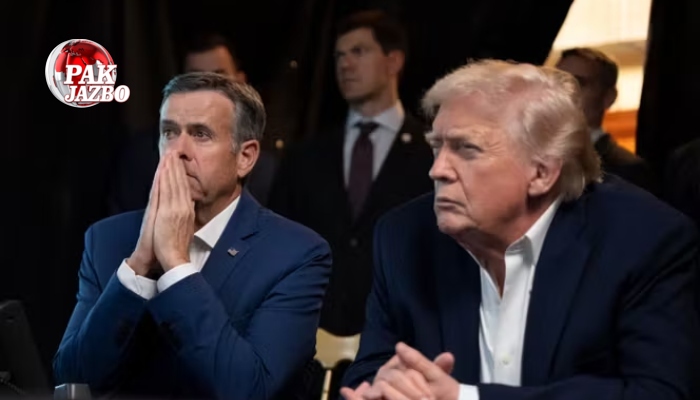
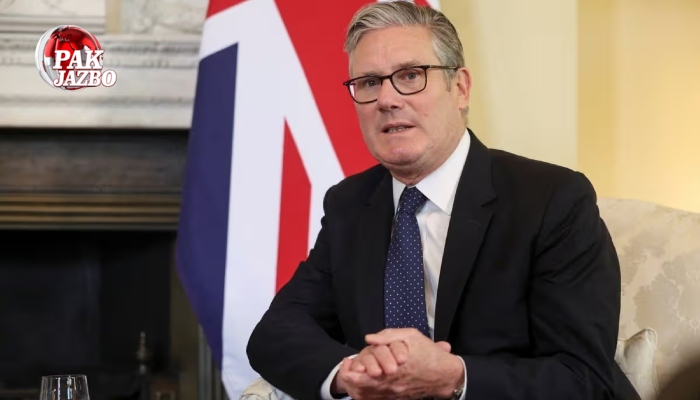
This is not the first time Trump has criticized the U.S. decision to leave Bagram. Even while out of office, he repeatedly called the handover of the airbase to Afghan authorities “a historic blunder.” During his recent trip to the United Kingdom, Trump told reporters alongside British Prime Minister Keir Starmer: “We gave Bagram away to the Taliban for free, but now we are trying to get it back.” The comment appeared to catch Starmer off guard, with reports noting a visible change in the British leader’s expression as Trump spoke.
For Trump, Bagram is more than a memory of the U.S.’s longest war. He has linked the base’s geographic proximity to strategic threats, pointing out that it is only about an hour’s flight away from parts of western China where nuclear facilities are located. In Trump’s view, abandoning Bagram was not only a concession to the Taliban but also a missed opportunity for U.S. strategic leverage against Beijing.
Afghanistan’s Position and the Taliban Factor
The Taliban, now the de facto rulers of Afghanistan since August 2021, remain deeply resistant to foreign troops on Afghan soil. When U.S. and allied forces completed their withdrawal, the Taliban celebrated the handover of Bagram as a symbol of victory after two decades of insurgency. Returning the base to U.S. control would undermine that narrative and risk domestic backlash, making Kabul’s acceptance of Trump’s demand highly unlikely.
Nonetheless, Washington appears to be testing whether limited arrangements might be reached under the cover of counterterrorism cooperation. Sources suggest that U.S. negotiators are pressing for assurances that groups such as ISIS-K are prevented from using Afghan territory to launch international attacks. In this context, Bagram offers the infrastructure and strategic depth the U.S. would find useful if re-establishing a footprint in Central Asia.
Domestic and International Repercussions
Trump’s threats mark a dramatic escalation of rhetoric. For Afghans, the statement revives fears of external interference and the possibility of renewed instability. For the U.S., it risks complicating ongoing talks by injecting personal politics into delicate negotiations.
On the international stage, the issue could also strain relations with neighboring powers. China, already wary of U.S. encirclement, would likely interpret an American return to Bagram as a direct strategic challenge. Russia and Iran, too, would view such a move as a reassertion of U.S. presence in their extended neighborhood.
Looking Back: The 2021 Withdrawal
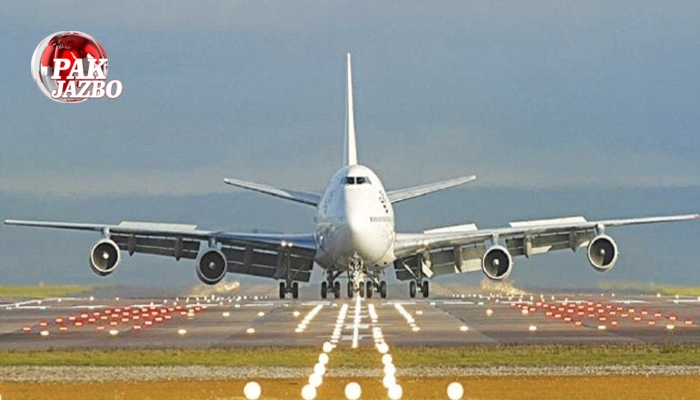
The U.S. military vacated Bagram in July 2021 as part of its final drawdown after two decades of war. Built up at enormous cost, the base had been the largest U.S. military installation in Afghanistan, serving as a hub for air operations, intelligence, and logistics. Its handover to Afghan forces came shortly before the Taliban’s takeover of Kabul in August that year. At the time, critics argued that abandoning Bagram deprived Washington of a vital strategic asset and contributed to the chaotic collapse of Afghan defenses.
Trump has seized on that narrative, contrasting his administration’s negotiations with the Taliban with what he describes as the Biden administration’s “botched withdrawal.” By pledging to reclaim Bagram, Trump is positioning himself as both a critic of past policy and a champion of renewed American assertiveness abroad.
The Road Ahead
Whether Trump’s warning to Afghanistan represents official U.S. policy or personal political posturing remains unclear. He is known for using social media to apply pressure during sensitive negotiations, sometimes diverging from diplomatic norms. Still, his statements now come against the backdrop of actual talks between U.S. officials and the Taliban, suggesting they could complicate or embolden negotiators on both sides.
The key question is whether Washington is truly prepared to reoccupy Bagram — an act that would likely require not only Taliban consent but also delicate balancing with regional powers. Short of that, Trump’s threats may remain rhetorical, intended for domestic political audiences as much as for Afghan leaders.
What’s your Reaction?
+1
+1
+1
+1
+1
+1