

























































































































































































































































































































































































































































































































































































































































































































































































































































Punjab University and China’s Wuhan University Develop High-Yield Hybrid Rice Seed


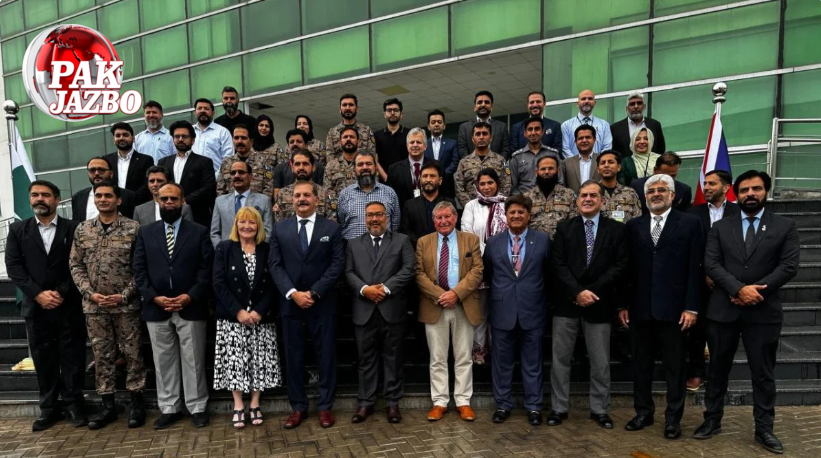
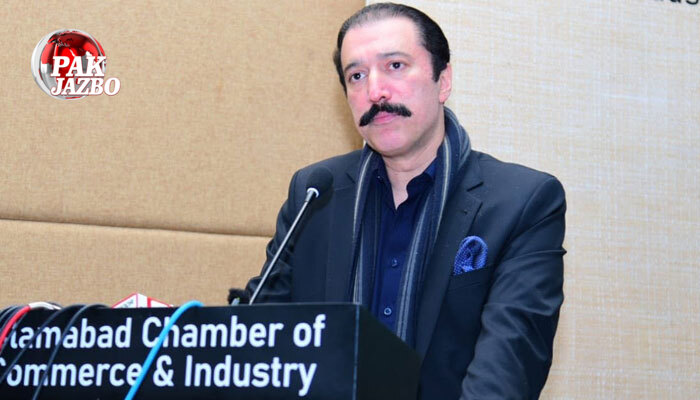
In a remarkable development for Pakistan’s agricultural sector, Punjab University in collaboration with Wuhan University of China has successfully developed a new high-yield hybrid rice seed. The announcement was made by Dr. Muhammad Ashfaq, Chairman of the Department of Plant Breeding and Genetics at Punjab University. According to him, the newly developed rice variety is not just any hybrid—it is the first-ever “Honglian-type” hybrid rice seed developed in Pakistan.
Dr. Ashfaq revealed that this new hybrid seed holds the potential to revolutionize rice production in Pakistan by significantly increasing per-acre yield. “With the introduction of this hybrid, the average rice yield is expected to triple, reaching an impressive 140 maunds (approximately 5.2 tons) per acre,” he said. This innovation is a result of extensive research, testing, and field trials, and represents a major milestone in agricultural biotechnology.
A Historic Collaboration
The project is the result of a successful scientific partnership between Pakistan and China, specifically between Punjab University and Wuhan University—renowned institutions in the field of agricultural sciences. For years, researchers from both countries have worked together to address food security challenges, climate-resilient agriculture, and sustainable crop production. This new hybrid rice is a product of that shared vision and mutual expertise.
The hybrid seed developed is a “Honglian-type” rice, a variety that has previously shown great success in China due to its high yield potential, resistance to environmental stresses, and ability to grow in diverse climatic conditions. Until now, Pakistan was largely dependent on importing hybrid seeds, which not only increased production costs but also left local farmers vulnerable to supply chain disruptions. With this innovation, Pakistan now joins the league of countries that can independently produce and improve hybrid rice seeds tailored to their specific agro-climatic conditions.
Nationwide Field Trials and Approval
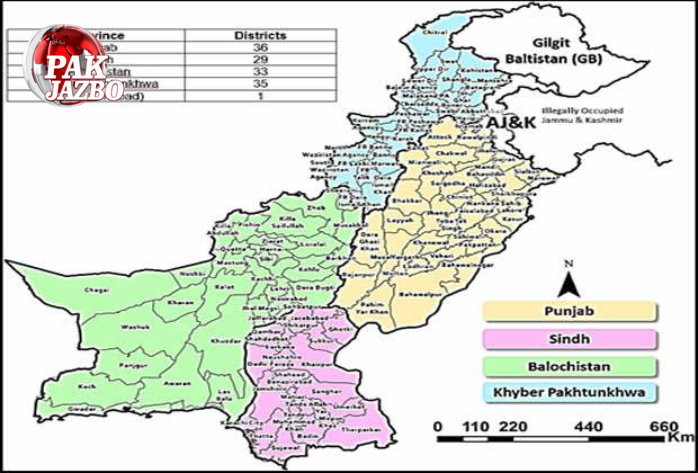
The new hybrid variety has undergone successful trials in all four provinces of Pakistan—Punjab, Sindh, Balochistan, and Khyber Pakhtunkhwa. These trials tested the seed’s performance across diverse climates and soil conditions, with promising results observed uniformly.
The Pakistan Agricultural Research Council (PARC), the country’s apex body for agricultural research and regulation, has formally approved the hybrid seed for commercial cultivation. This approval ensures that the seed is not only scientifically viable but also meets all safety, yield, and adaptability standards required for mass adoption by farmers.
Dr. Ashfaq stated that this seed was specifically engineered to thrive in Pakistan’s changing climate. “We focused on multiple stress factors while developing this hybrid,” he said. “This variety demonstrates exceptional resistance to bacterial blight, extreme heat, and various insect pests that typically devastate rice crops.”
Addressing Key Challenges
Pakistan is the 10th largest producer of rice in the world and among the top five exporters of basmati rice. Despite this, the country faces significant agricultural challenges including outdated farming practices, limited use of biotechnology, pest infestations, and climate-related stress. The new hybrid variety directly addresses many of these issues.
1. Climate Resilience:
Due to rising temperatures and erratic weather patterns, traditional rice varieties are struggling to deliver consistent yields. The new hybrid is designed to tolerate extreme heat without compromising productivity.
2. Pest and Disease Resistance:
Rice crops in Pakistan are often attacked by pests like the rice stem borer and diseases such as bacterial blight. The hybrid seed’s built-in resistance to such threats reduces the reliance on chemical pesticides, lowering input costs and making farming more sustainable.
3. Yield Enhancement:
By increasing the yield per acre from traditional averages of 40–50 maunds to up to 140 maunds, this seed has the potential to significantly boost the incomes of farmers while also improving food security at a national level.
Economic and Strategic Impact
Agricultural economists believe that the introduction of this hybrid variety could have far-reaching economic benefits. Higher productivity means not only more income for farmers but also more export potential for Pakistan. Given that rice is a major export commodity, a rise in yield will likely lead to an increase in national foreign exchange earnings.
Moreover, this move reduces the country’s dependence on imported seeds, which can be costly and are often less suited to local farming conditions. “This is a step towards self-sufficiency in agricultural biotechnology,” remarked an official from the Ministry of National Food Security.
The Road Ahead
While the hybrid has received formal approval, the next phase involves large-scale seed production and distribution. Punjab University is working closely with seed companies and provincial agriculture departments to ensure the rapid availability of this seed to farmers across the country.
There are also plans to train farmers in best practices for cultivating hybrid rice, including proper spacing, fertilization, irrigation techniques, and pest control methods to maximize yield and quality.
Final Thoughts
The development of this hybrid rice seed marks a new era for agricultural innovation in Pakistan. It is a prime example of successful international collaboration, scientific excellence, and a proactive approach to food security. As Dr. Ashfaq aptly summarized, “This is not just a scientific breakthrough—it’s a gift to the farmers of Pakistan, who are the backbone of our economy.”
If scaled effectively and integrated with supportive government policies, this hybrid rice seed could very well redefine the agricultural landscape of the country in the years to come.
What’s your Reaction?
+1
+1
+1
+1
+1
+1