



































































































































































































































































































































































































































































































































































































































































































































































































































































































































































































































































































































































































































































































































































PM Shehbaz Sharif Raises Terror Sponsorship, Kashmir, and Climate Issues in UN Talks with Antonio Guterres


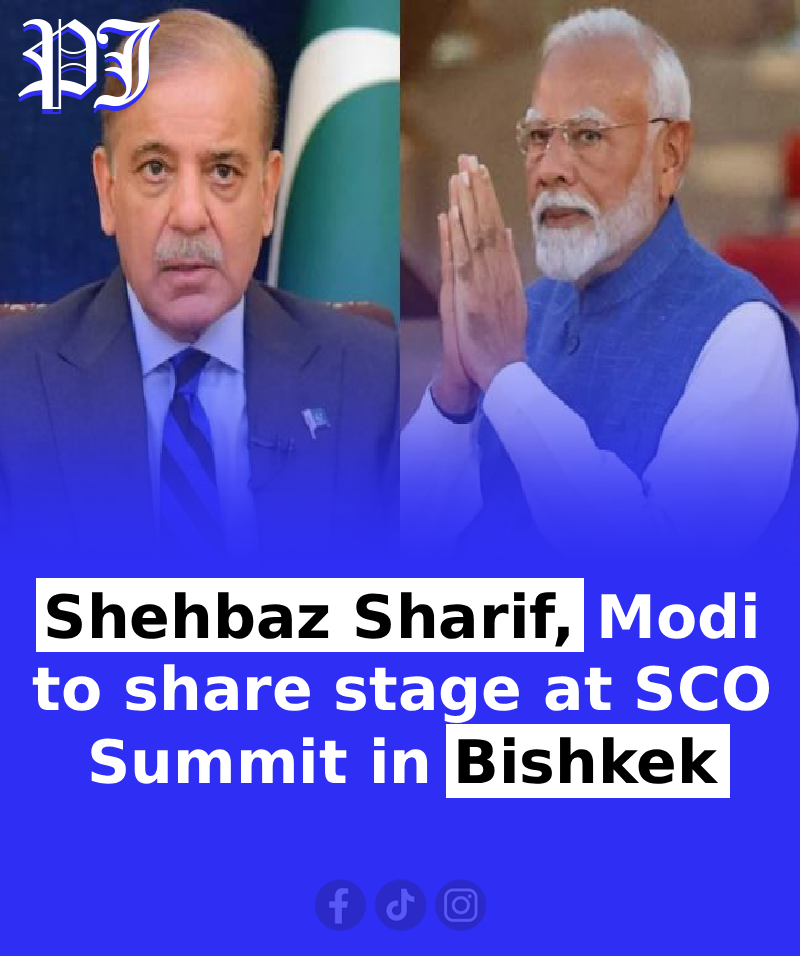
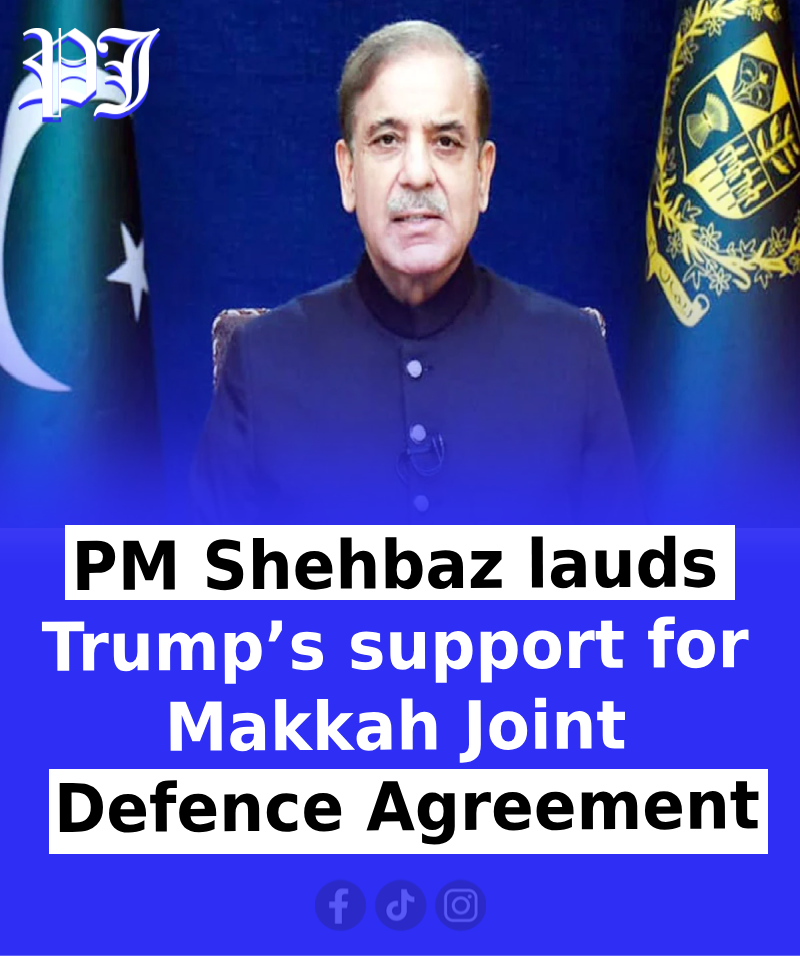
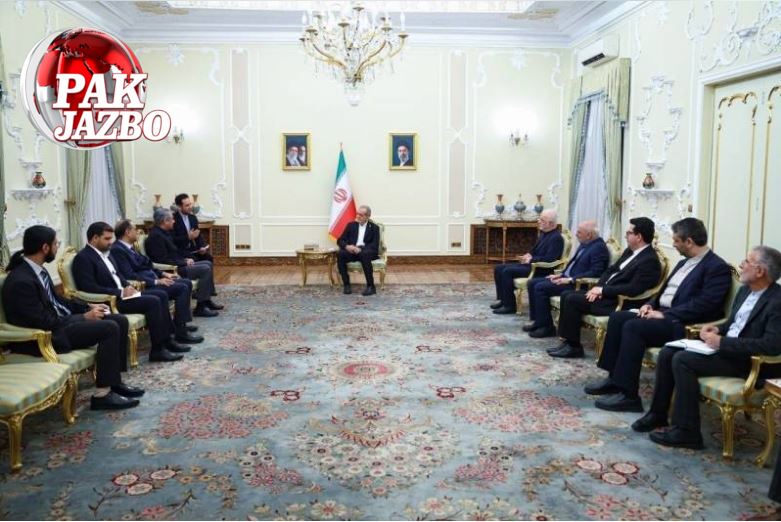
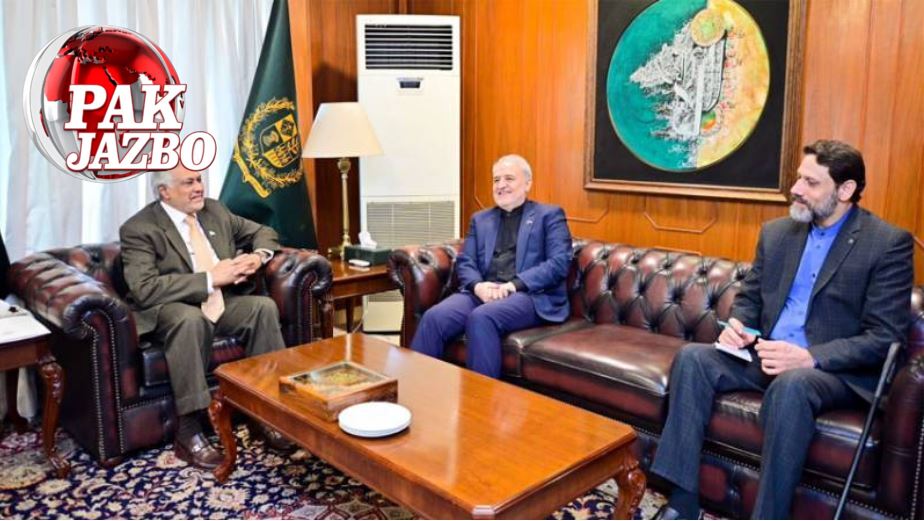
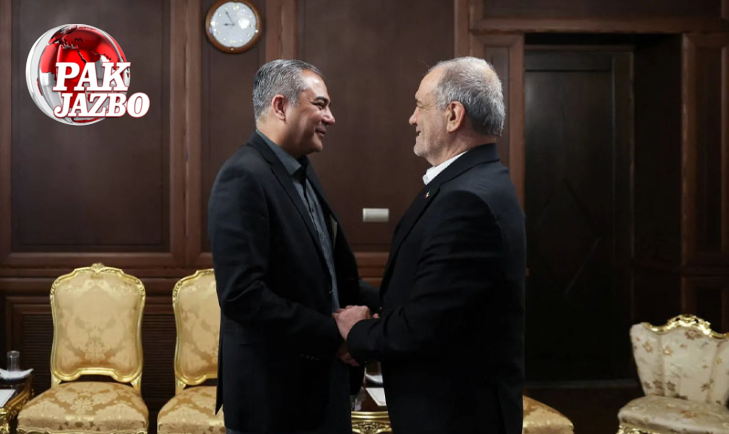
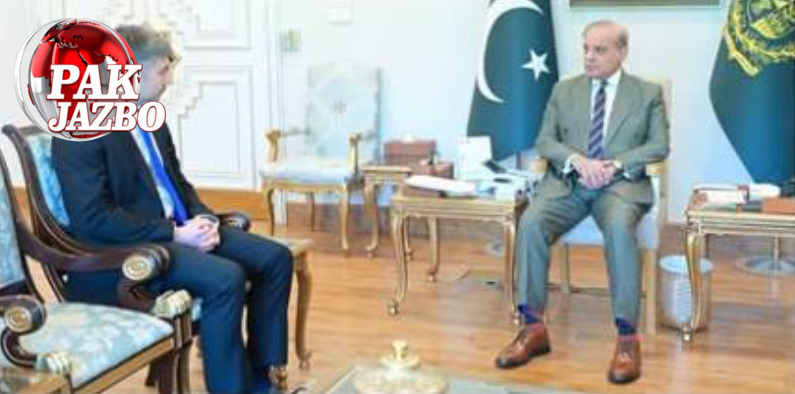
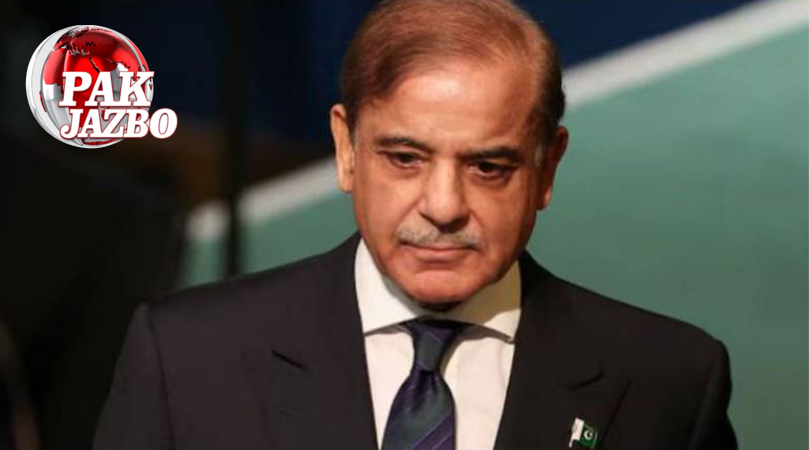
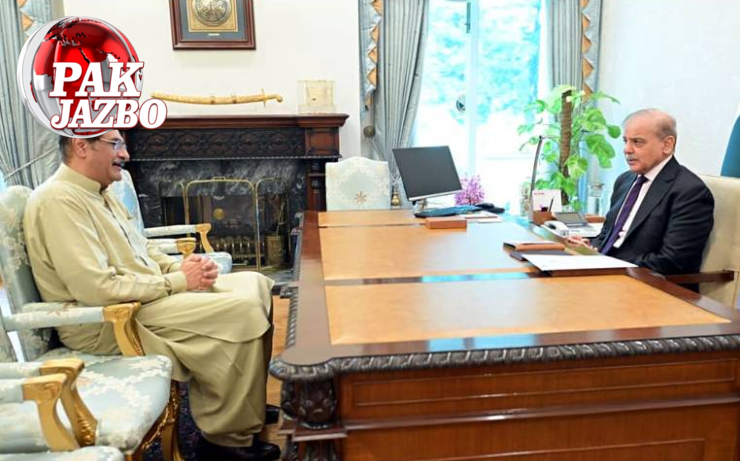
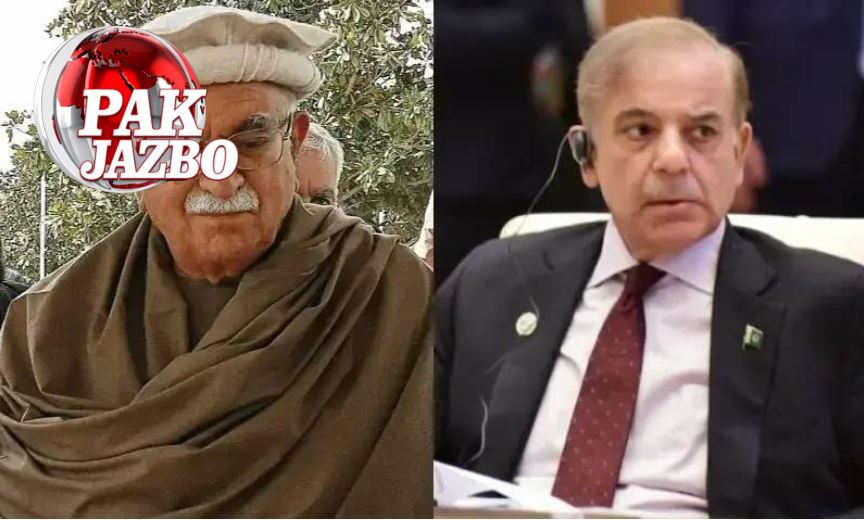
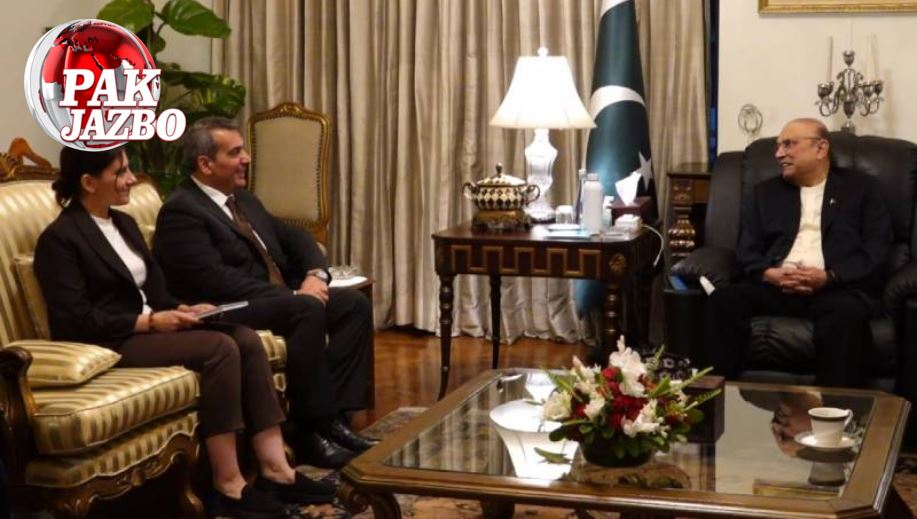
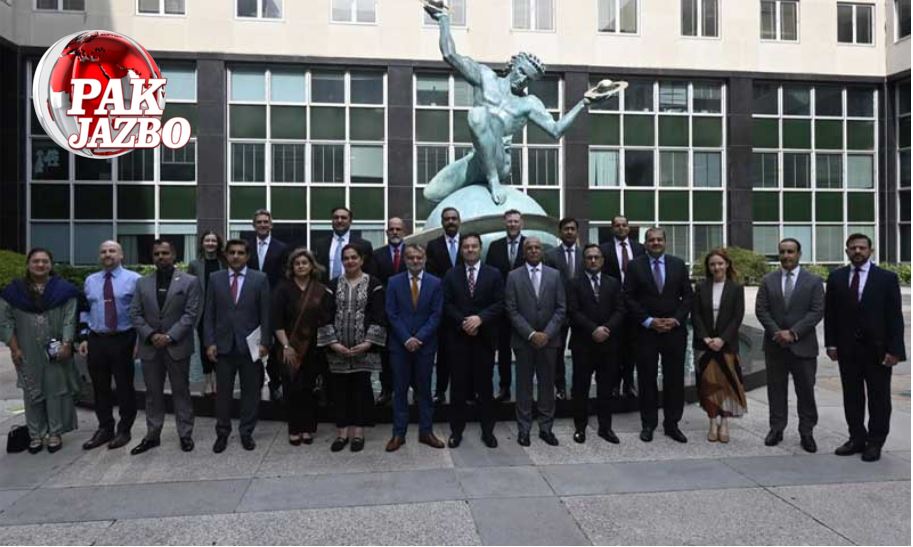
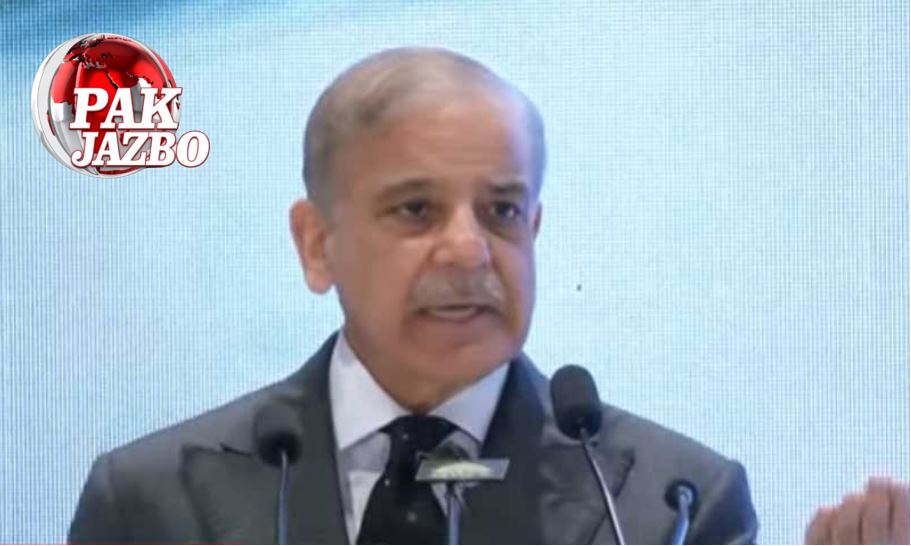
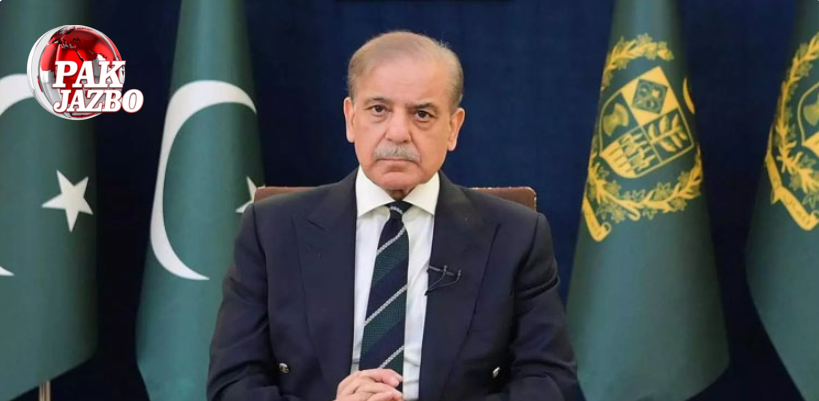
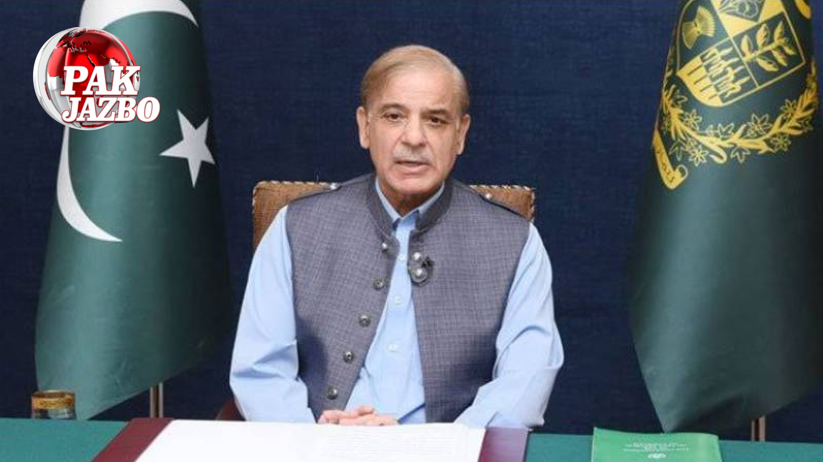
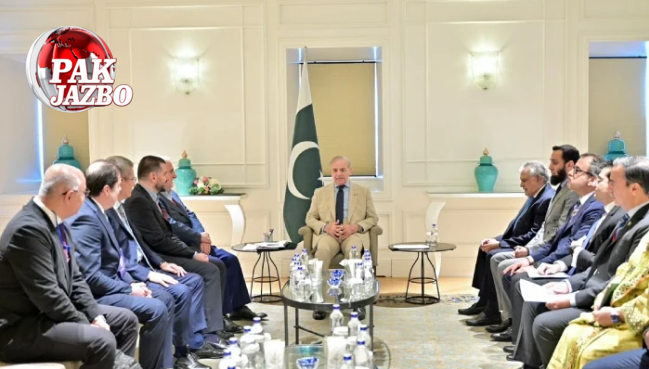
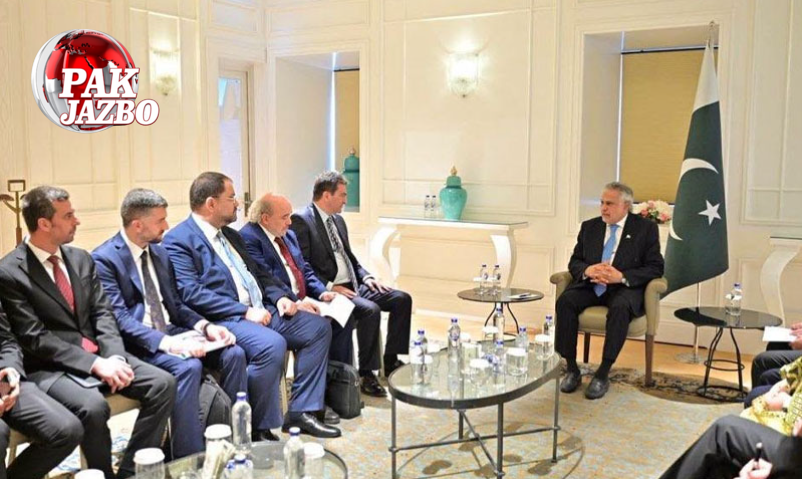
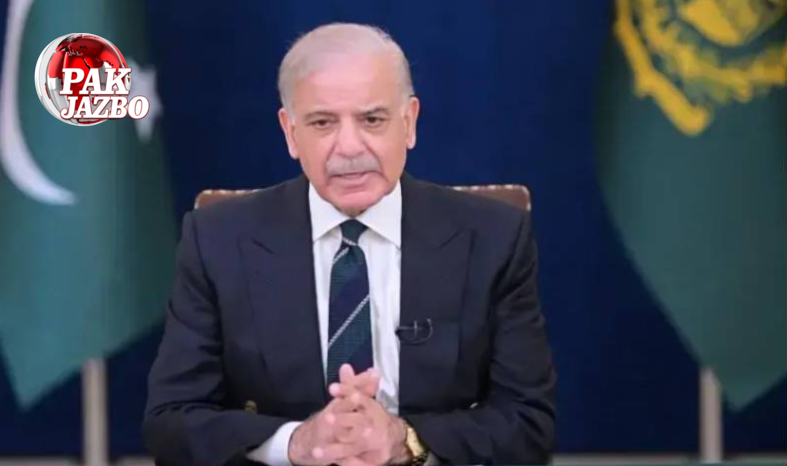
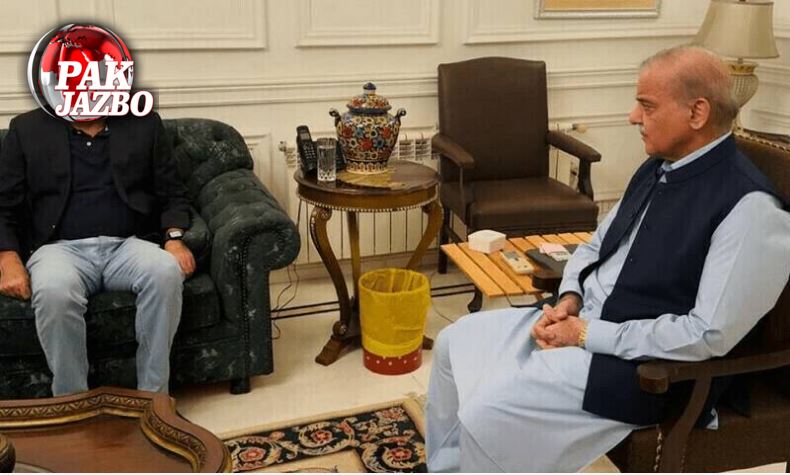
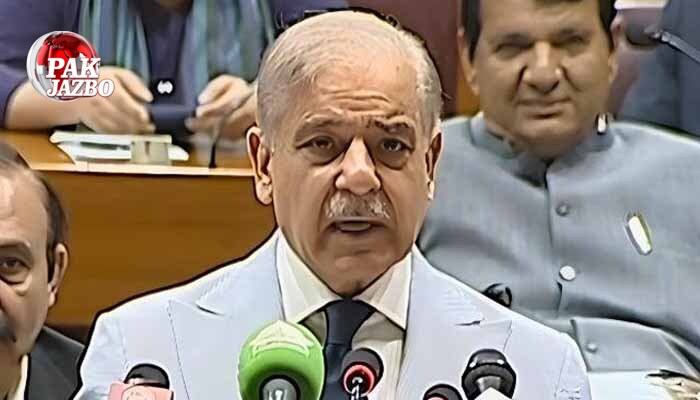
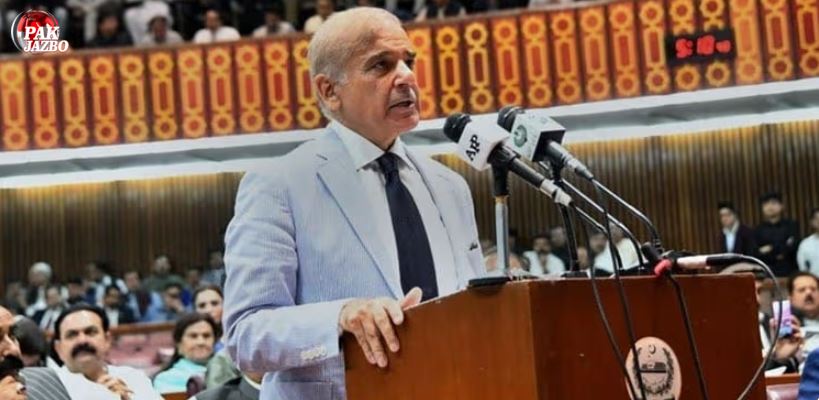
New York — Prime Minister Shehbaz Sharif held a high-profile meeting with United Nations Secretary-General Antonio Guterres on the sidelines of the 79th UN General Assembly session, where he raised a series of critical national and regional concerns. These included India’s alleged sponsorship of terrorism in Pakistan, violations of the Indus Waters Treaty, the unresolved Kashmir dispute, and the urgent need for climate finance for countries like Pakistan, which remain highly vulnerable to environmental shocks.
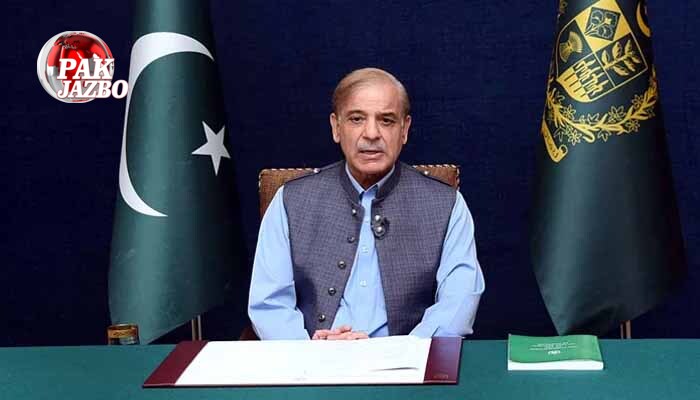
The meeting came shortly after the Prime Minister’s formal address to the General Assembly, during which he underscored Pakistan’s commitment to peace, regional stability, and multilateral cooperation. In his direct conversation with the UN chief, Shehbaz Sharif sought to draw global attention to what he described as pressing threats undermining peace and development in South Asia and beyond.
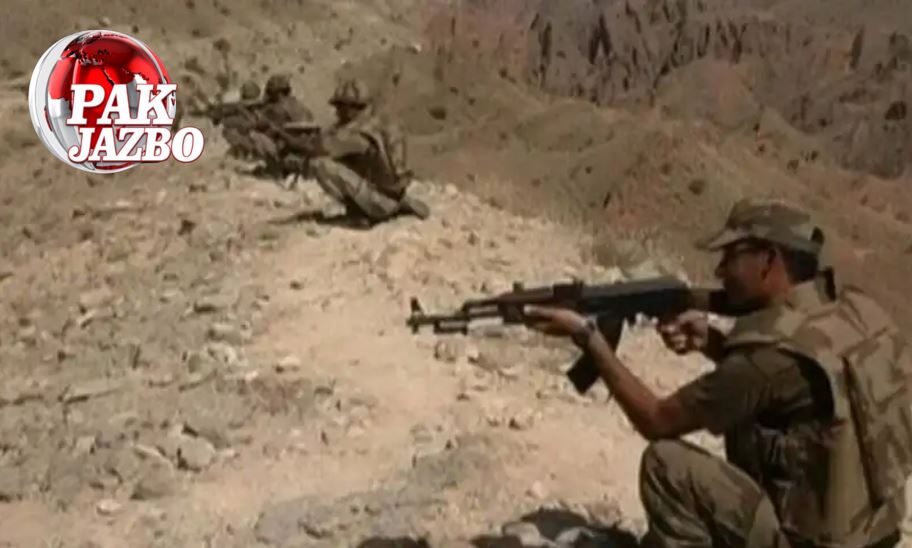
At the forefront of the talks was the issue of terrorism. The Prime Minister alleged that Pakistan continues to suffer from cross-border terrorism “sponsored from outside” and urged the Secretary-General to take notice of destabilizing activities that threaten not only Pakistan’s security but also wider regional stability. He stressed that terrorism undermines peace-building, slows economic progress, and diverts resources from critical development and climate resilience initiatives.
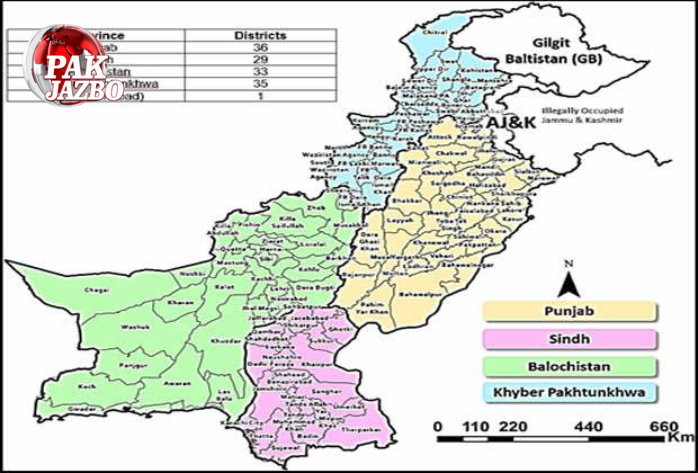
On Kashmir, Shehbaz Sharif reiterated Pakistan’s longstanding position, calling for a fair and peaceful settlement of the dispute in accordance with UN Security Council resolutions. He reminded Guterres that the Kashmiri people had waited decades for the international community to deliver on promises of self-determination. “Peace in South Asia is directly tied to resolving the Kashmir issue,” the Prime Minister said, urging the UN chief to play an active facilitative role.
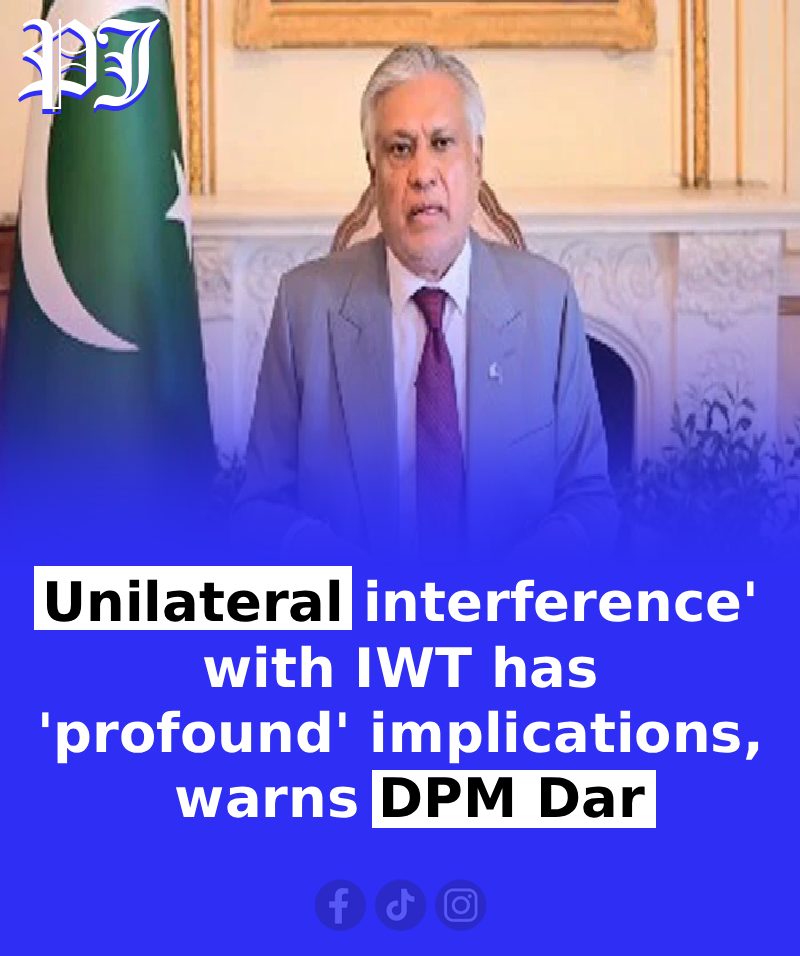
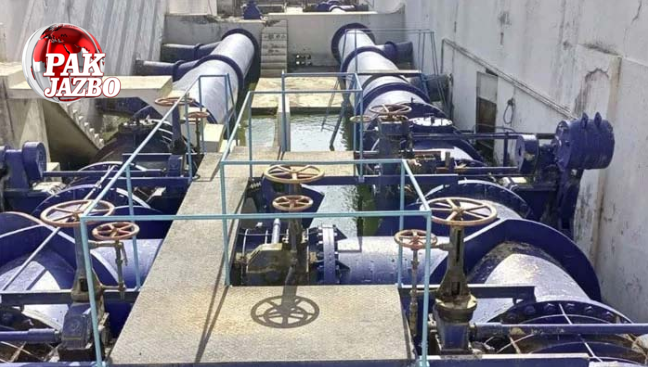
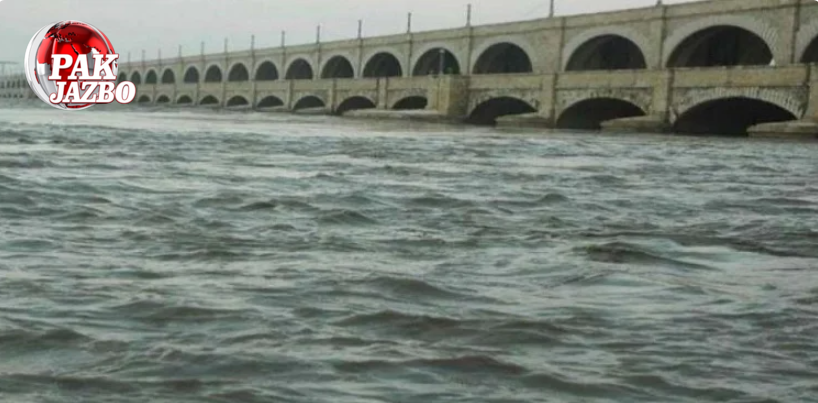
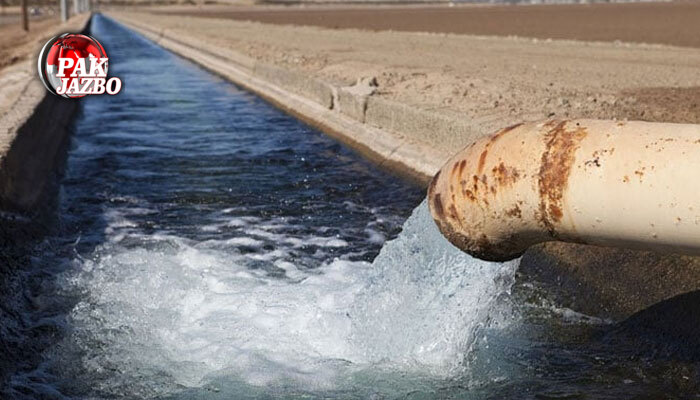
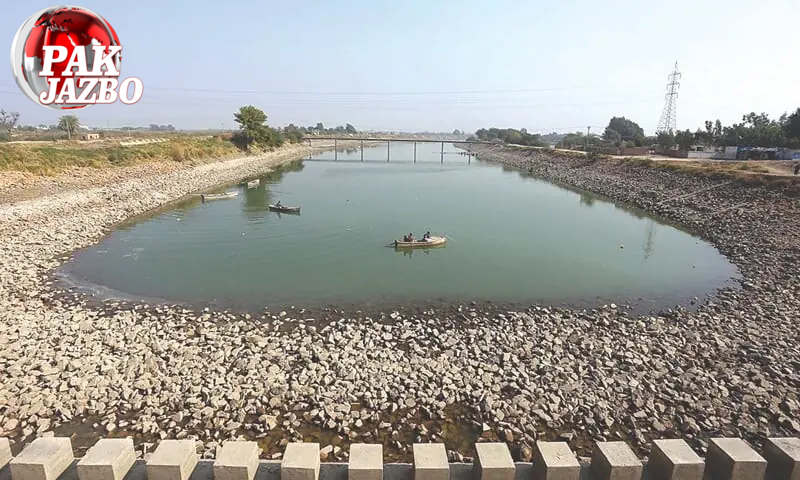
He also raised concerns over India’s alleged violations of the Indus Waters Treaty, a cornerstone agreement signed in 1960 that governs the use of rivers shared by the two countries. According to Shehbaz, India’s unilateral moves to divert or manipulate water flows are in breach of international commitments and directly threaten Pakistan’s water security. He requested UN attention to ensure that treaty obligations are respected to prevent future conflicts over shared natural resources.
The Prime Minister also touched upon the recent period of heightened tensions between Pakistan and India. He welcomed the Secretary-General’s past role in helping to de-escalate crises, praising his efforts for peace and stability in the region. “Pakistan values the UN’s impartial mediation in defusing tensions,” Shehbaz added, underscoring Islamabad’s willingness to pursue dialogue under the right conditions.
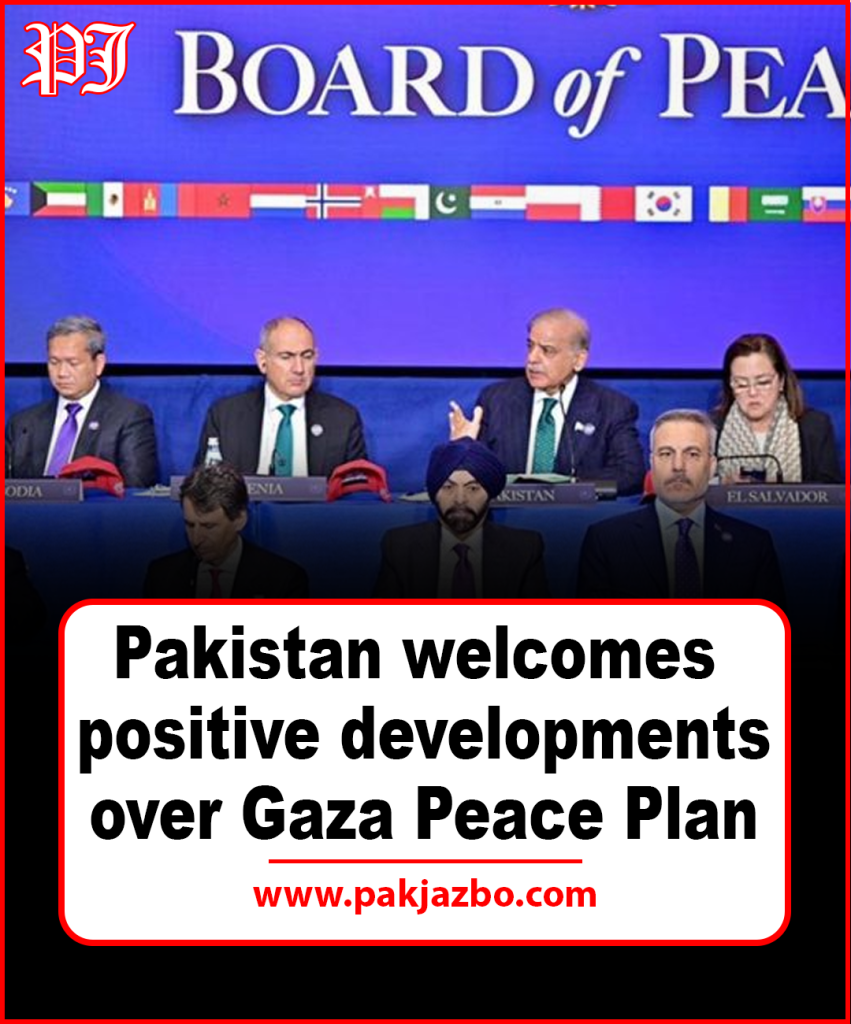
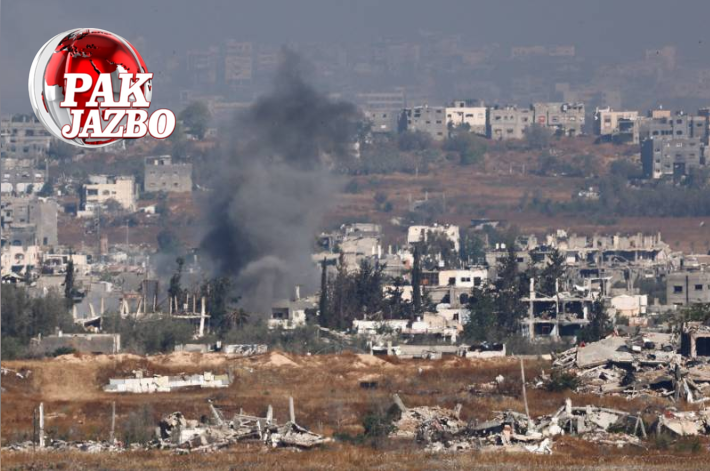
Beyond regional disputes, Shehbaz Sharif also highlighted Pakistan’s consistent support for the Palestinian cause. He reaffirmed Islamabad’s strong backing for an immediate ceasefire in Gaza and reiterated the call for the establishment of an independent Palestinian state. He said Pakistan views the crisis not just as a humanitarian tragedy but as a fundamental test of international justice and multilateralism.
The Prime Minister went on to emphasize the importance of strengthening multilateralism at a time when the world faces overlapping crises — from geopolitical rivalries to economic disruptions, terrorism, pandemics, and climate change. He assured the Secretary-General that Pakistan remains committed to the UN Charter and to playing a constructive role in addressing global challenges through collective solutions.
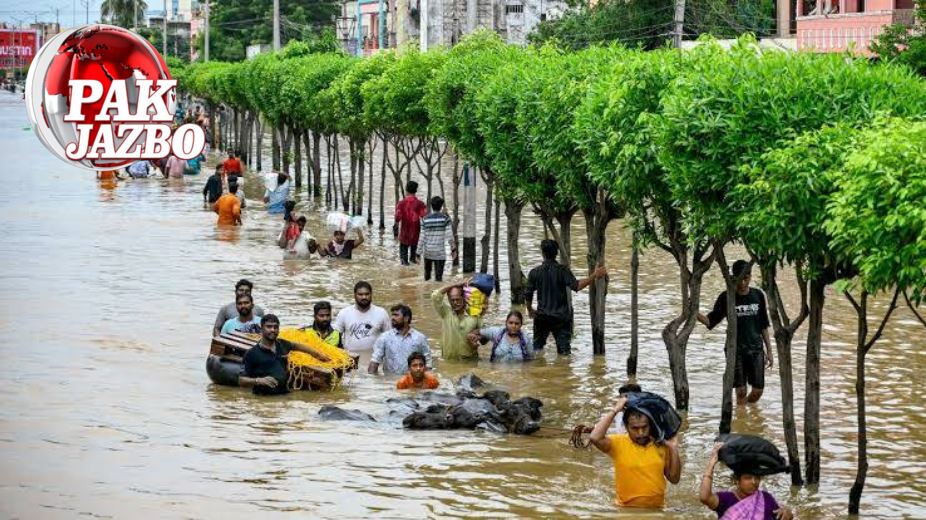
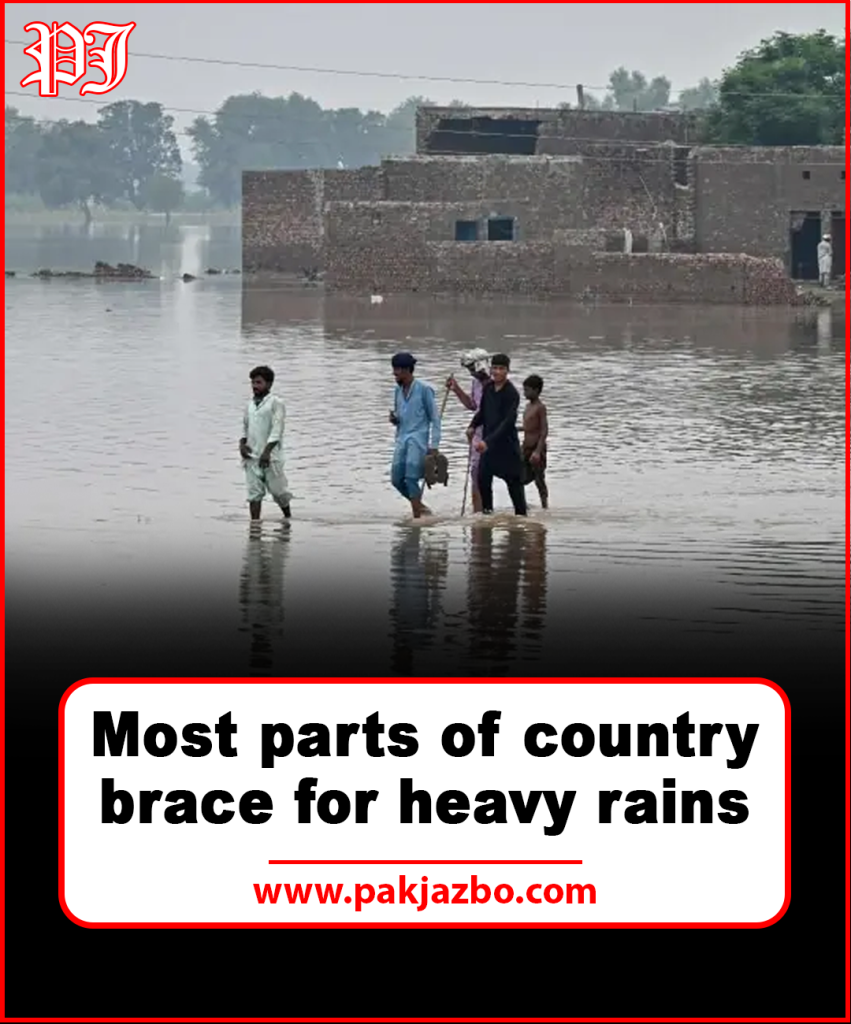
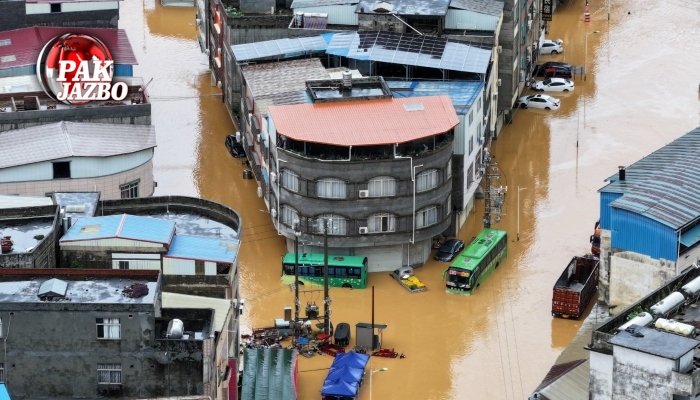
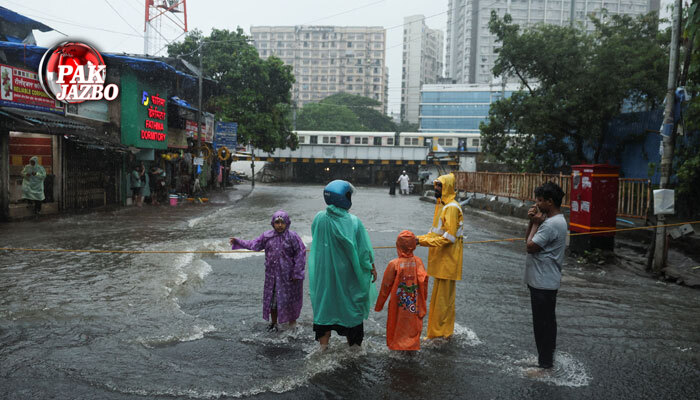
On climate change, Shehbaz Sharif expressed appreciation for the UN’s support following last year’s devastating floods in Pakistan, which displaced millions and caused damages worth billions of dollars. He stressed, however, that the scale of the crisis demands additional financing and sustained international assistance. “Countries like Pakistan, which contribute little to global emissions, are disproportionately paying the price,” he remarked, urging the UN to help mobilize climate finance and technology transfers for vulnerable nations.
The Prime Minister also underscored the broader link between climate resilience and economic stability. He warned that without adequate adaptation and financial support, climate disasters will continue to erode progress toward sustainable development in the Global South.
For his part, Antonio Guterres reportedly assured the Pakistani leader of the UN’s continued engagement on humanitarian and development fronts. Guterres has previously been vocal about the climate injustice faced by Pakistan, visiting flood-hit areas last year and calling for global solidarity in recovery and reconstruction efforts.
Diplomatic observers note that the meeting was strategically timed. By raising terrorism, Kashmir, and water issues alongside global matters like Gaza and climate change, Shehbaz Sharif sought to position Pakistan not just as a regional actor with grievances but as a responsible international stakeholder pushing for peace, justice, and sustainability.
The meeting underscored Islamabad’s efforts to leverage the UN platform to highlight what it sees as existential security and survival concerns. Whether these appeals translate into tangible UN action or renewed diplomatic attention remains uncertain, but the engagement reflects Pakistan’s determination to keep its key issues alive on the global agenda.
What’s your Reaction?
+1
+1
+1
+1
+1
+1

