











































































































































































































































































































































































































































































































































































































































































































































































































































































































































































































































































































































































































































































































































































































































































































































































































































































































































































































































































































































































































































































































































































































































































































































































































































































Two Japanese Boxers Die from Head Injuries During Tokyo Boxing Event


A tragic incident has shaken the boxing world in Japan, where two professional fighters lost their lives due to severe head injuries sustained during matches in Tokyo earlier this month. The consecutive deaths have prompted immediate changes to boxing regulations in the country and raised fresh concerns about athlete safety in high-impact sports.
The first victim, 28-year-old Hiromasa Orakawa, was competing on August 2 against Yuji Saito. The bout reached the eighth round when Orakawa was knocked out. He collapsed in the ring and was quickly rushed to a nearby hospital. Doctors determined that he had suffered a serious brain injury caused by the impact of repeated blows to the head. Despite undergoing emergency treatment, Orakawa passed away on Saturday, six days after his fight.
Just one day earlier, on Friday, another 28-year-old boxer, Shigetoshi Kotari, succumbed to similar injuries. Kotari had also fought on August 2, sustaining head trauma during his match. Like Orakawa, he was taken to the hospital immediately after his fight, where scans revealed a blood clot in the brain. Both fighters underwent urgent surgery to remove the clot, but neither could recover from the damage.
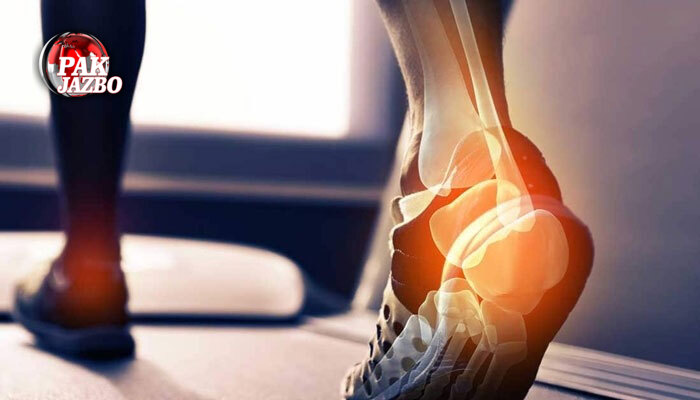
Medical experts note that acute subdural hematomas—blood clots between the brain and its outer covering—are among the most dangerous injuries in boxing. The condition can develop rapidly after blunt-force trauma, leading to swelling, increased intracranial pressure, and, if not treated swiftly and effectively, death.
The World Boxing Organization (WBO) issued a statement expressing deep sorrow over the loss of the two athletes. “The passing of Hiromasa Orakawa and Shigetoshi Kotari is a devastating blow to the boxing community,” the statement read. “Our thoughts are with their families, friends, and all who knew them.”
In response to the tragedy, the Japan Boxing Commission (JBC) has announced an immediate change to match regulations. All Oriental and Pacific Boxing Federation (OPBF) title fights, which were previously contested over 12 rounds, will now be limited to 10 rounds. Officials believe the reduction could help minimize fatigue and lower the risk of severe injuries in prolonged bouts.
Japanese sports media report that the commission has also launched a formal investigation into the circumstances surrounding both deaths. A special meeting is scheduled for September, where boxing safety protocols will be reviewed, and additional preventive measures may be proposed. These could include stricter medical checks before fights, enhanced monitoring during bouts, and updated training guidelines to reduce repeated head impacts in practice.
The double tragedy has sparked broader conversations about the inherent risks of boxing, a sport where blows to the head are not just incidental but a central aspect of competition. While protective measures such as medical supervision, time limits, and strict officiating are already in place, incidents like these highlight the ongoing dangers fighters face every time they step into the ring.
Boxing historians point out that Japan has a proud tradition in the sport, producing world champions and hosting major international events. However, the country has also faced previous incidents of ring-related fatalities, which have prompted periodic reforms over the decades. This latest occurrence is expected to lead to another round of safety improvements, especially in the professional circuit where fighters endure more intense competition.
Athlete welfare advocates argue that even with changes to match duration, the sport will continue to carry risks as long as head trauma remains a routine part of combat. Some have suggested introducing mandatory extended recovery periods between matches, more frequent brain scans for professional fighters, and real-time medical data monitoring during bouts to detect early signs of concussion or brain swelling.
Former Japanese champions have also weighed in, with many expressing heartbreak over the deaths. Several have called for trainers and referees to be extra vigilant in stopping fights early if a boxer shows signs of being overwhelmed, even if the fighter wishes to continue.
For the families of Orakawa and Kotari, the grief is compounded by the suddenness of the loss. Both men were in their physical prime, pursuing careers they were passionate about. Friends and fans have flooded social media with tributes, sharing memories of the fighters’ dedication, sportsmanship, and charisma in the ring.
Globally, the boxing community has been watching closely. Medical researchers and sports safety experts are urging organizations worldwide to consider whether similar changes—such as reducing the number of rounds—might be warranted in other regions to help safeguard fighters’ health.
In the short term, the Japan Boxing Commission’s new 10-round rule for OPBF title fights will take effect immediately. The results of the ongoing investigation, along with the recommendations from September’s special meeting, may lead to additional reforms in training, medical care, and fight oversight.
While no changes can undo the loss of Hiromasa Orakawa and Shigetoshi Kotari, officials, trainers, and athletes alike hope that their deaths will serve as a catalyst for making boxing safer in Japan and beyond. The tragedy is a sobering reminder that behind the glory, titles, and cheering crowds, the sport carries life-threatening risks that require constant vigilance and adaptation.
What’s your Reaction?
+1
+1
+1
+1
+1
+1