




































































































































































































































































































































































































































































































































































































































































































































































































NDMA Issues Nationwide Heavy Rain and Flood Alert from August 23 to 30


Islamabad –
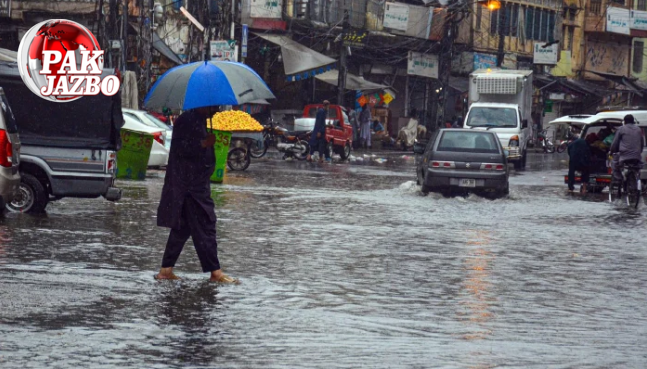
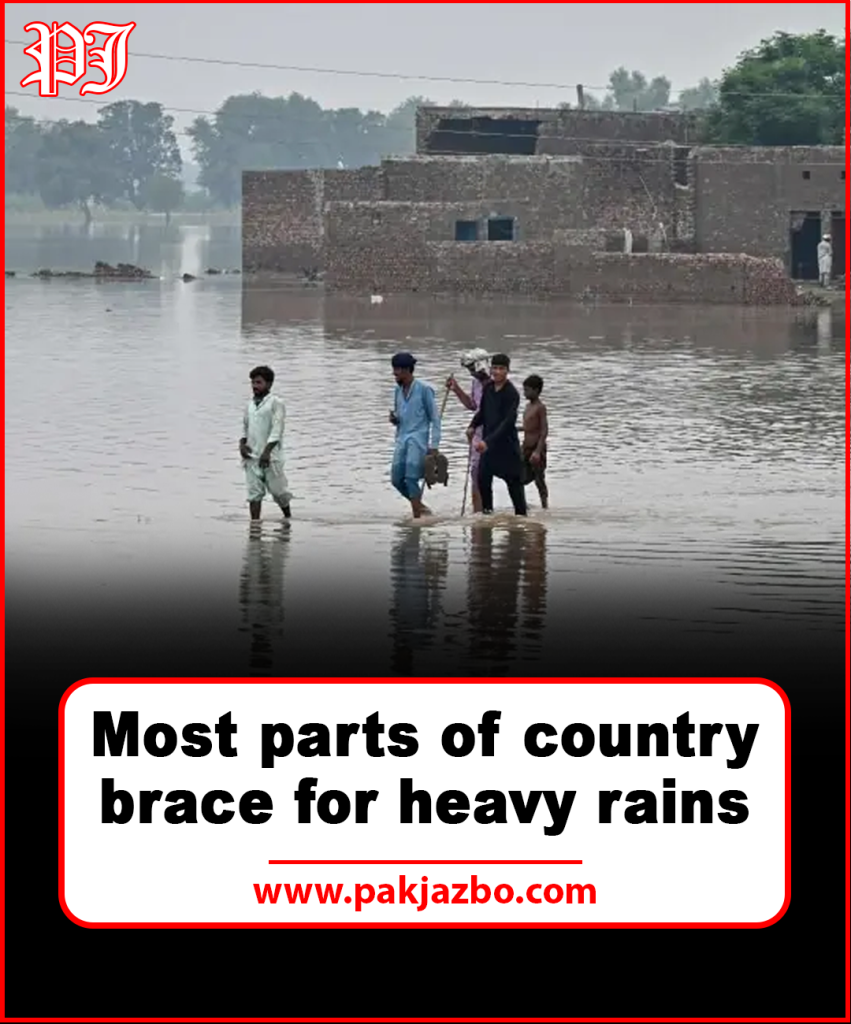
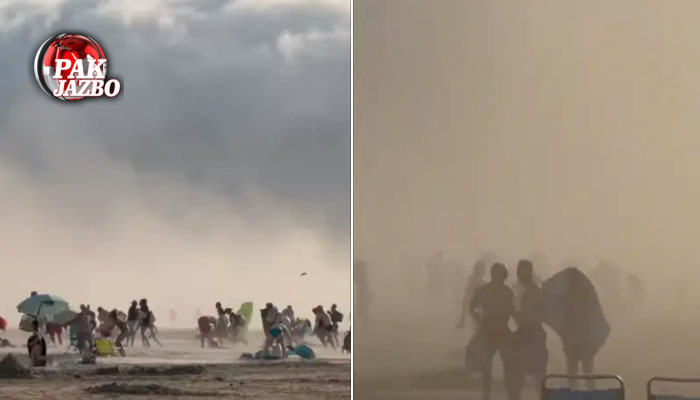
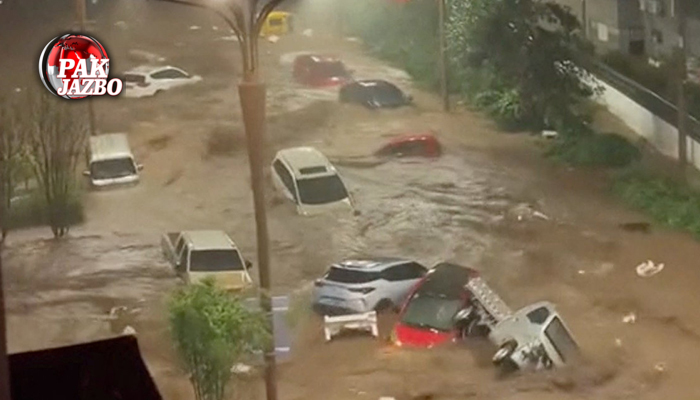
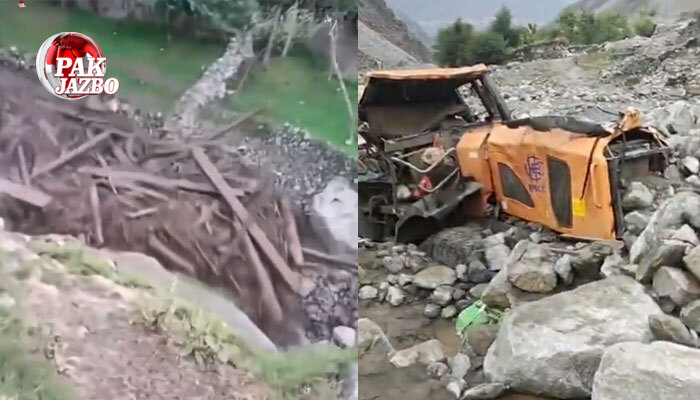
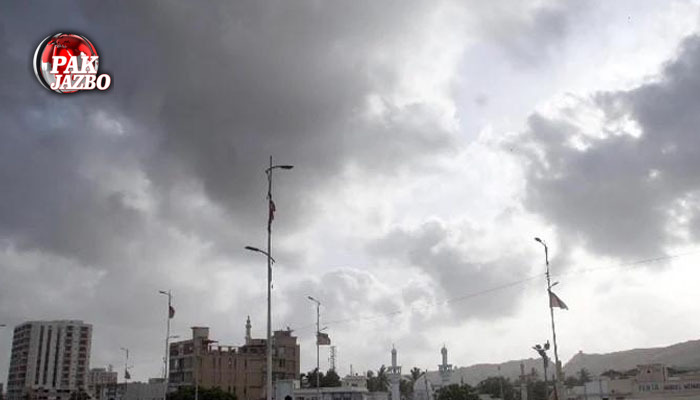
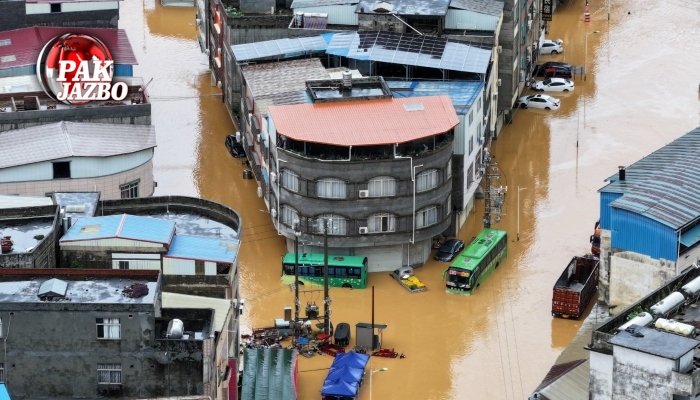
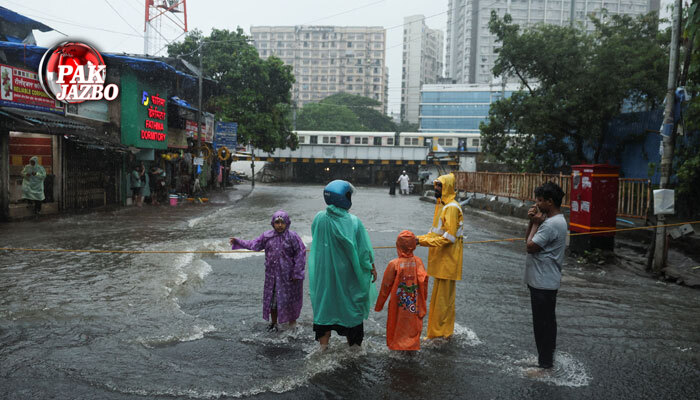
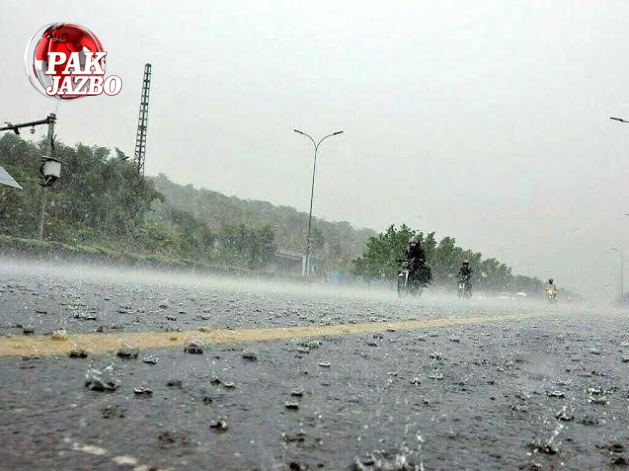
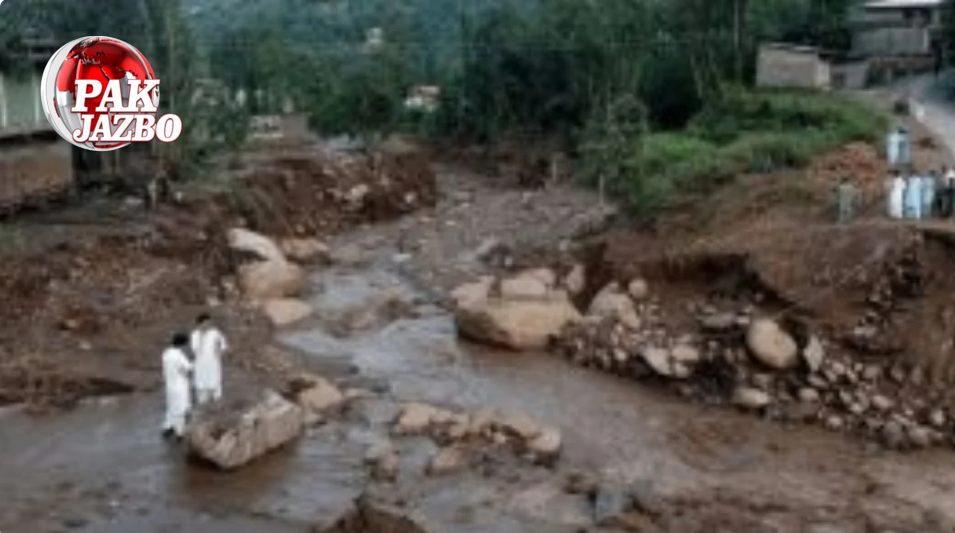
The National Disaster Management Authority (NDMA) has issued a countrywide alert, warning of widespread heavy rains and potential flooding across most regions of Pakistan between August 23 and August 30, 2025. The advisory highlights the risk of flash floods, urban flooding, landslides, and riverine overflow in multiple provinces and regions, urging citizens and local administrations to remain on high alert.
Widespread Rain Forecast
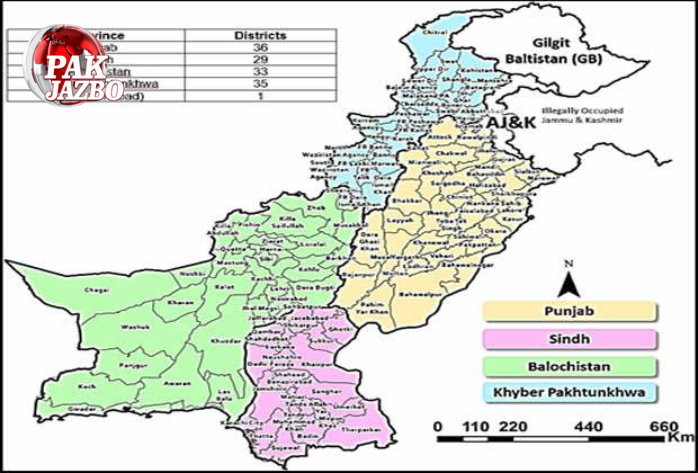
According to the NDMA’s weather forecast, Islamabad, Azad Jammu and Kashmir (AJK), Khyber Pakhtunkhwa (KP), and Punjab are expected to experience heavy downpours throughout the eight-day period. The authority has specifically identified several high-risk districts where rainfall may be particularly intense.
In Punjab, the districts of Rawalpindi, Attock, Jhelum, Mianwali, Khushab, Sargodha, Sialkot, Gujrat, and Hafizabad have been listed as vulnerable. These regions may experience both urban flooding and flash floods in low-lying areas.
In Khyber Pakhtunkhwa, the districts of Chitral, Dir, Swat, Shangla, Mansehra, Battagram, Abbottabad, Malakand, Peshawar, Charsadda, Nowshera, Mardan, Tank, Bannu, and Lakki Marwat are all under a heavy rainfall warning. Authorities fear that intense showers could trigger flash floods in mountain streams, particularly in Chitral and Dir, while flooding in Peshawar Valley could disrupt urban life.
Similarly, Gilgit-Baltistan (GB) has been flagged as a vulnerable region, with Gilgit, Skardu, Hunza, Ghizer, Diamer, Astore, Ghanche, and Shigar expected to see sustained rainfall. NDMA has warned that the steep terrain makes GB prone to landslides, which may block key roads and isolate communities.
Sindh and Karachi at Risk
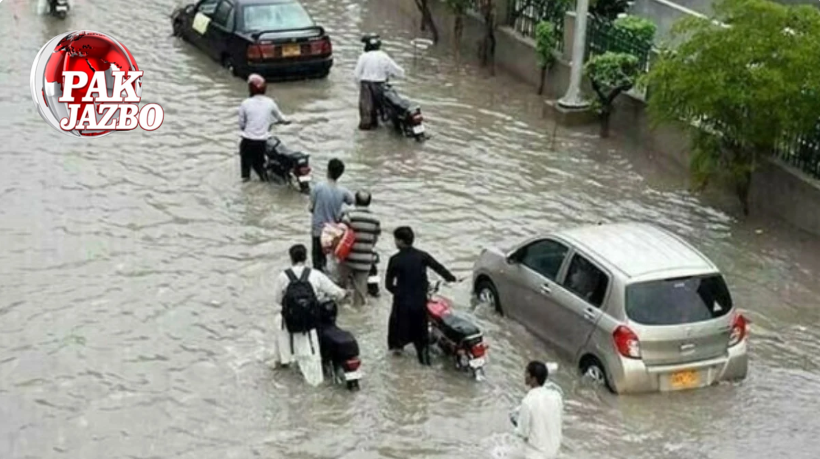
The NDMA alert extends to Sindh province, where Karachi is expected to receive heavy rainfall between August 27 and August 30. Urban flooding in the metropolis, already struggling with drainage issues, remains a significant concern.
Other Sindh districts, including Thatta, Sujawal, Badin, and Tharparkar, are also forecasted to experience heavy rain in the same period. Meanwhile, Hyderabad, Jamshoro, Nawabshah, Dadu, Khairpur, Sukkur, Ghotki, and Larkana have been added to the watchlist, with authorities asked to ensure drainage systems and relief operations remain ready.
Further north in Sindh, Jacobabad, Shikarpur, Kashmore, and Shaheed Benazirabad are also expected to witness rainfall, raising fears of flooding in rural areas and agricultural lands.
Balochistan’s Vulnerability
The forecast paints a concerning picture for Balochistan, where Lasbela, Khuzdar, Awaran, Kalat, Gwadar, Turbat, Kech, and Panjgur are all expected to experience torrential rains between August 27 and 30. Given Balochistan’s fragile infrastructure, NDMA has urged local administrations to take proactive steps to prepare for flash floods and possible disruptions to highways and communication networks.
Additionally, Quetta, Ziarat, Zhob, and Loralai are also forecast to receive heavy showers, while Barkhan, Musakhel, Dera Bugti, and Kohlu are likely to see intermittent but impactful rainfall. The mountainous terrain makes these areas particularly prone to flash floods and mudslides.
Risk of River Flooding
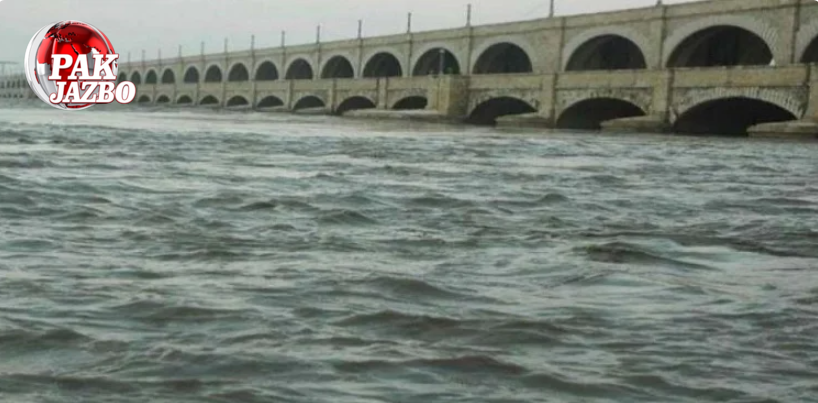
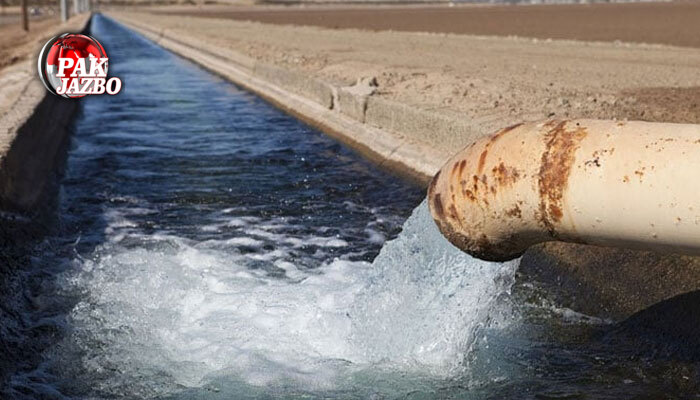
One of the key warnings issued by NDMA relates to Pakistan’s river systems. According to the authority, the Indus River is expected to swell significantly, with water flow levels reaching up to 500,000 cusecs at Taunsa, Guddu, and Kalabagh.
This raises the possibility of riverine flooding in low-lying areas along the Indus basin. Furthermore, the Ravi and Chenab rivers may also experience rising water levels, potentially impacting nearby settlements and agricultural zones.
Preparedness and Response
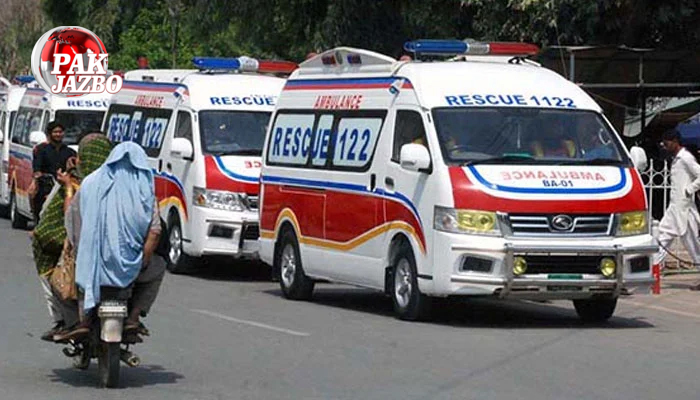
NDMA has instructed provincial disaster management authorities, district administrations, and relief agencies to remain vigilant and ensure all emergency response mechanisms are in place. The authority has also advised the general public to avoid unnecessary travel during heavy rains, stay clear of water channels, and heed evacuation orders promptly if required.
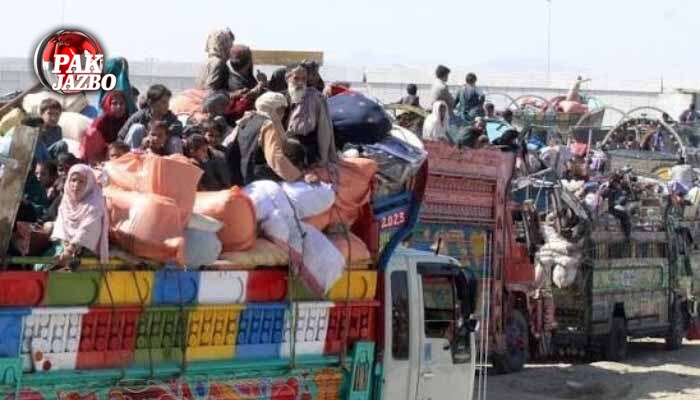
Special attention has been directed towards mountainous regions, where landslides could block major highways, cutting off access to remote villages. NDMA emphasized that relief convoys, medical assistance, and evacuation boats should be pre-deployed in high-risk areas.
Public Safety Advisory
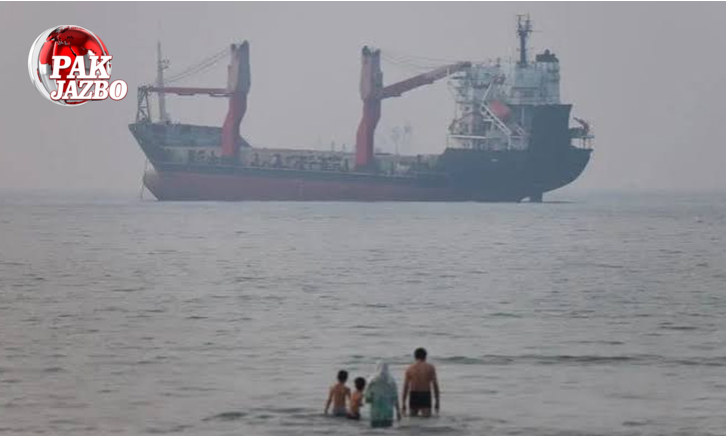
Authorities are also urging residents in flood-prone zones to move livestock and valuables to safer locations in advance. Fishermen have been cautioned against venturing into the sea during the forecast period, particularly along Sindh and Balochistan’s coastal belts, where heavy rainfall and high tides may coincide.
NDMA has assured that it is closely monitoring the evolving weather situation in coordination with the Pakistan Meteorological Department (PMD) and will continue to issue updates as the situation progresses.
Conclusion
The next week is likely to be one of the most challenging monsoon phases of 2025, with multiple regions of Pakistan at risk of severe rainfall, flooding, and landslides. Authorities stress that preparedness, public cooperation, and timely evacuation can greatly minimize the loss of lives and property.
What’s your Reaction?
+1
+1
+1
+1
+1
+1