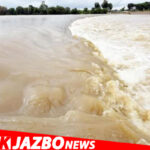

















































































































































































































































































































































































































































































































































































































































































































































































































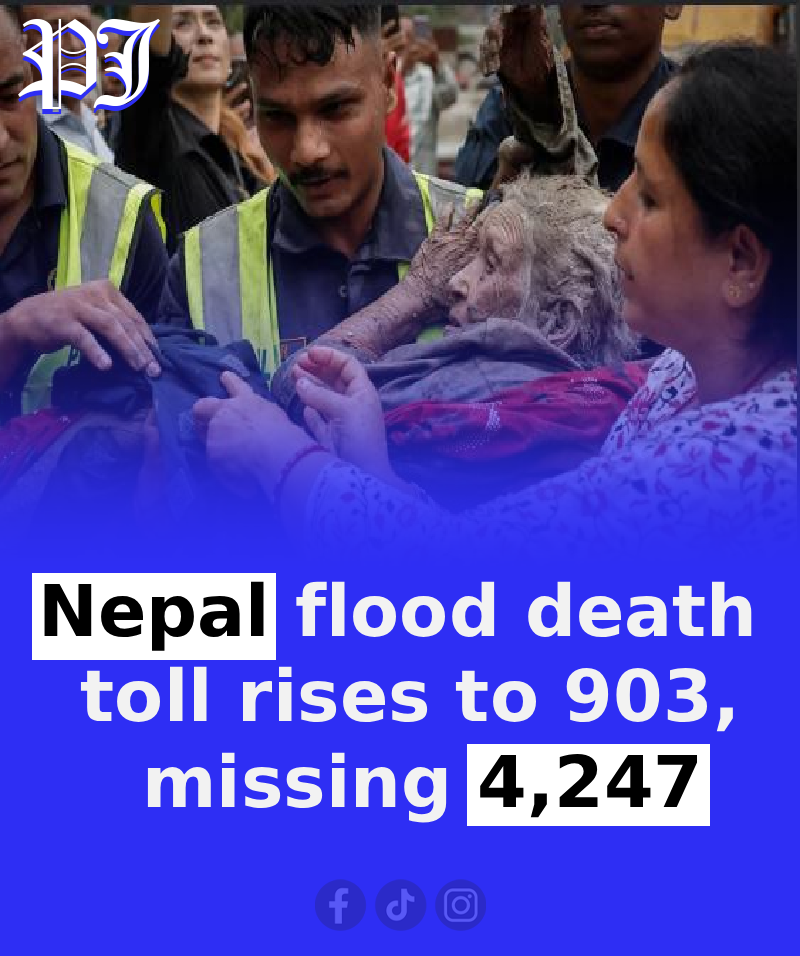


















































































































































































































































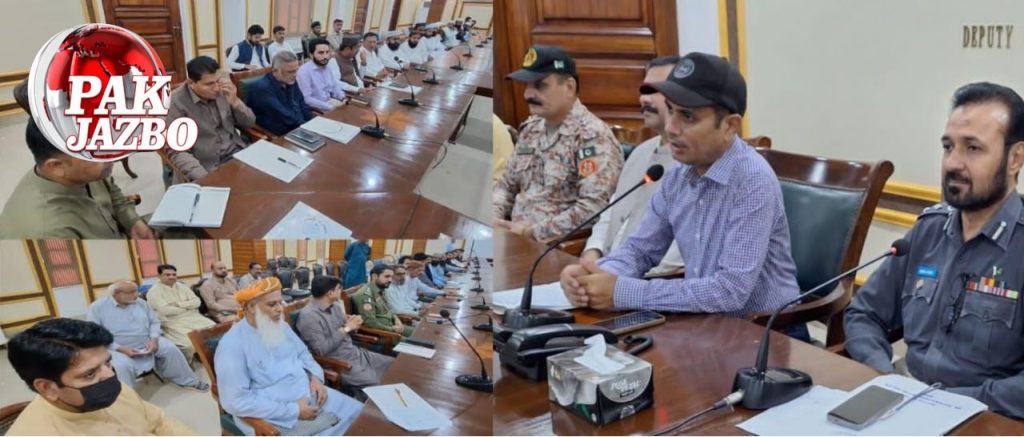
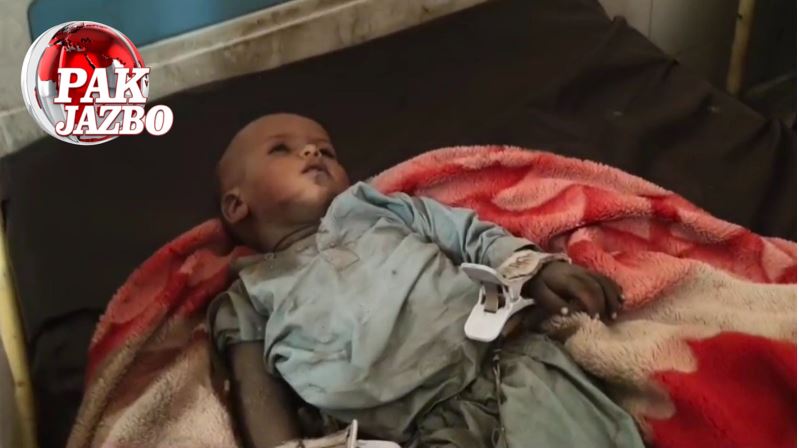
























































































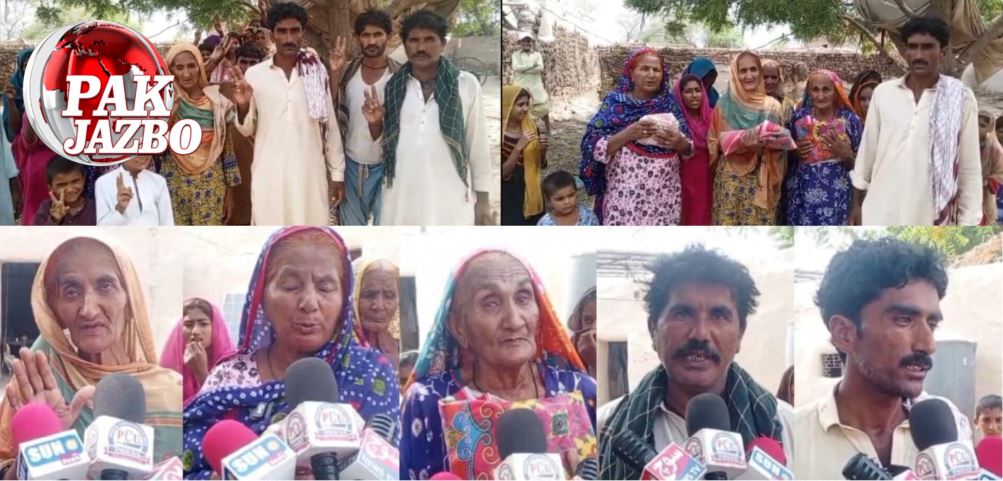





































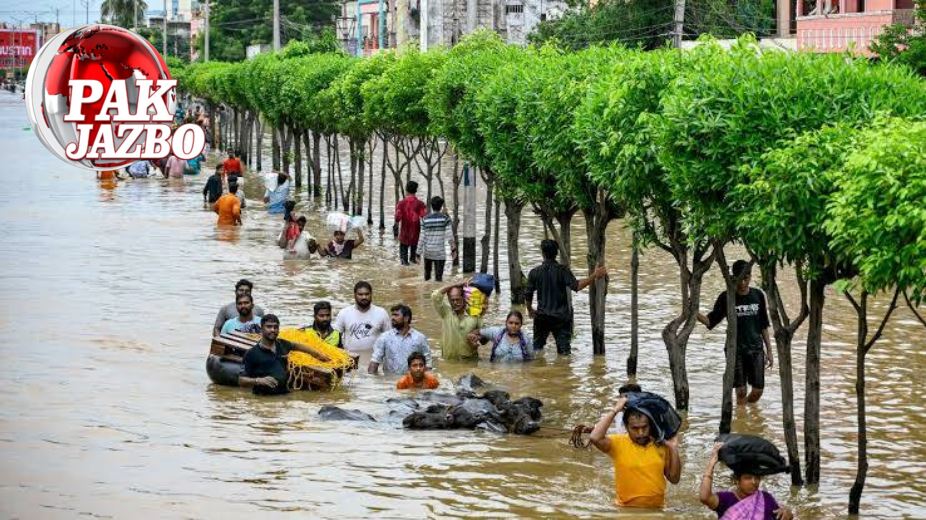

















































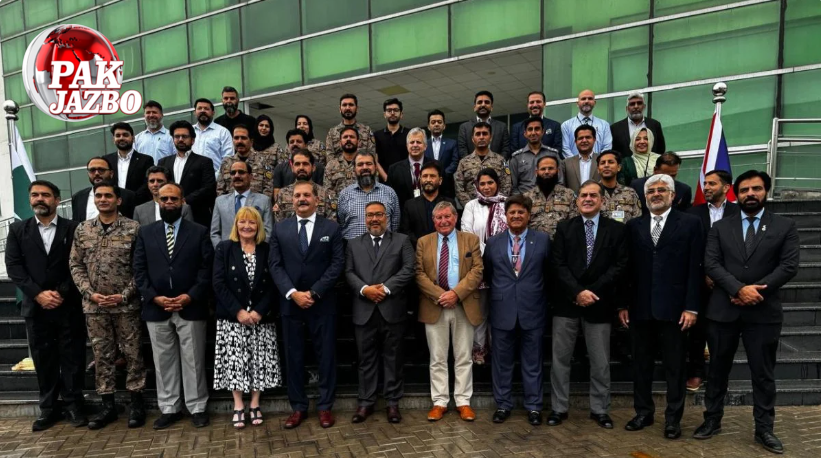

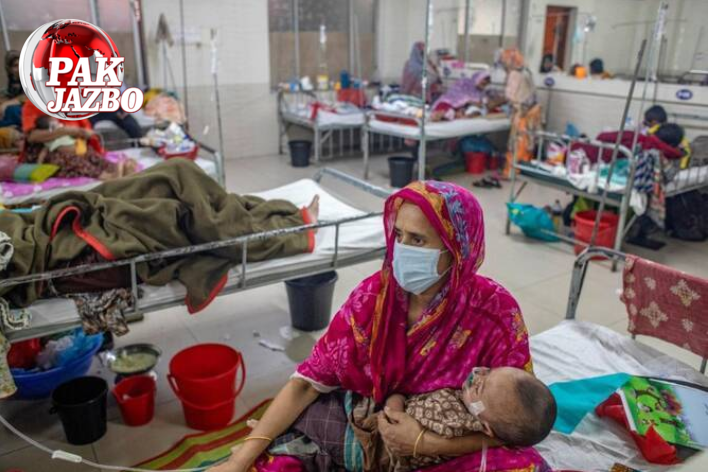












































































































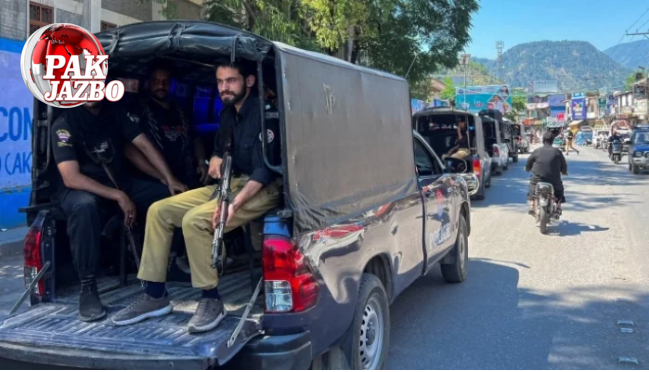


















































































































































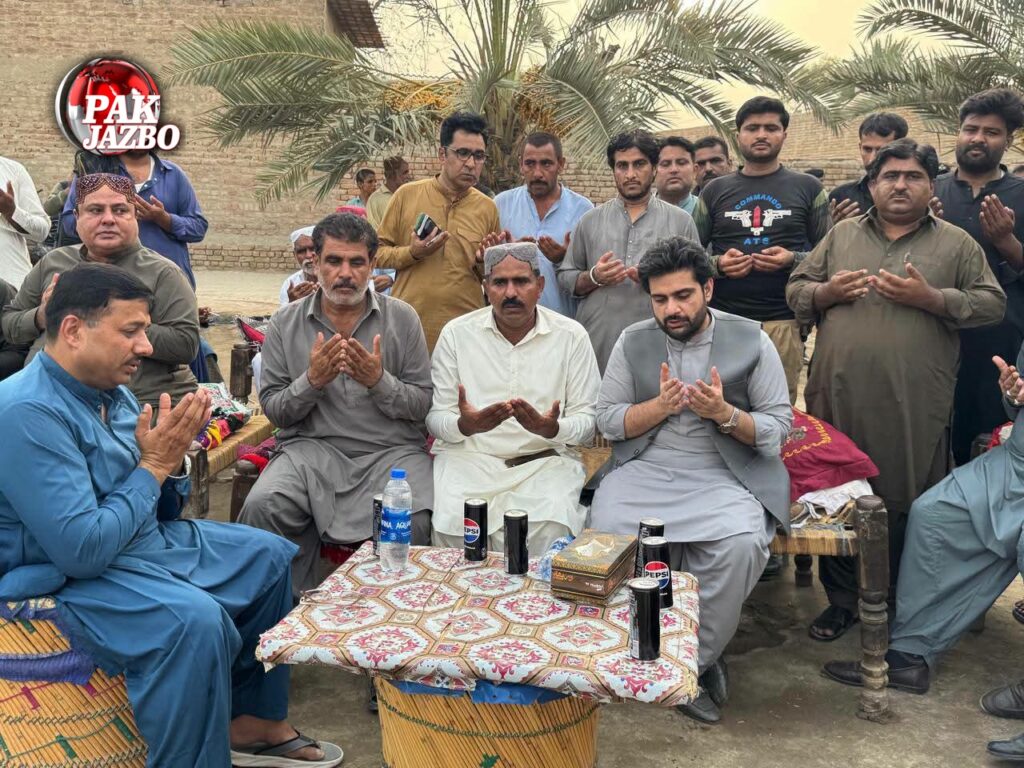








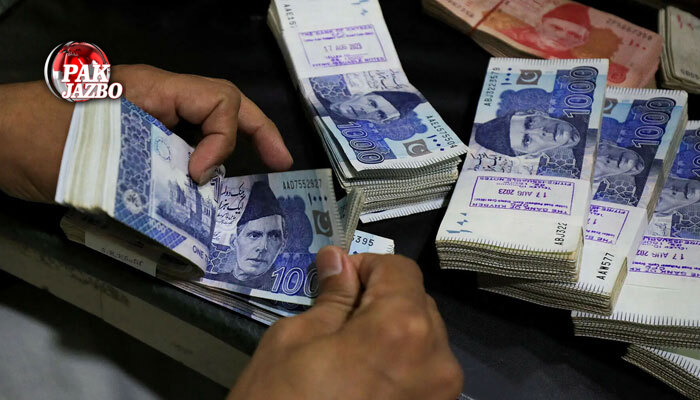
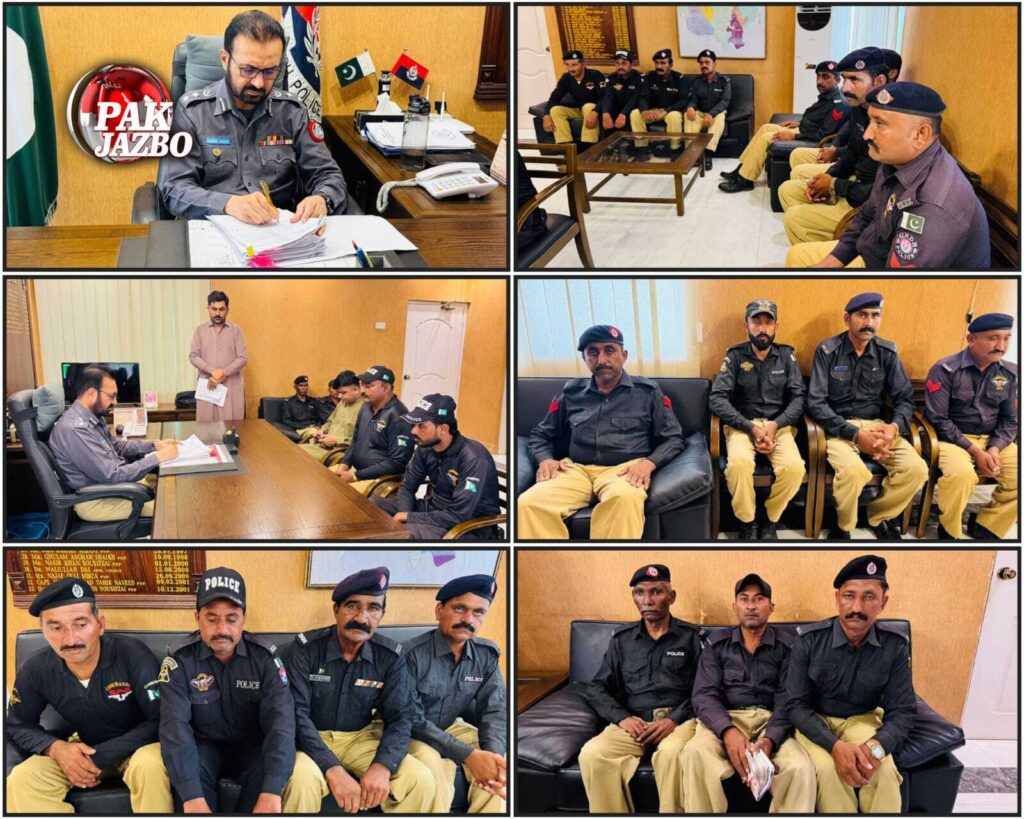


















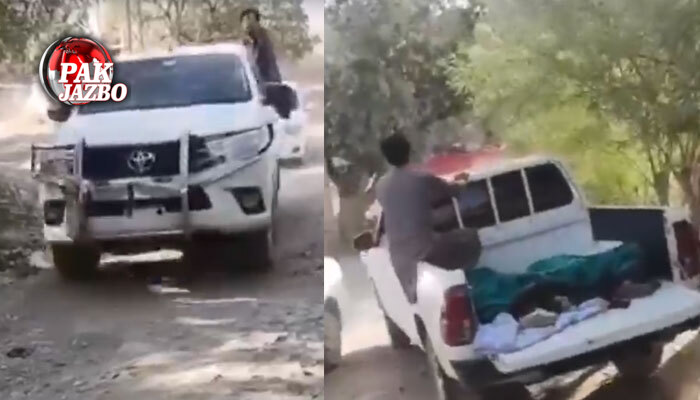

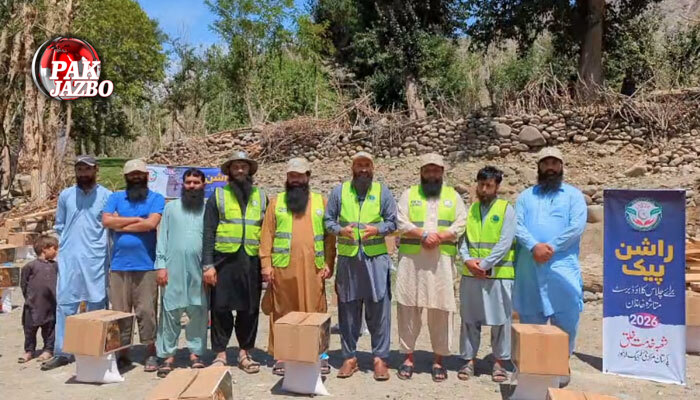


































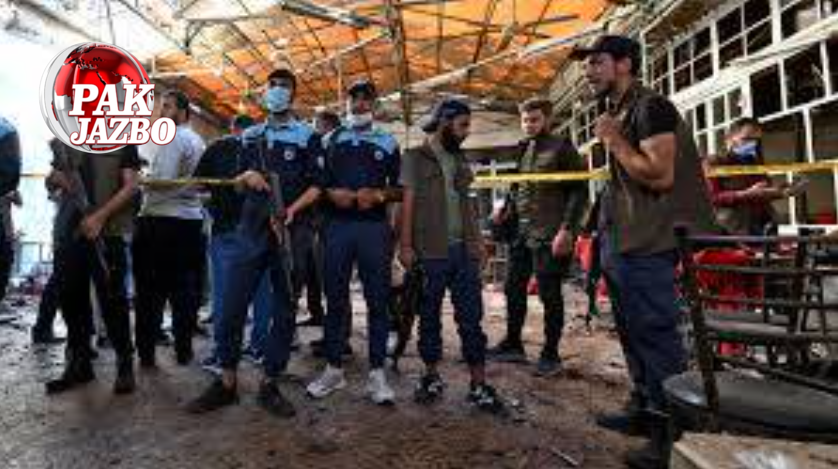









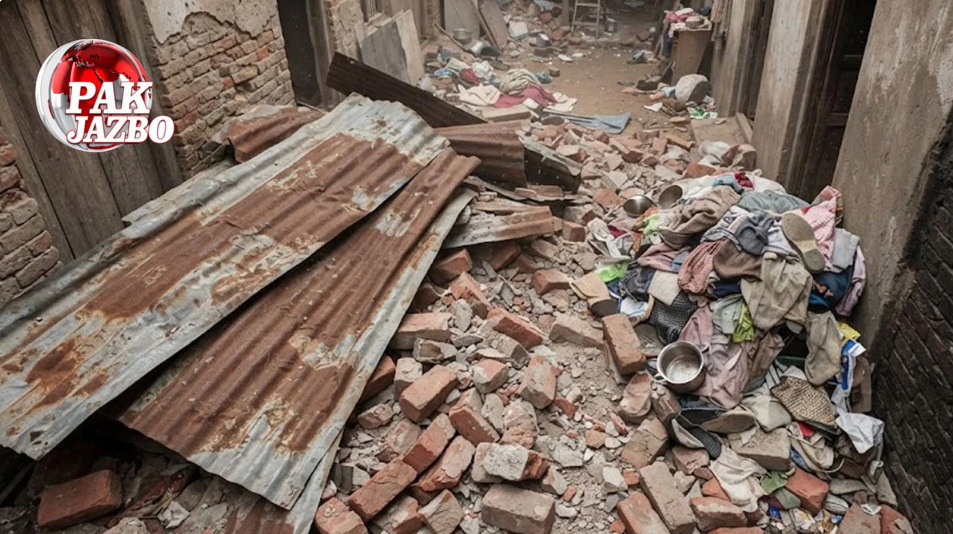

































































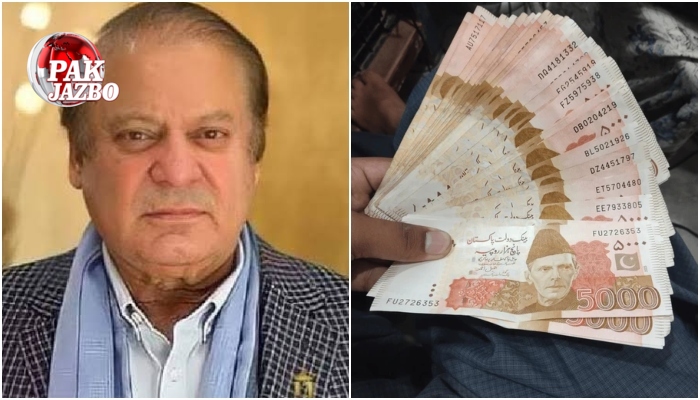


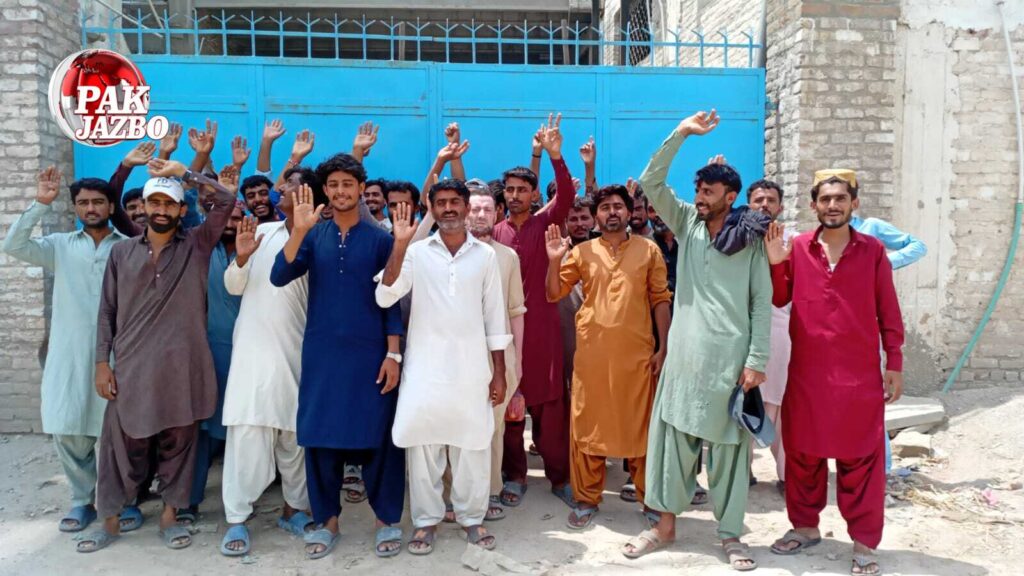







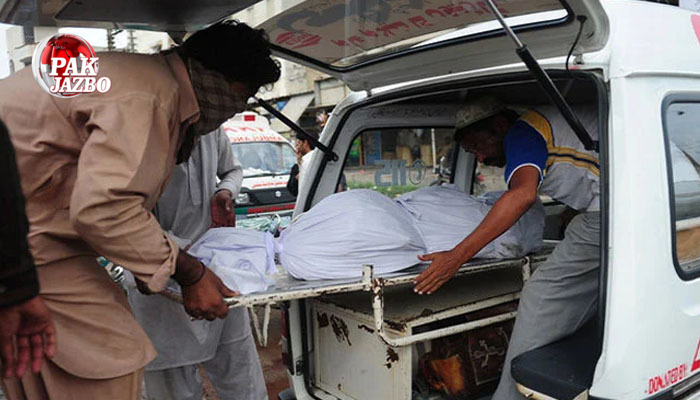











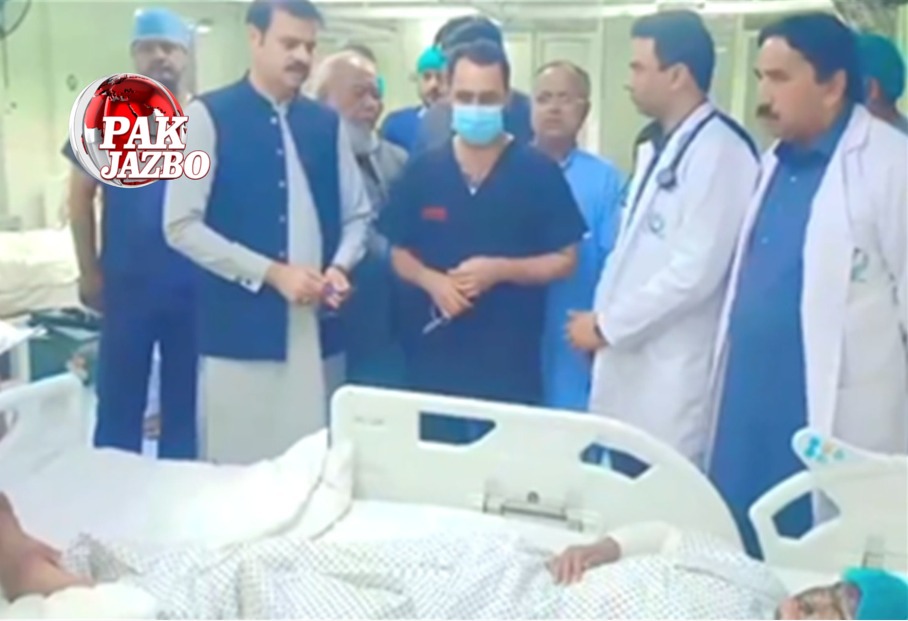




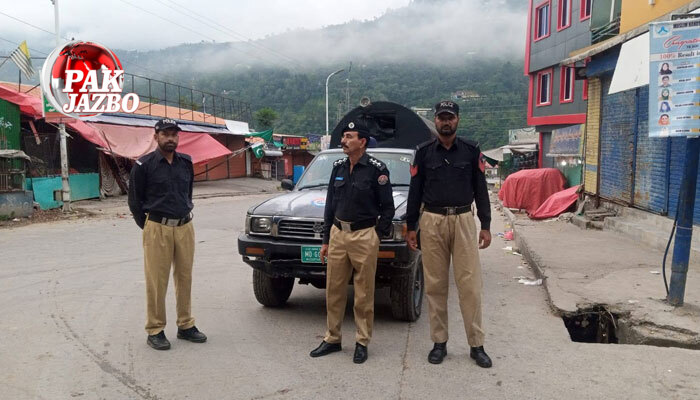










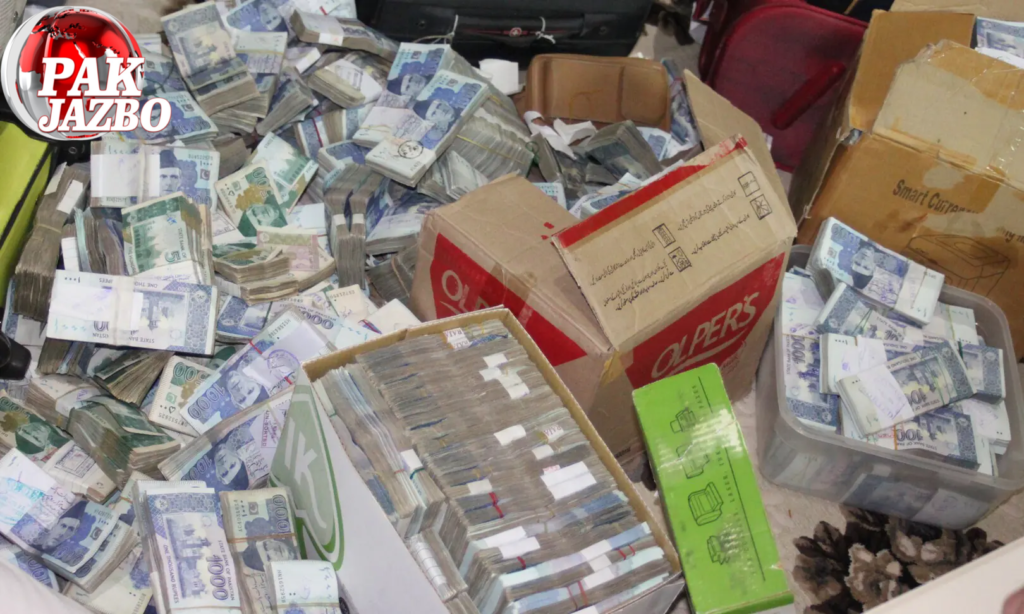










































































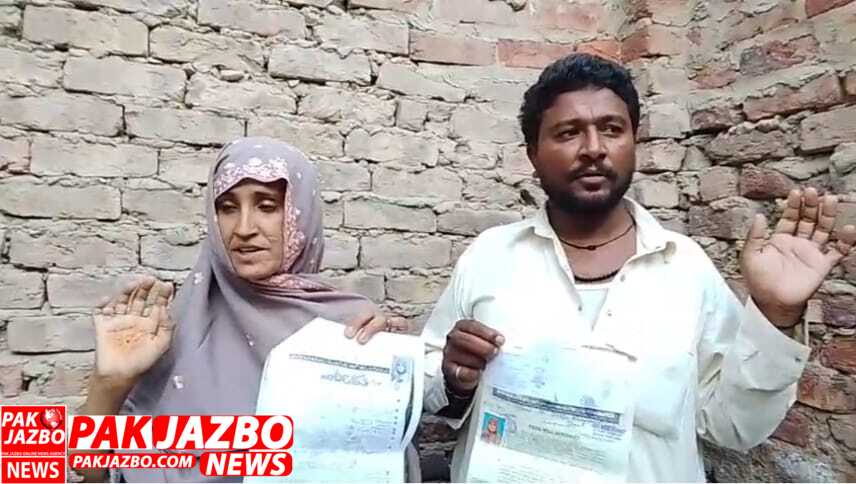


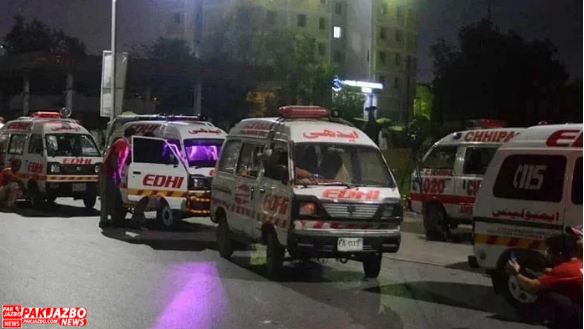























Compensation Distributed in Shangla: Over Rs. 72 Million Paid to Families of Flood Victims


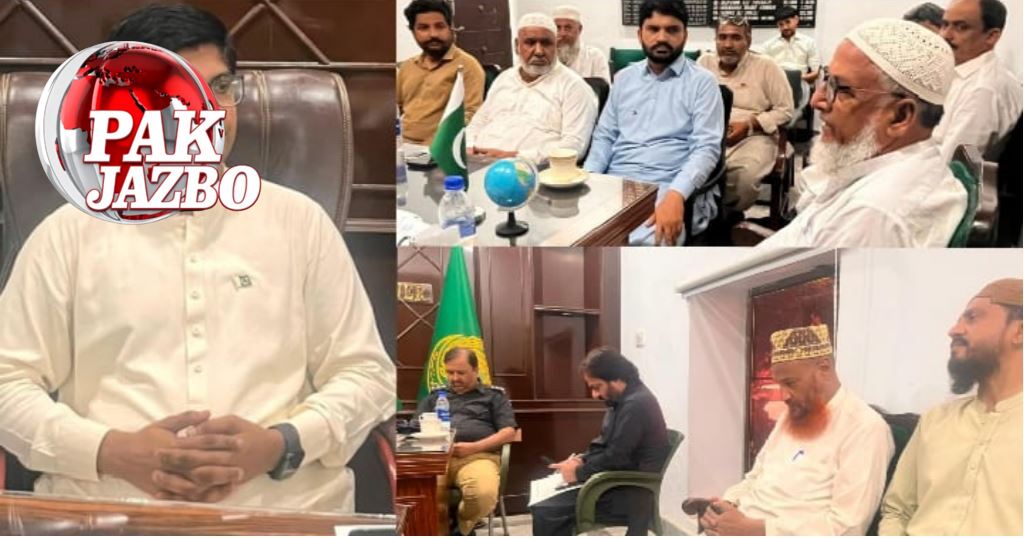
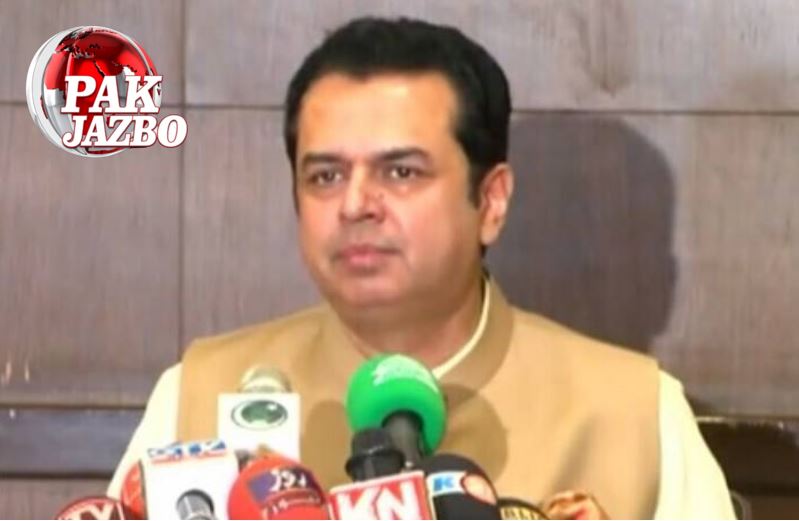
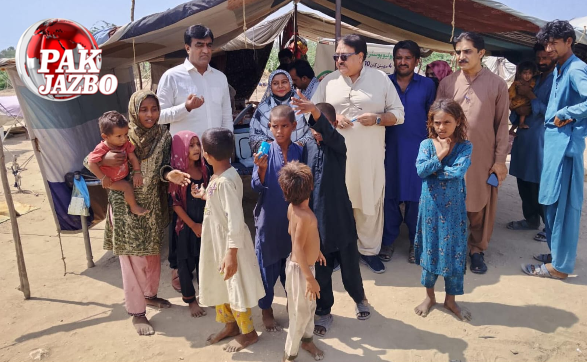
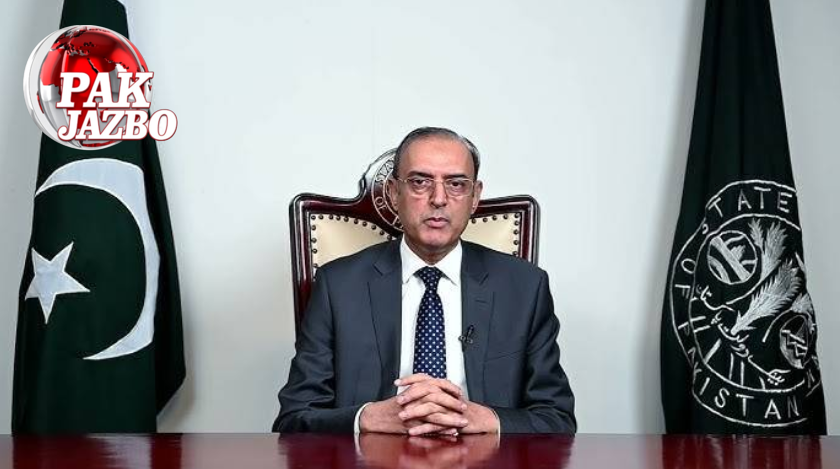
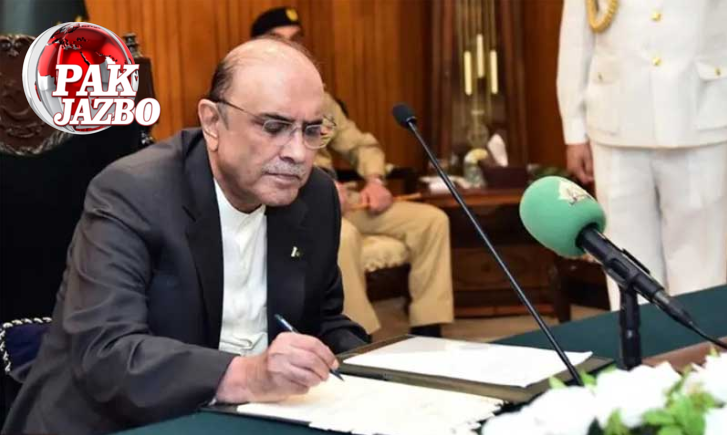
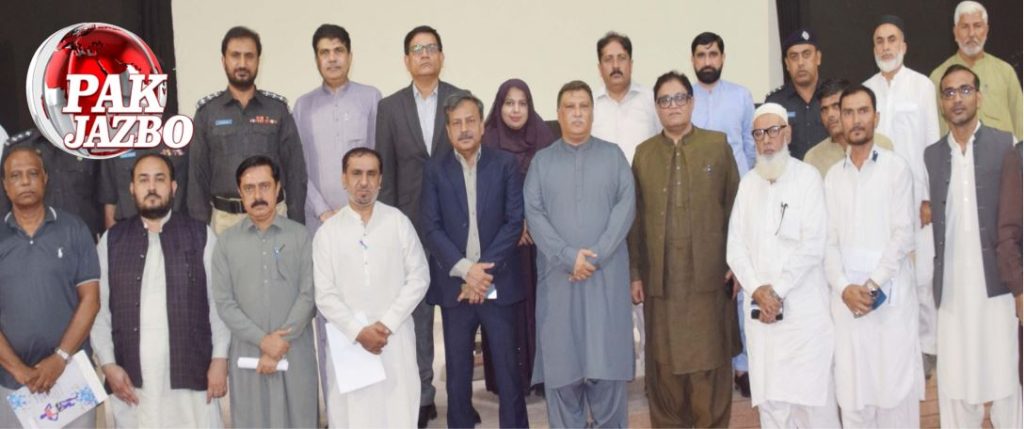
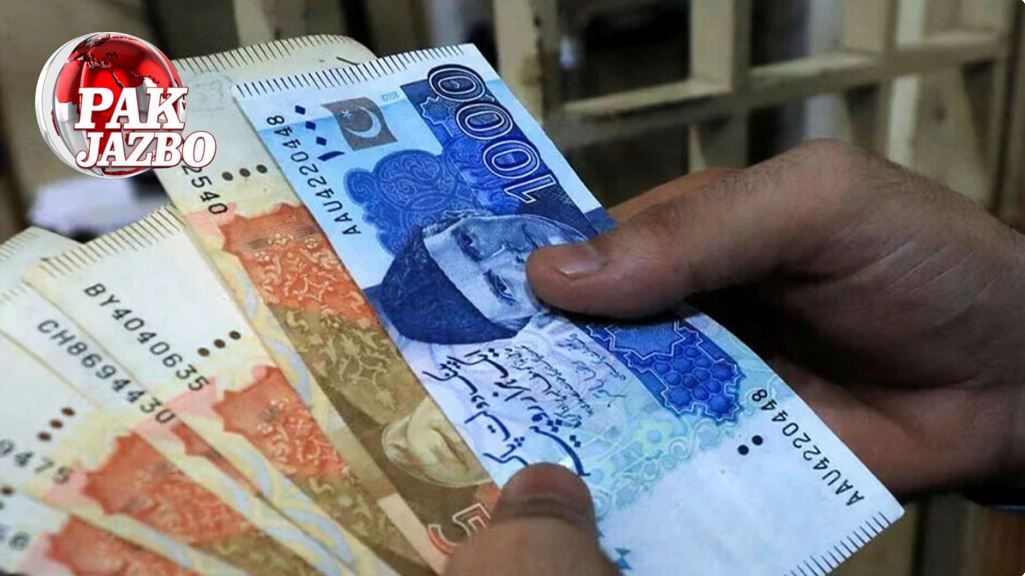
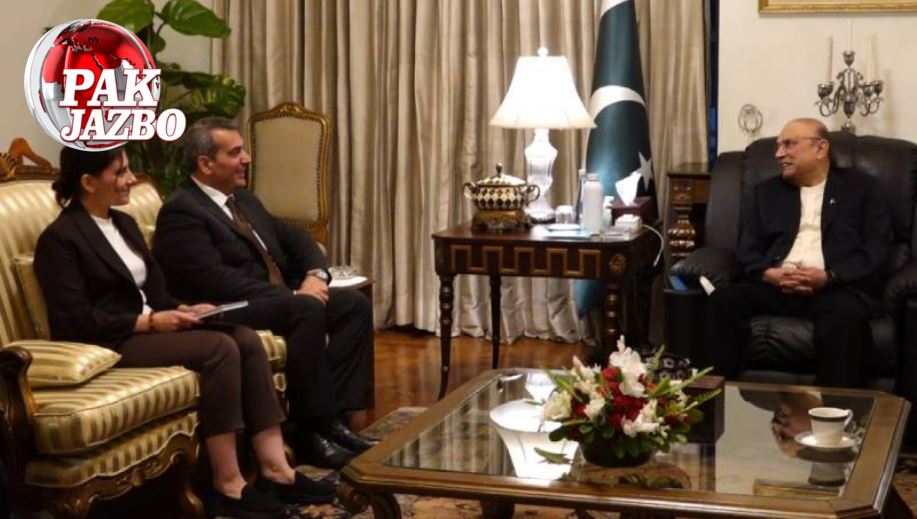
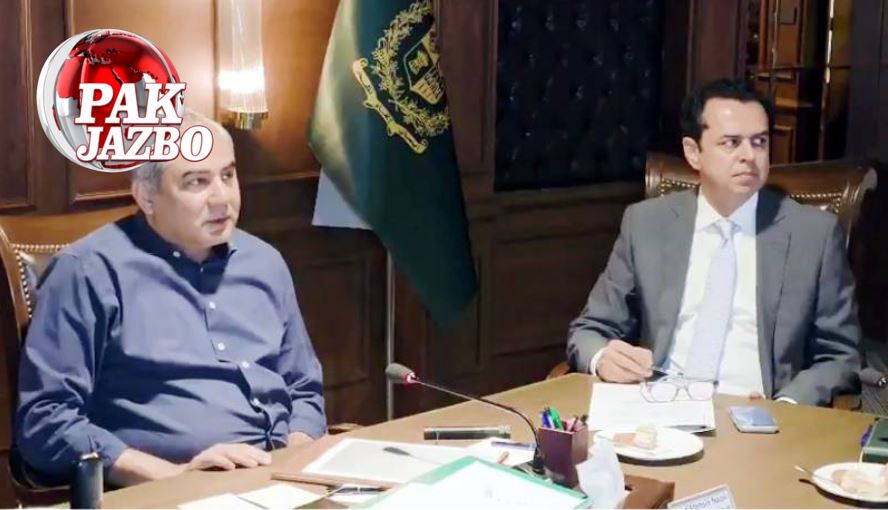
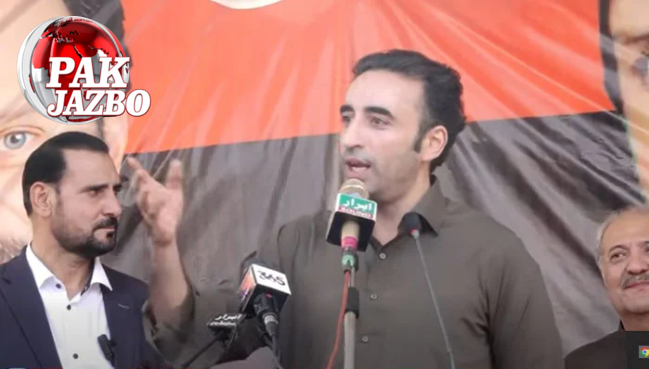
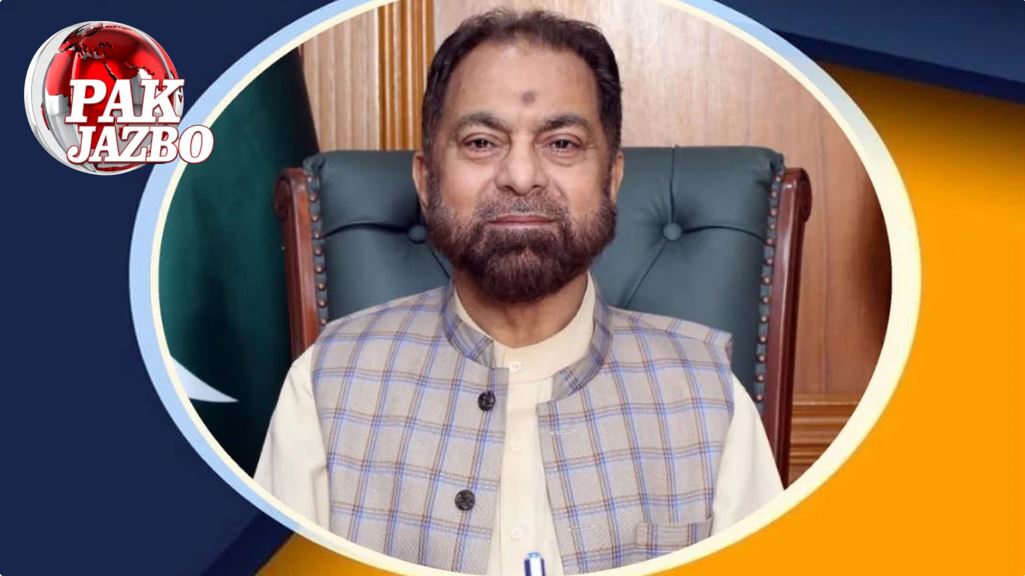
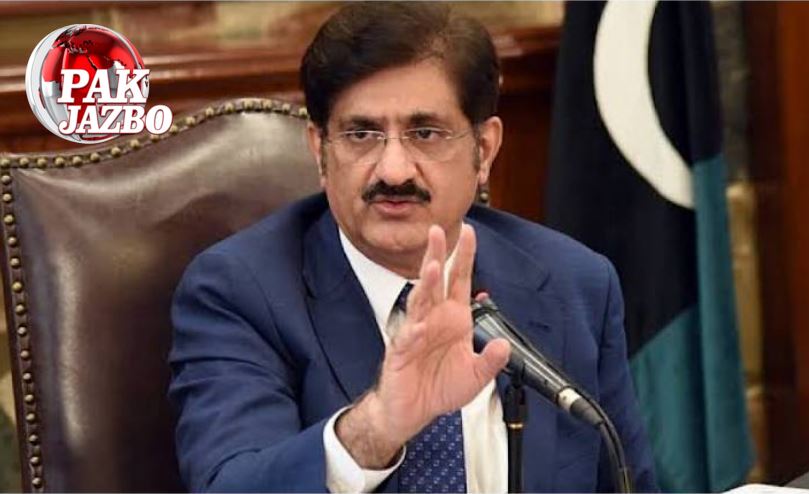
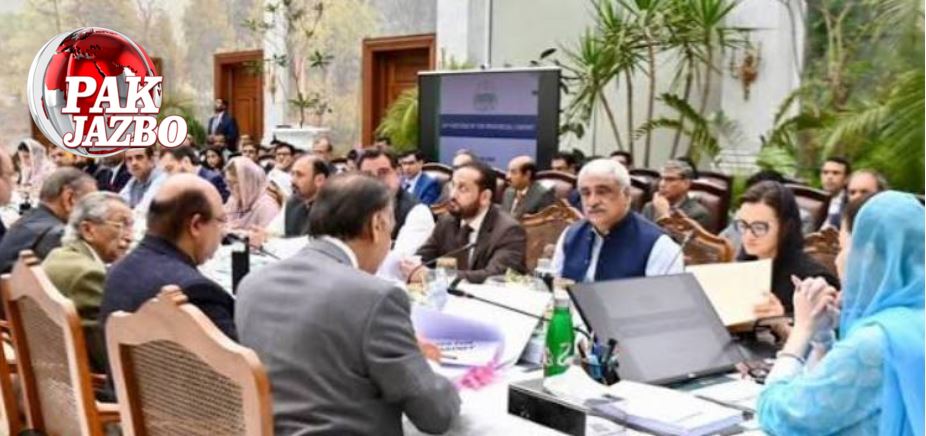
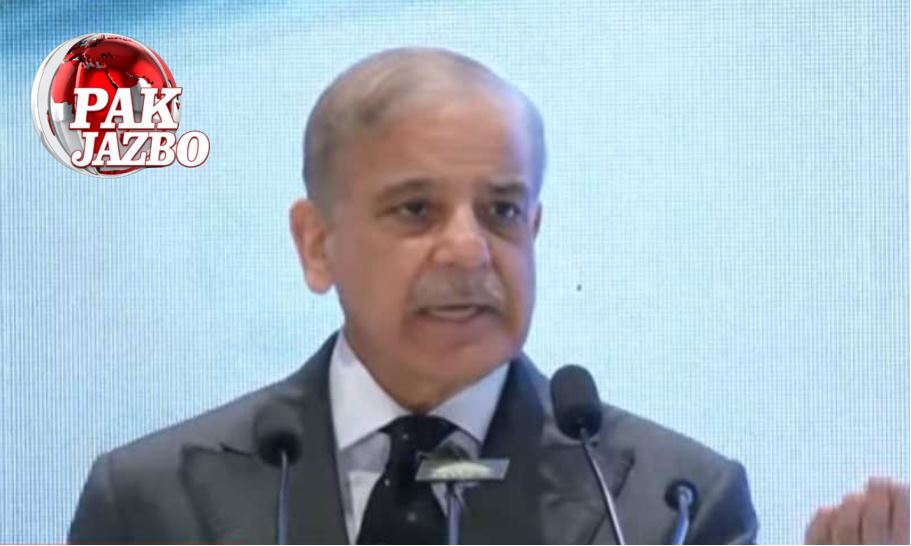
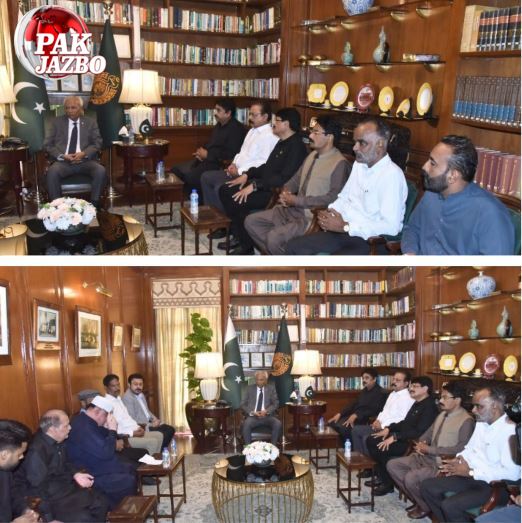
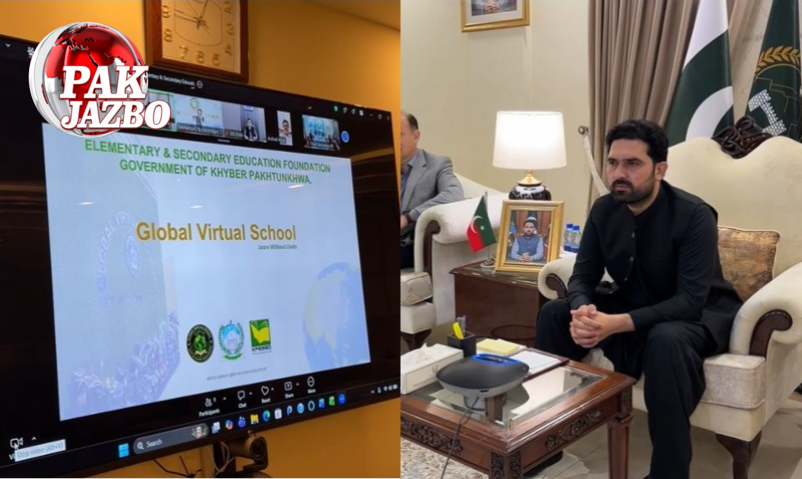
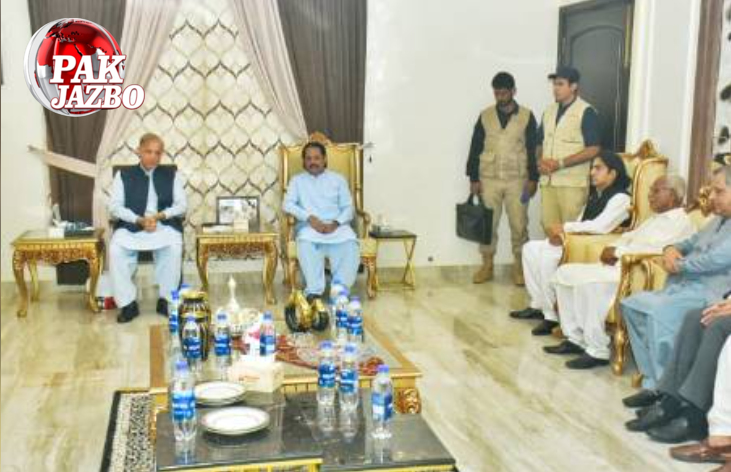
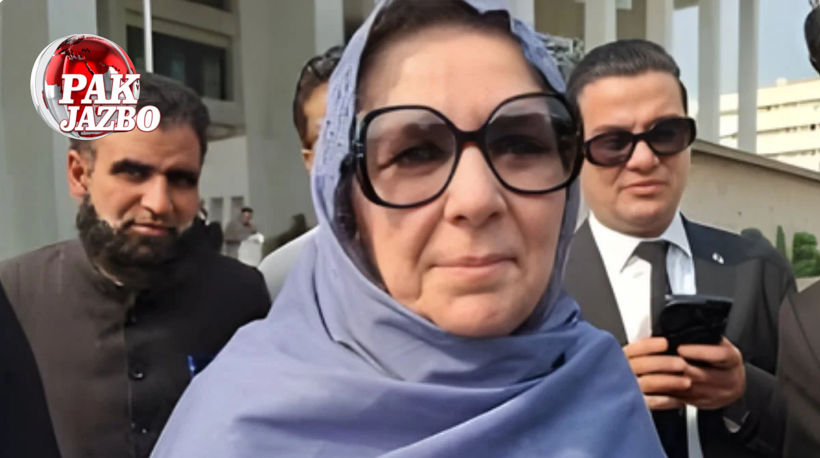
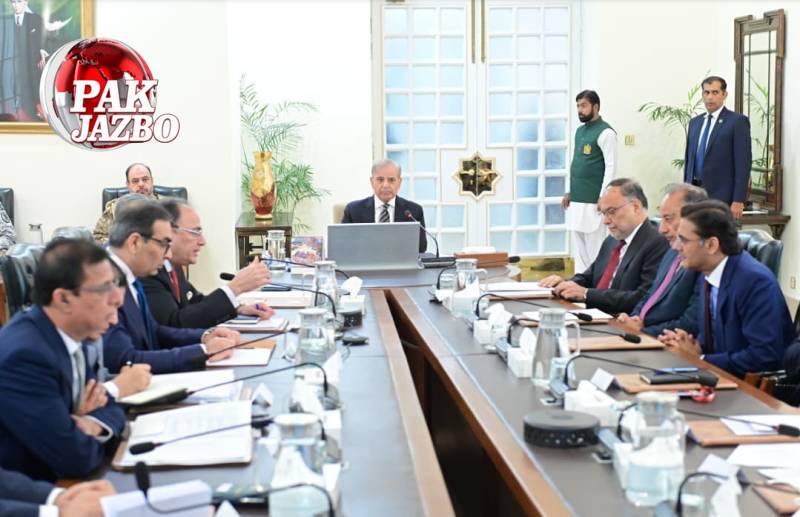
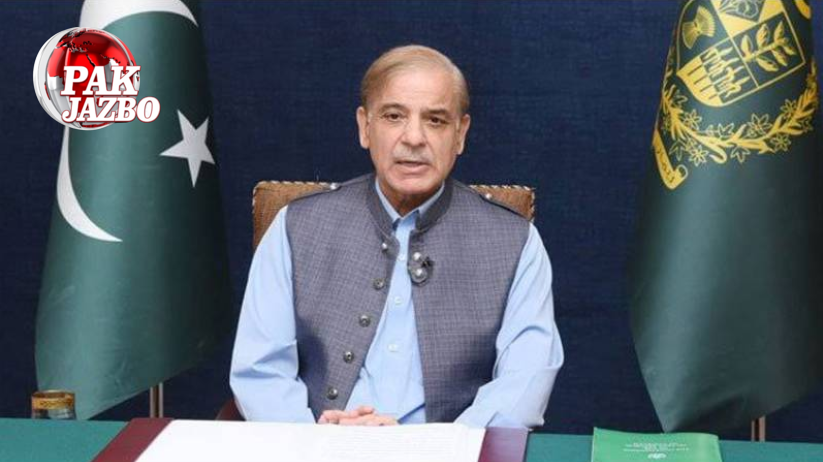
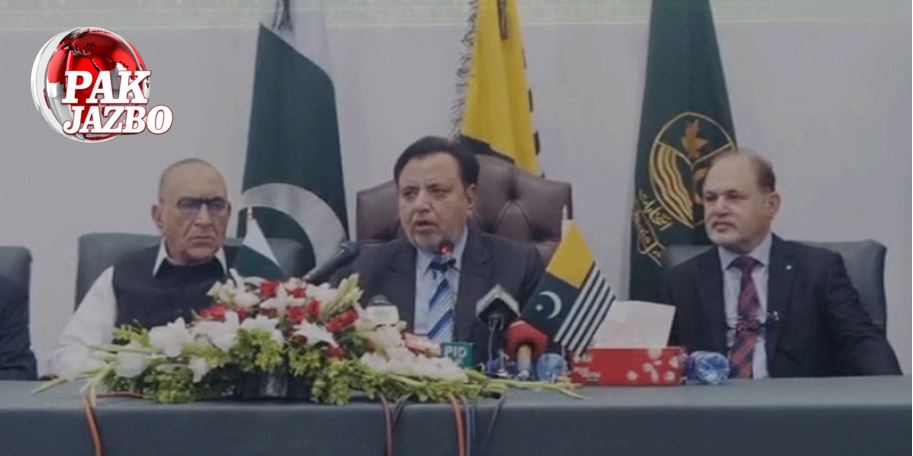
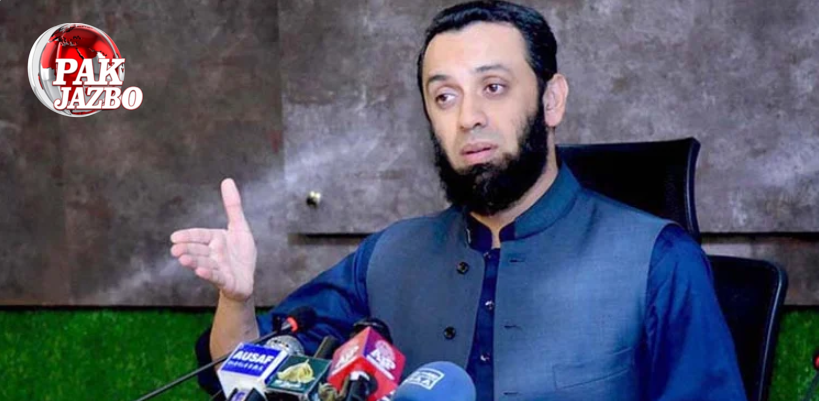
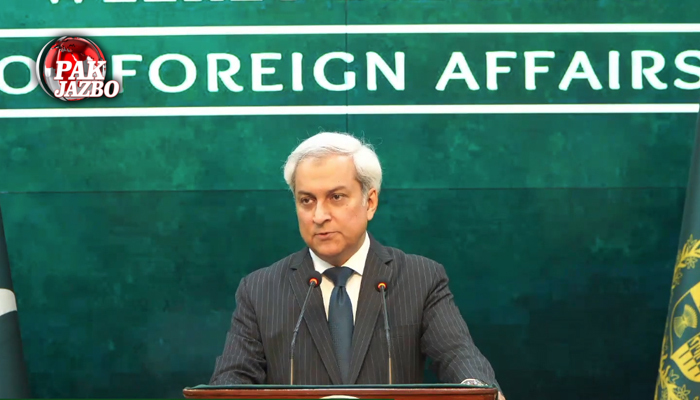
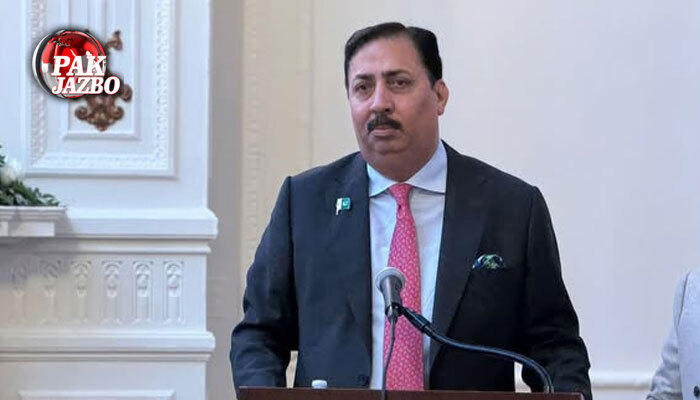
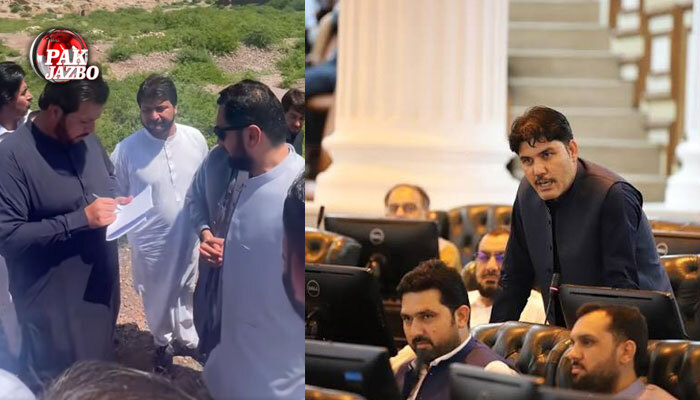
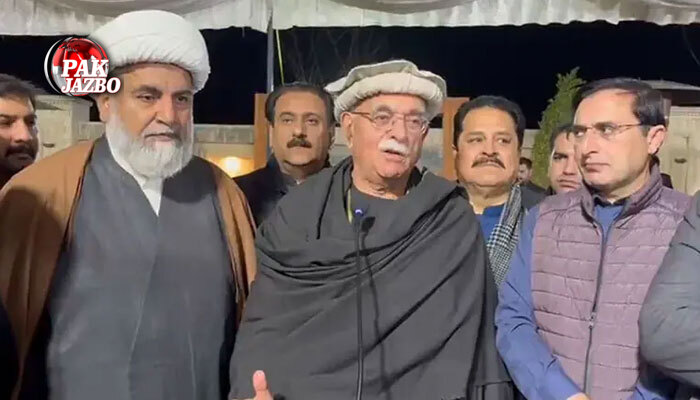
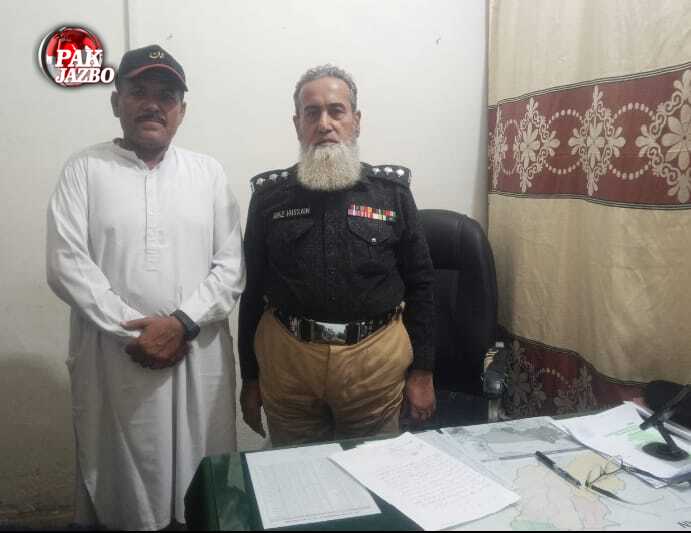
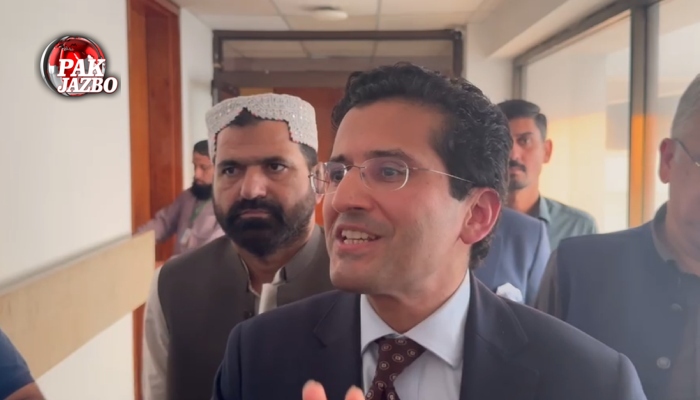
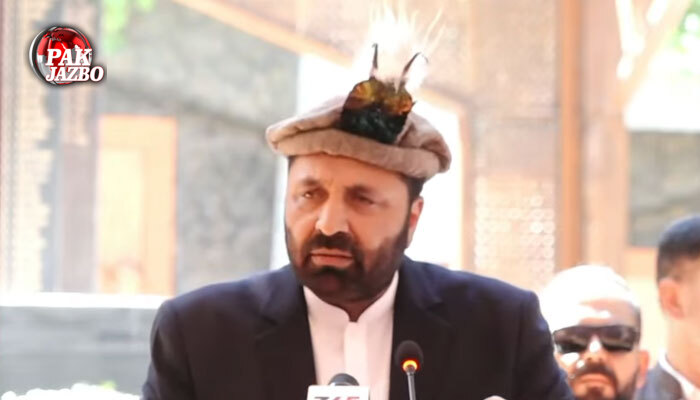
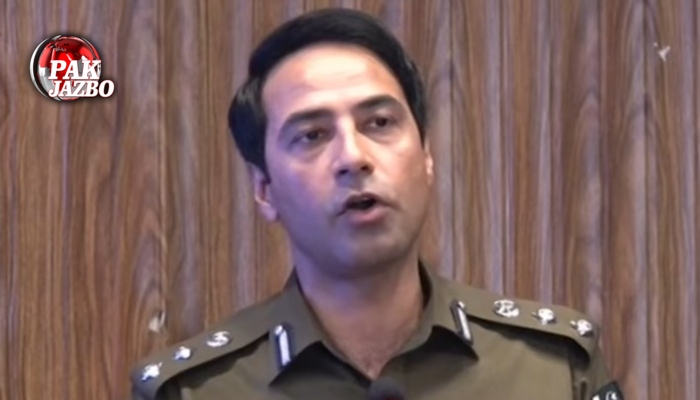
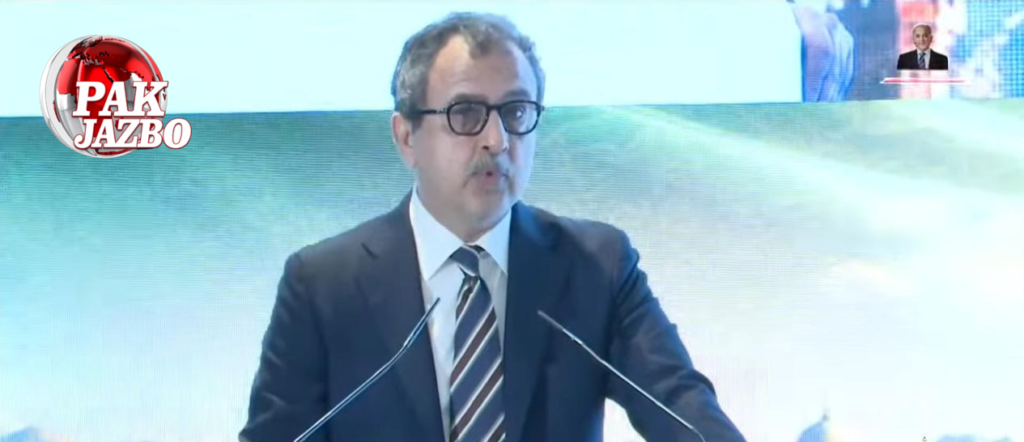
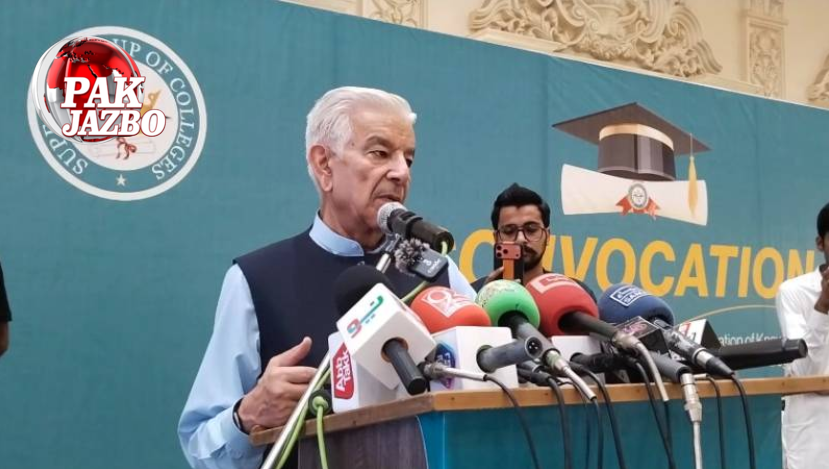
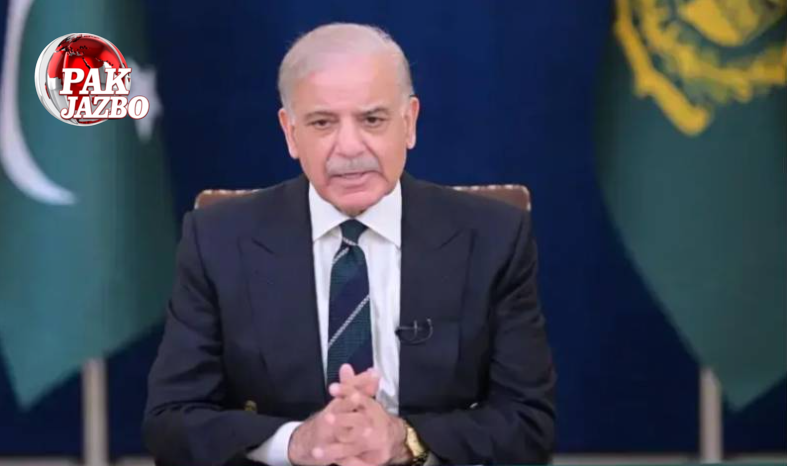
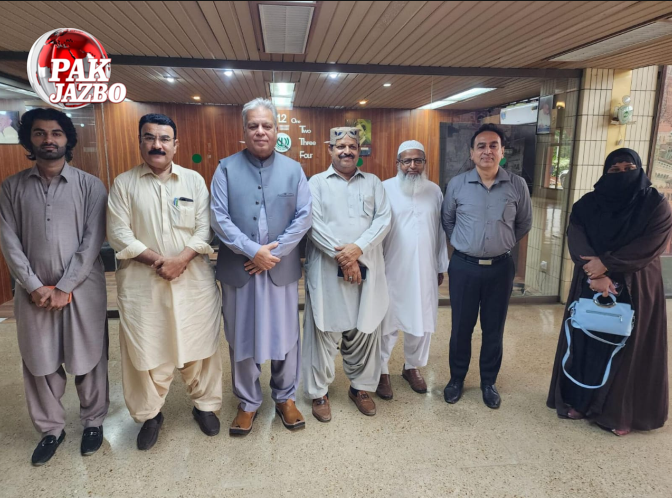
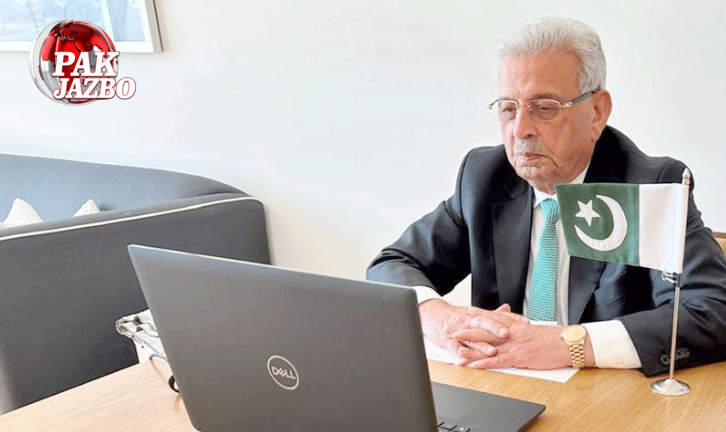
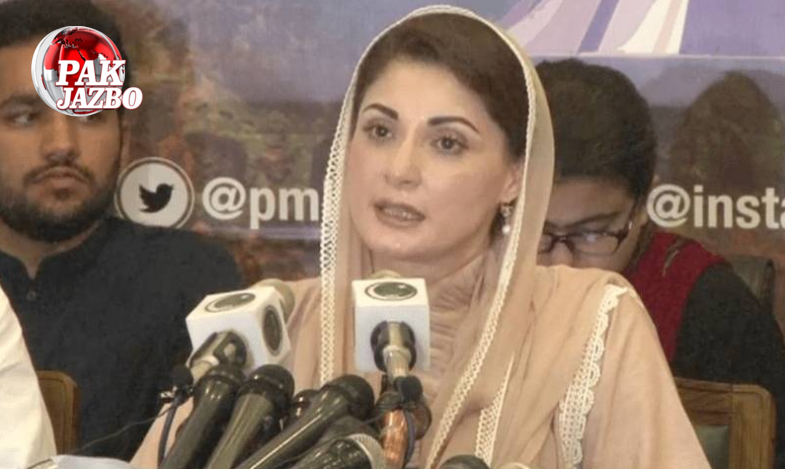
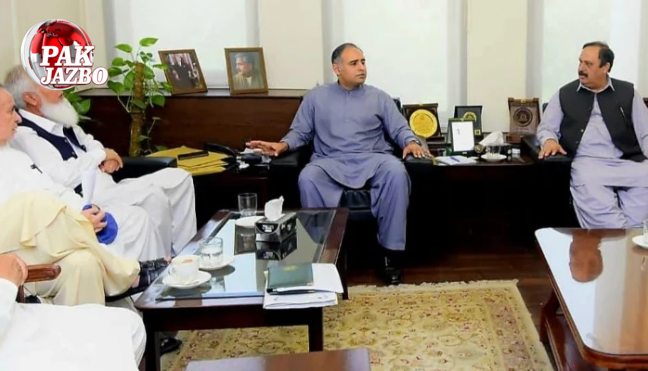
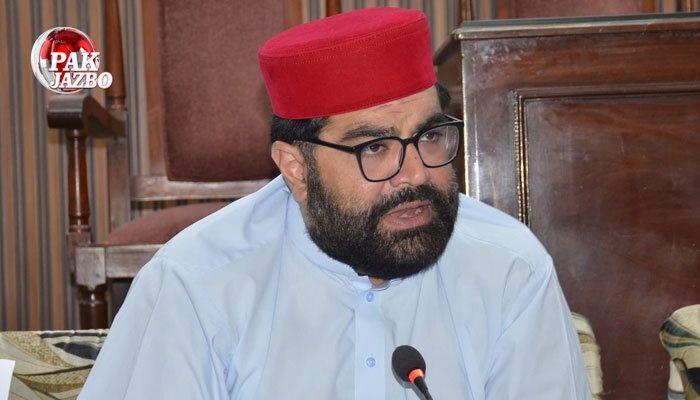
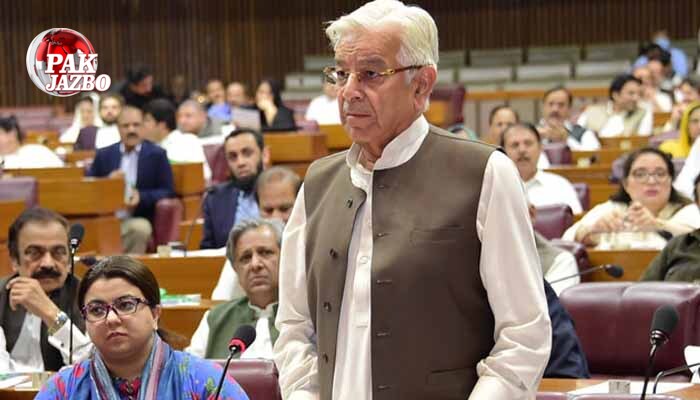
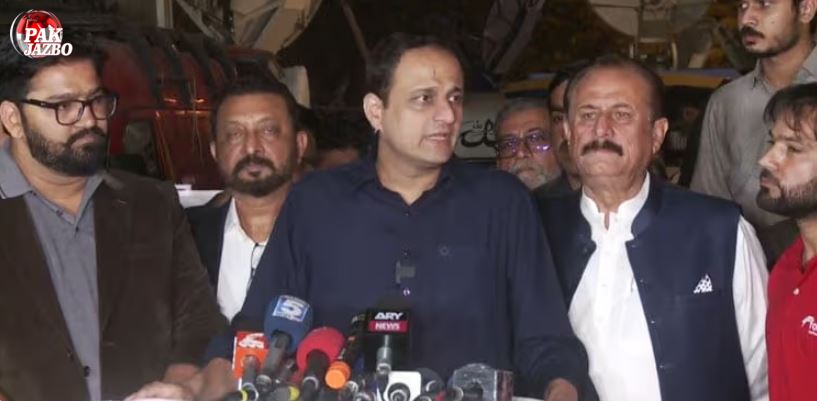
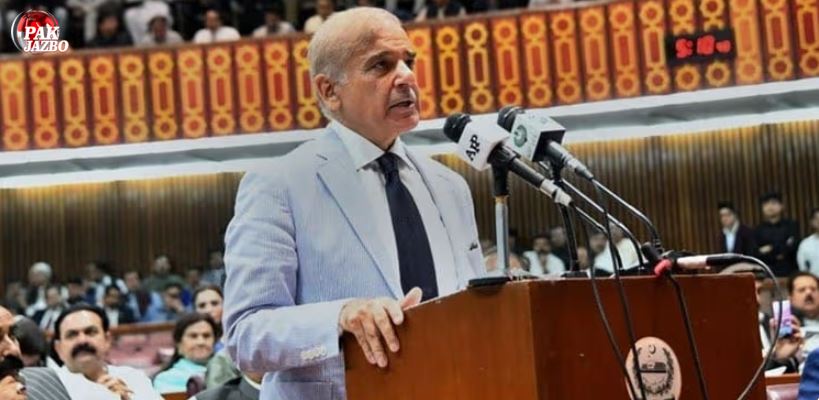
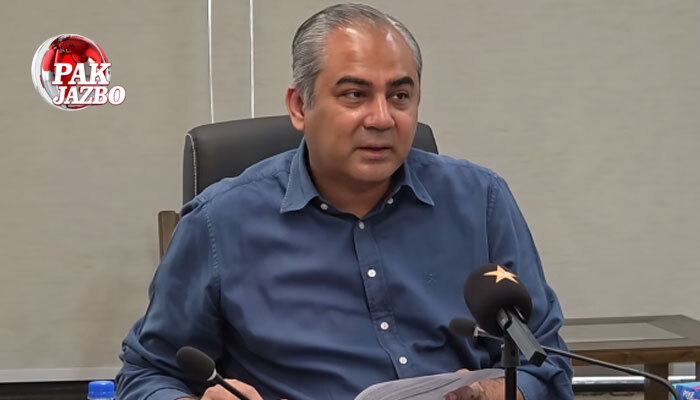
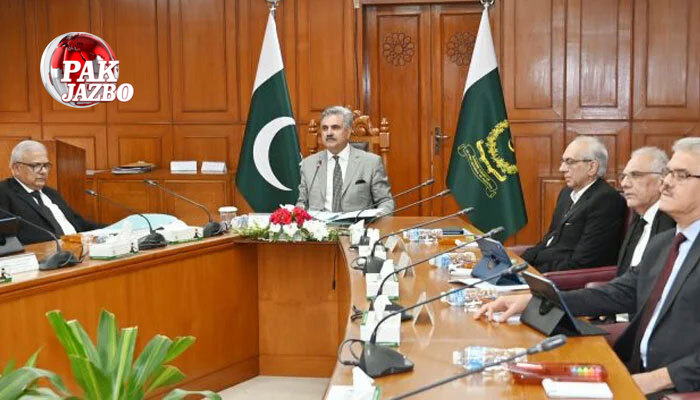
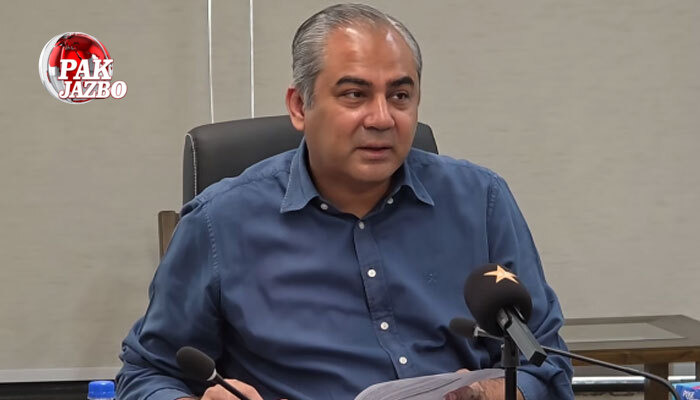
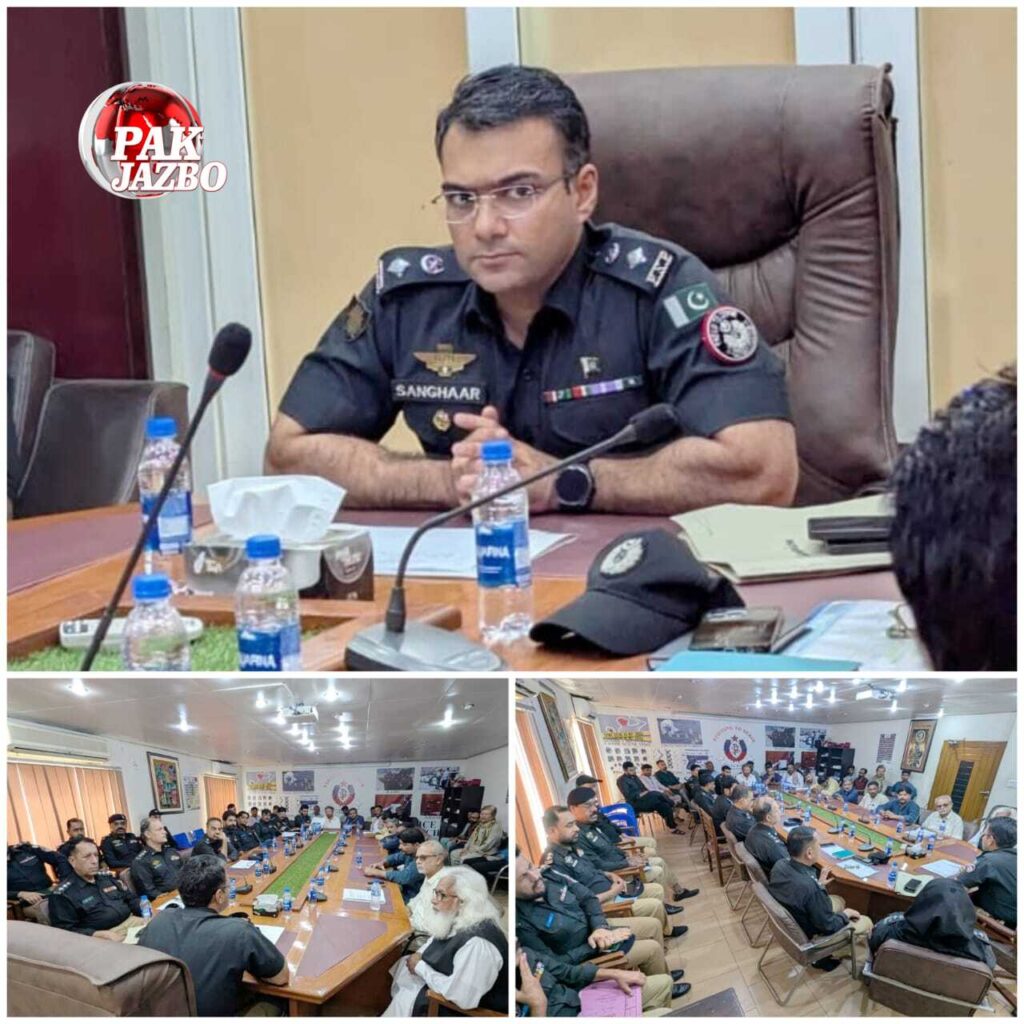
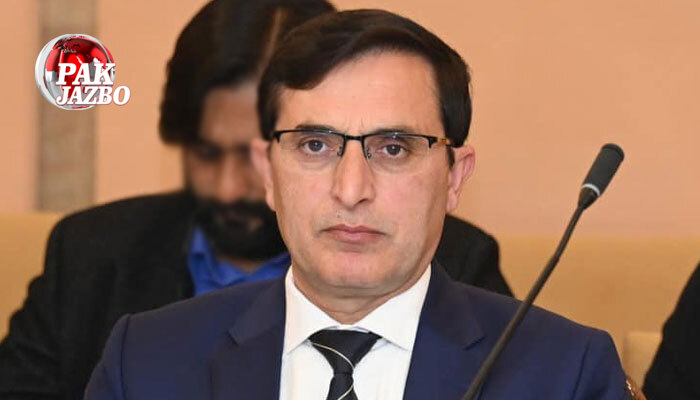
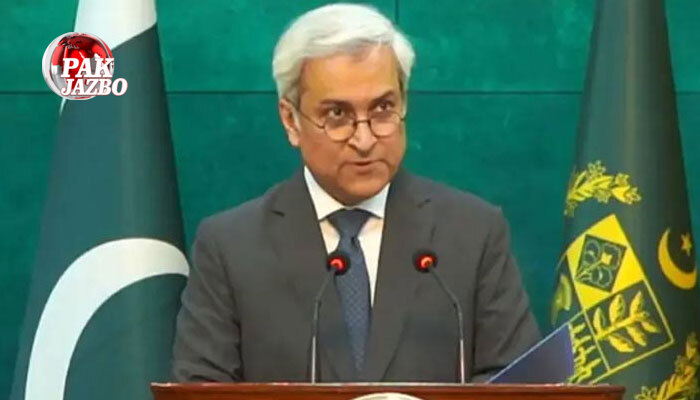
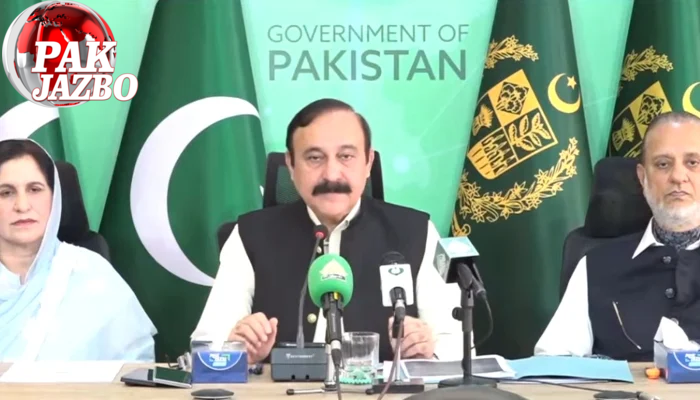
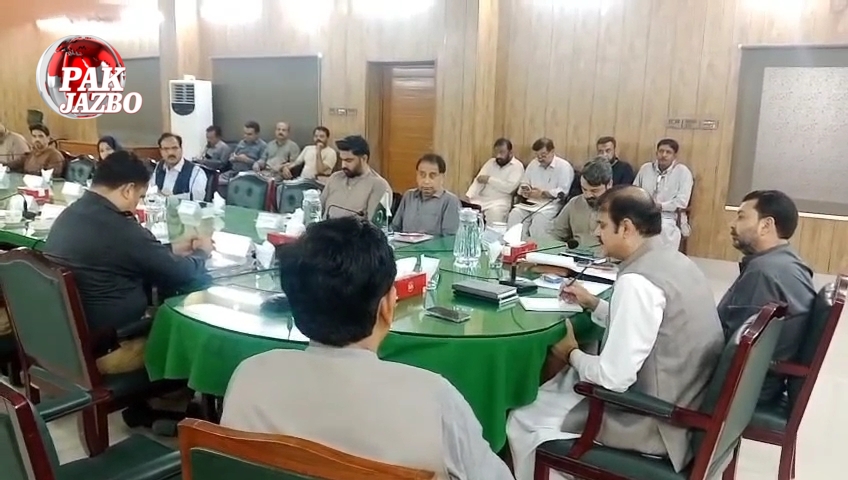
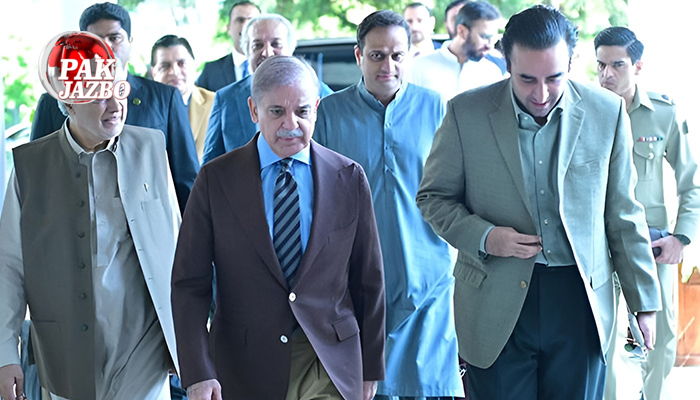
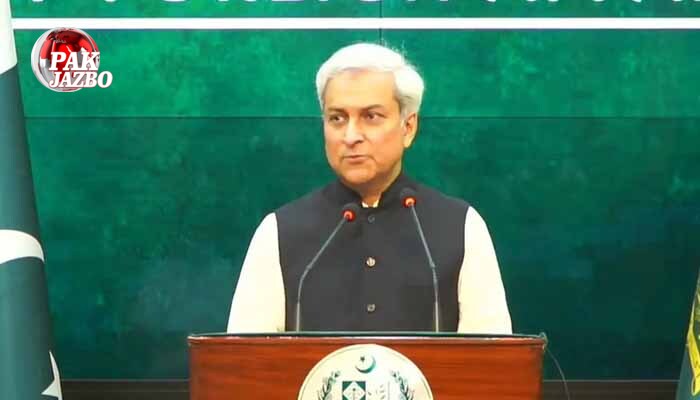
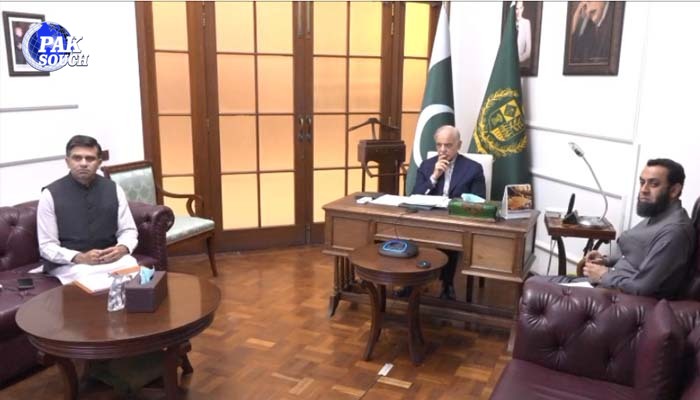
vernment remains committed to full rehabilitation. He stated that surveys are still being conducted and all affected families will be included in the compensation scheme.
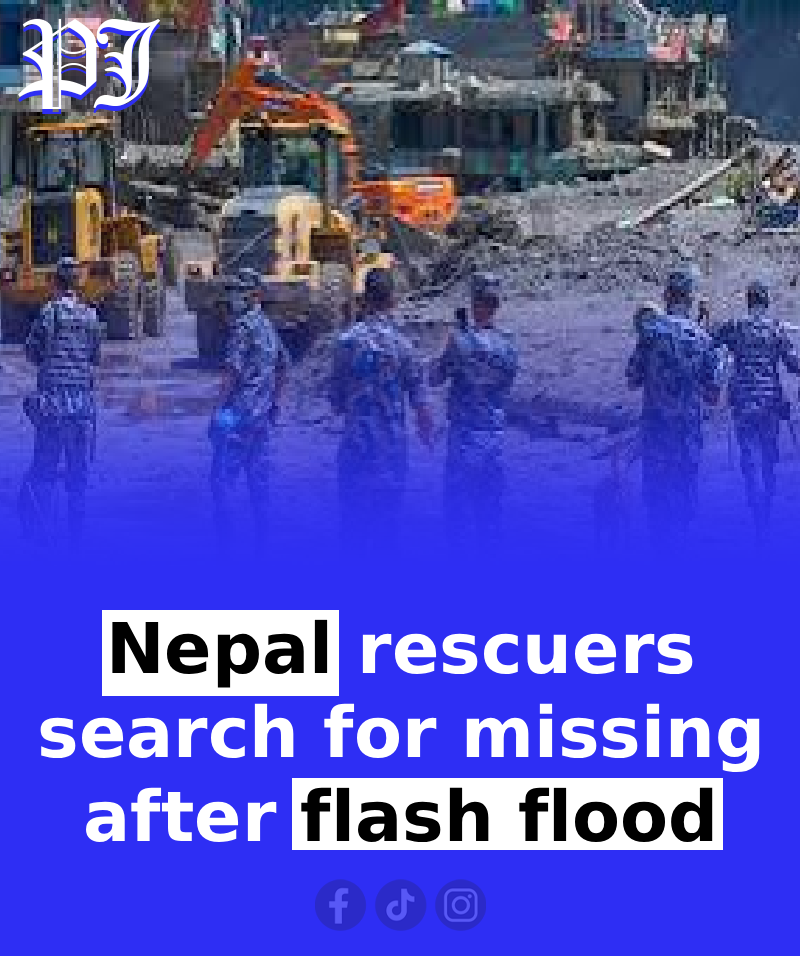
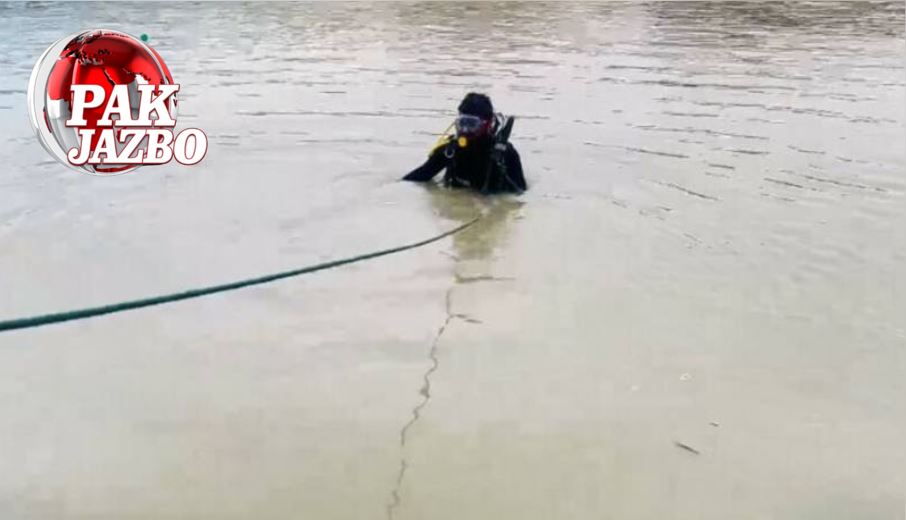
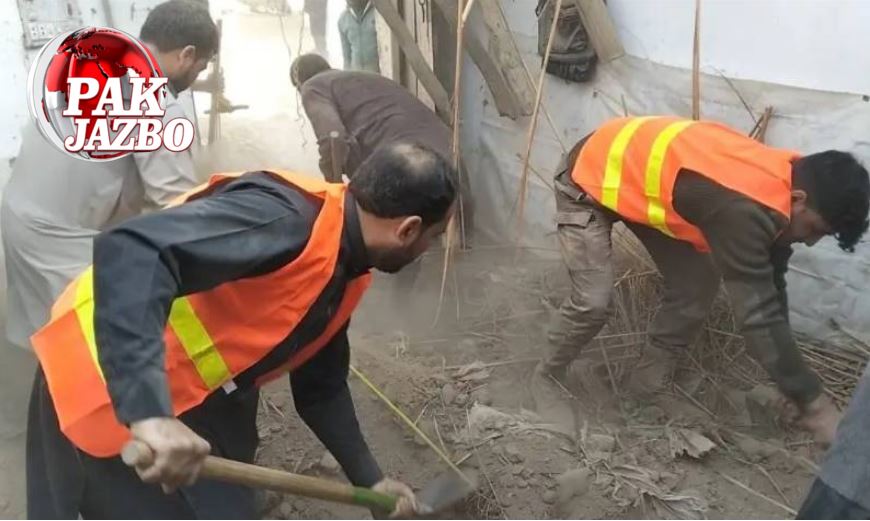
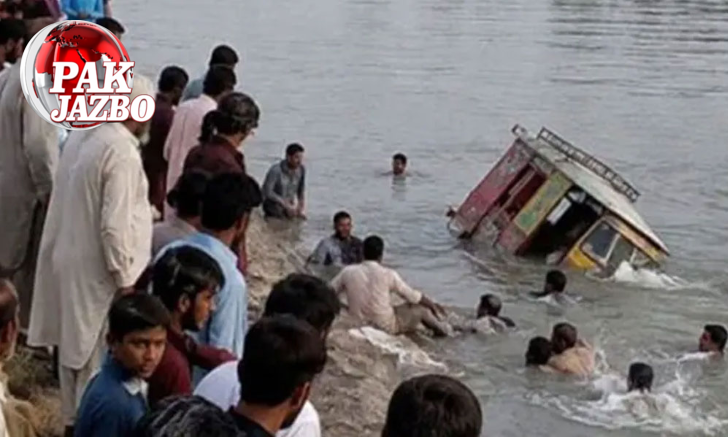
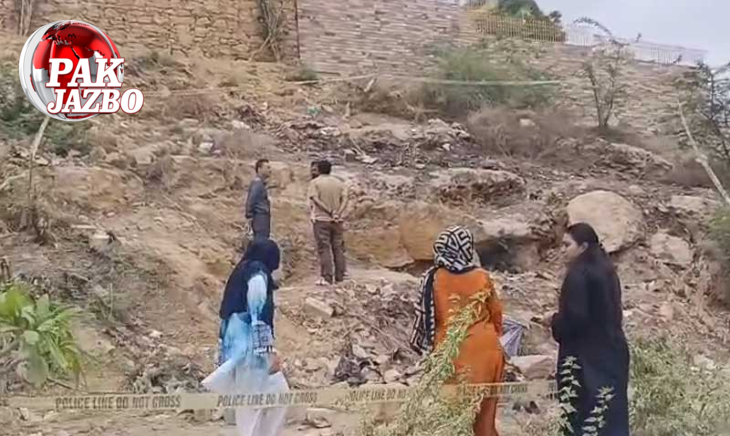
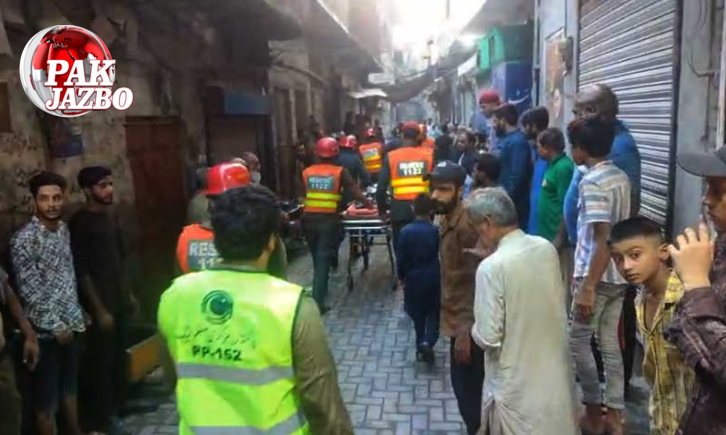
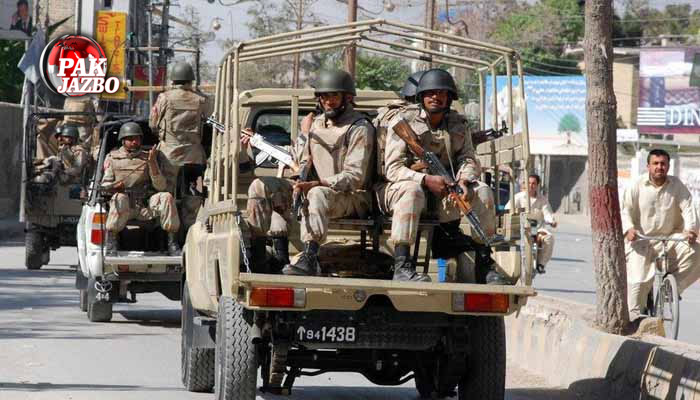
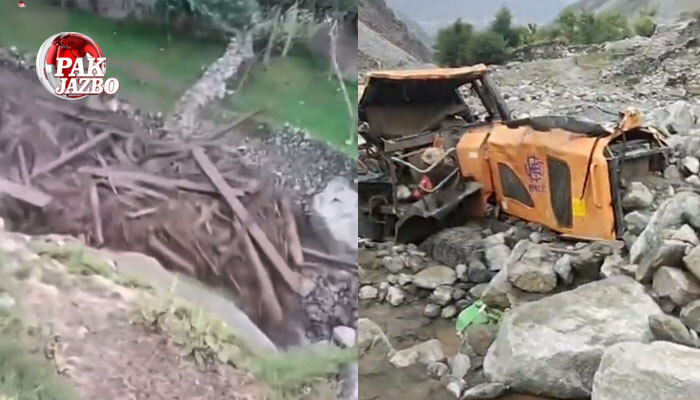
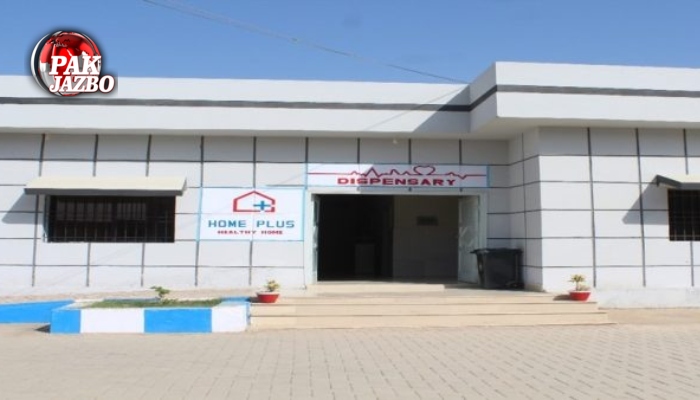
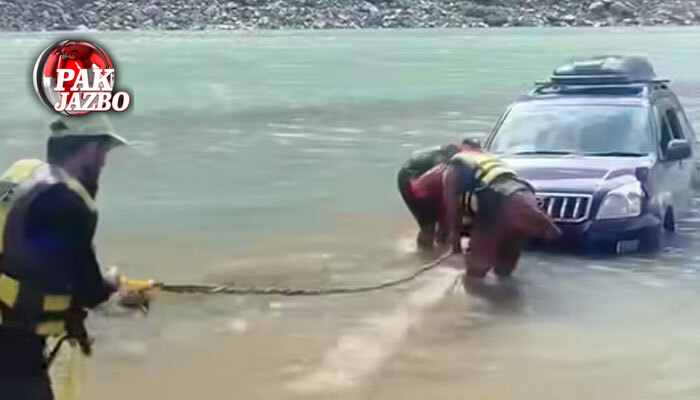
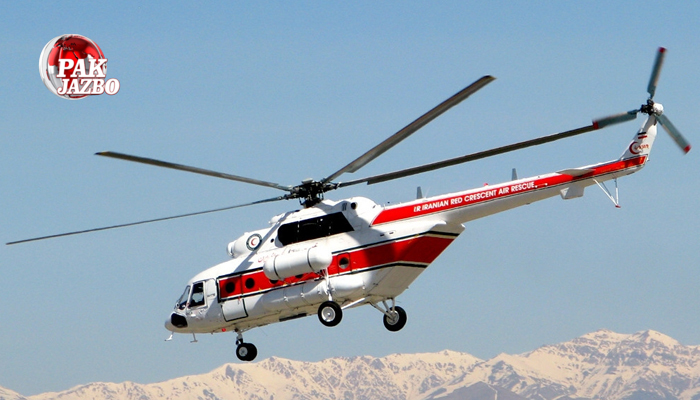
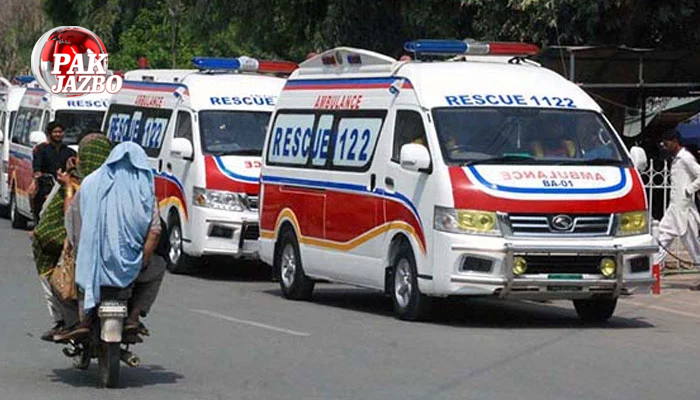
Moreover, he pointed out that rescue and relief teams, supported by local volunteers, have been working tirelessly in clearing debris, restoring partial connectivity, and ensuring that health facilities are accessible to survivors.
However, despite these efforts, critics argue that the aid is reactive rather than preventive, and systemic changes are needed to safeguard vulnerable mountain communities from recurring disasters.
Flood Disasters in Khyber Pakhtunkhwa: A Recurring Pattern
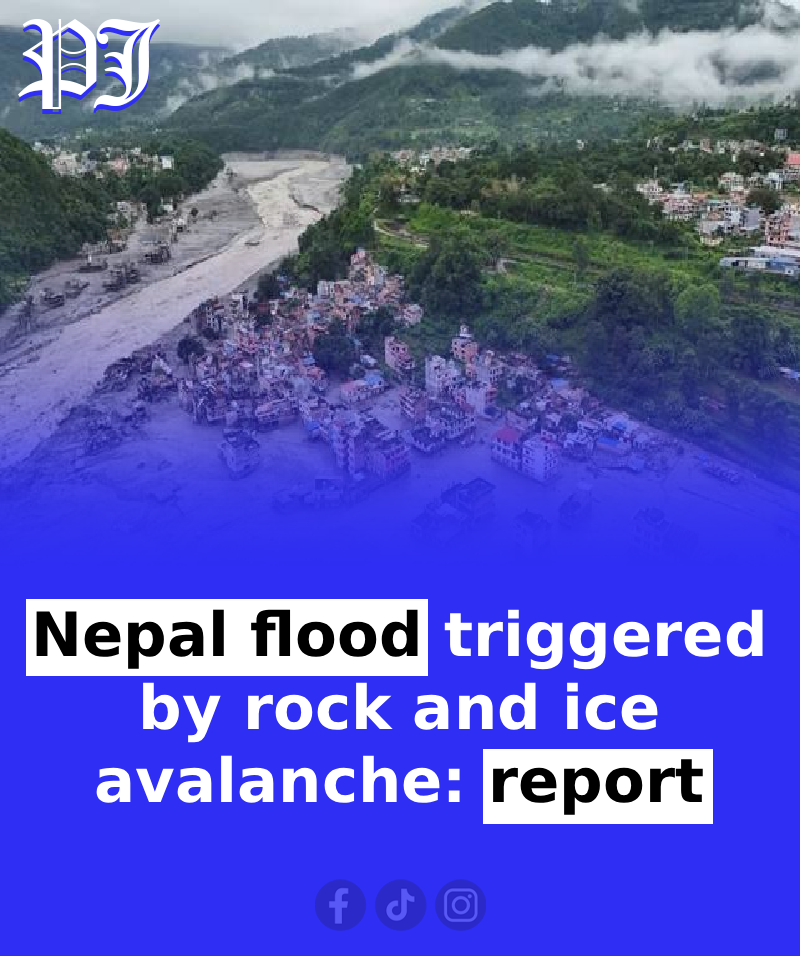
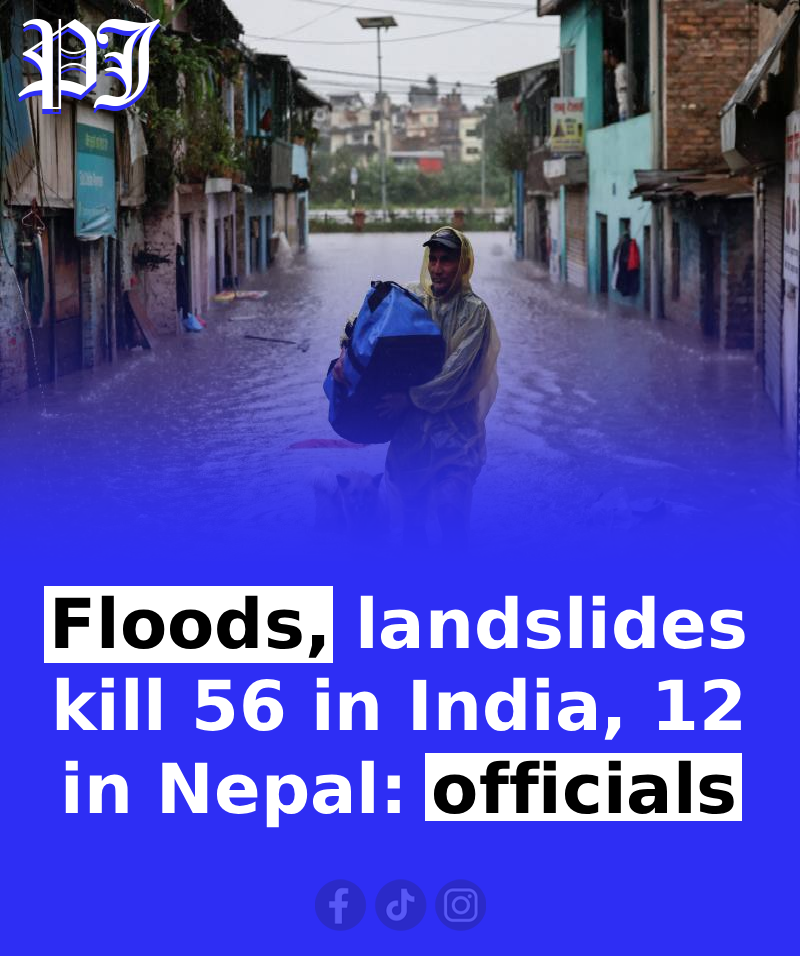
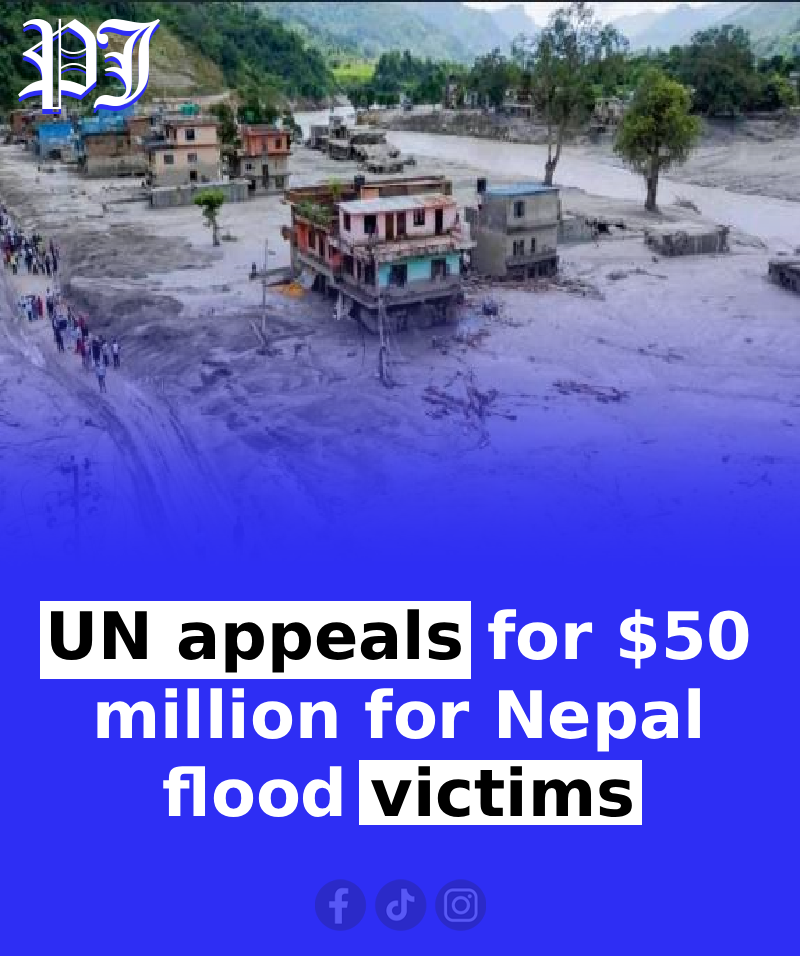
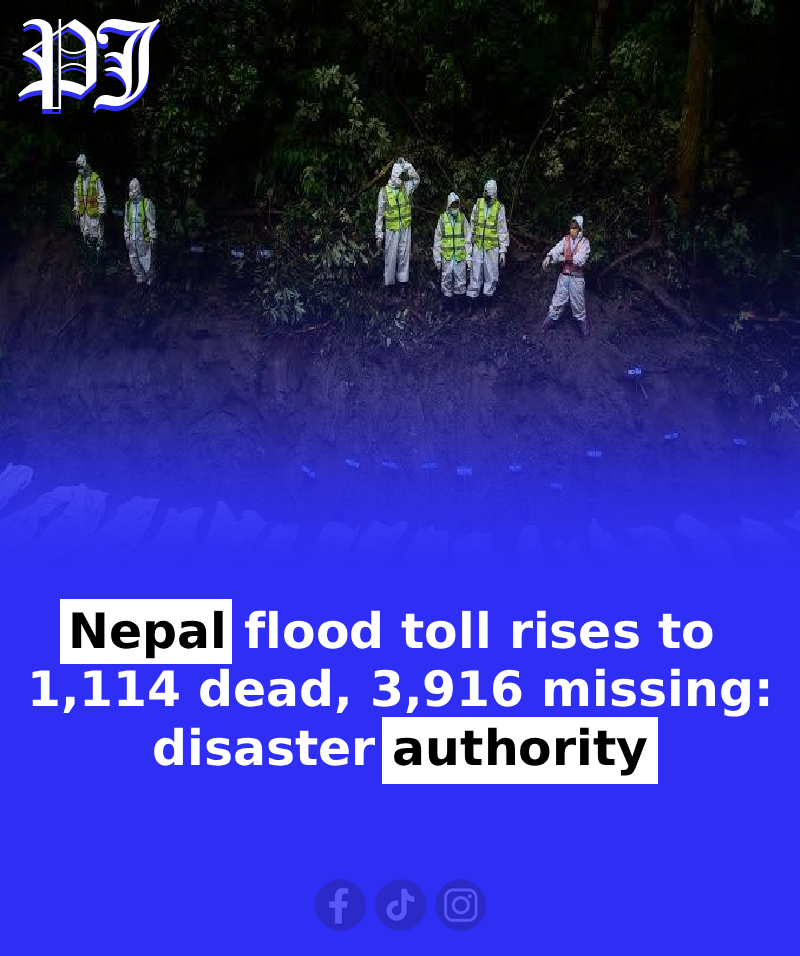
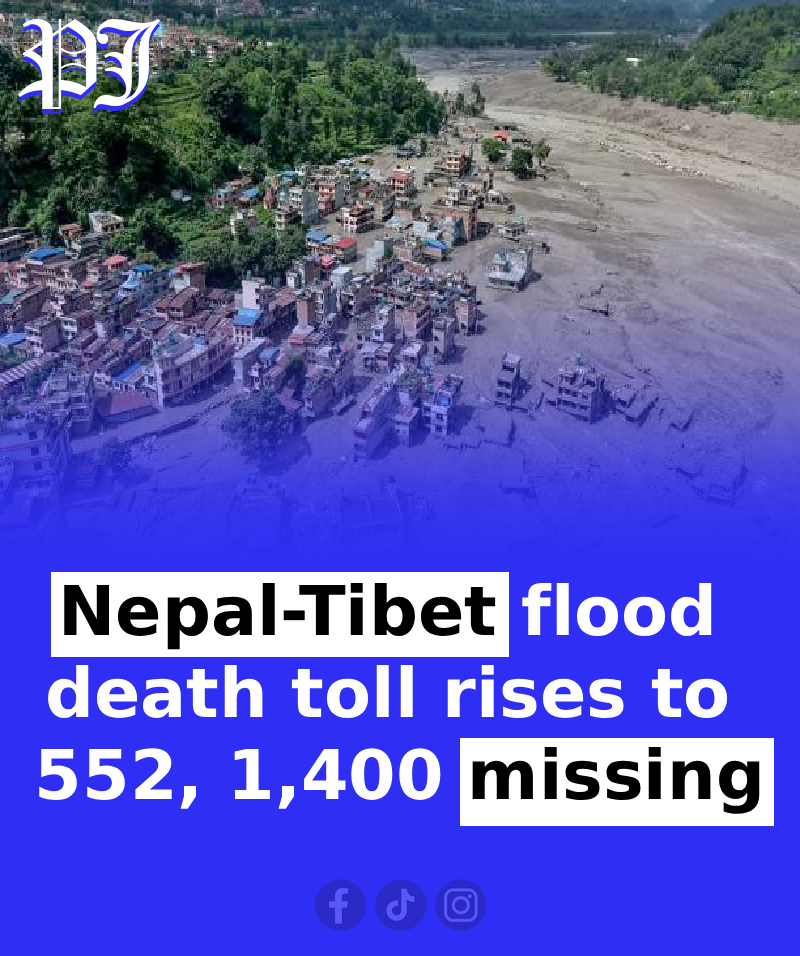
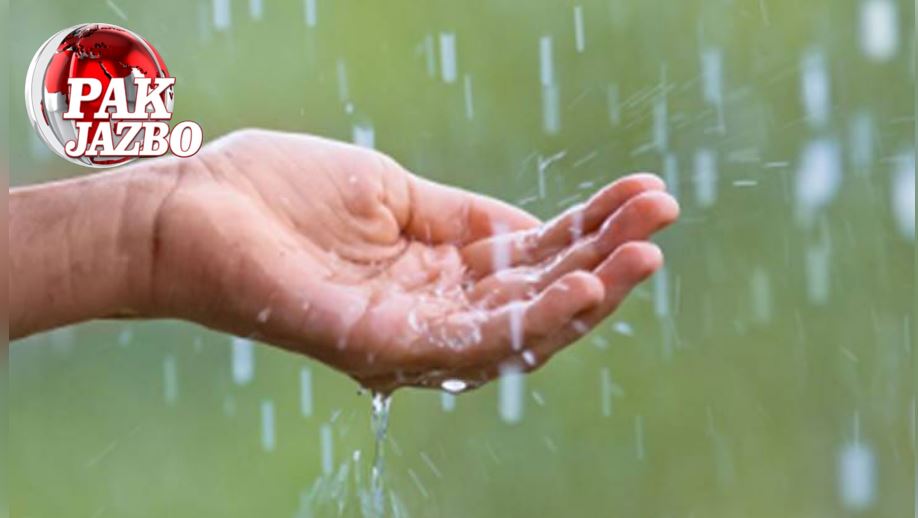
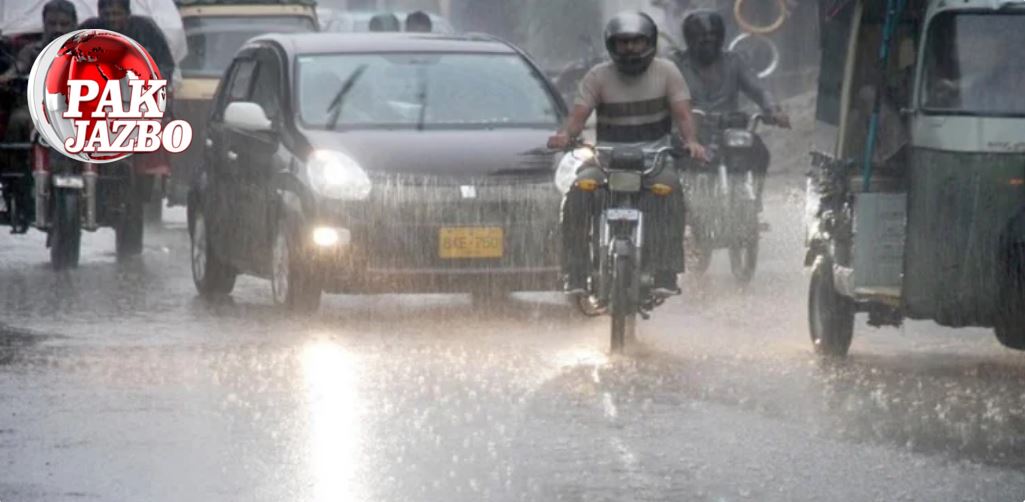
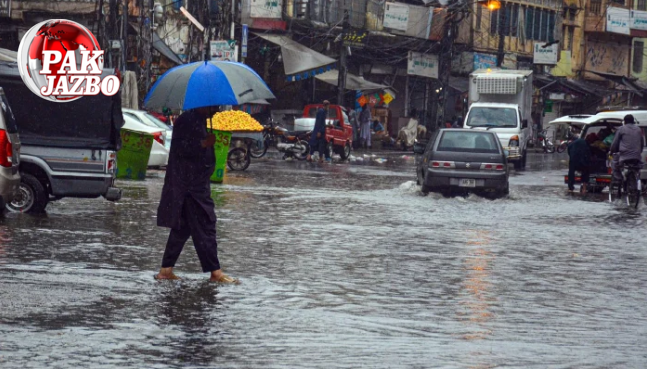
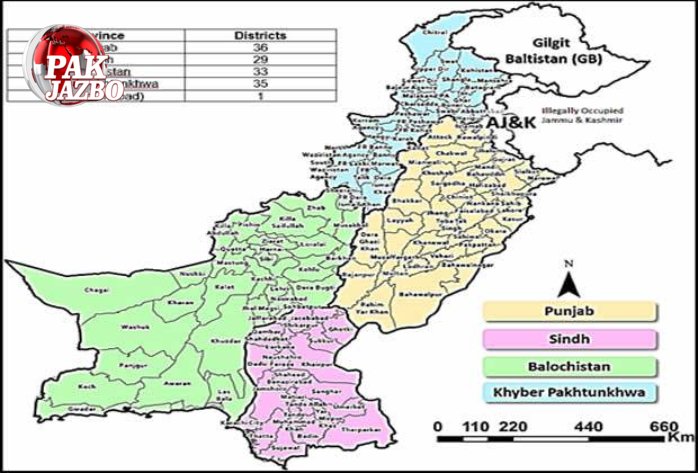
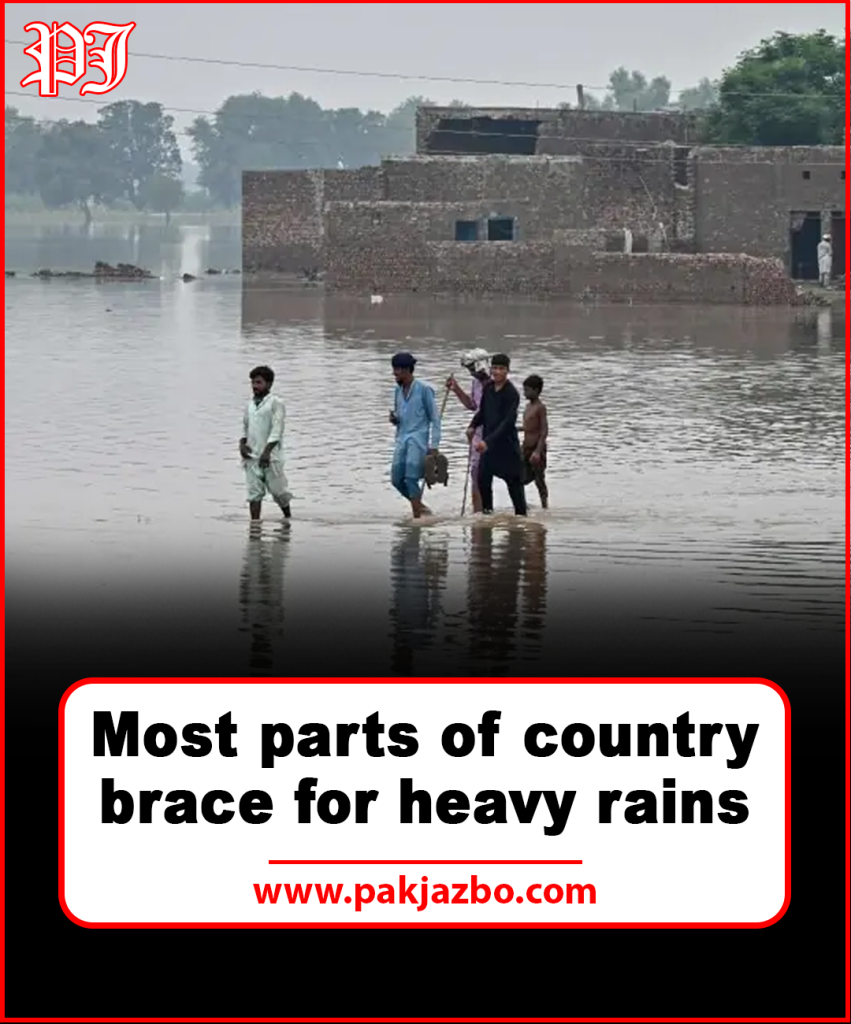
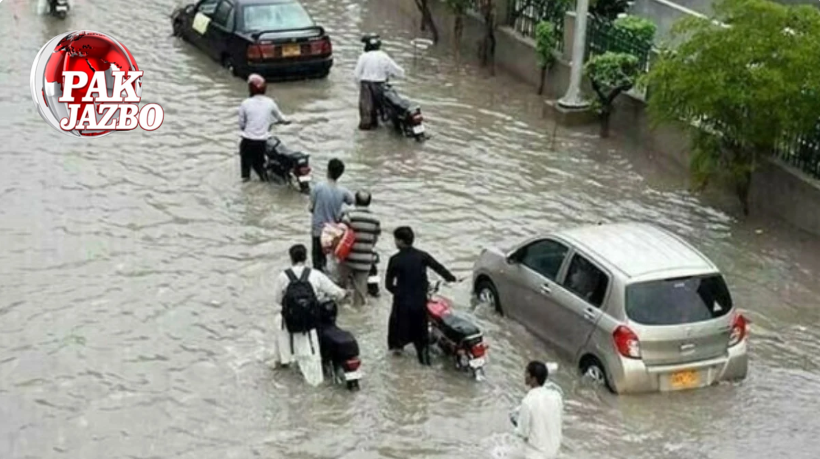
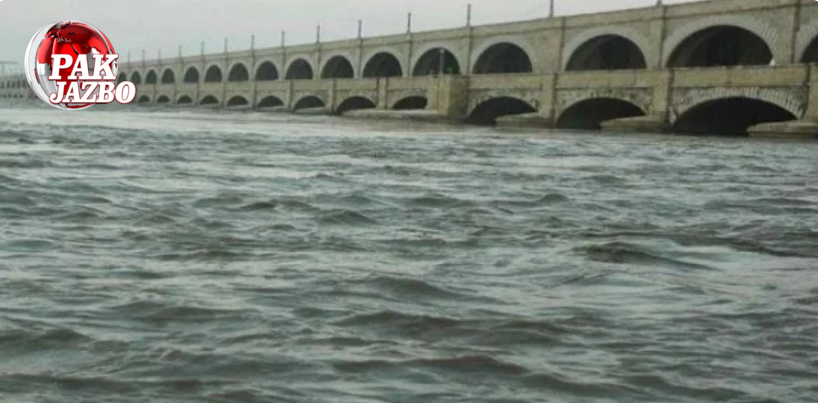
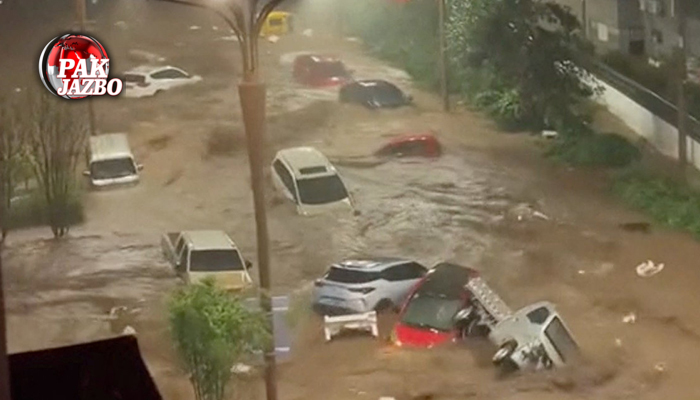
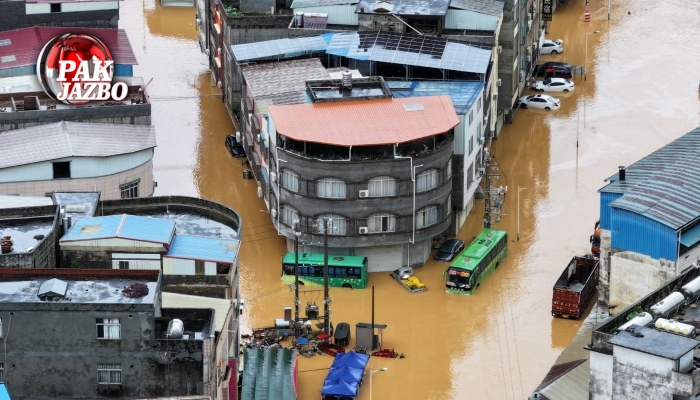
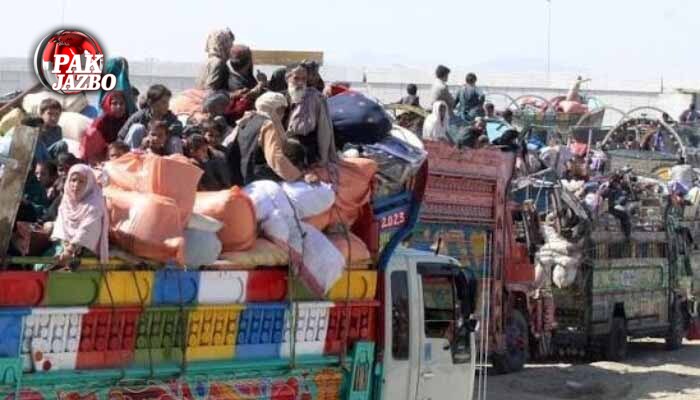
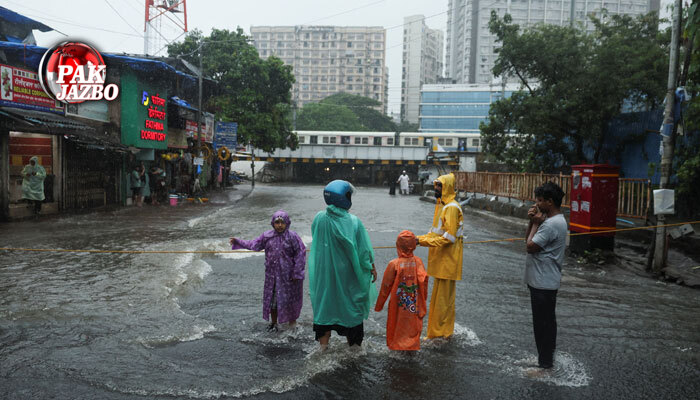
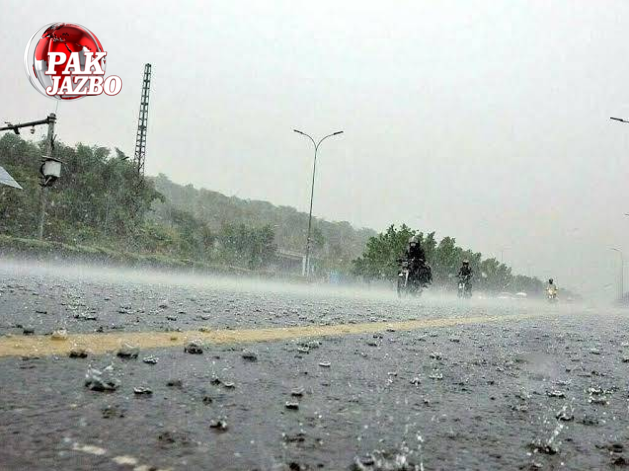
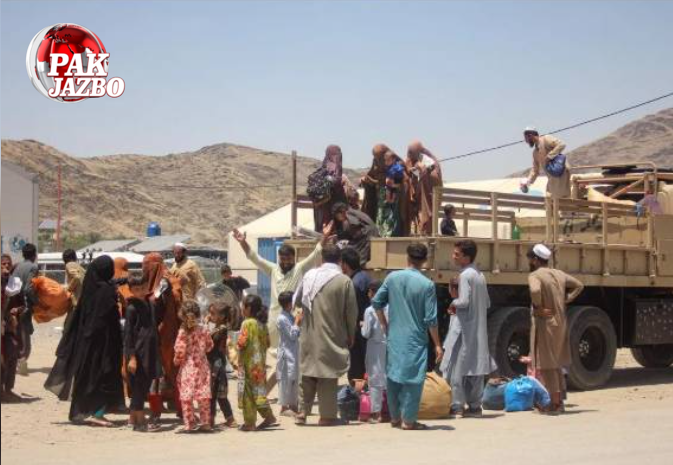
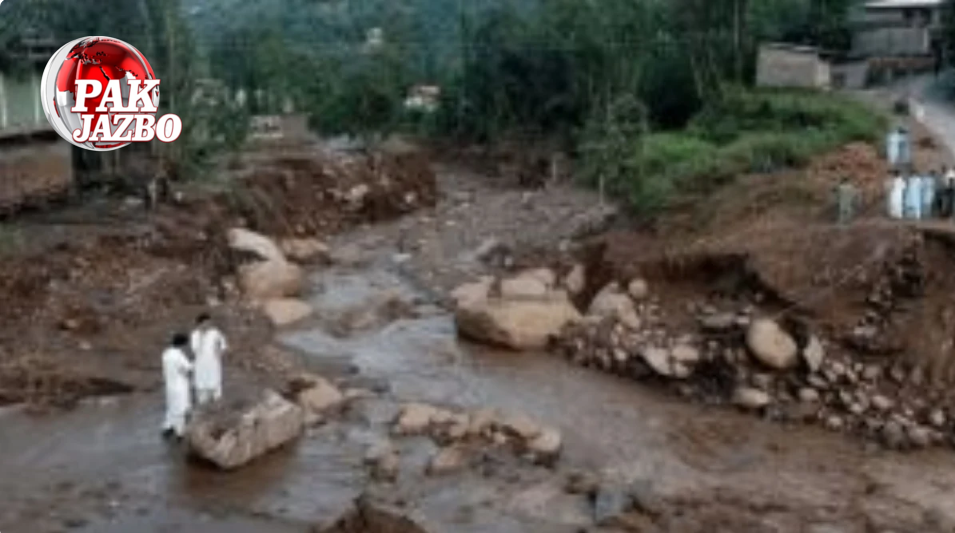
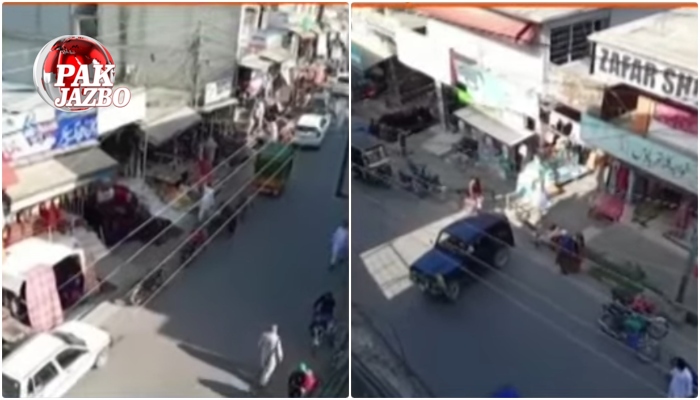
Shangla is among the worst-affected districts in Khyber Pakhtunkhwa, a province prone to heavy monsoon rains and flash floods due to its hilly terrain. The region has faced repeated devastation in the past decade, often with significant loss of life and property.
Experts note that climate change has intensified weather patterns, making floods more frequent and unpredictable. Poor drainage systems, deforestation, and unregulated construction near riverbeds have further amplified the risks.
Call for Long-Term Rehabilitation
Civil society groups and activists are urging the government to go beyond immediate compensation and work toward long-term solutions. These include:
- Reconstruction of destroyed schools, health units, and markets.
- Relocation of highly vulnerable communities.
- Strengthening of disaster preparedness systems and early warning technologies.
- Building flood-resilient housing structures to reduce damage in the future.
The tragedy in Shangla is seen not only as a local disaster but as part of a broader climate crisis in Pakistan, where hundreds of villages across multiple provinces face similar vulnerabilities each year.
Conclusion
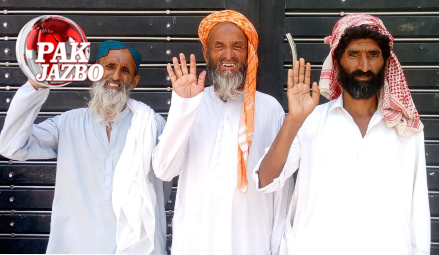
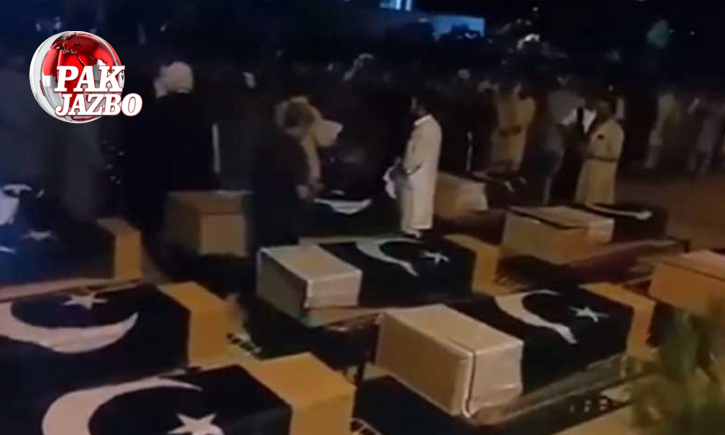
While the disbursement of over Rs. 72 million in compensation has brought some relief to grieving families, the road to recovery in Shangla remains long and uncertain. For the survivors of Shai Dara and neighboring villages, the immediate concern is rebuilding their homes and livelihoods. Yet, without systemic reforms, the threat of future floods continues to loom over the region.
The disaster serves as a painful reminder that compensation alone cannot heal the wounds of natural calamities—what is needed is a comprehensive approach combining financial aid, infrastructure rebuilding, and climate resilience planning.
What’s your Reaction?
+1
+1
+1
+1
+1
+1