






























































































































































































































































































































































































































































































































































































































































































































































































































































































































































































































































































































































































































































































































































































































































































































































































































































































































































































































































































































































































































































































































































































































































































































Lahore Court Sentences Man to Death for Murdering Wife


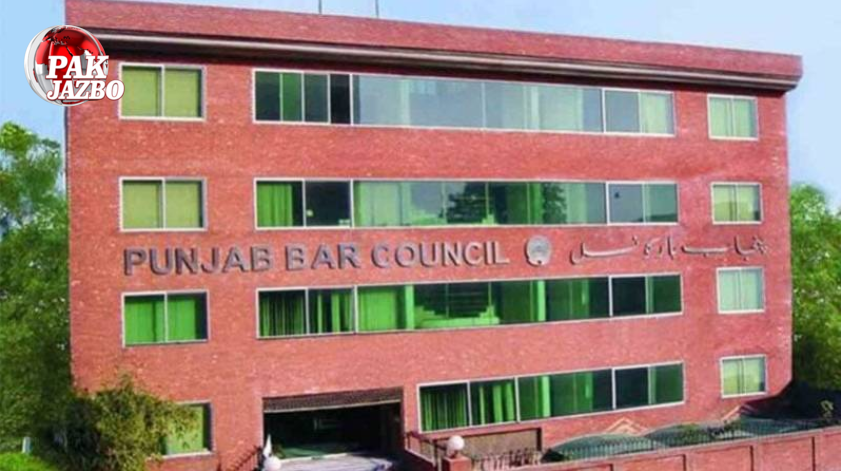
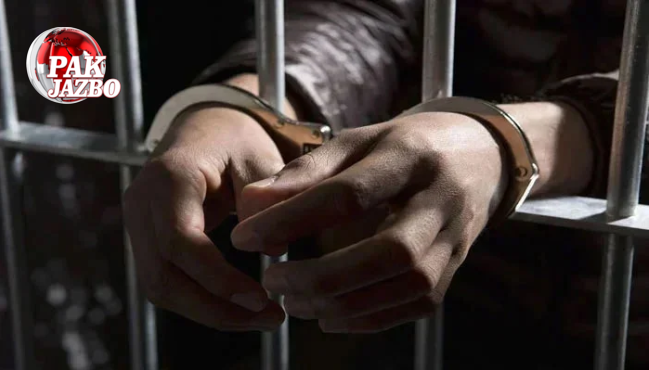
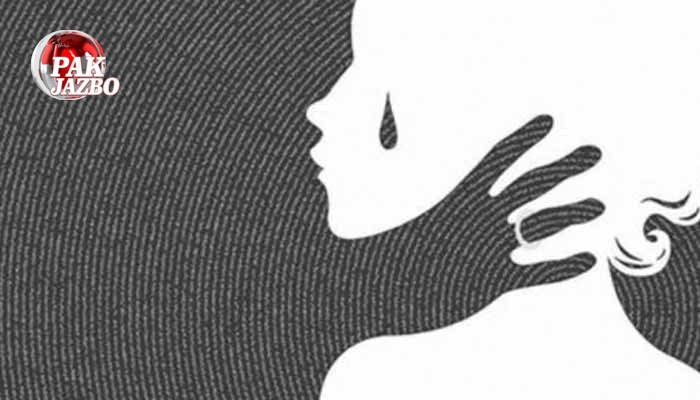
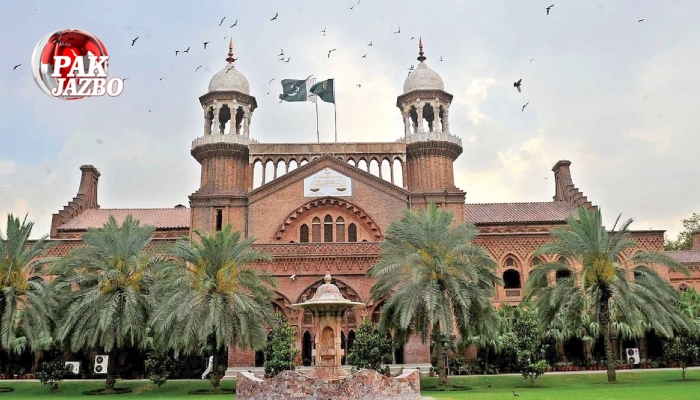
A sessions court in Lahore has handed down the death penalty to a man convicted of murdering his wife, in a case that has drawn attention to the severity of domestic violence and the legal consequences surrounding such crimes.
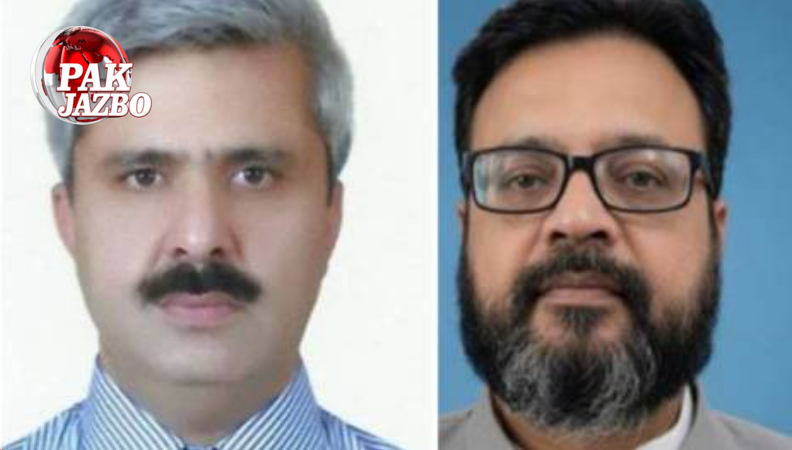
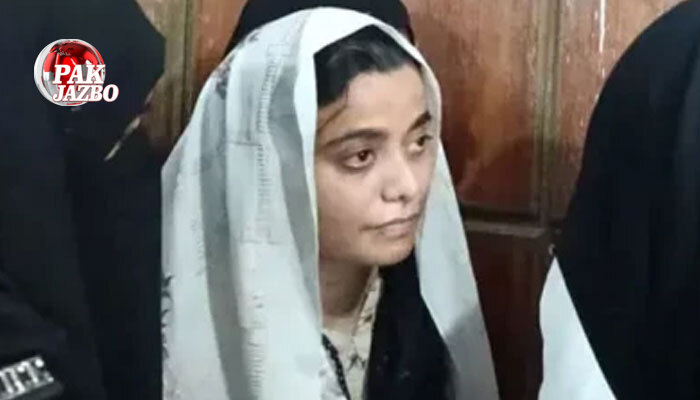
According to court proceedings, the accused, identified as Muhammad Azam, was found guilty of killing his पत्नी, Shabnam Bibi. The court ruled that the prosecution had successfully proven the charges beyond reasonable doubt, leading to the conviction and sentencing of the accused.
In its verdict, the court not only awarded the death sentence but also imposed a fine of Rs. 300,000 on the convict. The judgment was delivered by Additional Sessions Judge Ijaz Ahmad Bosal after the completion of the trial and careful consideration of arguments presented by both the prosecution and the defense.
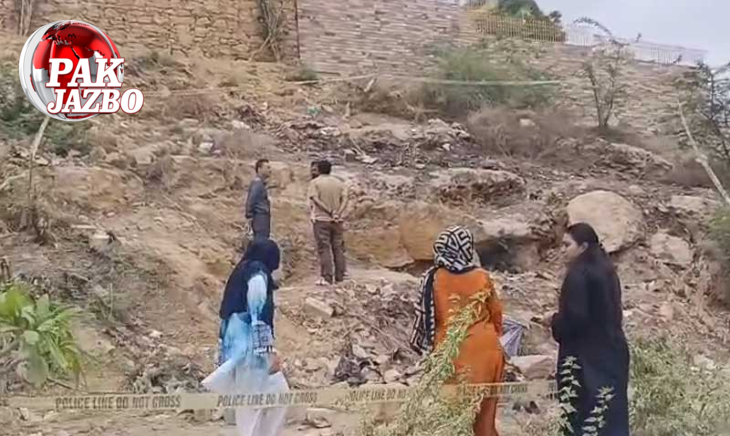
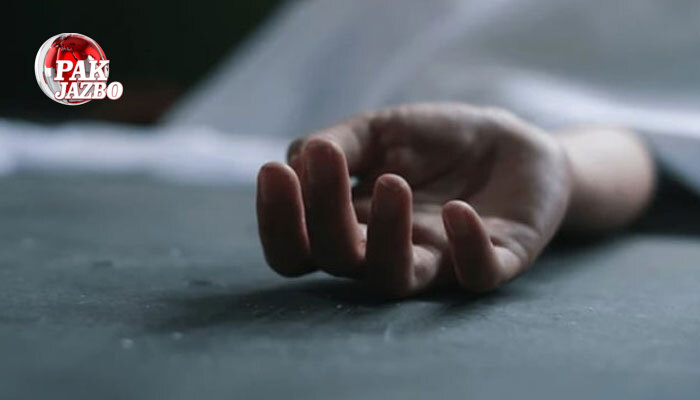
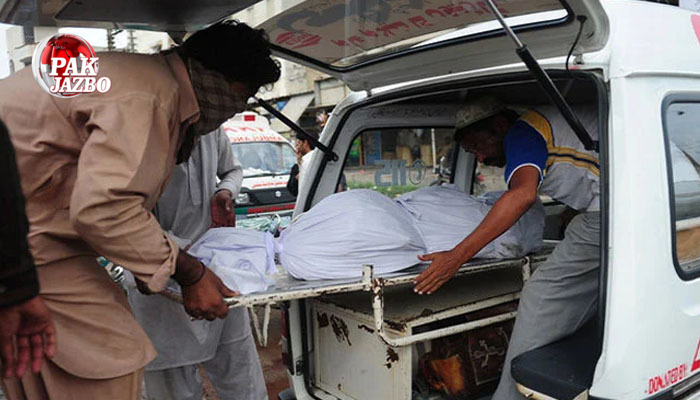
The prosecution detailed the gruesome nature of the crime, stating that Muhammad Azam had brutally murdered his wife by slitting her throat with a knife. The incident reportedly took place within the jurisdiction of Kahna Police Station, where a case was registered against the accused in 2025.
During the trial, evidence and witness testimonies were presented to establish the sequence of events and the involvement of the accused. The prosecution argued that the act was intentional and carried out with clear criminal intent, leaving no room for leniency.
The defense, on the other hand, attempted to challenge the evidence and raise doubts regarding the circumstances of the incident. However, the court found the prosecution’s case to be strong and consistent, ultimately concluding that the обвиняемый was guilty of committing a heinous crime.
Legal experts note that cases involving domestic violence, particularly those leading to murder, are treated with utmost seriousness in Pakistan’s judicial system. The imposition of the death penalty reflects the gravity of the offense and serves as a deterrent against similar acts of violence.
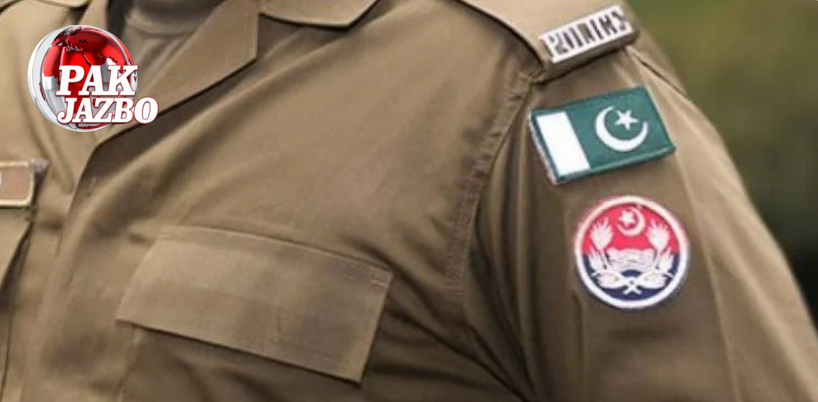
The judgment also underscores the importance of due process, as the court carefully evaluated all aspects of the case before arriving at its decision. The role of law enforcement agencies, particularly the Kahna Police, was acknowledged for conducting the investigation and ensuring that the accused was brought to justice.
Family members of the victim have expressed a sense of relief following the verdict, though they continue to grapple with the loss of their loved one. Such cases often leave lasting emotional and psychological impacts on families, highlighting the need for broader societal efforts to address domestic disputes and हिंसा.
It is important to note that under Pakistani law, the convicted individual retains the right to appeal the decision in higher courts. The appellate process allows for a review of the trial court’s judgment to ensure that justice has been served in accordance with the law.
The case serves as a stark reminder of the consequences of violent behavior within households and the critical role of the justice system in protecting vulnerable individuals. Authorities continue to emphasize the need for awareness, intervention, and support systems to prevent domestic violence and safeguard lives.
As the legal process moves forward, the case will remain a point of reference in discussions about crime, punishment, and the enforcement of justice in Pakistan.
What’s your Reaction?
+1
+1
+1
+1
+1
+1