































































































































































































































































































































































































































































































































































































































































































































































































































































































































































































































































































































































































































































































































































































































































































































































































































































































































































































































































































































































































































































































































































Khyber Pakhtunkhwa Floods Severely Damage Power Infrastructure, 87,000 Consumers Still Without Electricity


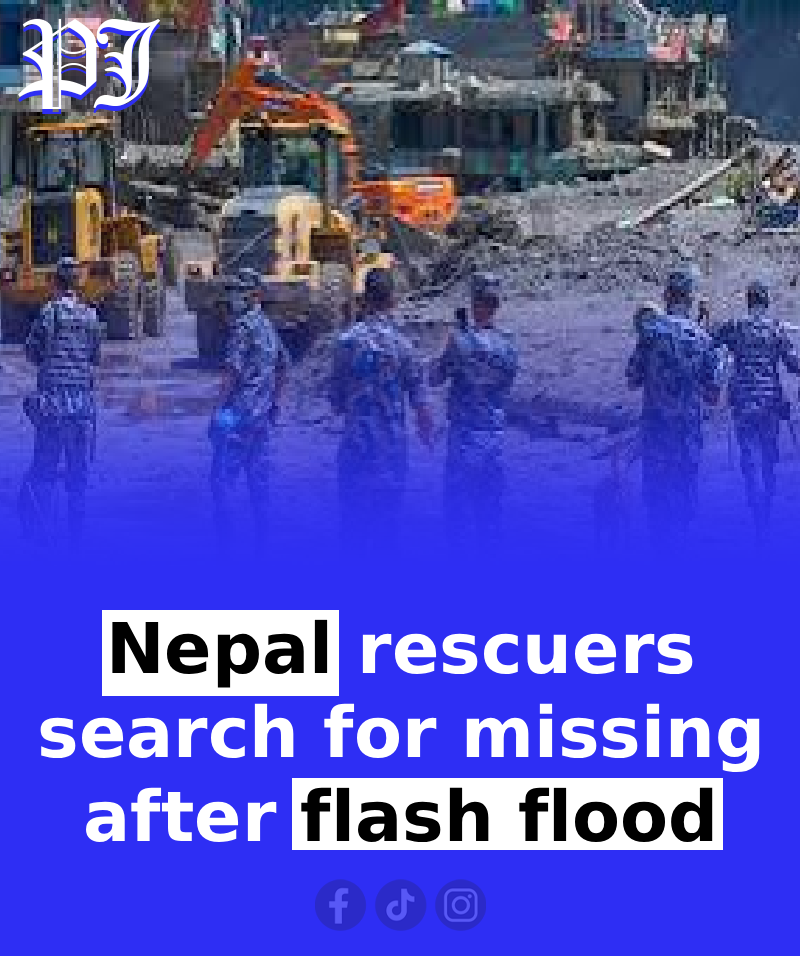
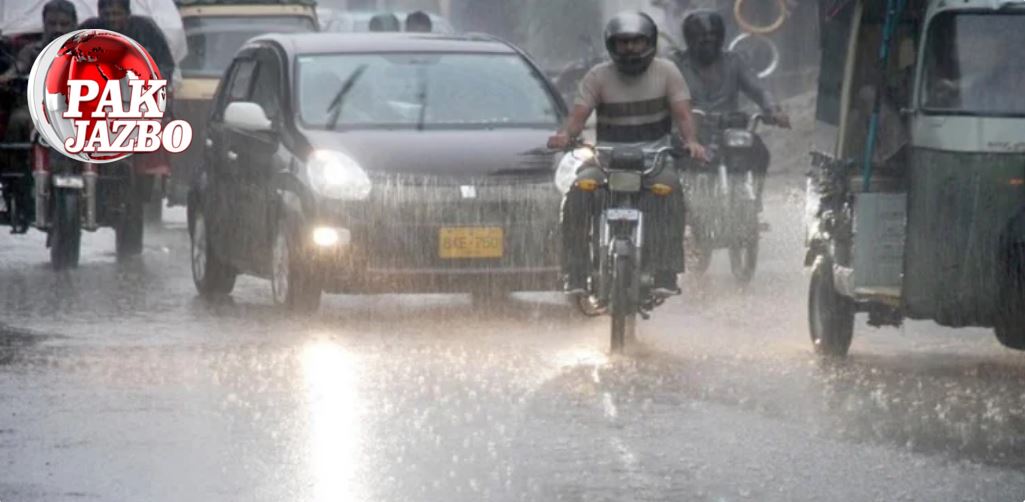
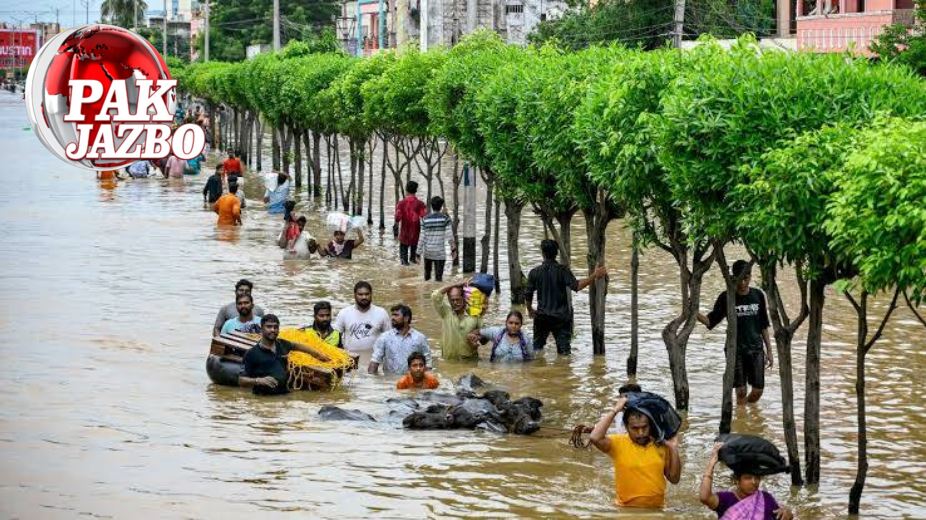
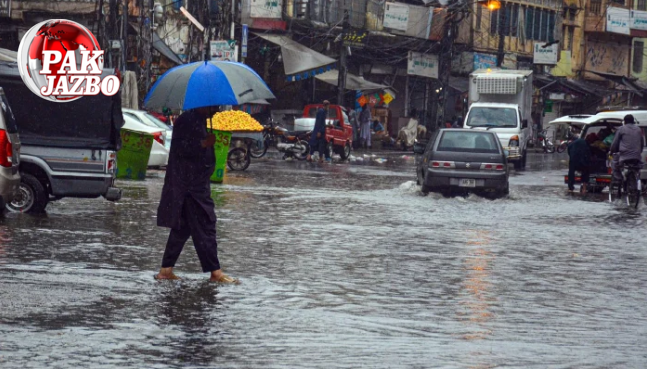
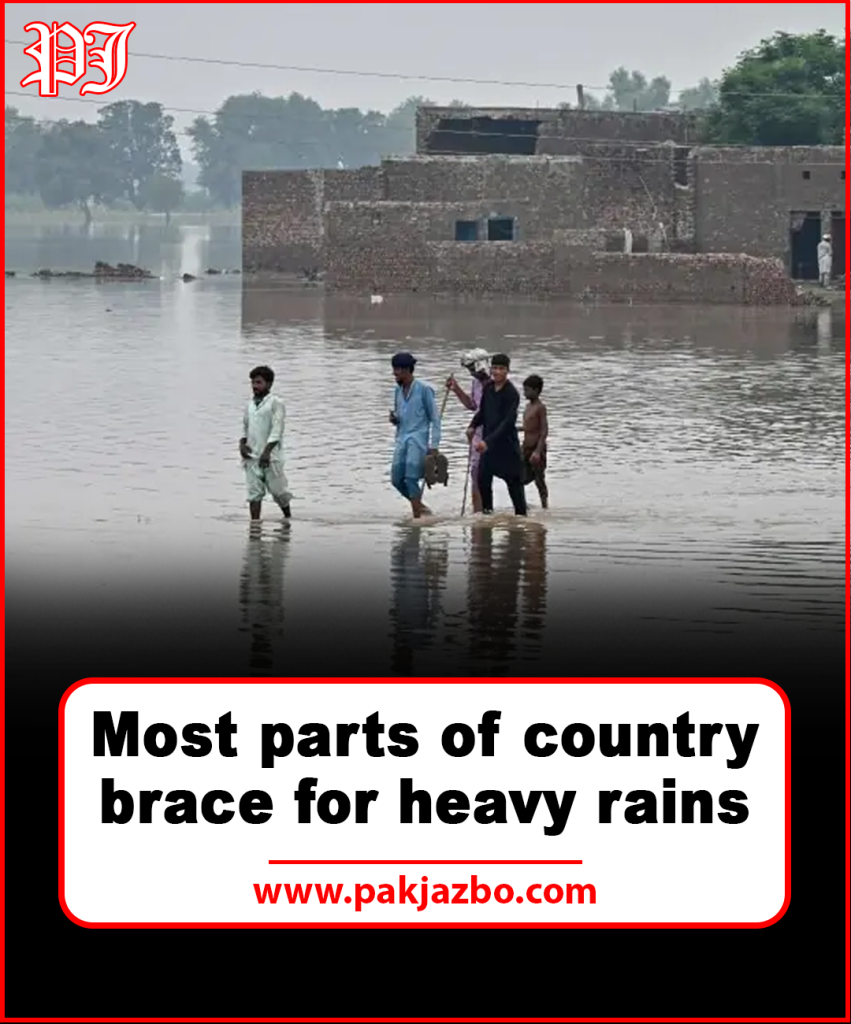
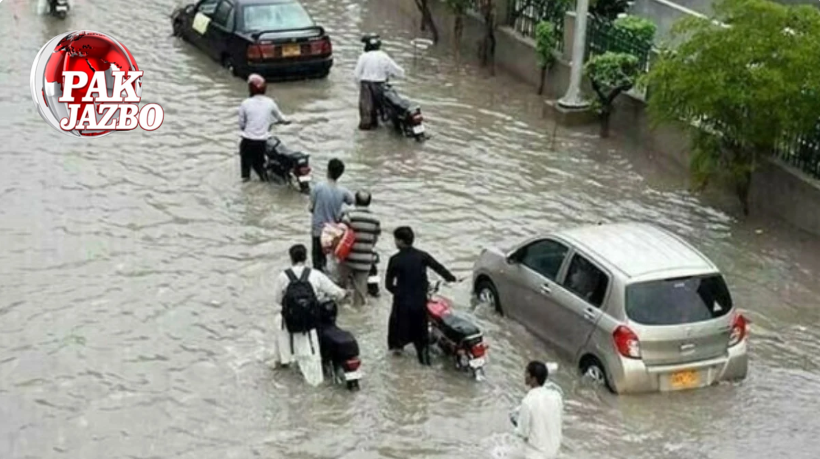
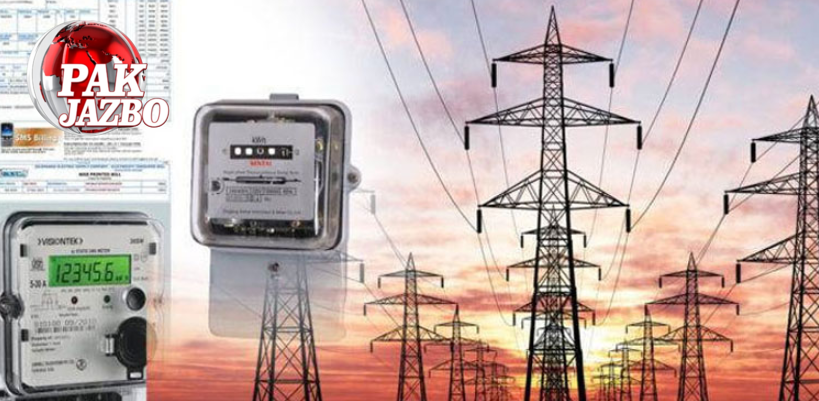
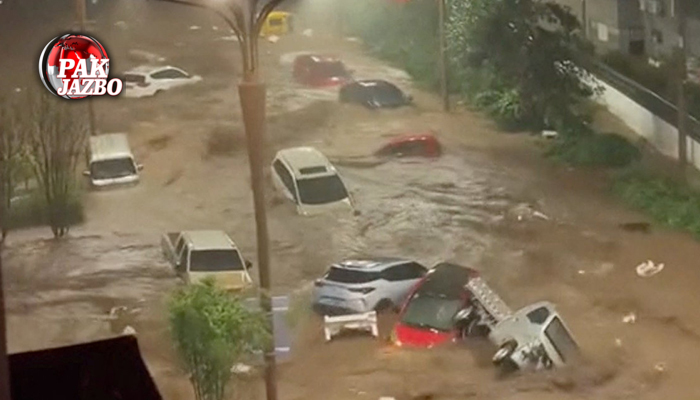
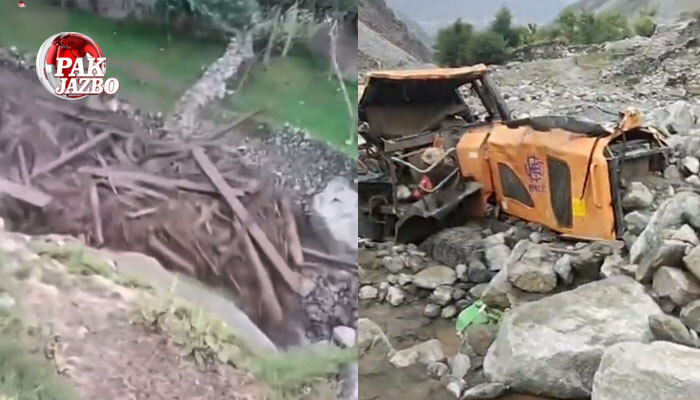
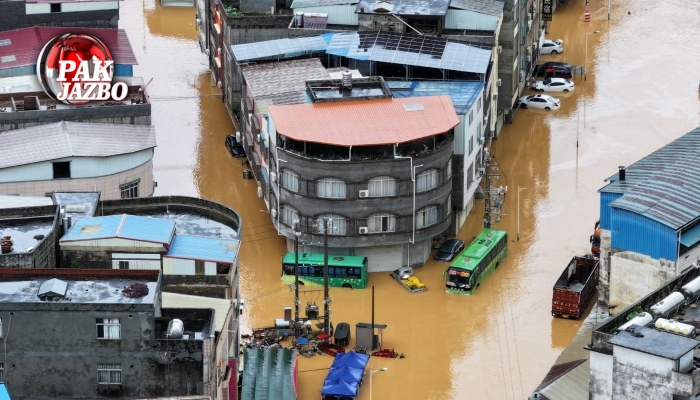
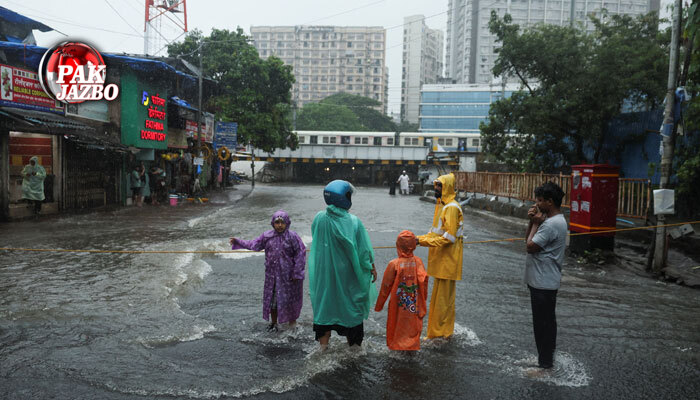
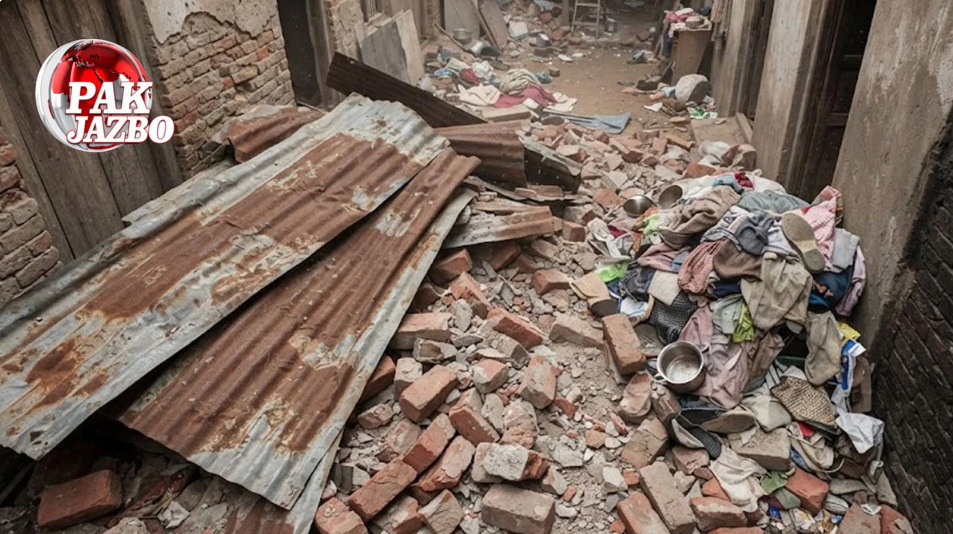
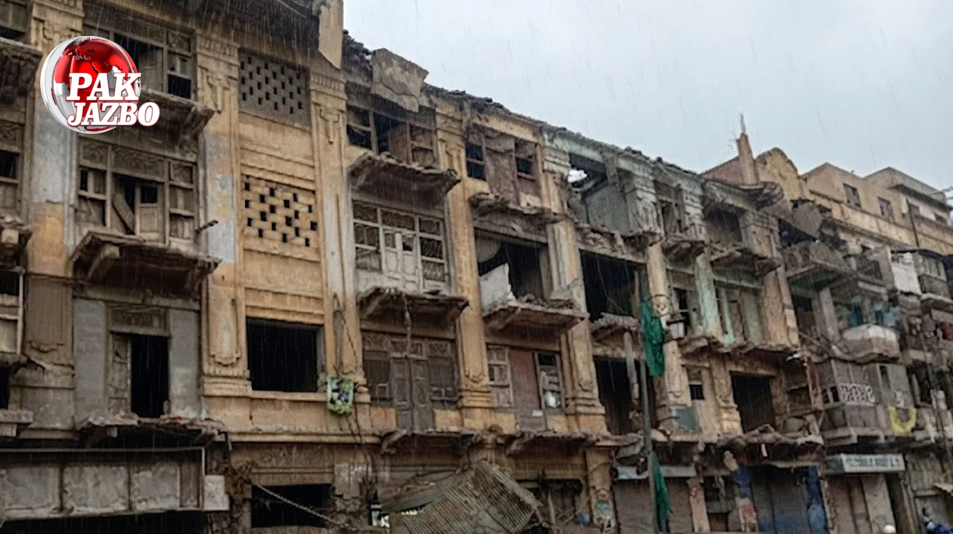
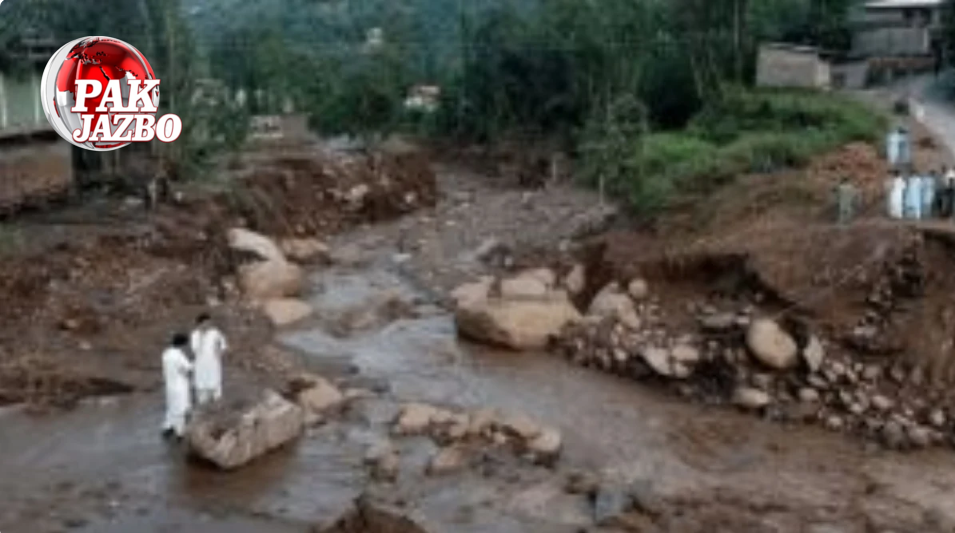
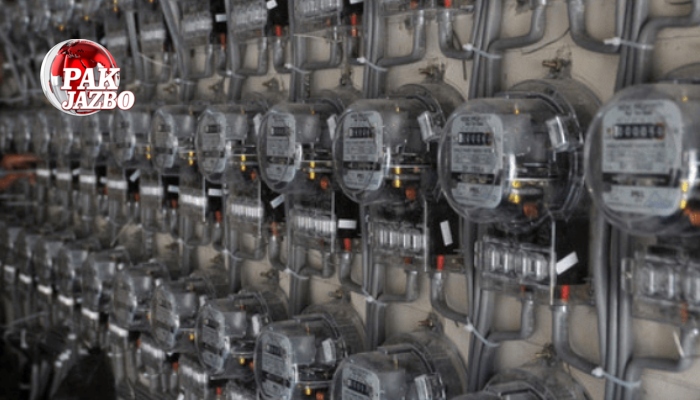
Peshawar: The recent wave of flooding in Khyber Pakhtunkhwa has caused severe disruptions to the province’s electricity supply system, leaving tens of thousands of people without power. According to power distribution authorities, floods have damaged a large number of transformers, feeders, and transmission lines across the worst-hit districts, creating enormous challenges for restoration efforts.
Extent of Damage in Swat, Shangla, and Buner
The official report revealed that three districts—Swat, Shangla, and Buner—have been among the worst affected. In total, 292 transformers were damaged, while 49 feeders sustained heavy losses due to floodwaters. As a result, power supply was badly disrupted across multiple urban and rural areas in these districts.
While authorities have managed to restore electricity to approximately 212,000 consumers, an estimated 87,000 households and businesses remain in the dark. For many families, this outage has not only created hardships in daily life but has also hindered local businesses, hospitals, and schools dependent on electricity.
Situation in Peshawar
Peshawar, the provincial capital, also suffered major damage to its power grid. According to the report, 33 feeders have been fully restored, and 9 feeders partially repaired, but 7 feeders remain out of service. The outages in Peshawar alone have affected nearly 299,000 consumers, highlighting the scale of the crisis in urban areas.
Percentage of Consumers Still Without Power
Despite round-the-clock efforts, a large proportion of residents in the flood-affected districts remain without power:
- Swat: 63% consumers still disconnected
- Shangla: 56% consumers without power
- Buner: 46% consumers yet to be restored
The numbers indicate that rural and mountainous districts face longer delays in restoration due to washed-away roads, landslides, and damaged infrastructure that make access extremely difficult for repair teams.
Restoration Efforts and Resources Deployed
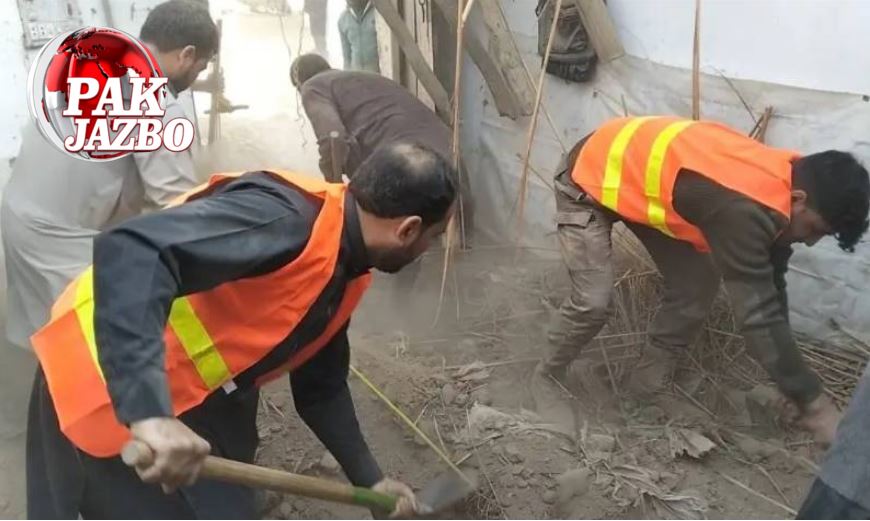
The Power Supply Company (PESCO) has mobilized significant manpower and technical resources to repair the damage. Currently, 10 specialized technical teams and 87 field staff are engaged in emergency repair operations. Work is ongoing on 481 damaged electricity poles and 55 feeders, while many areas remain inaccessible due to floodwaters.
Authorities confirmed that priority has been given to critical infrastructure. Electricity supply to major hospitals in Buner and Swat has already been restored in order to ensure uninterrupted healthcare services. Schools, water supply schemes, and communication networks are also being prioritized as part of the phased restoration plan.
Financial Losses to PESCO
The initial damage assessment has revealed that the floods have caused losses worth Rs. 1.642 billion (16 crore 42 lakh 77 thousand rupees) to PESCO. Out of this, Swat district alone has suffered losses of Rs. 536.46 million (5 crore 36 lakh 46 thousand rupees).
Officials stated that the financial burden of repairing infrastructure is massive, requiring not just replacement of equipment but also reinforcement of transmission lines and poles to withstand future disasters. The government is expected to allocate emergency funds to support these restoration works.
Challenges Facing Power Restoration
Field workers have faced multiple challenges in restoring power to flood-hit areas:
- Accessibility: Many roads leading to damaged sites are either submerged or destroyed by landslides.
- Weather: Continuous rains and unstable conditions slow down the pace of work.
- Equipment shortages: Replacement transformers and poles are not immediately available in sufficient numbers.
- Safety risks: Repair teams are working in dangerous conditions, where flood currents and damaged infrastructure pose threats to life and safety.
Despite these difficulties, authorities stressed that the restoration process is being carried out as quickly as possible, with additional manpower and equipment being diverted to the hardest-hit districts.
Impact on Daily Life
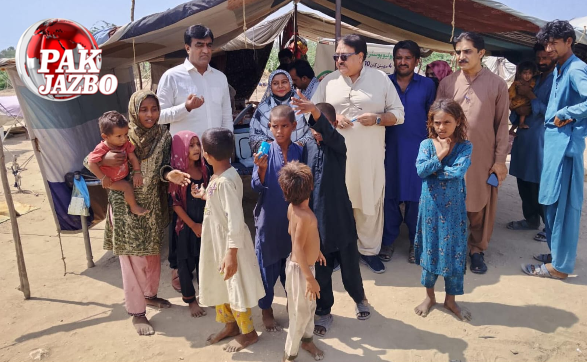
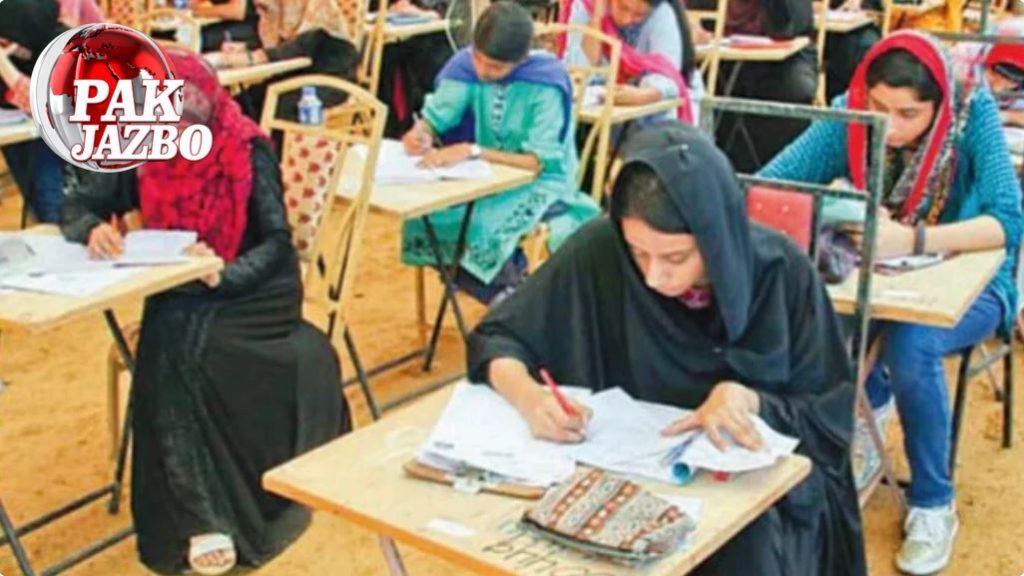
The prolonged electricity outage has severely disrupted daily life in the affected areas. Residents are struggling with lack of refrigeration, water shortages due to non-functional pumps, and communication breakdowns as mobile networks and internet services face interruptions. Businesses, especially small shops and workshops, are incurring losses, while students preparing for examinations are also impacted due to lack of lighting.
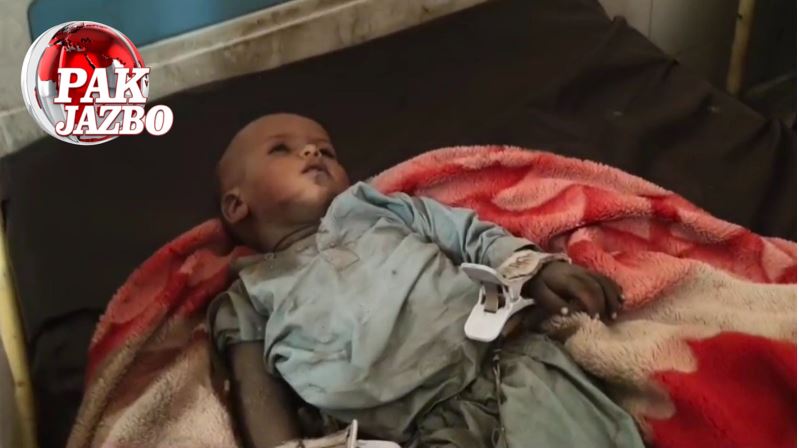
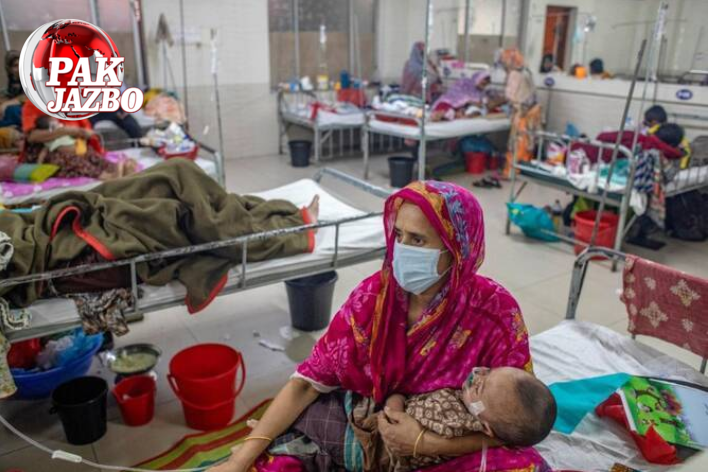
The humanitarian dimension is equally concerning. Relief workers warn that lack of electricity could complicate ongoing rescue and relief operations, particularly in healthcare facilities, where equipment like ventilators, oxygen supply, and refrigerators for medicines rely on continuous power supply.
Government and Public Response
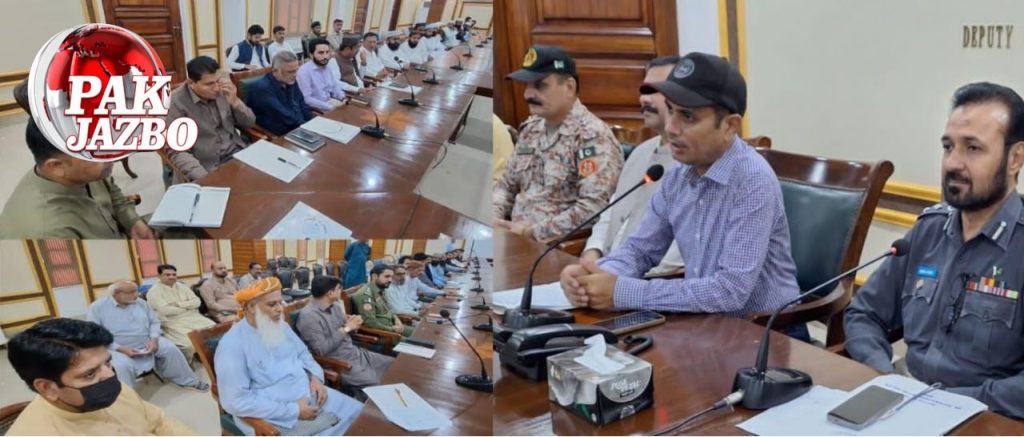
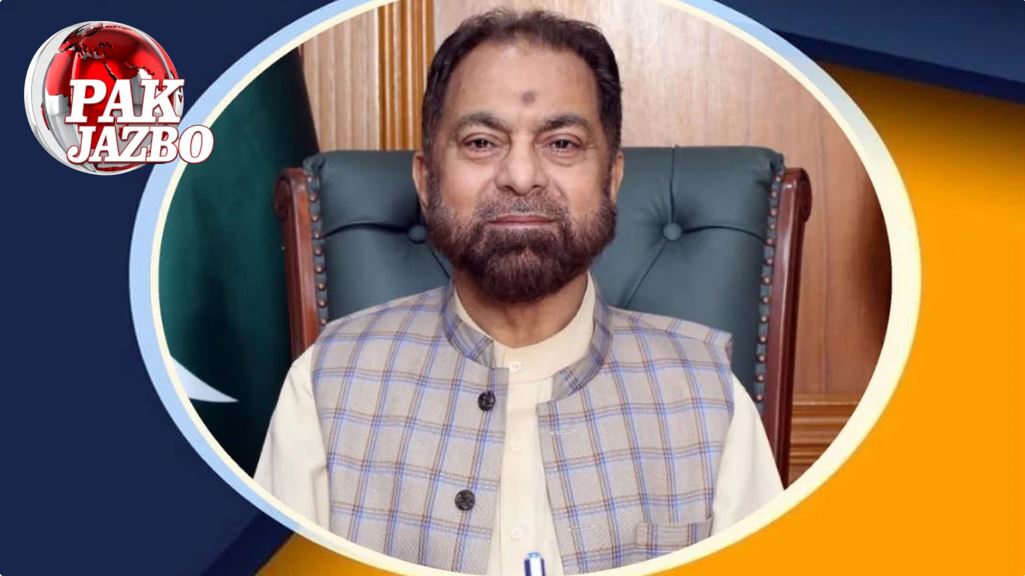
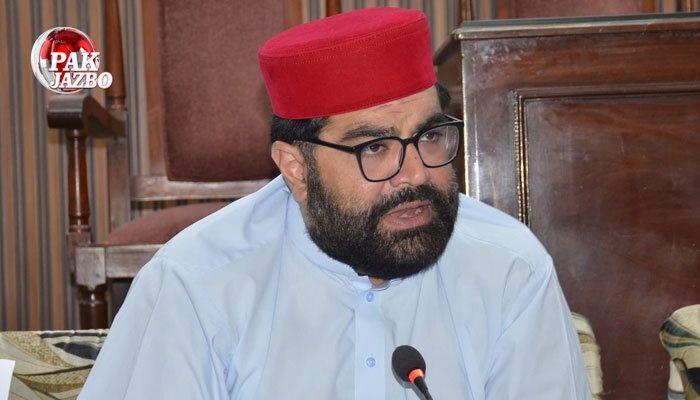
The provincial government has pledged full support for early restoration of power in affected areas. Chief Minister Ali Amin Gandapur has directed PESCO to expedite repair work and provide him with daily progress reports. Relief organizations have also been requested to assist communities that remain without electricity.
Local communities, however, have expressed frustration at the slow pace of restoration, particularly in remote villages where residents feel neglected. Civil society groups have demanded stronger infrastructure planning to prevent such large-scale damages in the future, emphasizing the need for climate-resilient power grids.
Long-Term Considerations
Experts believe that the crisis highlights the urgent need for climate adaptation in power infrastructure. With floods becoming increasingly frequent in Khyber Pakhtunkhwa, reliance on traditional electricity systems vulnerable to extreme weather poses long-term risks. Strengthening grids, underground cabling in flood-prone zones, and renewable energy projects like micro-hydropower plants in mountain areas are being recommended as sustainable alternatives.
Conclusion
The recent floods have once again exposed the fragility of power infrastructure in Khyber Pakhtunkhwa. With nearly 87,000 consumers still awaiting restoration of electricity, the provincial government and power companies face an uphill battle in bringing relief to the people. While emergency repairs continue, the situation also calls for long-term reforms and investments to ensure that future natural disasters do not cripple the region’s power supply system on such a massive scale.
For now, authorities remain focused on repairing the immediate damage, but the lessons from this crisis are clear: unless proactive measures are taken, the people of Khyber Pakhtunkhwa will continue to face similar hardships every monsoon season.
What’s your Reaction?
+1
+1
+1
+1
+1
+1