

























































































































































































































































































































































































































































































































































































































































































































































































































































































































































































































































































































































































































































































































































Saudi Arabia Reiterates Firm Stance: No Ties with Israel Until Independent Palestinian State Is Established


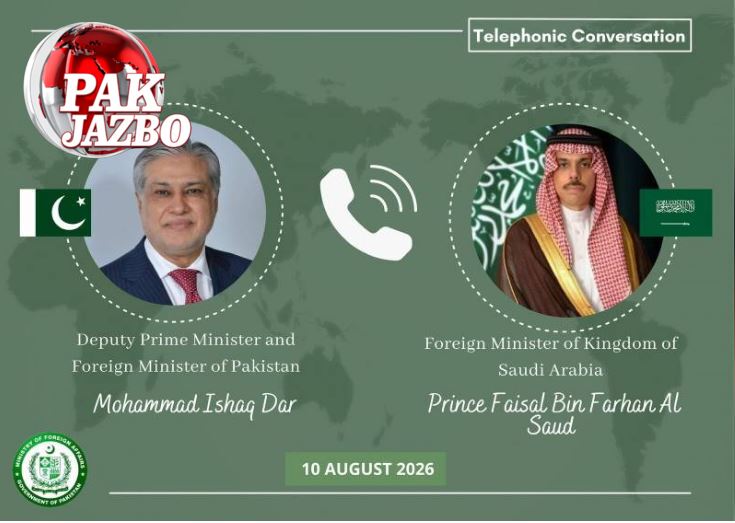
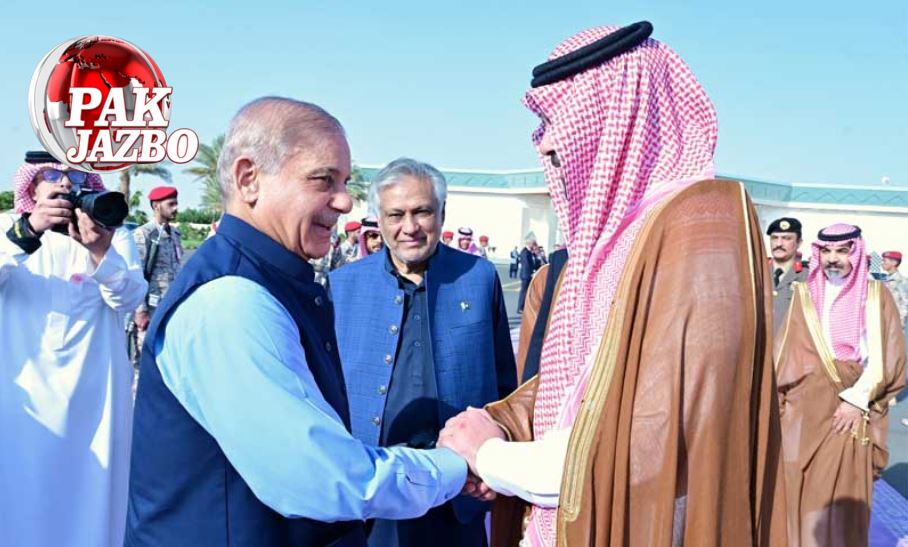
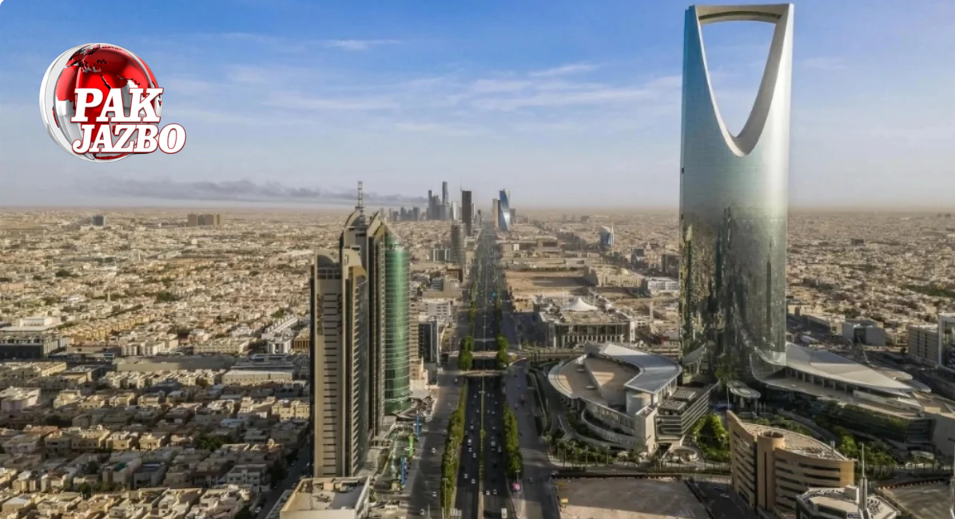
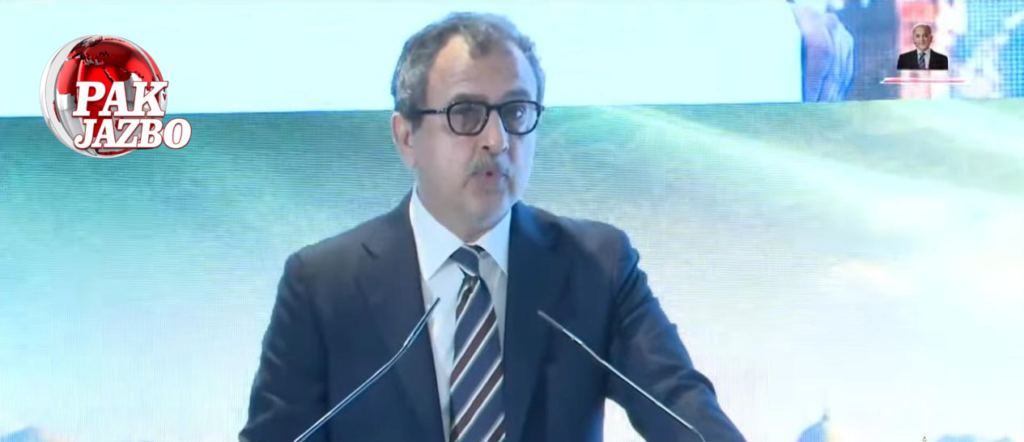
In a powerful and unequivocal statement delivered at an international conference hosted jointly by Saudi Arabia and France at the United Nations, Saudi Foreign Minister Prince Faisal bin Farhan Al Saud declared that the Kingdom of Saudi Arabia will not normalize relations with Israel until a sovereign and independent Palestinian state is established.
Speaking at the conference focused on reviving the two-state solution to the Israel-Palestine conflict, Prince Faisal underscored the centrality of Palestinian rights and national aspirations to any hope of achieving lasting peace, stability, and prosperity in the region. “Security and stability in the region,” he stated, “must begin with justice for the Palestinians.”
He reiterated that Saudi Arabia’s foreign policy remains firmly aligned with the Arab Peace Initiative, which was originally proposed in 2002 and calls for normalization of relations with Israel in exchange for a full withdrawal from the occupied territories and the establishment of a Palestinian state along the pre-June 4, 1967 borders, with East Jerusalem as its capital.
“There will be no diplomatic recognition of Israel,” said Prince Faisal, “until an independent Palestinian state is established.”
He went on to call the conference a “milestone toward peace” and emphasized that the implementation of the two-state solution is not just a political necessity but a moral imperative.
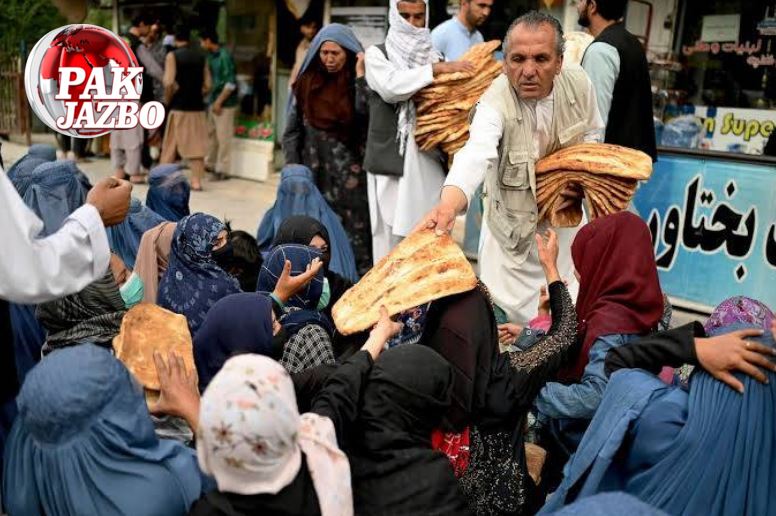
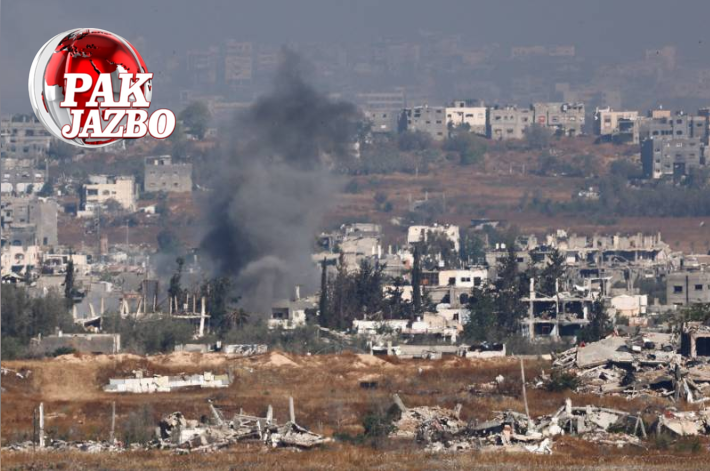
Highlighting the gravity of the humanitarian situation in Gaza, Prince Faisal called for an immediate end to the ongoing humanitarian catastrophe and noted that Saudi Arabia, in partnership with France, has facilitated the transfer of $300 million to Palestine through the World Bank, intended to aid in reconstruction and social welfare.
Prince Faisal further stated that regional peace is impossible without resolving the Palestinian issue. He emphasized that ignoring Palestinian rights only contributes to extremism, violence, and instability, not just within the occupied territories but throughout the broader Middle East.
“The people of the region cannot move forward while the rights of millions of Palestinians remain denied,” he added.
The Saudi foreign minister also stressed that any genuine solution must be based on international law and UN resolutions, including UN Security Council Resolutions 242 and 338. He rejected all unilateral actions by Israel that undermine the two-state framework, such as illegal settlements, the annexation of Palestinian land, and the continued siege of Gaza.
He called the Arab Peace Initiative a “fair and comprehensive framework” and emphasized that it remains the best blueprint for resolving the conflict.
Palestinian Prime Minister’s Address: A Call for Unity and Hope
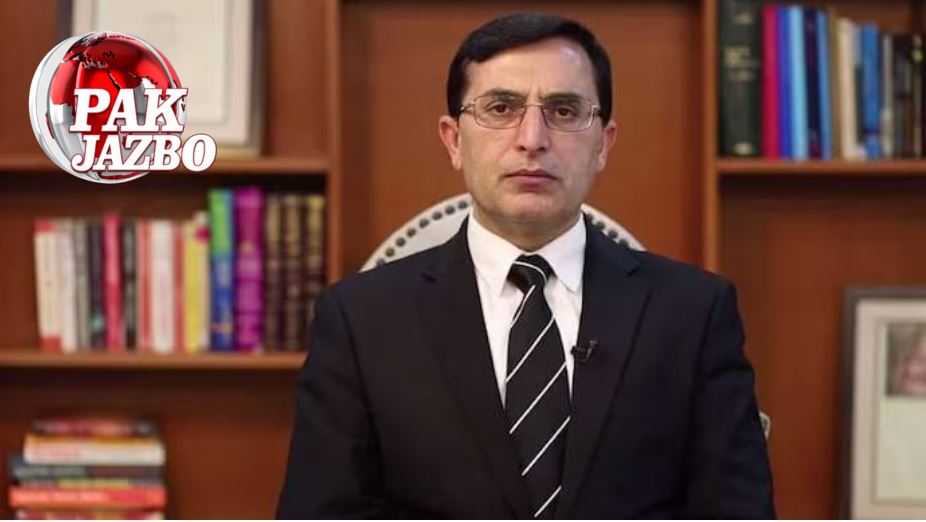
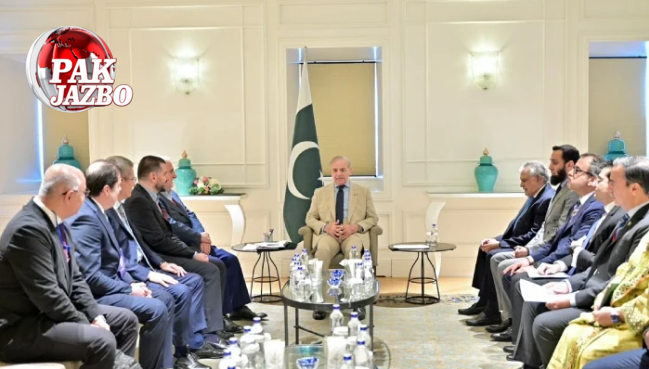
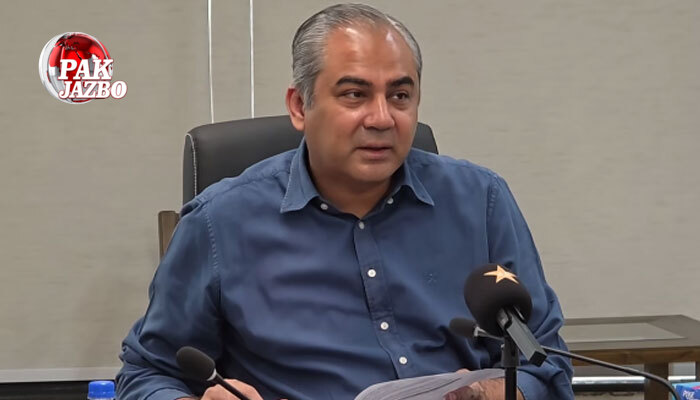
Also addressing the conference was Palestinian Prime Minister Dr. Mohammad Mustafa, who welcomed the initiative as a “historic opportunity” for peace and a sign that the world still stands with the Palestinian people. He praised the renewed international interest in the two-state solution and called for political unity among Palestinians, particularly between the Palestinian Authority and Hamas.
“This conference is not just another diplomatic gathering; it is a lifeline to our people, a message that they are not alone,” said Prime Minister Mustafa.
He urged all Palestinian factions to work together to achieve national reconciliation and emphasized that political division only weakens the Palestinian cause. The Prime Minister specifically called on Hamas to lay down arms and recognize the authority of the Palestinian Authority as the sole legitimate representative of the Palestinian people.
Dr. Mustafa called on the international community to move beyond words and implement practical measures, including the recognition of Palestinian statehood and sanctions against Israeli actions that violate international law.
He also thanked Saudi Arabia and France for their leadership in organizing the event and for their continued support for the Palestinian people, particularly in terms of humanitarian aid and diplomatic backing.
Broader International Reactions and Context
The conference comes at a time when Middle East tensions remain high, especially following Israel’s military operations in Gaza, continued settlement expansion in the West Bank, and increasing international pressure for a political resolution. While several countries in the region, including the United Arab Emirates and Bahrain, normalized ties with Israel under the Abraham Accords, Saudi Arabia has consistently refused to do so in the absence of a Palestinian state.
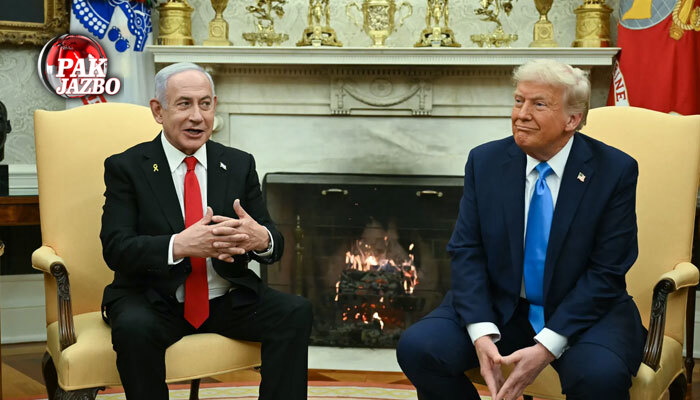
This latest reaffirmation of Saudi policy sends a strong signal that Riyadh will not follow the path of normalization unless meaningful progress is made toward resolving the Palestinian question. Analysts believe this stance significantly impacts regional diplomacy and the United States’ efforts to broker further Arab-Israeli normalization agreements.
Conclusion
The firm position adopted by Saudi Arabia reiterates the centrality of the Palestinian issue in Middle Eastern geopolitics and reminds the global community that no durable peace can be achieved without justice for the Palestinian people. As the conference concluded, participants expressed cautious optimism but acknowledged that significant political will and coordinated international pressure would be required to translate these declarations into meaningful change on the ground.
For now, Saudi Arabia’s message remains crystal clear: No peace without Palestine, and no relations with Israel until that peace includes a free, independent, and sovereign Palestinian state.
What’s your Reaction?
+1
+1
+1
+1
+1
+1