


















































































































































































































































































































































































































































































































































































































































































































































































































































































































































































































































































































































































































































































































































































































































































































































































































































































































Bangladesh Cricket Board Stands Firm on Decision Not to Send Team to India for T20 World Cup


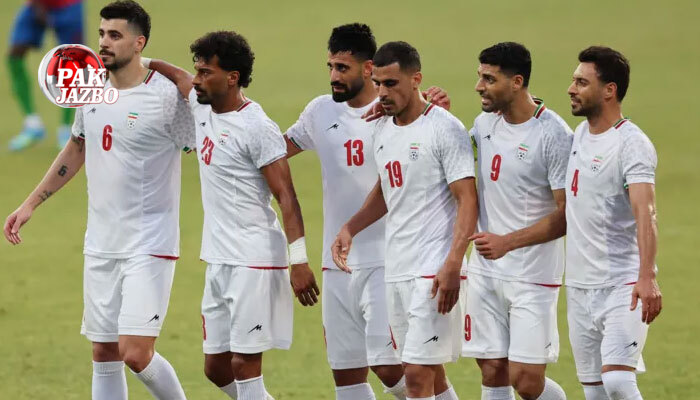
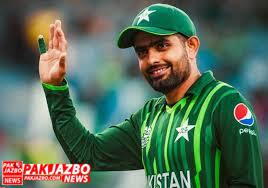
DHAKA: The Bangladesh Cricket Board (BCB) has firmly announced that it will not reverse its decision to refrain from sending the national cricket team to India for the upcoming ICC Men’s T20 World Cup, citing serious security concerns and a lack of satisfactory assurances from relevant authorities.
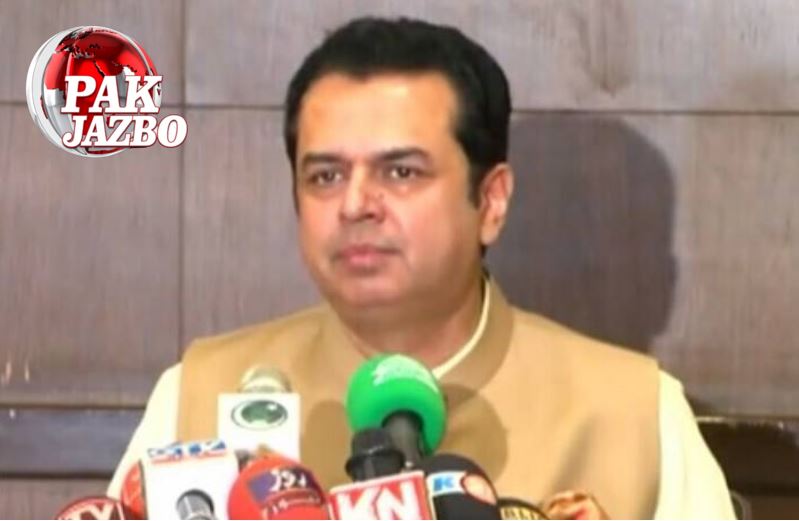
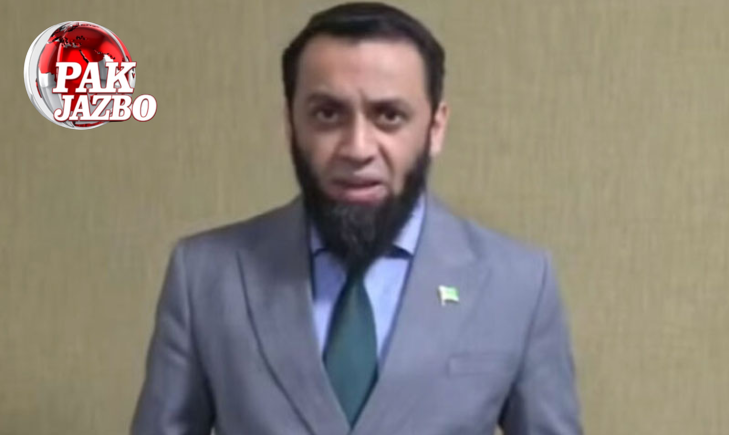
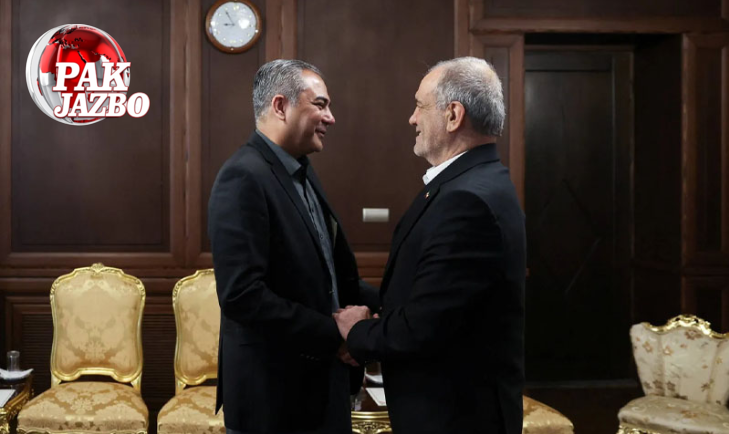
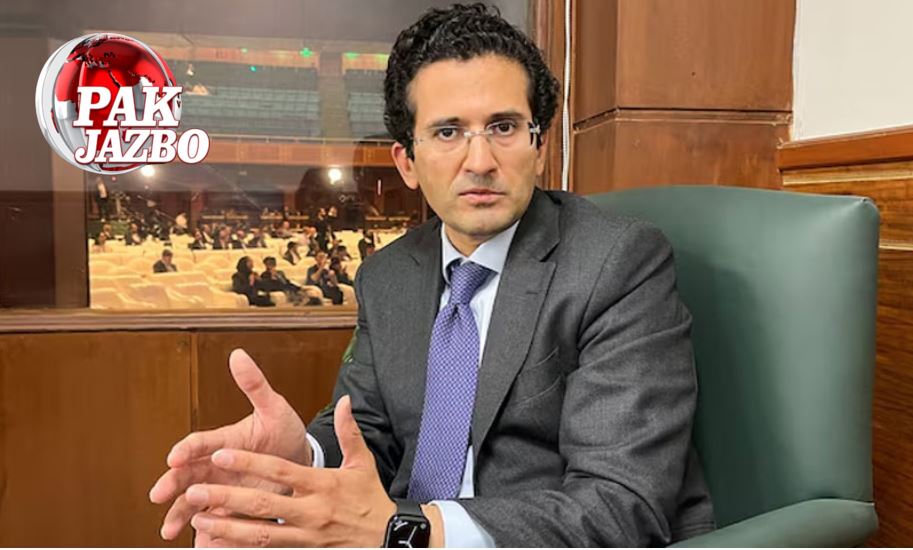
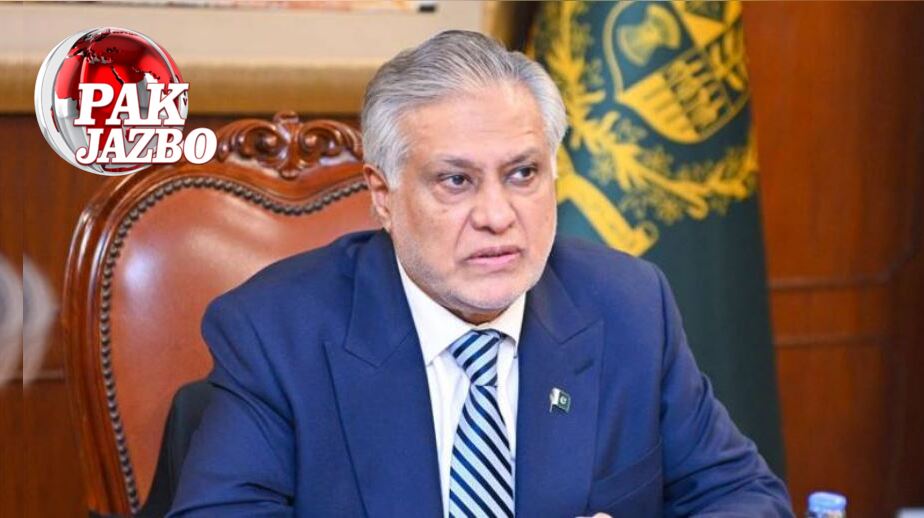
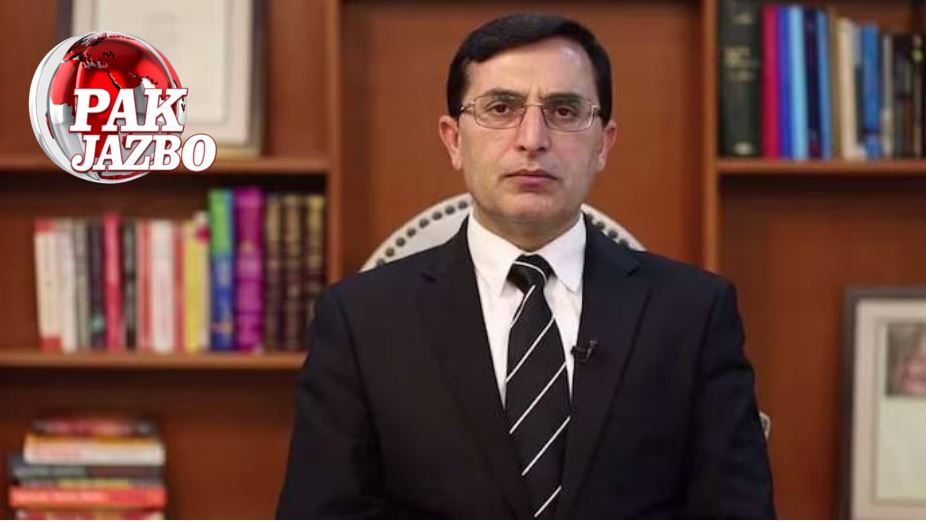
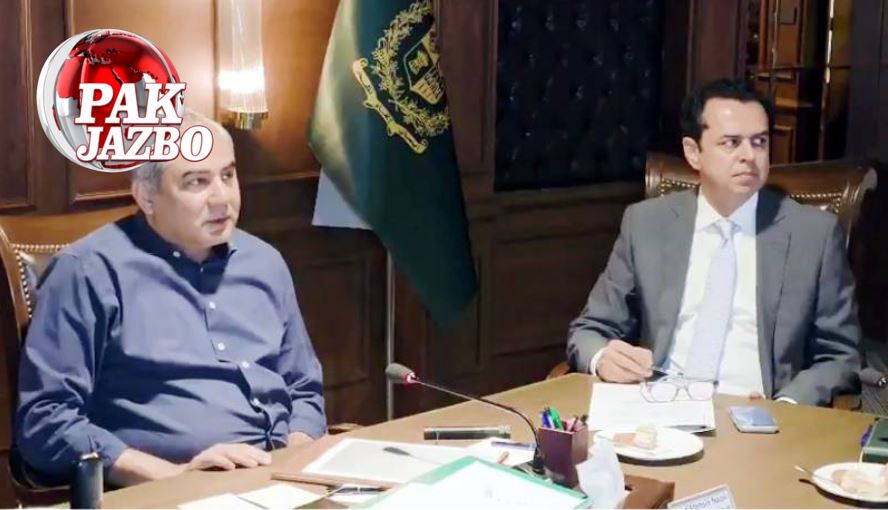
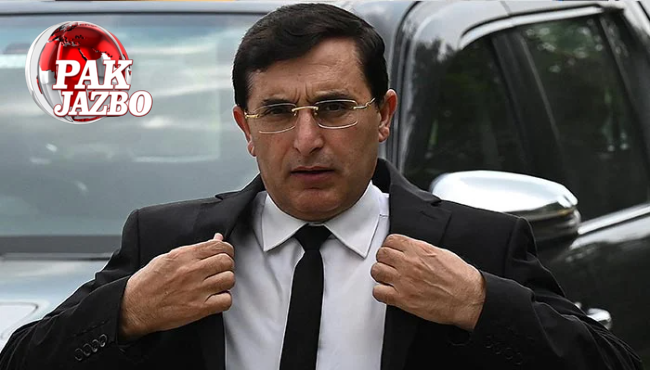
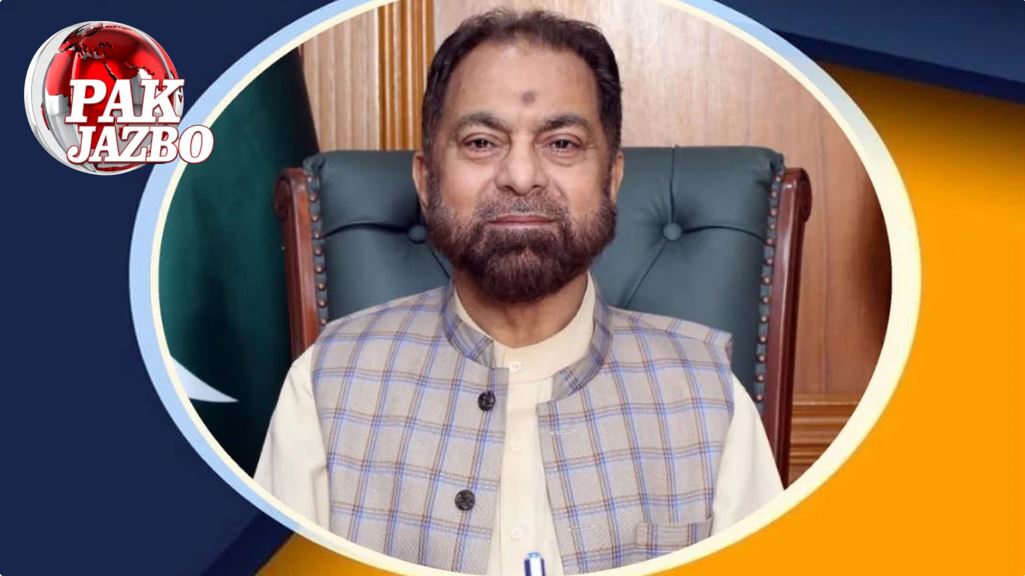
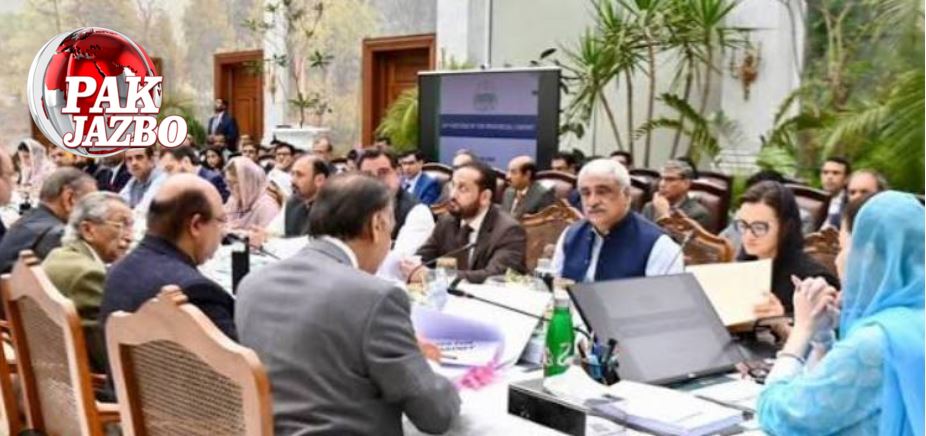
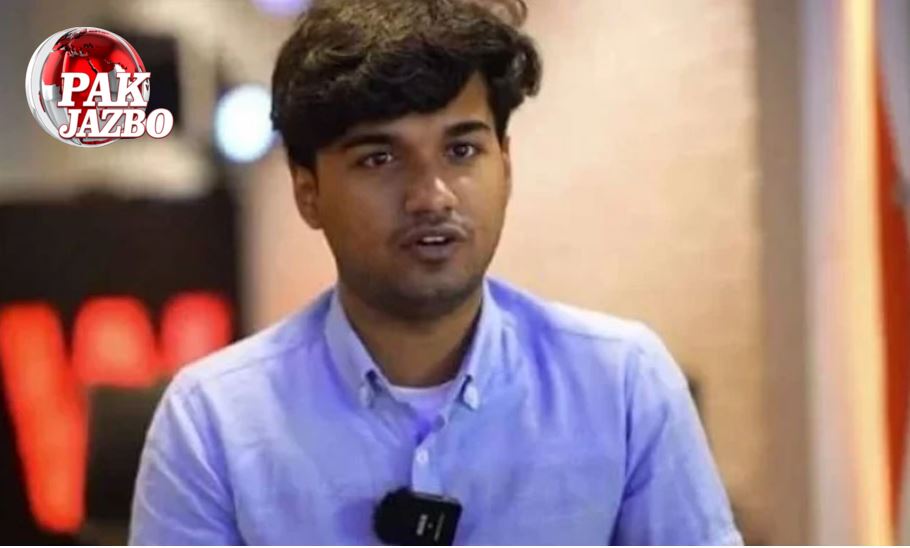
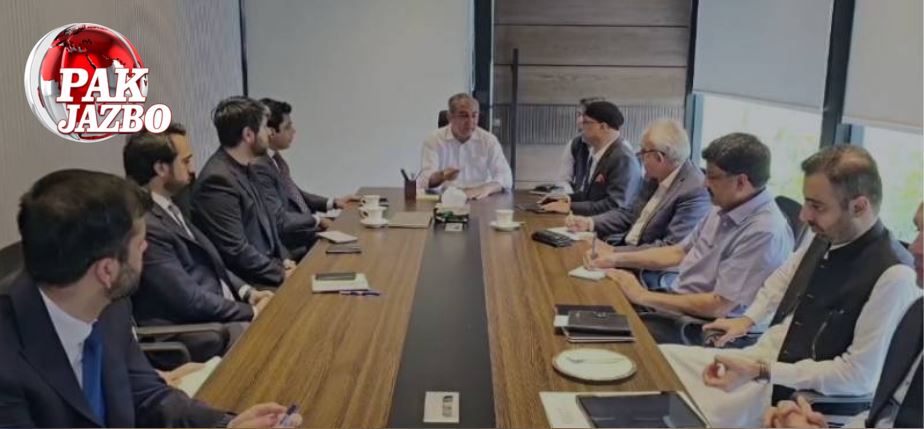
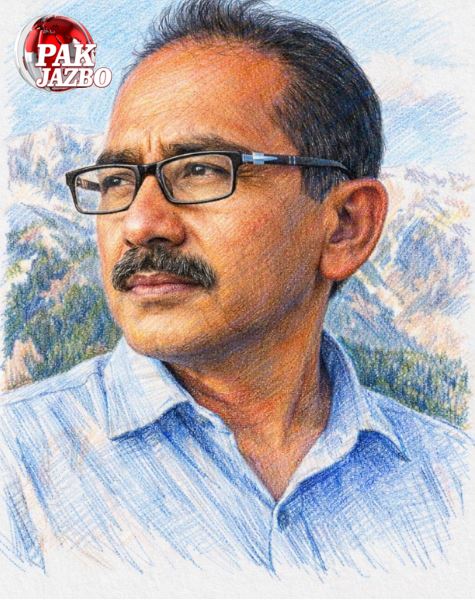
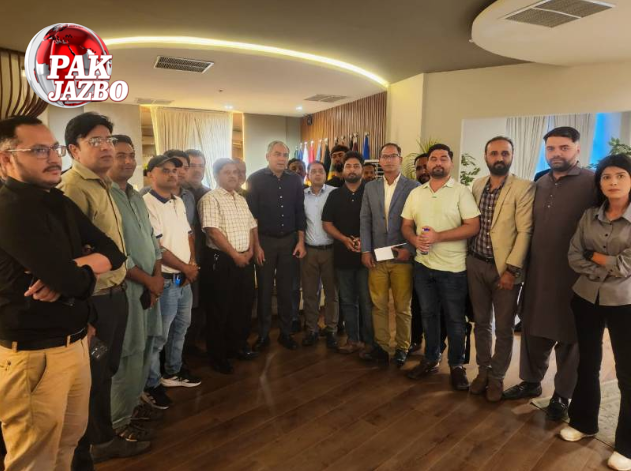
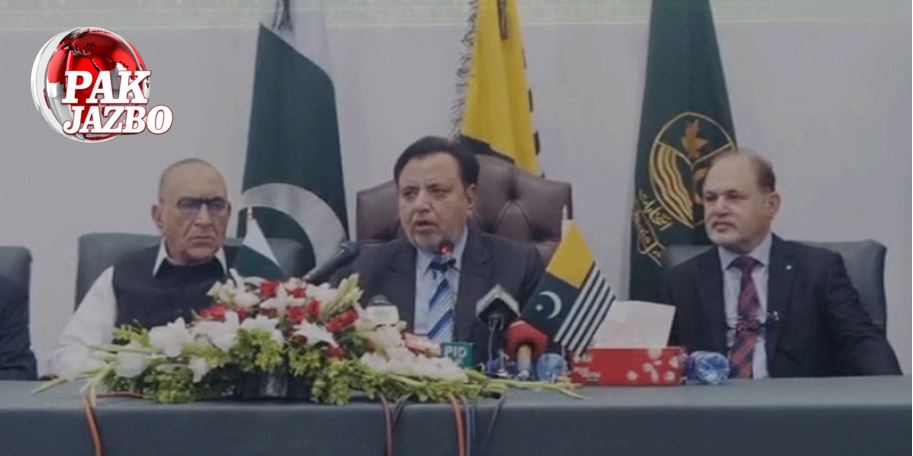
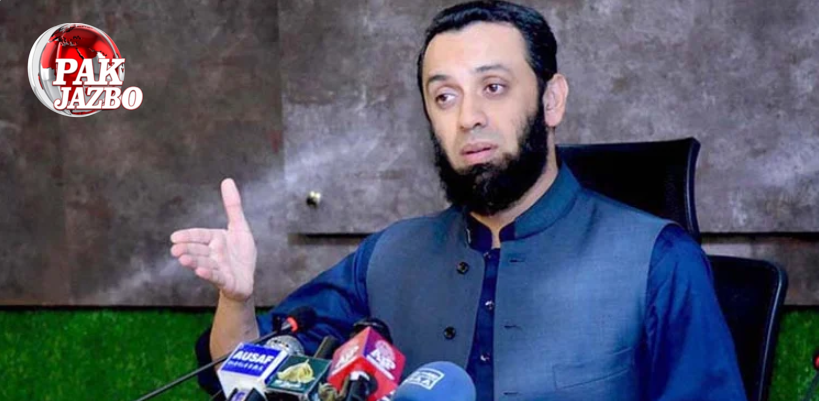
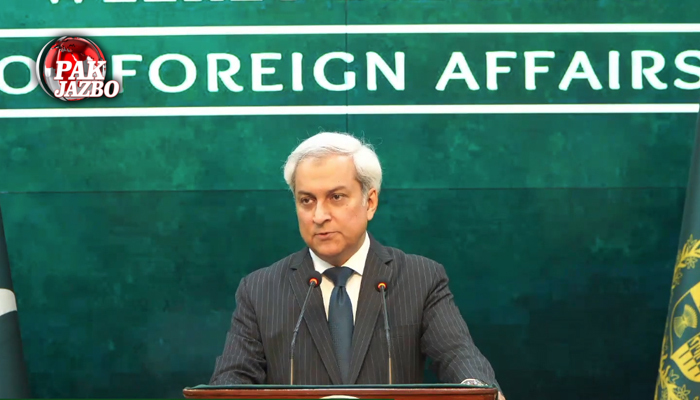
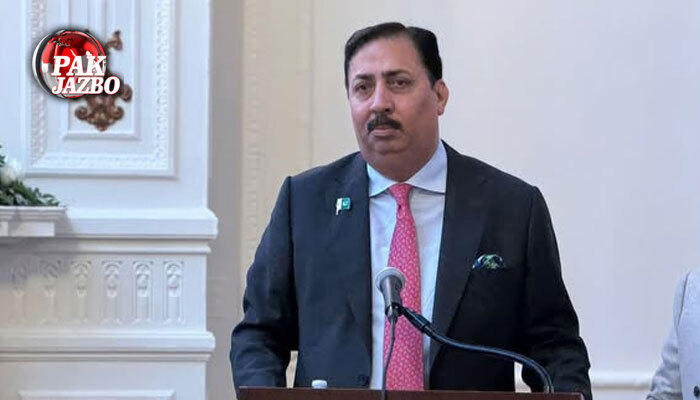
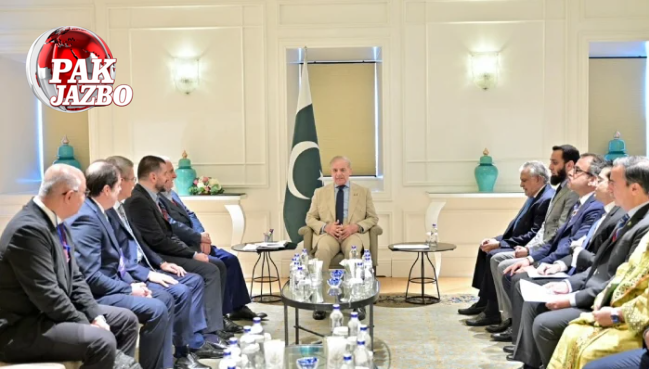
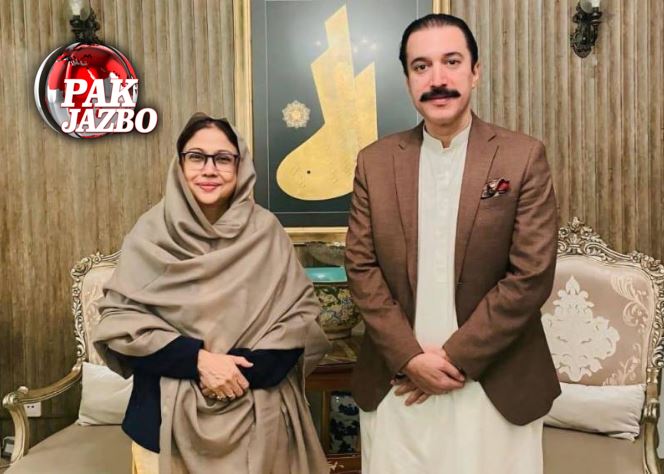
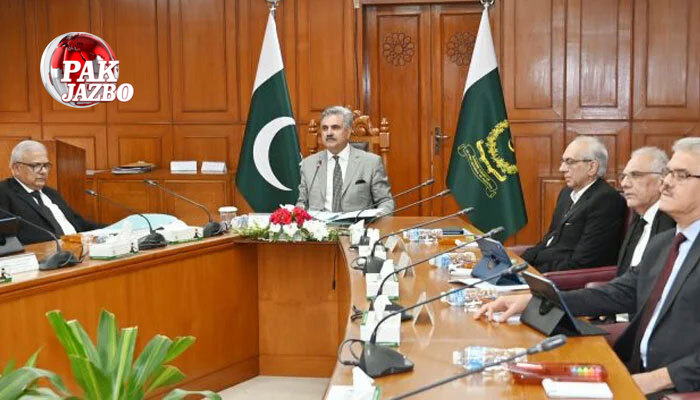
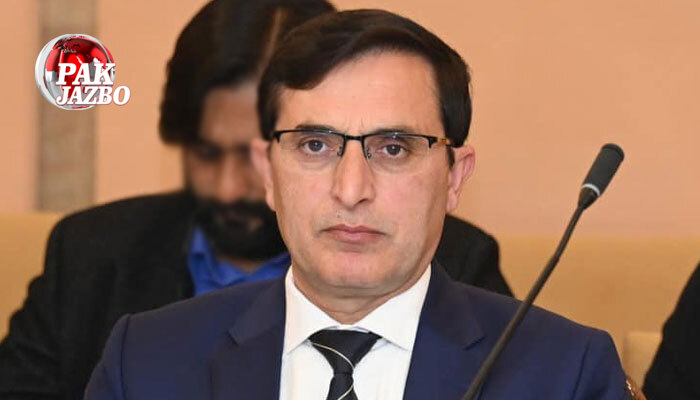
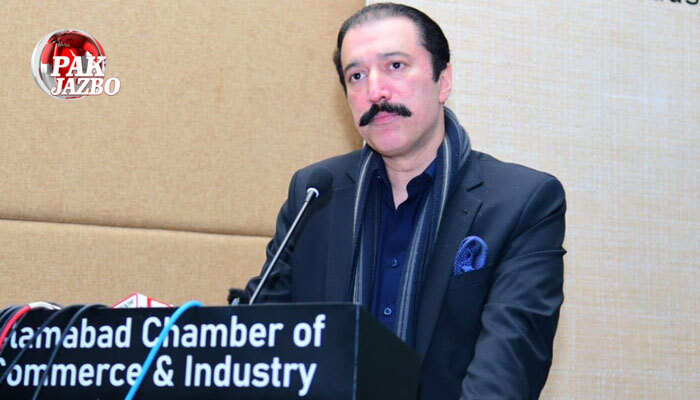
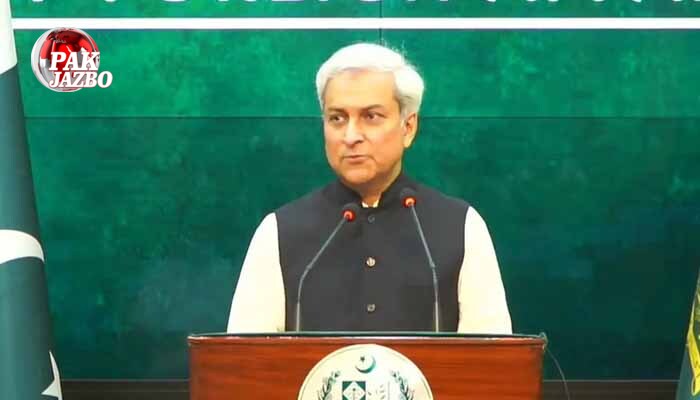
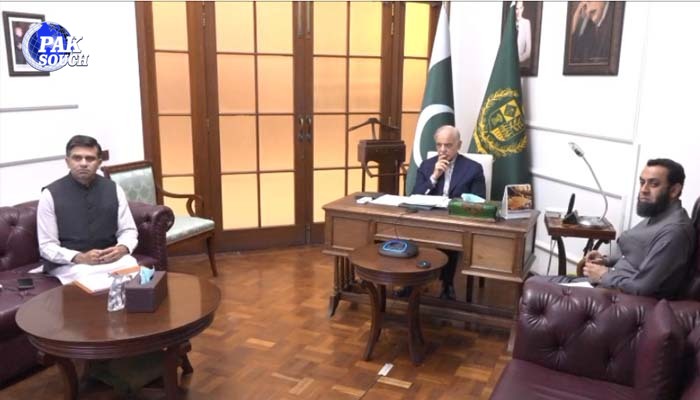
According to official sources, a high-level meeting between Bangladesh’s Adviser for Sports, Dr. Asif Nazrul, and members of the national cricket team concluded on Thursday. Following the meeting, Dr. Nazrul publicly confirmed that Bangladesh would not travel to India to participate in the World Cup under the current circumstances.
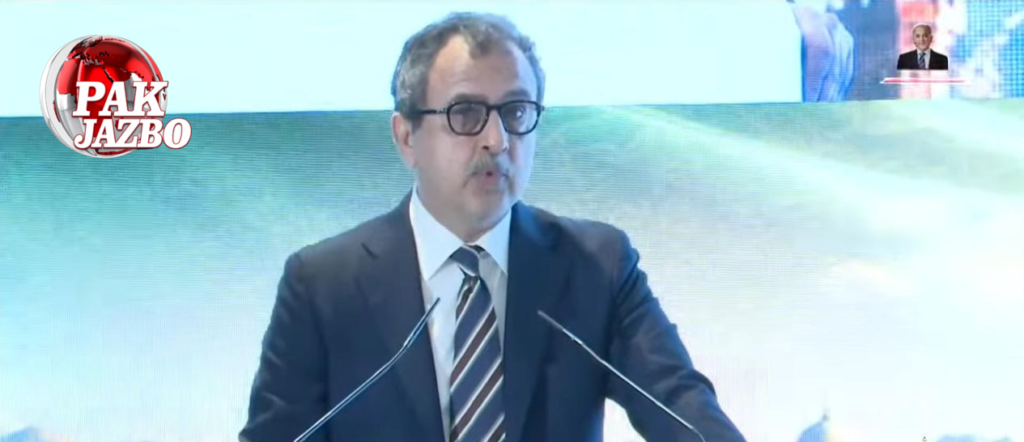
“We want to play cricket, and we are still hopeful that the ICC will take our concerns seriously,” Dr. Asif Nazrul said while addressing the media. “However, our position remains unchanged. There are significant security threats for our team in India, and our concerns have not been adequately acknowledged.”
Dr. Nazrul emphasized that the decision to boycott travel to India was taken at the government level after careful consideration of the safety and well-being of Bangladeshi players and officials. He added that despite repeated efforts, neither the International Cricket Council (ICC) nor the Indian government had made any serious attempt to convincingly address Bangladesh’s reservations.
“We made it clear that we are not against the tournament,” he said. “We want to participate in the World Cup, but we requested a hybrid model under which our matches could be held at a neutral venue. In our view, Sri Lanka would be the most suitable option for hosting Bangladesh’s matches.”
The sports adviser further stated that Bangladeshi cricketers had been taken into confidence regarding the decision and that they fully supported the board’s stance. “The players understand the situation and agree with our position. Their safety is our top priority, and we cannot compromise on that,” he added.
The issue has sparked intense debate within regional and international cricket circles, as Bangladesh’s refusal to travel to India presents a major logistical and political challenge for the ICC. While the ICC has so far not formally accepted Bangladesh’s demand for a hybrid model, Dr. Nazrul said Dhaka still hoped for a positive response.
“We still believe that the ICC should act fairly and pragmatically,” he said. “Ignoring genuine security concerns sets a dangerous precedent for international sport.”
Meanwhile, Bangladesh Cricket Board President Aminul Islam also reaffirmed the board’s position, stating that the matter would not be dropped easily. “This is our right, and we will pursue it until the end,” he said. “We will once again approach the ICC and make our case very clear.”
Aminul Islam reiterated that Bangladesh was not willing to compromise on its decision to avoid travel to India. “We will not go to India,” he said categorically. “If we are to participate in the T20 World Cup, we want to play our matches in Sri Lanka or another neutral venue where our team feels safe.”
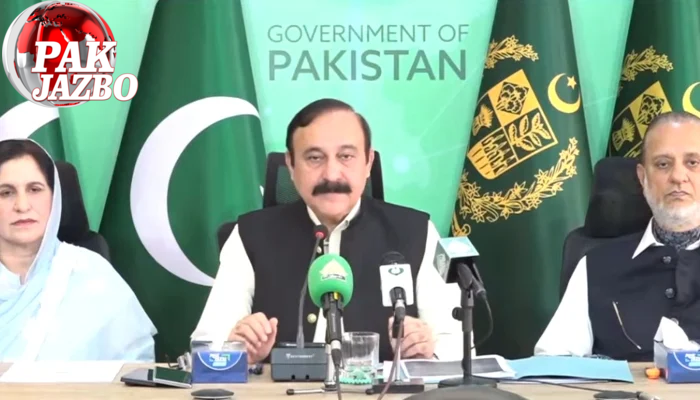
Sources within the BCB indicated that senior government officials and board representatives were expected to hold a press conference later to further clarify Bangladesh’s position and outline possible next steps. The press briefing is likely to address questions regarding potential consequences from the ICC, including penalties or scheduling changes.
The situation bears similarities to past disputes in international cricket where political tensions and security concerns have influenced tournament arrangements. In recent years, hybrid models have been used to accommodate teams unwilling or unable to travel to certain host countries, most notably in tournaments involving Pakistan, India, and Sri Lanka.
Cricket analysts believe that Bangladesh’s firm stance could force the ICC into difficult negotiations. “If the ICC wants to preserve the integrity of the tournament, it will need to find a workable solution,” said a Dhaka-based sports analyst. “Completely sidelining a full member like Bangladesh would be controversial and damaging to the event’s credibility.”
At the same time, some observers argue that accepting Bangladesh’s demand could open the door for similar requests from other teams in the future. This, they say, could complicate hosting rights and undermine centralized tournament planning.
Despite the uncertainty, Bangladeshi officials maintain that their intentions are purely sporting. “We want to play the World Cup,” Dr. Nazrul repeated. “But we want to play under conditions where our players feel secure and respected.”
As the ICC prepares for the global event, Bangladesh’s refusal to travel to India has added a new layer of complexity to an already sensitive tournament. The coming days are expected to be crucial, as discussions between the ICC, the Indian authorities, and the Bangladesh Cricket Board continue behind the scenes.
What’s your Reaction?
+1
+1
+1
+1
+1
+1