























































































































































































































































































































































































































































































































































































































































































































































































































































































































































































































































































































































































































































































































































































































































































































































































































































































































































































































































































































































Dutch Foreign Minister Resigns After Failing to Secure Cabinet Support for Sanctions on Israel


The Hague/International Desk –
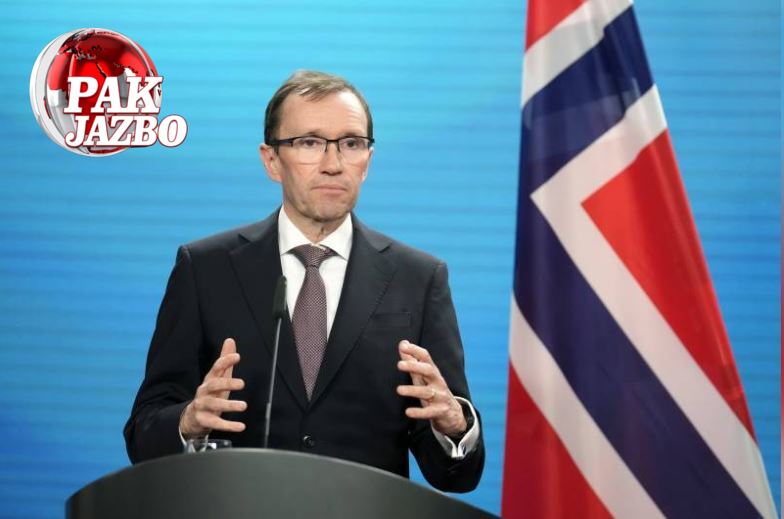
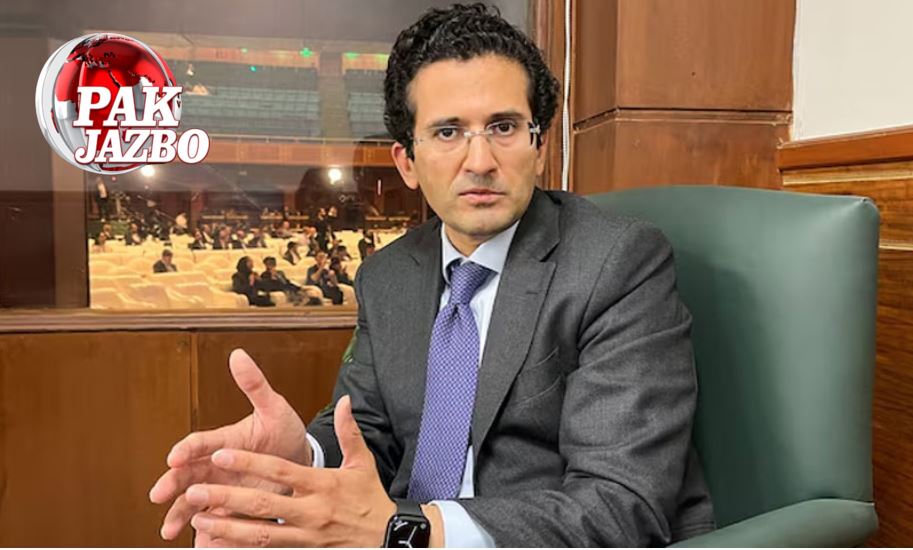
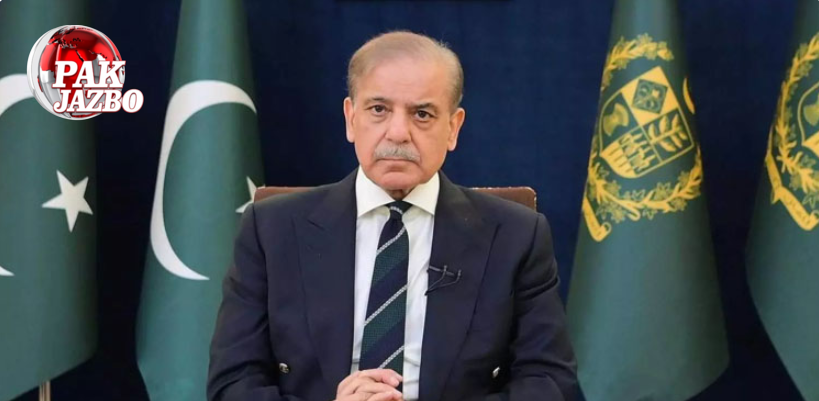
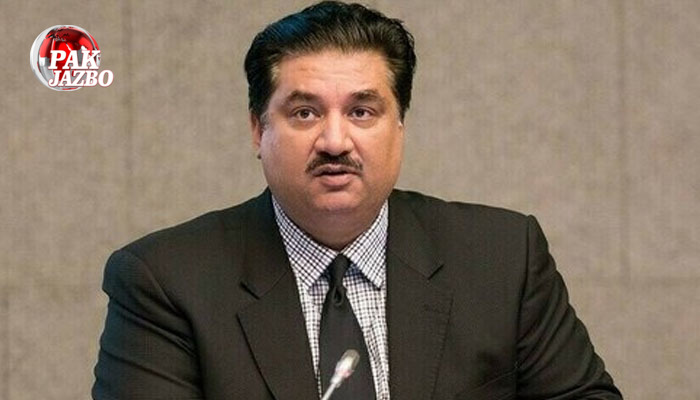
In a dramatic political development, the Netherlands’ Foreign Minister Casper Veldkamp has announced his resignation after failing to persuade the Dutch cabinet to adopt additional sanctions against Israel over its military campaign in Gaza.
The Resignation
Veldkamp, who had held the foreign affairs portfolio for a relatively short but intense period, submitted his resignation on Thursday. In a statement released through international media, he admitted that he could not secure the necessary backing from his colleagues to implement measures he considered essential in response to the humanitarian catastrophe unfolding in Gaza.
“I have not been able to achieve sufficient support for meaningful additional steps,” Veldkamp explained. “I can see clearly what is happening on the ground in Gaza. As a cabinet, we have already taken certain measures, and the Netherlands has nothing to be ashamed of. But when it came to taking further, stronger actions, I repeatedly encountered resistance within the cabinet.”
Background: Gaza Crisis and Dutch Policy
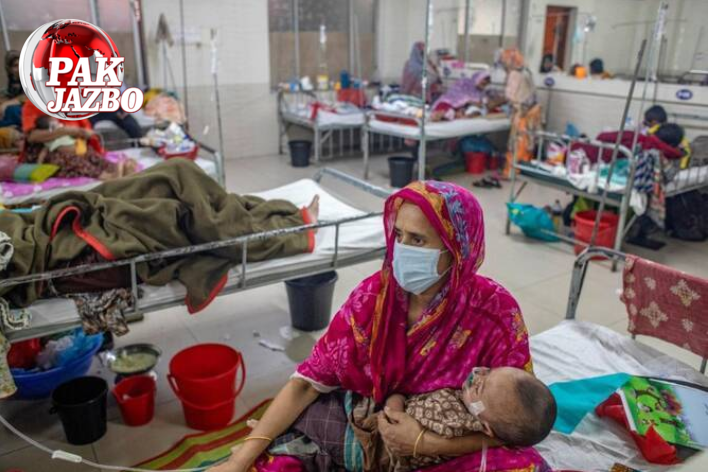
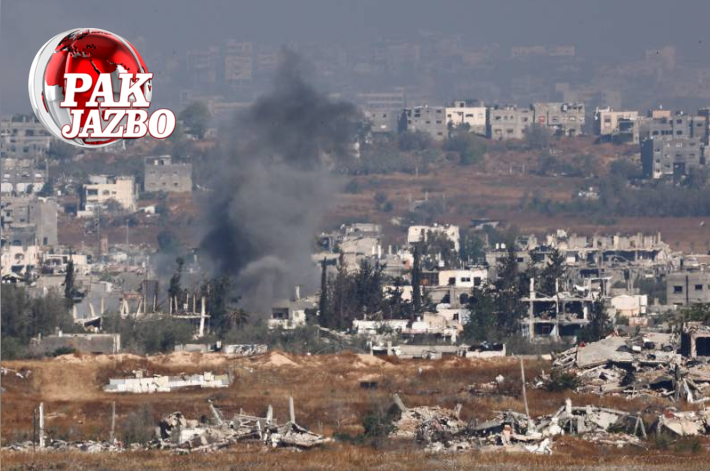
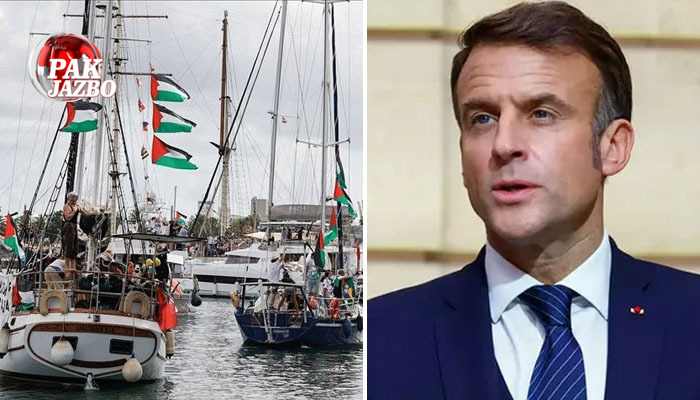
The resignation comes at a time when global outrage over Israel’s actions in Gaza is mounting. The ongoing conflict has led to widespread destruction, massive civilian casualties, and worsening humanitarian conditions. International organizations, including the United Nations and humanitarian NGOs, have urged states to hold Israel accountable through political and economic pressure.
Several European countries, including Spain, Ireland, and Belgium, have taken strong stances by recognizing Palestine or calling for arms embargoes. However, the Netherlands, traditionally seen as a staunch ally of Israel, has been divided internally.
While some Dutch lawmakers and members of the cabinet favored a firmer response, others feared that imposing sanctions would harm diplomatic ties with Israel and complicate relations with the European Union and the United States.
Veldkamp’s Position
Casper Veldkamp, a career diplomat with a reputation for integrity, had consistently advocated for stronger action. He pushed for additional sanctions, including restrictions on trade and arms sales, as a way to pressure Israel to halt its military operations in Gaza and engage in meaningful peace talks.
In his resignation note, Veldkamp made it clear that his decision was rooted in conscience. “When you cannot, as a minister, gain support for measures you believe are necessary in the face of such immense suffering, you have to ask yourself whether you can remain in office. For me, the answer was no.”
Cabinet Divisions
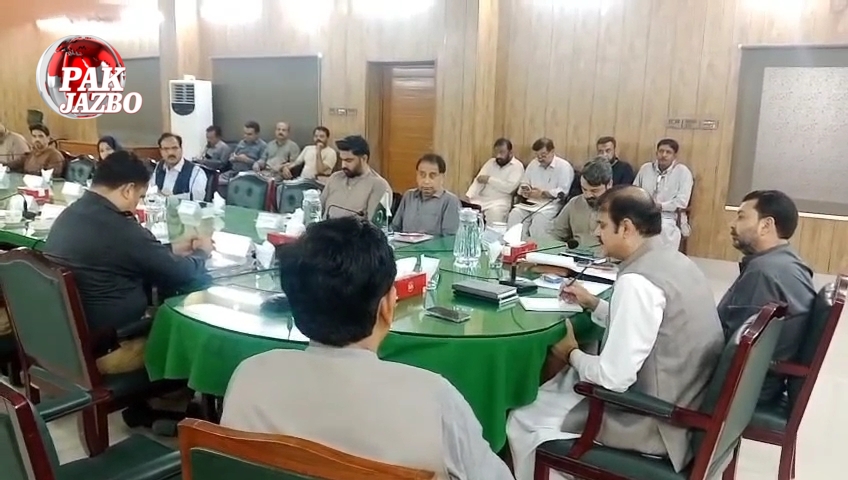
According to political analysts in The Hague, the Dutch cabinet had been sharply split on the issue. Some ministers argued that the Netherlands should align with broader European Union consensus, which has so far stopped short of imposing harsh sanctions on Israel. Others were concerned about domestic political consequences, as the Netherlands is home to both a strong pro-Israel lobby and an increasingly vocal pro-Palestinian movement.
The cabinet had already taken some steps, including support for humanitarian aid to Gaza and calls for an immediate ceasefire. But Veldkamp’s proposal for targeted sanctions went beyond what many in government were willing to support.
International Reactions
News of Veldkamp’s resignation quickly spread across European capitals. Pro-Palestinian groups welcomed his stance, praising him for taking a principled stand even at the cost of his position.
“He has done what few politicians dare to do—resign on principle rather than compromise with injustice,” said a spokesperson for a Dutch human rights organization.
In contrast, pro-Israel organizations expressed relief at his departure, arguing that his push for sanctions would have unfairly isolated Israel and jeopardized Dutch foreign relations.
Domestic Political Fallout
Veldkamp’s resignation is expected to have significant political repercussions in the Netherlands. Opposition parties are already seizing on the development to criticize the government’s lack of unity and moral clarity on the Gaza crisis.
Some members of parliament have called for a special session to debate the government’s stance and demand greater transparency about the cabinet’s internal disagreements.
Conclusion
The departure of Casper Veldkamp underscores the growing pressure on European governments to take stronger positions on Israel’s military actions in Gaza. It also highlights the moral and political dilemmas faced by policymakers caught between international human rights concerns and geopolitical alliances.
For Veldkamp, however, the choice was clear. “I could not in good conscience remain silent or inactive while innocent civilians continue to suffer,” he said.
As the humanitarian situation in Gaza worsens and international calls for accountability grow louder, the Netherlands may soon face renewed pressure—both from within its own society and from the global community—to reconsider its stance.
What’s your Reaction?
+1
+1
+1
+1
+1
+1