





































































































































































































































































































































































































































































































































































































































































































































































































































































Severe Weather Alert Issued for Punjab and Khyber Pakhtunkhwa Amid Forecasted Rains and Landslides


Islamabad, July 29, 2025 –
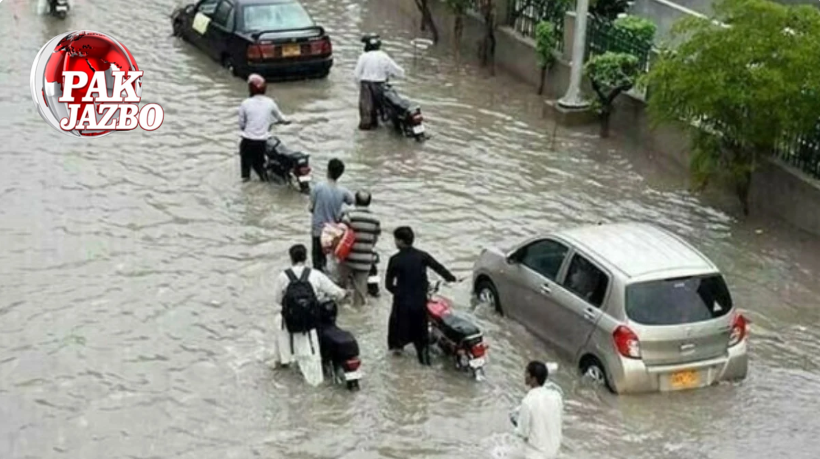
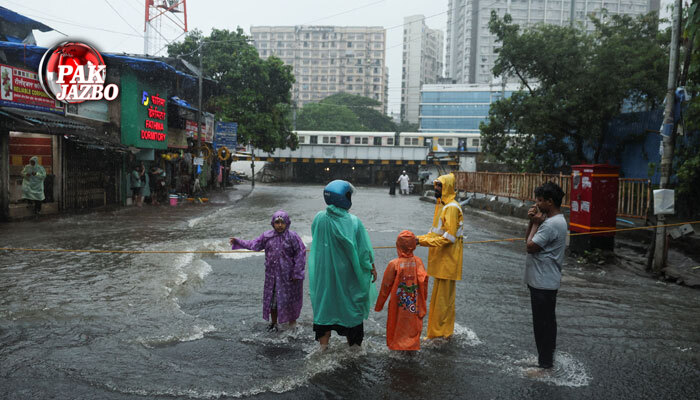
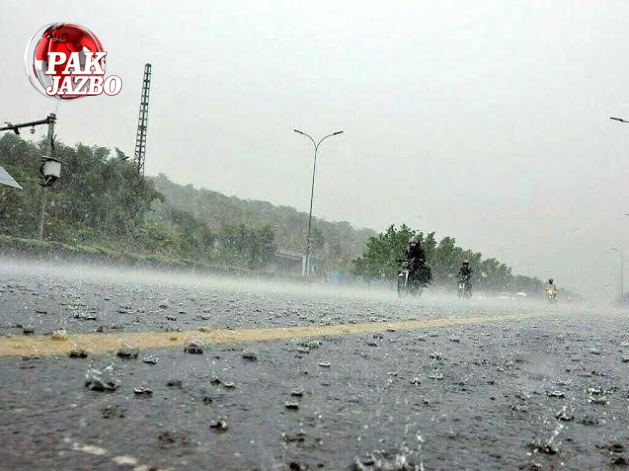
The Pakistan Meteorological Department (PMD) has issued a weather alert warning of potential heavy rains, flash floods, and landslides across various regions of Punjab, Khyber Pakhtunkhwa (KP), and Azad Jammu and Kashmir (AJK). The advisory, which remains in effect through July 31, urges local administrations and residents in vulnerable areas to remain vigilant.
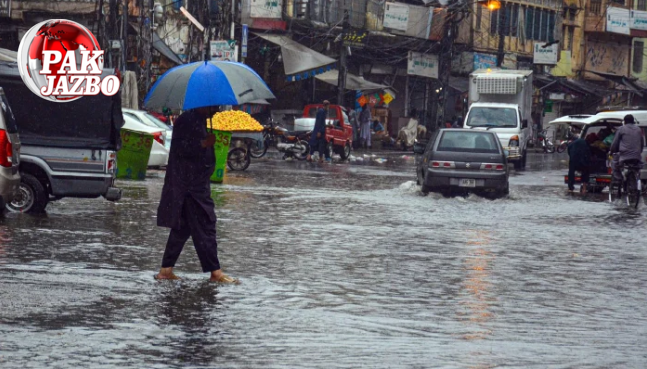
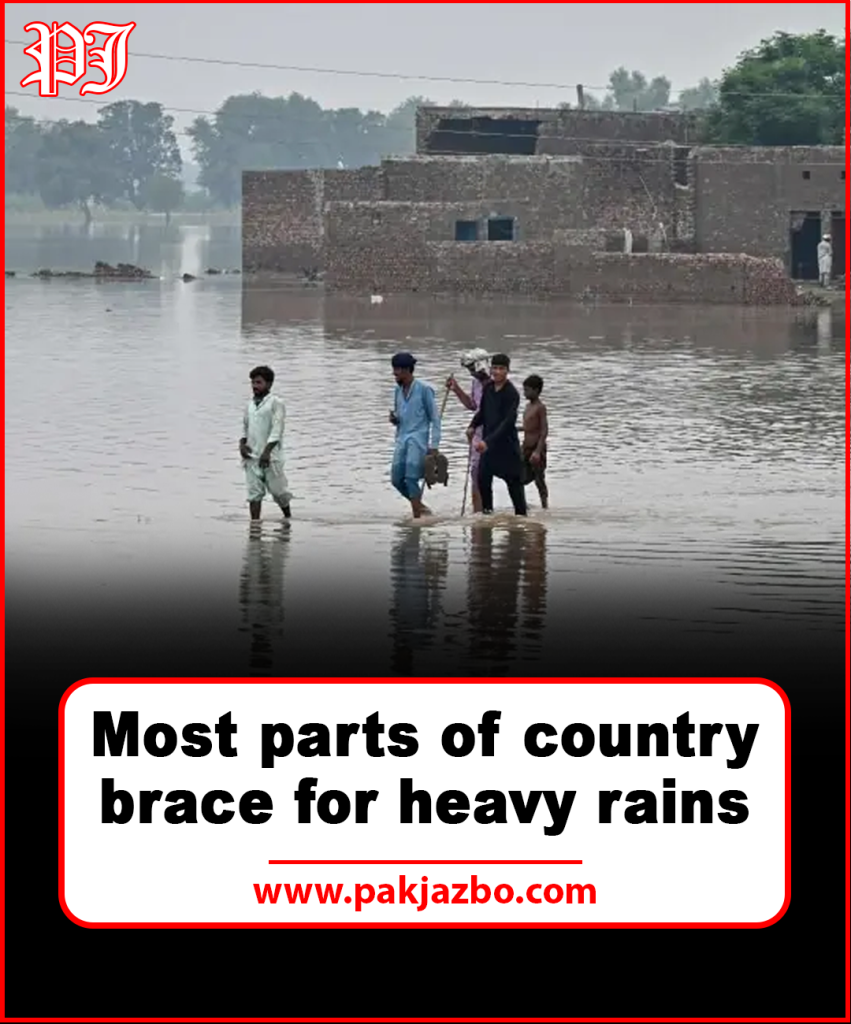
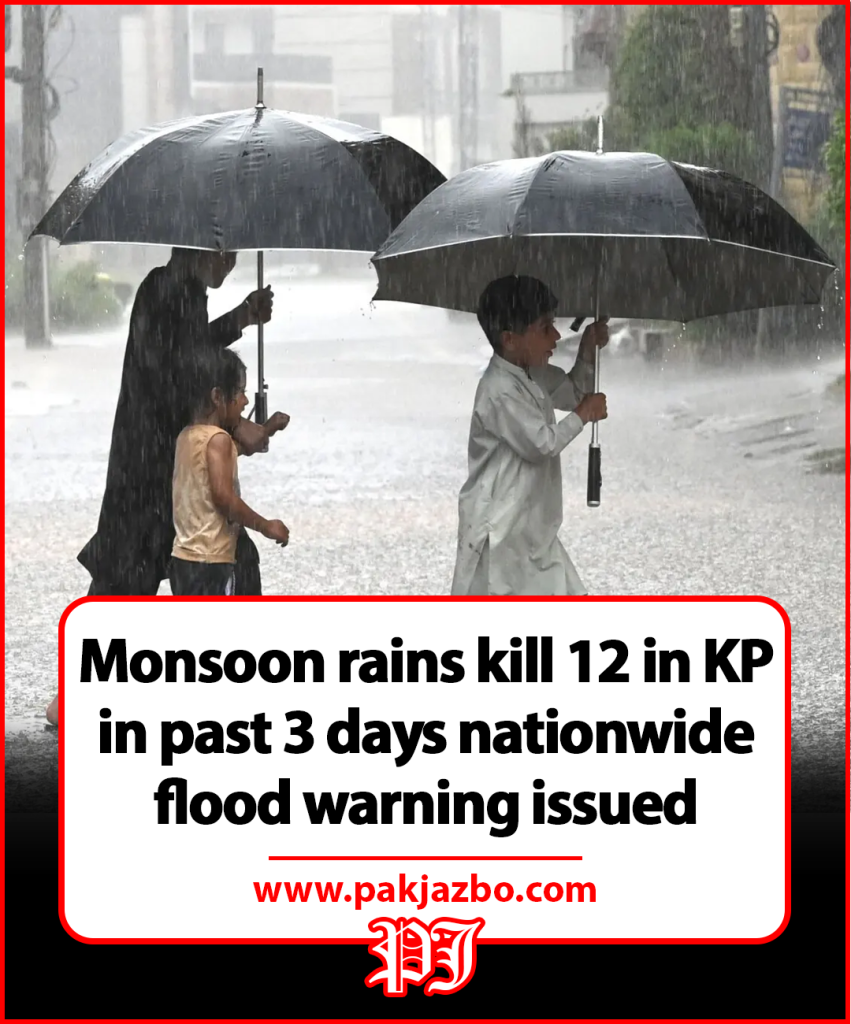
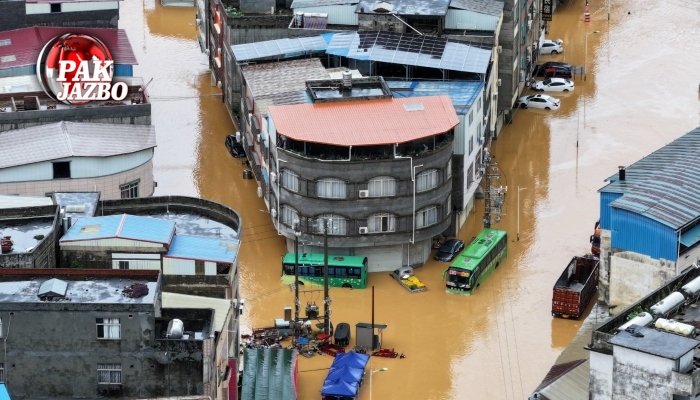
This alert comes amid an increasingly active monsoon system currently affecting parts of northern and central Pakistan, with weather experts predicting moderate to heavy rainfall in several districts that could lead to urban flooding, overflowing rivers and streams, and landslide incidents in mountainous regions.
Areas at Risk in Punjab
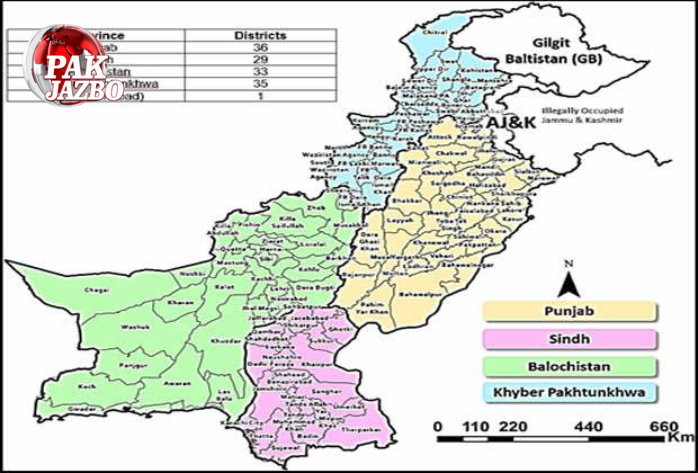
According to the latest advisory, Punjab is expected to witness significant rainfall in both urban and rural districts. The cities and areas identified at heightened risk include:
- Lahore
- Gujranwala
- Gujrat
- Sialkot
- Faisalabad
- Sargodha
- Narowal
- Hafizabad
In addition, southern Punjab regions, particularly Dera Ghazi Khan, Rajanpur, and Rahim Yar Khan, may experience torrential downpours. PMD forecasts indicate heavy runoff in seasonal streams and hill torrents, particularly in the Sulaiman Mountain Range, which could trigger flash floods in adjoining low-lying settlements.
Authorities in Punjab have been asked to clear drainage systems, reinforce embankments where necessary, and ensure the readiness of emergency services.
Flash Flood and Landslide Risk in Khyber Pakhtunkhwa
In Khyber Pakhtunkhwa, several districts in the northern mountainous belt have been flagged as vulnerable to flash floods and landslides. These include:
- Swat
- Upper and Lower Kohistan
- Malakand
- Dir (Upper and Lower)
- Buner
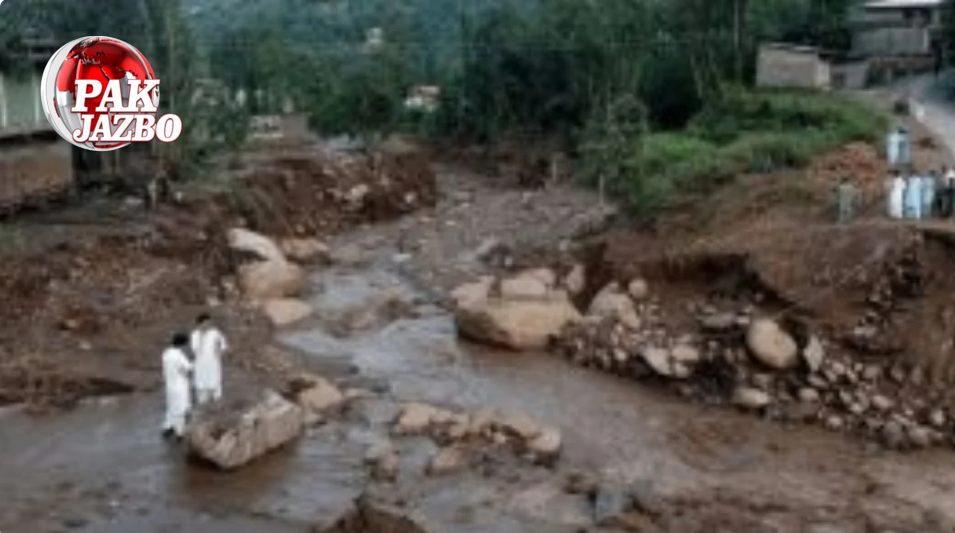
The combination of steep terrain, loose soil composition, and continuous rain significantly increases the probability of landslips and slope failures in these districts. The local river systems and nullahs (seasonal streams) are also expected to swell, causing a risk of inundation in nearby villages and cutting off access to remote areas.
KP’s Provincial Disaster Management Authority (PDMA) has activated its monitoring systems and urged local authorities to relocate residents from hazard-prone zones and maintain constant communication with rescue teams.
Azad Jammu and Kashmir Also Under Watch
The northern hilly regions of Azad Jammu and Kashmir have already begun receiving heavy rainfall, as reported by local weather stations. Specific areas mentioned in the alert include:
- Bhimber
- Samahni
- Dhirkot
These areas are vulnerable due to their fragile mountainous terrain and dense population clusters along hillsides. Sudden downpours could lead to mudslides and land erosion, placing lives and infrastructure at risk.
In the past, similar conditions have led to road blockages, damage to homes, and power outages in these parts of AJK. The local administration has been instructed to remain on high alert and prepare relief camps in safer zones.
PMD’s Forecast and Public Advisory
The Pakistan Meteorological Department attributes the current weather activity to a strong monsoon trough extending across the northern part of the country, coupled with moisture inflow from the Arabian Sea. This combination has created ideal conditions for intense rainfall, particularly in the northern half of Pakistan.
In its public advisory, the PMD emphasized:
- The possibility of urban flooding in cities like Lahore, Faisalabad, and Gujranwala due to poor drainage infrastructure.
- Risk of flash flooding in DG Khan and Rajanpur’s hill torrents, requiring residents in downstream communities to remain cautious.
- Landslide threats in KP and AJK, which could disrupt road connectivity and endanger travelers.
The PMD has advised travelers, tourists, and residents to avoid unnecessary travel to mountainous areas during this period. Farmers are also advised to plan irrigation carefully, as rainwater accumulation could damage standing crops.
Emergency Preparedness and Response
National Disaster Management Authority (NDMA), in coordination with provincial agencies, has issued directives for:
- Deploying rescue teams in flood-prone areas.
- Stocking emergency supplies including tents, food, and medicine in at-risk districts.
- Establishing early warning systems via SMS, radio, and social media to inform the public in real-time.
District administrations in the vulnerable zones have also been tasked with:
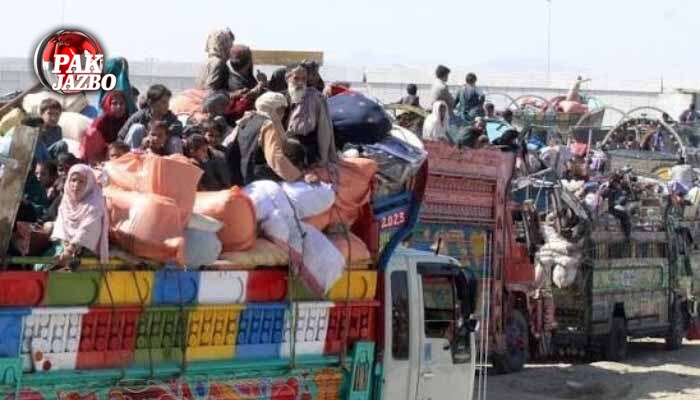
- Ensuring rapid evacuation plans are in place.
- Keeping medical teams and ambulances on standby.
- Coordinating with local police and community leaders for swift response.
Climate Change and Increasing Frequency of Extreme Events
Meteorologists and climate experts note that climate change has contributed to the increasing intensity and unpredictability of monsoon rains in Pakistan. The frequency of flash floods and landslides has risen in recent years, particularly in northern mountainous regions, where infrastructure and preparedness often lag behind.
Experts suggest that such extreme weather alerts may become more frequent in coming years, necessitating a more robust early warning system, community awareness programs, and infrastructure upgrades to mitigate future disasters.
Final Word
With the weather system expected to persist until the end of July, all eyes are now on how well provincial and federal authorities manage the looming threat. Residents in the affected regions are strongly urged to stay informed through official weather updates and to cooperate with local authorities in the event of an evacuation or emergency response.
Public safety and preparedness remain the top priority as Pakistan navigates yet another potentially dangerous spell of monsoon-driven weather.
What’s your Reaction?
+1
+1
+1
+1
+1
+1