













































































































































































































































































































































































































































































































































































































































































































































































































Key Provisions of Anti-Terrorism (Amendment) Bill 2025 Revealed


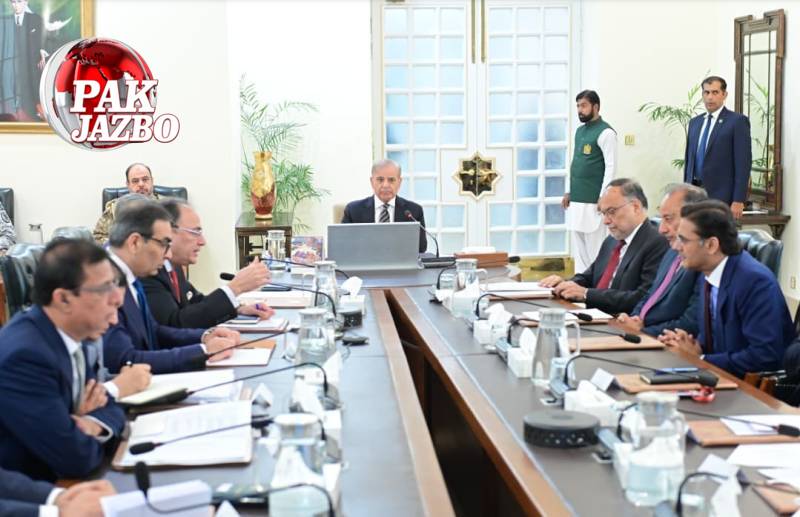
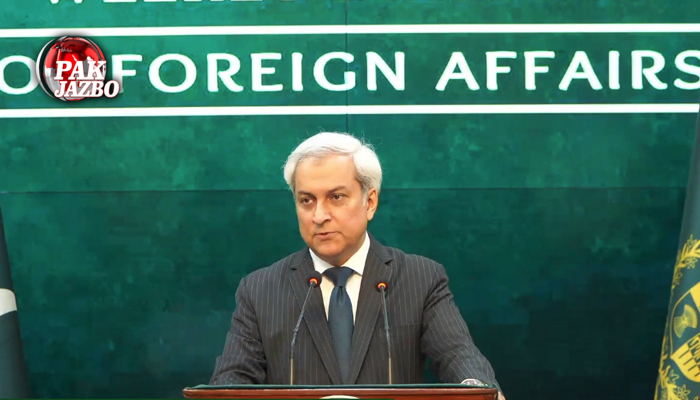
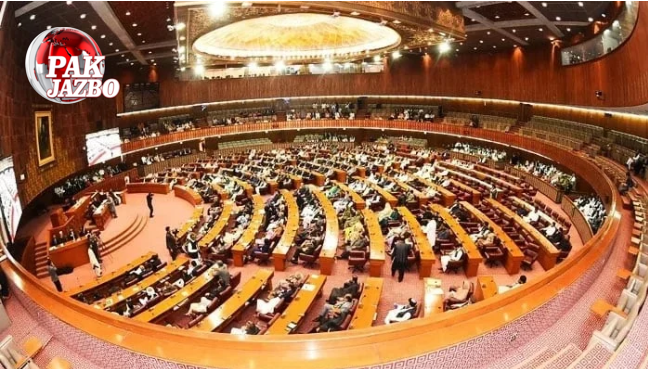
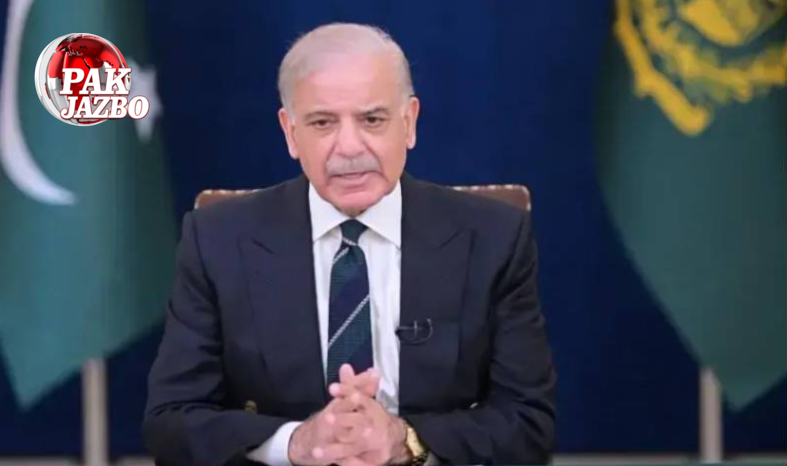
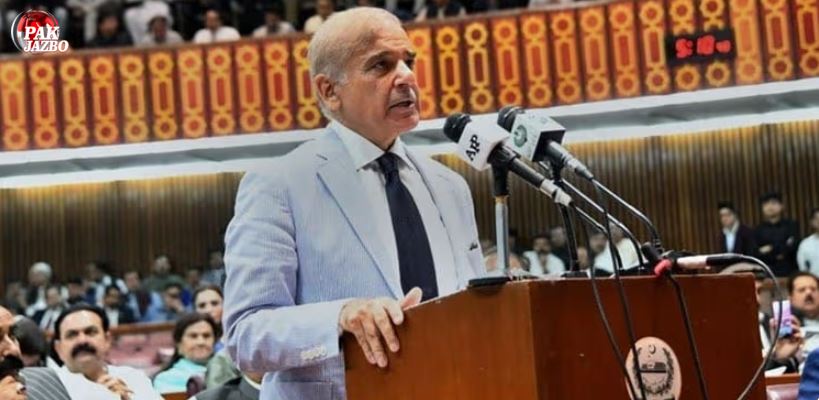
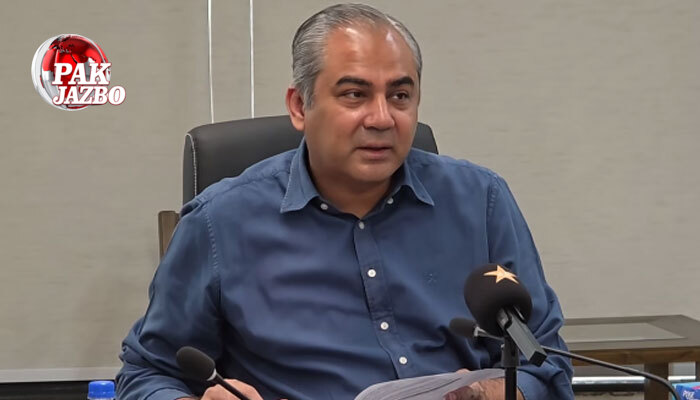
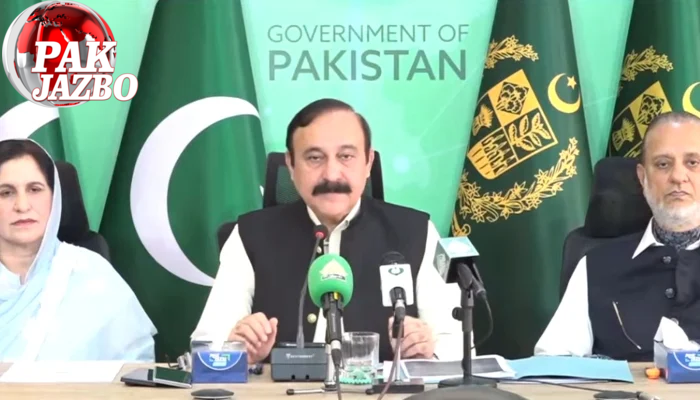
Islamabad, August 19, 2025 — The full details of the much-debated Anti-Terrorism (Amendment) Bill 2025 have now been made public after it was passed with a majority vote in both the National Assembly and the Senate. The bill, presented by Minister of State for Interior Talal Chaudhry during the Senate session, introduces significant changes aimed at strengthening the state’s legal framework to combat terrorism, militancy, kidnapping for ransom, and targeted killings across the country.
Core Features of the Bill
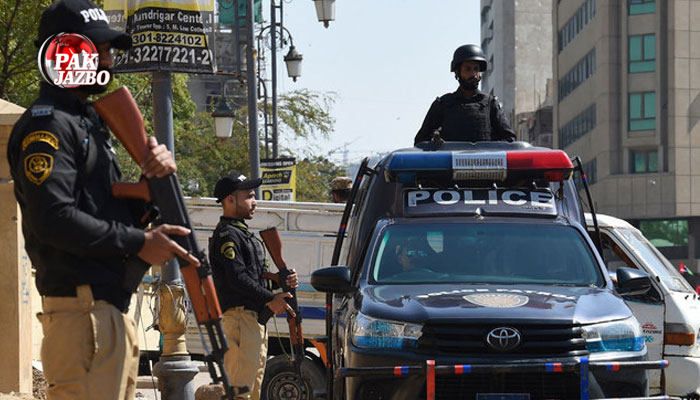
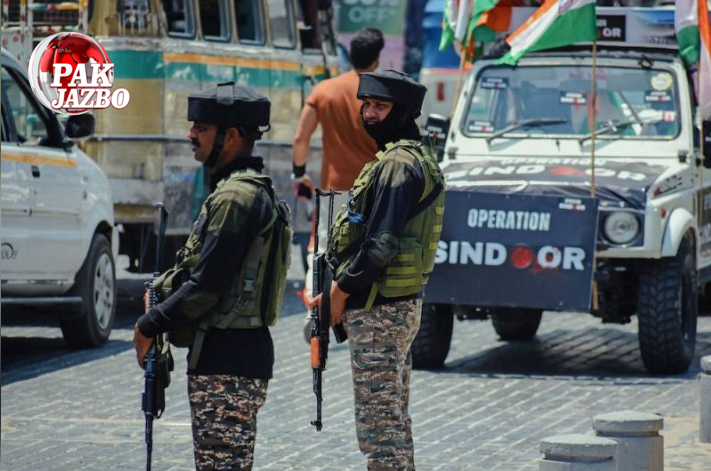
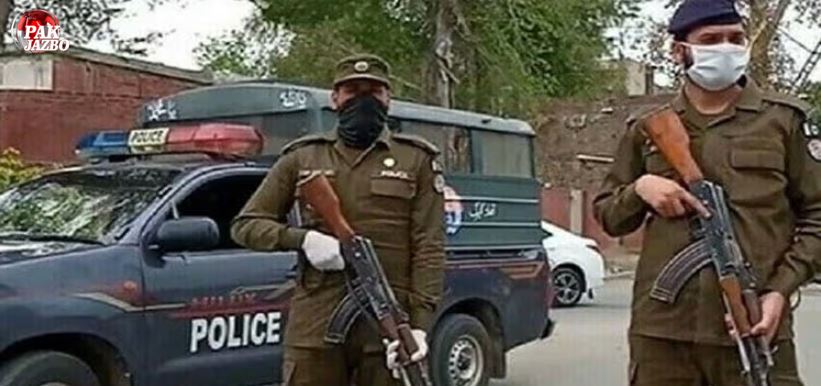
According to the new legislation, security forces have been granted wider powers of preventive detention. Any suspect believed to be involved in terrorism, subversive activities, or crimes such as kidnapping for ransom can be taken into custody for up to three months without formal charges. Importantly, the bill will remain in force for a period of three years and will apply only to terrorism-affected regions of the country.
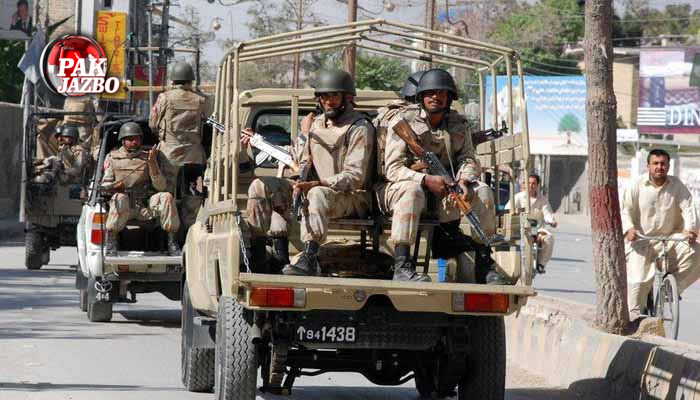
One of the major legal changes is an amendment to Section 11(4E) (Sub-Clause 1) of the Anti-Terrorism Act, expanding the powers of both the armed forces and civil armed forces. They are now legally authorized to place any person under preventive detention if there are reasonable suspicions of threats to national security, defense, or public order.
The text of the bill emphasizes that detention cannot be arbitrary; there must be solid grounds and credible evidence for taking a suspect into custody. Furthermore, under Article 10 of the Constitution, the period of detention can be extended if necessary.
Oversight and Investigations
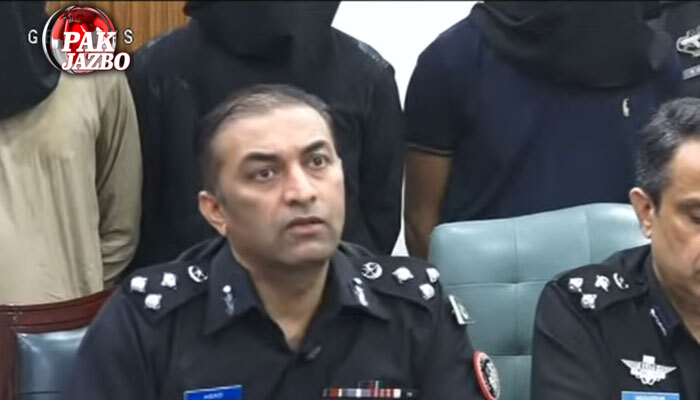
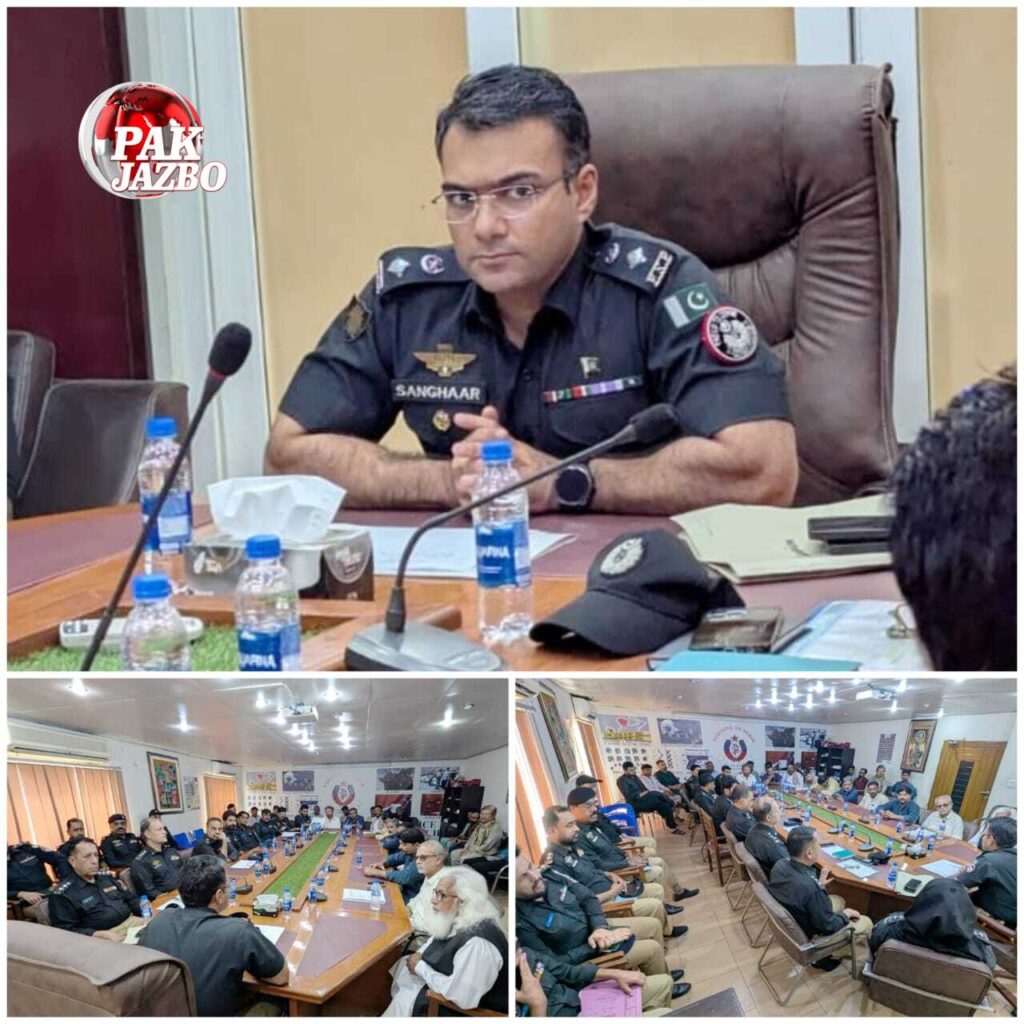
To ensure accountability, investigations against detained individuals will be conducted by a Joint Investigation Team (JIT). This JIT will comprise officers from multiple institutions, including police officials of at least Superintendent rank, intelligence agencies, armed forces, and other law enforcement departments. The intention is to avoid misuse of the law by subjecting detention cases to multi-agency scrutiny rather than leaving them to a single institution.
From National Assembly to Senate Approval
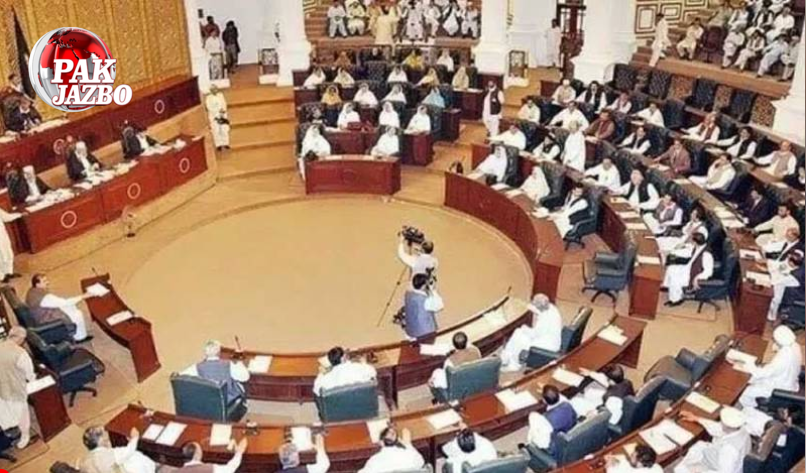
The Anti-Terrorism (Amendment) Bill 2025 was originally passed by the National Assembly on August 13, despite strong opposition. Following that, it was tabled in the Senate by Talal Chaudhry and approved with a clear majority vote, further reinforcing the government’s resolve to legislate tougher measures against terrorism.
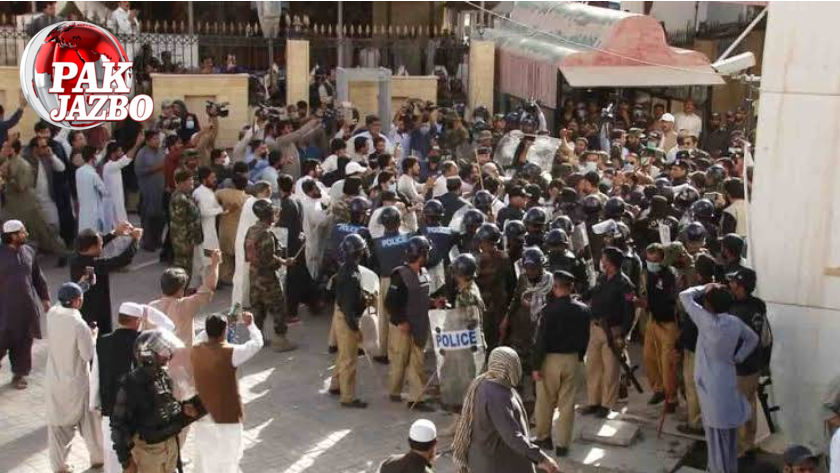
Interestingly, the Senate version of the bill makes the law even more stringent. While the National Assembly had initially approved a three-month detention period, the Senate version extends it to six months in total (three months plus a possible three-month extension). This provision sparked fresh debate inside and outside Parliament.
Government’s Position
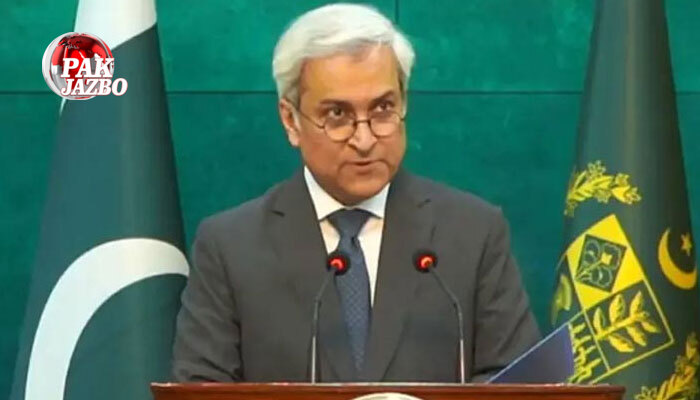
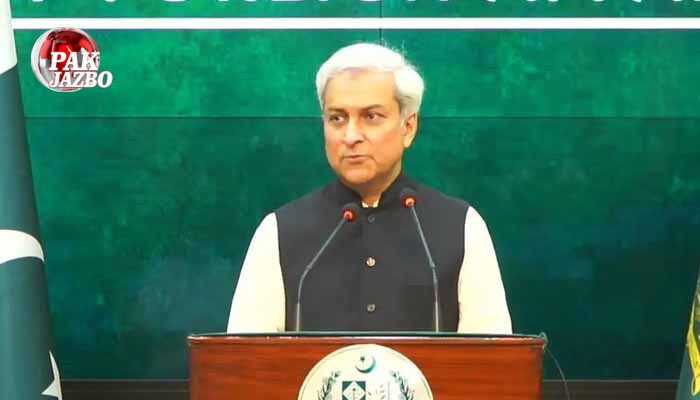
Presenting the bill, Talal Chaudhry highlighted the urgency of stricter laws, citing the deteriorating security situation. He said Pakistan was once again facing conditions reminiscent of 2012–2013, when militant violence was at its peak. “Every single day, two to three security personnel and civilians are being martyred,” he said, stressing that the state cannot fight terrorism effectively without a strong legal weapon.
Chaudhry argued that extraordinary circumstances require extraordinary measures. “We cannot wage war against terrorism with weak or outdated laws. To defeat the enemies of the state, we must empower our security institutions with the necessary legal tools,” he said.
Opposition’s Concerns
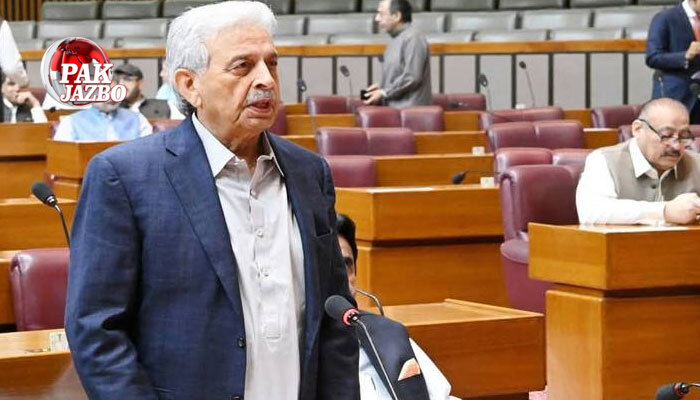
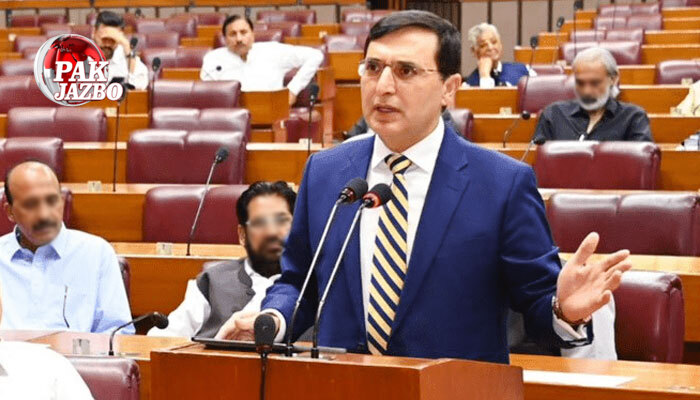
Despite majority support, the bill has faced strong criticism from opposition parties. PTI Chairman Barrister Gohar, speaking in the Senate, vehemently opposed the amendment. He warned that the legislation risked undermining fundamental rights enshrined in the Constitution. “The House must not engage in lawmaking that is beyond the Constitution. No law that infringes upon basic rights can be justified,” he asserted.
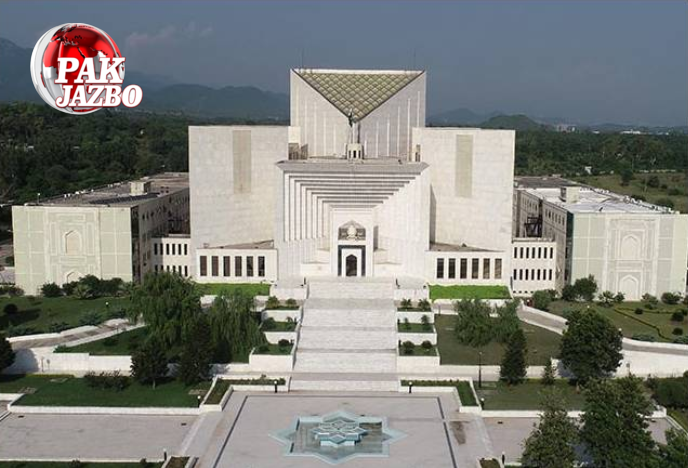
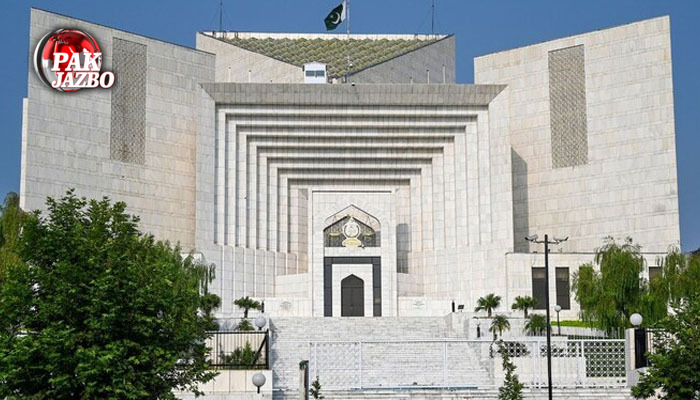
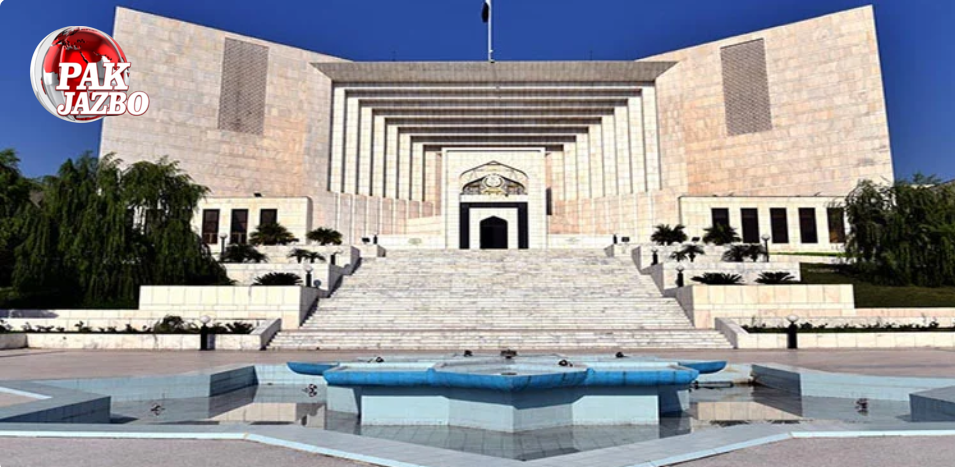
He reminded the Senate that the Supreme Court of Pakistan had already disapproved of similar provisions in the past. Gohar specifically objected to the clause that allows detention of a suspect for three months and then permits an additional three months of extension, saying such laws erode public confidence in democratic institutions.
What’s your Reaction?
+1
+1
+1
+1
+1
+1