


































































































































































































































































































































































































































































































































































































































































































































































































































































































































































































































































































































































































































































































































































































































































































































































































































































































































































































































































































































































































































































































































































































































































































































































































































































































































































































Serena Williams Sparks Debate on Weight-Loss Drugs After Admitting Use of GLP-1 Medication


Serena Williams, widely regarded as one of the greatest athletes in tennis history, has once again become the center of public discussion—not for her dominance on the court, but for her candid admission about using medication to lose weight. The 43-year-old tennis icon, who won a record 23 Grand Slam singles titles during her illustrious career, recently revealed that she turned to a GLP-1 class drug to help shed extra pounds gained after pregnancy.
Her honesty has sparked a wider conversation about the stigma, ethics, and accessibility of weight-loss drugs. For many, Williams’ revelation raises critical questions: Will her openness reduce the shame often associated with using medication for weight loss? Could her candor inspire others to feel more confident in their personal health choices? Or will it fuel further criticism from those who believe weight-loss drugs are an “easy way out”?
The Struggles Behind the Champion’s Image
Throughout her career, Williams symbolized not only athletic excellence but also physical strength and resilience. Fans admired her for breaking stereotypes about body image in sports, showing that power and agility can thrive outside of the traditionally slender frames often celebrated in tennis.
Yet, like millions of women around the world, she faced challenges with weight gain after giving birth. She has openly admitted that despite her discipline, training routines, and strong willpower, losing the post-pregnancy weight was far more difficult than expected.
In a recent appearance on NBC’s Today Show, Williams said she began to view her excess weight as a “rival opponent”—something she had to confront and overcome, much like she approached competitors on the tennis court. That mindset, she explained, led her to seek medical help.
The Rise of GLP-1 Drugs
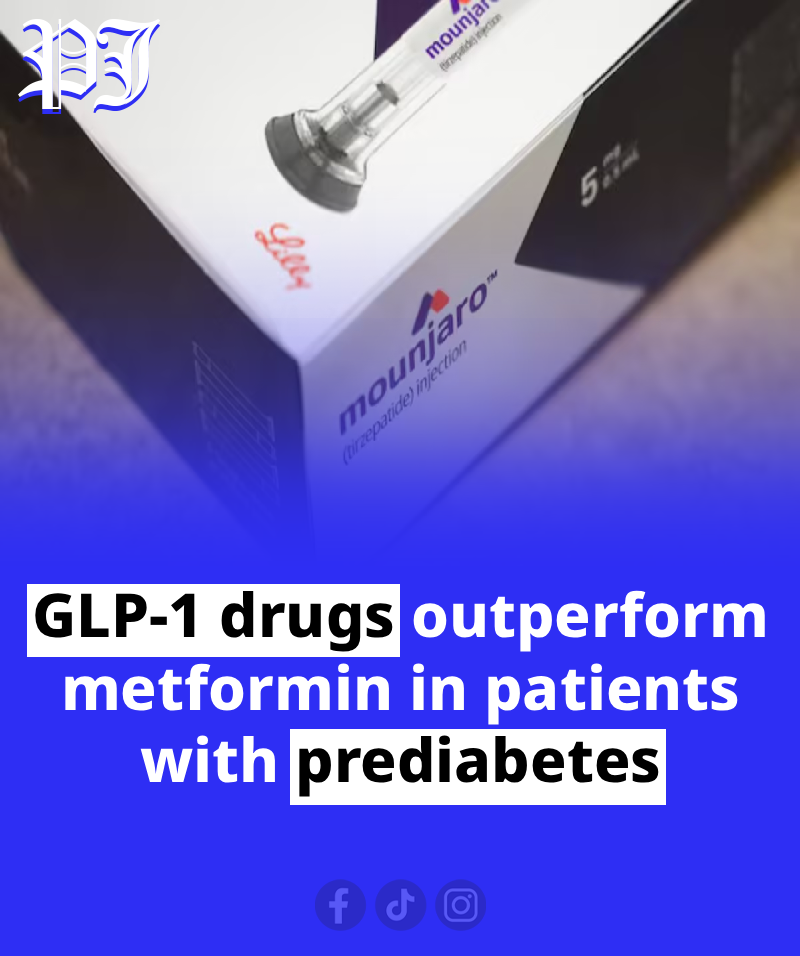
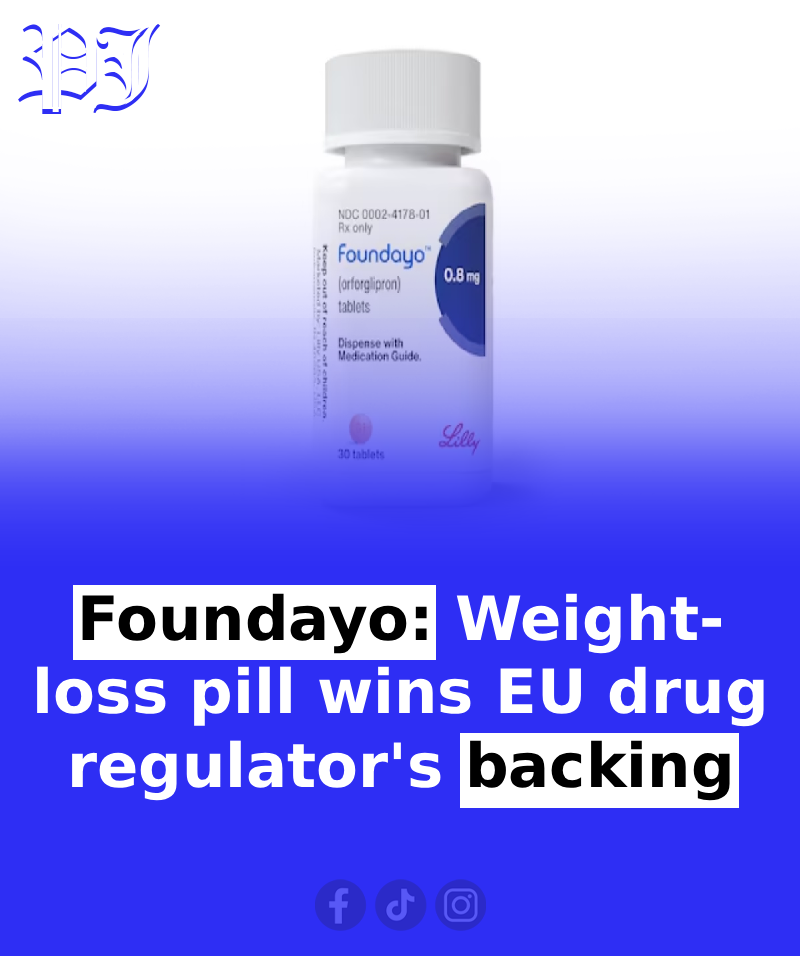
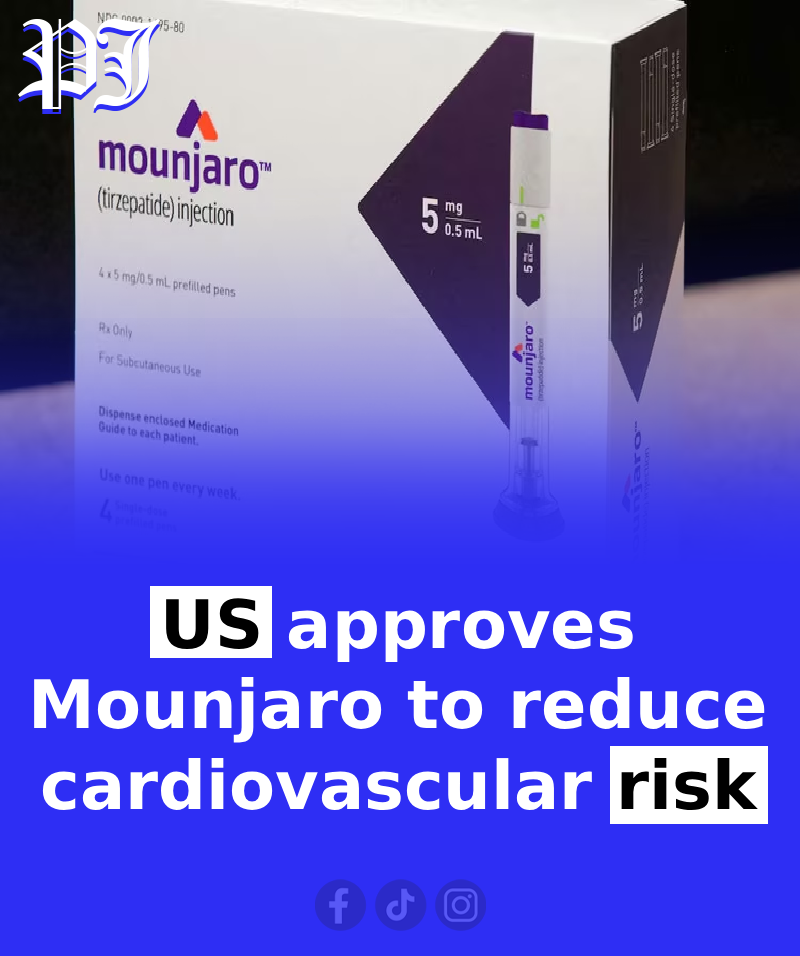
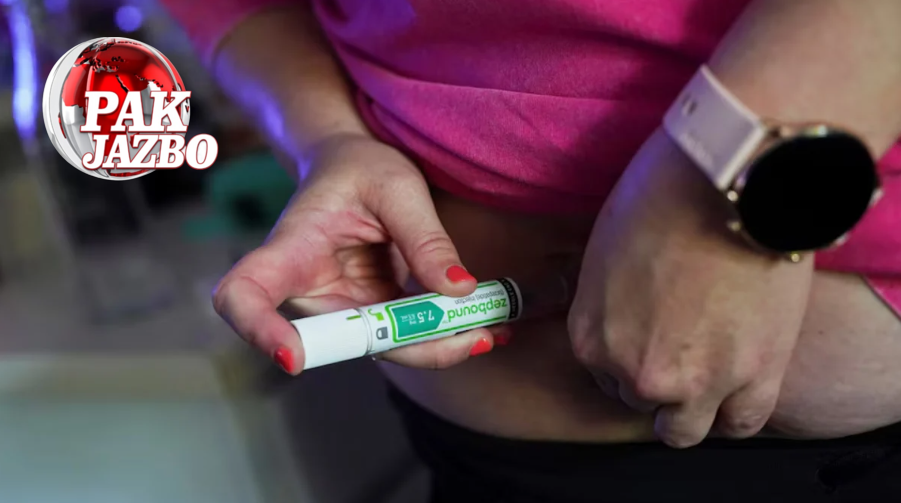
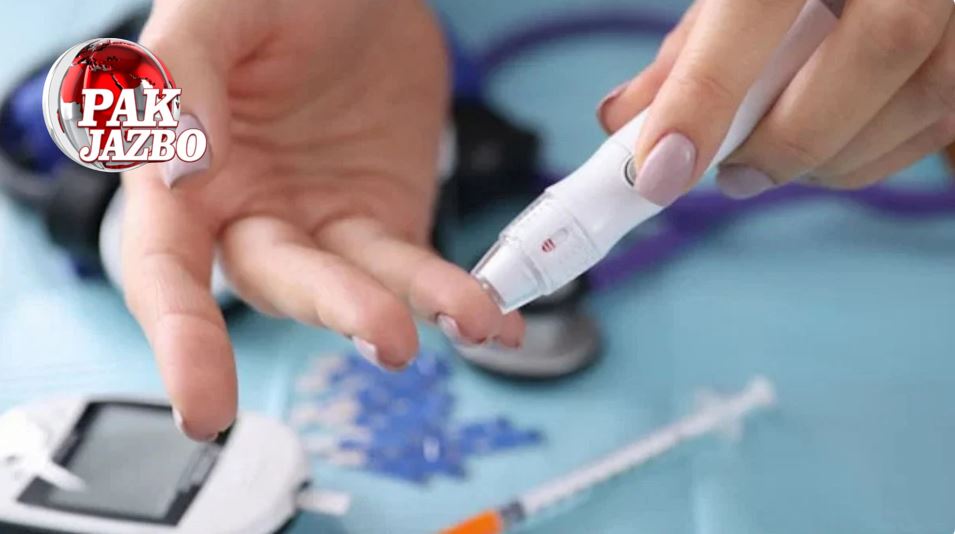
Williams confirmed that she used a GLP-1 receptor agonist, a class of drugs originally developed for managing type 2 diabetes but now widely used for weight loss. Drugs such as Ozempic and Wegovy have gained global attention, touted as revolutionary solutions to obesity and weight management. They work by mimicking hormones that regulate appetite, making people feel fuller for longer periods.
However, their rise has not been without controversy. Critics point to their high cost, limited availability, and potential side effects. In some countries, shortages have left diabetes patients struggling to access medication as demand from those seeking weight loss has skyrocketed. At the same time, medical experts caution that these drugs are not a quick fix and should be combined with lifestyle changes for sustainable results.
Breaking the Stigma or Fueling the Debate?
Williams’ admission could play a pivotal role in shifting the narrative. By speaking openly, she may help reduce the stigma surrounding weight-loss medication. Many individuals—especially women—feel judged or ridiculed for turning to medical help, as if using drugs suggests weakness or lack of discipline. Williams, however, has built her legacy on discipline, determination, and strength. Her decision to use a GLP-1 drug therefore challenges stereotypes and normalizes the idea that even the strongest among us sometimes need assistance.
On the other hand, her comments have already reignited debates about celebrity influence and privilege. Critics argue that wealthy public figures like Williams have easy access to expensive treatments that remain out of reach for average people. This raises ethical questions about fairness, accessibility, and the commercialization of weight-loss medicine.
A New Kind of Role Model
For her supporters, Williams’ candor is not a sign of weakness but of strength. By being transparent, she not only humanizes her struggles but also empowers others facing similar battles. Many see her as redefining what it means to be a role model—demonstrating that seeking medical help is not something to hide, but a legitimate health choice.
Her story also reflects a growing cultural shift. Where once discussions of weight-loss drugs were hushed or dismissed as taboo, they are now openly debated in the media, in medical circles, and even among fitness communities. Williams’ voice adds credibility to these discussions, potentially encouraging more honest conversations about body image, health, and medical treatment.
The Broader Conversation on Health and Body Image
Ultimately, Serena Williams’ admission is about more than just one drug or one athlete. It touches on broader societal issues: how we view body image, how we assign shame or praise to different weight-loss methods, and how accessible modern medical solutions should be.
For some, her story is a reminder that weight struggles can affect anyone—even elite athletes who have spent their lives mastering their bodies. For others, it’s a wake-up call to address inequalities in healthcare, ensuring that groundbreaking treatments like GLP-1 drugs don’t become exclusive luxuries for the rich and famous.
What remains certain is that Williams has once again sparked a global conversation—this time not about trophies or titles, but about health, honesty, and the evolving role of medicine in modern life. By admitting her use of weight-loss medication, she has turned a personal choice into a public dialogue, challenging both critics and supporters to rethink the way society views weight, health, and resilience.
What’s your Reaction?
+1
+1
+1
+1
+1
+1