




























































































































































































































































































































































































































































































































































































KP Chief Minister and Speaker Challenge Oath-Taking Ceremony of Reserved Seat Members at Governor House


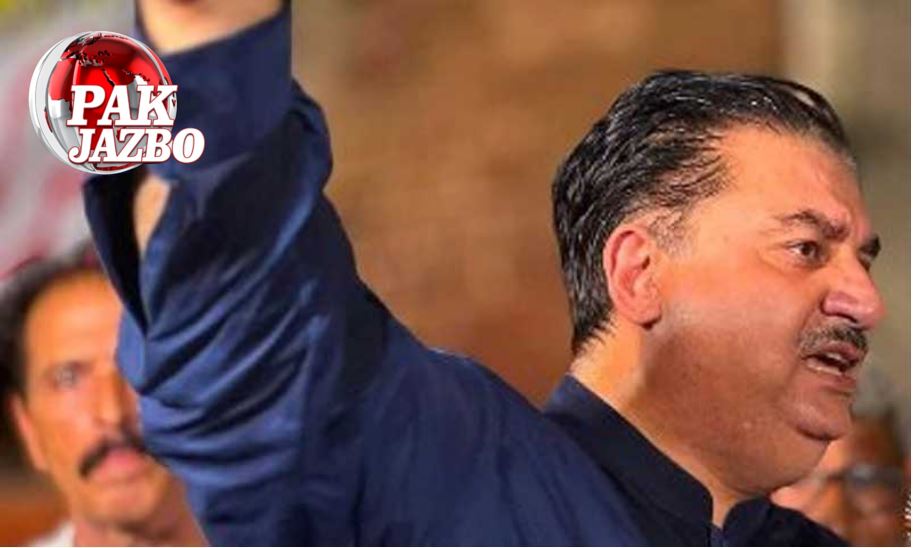
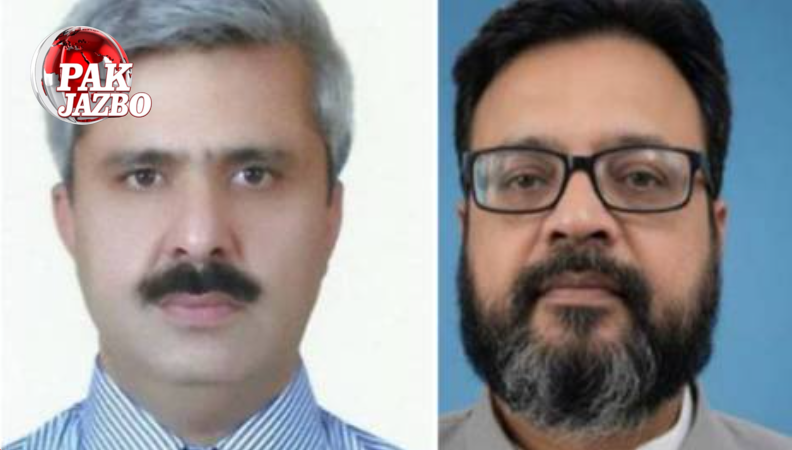
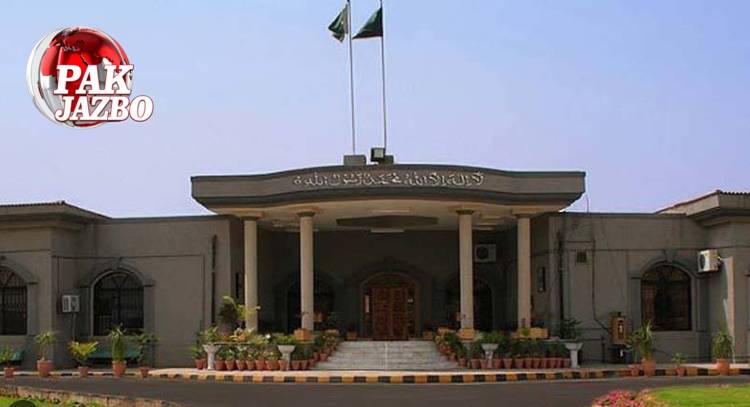
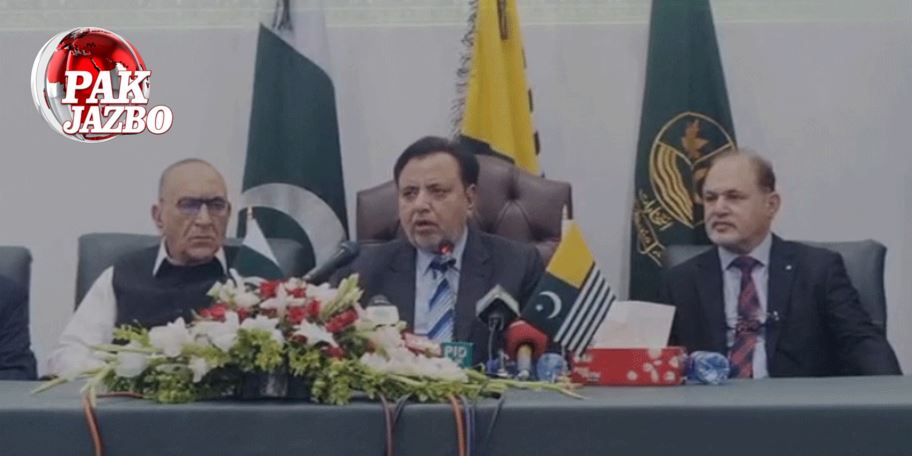
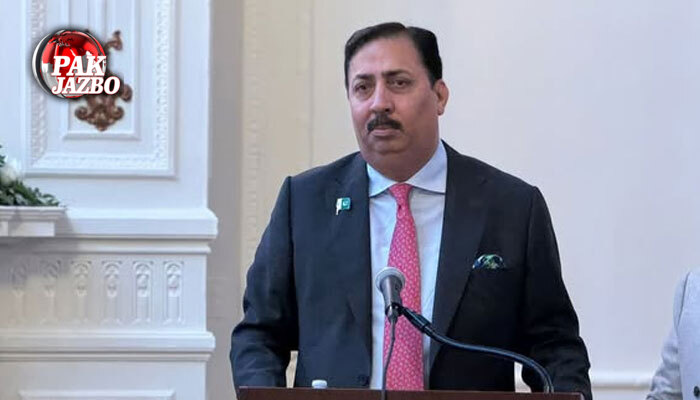
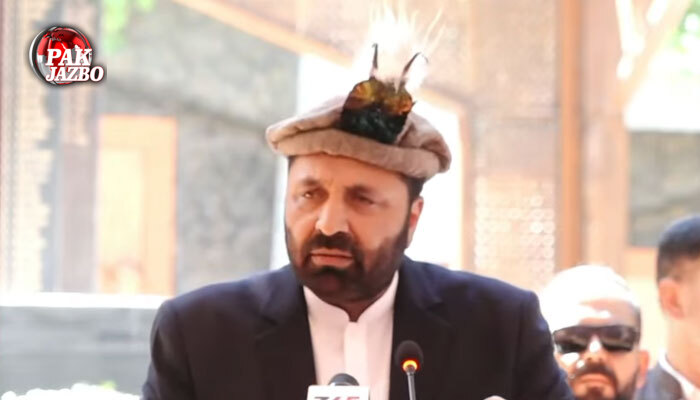
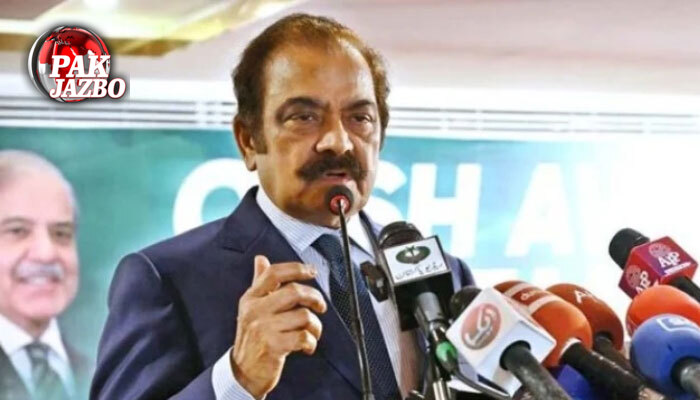
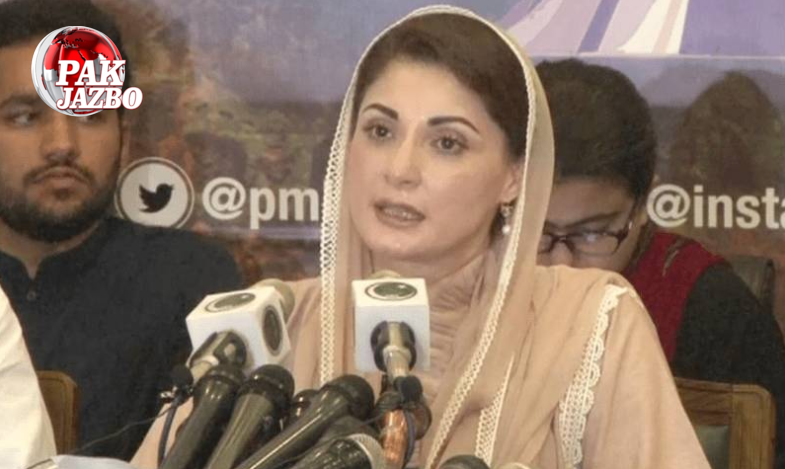
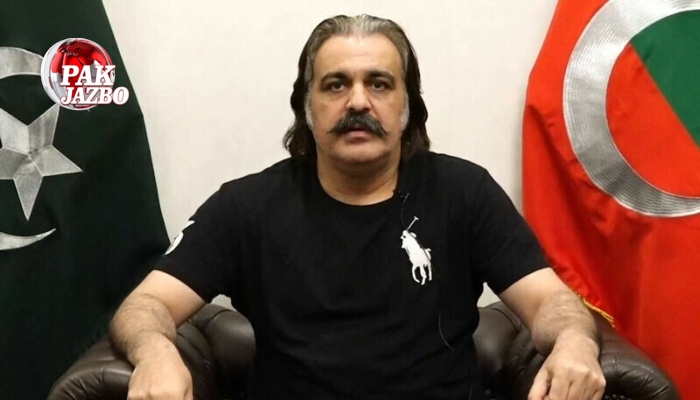
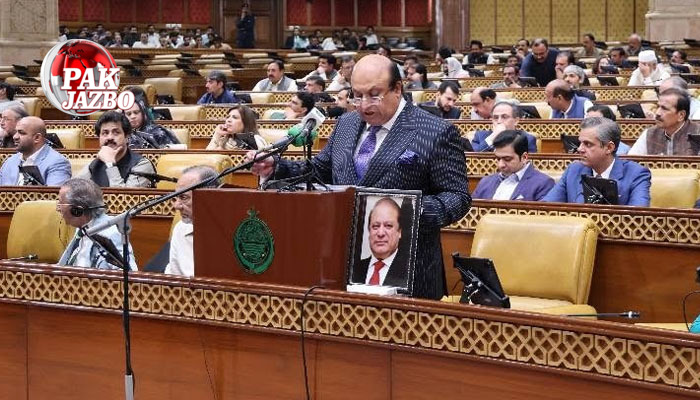
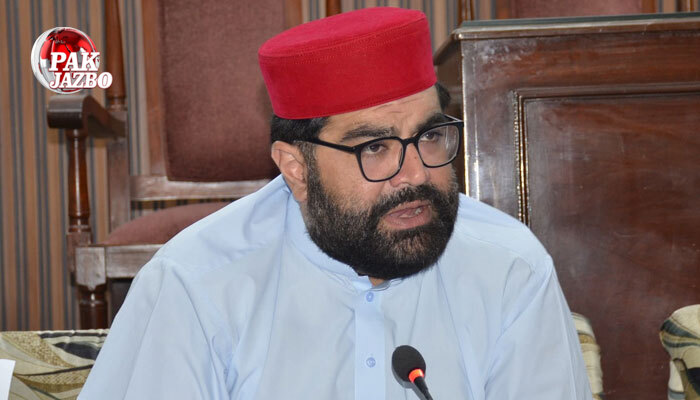
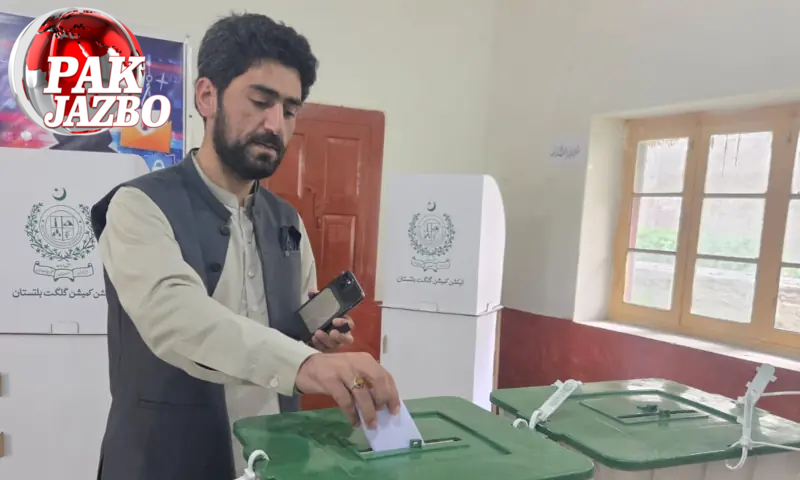
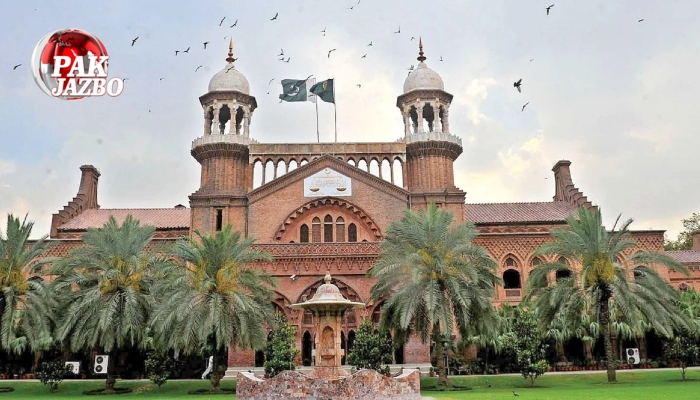
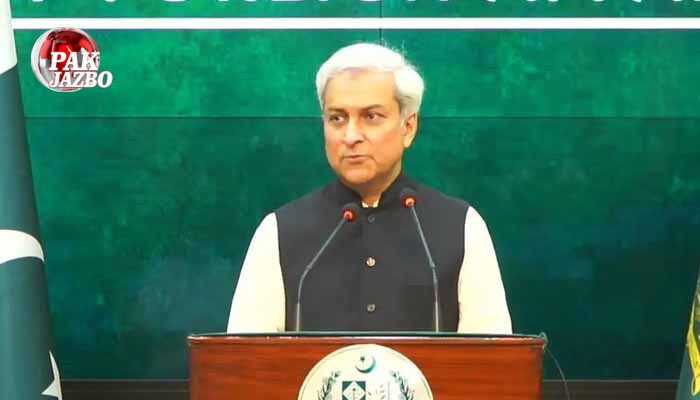
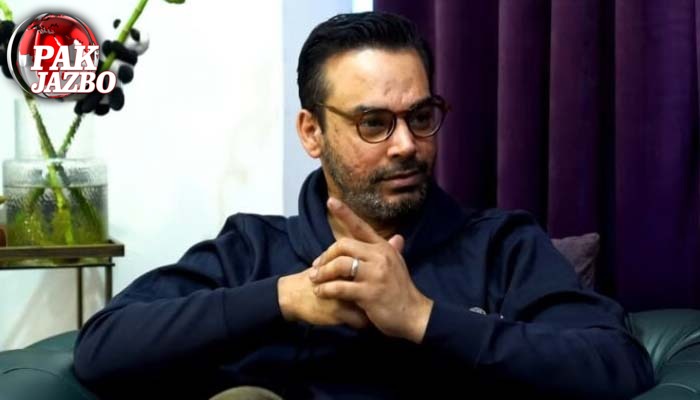
Peshawar (Monday, July 21, 2025) — A new constitutional and political controversy has erupted in Khyber Pakhtunkhwa (KP) after Chief Minister Ali Amin Gandapur and KP Assembly Speaker Babar Saleem Swati jointly filed a petition in the Peshawar High Court, challenging the recent oath-taking ceremony of 25 newly elected members on reserved seats conducted at the Governor House.
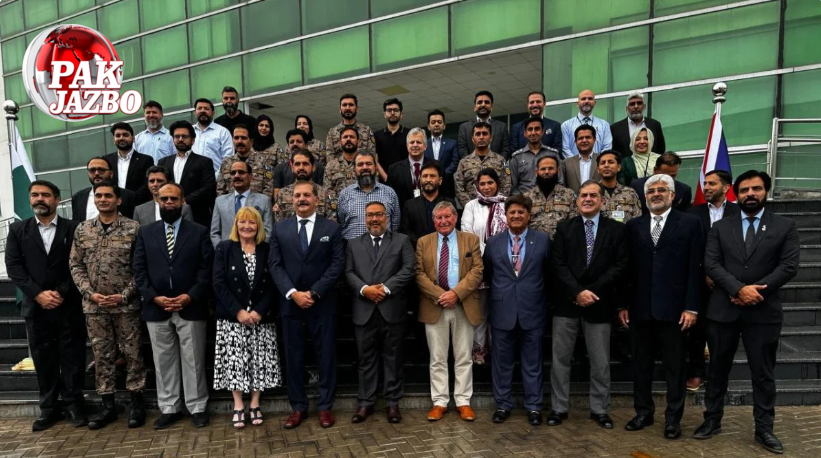
The petition targets multiple federal and provincial entities, including the Government of Pakistan, the Registrar of the Peshawar High Court, the Governor of KP, and the Election Commission of Pakistan (ECP). The legal action comes in the wake of a court-ordered oath-taking ceremony held at the Governor House on Sunday, where the members elected on reserved seats for women and minorities were sworn in.
The Petition: Alleged Constitutional Violations
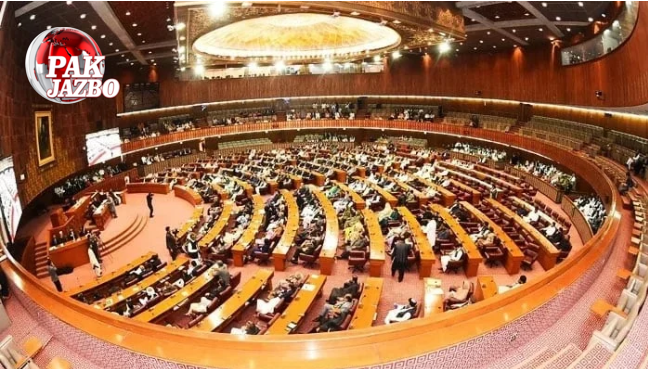
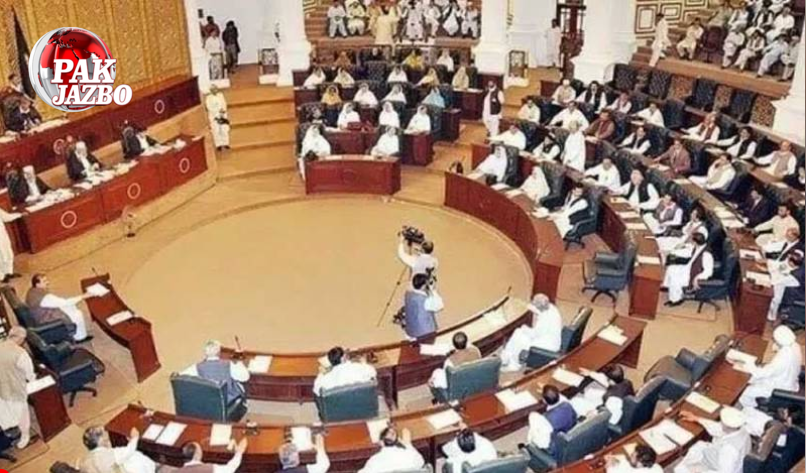
According to the details of the petition, the Chief Minister and the Speaker contend that the ceremony held at the Governor House bypassed the constitutional framework. They argue that Article 65 of the Constitution of Pakistan mandates that elected members of a provincial assembly must take their oath on the floor of the assembly, not in any other venue. The petition asserts that such an oath outside the assembly premises undermines the authority of the legislative body and sets a dangerous precedent.
The petitioners claim that during the most recent assembly session, a lack of quorum was identified, prompting the Speaker to lawfully adjourn the session until July 24, 2025. They also state that the Speaker had never refused to administer the oath, but that procedural requirements needed to be fulfilled first. As such, the oath-taking outside the assembly premises was, in their view, “unconstitutional, politically motivated, and administratively flawed.”
Article 255(2) and the Role of the Chief Justice
The petition further references Article 255(2) of the Constitution, which allows for alternative arrangements in special circumstances for the administration of oaths. The petitioners, however, argue that this article does not grant unrestricted powers to appoint any person or venue for oath-taking, especially without granting the involved stakeholders—such as the Speaker and Chief Minister—an opportunity to be heard.
In their view, the Chief Justice’s administrative order allowing the Governor to administer oaths to the members was done without due process, consultation, or notification to the provincial government. They maintain that such an act cannot be executed unilaterally, as it involves legislative protocol and assembly procedure.
Background: The Disputed Oath Ceremony
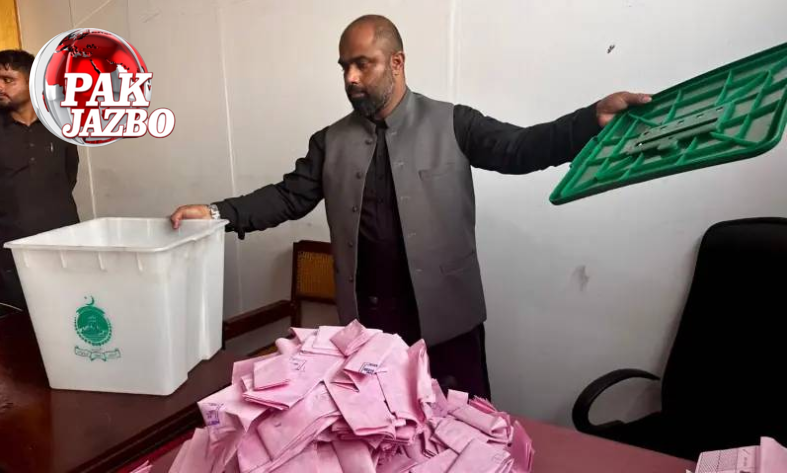
The controversy began when the Election Commission of Pakistan, acting on Supreme Court directives, declared 25 candidates as successful on KP Assembly’s reserved seats for women and minorities. However, due to repeated delays and adjournments in the assembly, the members were unable to take oath during regular sessions.
In response, a petition was filed in the Peshawar High Court seeking immediate administration of the oath. The court ruled in favor of the petitioners and directed the authorities to ensure that the members take their oaths without further delay. Consequently, the ceremony was held at the KP Governor House under the supervision of Governor Haji Ghulam Ali.
The newly inducted members now hold full legislative powers and are considered active members of the KP Assembly. However, the legality of their swearing-in is now under judicial review, as challenged by the Speaker and Chief Minister.
Political Implications
This legal move reflects growing tensions between the PTI-led provincial government in KP and federal or judicial institutions. The challenge is being seen as part of a broader confrontation over constitutional authority and procedural legitimacy, especially in light of ongoing political instability in Pakistan.
Observers say that the situation has the potential to deepen the institutional rift between the executive, judiciary, and legislature in the province. The inclusion of reserved seat members significantly shifts the numerical strength in the assembly, possibly altering future legislation, budget approvals, and confidence votes.
Sources suggest that the PTI-led provincial government may view the court-ordered oath as a backdoor attempt to weaken their hold over the KP Assembly, which had so far functioned with a majority of directly elected members. The addition of 25 new members—mostly aligned with opposition and non-PTI factions—could impact the balance of power.
Legal Experts Weigh In
Legal analysts have expressed mixed views on the issue. Some argue that in extraordinary circumstances, such as when a Speaker deliberately delays proceedings, the judiciary is within its rights to make alternative arrangements to uphold constitutional continuity. Others, however, warn that bypassing the legislature’s authority—especially that of the Speaker—risks undermining the democratic process and could be seen as judicial overreach.
What’s Next?
The Peshawar High Court is expected to hear the case in the coming days. A ruling in favor of the Chief Minister and Speaker could invalidate the oath-taking of the reserved seat members, which would have significant consequences on upcoming legislative business and government stability.
On the other hand, if the court upholds the legality of the Governor House oath, it will reinforce the judiciary’s ability to intervene when legislative processes are stalled due to political maneuvering.
In either case, the decision will have far-reaching implications not only for KP but also for constitutional practices across Pakistan. The case is being closely monitored by political parties, constitutional scholars, and media outlets, as it touches upon the balance of power among key democratic institutions.
For now, the fate of the 25 reserved seat members and their role in the KP Assembly hangs in the balance, awaiting judicial interpretation of constitutional mandates and legislative authority.
What’s your Reaction?
+1
+1
+1
+1
+1
+1