
























































































































































































































































































































































































































































































































































































































































































































































































































































































































































































































































































































































































































































































































































































































































































































































































































































































































































































































































































































































































































































































































































































































































































































































































































































































































































































































Is Charging Your Phone to 100% Damaging the Battery? Experts Reveal the Truth Behind Common Charging Habits


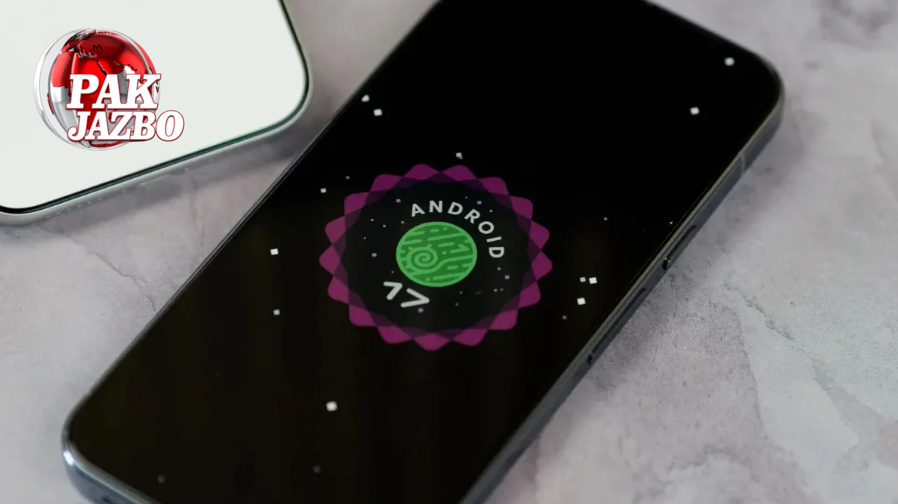
In today’s digital age, smartphones are essential tools for communication, work, entertainment, and much more. With the growing dependence on these devices, many users develop habits to ensure their phones last through the day — one of the most common being charging their Android phones to 100% every time. But is this habit actually shortening the lifespan of your phone’s battery?
According to experts and tech manufacturers, the answer is yes: consistently charging your phone to 100% can harm its battery over time.
Understanding the Technology: Lithium-Ion Batteries
Most Android smartphones today are powered by lithium-ion batteries, known for their efficiency and high energy density. However, these batteries are not without limitations. Over time, lithium-ion batteries degrade naturally with each charge cycle — the process of charging a battery from 0% to 100%.
When a phone is charged all the way to 100%, it operates at high voltage levels, which can speed up the chemical aging of the battery. As a result, the battery’s overall capacity and performance begin to decline faster. This is especially true if a phone is kept plugged in at full charge for extended periods.
In technical terms, lithium-ion batteries are most stable when they’re operating between 30% and 80% of their total charge. Charging all the way to 100% increases electrochemical stress, which gradually damages the battery’s internal structure.
Real-World Impact: What Happens Over Time?
As the battery degrades, users may notice several signs:
- Faster battery drain
- Longer charging times
- Overheating
- Unexpected shutdowns
On average, the battery capacity of a smartphone can decline by 10% to 15% per year, depending on usage and charging habits. So if you’ve been regularly charging your phone to 100% every day, you might start seeing a noticeable drop in battery performance within the first year or two.
While it’s not immediately harmful to charge to full once in a while — for instance, before a long trip — doing so habitually contributes to accelerated battery wear.
Low Battery Isn’t Better Either
Interestingly, the damage doesn’t just occur at the upper end of the charge spectrum. Charging your phone only when it drops to 0% or near it is equally problematic. Repeated deep discharges cause similar wear and tear, reducing the battery’s health over time.
This is because fully depleting a lithium-ion battery frequently stresses the battery cells and triggers more intensive charging cycles, which can overwork the internal components.
Manufacturer Recommendations
Leading smartphone manufacturers and battery experts suggest maintaining your phone’s battery charge in the 50% to 80% range for optimal health. Some companies even offer battery optimization features, such as:
- Smart charging limits (stopping at 80%)
- AI-based charging patterns
- Battery protection modes during overnight charging
These features are designed to reduce the frequency of full charges and adapt to the user’s charging habits in a way that prolongs battery life.
Apple, Samsung, Google, and OnePlus are among the brands that include such functionality in their phones. Many devices automatically reduce the charging speed once the battery hits a certain percentage to prevent overheating and chemical stress.
Tips to Extend Battery Life
If you’re concerned about your phone’s long-term battery performance, consider adopting these practical tips:
- Avoid 0% and 100% extremes – Try to charge your phone when it hits around 30%, and unplug it around 80%.
- Use original or certified chargers – Unregulated voltage from third-party chargers can damage the battery.
- Avoid overnight charging – Especially without optimization features enabled. It leads to the battery staying at 100% for hours.
- Keep the phone cool – Heat is a major enemy of battery health. Don’t leave your phone in direct sunlight or hot environments.
- Enable battery-saving modes – When not using intensive apps, turn on battery saver to reduce load.
- Turn off unnecessary background activity – Disable background data and apps that drain power unnecessarily.
- Use airplane mode in weak signal areas – Poor reception increases power usage.
Occasional Full Charges Are Okay
While the general advice is to avoid reaching 100%, it doesn’t mean you must never fully charge your phone. Occasional full charges—say, once every few weeks—can help recalibrate the battery’s internal sensors, especially if the phone’s software provides inaccurate battery readings. Just avoid making it a daily habit.
Final Thoughts
Charging your Android phone to 100% might give you peace of mind that it will last through the day — but in the long run, this seemingly harmless habit can significantly reduce your battery’s lifespan. With some mindful charging strategies and by leveraging smart features built into modern devices, you can extend your phone’s performance and battery life for years.
As lithium-ion technology continues to evolve, manufacturers are working on making batteries more resilient. But until then, how — and when — you charge your phone still plays a big role in preserving its long-term health.
So the next time you reach for the charger, consider whether you really need that 100% — your battery will thank you.
What’s your Reaction?
+1
+1
+1
+1
+1
+1