












































































































































































































































































































































































































































































































































































































































































































































































































































How Hamas Maintains a Secret Salary System for Civil Servants Amid War in Gaza


Despite enduring two years of continuous war and the loss of key political leadership, the Palestinian resistance group Hamas has continued its defiance against Israel while managing the economic affairs of Gaza with remarkable resilience. One of the most surprising elements of this resilience, as revealed by a detailed BBC report, is Hamas’s ability to pay salaries to civil servants through a clandestine system—despite a near-total economic blockade, soaring inflation, and relentless airstrikes by Israeli forces.
Secret Salaries Amid Chaos
According to the BBC, despite the immense challenges, Hamas continues to pay its civil workers in Gaza through secret channels. Even during the ongoing war, where public infrastructure, communication networks, and traditional banking systems have been decimated, the organization has disbursed salaries to over 30,000 fighters and workers. In the last two years, they have reportedly distributed $17 million in wages to their personnel.
The report mentions three civil servants who recently confirmed receiving $300 each during the past week. These payments represent only 20% of their pre-war salaries and are typically delivered every ten weeks. Despite the small amount and long gaps, these payments are lifelines for thousands of families surviving under siege.
Funding Sources: Taxes, Aid, and Allies
To fund this operation, Hamas has long relied on heavy taxation within Gaza, collecting funds from local businesses, imports, and even humanitarian aid distributions. Additionally, international aid—especially from Qatar—has served as a critical lifeline. The financial support provided by Iran also plays a crucial role, particularly in supporting the military wing, Al-Qassam Brigades, which has its own distinct financial system separate from that of civil governance.
The BBC report further cites a senior member of Egypt’s banned Muslim Brotherhood, claiming that about 10% of the group’s annual budget is allocated to Hamas. These multi-pronged funding streams have allowed the organization to maintain both governance and resistance.
A Shadowy Payment System
Due to the collapse of traditional banking mechanisms in Gaza and the constant threat of Israeli surveillance and drone strikes, Hamas has resorted to using encrypted messages and face-to-face transactions to deliver salaries.
According to the report, civil servants receive an encrypted message—either on their mobile phones or those of family members—stating something seemingly innocuous like: “Go have tea with your friend at this place.” The location is prearranged, and upon reaching, the recipient is met by a woman who discreetly hands over a sealed envelope containing cash before walking away.
Such a system is designed to evade detection by Israeli intelligence and to prevent targeted strikes during salary distribution.
Risks and Sacrifices
The risks involved in this process are profound. A staff member from the Ministry of Religious Affairs, speaking anonymously, revealed that he says goodbye to his wife and children every time he goes to collect his pay—fully aware he may not return. He shared a personal story where he narrowly escaped an Israeli strike during one of his salary collections.
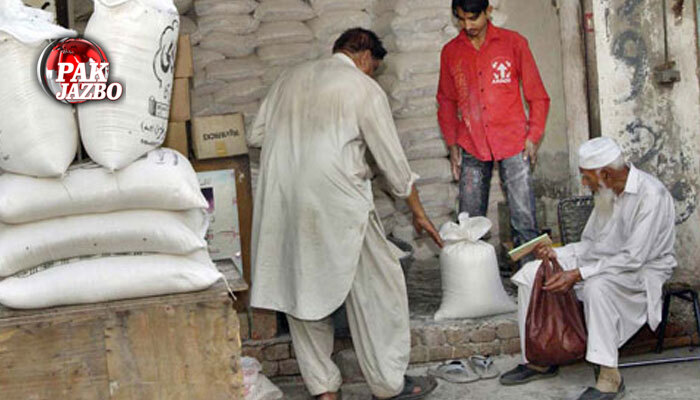
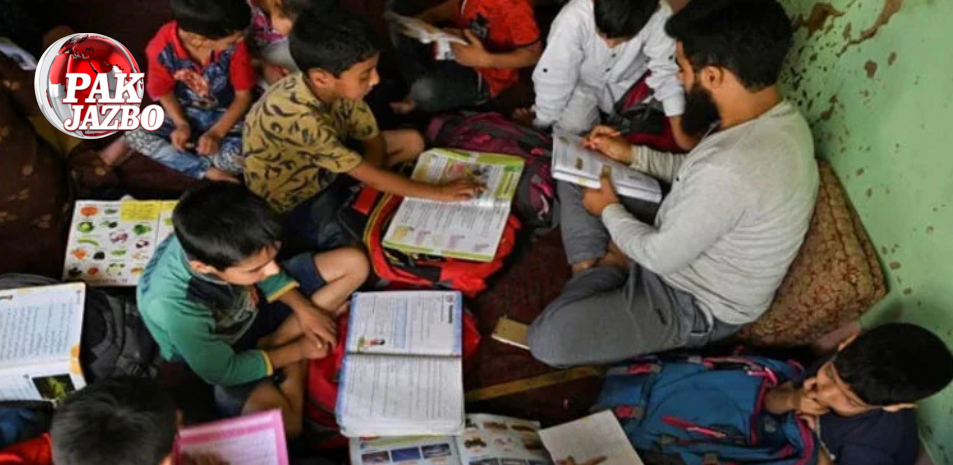
Another employee, a school teacher under Hamas governance, said he received a payment of 1,000 shekels (around $300), which he finds inadequate under current circumstances. He described his struggles in acquiring basic necessities like flour, stating that sometimes he returns home with food, and sometimes he doesn’t.
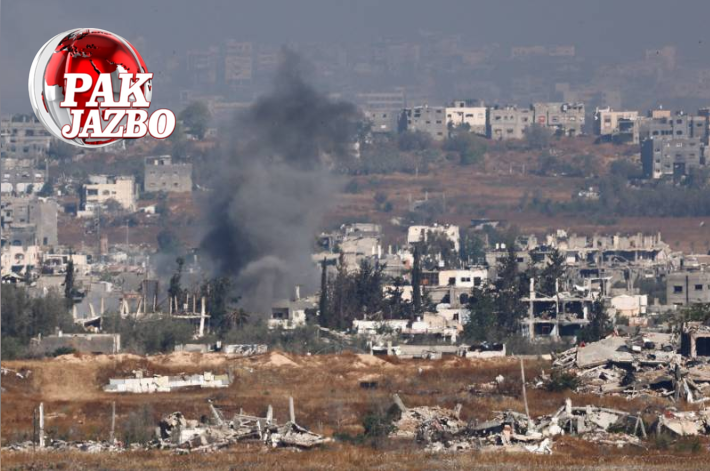
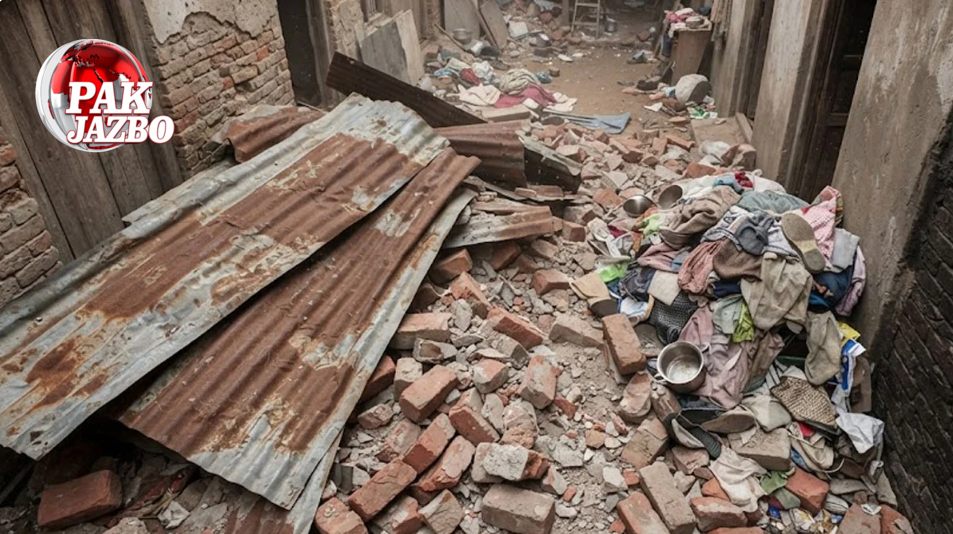
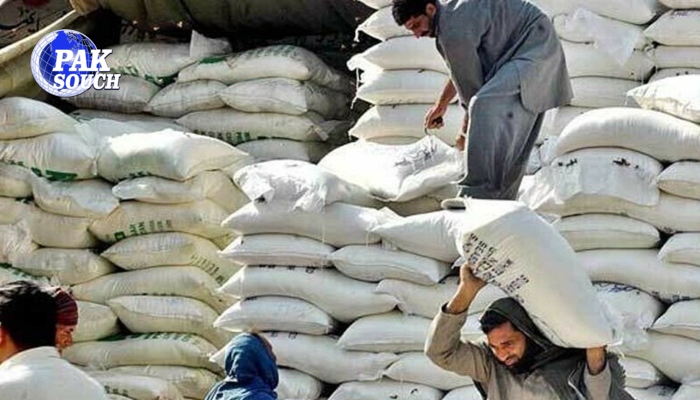
The situation in Gaza has deteriorated so drastically that a single kilogram of flour is now selling for as much as $80. With Israeli forces blocking aid supplies, the region is facing one of the worst famine situations in recent memory.
Hunger as a Weapon
This grim economic reality has been recognized globally. Egyptian President Abdel Fattah el-Sisi recently accused Israel of using starvation as a weapon of war. He stated that the deliberate prevention of food and medical aid to Gaza is aimed at crushing the Palestinian resistance and demoralizing the population.
Despite the blockade, Israeli bombardments, and scarcity of resources, morale among Hamas fighters and employees remains surprisingly high. The group has successfully cultivated a culture of resistance, where even economic survival is seen as part of the struggle against occupation.
Financial Network Under Fire
In March this year, the Israeli military claimed to have killed Ismail Barhoum during an airstrike on Al-Nasr Hospital in Khan Younis. Barhoum was allegedly a key figure in financing the Al-Qassam Brigades. His assassination was part of Israel’s broader strategy to dismantle Hamas’s financial infrastructure by targeting individuals involved in fund transfers.
While such strikes aim to weaken Hamas’s organizational capacity, the group’s survival strategy has proven adaptive and decentralized. Its ability to continue salary disbursement through physical cash, encrypted communications, and localized human networks demonstrates an exceptional level of planning and operational secrecy.
A Testament to Endurance
The BBC report underscores the unique organizational capability of Hamas in maintaining governance functions under near-apocalyptic conditions. The secret salary system serves as a testament to how a resistance movement, when supported by a complex web of funding sources and local loyalty, can defy the collapse of conventional systems of governance and finance.
As the humanitarian crisis in Gaza deepens, and as international scrutiny of Israel’s blockade continues to grow, the world watches a devastating yet revealing example of resistance, resilience, and resourcefulness unfold in real time.
What’s your Reaction?
+1
+1
+1
+1
+1
+1