







































































































































































































































































































































































































































































































































































































































































































































































































































































































































































































































































































































































































































































































































































































































































































































































































































































































































































































































































































































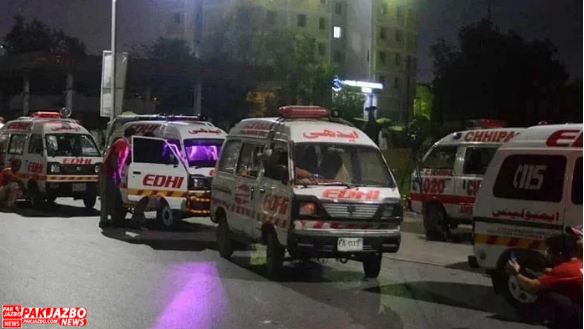























Nine Days Without Power: Swat Residents Struggle Amid Flood Devastation


Swat, Khyber Pakhtunkhwa –
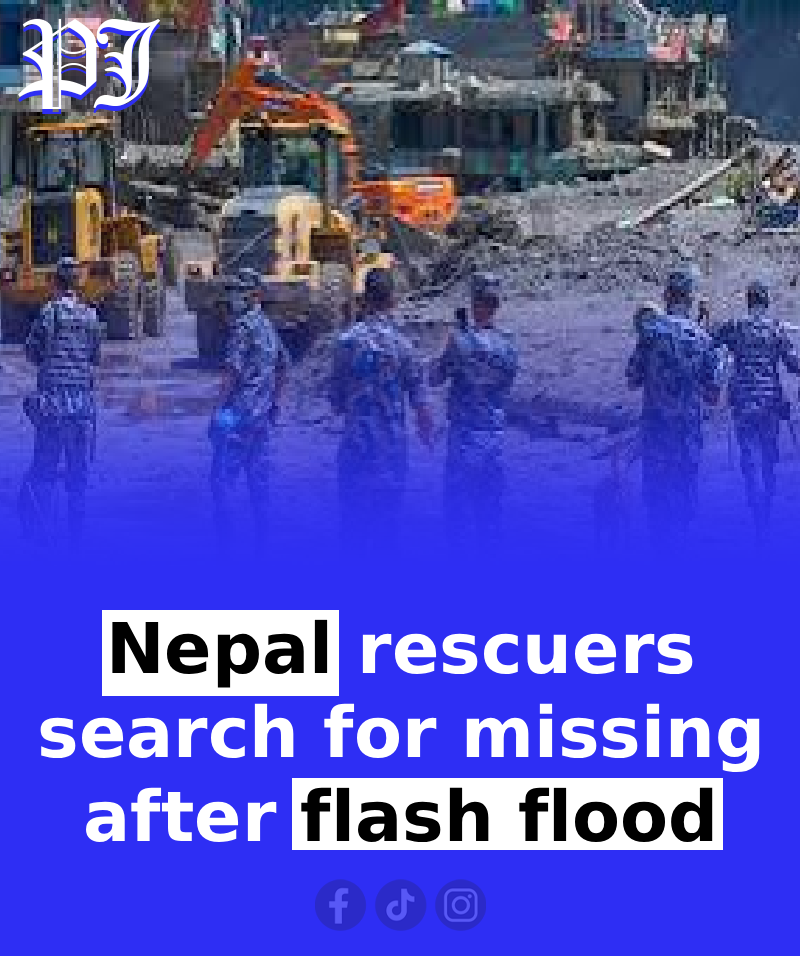
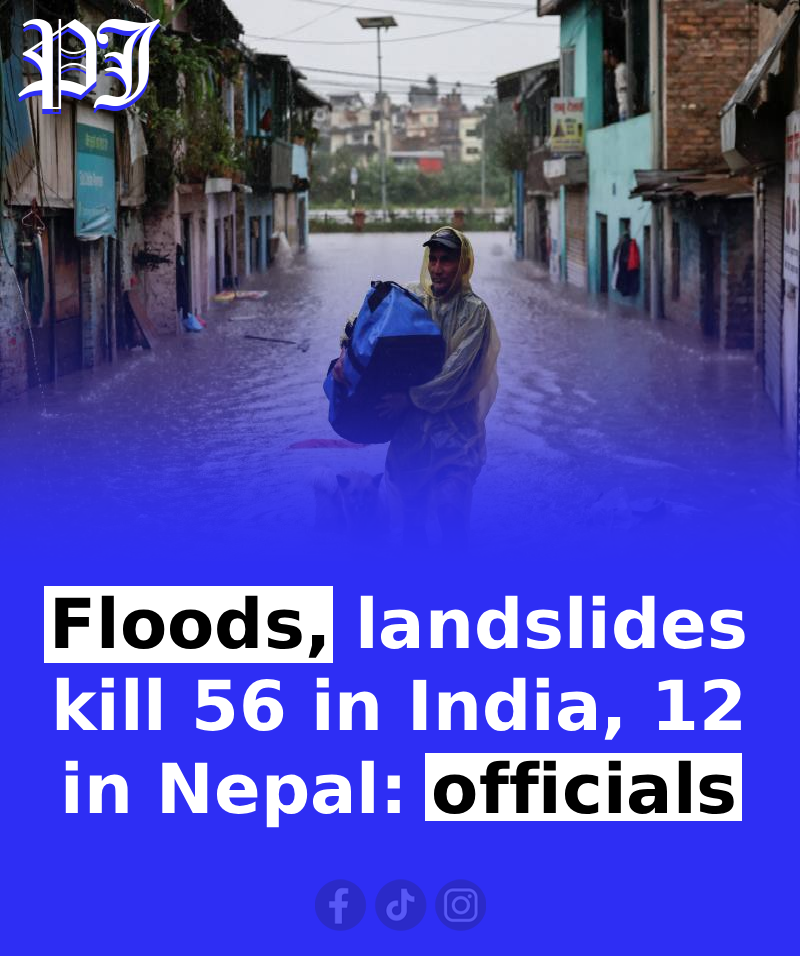
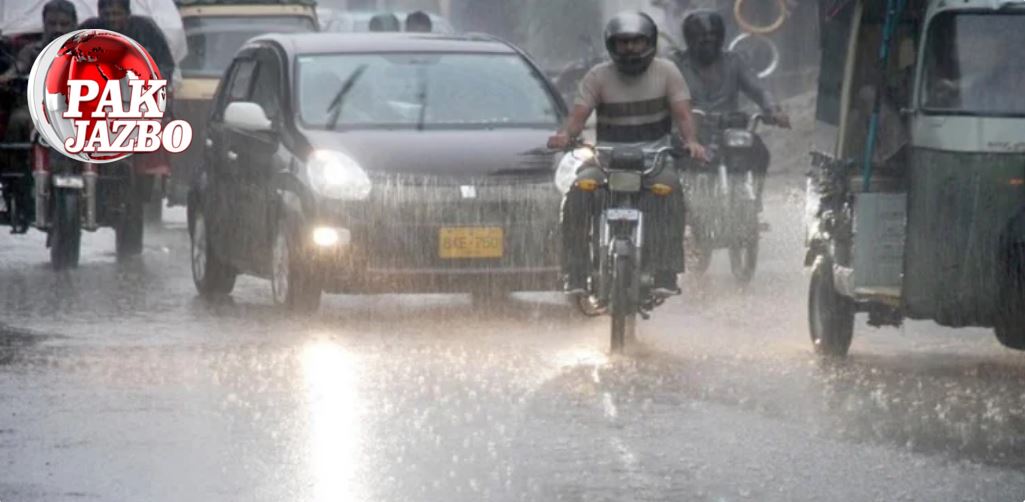
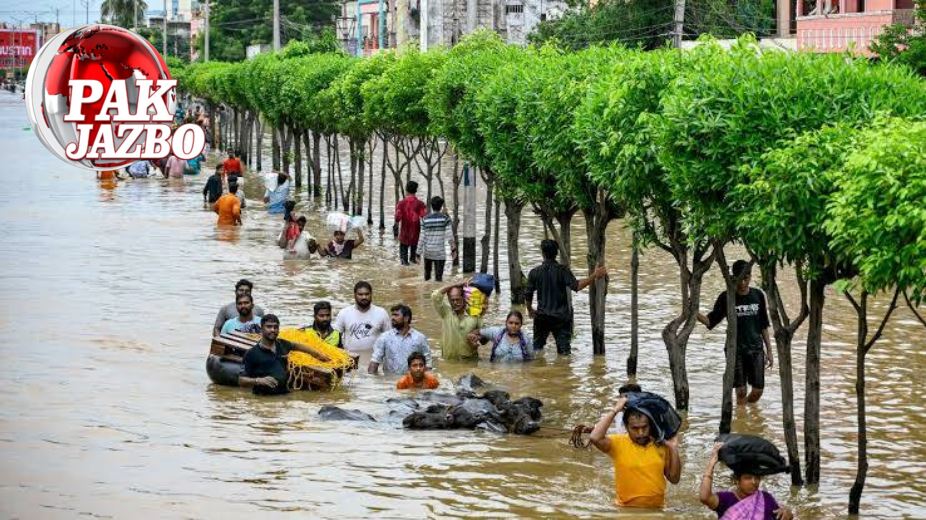
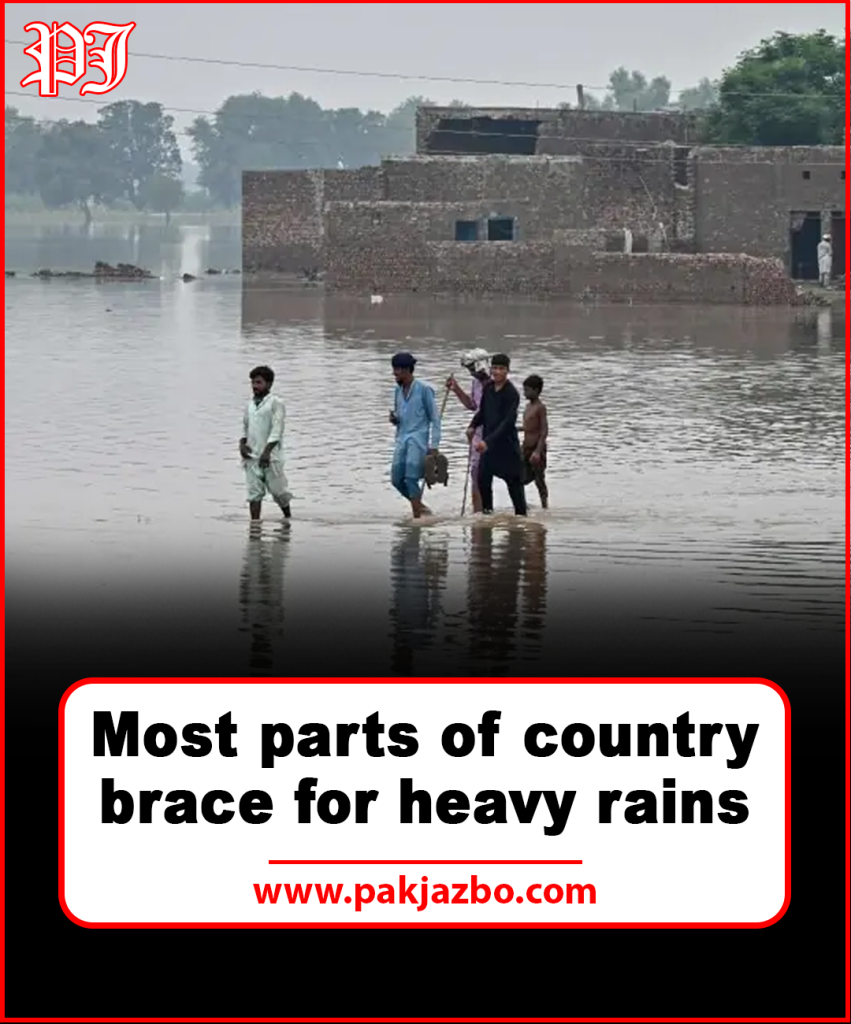
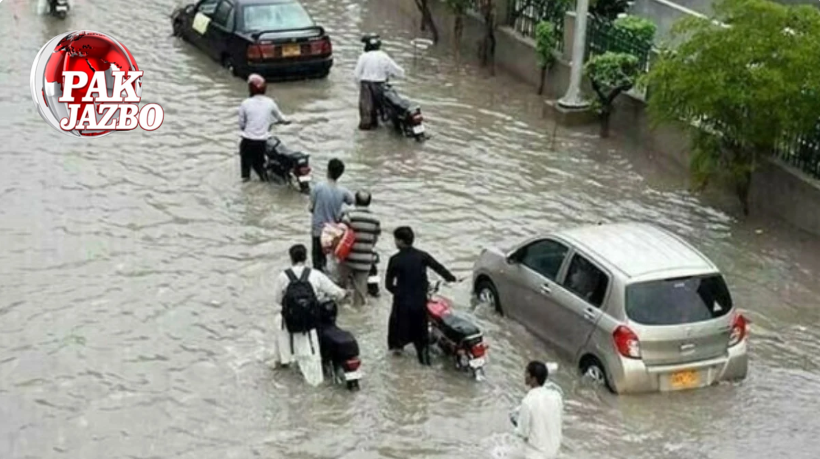
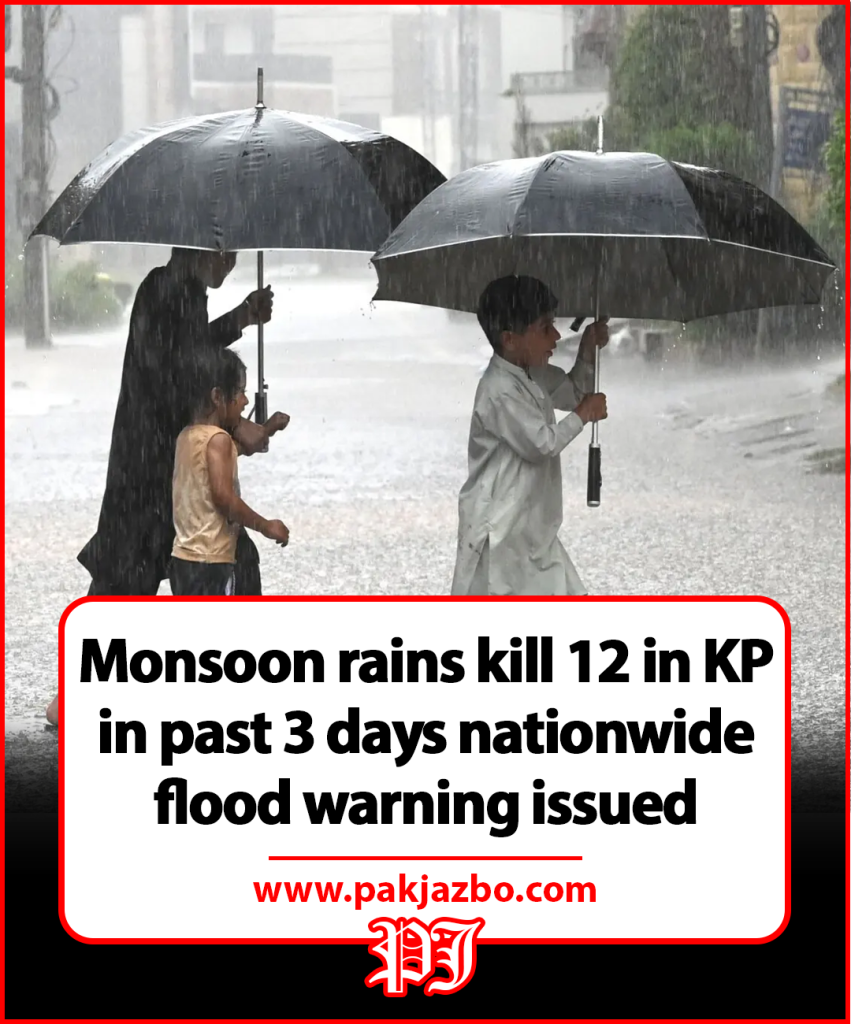
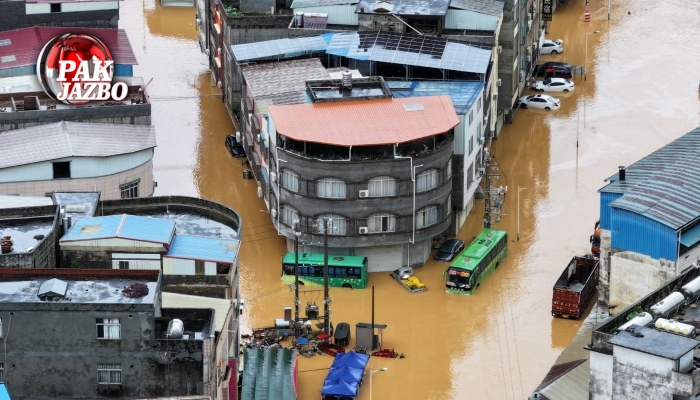
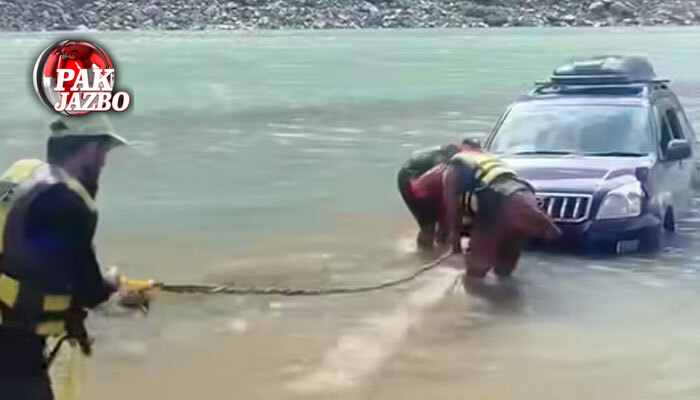
Nine days after torrential rains and devastating floods ravaged Swat, one of Khyber Pakhtunkhwa’s most scenic valleys, electricity has yet to be restored. Thousands of residents remain without power, facing not only darkness but also a shortage of clean drinking water, disrupted communications, and mounting health concerns.
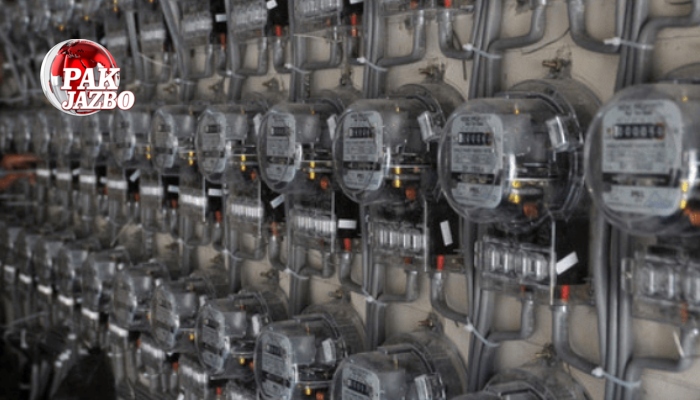
Electricity Infrastructure in Ruins
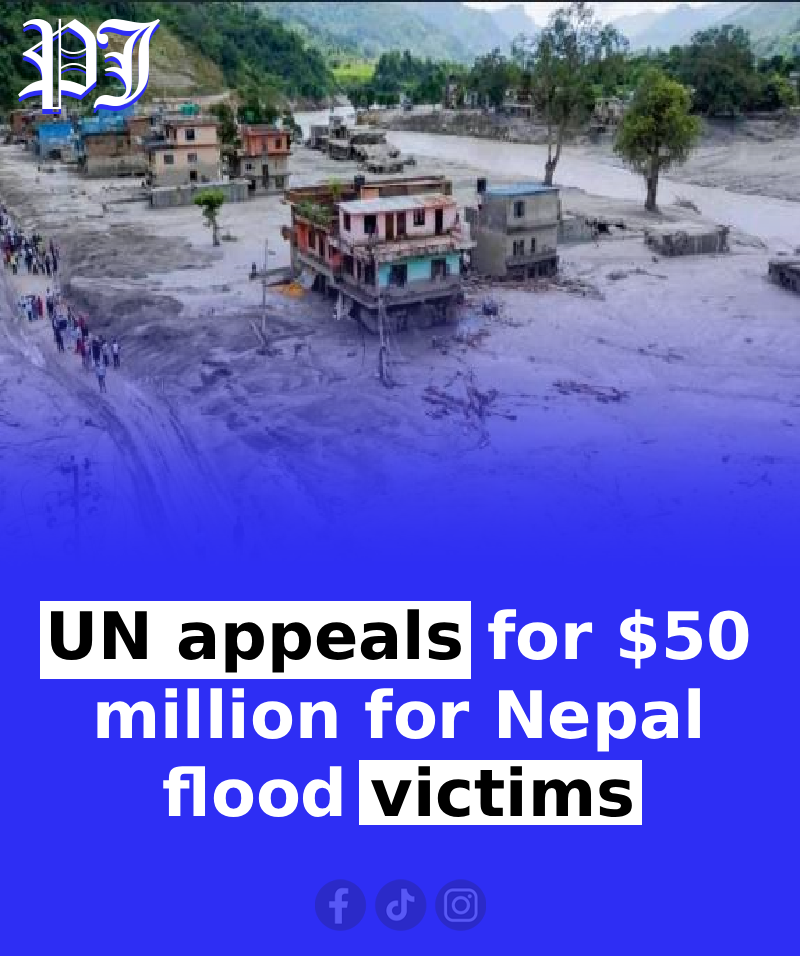
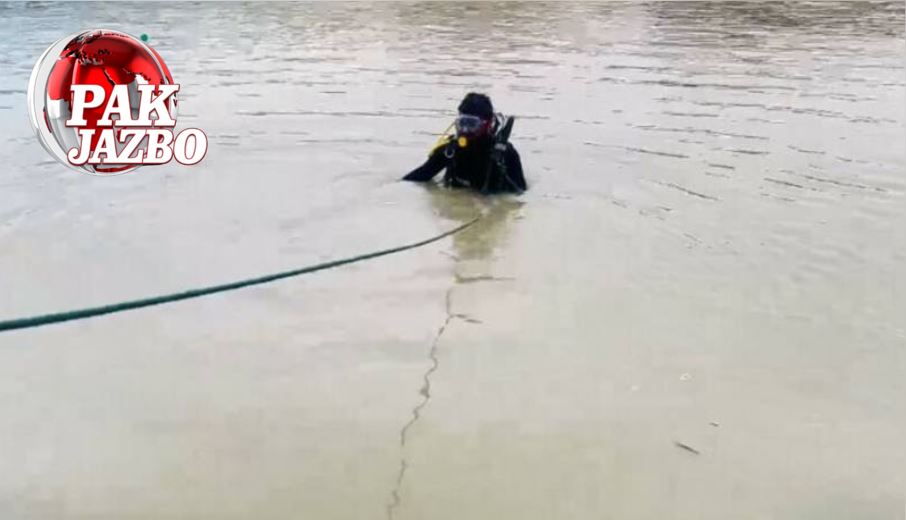
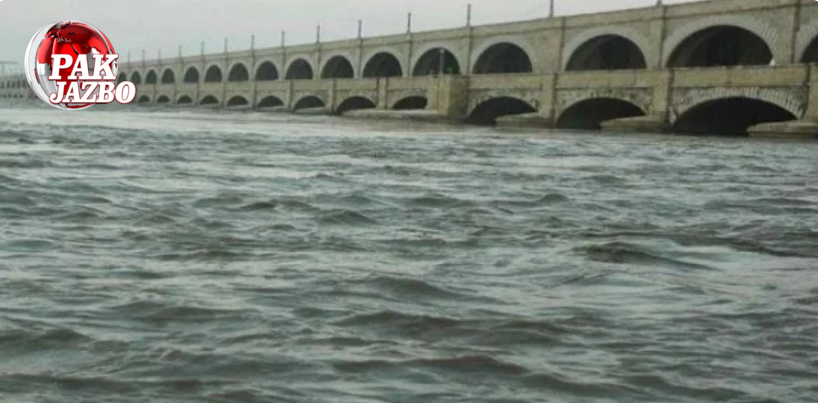
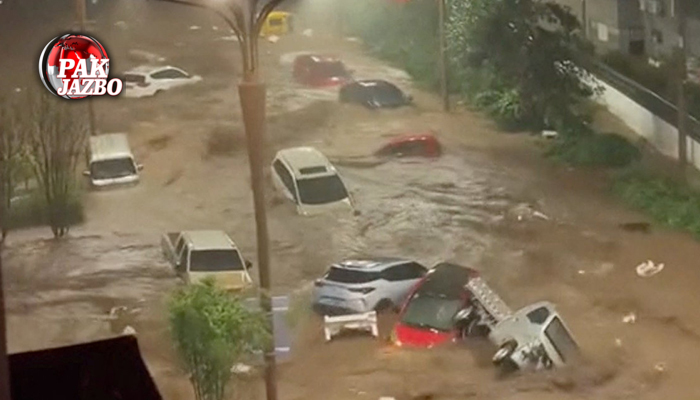
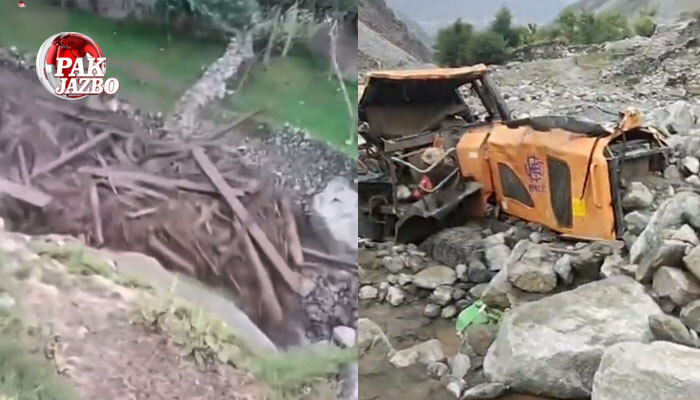
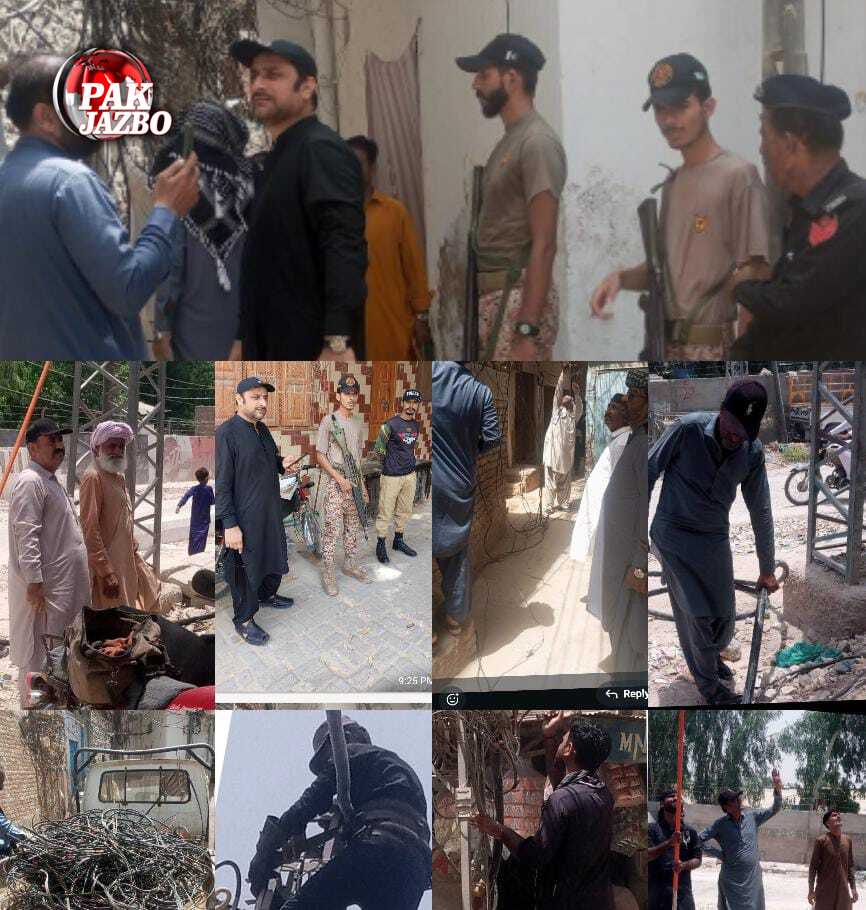
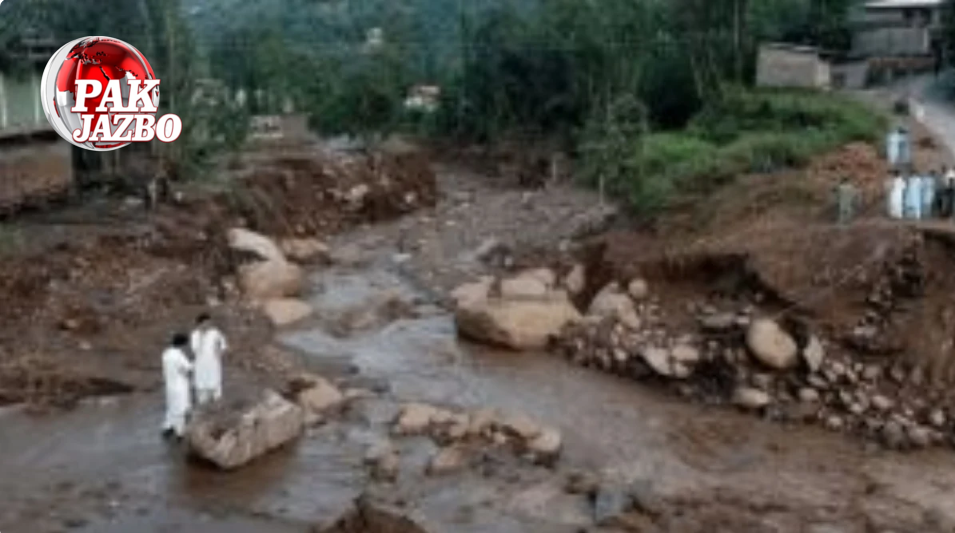
The heavy rains triggered flash floods and landslides that shattered Swat’s power infrastructure. Entire transmission lines were uprooted, while multiple electric poles and transformers collapsed into muddy floodwaters. The destruction was so extensive that even the basic restoration of supply has become a massive logistical challenge.
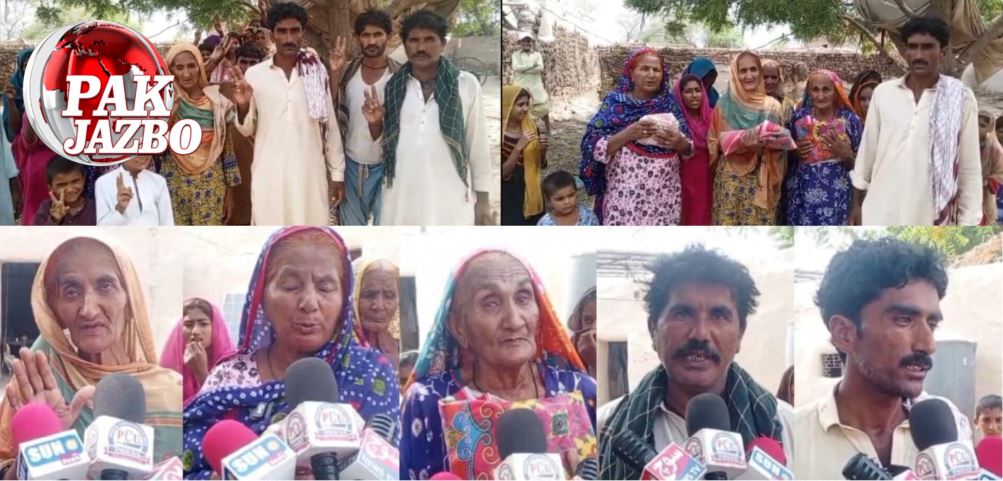
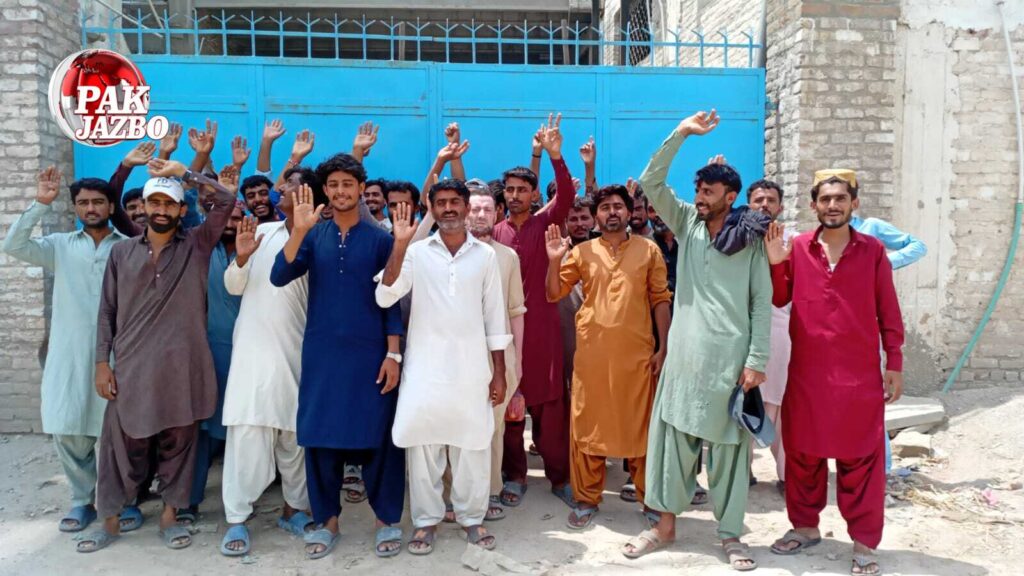
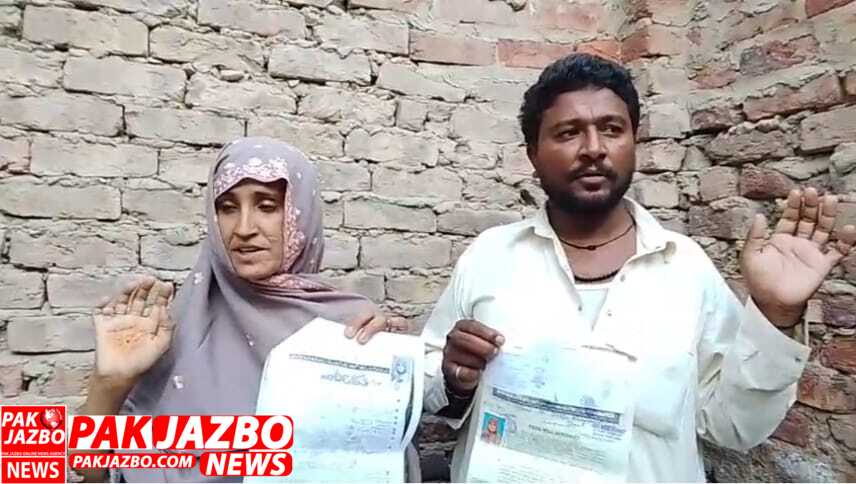
Local residents expressed their frustration, saying that the pace of repair work remains painfully slow. “We have been in the dark for nine days. Children, the elderly, and the sick are suffering the most. With the speed at which things are moving, it looks like it will take months before electricity is fully restored,” one resident told reporters.
Shortage of Clean Water
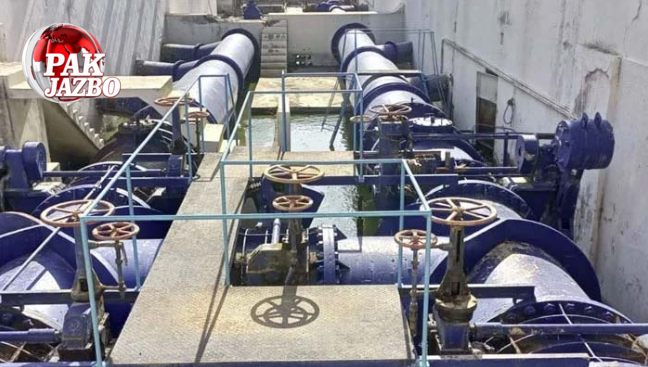
The suspension of electricity has also led to a drinking water crisis. Pumps that supply water to local communities remain inoperative, forcing people to fetch water from streams and rivers that have themselves been polluted by floodwaters. Health experts warn that this situation raises the risk of waterborne diseases, including diarrhea and cholera, especially among children.
Streets Still Flooded with Mud
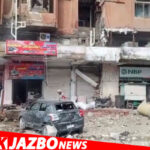
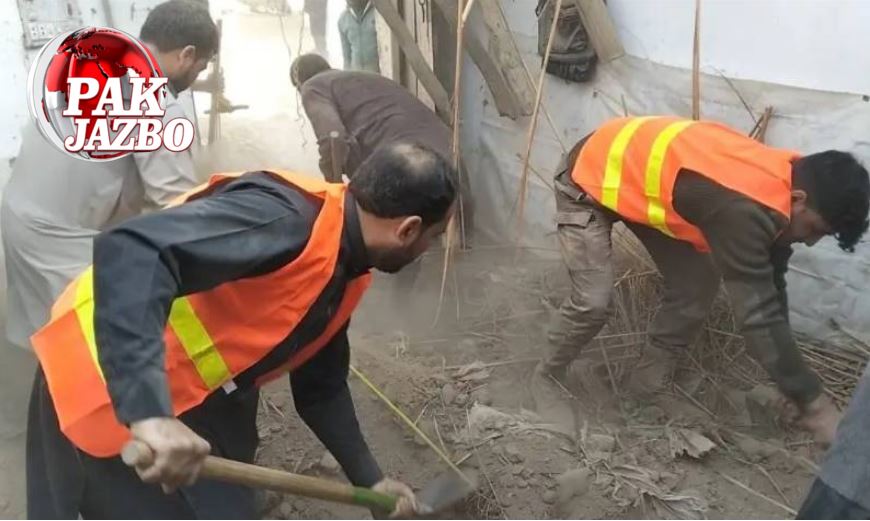
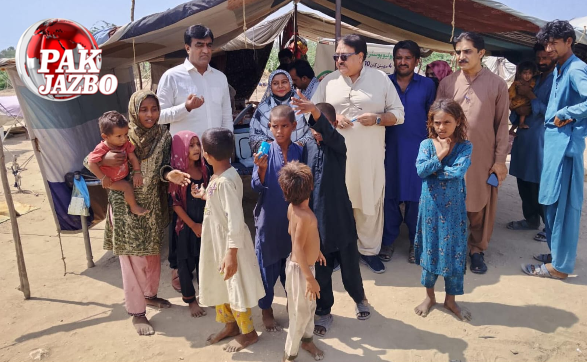
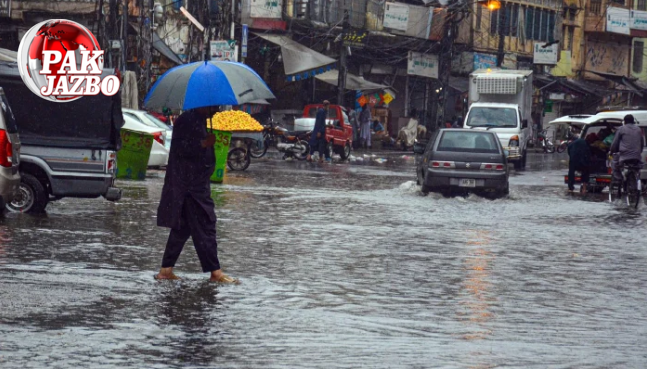
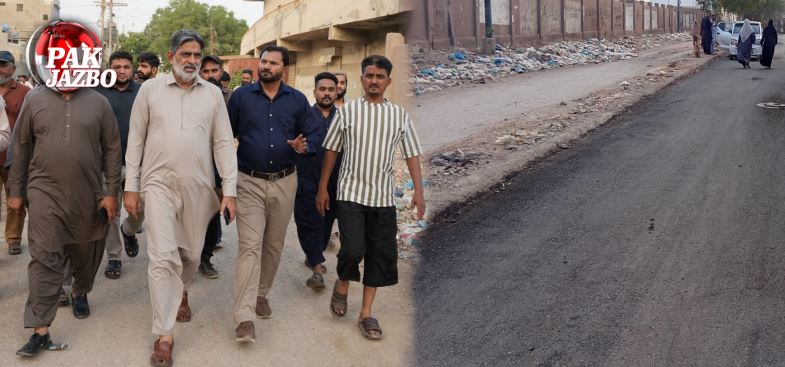
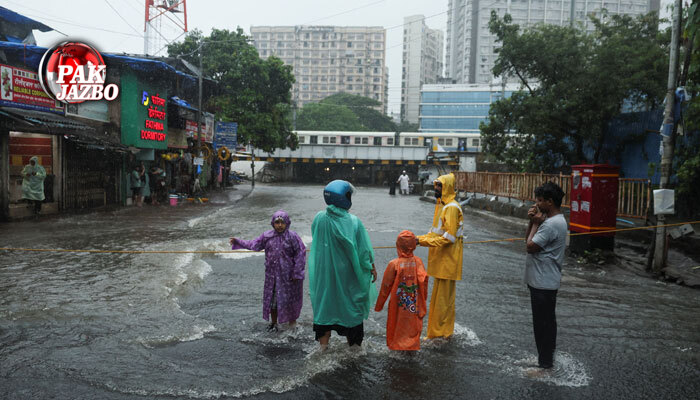
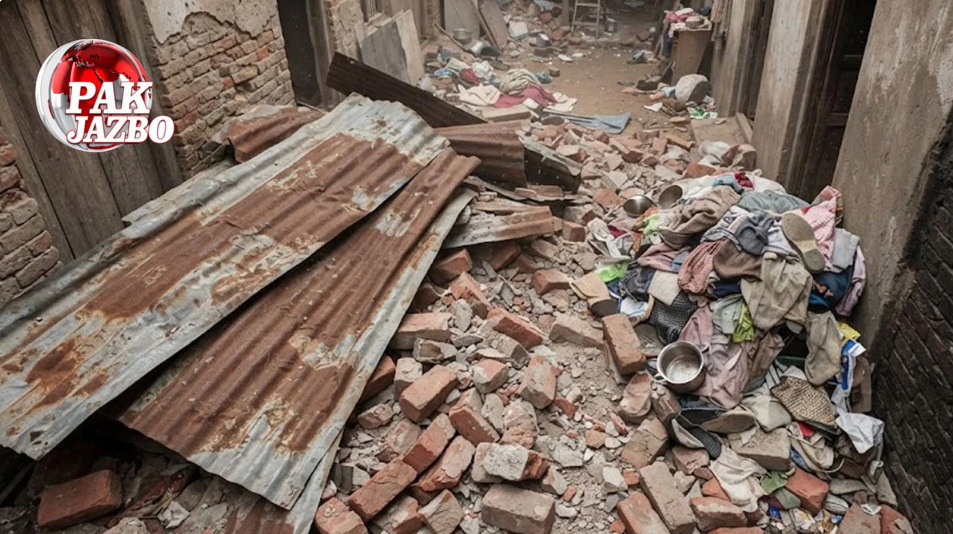
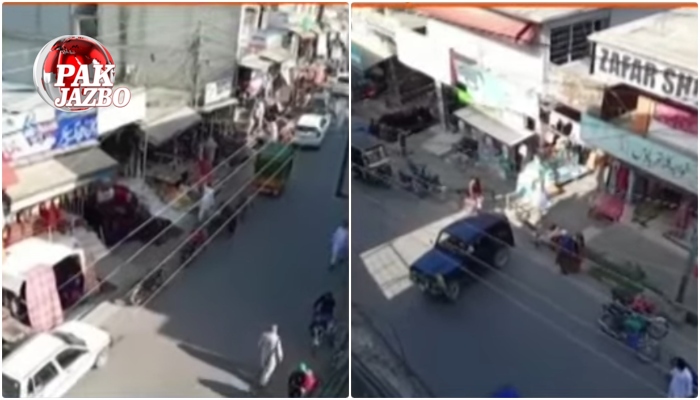
In Mingora, the commercial and administrative hub of Swat, floodwaters have left behind thick layers of mud and debris in streets and marketplaces. Residents are relying on self-help efforts, using shovels, buckets, and basic tools to clear their homes and shops. With little government machinery visible on the ground, families are cleaning up by hand, trying to salvage what remains of their belongings.
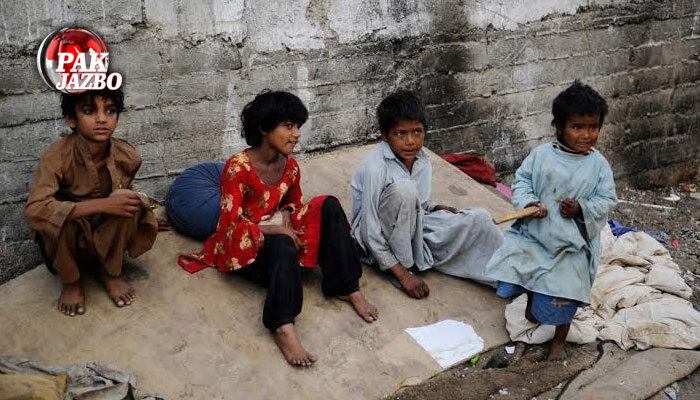
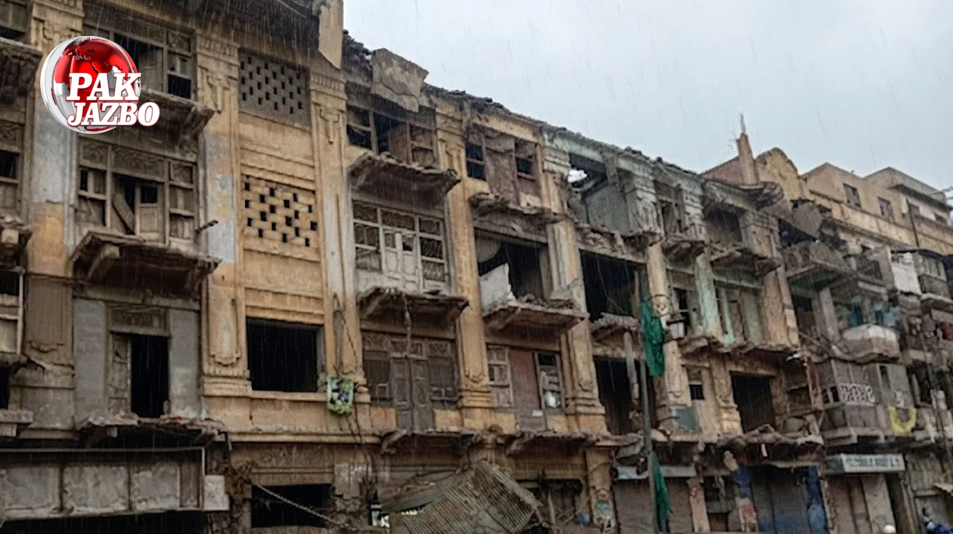
Many homes in low-lying neighborhoods were partially or completely destroyed. Walls collapsed, roofs caved in, and valuable possessions were swept away by the raging torrents. Entire communities have been left vulnerable, with families sheltering in makeshift arrangements or the homes of relatives.
Government’s Relief Announcement
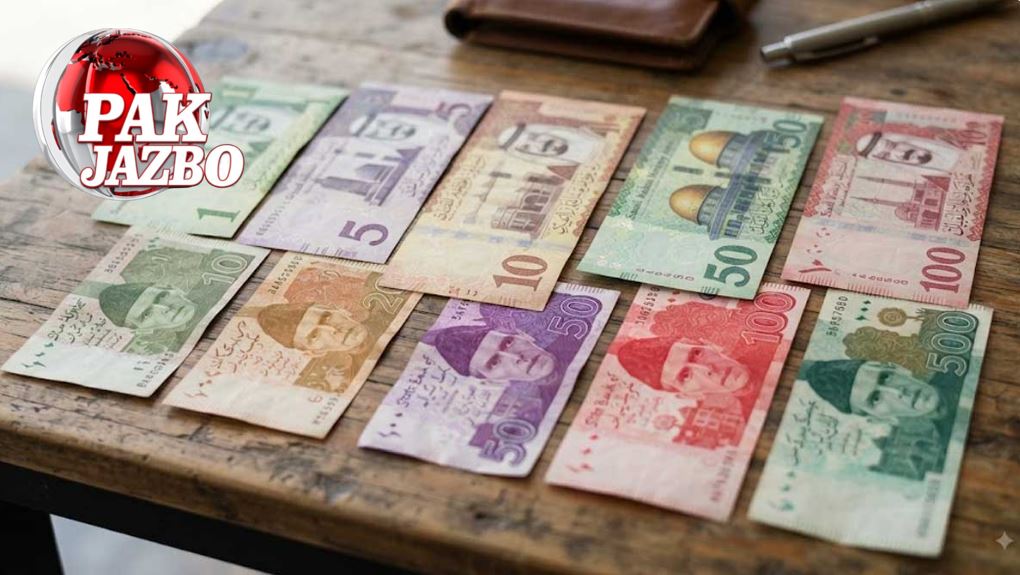
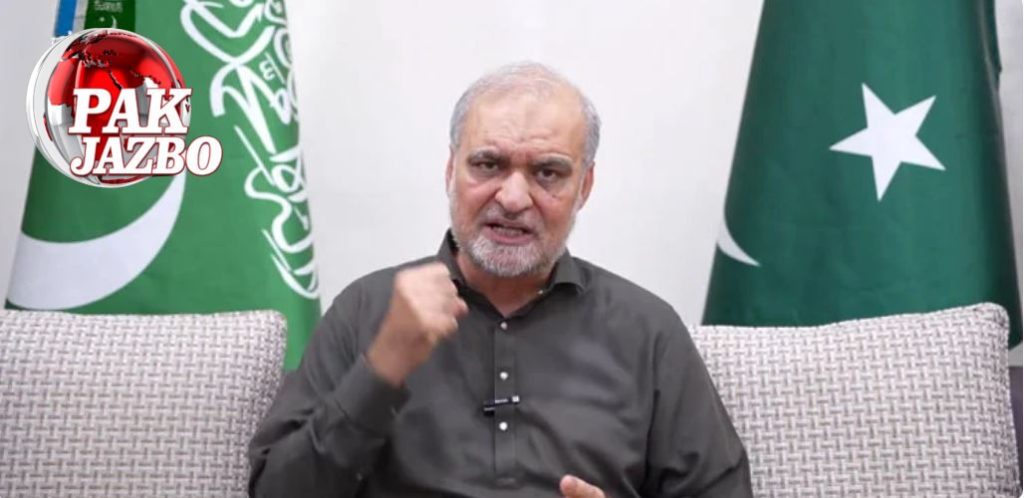
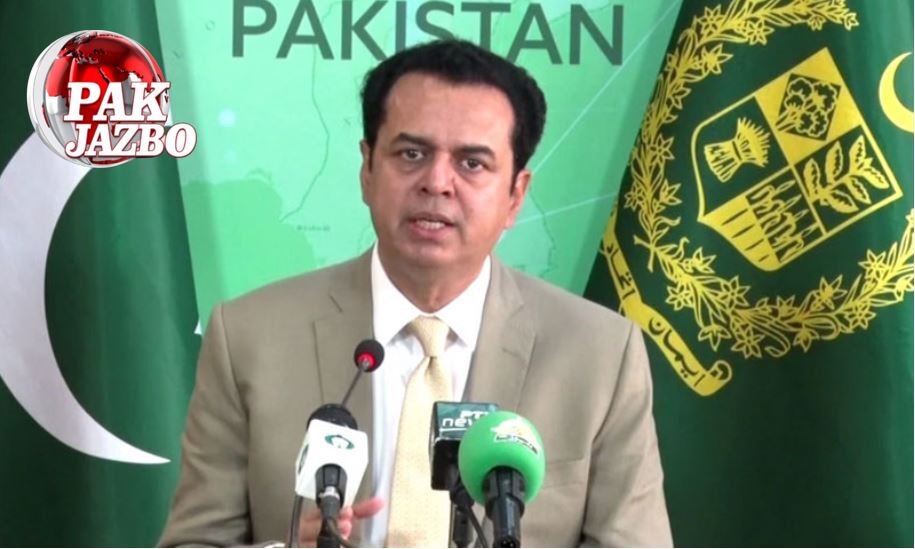
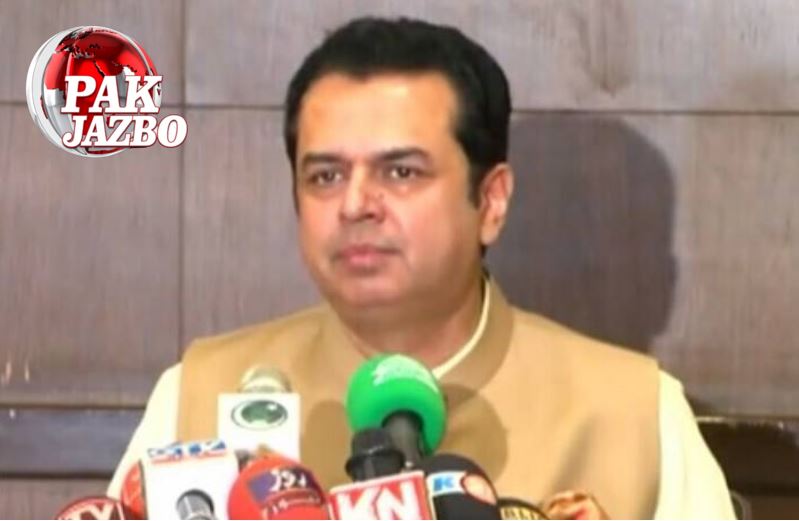
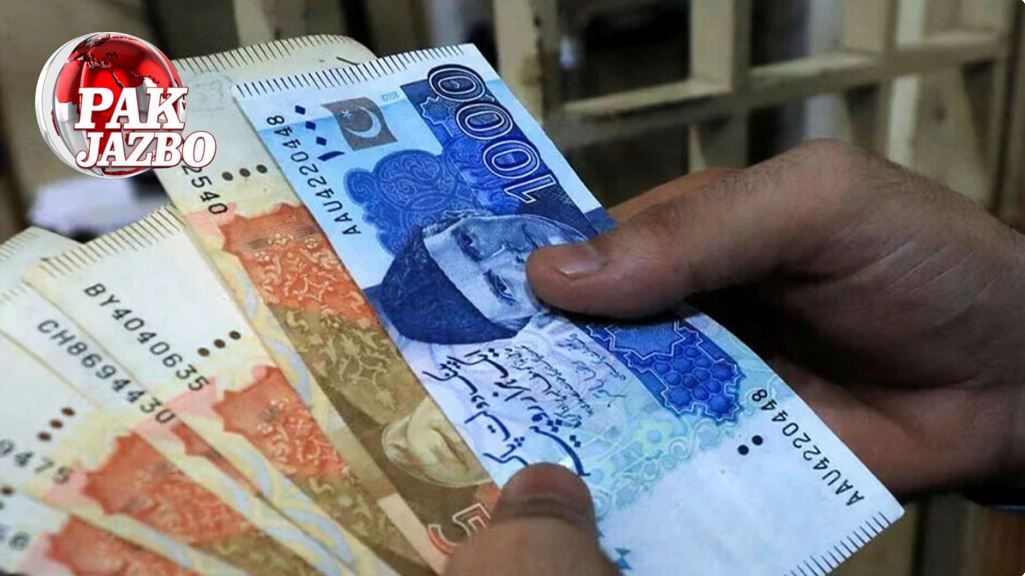
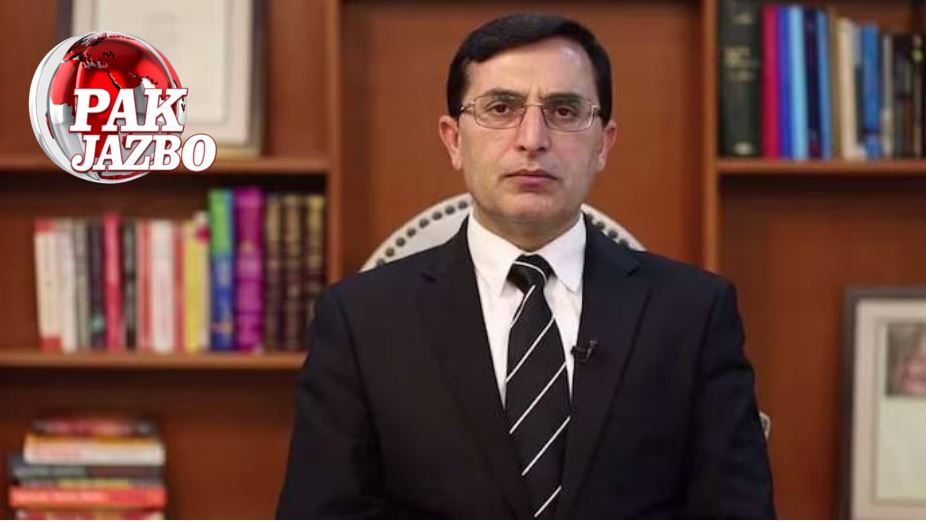
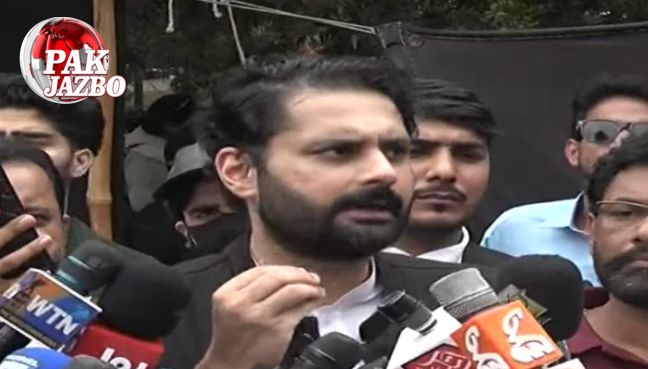
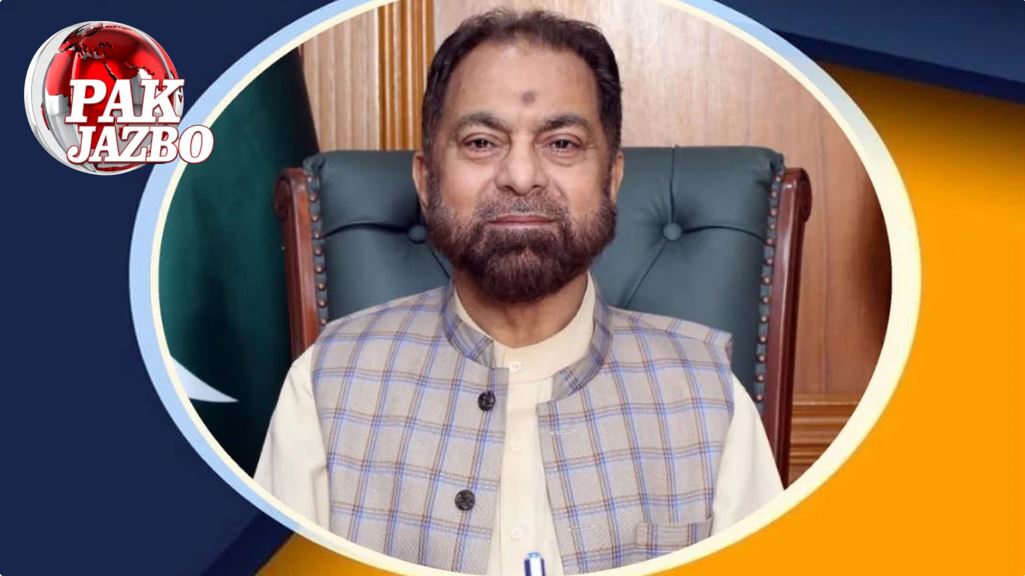
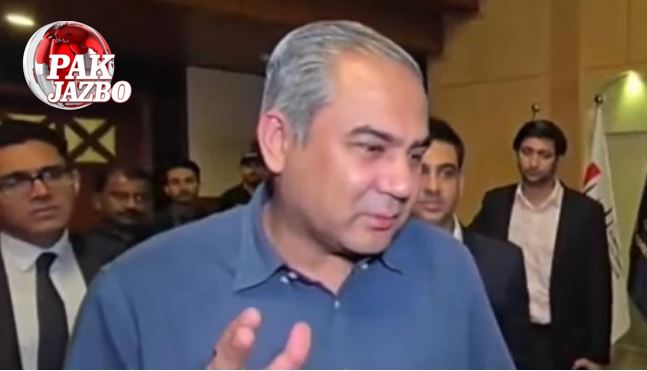
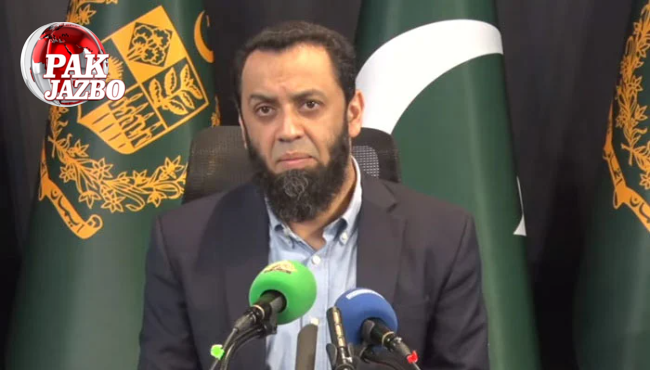
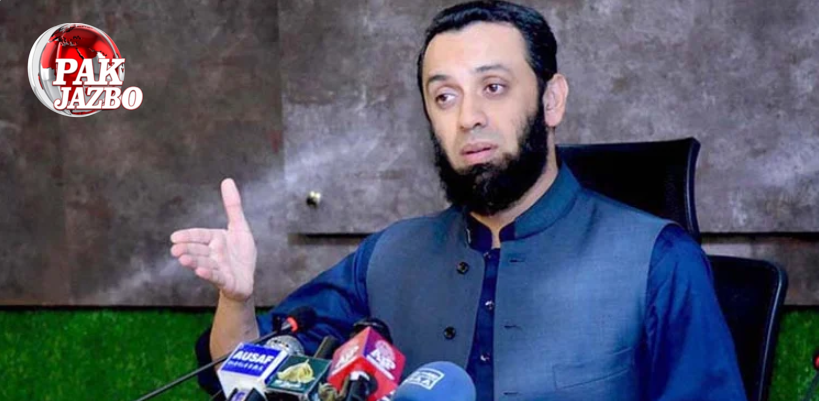
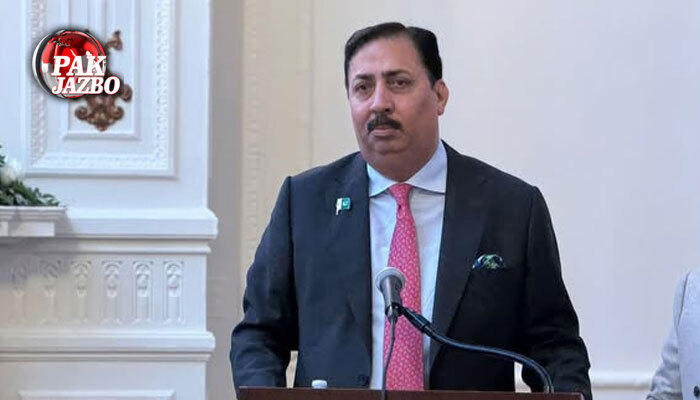
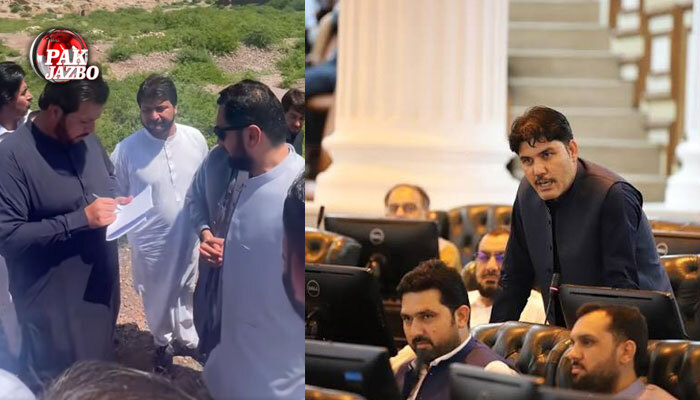
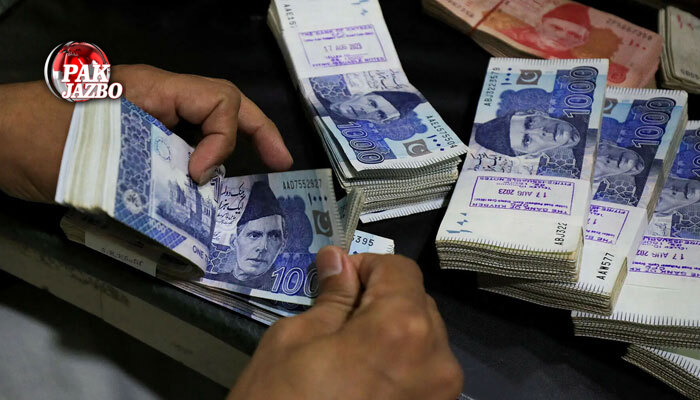
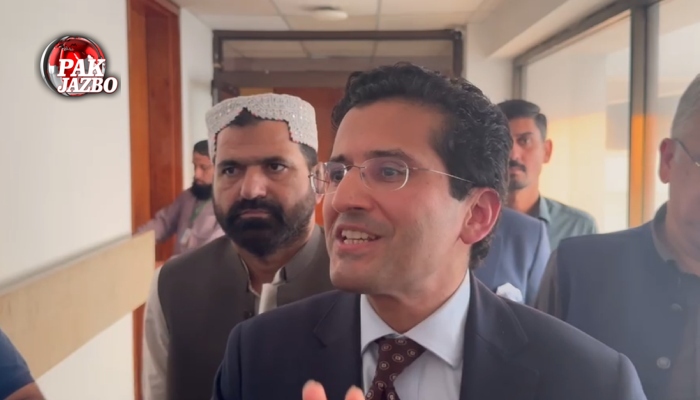
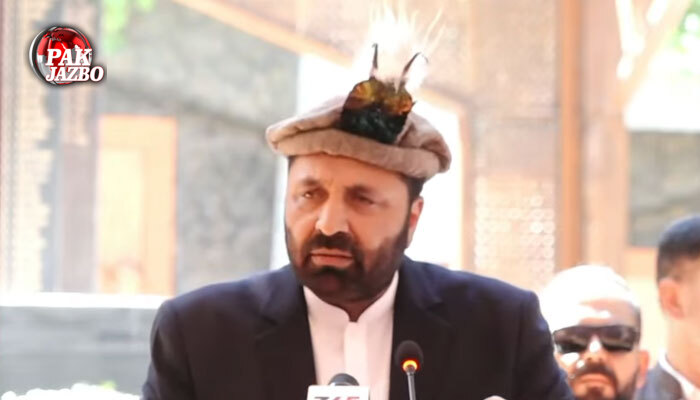
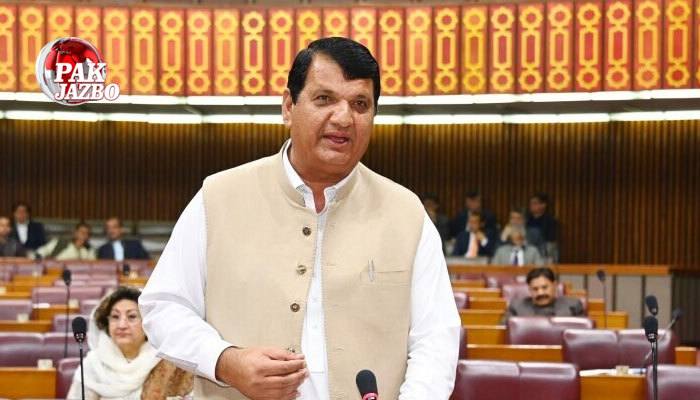
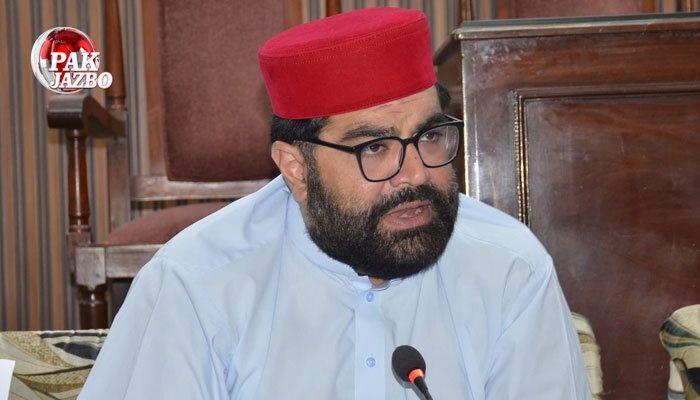
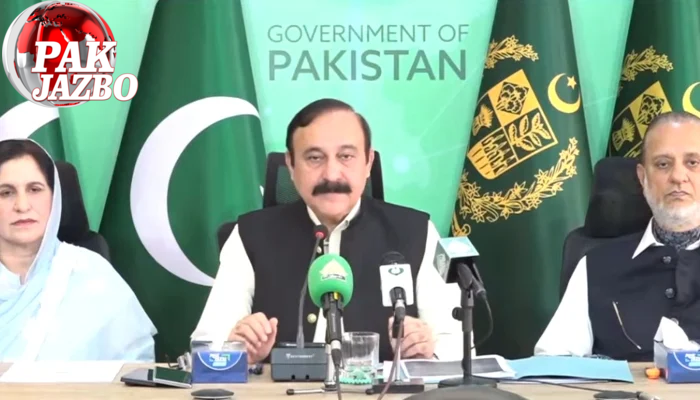
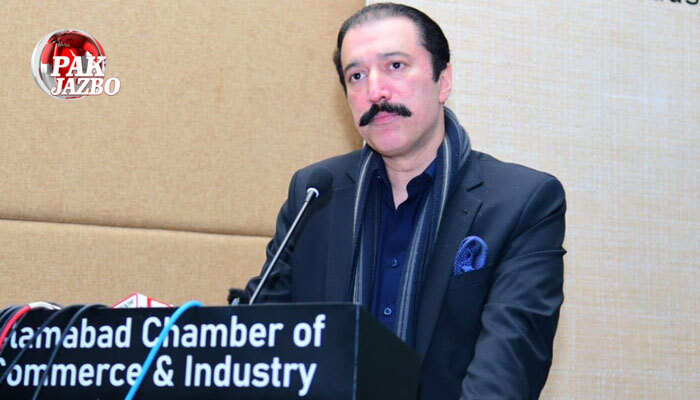
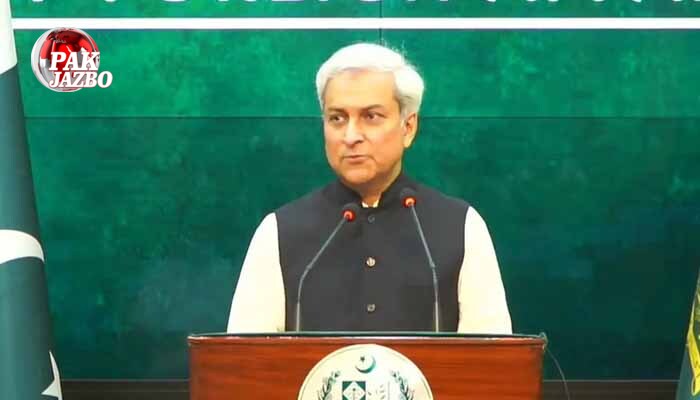
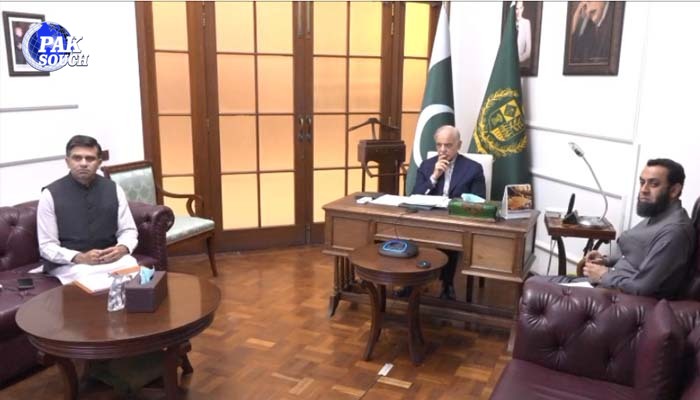
On the government’s side, Barrister Saif, Advisor on Information to the Khyber Pakhtunkhwa government, announced a financial relief package for flood victims. He stated that families whose houses were completely destroyed would be compensated with Rs. 1 million (10 lakh), while those with partially damaged homes would receive Rs. 500,000 (5 lakh).
While this announcement was welcomed, many residents argue that the assistance, though significant, may not cover the full extent of losses. Farmers have lost standing crops, livestock, and agricultural land, while small traders in Mingora and other towns have seen their shops destroyed or inventory washed away.
The Human Cost
The Provincial Disaster Management Authority (PDMA) of Khyber Pakhtunkhwa issued grim statistics:
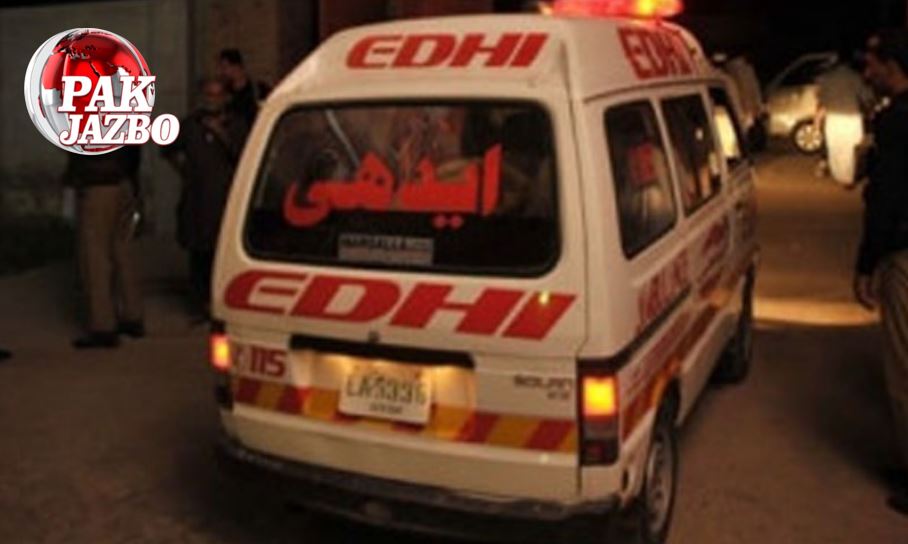
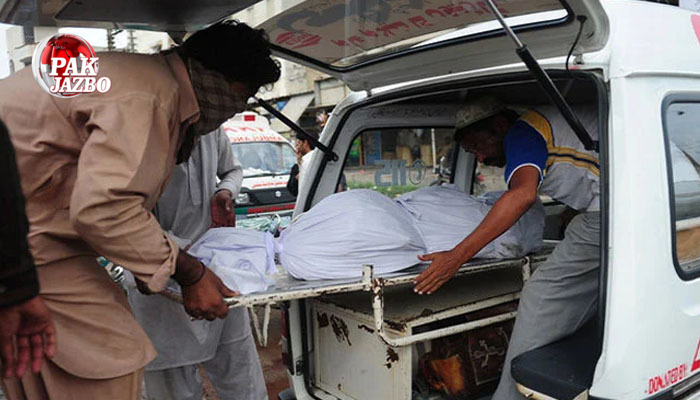
- 393 people have lost their lives in rain-related incidents across the province.
- At least 190 others have been injured, many seriously.
- 1,711 houses have been damaged, either partially or completely, displacing thousands of families.
In Swat alone, the toll is particularly severe, given the district’s vulnerability to floods and landslides. The valley, once celebrated as the “Switzerland of the East,” is now grappling with humanitarian challenges that could take months, if not years, to overcome.
Health and Safety Concerns
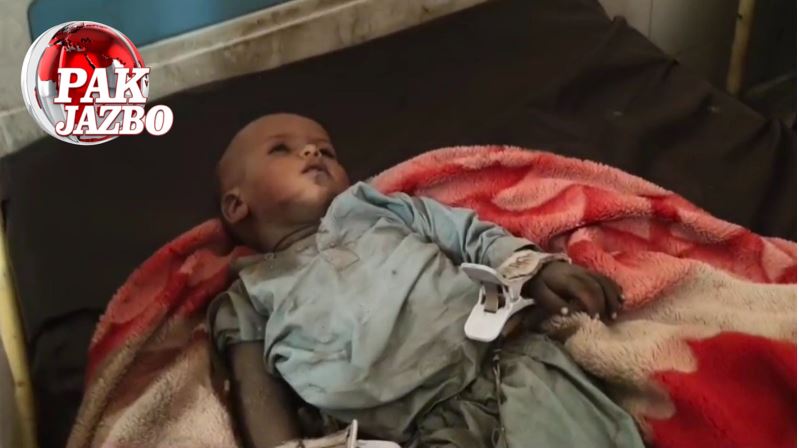
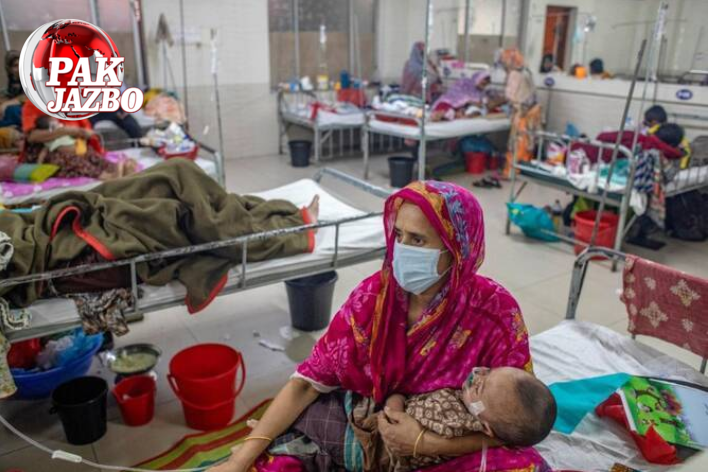
Doctors in local hospitals are warning of a looming public health crisis. With power outages hampering medical facilities, the treatment of injured flood victims has slowed. Vaccines and medicines requiring refrigeration are at risk of spoilage, and doctors fear outbreaks of malaria and gastroenteritis in flood-hit areas.
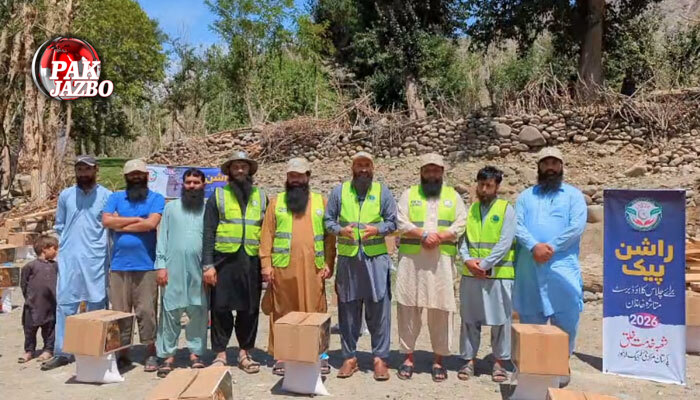
Meanwhile, the lack of safe drinking water and poor sanitation conditions in temporary shelters has put displaced families, particularly women and children, in vulnerable positions. Aid organizations are calling for urgent support in the form of bottled water, medical supplies, food, and tents.
Residents’ Anger and Resilience
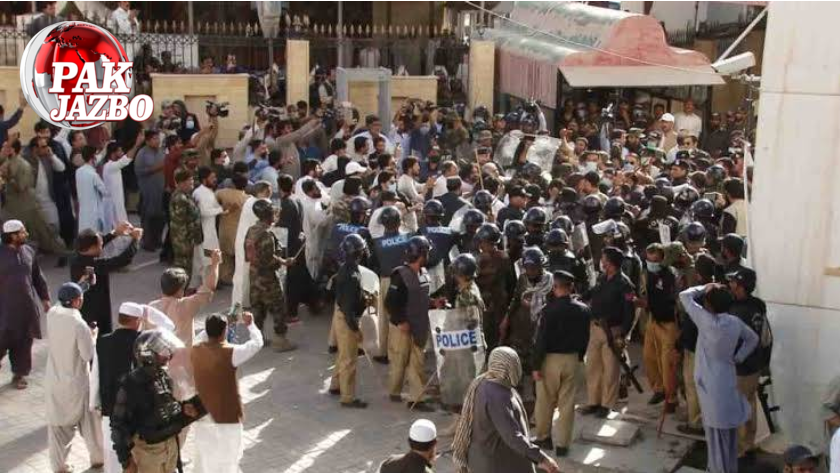
The disaster has also fueled anger among residents, many of whom feel abandoned. “For nine days, we have been left to our own devices. We clean the streets ourselves, rebuild our walls ourselves, and still wait for electricity. The government is making announcements, but on the ground, help is very limited,” a shopkeeper in Mingora said.
Yet, amid the despair, the resilience of Swat’s people is evident. Communities are pooling resources, distributing food among neighbors, and working together to rebuild homes and mosques.
Looking Ahead
The restoration of electricity and infrastructure in Swat is expected to be a long-term effort. Engineers say the damage to power lines is extensive, and remote mountainous terrain is making it difficult to transport heavy equipment needed for repairs. Officials fear that if work is delayed further, winter will set in, compounding the misery of flood-affected families.
Experts stress the need for better disaster preparedness in flood-prone districts like Swat. Despite repeated natural disasters in recent years, investment in resilient infrastructure, early warning systems, and relocation of vulnerable communities remains inadequate.
Conclusion
For now, the people of Swat continue to struggle in darkness, battling not only the loss of electricity but also water shortages, disease threats, and widespread destruction of homes and livelihoods. With nearly 400 lives lost across Khyber Pakhtunkhwa due to this year’s monsoon rains, the tragedy stands as a stark reminder of the climate vulnerabilities facing Pakistan and the urgent need for stronger disaster management systems.
What’s your Reaction?
+1
+1
+1
+1
+1
+1