





















































































































































































































































































































































































































































































































































































































































































































































































































































































































































































































































































































































































































































































































































































































































































































































































































































































































































































































































































































































































































































































































































































PM Shehbaz Sharif: Chinese Expertise Can Help Pakistan Combat Natural Disasters


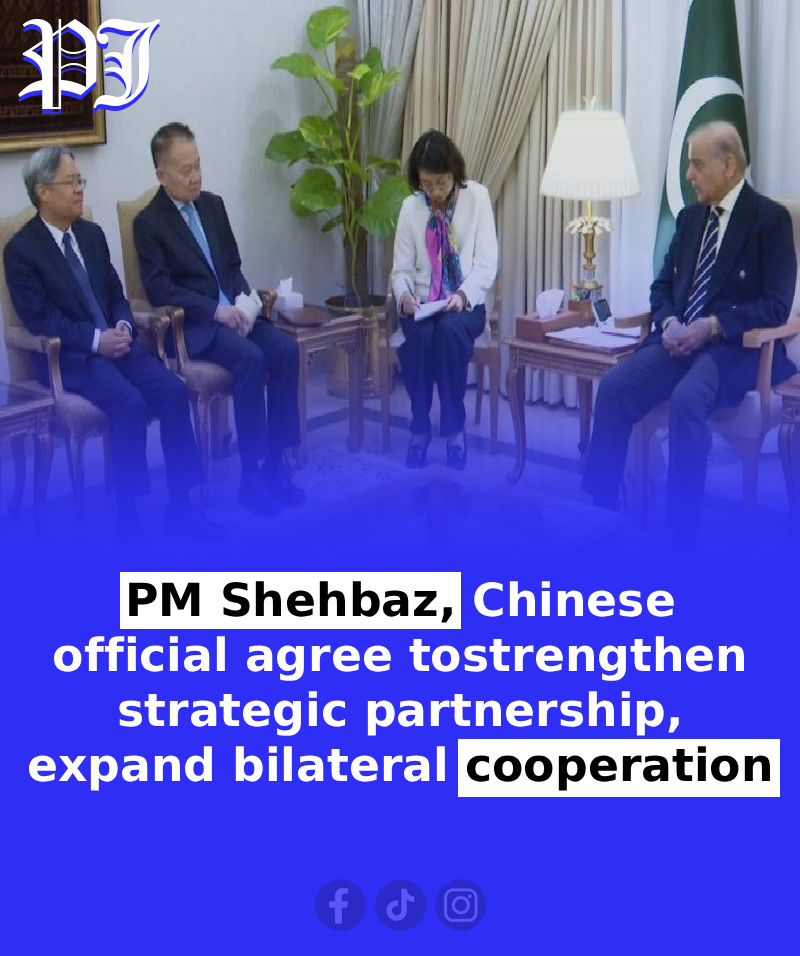
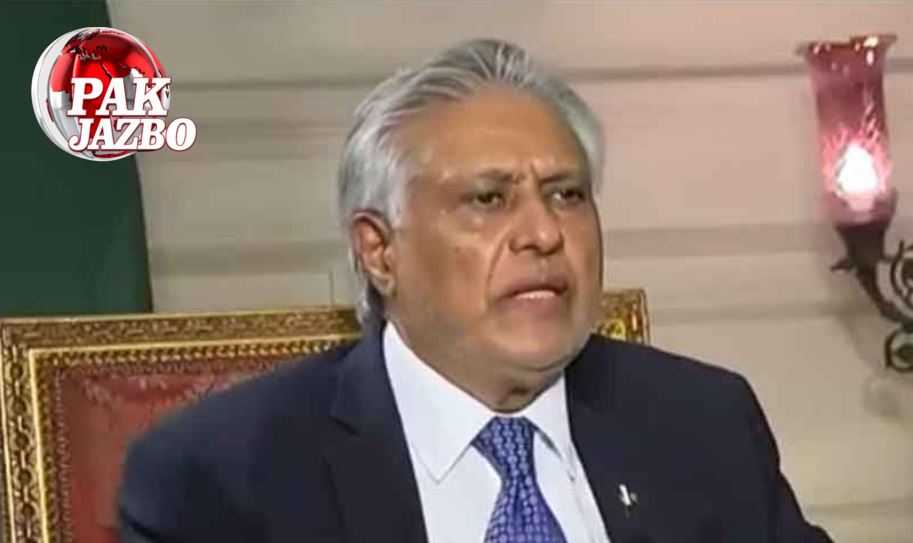
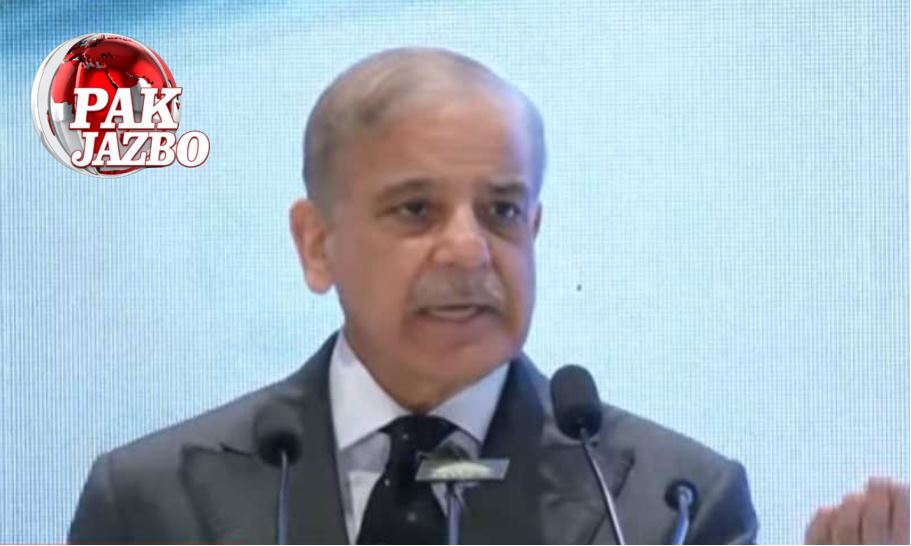
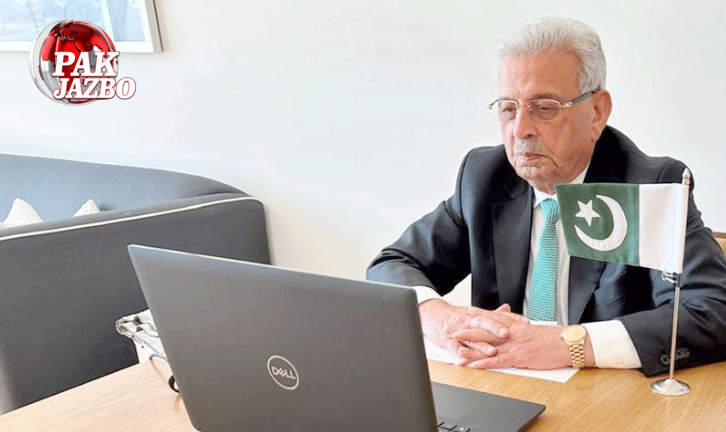
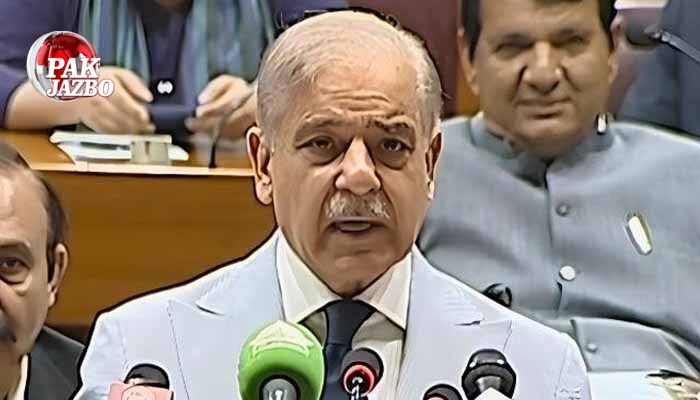
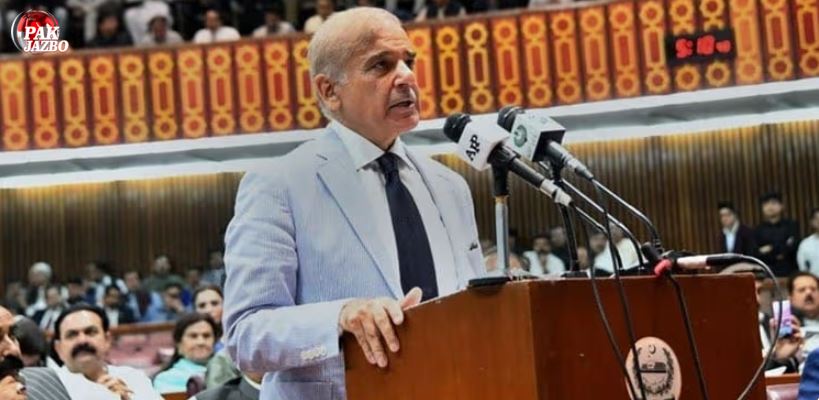
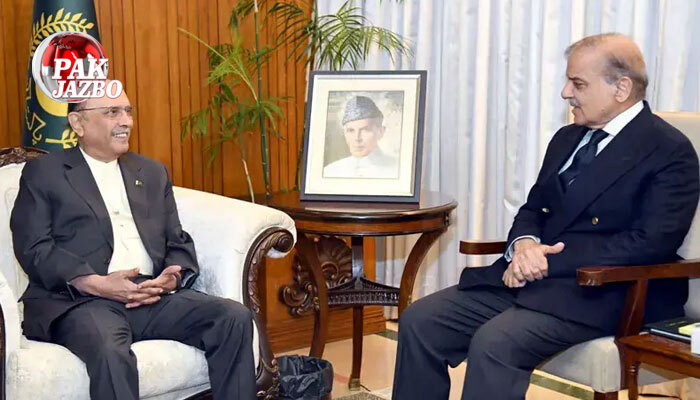
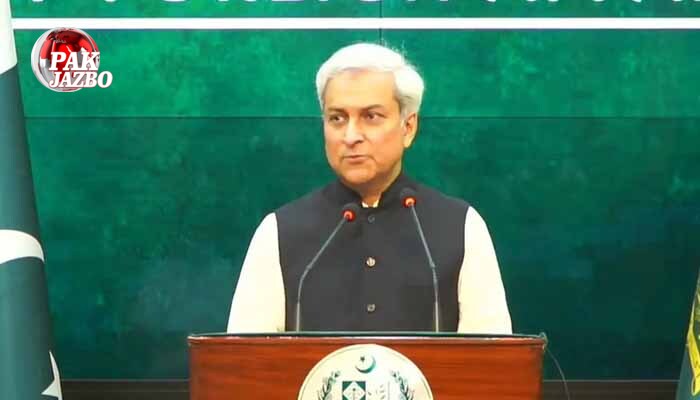
Beijing: Prime Minister Shehbaz Sharif has emphasized that Pakistan can greatly benefit from China’s expertise and advanced technology in dealing with natural disasters. He said that learning from China’s successful models of disaster prevention and management would enable Pakistan to adopt effective precautionary measures and strengthen its own response mechanisms.
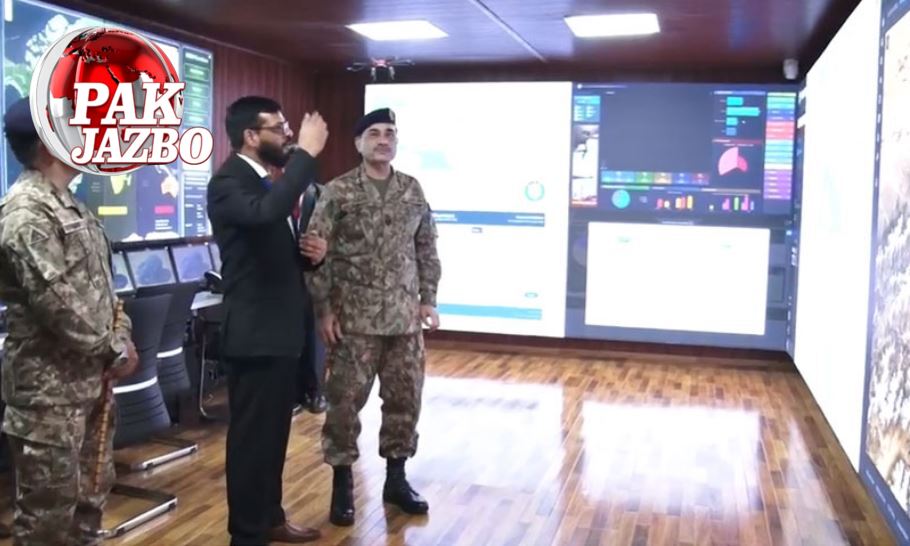
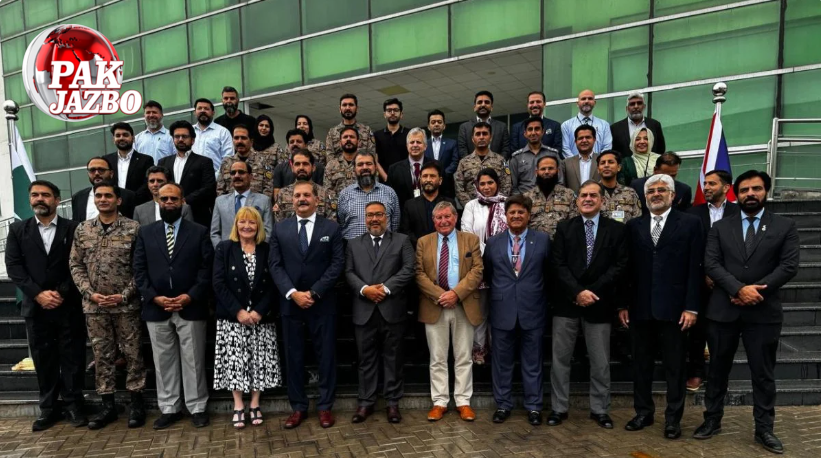
The Prime Minister made these remarks during his visit to the National Earthquake Simulation Center at Tianjin University. The center is one of China’s leading institutions in the field of disaster management and preparedness, using advanced research and technologies to simulate earthquakes, floods, and other natural calamities to train experts and develop preventive systems.
Learning from China’s Disaster-Response Model
During the visit, Shehbaz Sharif praised China’s technological innovations and its integrated approach to disaster management, which combines modern research, cutting-edge engineering, and rapid-response capabilities. He noted that such advancements could prove vital for Pakistan, which faces recurring threats from floods, earthquakes, and other natural hazards.
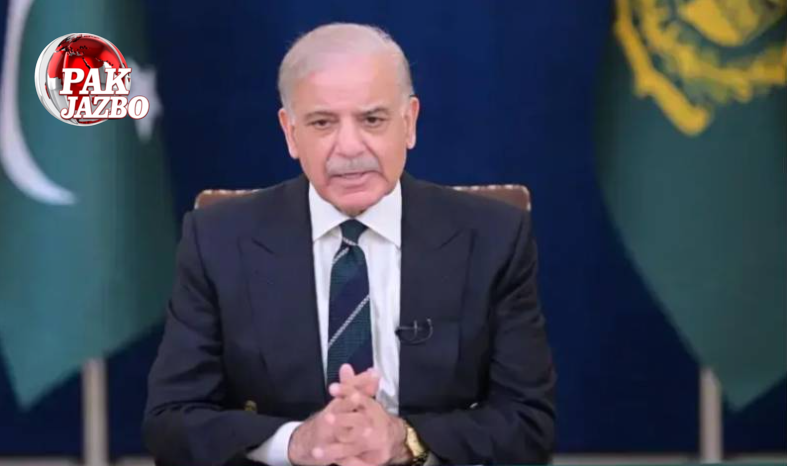
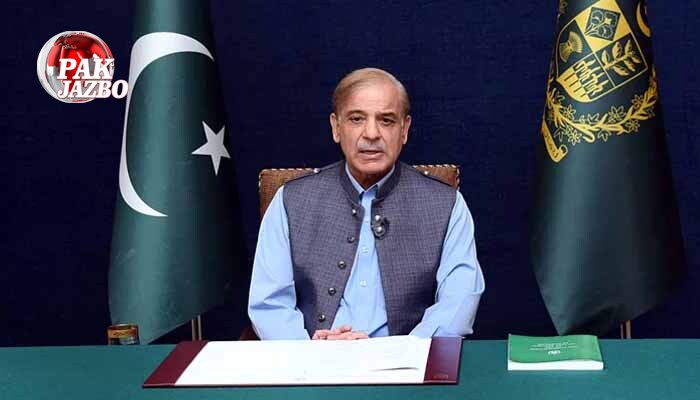
“I am deeply impressed by China’s progress in disaster management technologies. By making use of Chinese expertise, Pakistan can strengthen its capacity to respond to natural disasters in a more timely and effective manner. We must adopt preventive measures that can save lives and minimize destruction,” the Prime Minister said.
Ongoing Pakistan-China Cooperation
Officials briefed the Prime Minister about a range of joint initiatives already underway between China and Pakistan in the field of disaster management and emergency medicine. These projects include:
- China-Pakistan Joint Laboratory for Disaster and Emergency Medicine
- International Medical Cooperation Center
- China-Pakistan Friendship Hospital
- Several other collaborative programs aimed at strengthening disaster preparedness and emergency response capabilities.
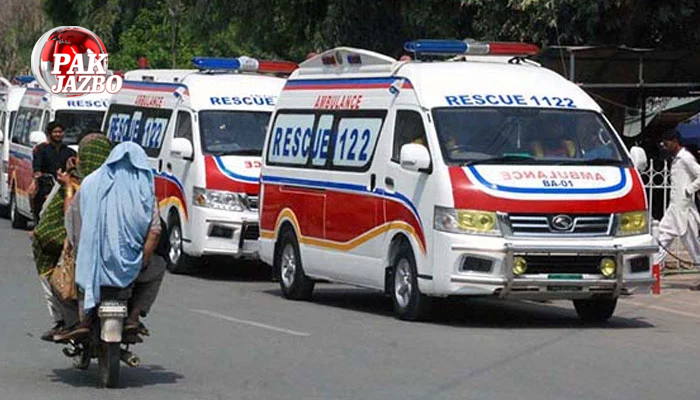
Shehbaz Sharif was also shown the latest Chinese innovations in rescue technologies and medical equipment, including newly developed medical rescue vehicles designed for rapid deployment in disaster zones.
The briefing highlighted that these initiatives are part of the growing cooperation between Beijing and Islamabad, not only in economic sectors under the China-Pakistan Economic Corridor (CPEC) but also in humanitarian and disaster-response fields.
Prime Minister’s Directives
Acknowledging the importance of such partnerships, Shehbaz Sharif instructed relevant Pakistani authorities to ensure that collaborative projects such as the Joint Disaster Lab and the International Medical Center are made fully functional at the earliest. He stressed the need to expand cooperation with China in research, training, and technology transfer.
“The joint laboratory and international medical initiatives must be activated without delay. Our partnership with China in these areas must not only continue but also grow stronger. These projects are crucial for protecting our people from future disasters,” the Prime Minister said.
Flood Crisis in Punjab
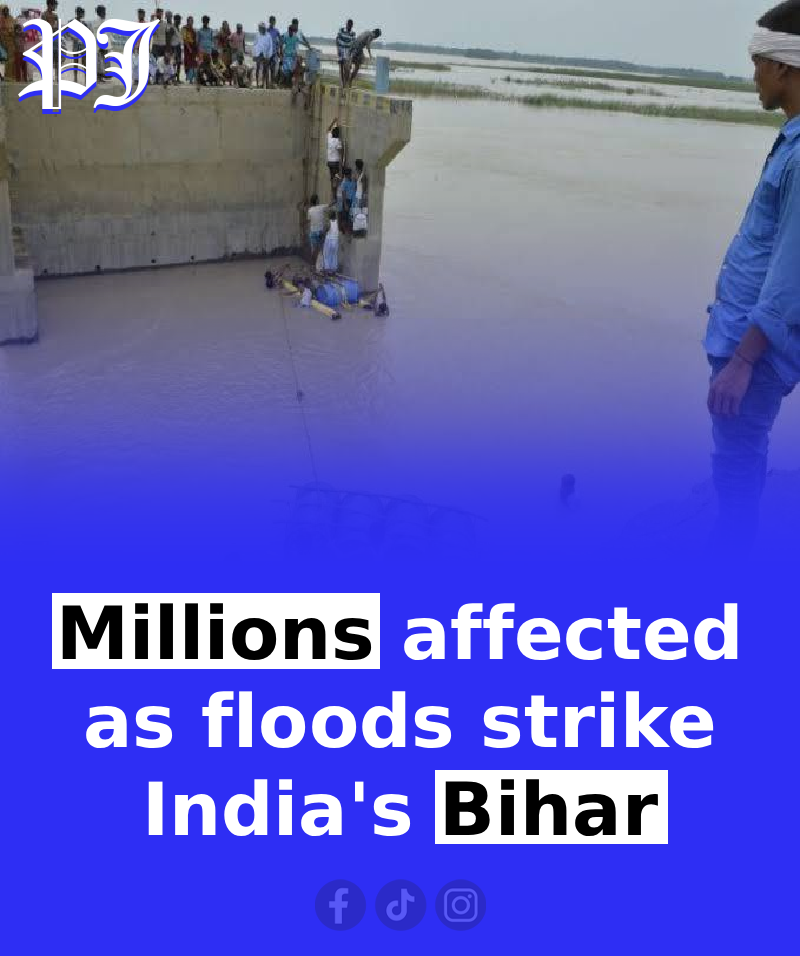
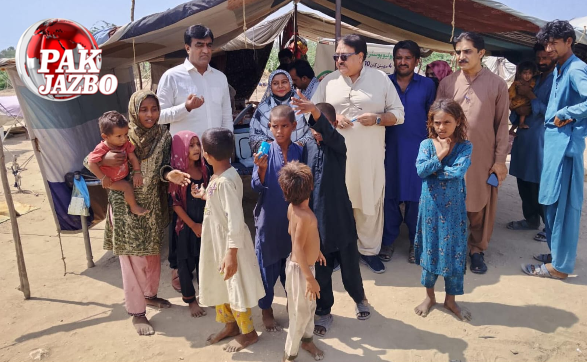
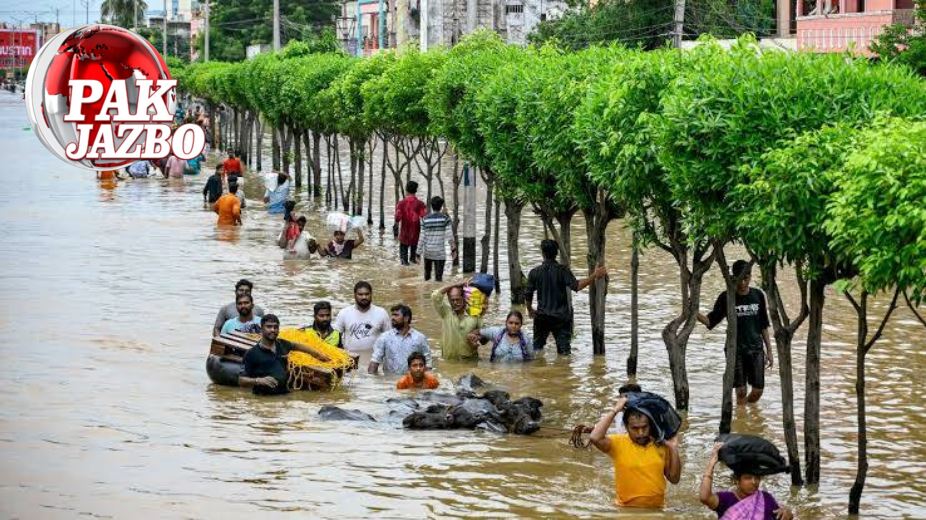
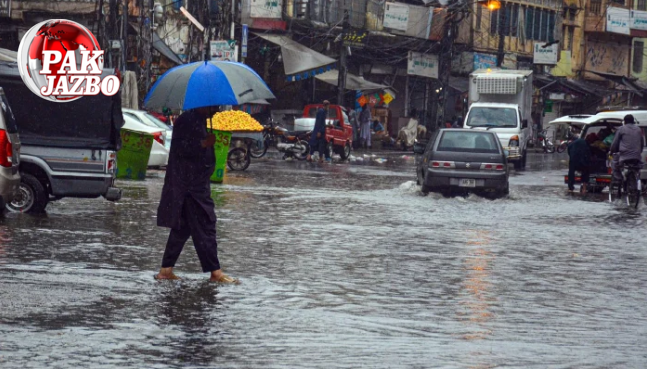
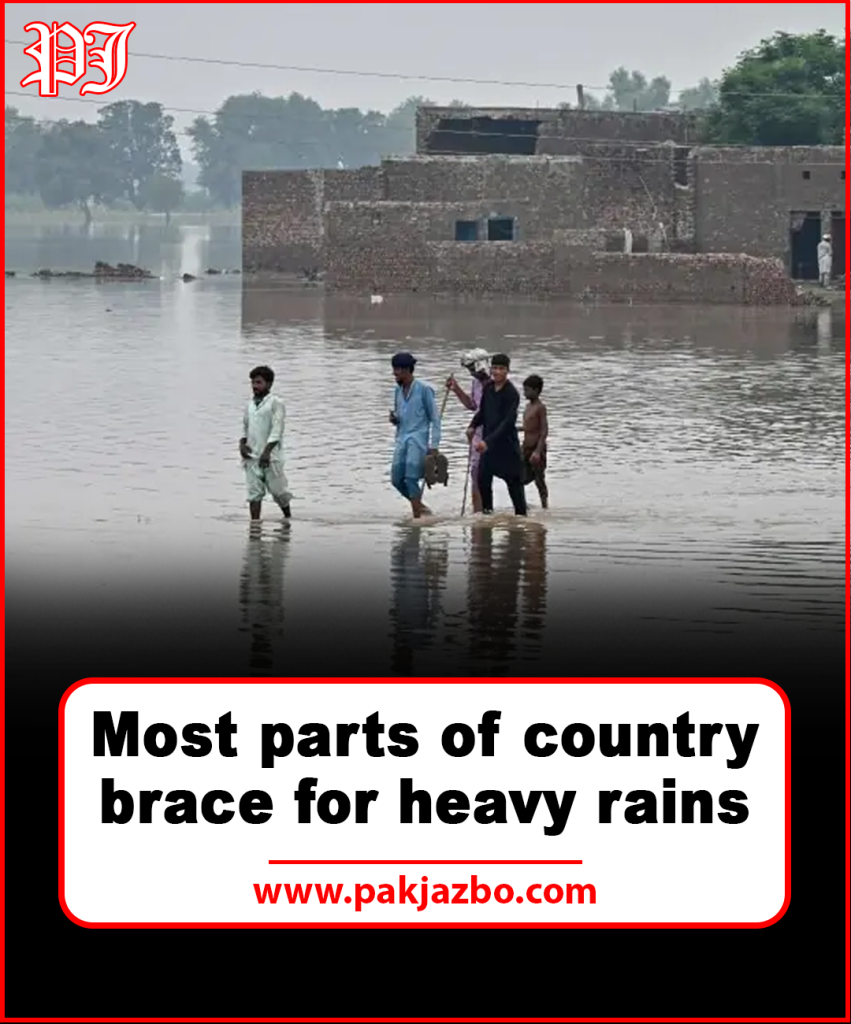
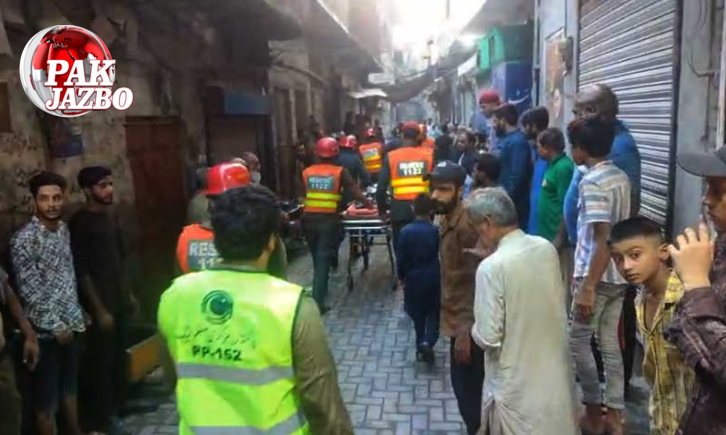
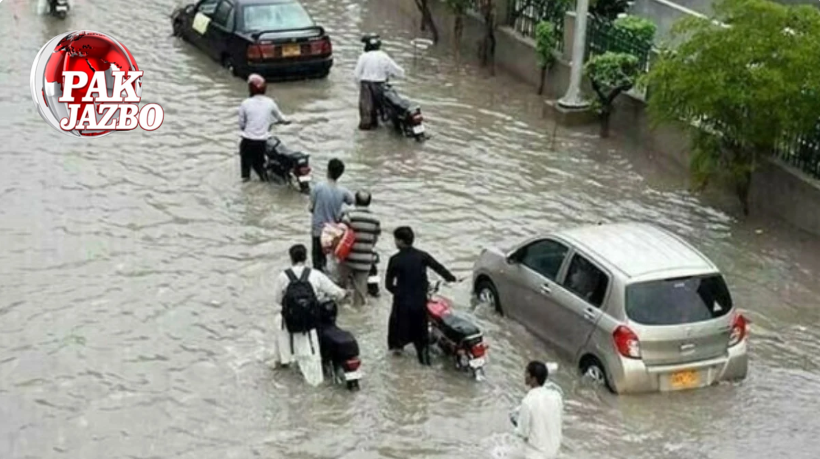
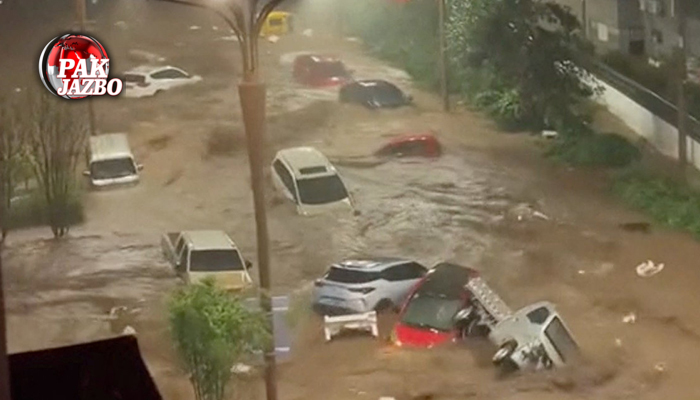
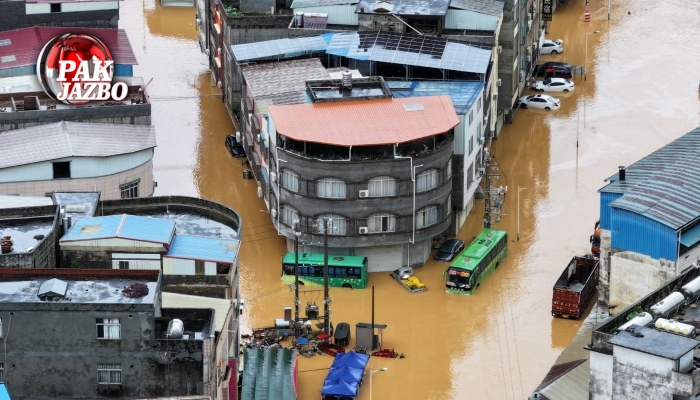
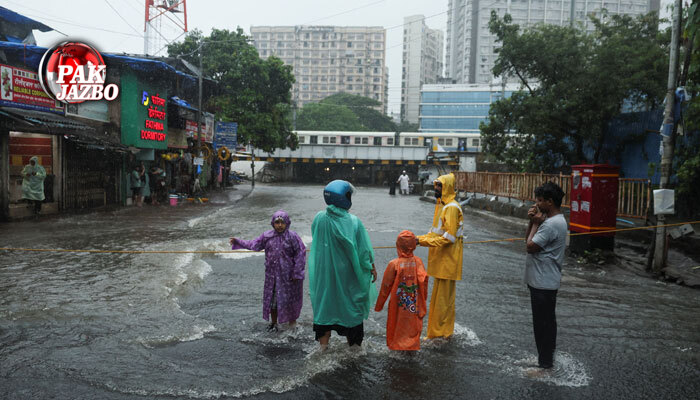
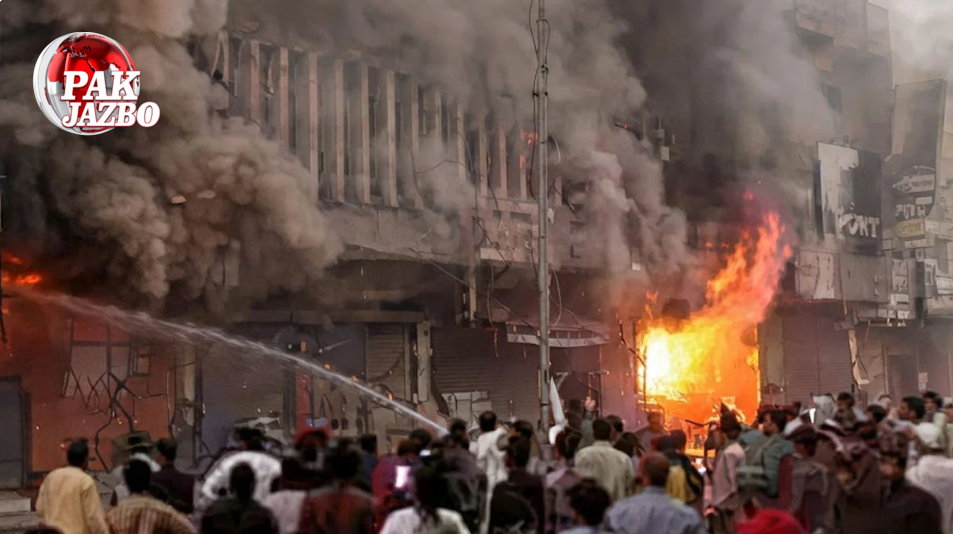
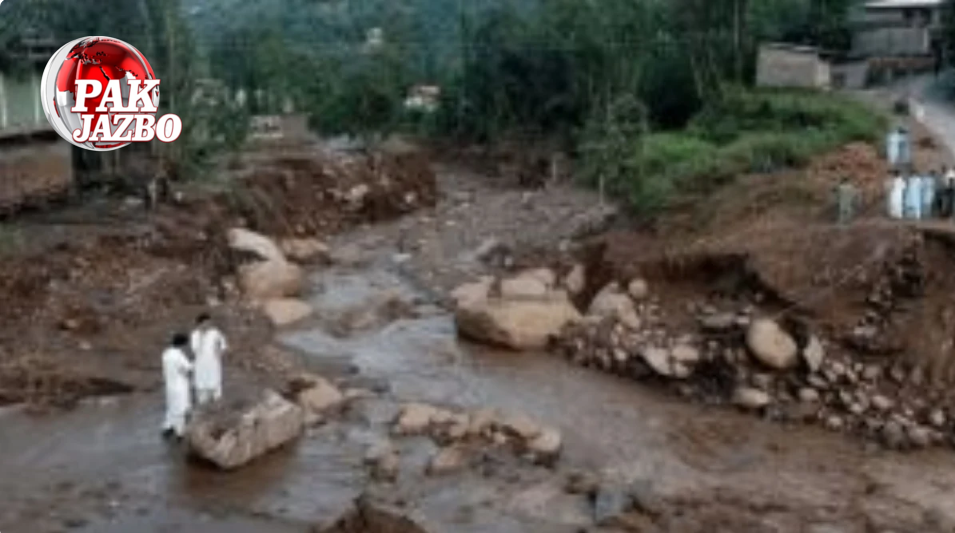
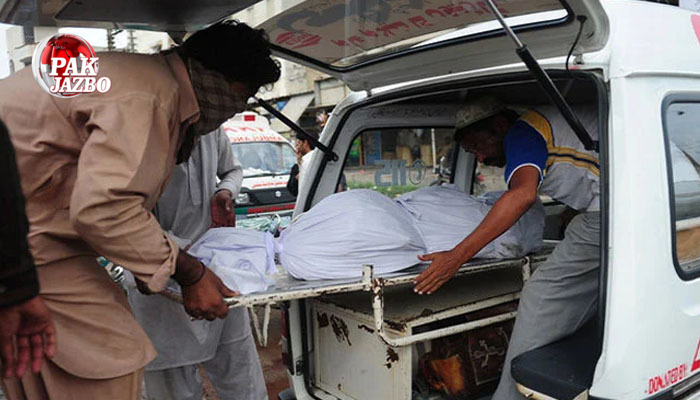
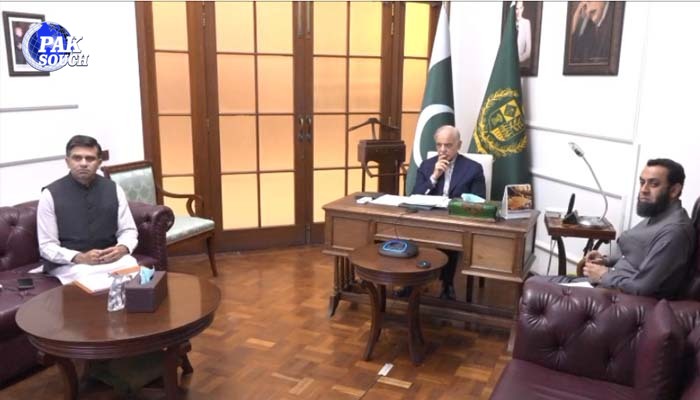
While in China, Shehbaz Sharif also reviewed the devastating flood situation unfolding back home in Punjab. He issued special instructions to the National Disaster Management Authority (NDMA), directing it to maintain close coordination with the Punjab government to ensure effective relief distribution.
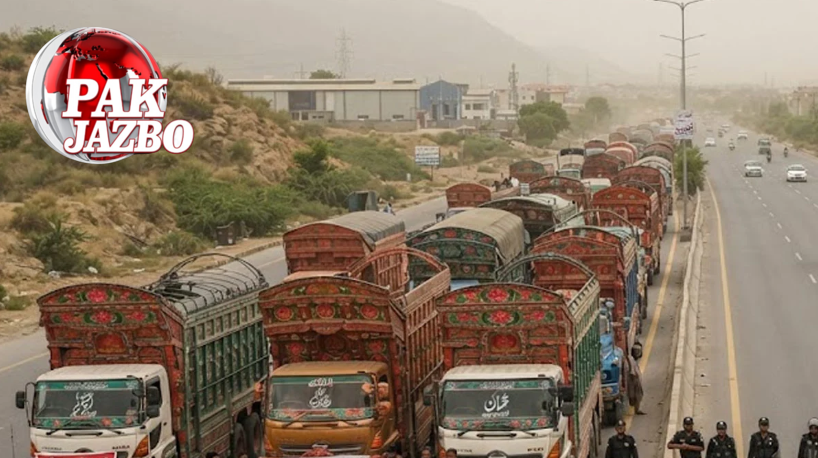
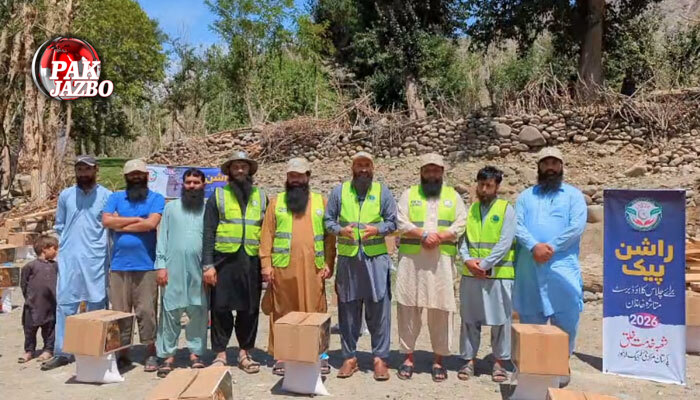
The Prime Minister ordered that all relief convoys and supplies should be handed over to the Provincial Disaster Management Authority (PDMA) Punjab for direct distribution among flood-hit families. He said that federal and provincial institutions must work hand-in-hand to avoid duplication and ensure transparency in relief operations.
“National efforts are in full swing to tackle the recent floods. Relief convoys have already been dispatched to several affected cities in Punjab. Every affected family must receive support without delay,” he said.
Pakistan’s Vulnerability to Natural Disasters
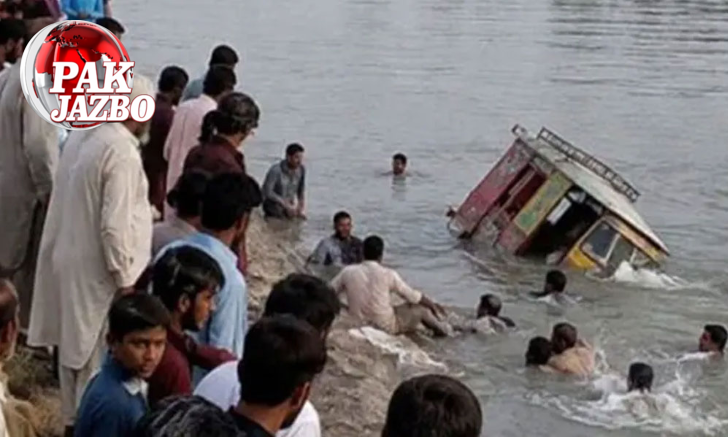
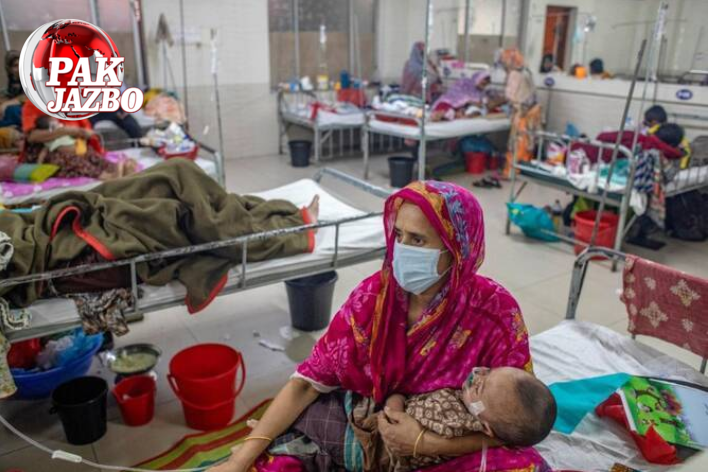
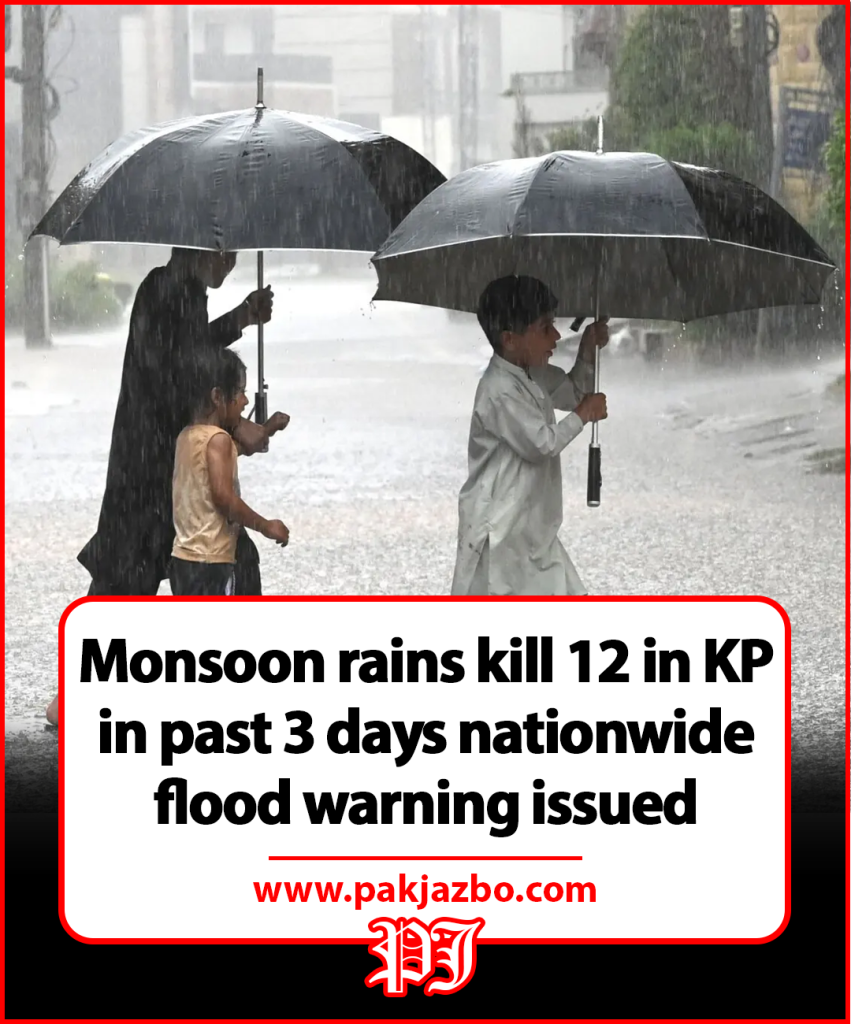
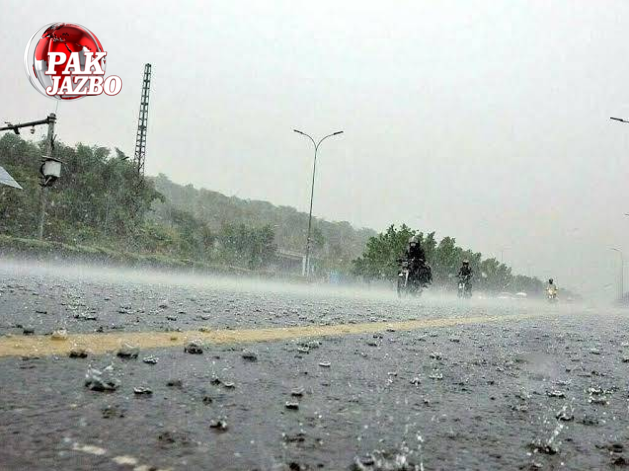
Pakistan remains one of the countries most vulnerable to climate-related disasters. The monsoon season regularly brings heavy flooding, particularly in Punjab and Sindh, while earthquakes and droughts also pose recurring threats. In recent years, climate change has further intensified rainfall patterns, leading to unprecedented levels of urban flooding and riverine disasters.
Experts believe that adopting modern technologies and preparedness models, such as those employed in China, could significantly improve Pakistan’s disaster resilience. China’s success in building large-scale flood defenses, implementing early-warning systems, and deploying rapid-response rescue forces has become a model for many developing countries.
Strengthening the National Response Framework
Officials accompanying Shehbaz Sharif noted that the Prime Minister’s visit is aimed at laying the groundwork for a comprehensive Pakistan-China cooperation framework on disaster management. This framework is expected to focus on:
- Enhancing research collaboration in disaster sciences.
- Improving early warning and simulation systems in Pakistan.
- Training Pakistani experts in Chinese universities and research centers.
- Upgrading rescue and medical infrastructure for emergencies.
If implemented effectively, these measures could not only improve immediate disaster response but also reduce the long-term human and economic costs of recurring floods and earthquakes in Pakistan.
A Vision for the Future
The Prime Minister’s remarks in Tianjin underscored his government’s recognition of disaster management as a national priority. While much of Pakistan’s cooperation with China has traditionally focused on energy and infrastructure, this new emphasis on humanitarian resilience signals an important shift.
“Our partnership with China is not limited to economics. It is about saving lives, sharing knowledge, and building safer futures for our people. Together, we can protect communities from the destructive impacts of natural disasters,” Shehbaz Sharif concluded.
As Pakistan battles floods at home and seeks long-term strategies for climate resilience, the incorporation of Chinese expertise may provide a much-needed boost to its disaster management system. Whether through joint labs, medical cooperation, or cutting-edge technologies, the collaboration could mark a new chapter in the Pakistan-China partnership—one that directly safeguards human lives.
What’s your Reaction?
+1
+1
+1
+1
+1
+1