







































































































































































































































































































































































































































































































































































































































































































































































































































































































































































































































































































































































































































































































































































































































































































































































































































































































































































































































































































































































Joint Parliamentary Committee Meets; PML-N Withdraws Prime Minister’s Exemption Clause from 27th Amendment


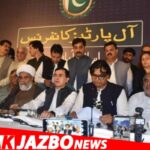
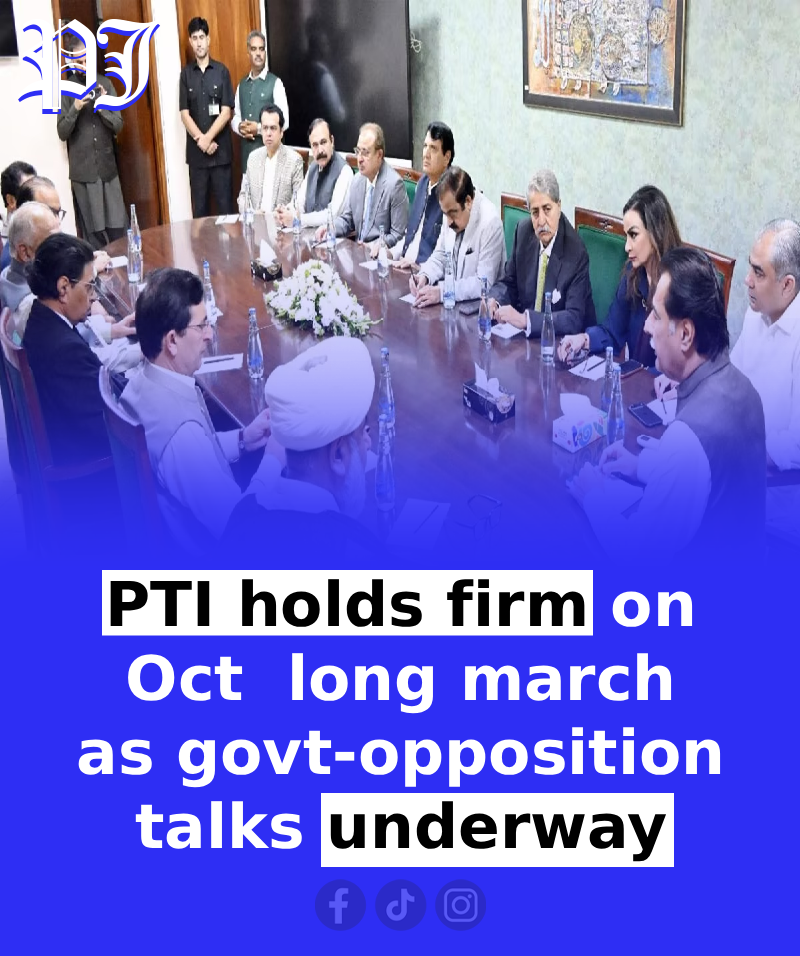
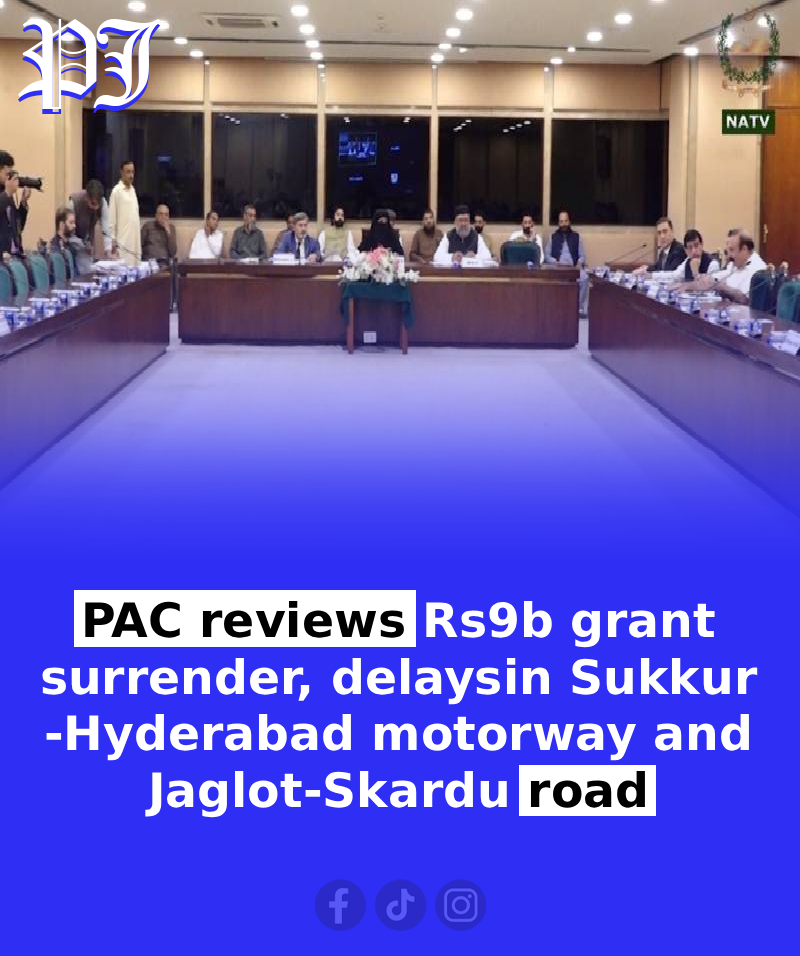
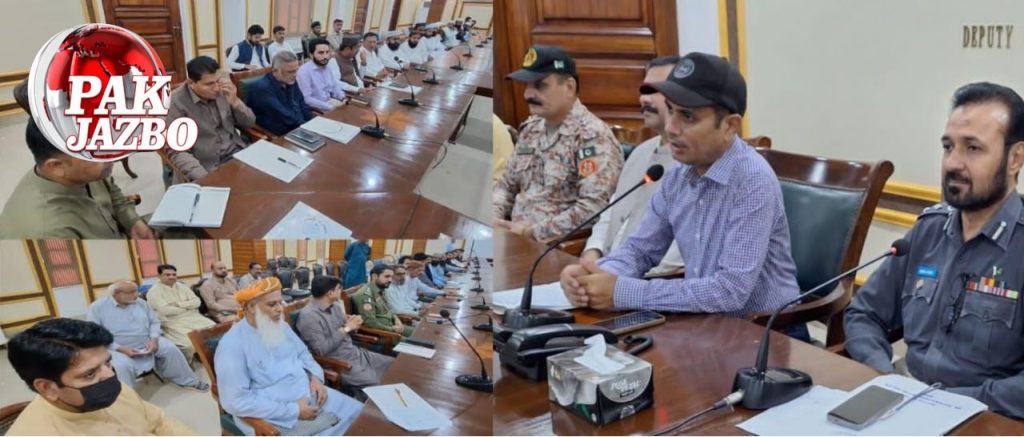
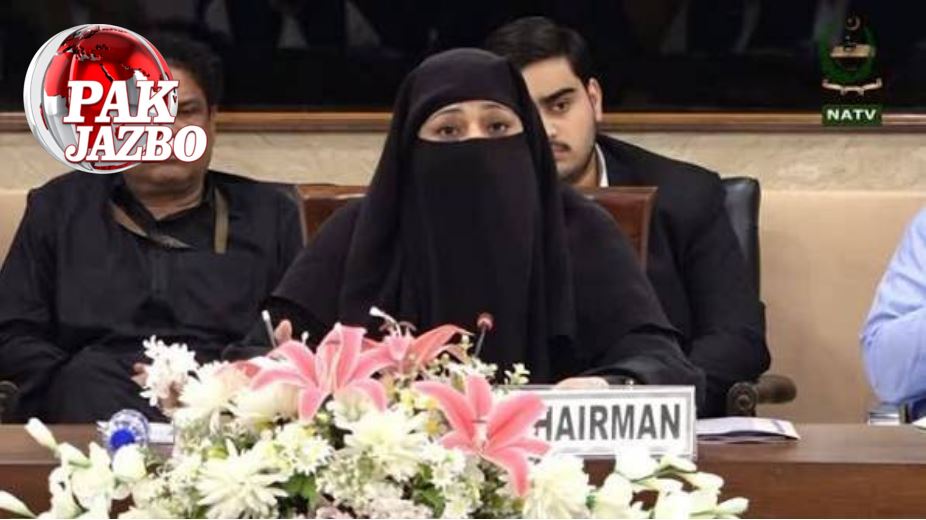
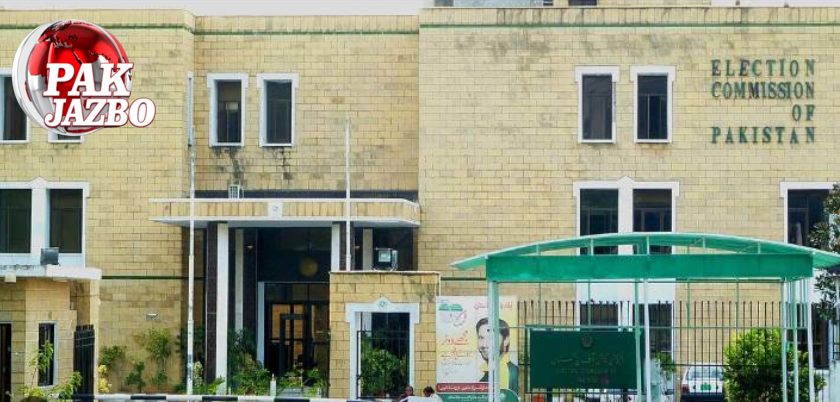
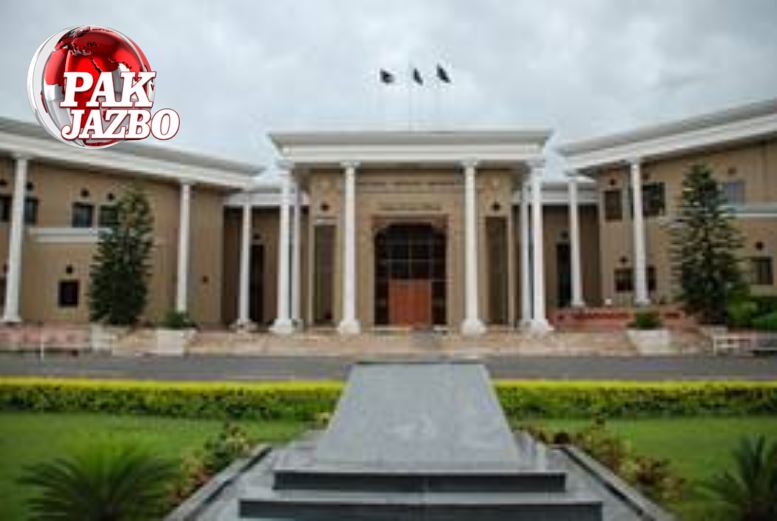
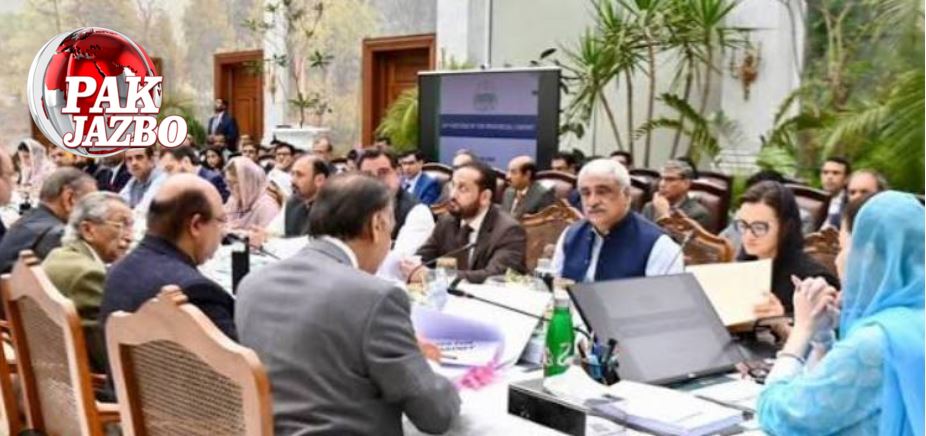
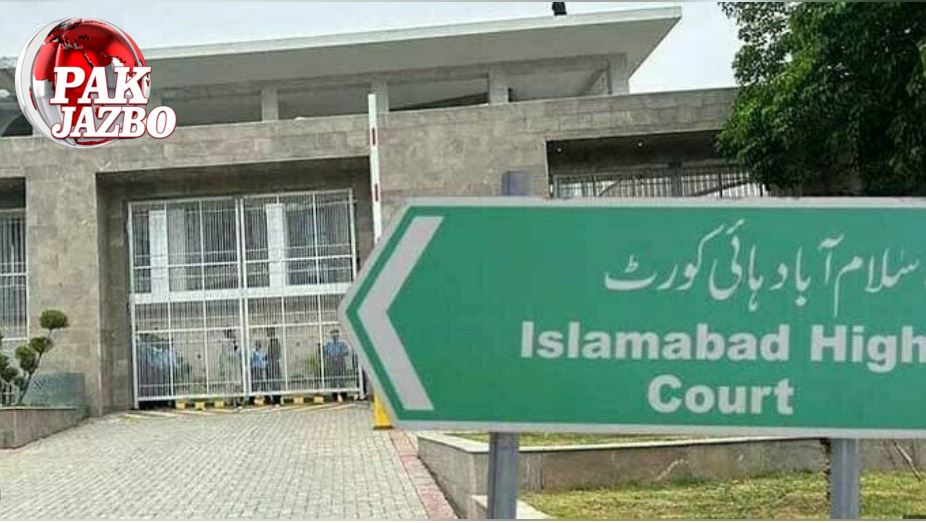
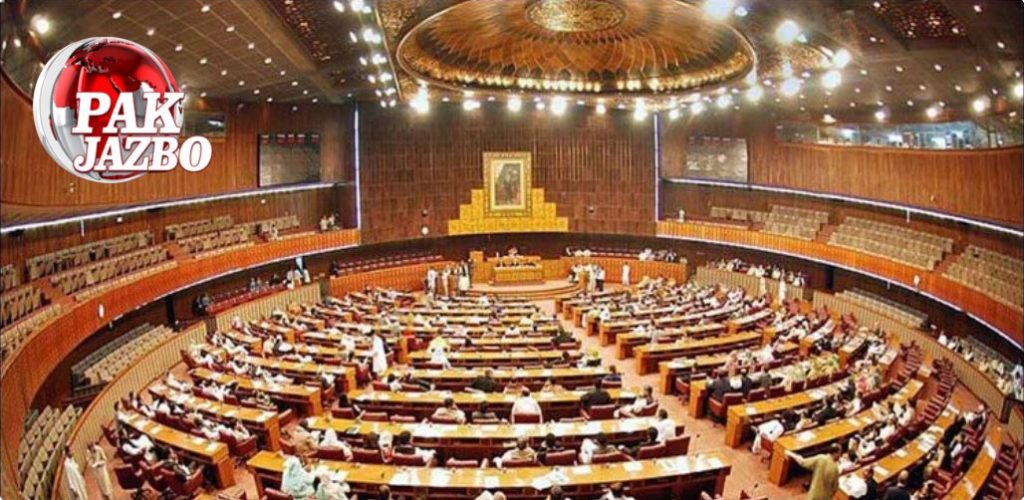
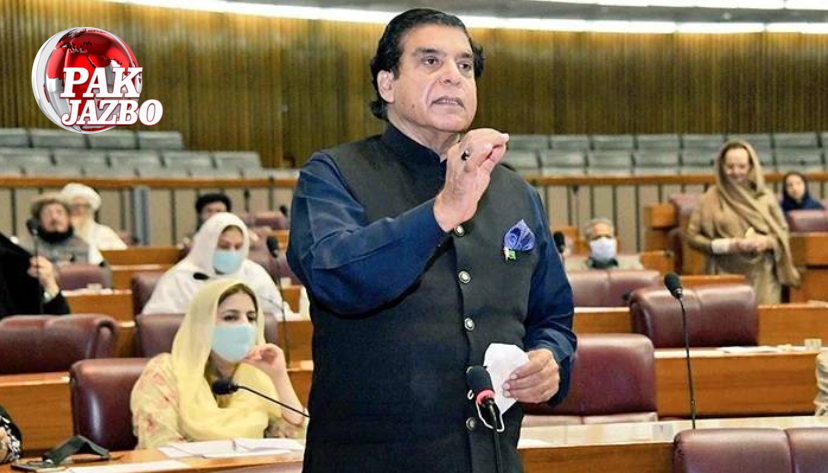
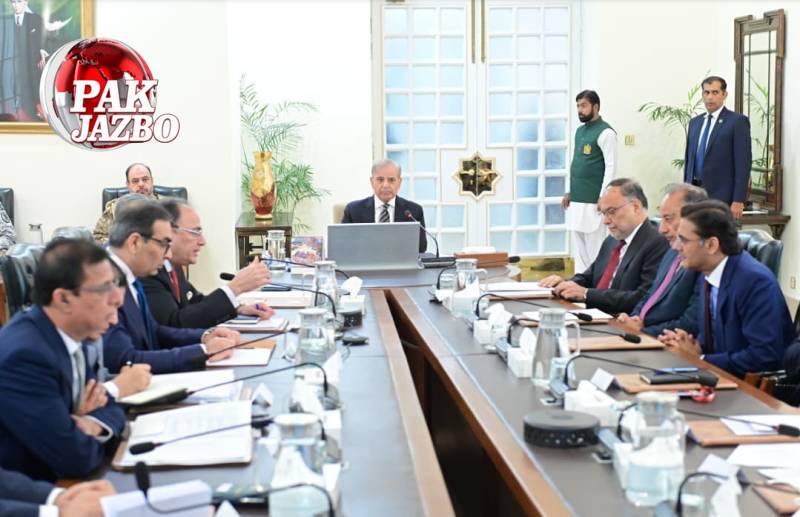
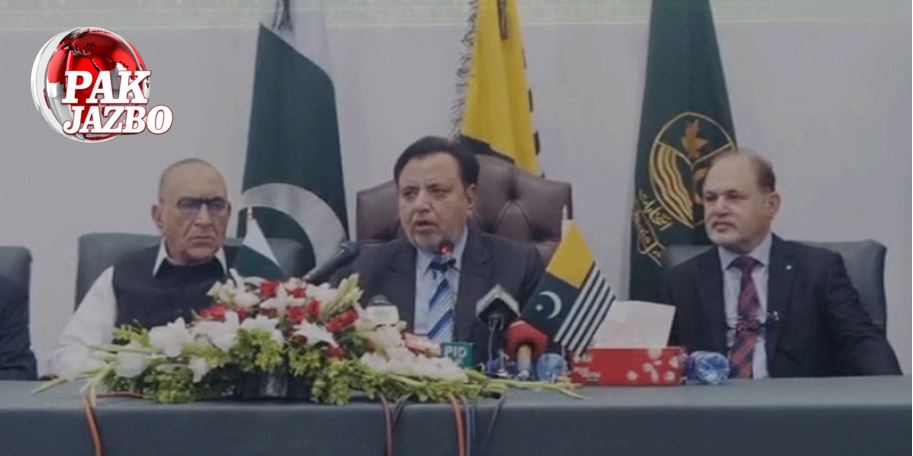
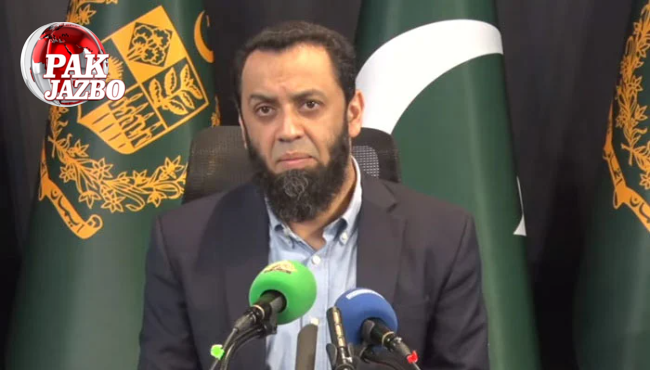
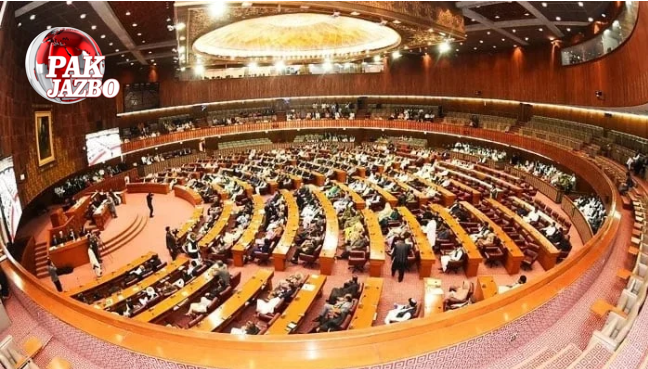
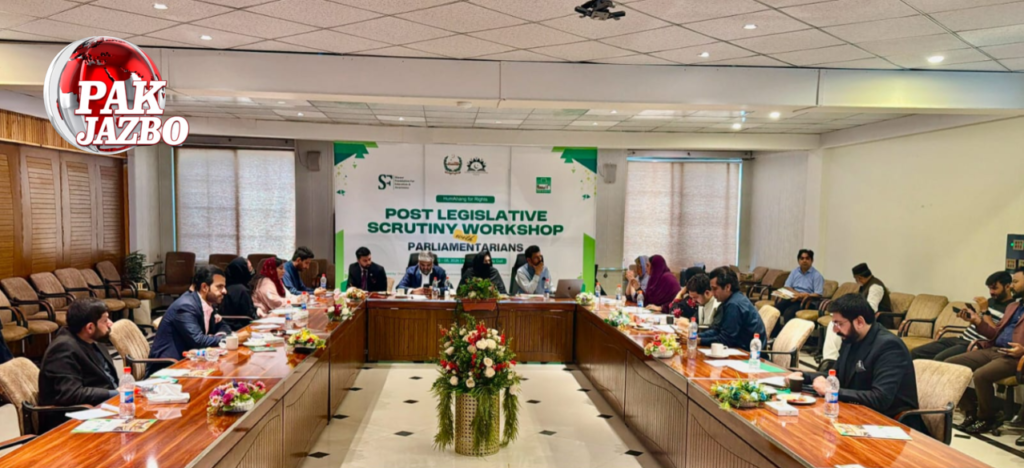
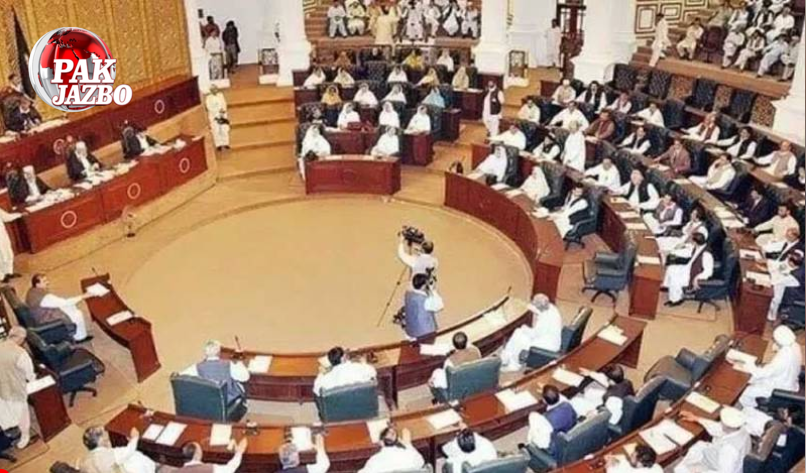
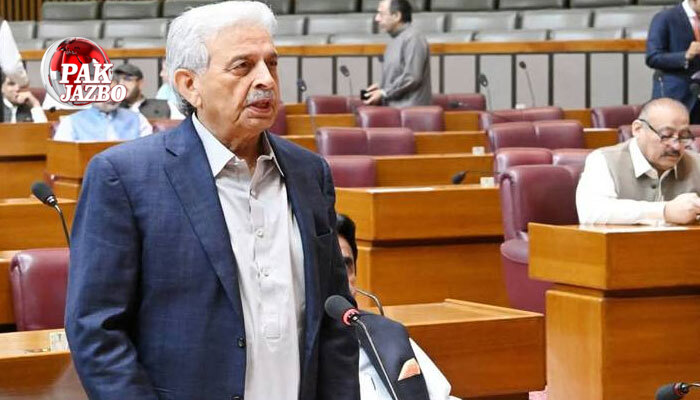
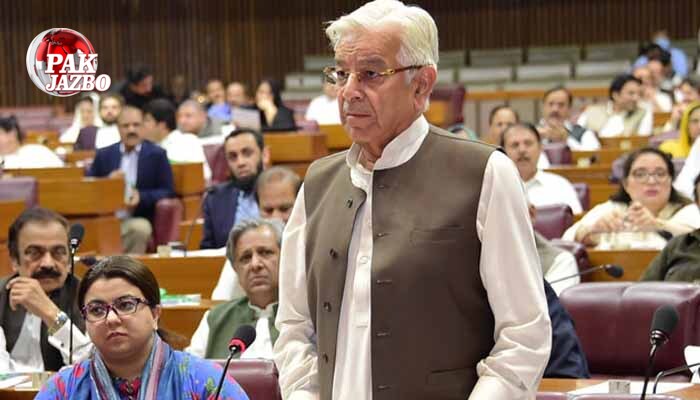
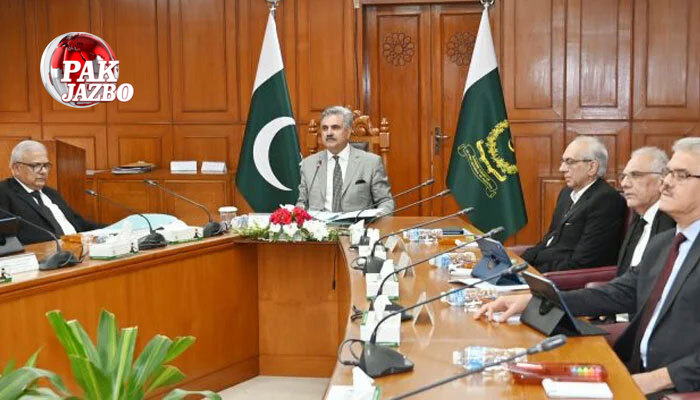
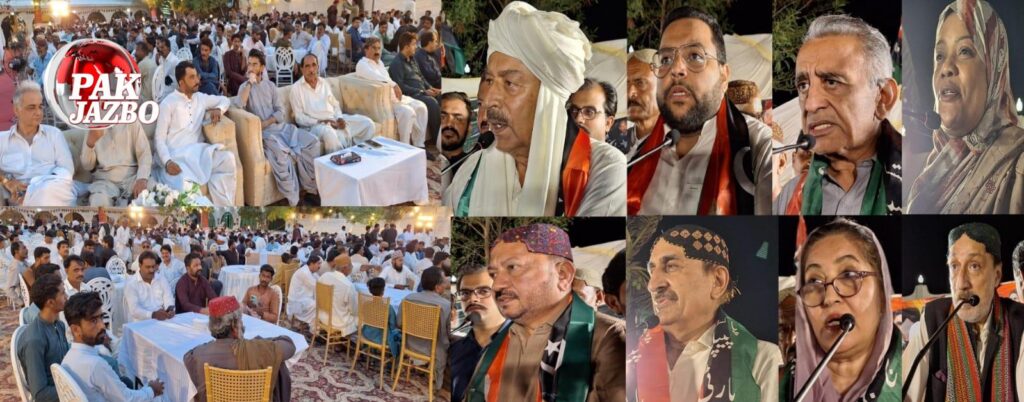
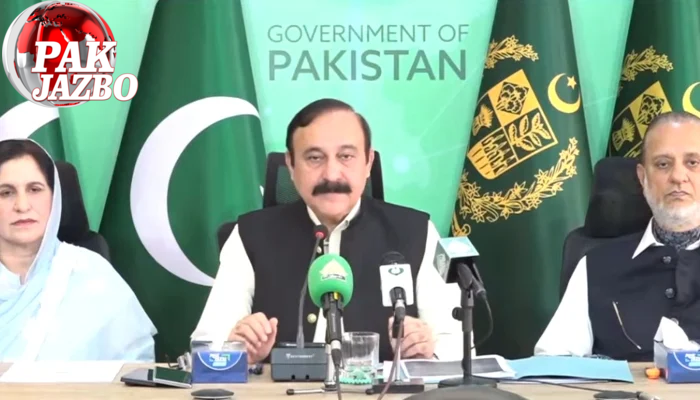
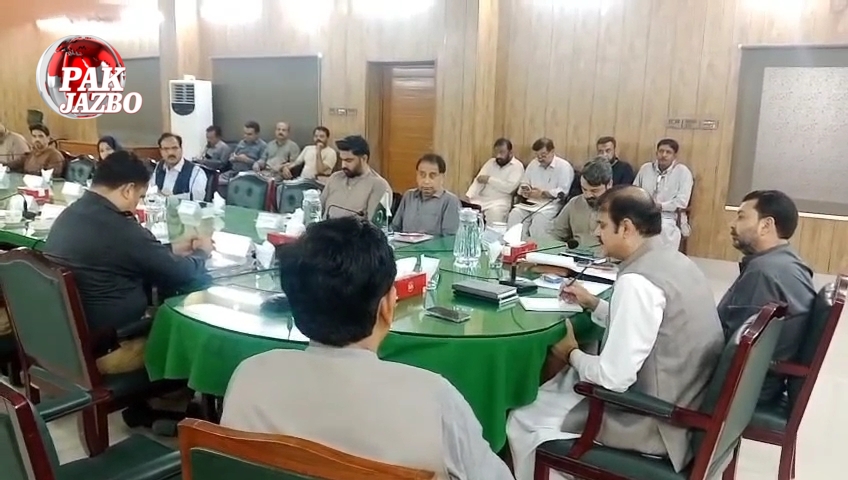
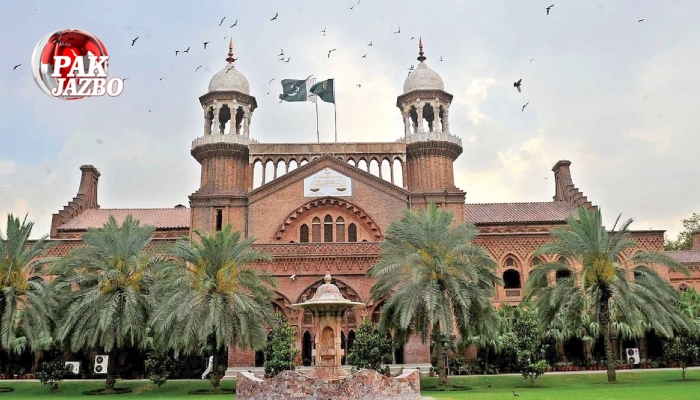
Islamabad – A joint session of the Senate and National Assembly Committee on Law and Justice convened today to review the proposed 27th Constitutional Amendment, with the opposition parties announcing their boycott of the proceedings. The committee is tasked with examining the clauses of the amendment in detail and providing clause-by-clause approval after careful consideration, according to sources familiar with the matter.
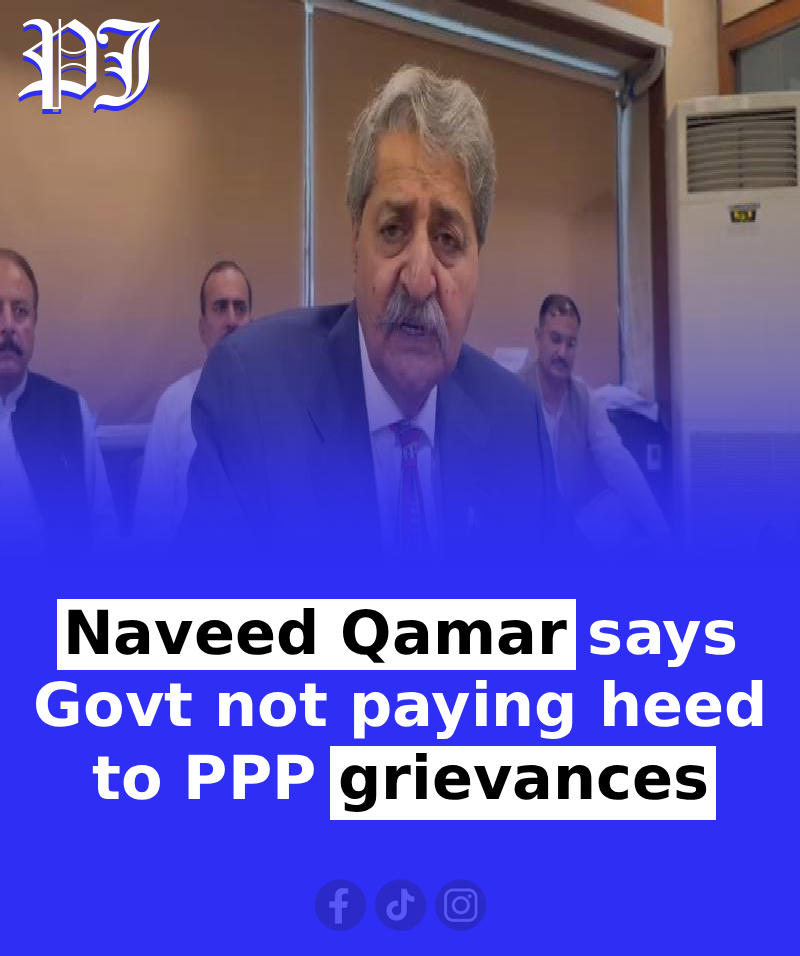
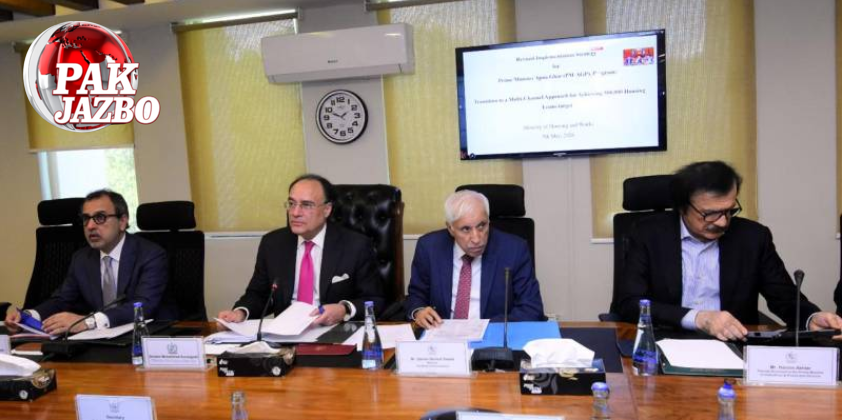
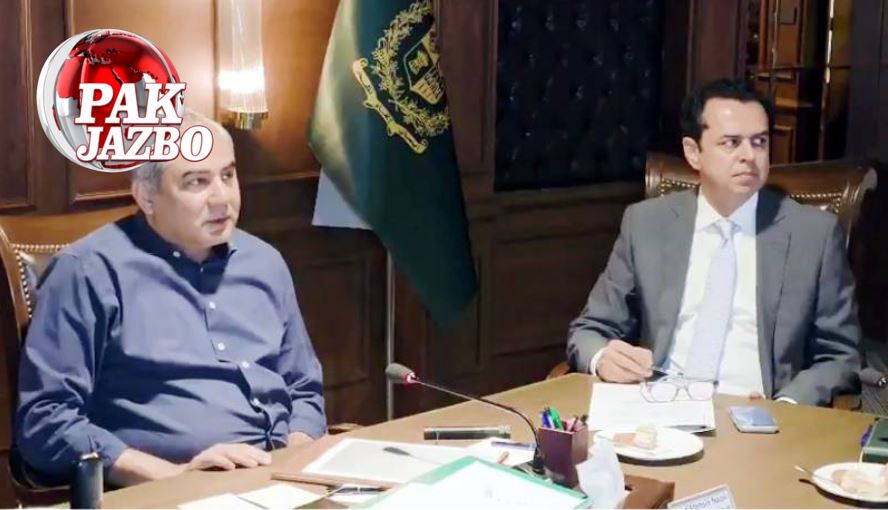
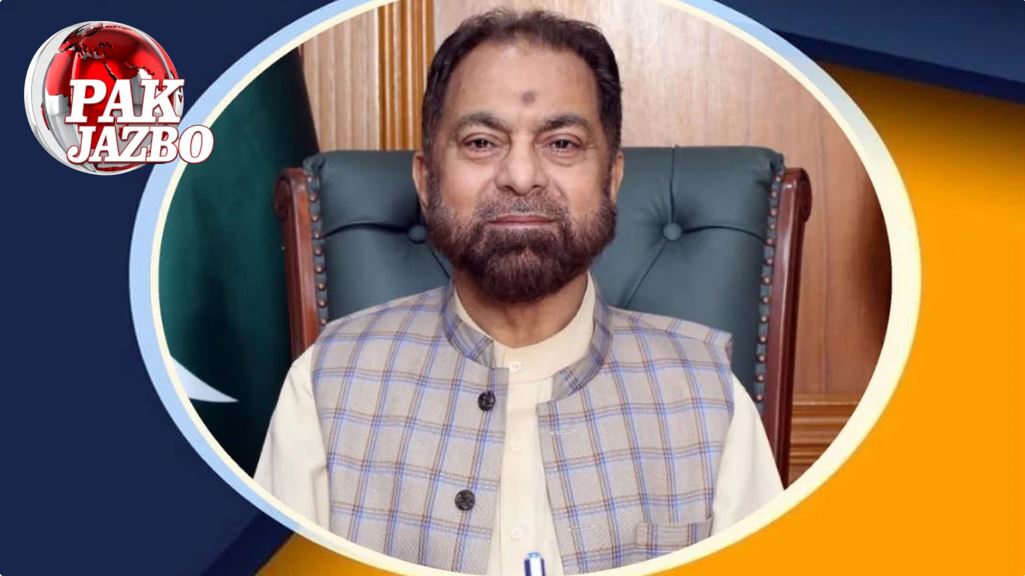
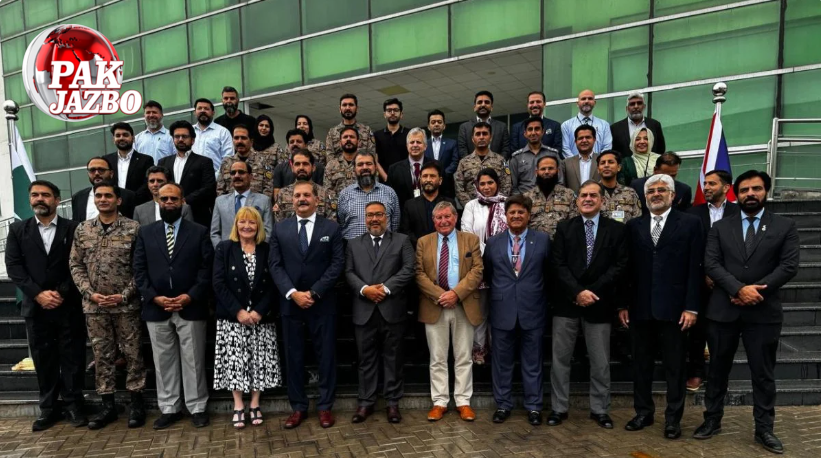
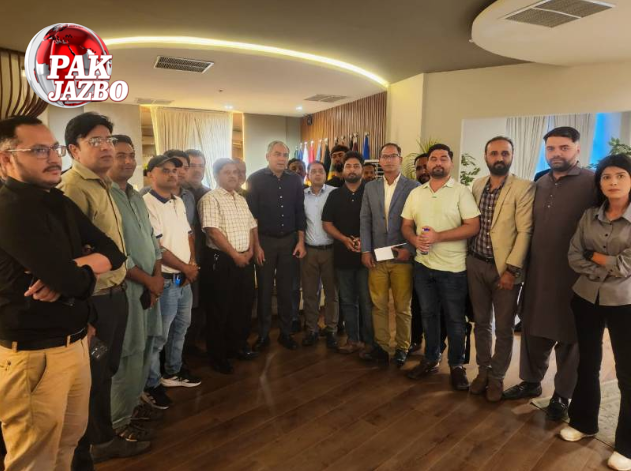
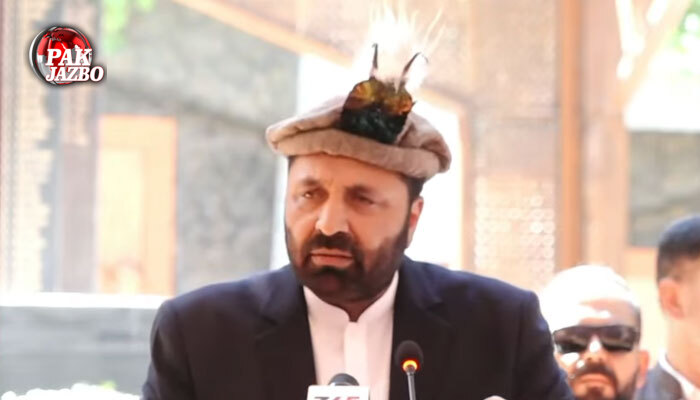
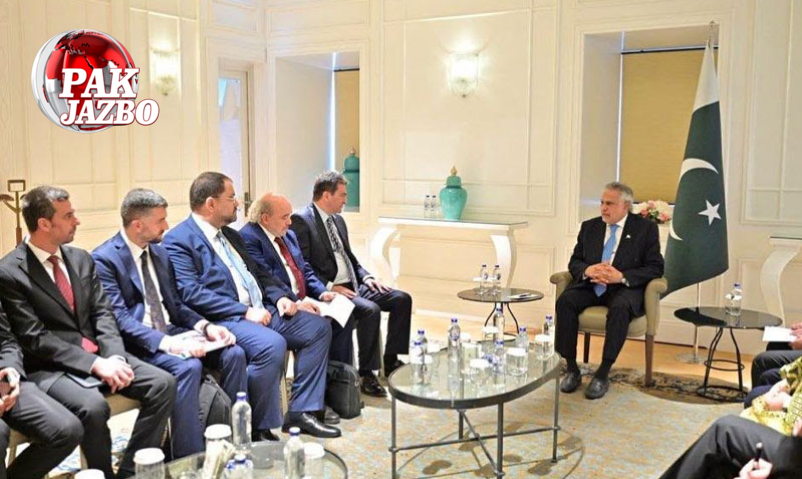
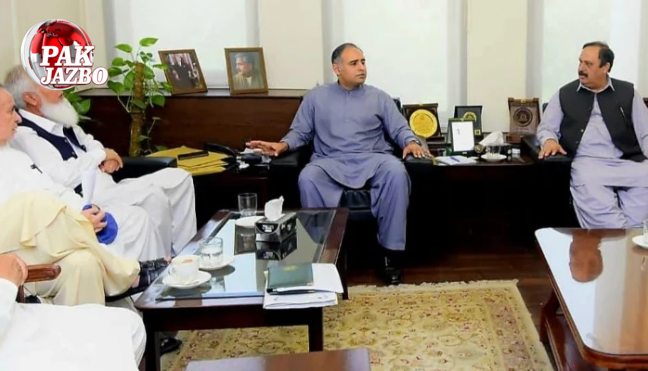
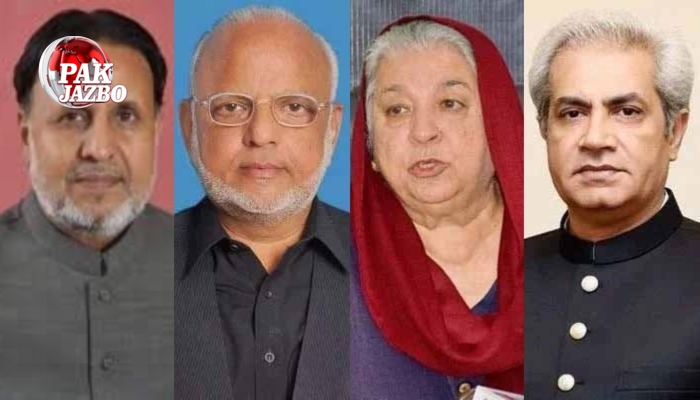
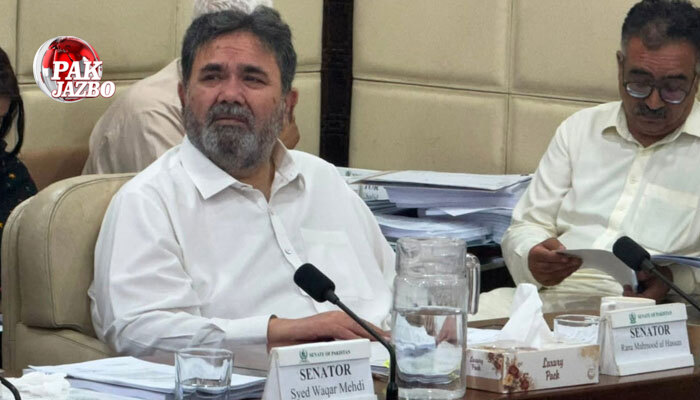
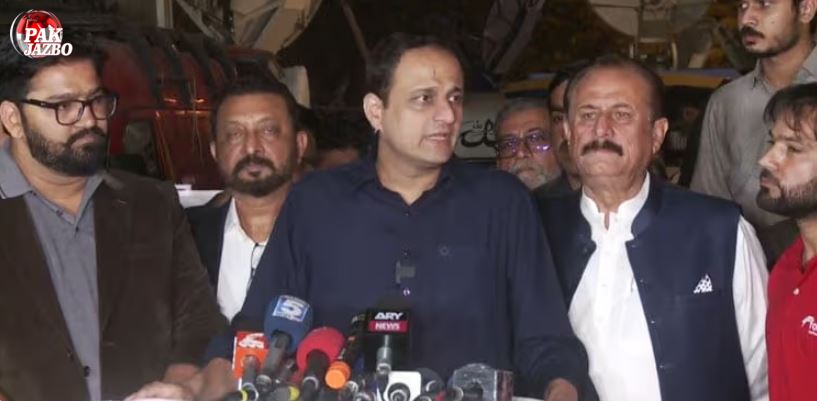
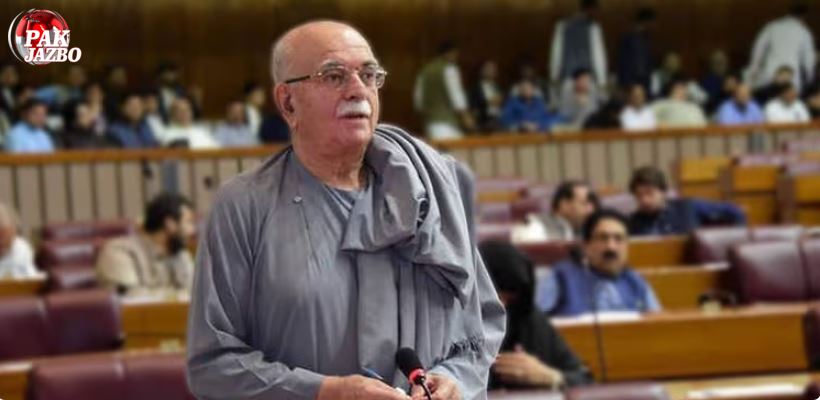
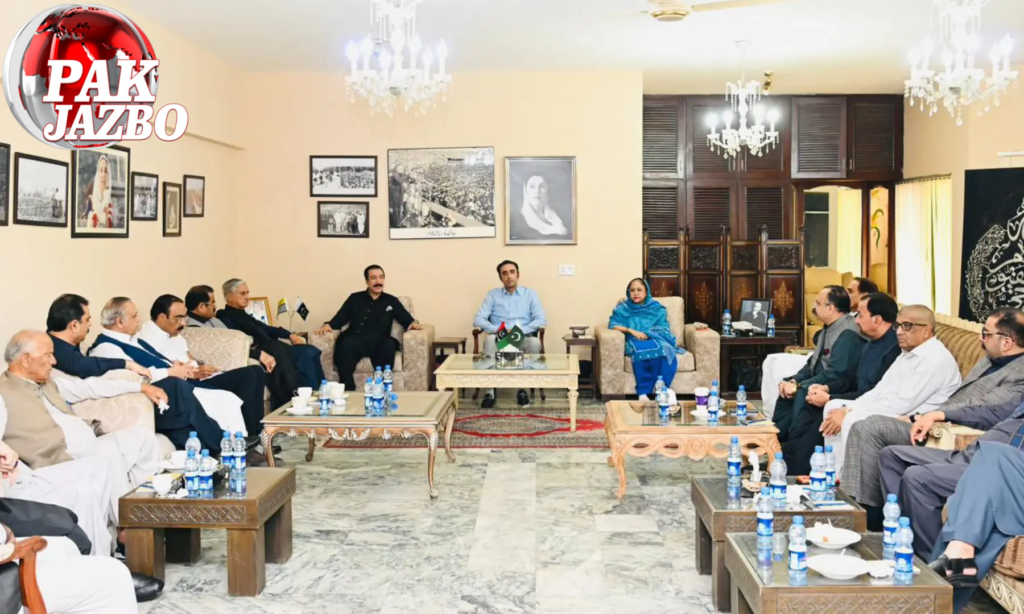
The session, chaired by Farooq H. Naik and Mahmood Basheer, brought together a diverse set of lawmakers from both legislative houses to discuss the amendment’s implications and potential revisions. Among those present were Senators Tahir Khalil Sindhu, Hidayatullah, Shahadat Awan, Zamir Hussain Ghumro, Ali Haider Gilani, Saira Afzal Tarar, Bilal Azhar Khani, Syed Naveed Qamar, and Abrar Shah. In addition, the Secretary of the Ministry of Law and Justice, Raja Naeem Akbar, and other senior officials were in attendance to provide technical guidance and facilitate discussions regarding legal and procedural aspects of the amendment.
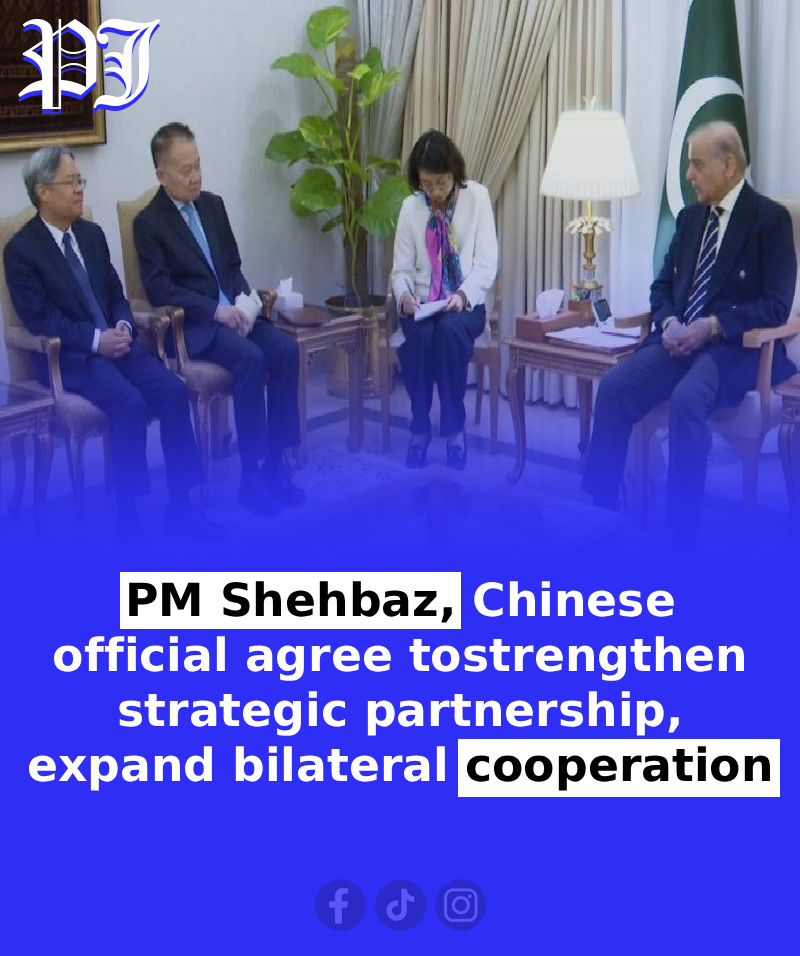
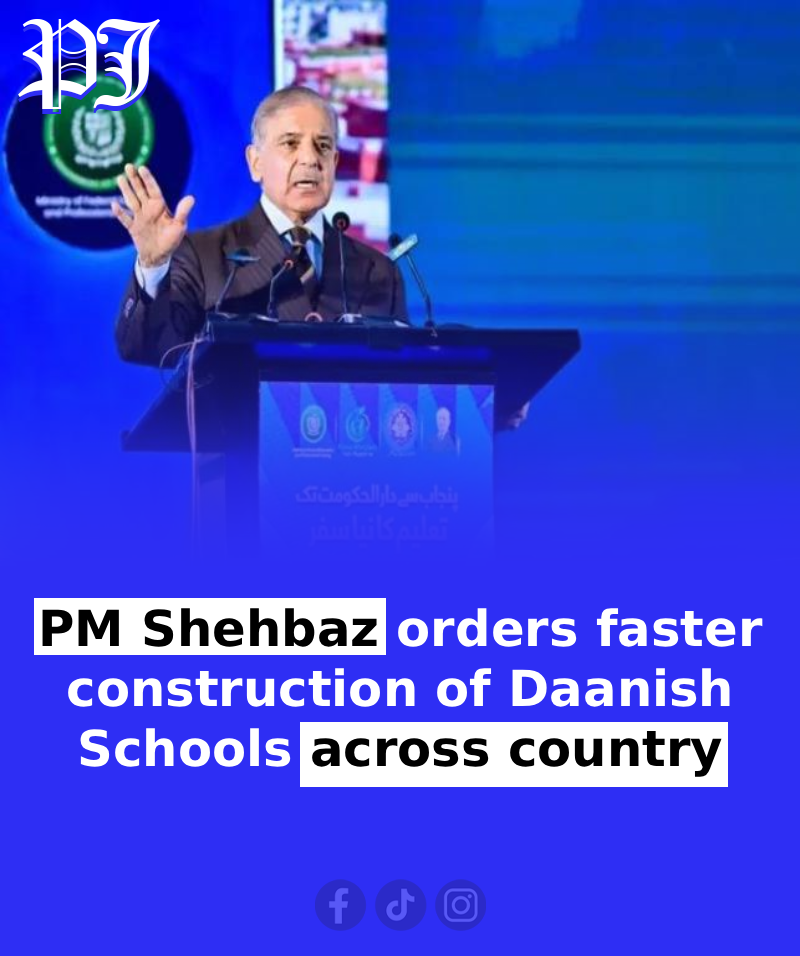
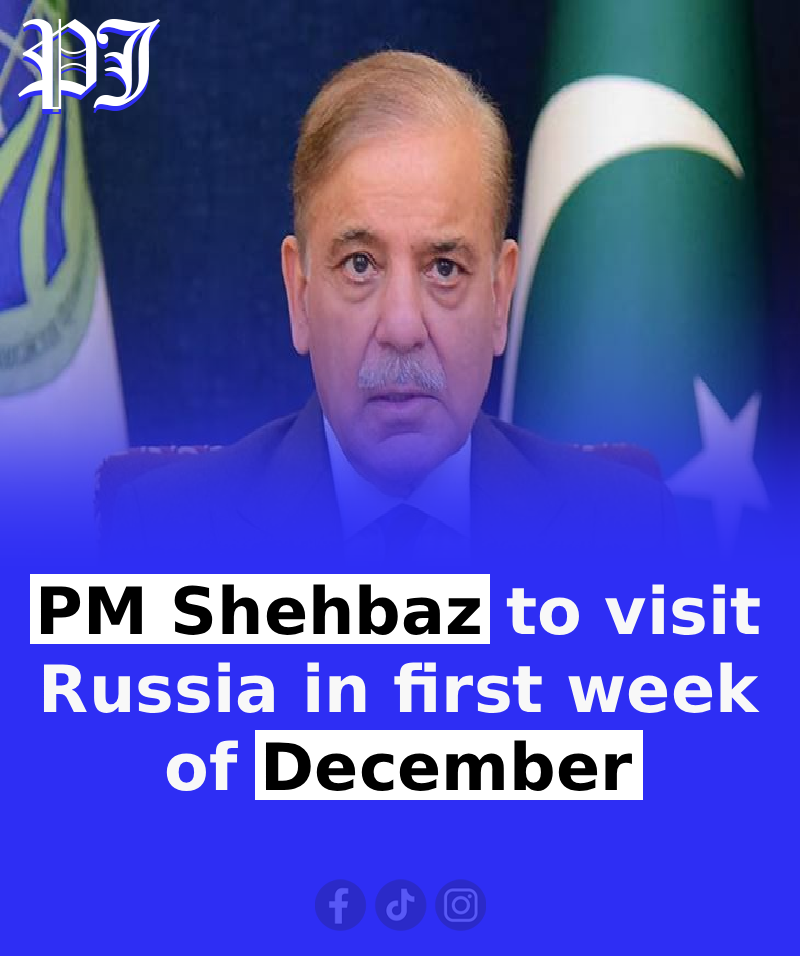
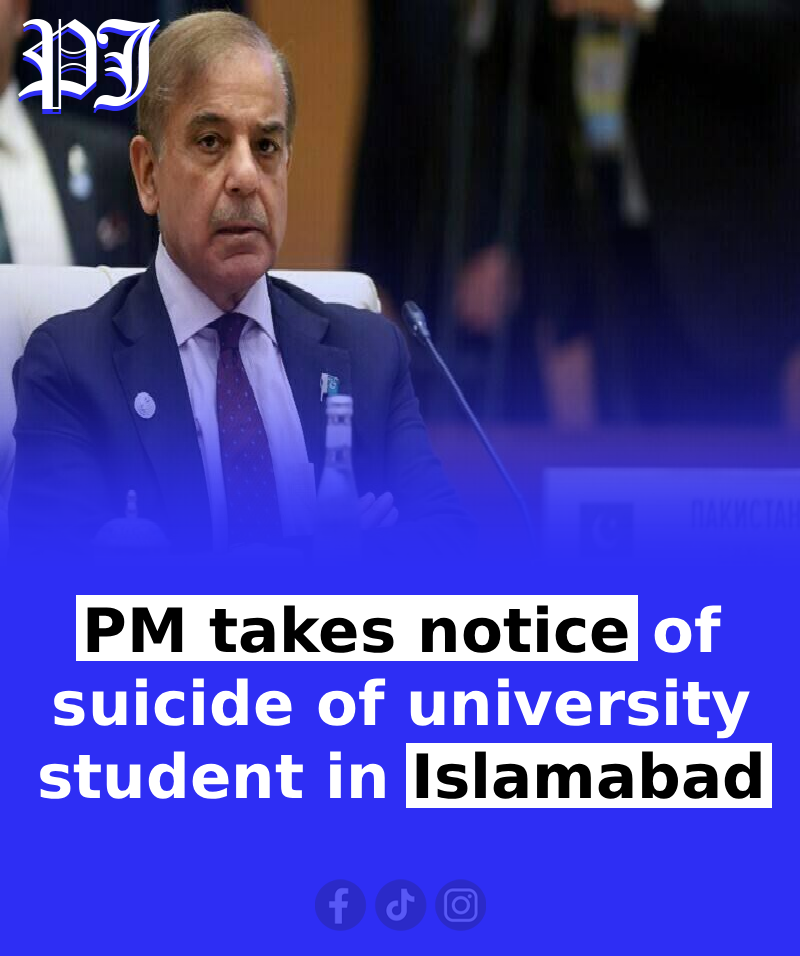
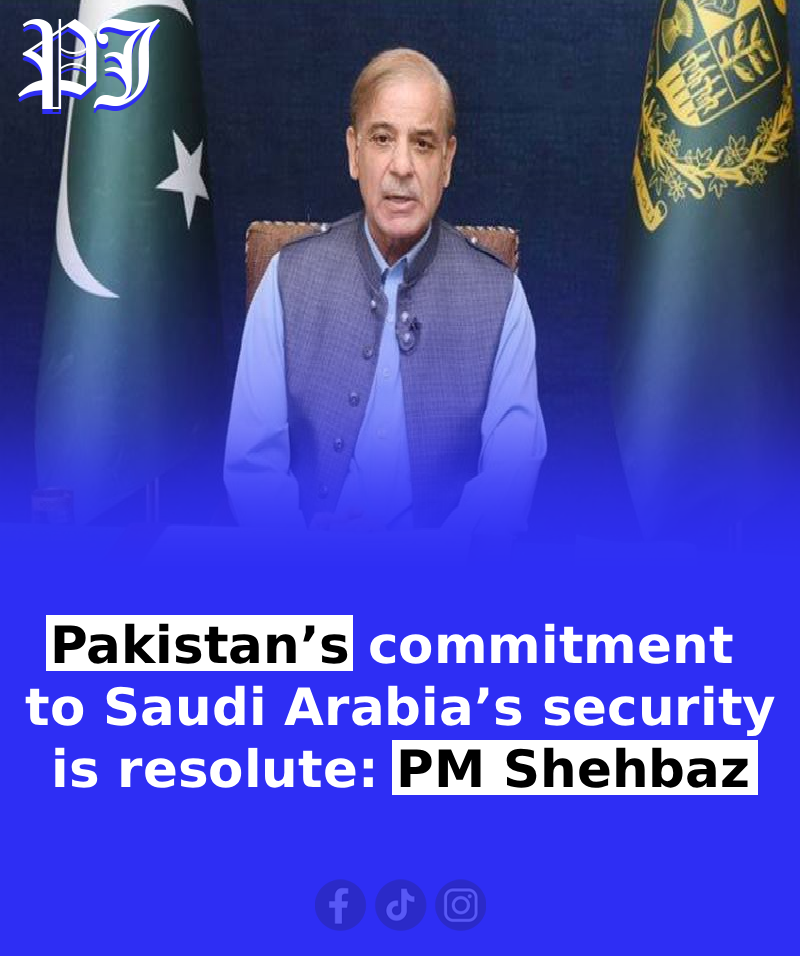
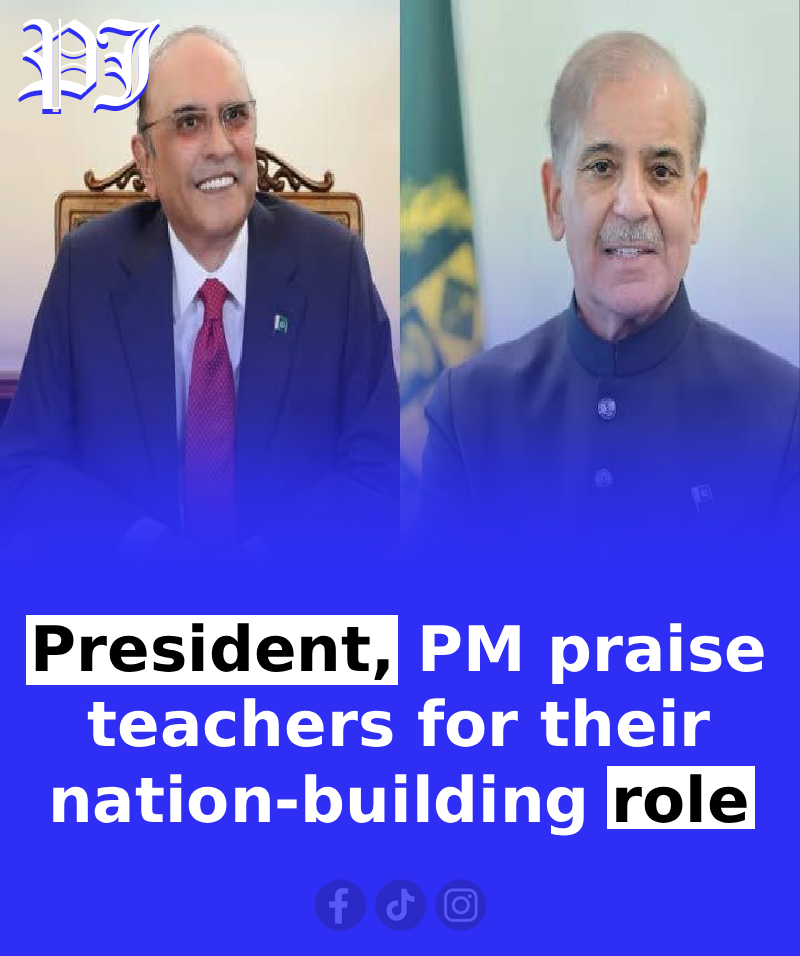
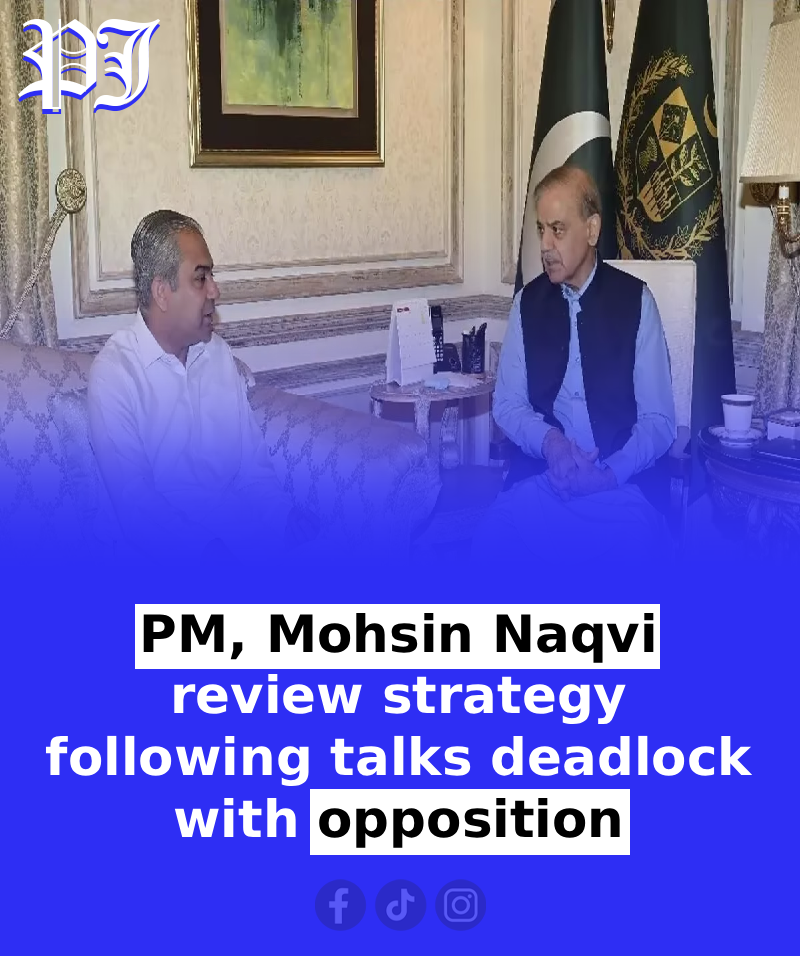
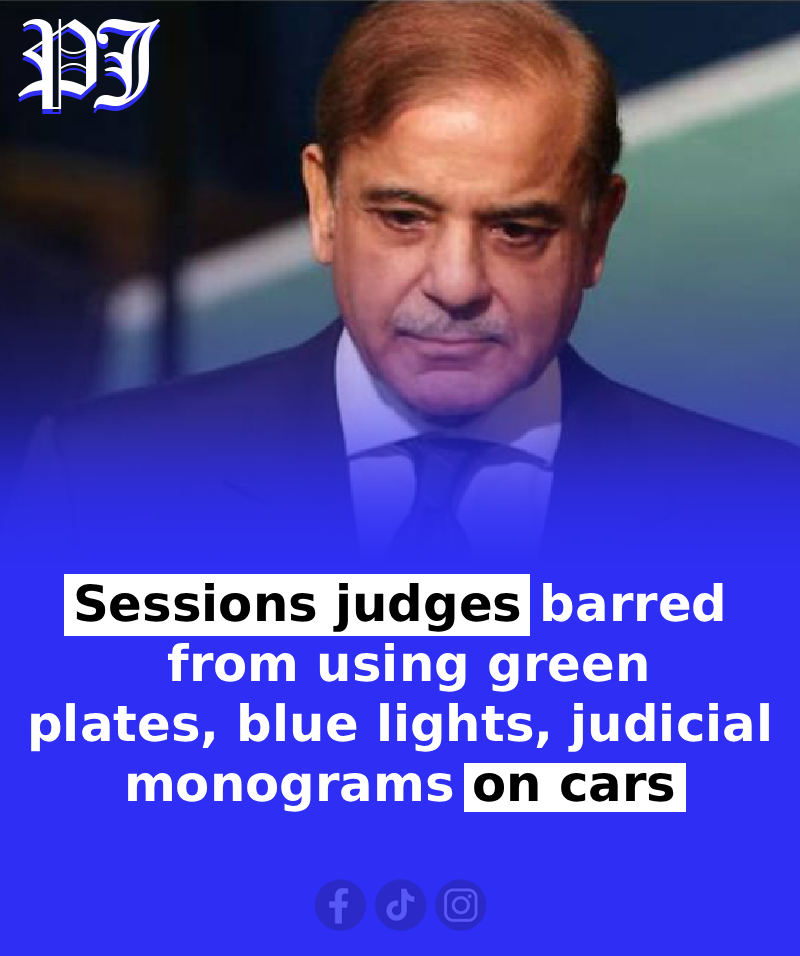
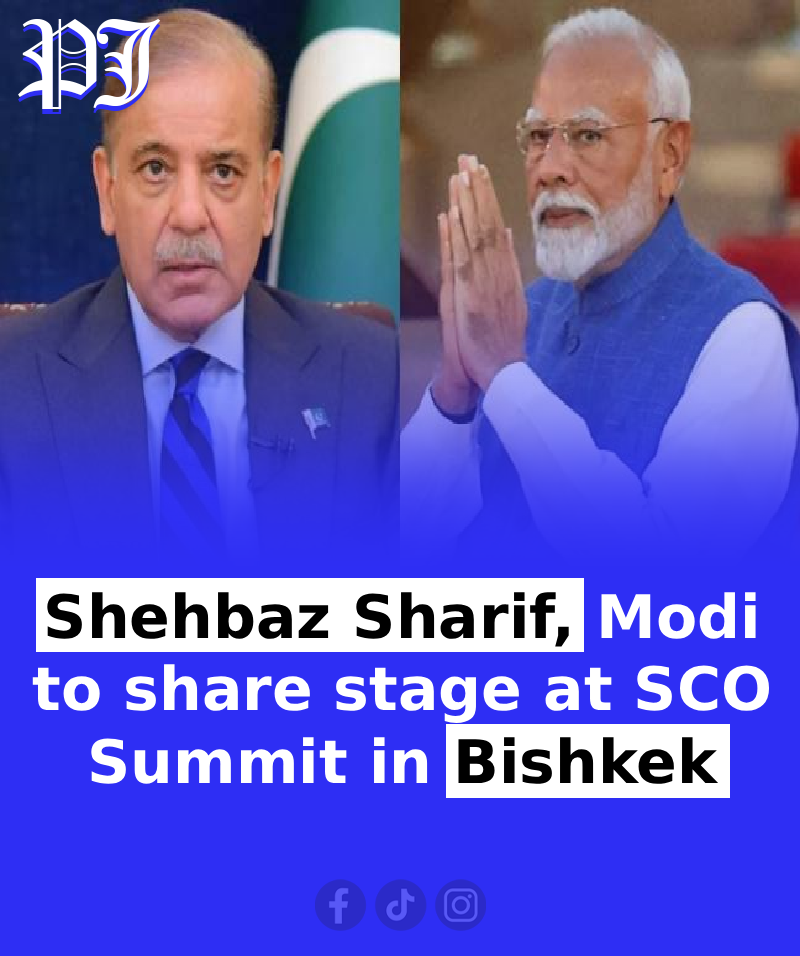
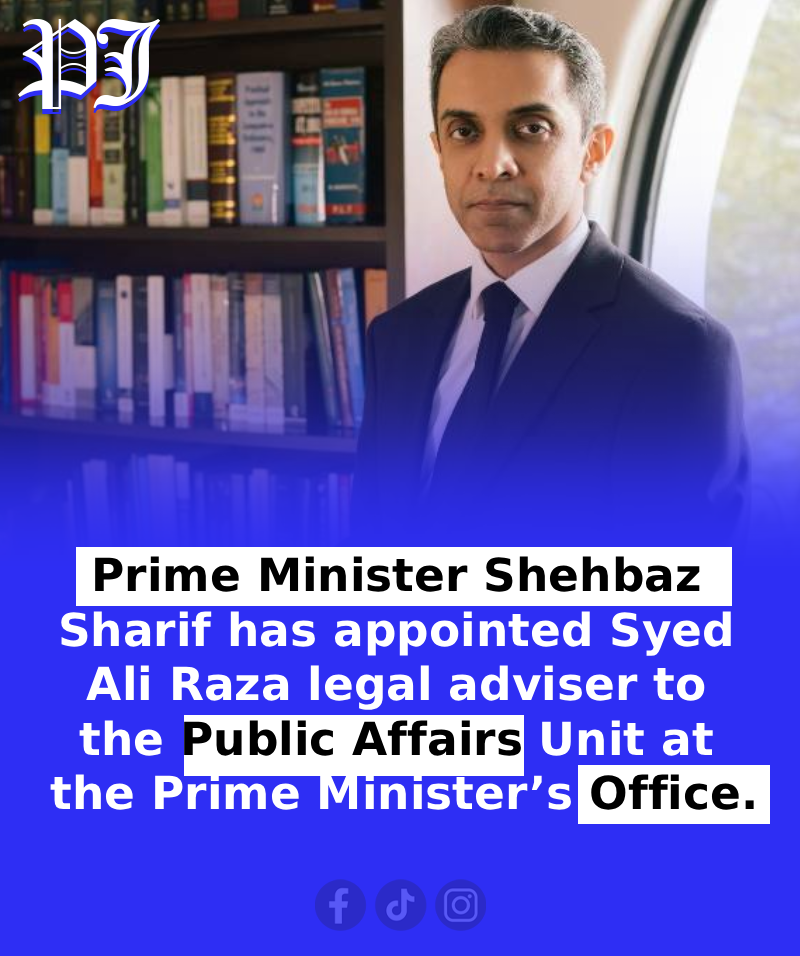
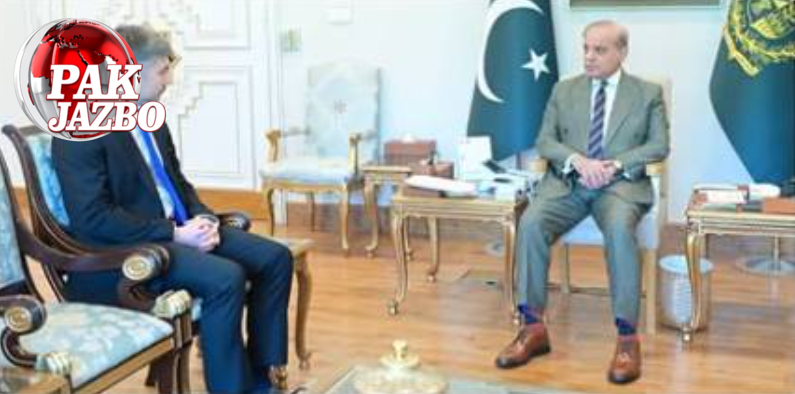
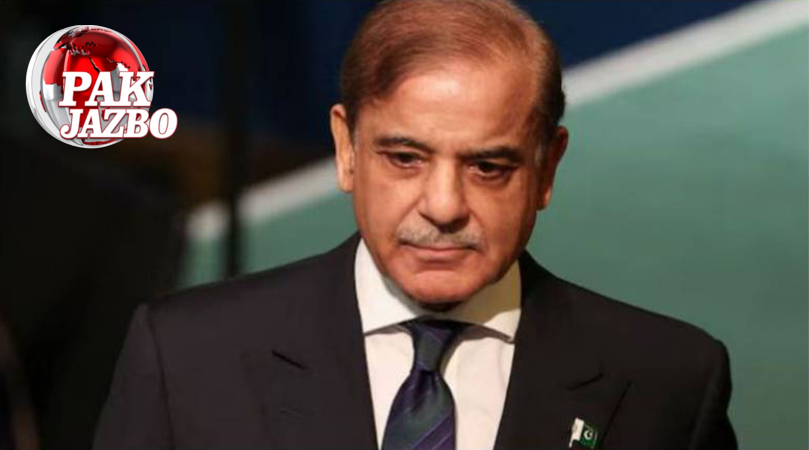
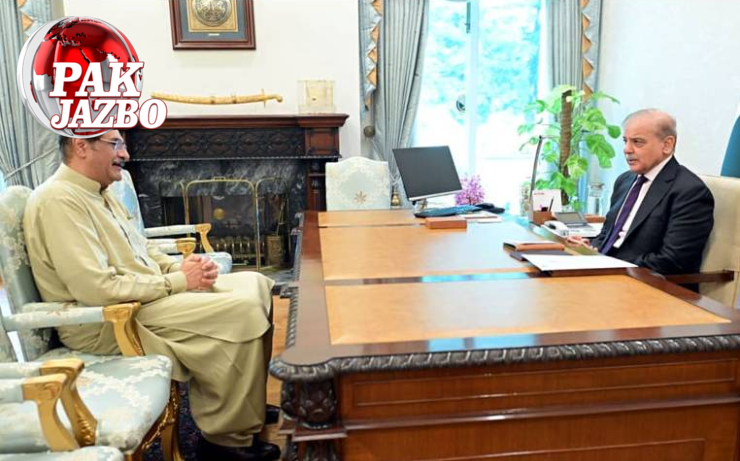
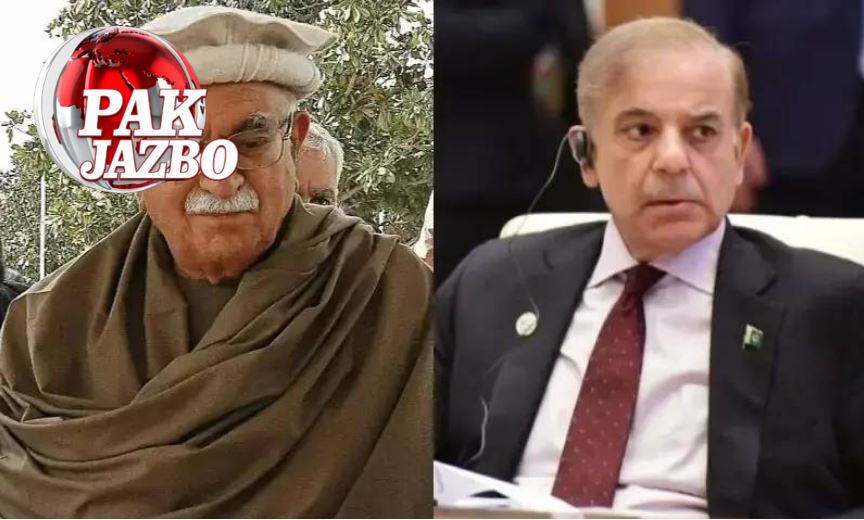
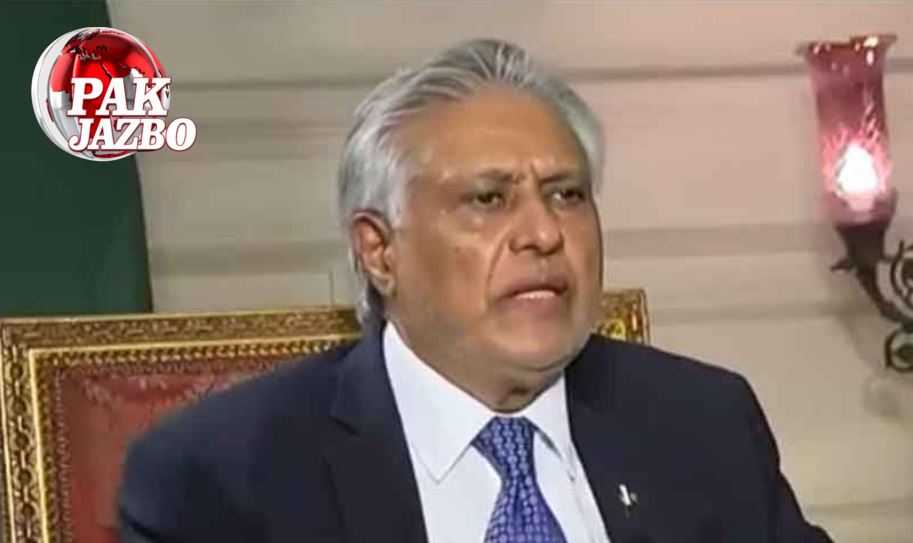
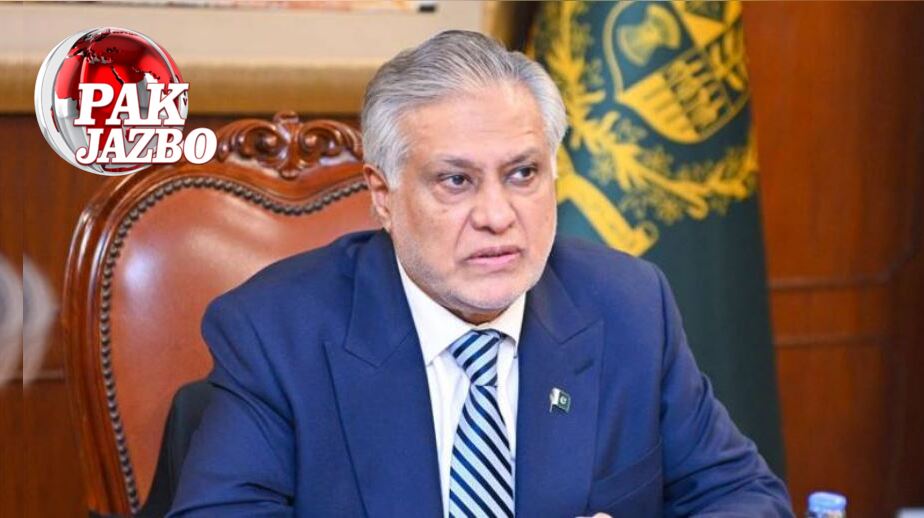
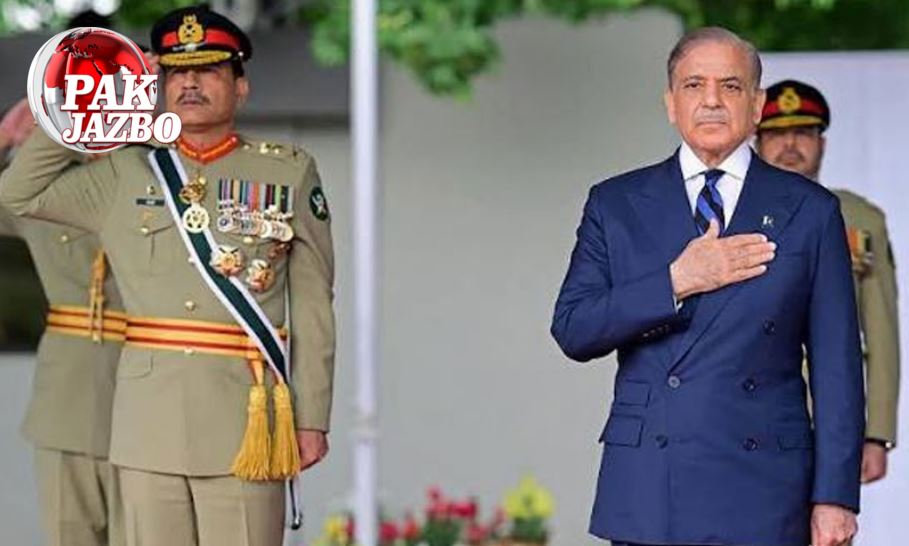
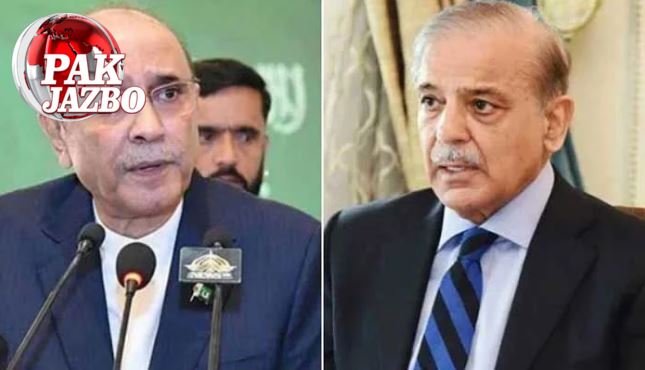
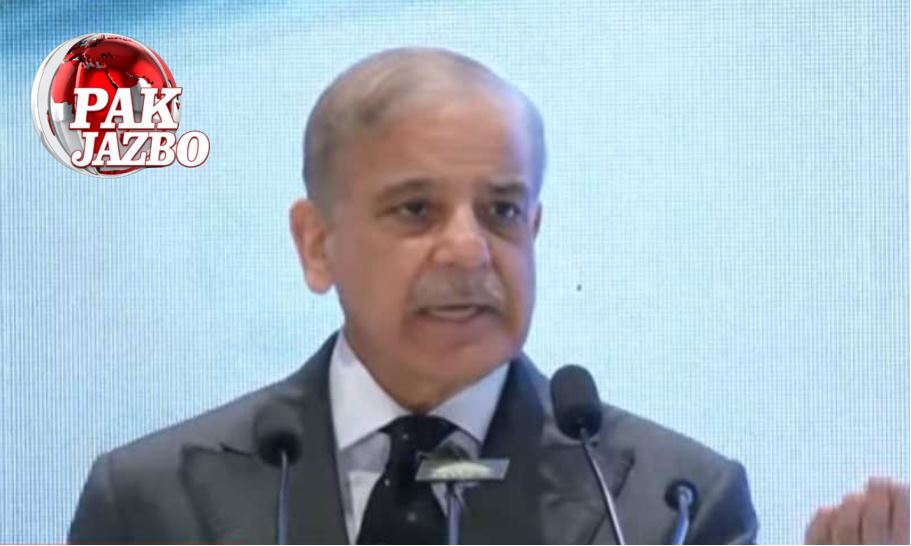
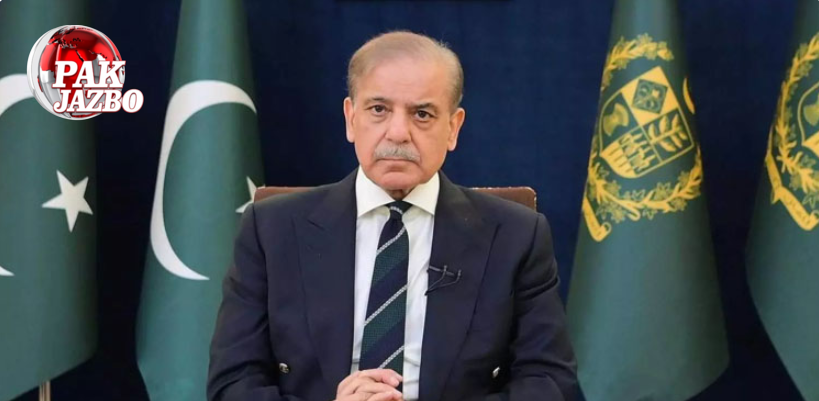
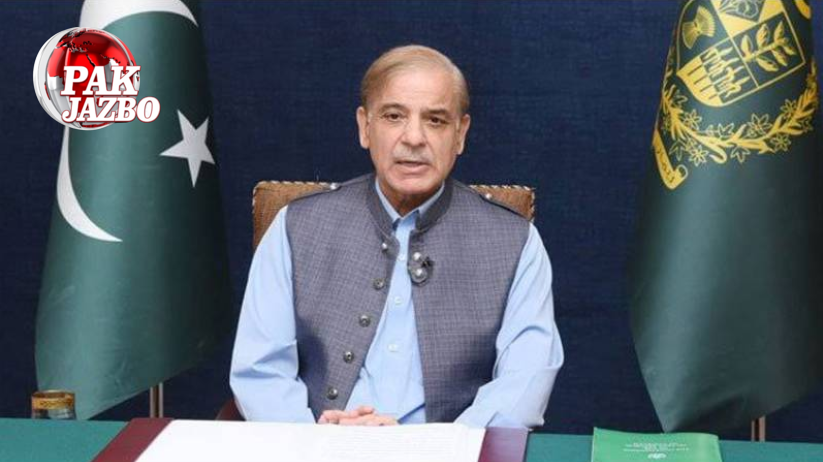
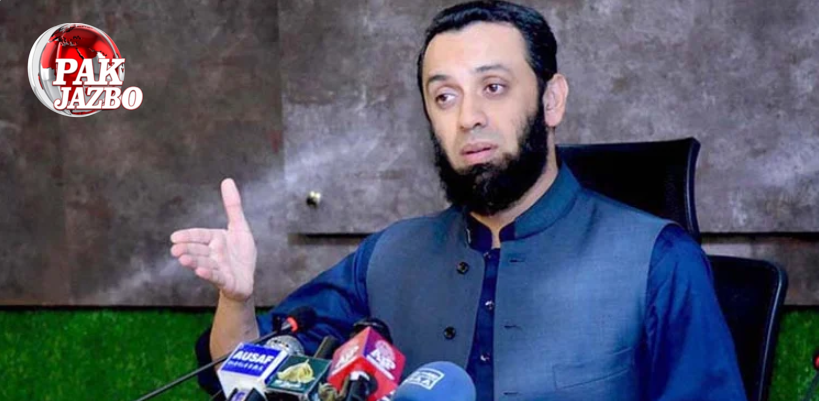
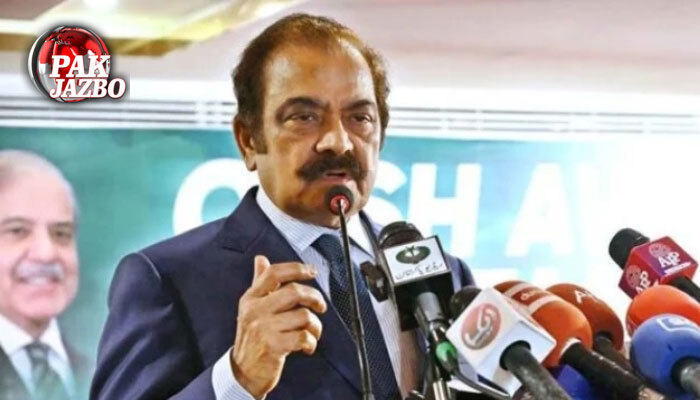
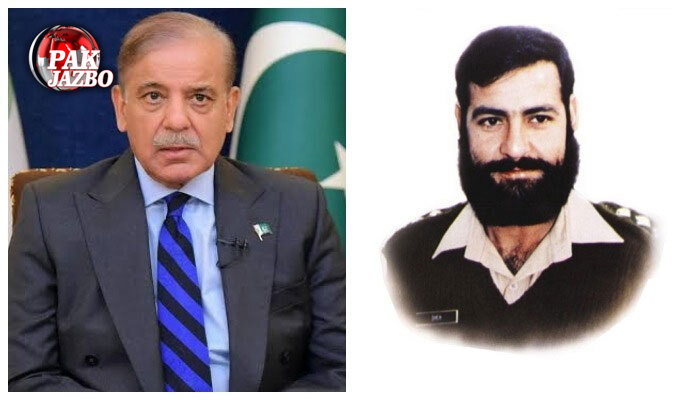
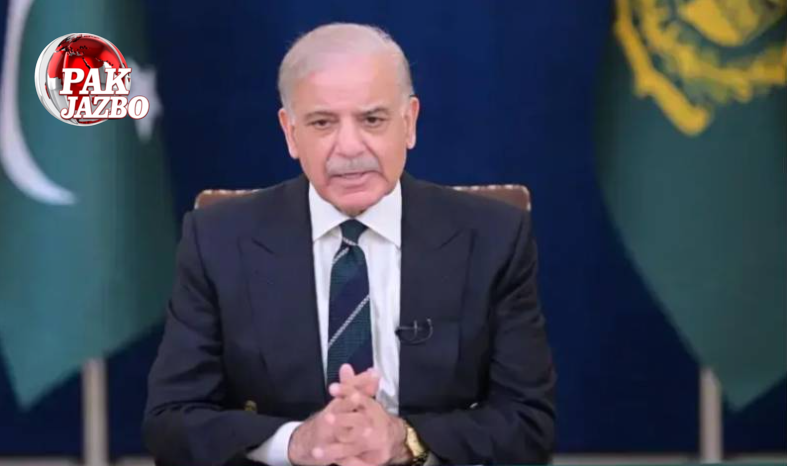
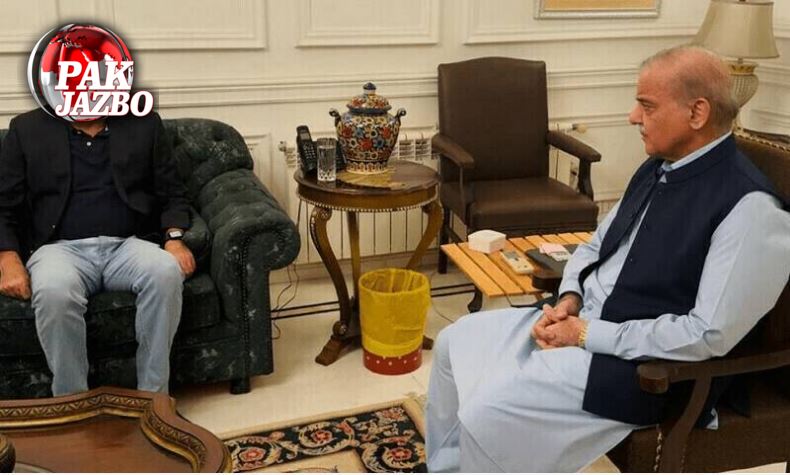
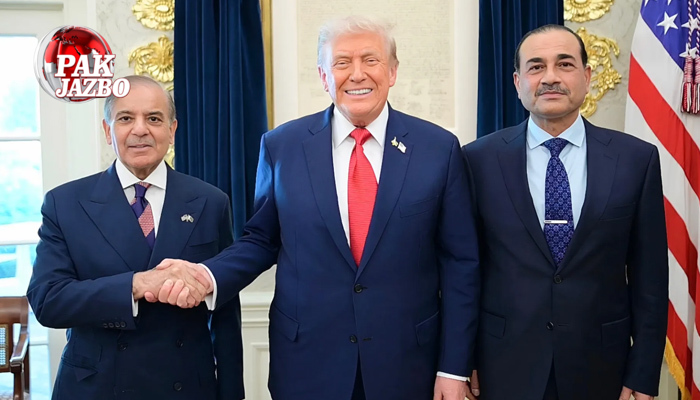
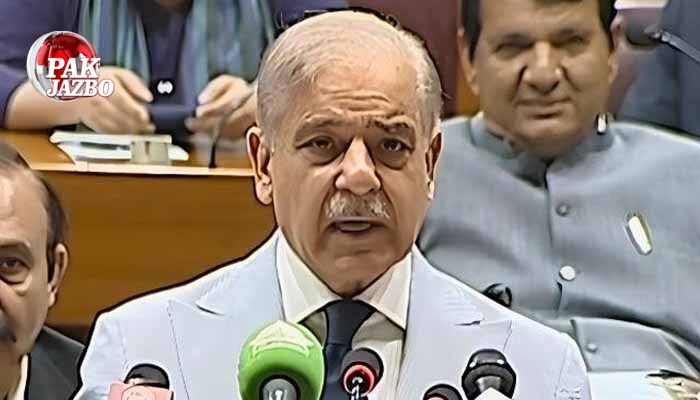
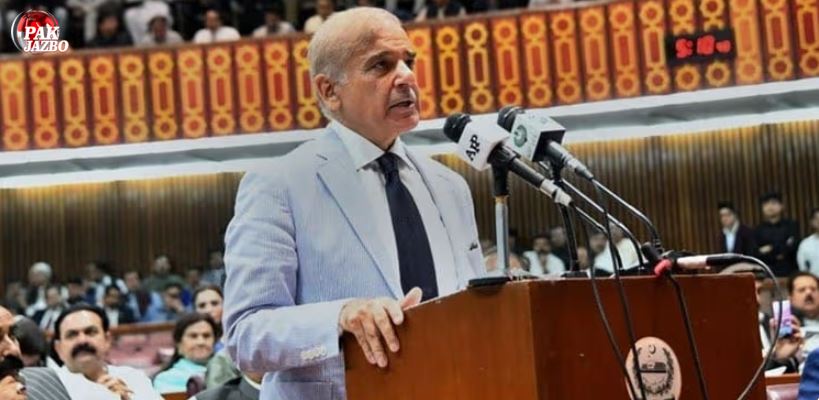
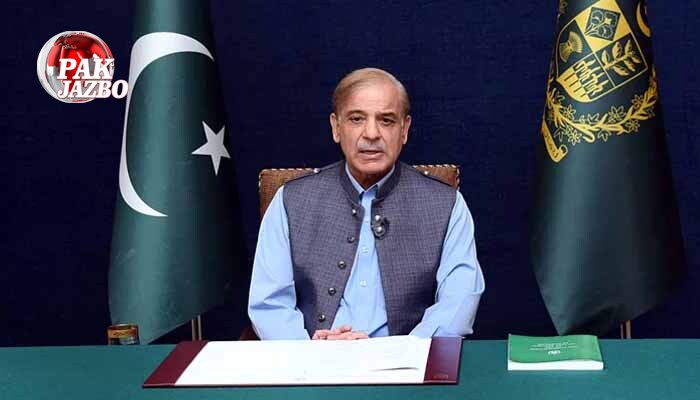
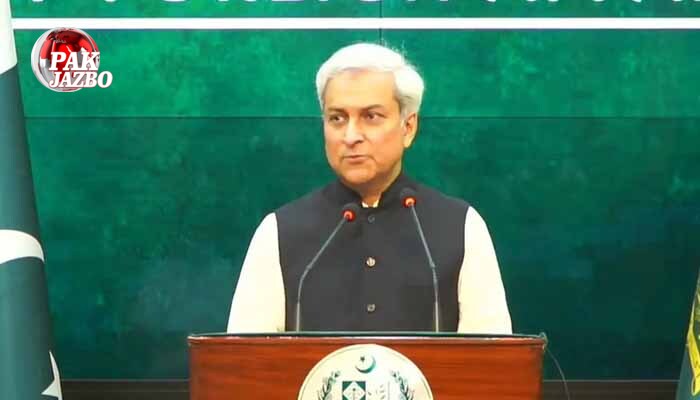
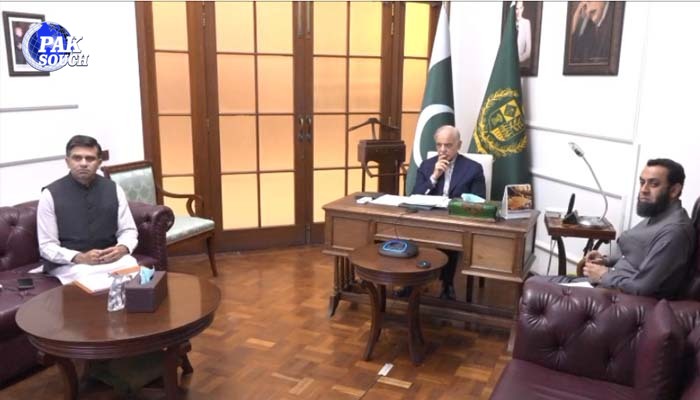
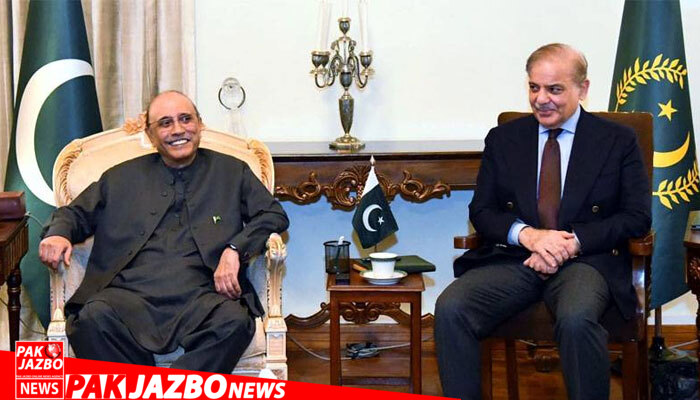
During the meeting, the Pakistan Muslim League-Nawaz (PML-N) formally withdrew the clause granting special exemption to the office of the Prime Minister, which had been a subject of considerable debate in recent days. This move came after Prime Minister Shahbaz Sharif reportedly directed that the clause be removed, citing the need to maintain accountability and uphold the principles of governance enshrined in the Constitution. The withdrawal of the exemption clause is seen as a significant step toward ensuring that the 27th Amendment aligns with broader democratic norms and does not provide undue privileges to any single officeholder.
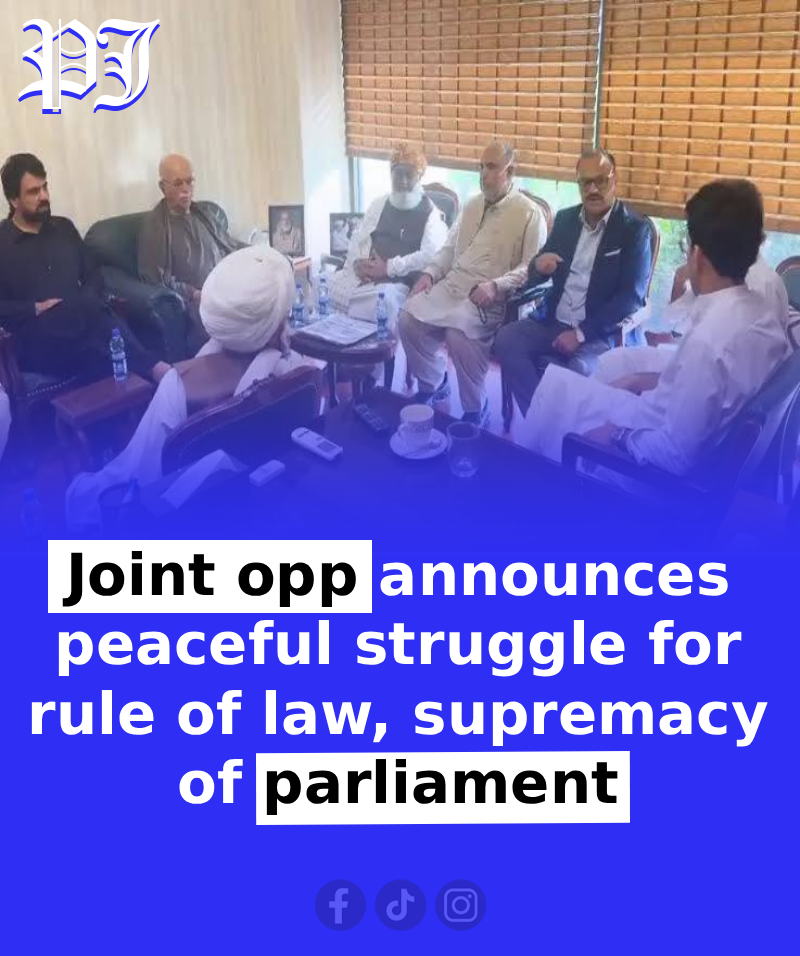
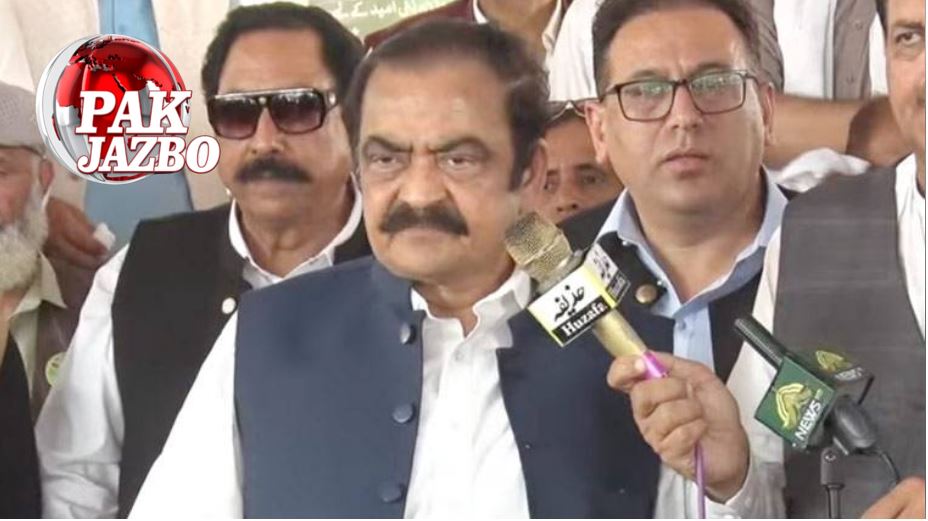
The opposition parties, meanwhile, have maintained their stance against the amendment, arguing that it disproportionately favors political elites and undermines the foundational principles of Pakistan’s Constitution. They have vowed to continue their protest against the amendment, emphasizing that Parliament should operate transparently and remain accountable to the public rather than serving the interests of a few individuals. Leaders of the opposition have stressed that amendments to the Constitution should always be debated with full consultation and consensus to ensure fairness and legitimacy.
Committee sources indicated that after the withdrawal of the Prime Minister’s exemption clause, the committee would continue reviewing the remaining provisions of the amendment. Each clause will be scrutinized individually to assess its legal implications, potential benefits, and any adverse consequences. This clause-by-clause review is intended to provide a comprehensive evaluation and ensure that any amendments ultimately passed are in the national interest and consistent with the rule of law.
The presence of both lawmakers and senior ministry officials in the committee meeting highlights the importance of institutional collaboration when discussing constitutional amendments. The Ministry of Law and Justice has been providing technical advice on the amendment’s clauses, assisting the committee in interpreting legal provisions and ensuring that procedural requirements are followed. This coordinated approach aims to prevent ambiguities and address any concerns related to the implementation of the amendment once it is approved.
Senators and members of the National Assembly participating in the committee deliberations have also emphasized the need for transparency throughout the process. Several lawmakers underscored that any changes to the Constitution should prioritize public accountability and safeguard the balance of powers between the executive, legislature, and judiciary. By conducting detailed discussions on each clause, the committee aims to avoid rushed decisions and ensure that constitutional amendments reflect the consensus of all stakeholders.
While the opposition continues to boycott the proceedings, their objections and perspectives remain a significant factor in the political discourse surrounding the amendment. Analysts suggest that the boycott reflects broader concerns over the perceived centralization of power and the potential erosion of institutional checks and balances. The committee, however, has committed to carrying out its review in accordance with parliamentary procedures, while also remaining attentive to public opinion and legal considerations.
The withdrawal of the Prime Minister’s exemption clause has been welcomed by political commentators and legal experts as a positive development. They note that the removal of this provision enhances accountability and reinforces the principle that no individual officeholder is above constitutional obligations. The development may also help reduce tensions between the government and opposition parties, creating an environment more conducive to constructive dialogue and consensus-building on the remaining clauses of the amendment.
What’s your Reaction?
+1
+1
+1
+1
+1
+1