












































































































































































































































































































































































































































































































































































































































Trump Quietly Approves Russia-Ukraine Peace Plan, U.S. Media Claims


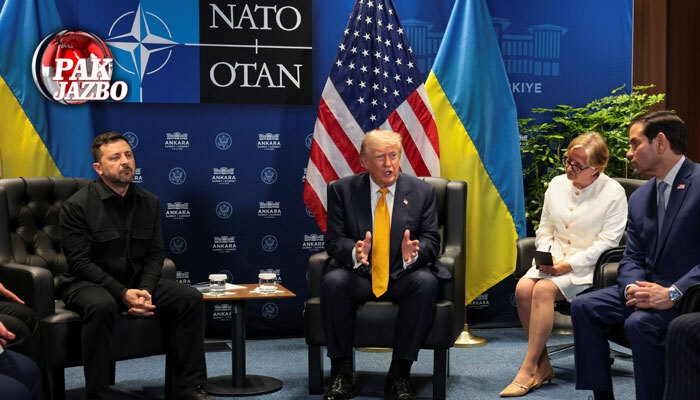
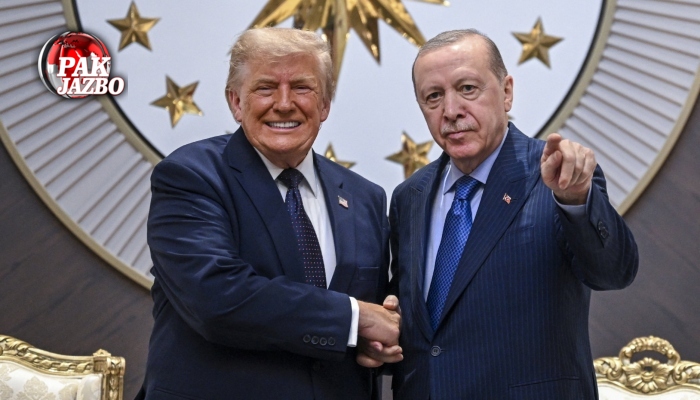
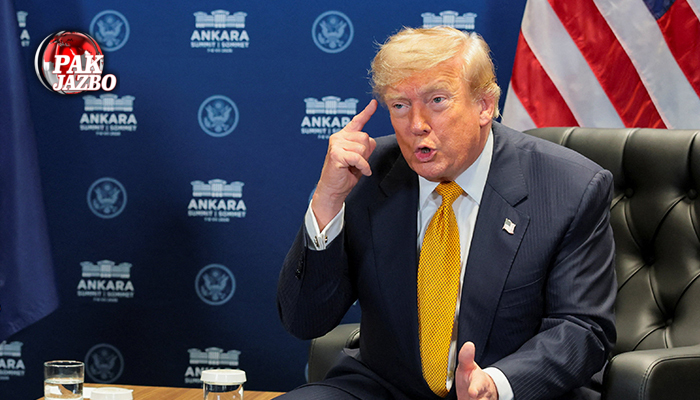
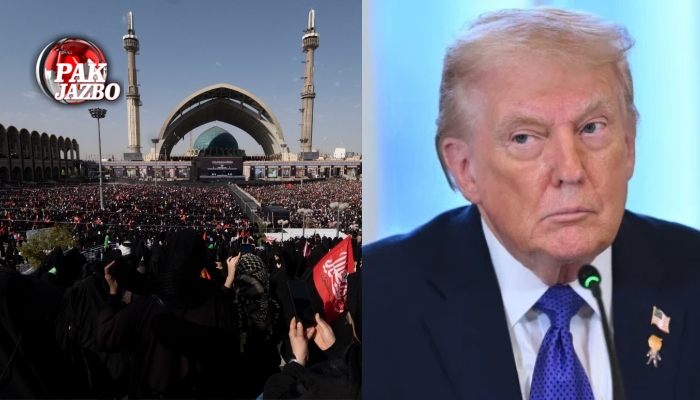
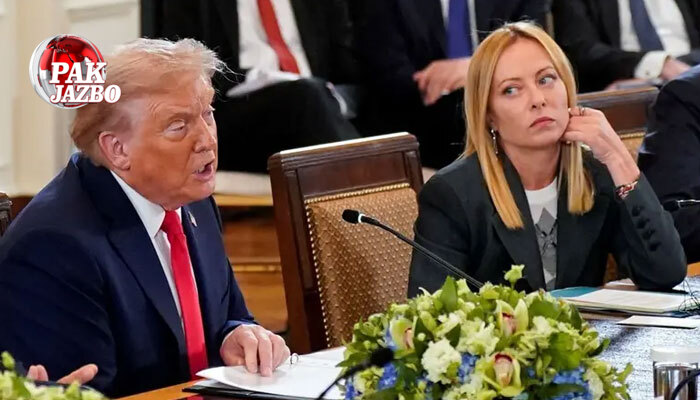
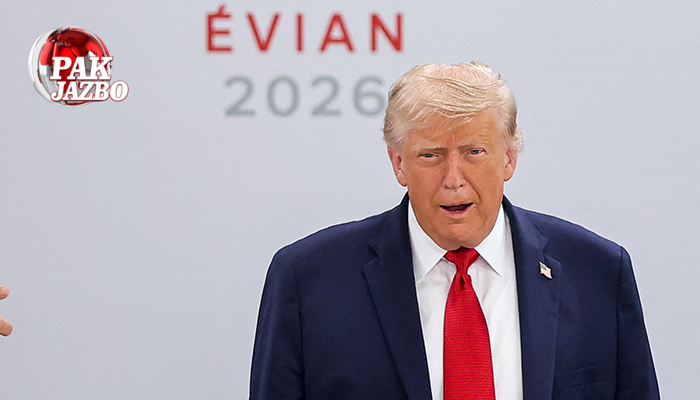
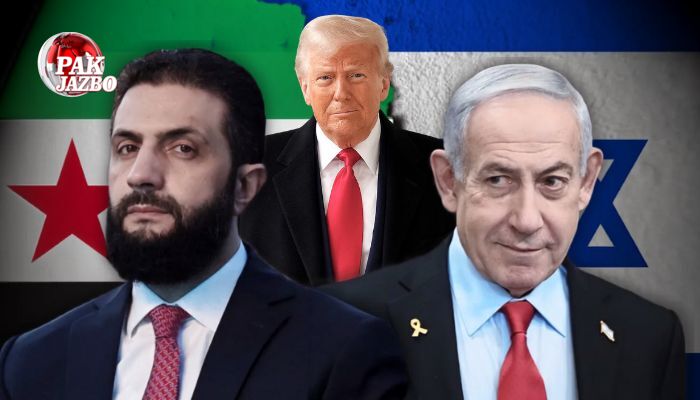
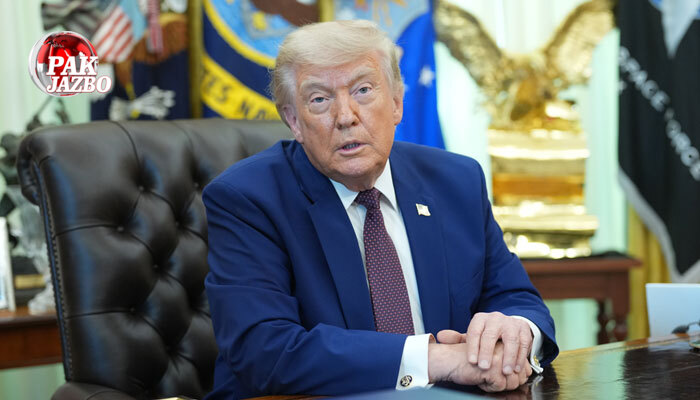
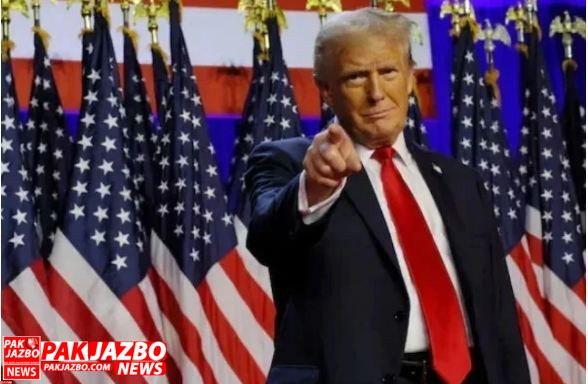
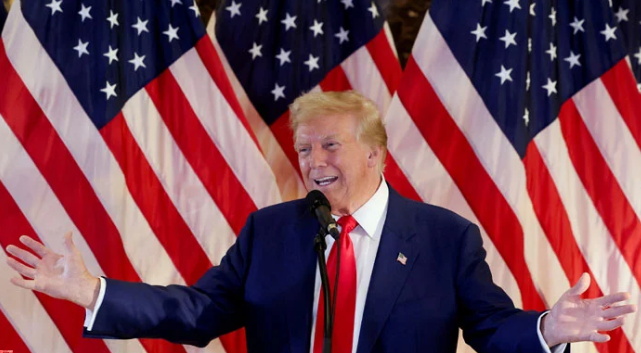
In a development that could mark a significant shift in the trajectory of the Russia-Ukraine conflict, multiple U.S. media outlets have claimed that President Donald Trump has quietly approved a new peace plan designed to end the nearly decade-long war. According to these reports, the approval was granted privately earlier this week, signaling a potentially dramatic new phase in Washington’s approach to European security.
The revelation follows earlier reporting that the Trump administration, working discreetly and in consultation with Russian officials, has been preparing a fresh blueprint aimed at bringing hostilities to an end. The initiative is being led by Steve Witkoff, the U.S. special envoy appointed by President Trump. Media sources say Witkoff has been tasked with steering this new diplomatic channel, engaging directly with key parties on both sides of the conflict.
According to the latest reports, the special envoy has already held discussions with the Russian ambassador in Washington as well as with senior Ukrainian leadership. Notably, these engagements included talks with the national security adviser to Ukrainian President Volodymyr Zelensky. Although details of these consultations remain undisclosed, their confirmation suggests that the proposal is being treated with seriousness by all parties involved.
The peace plan, according to U.S. media, outlines a 28-point roadmap that focuses on three major areas: restoring peace in Ukraine, establishing reliable security guarantees, and setting long-term frameworks for the relationship between the United States, Russia, and Ukraine. The inclusion of European security concerns indicates that the proposal could have implications extending far beyond the immediate battlefield, potentially reshaping regional defense structures as well as global geopolitical alignments.
At the core of the roadmap are security guarantees designed to prevent future escalations. These assurances are believed to include measures that would protect Ukrainian territory from renewed aggression, though it remains unclear how these guarantees would be enforced or verified. Previous international agreements with similar intentions — such as the 1994 Budapest Memorandum — proved ineffective, fueling skepticism about whether any new commitments could practically deter future conflict.
The reporting also suggests that the plan incorporates provisions addressing Europe’s broader security architecture. Given the ongoing tensions within NATO, the emerging divisions in Europe regarding support for Ukraine, and Russia’s evolving strategic ambitions, these elements could become among the most controversial aspects of the proposal. Analysts believe that any attempt to reconcile U.S.-Russia relations while also assuring the security of Eastern Europe will face immense diplomatic hurdles.
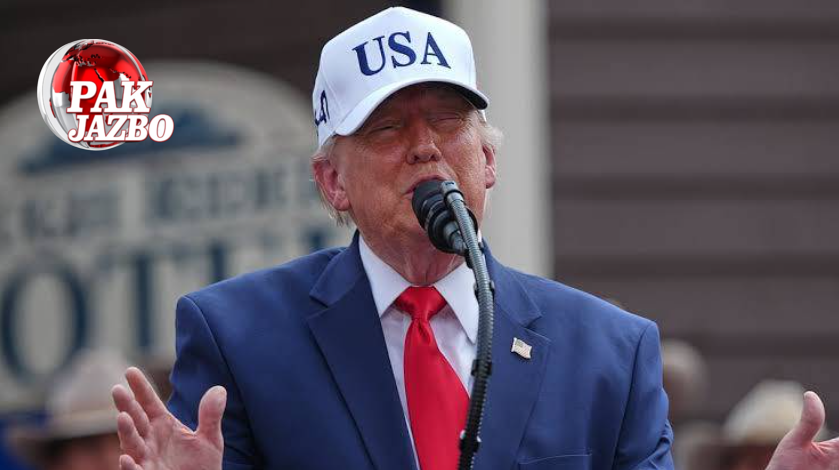
While the Trump administration has not publicly commented on the claims, the secrecy surrounding the reported approval is consistent with the administration’s recent approach to foreign policy. President Trump has repeatedly emphasized the need to halt American involvement in what he describes as “endless wars,” and he has expressed interest in negotiating directly with Russia. Supporters of this direction argue that a bold diplomatic initiative could finally end the bloodshed and pave the way for a more stable European order.
Critics, however, fear that the plan may concede too much to Russia at the expense of Ukrainian sovereignty. They point to ongoing Russian territorial control, particularly in eastern Ukraine and Crimea, and warn that any settlement perceived as legitimizing these gains would undermine international law. They also argue that negotiations conducted without transparency could leave key NATO allies blindsided and vulnerable, ultimately weakening collective security.
For Ukraine, the alleged initiative represents both an opportunity and a challenge. Kyiv has long insisted that any peace must preserve its territorial integrity and national independence, while also ensuring that Russia cannot exploit future negotiations or ceasefires to regroup militarily. Ukrainian officials have not publicly confirmed involvement in the reported discussions, but leaks suggest Ukraine is at least willing to hear the new proposal — a reflection of both war fatigue and the country’s recognition that its future remains tied to the decisions of major global powers.
Russia’s position remains a subject of speculation. Moscow has previously said that it is open to peace talks but insists that Ukraine must accept its “new territorial realities,” a stance that Kyiv has rejected outright. If the U.S.-brokered plan is to succeed, it would need to bridge these vast diplomatic divides — an undertaking many analysts consider extremely difficult.
What’s your Reaction?
+1
+1
+1
+1
+1
+1