



































































































































































































































































































































































































































































































































































































































































































































































































































































































































































































































































































































































































































































































































































































































































































































































































































































































































































































































































































































































































































































































































































































































BJP’s Bold Move: BCCI to Be Brought Under National Sports Governance Bill


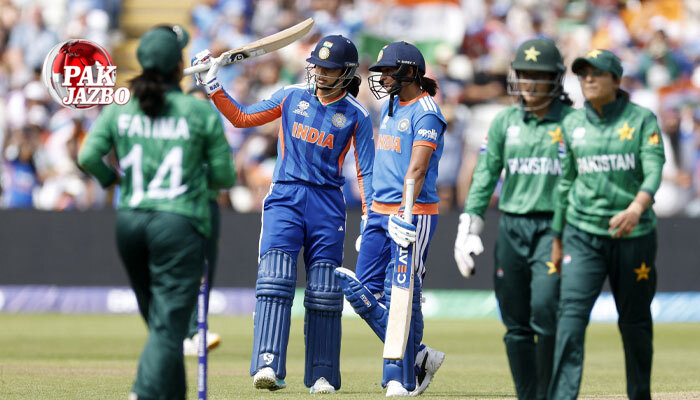
In a landmark development, the Bharatiya Janata Party (BJP)-led Indian government has taken a bold and unprecedented step by deciding to bring the Board of Control for Cricket in India (BCCI) under the ambit of the National Sports Governance Bill. The decision marks a significant shift in the dynamics of sports administration in India, particularly concerning the autonomy and functioning of one of the world’s richest and most influential cricket boards.
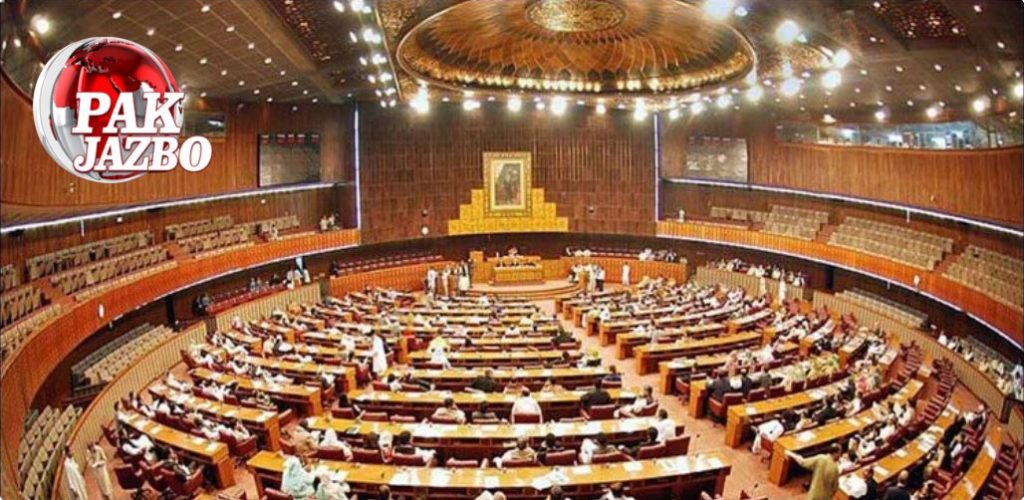
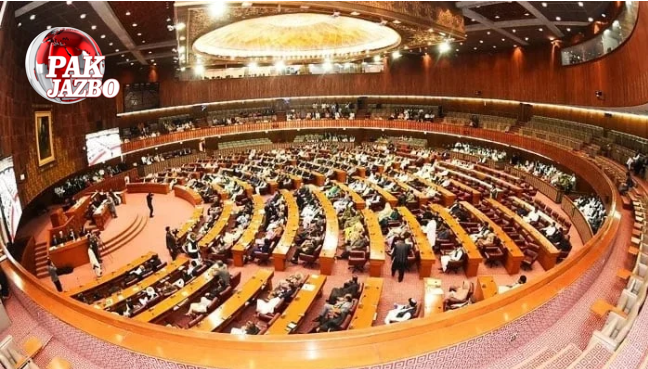
The bill, scheduled to be introduced in the Indian Parliament on Wednesday (today), aims to officially bring BCCI under the jurisdiction of the Ministry of Youth Affairs and Sports. According to government sources, the primary goal of the bill is to bring uniformity in governance and accountability across all sports federations in India, aligning India’s sports administration with international standards such as the Olympic and Paralympic Charters.
This legislative initiative could have far-reaching implications, not just for BCCI, but for the entire Indian sporting ecosystem. The government aims to bring transparency, structure, and greater oversight to sports bodies that have often operated with minimal regulatory interference.
BCCI’s Historical Independence at Risk
For decades, BCCI has functioned as an independent and self-sufficient entity, relying on its own revenue streams without depending on any government grants or financial support. The board has enjoyed significant autonomy in decision-making, administration, selection processes, and international representation.
However, the BJP government believes that the time has come for all sports bodies, including BCCI, to be made more accountable and transparent. By bringing the BCCI under the Sports Ministry’s control, the government hopes to ensure standardized functioning across all federations and introduce checks and balances long demanded by stakeholders and transparency advocates.
While some view the move as long overdue, critics argue that this may infringe upon the independence of sports institutions and allow political interference in their operations.
Changes in Age Limit May Impact Key Officials
One of the key provisions of the National Sports Governance Bill is expected to be the revision of the maximum age limit for holding office in sports bodies. Currently, the upper age limit is 70 years, but media reports suggest that the bill could raise this to 75 years. If this change is not implemented or is applied retroactively, it could lead to major shake-ups in the BCCI leadership.
The current BCCI President Roger Binny, a former Indian cricketer, may be forced to step down due to age limitations. Binny, who has served in the role since 2022, may find his tenure cut short if the proposed governance norms are implemented strictly. Similarly, Rajeev Shukla, the current Vice-President of BCCI and a prominent political figure, may also lose his position once his term ends, as the new bill is expected to tighten rules on political involvement and tenure lengths.
This development has sparked considerable discussion within Indian cricketing circles, with many observers speculating on who might take the helm if a leadership transition becomes inevitable.
Aligning with Olympic Standards
The bill also seeks to align India’s sports governance with the Olympic and Paralympic Charter. This means enforcing stricter compliance with rules regarding age, tenure, elections, and governance of sports bodies.
Unlike many other national federations, the BCCI has traditionally resisted government intervention, citing its financial independence and global stature. However, with increasing scrutiny from the public, courts, and even international bodies like the ICC (International Cricket Council), the government now feels justified in enforcing uniform governance standards.
Sports analysts suggest that bringing BCCI under such a regulatory framework will help improve India’s image in global sports and might also play a role in streamlining the development of cricket at the grassroots level, with greater transparency in selection and funding.
Reaction from Sports Community Mixed
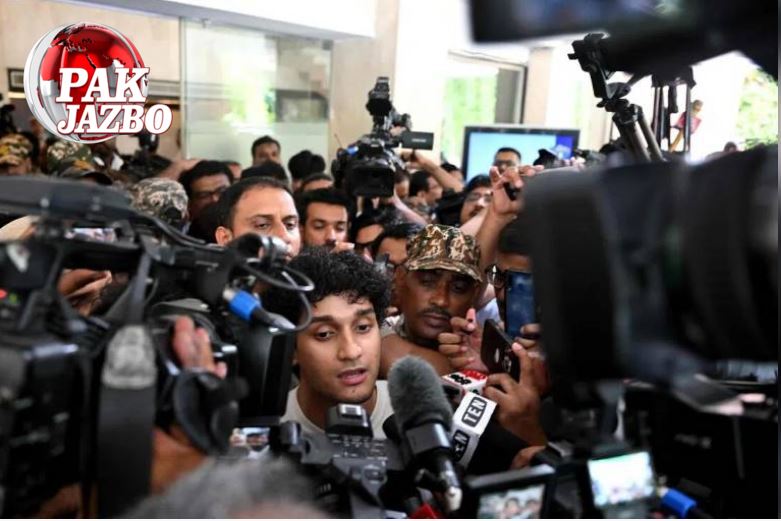
The sports fraternity has had mixed reactions to this announcement. Some former cricketers and administrators have welcomed the move, saying that government oversight will ensure accountability and prevent conflicts of interest. Others, however, warn that political interference could hamper BCCI’s operations and its ability to function efficiently.
Insiders say the government is likely to face resistance from within the BCCI, which has historically been known to safeguard its autonomy fiercely. Legal challenges or attempts to dilute the bill’s provisions through lobbying cannot be ruled out.
A Defining Moment in Indian Sports Governance
If the bill is passed and enforced in its current form, it would mark a defining moment in the history of Indian sports governance. The BCCI, once considered untouchable and above government regulation, would now be brought into the fold of public accountability.
Whether this leads to the betterment of Indian cricket or triggers a new wave of bureaucratic hurdles remains to be seen. But one thing is certain: the BJP government’s move has stirred the waters in Indian sports, and the future of the BCCI—and possibly other autonomous federations—may never be the same again.
What’s your Reaction?
+1
+1
+1
+1
+1
+1