






































































































































































































































































































































































































































































































































































































































































































































































































































































































































































































































































































































































































































































































































































































































































































































































































































































































































































































































































































Punjab Rivers in Crisis: Over 2 Million Affected, Death Toll Rises to 33 as Floodwaters Spread South


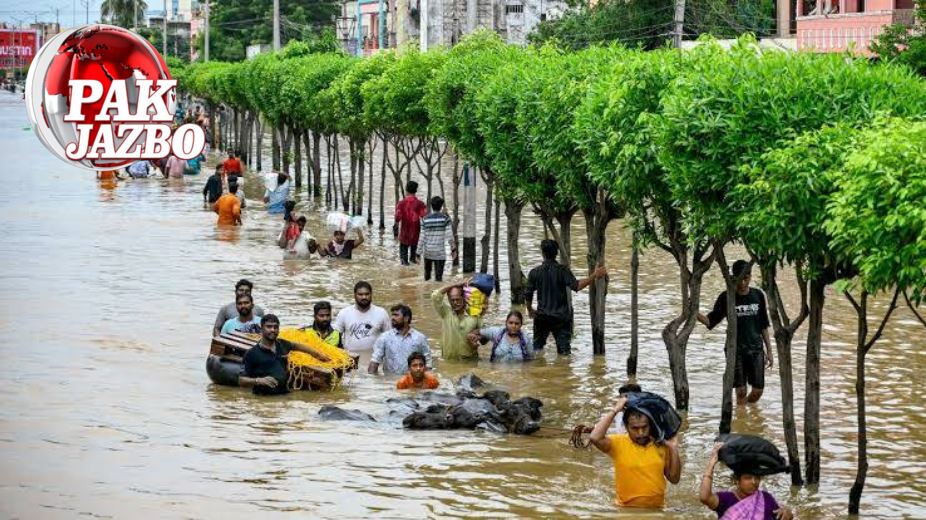
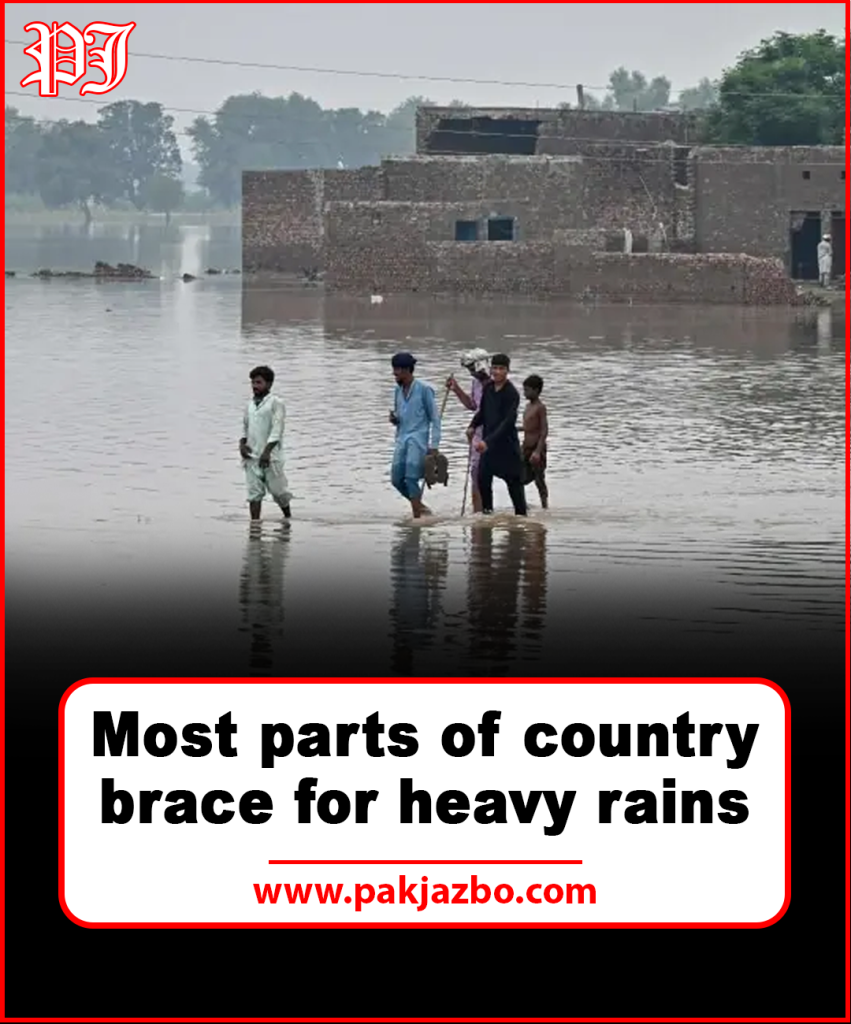
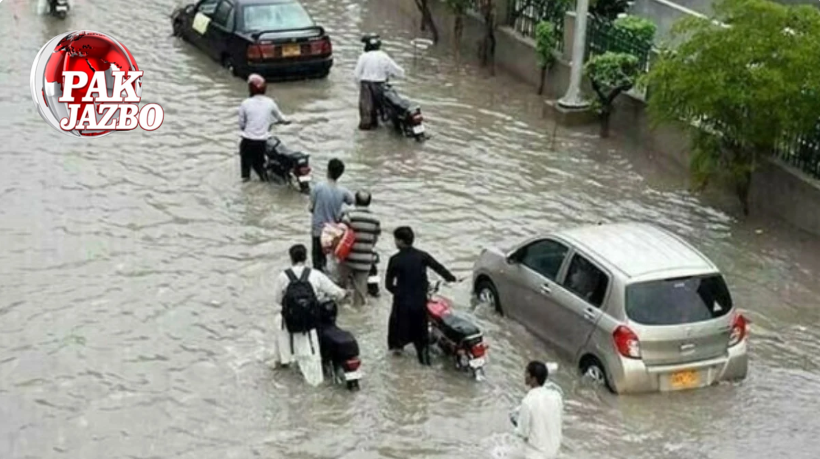
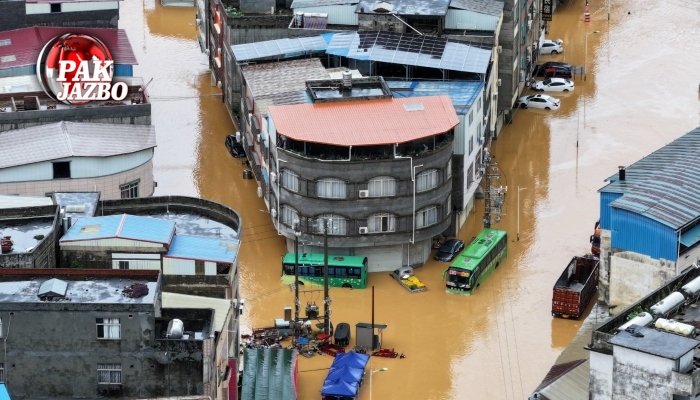
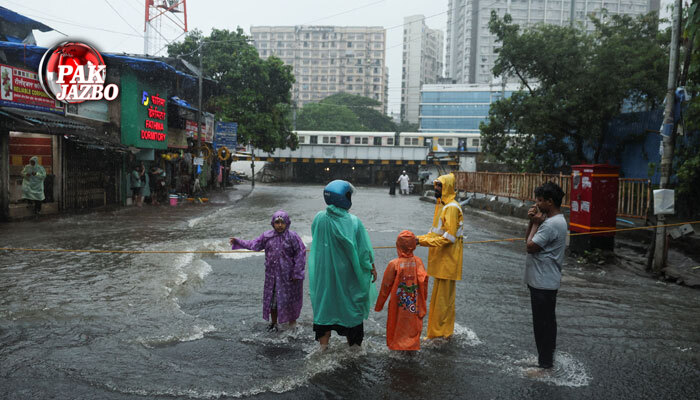
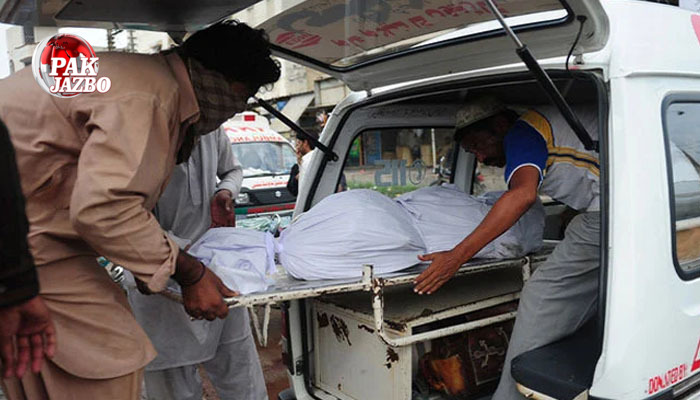
Lahore: The flood situation in Punjab remains dire as swelling rivers continue to wreak havoc across the province. More than two million people have been directly affected by floodwaters, while the official death toll has climbed to 33. Thousands of villages lie submerged, crops have been destroyed, and rescue operations are ongoing at an unprecedented scale.
Massive Humanitarian Impact
Speaking to the media in Lahore, Director General of the Provincial Disaster Management Authority (PDMA) Punjab, Irfan Ali Kathia, revealed that the number of people impacted by floods has exceeded 2 million. “Wherever the flood wave has passed, our full focus is now on helping the victims,” he stated.
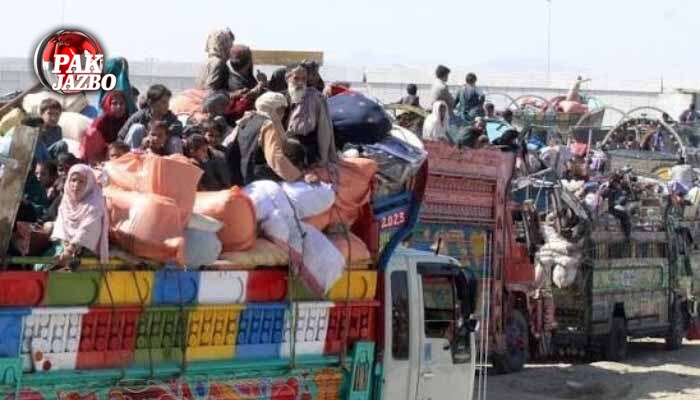
Kathia further explained that the province has witnessed the largest rescue operation in its history. More than 750,000 people have been evacuated from flood-hit areas, while approximately 2,200 villages have been affected. Special arrangements have been made to transport livestock to safer locations, as thousands of animals are at risk of being swept away.
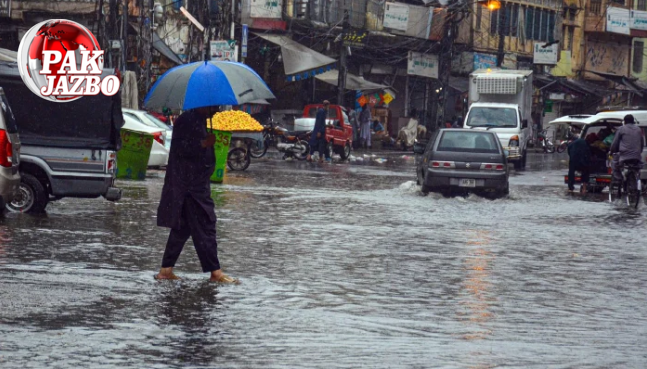
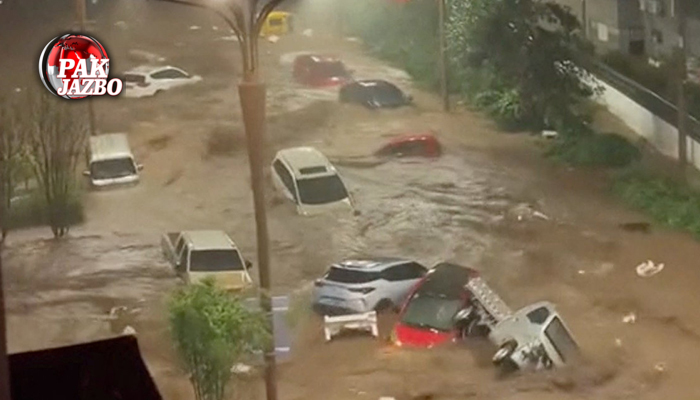
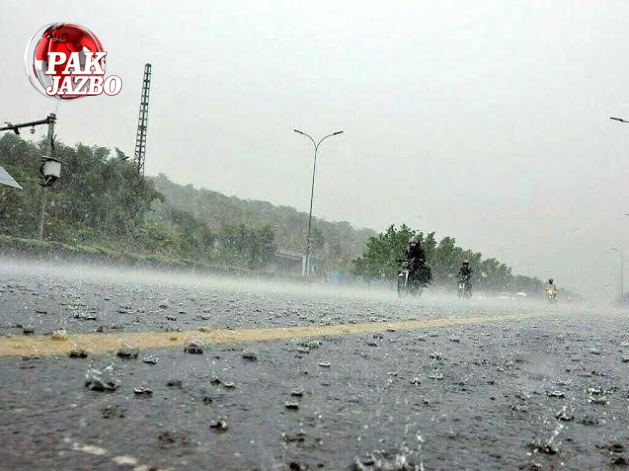
The DG PDMA warned that the situation is being complicated by new spells of rainfall, which are contributing to urban flooding in addition to riverine floods. “The number of fatalities caused by floods and related incidents has now reached 33,” he confirmed.
South Punjab Braces for Incoming Flood Wave
In South Punjab, fears are mounting as floodwaters move downstream. Commissioner of Multan, Aamir Karim, reported that a 40,000 cusec flood wave has already entered Multan. He warned that on Monday, nearly 800,000 cusecs of water may pass through the Chenab River at Multan.
According to his assessment, 700,000 cusecs from Head Trimmu combined with 90,000 cusecs from the Ravi River will merge near Multan. He noted that Head Muhammadwala, which has a storage capacity of 1 million cusecs, may need to be breached in a controlled manner to prevent widespread destruction.
Meanwhile, the Deputy Commissioner of Muzaffargarh stated that the Chenab flood surge is expected to reach the district between September 2 and 3. Preparations, he said, are already in place to deal with the threat, including setting up relief camps, evacuation strategies, and medical facilities.
Rising Water in Ravi River Near Faisalabad
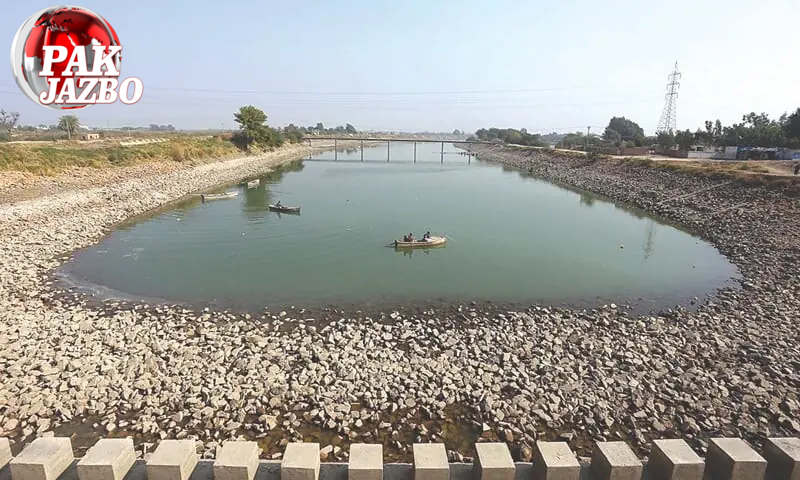
Near Faisalabad, the Ravi River has reached extremely high flood levels. Hundreds of acres of farmland around the riverbanks have been submerged, destroying standing crops.
Authorities reported that 215,000 cusecs of water are currently passing through the Māri Pattan area. More than 1,500 people have been shifted to relief camps, while many more are awaiting evacuation.
Chenab Ravages Central Punjab
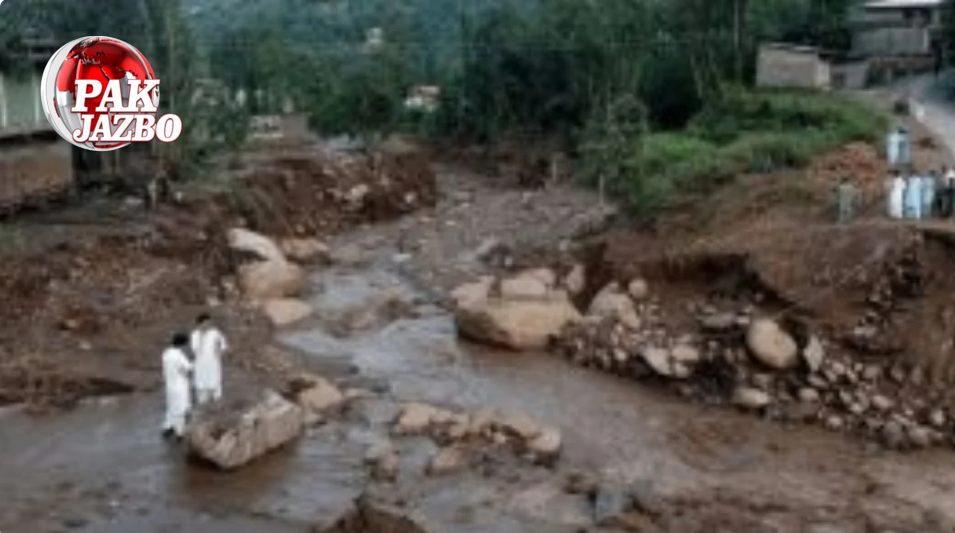
The Chenab River, which already devastated Sialkot, Wazirabad, and Chiniot earlier this week, has now entered Jhang district. Reports confirm that at least 220 villages in Jhang have been submerged, with crops on hundreds of acres completely destroyed. Many connecting roads have vanished under floodwaters, cutting off communities from rescue services.
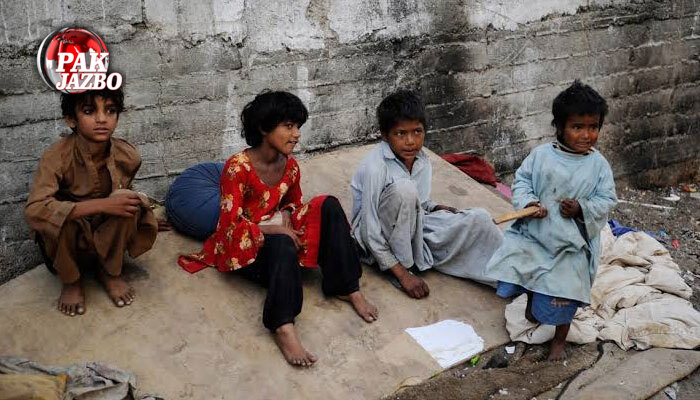
Families displaced in Jhang are sheltering on embankments, roadsides, and railway tracks. Many complain of inadequate government relief, with food, clean drinking water, and shelter in critically short supply.
Flood Situation in Sindh
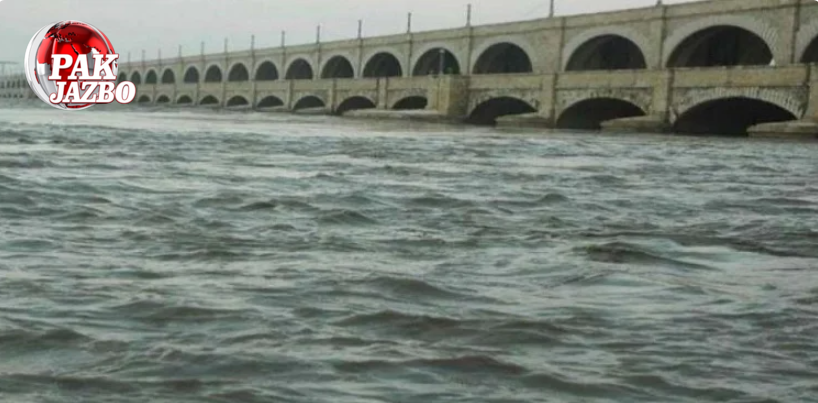
The crisis is not limited to Punjab alone. In Sindh, water levels in the Indus River at Kotri Barrage are rising continuously. On Sunday, inflow at Kotri was recorded at 273,844 cusecs, while outflow was 244,739 cusecs.
Officials warn that if inflows continue to rise, more low-lying villages downstream may be inundated. Flood protection walls and embankments around Kotri are being closely monitored, but authorities admit that increasing pressure could pose serious risks.
Widespread Destruction and Displacement
Across Punjab and Sindh, the floods have triggered one of the most severe humanitarian crises in recent years. Thousands of families are without homes, stranded on higher ground with little to survive on. Crops of rice, cotton, sugarcane, and fodder have been ruined, threatening food supplies and farmer livelihoods.
Roads, bridges, and telecommunications infrastructure have been badly damaged, hampering relief efforts. Many areas remain cut off, with rescue teams relying on boats to evacuate people. Internet and electricity outages have further isolated communities.
Relief Efforts and Challenges
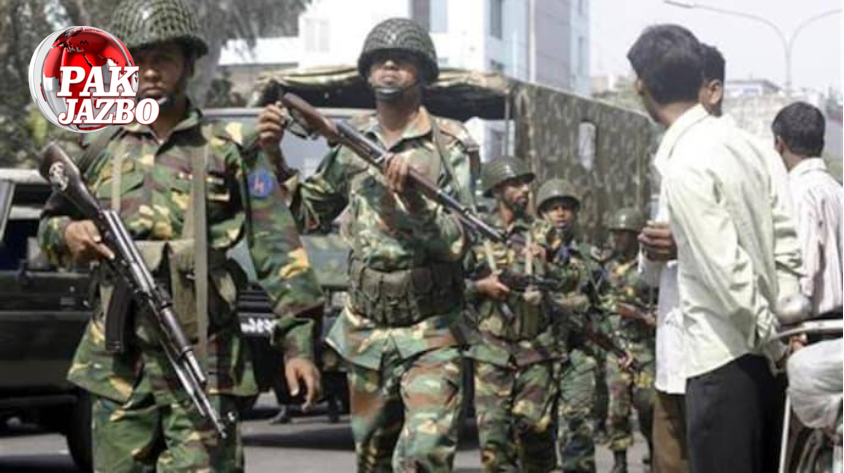
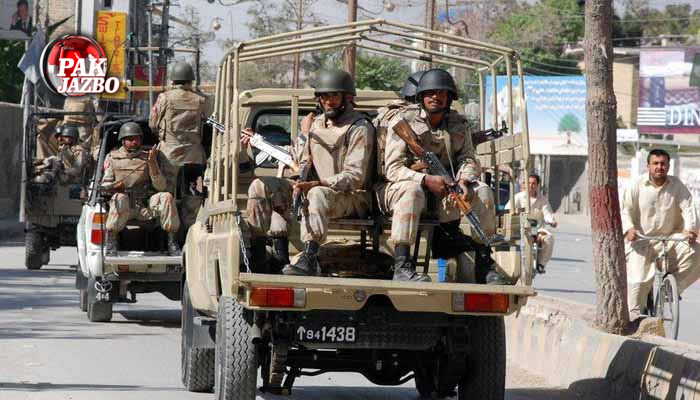
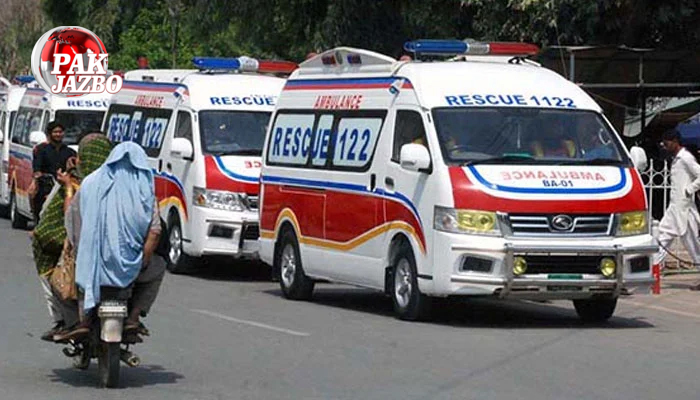
The PDMA, along with Pakistan Army, Rescue 1122, and local administrations, are engaged in round-the-clock relief operations. Boats and helicopters are being used to evacuate stranded populations and deliver essential supplies. Still, the sheer scale of the disaster has overwhelmed available resources.
Civil society organizations and charities have also stepped in, setting up food distribution points and medical camps. However, victims in many areas complain of insufficient aid, delayed response, and lack of coordination.
Looking Ahead: A Continuing Threat
Meteorological forecasts warn of more rains in the upper catchments of the rivers, which could further increase water flows in the coming days. Officials fear that if additional inflows coincide with the current surge, downstream districts such as Multan, Muzaffargarh, and eventually Sindh could face catastrophic flooding.
Experts are calling for long-term solutions, including strengthening embankments, building new reservoirs, and adopting modern flood management systems. Without such measures, Pakistan will remain vulnerable to repeated cycles of destruction with each monsoon season.
For now, Punjab and Sindh remain on high alert as millions battle one of the deadliest floods in recent memory.
What’s your Reaction?
+1
+1
+1
+1
+1
+1