



















































































































































































































































































































































































































Mayor Karachi Criticizes PTI for Lack of Crowd Management, Offers Support if Needed


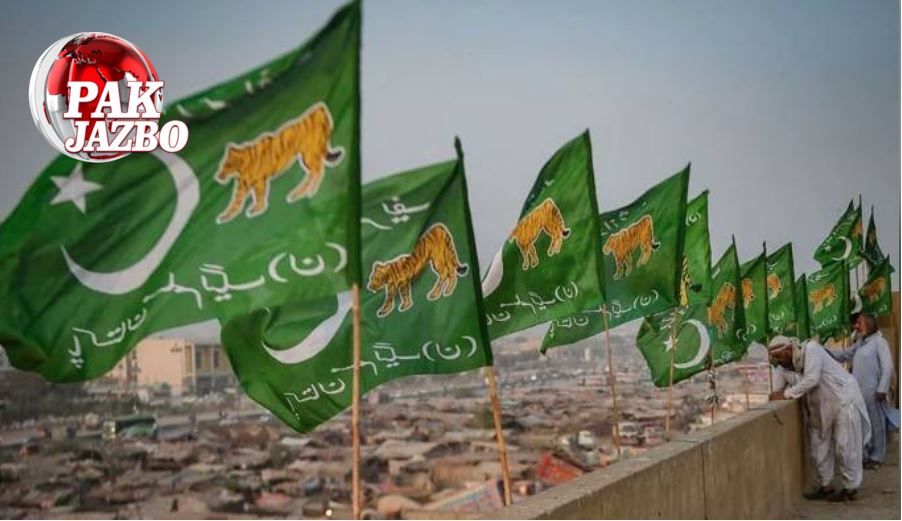
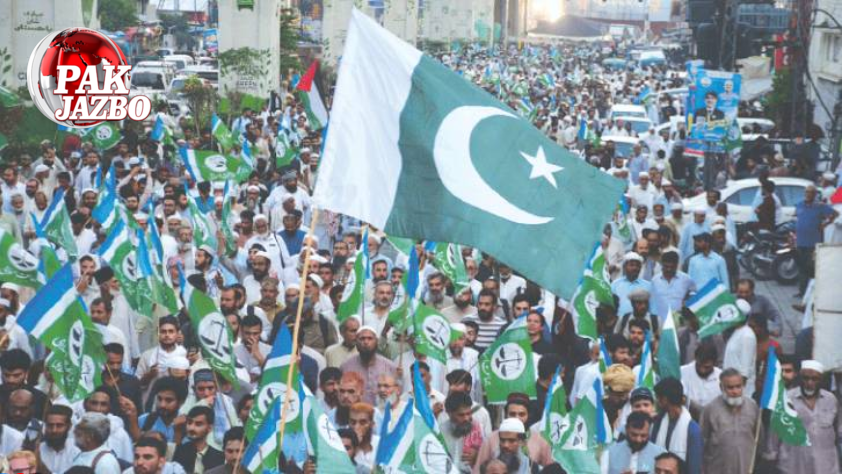
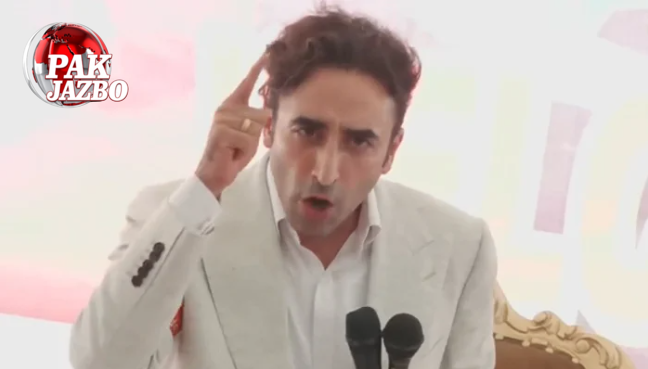
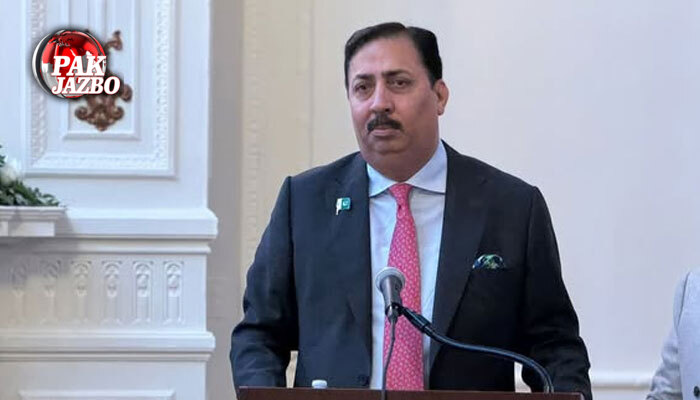
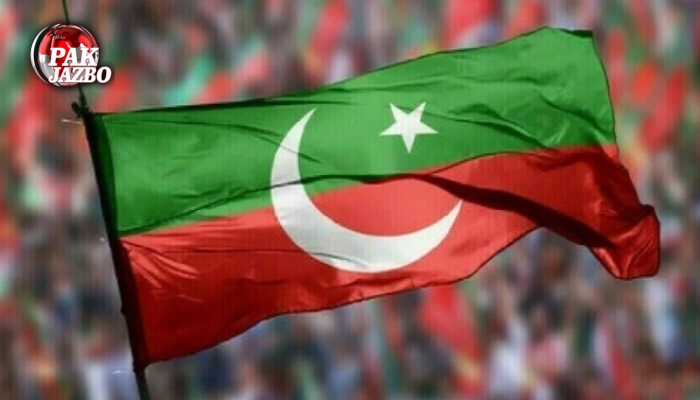
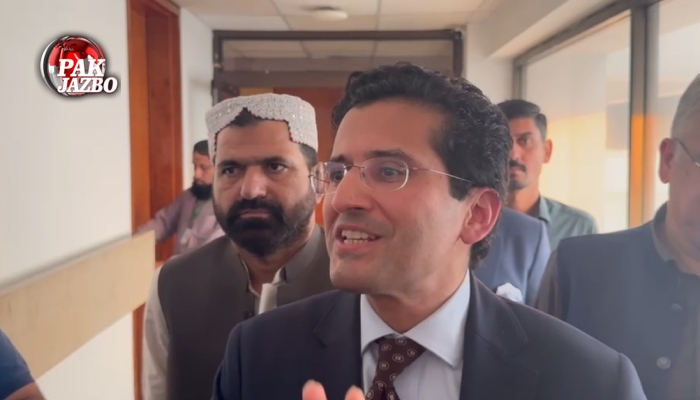
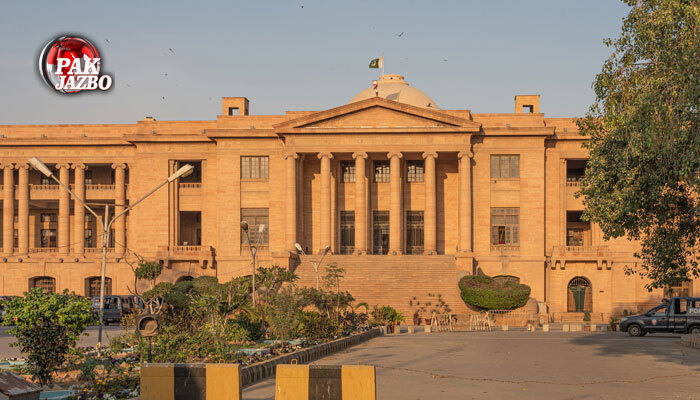
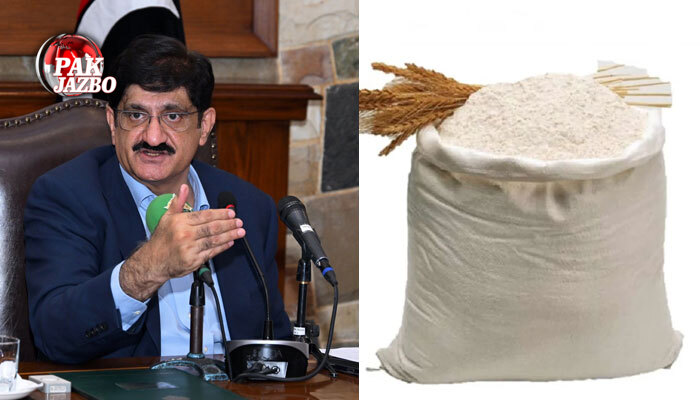
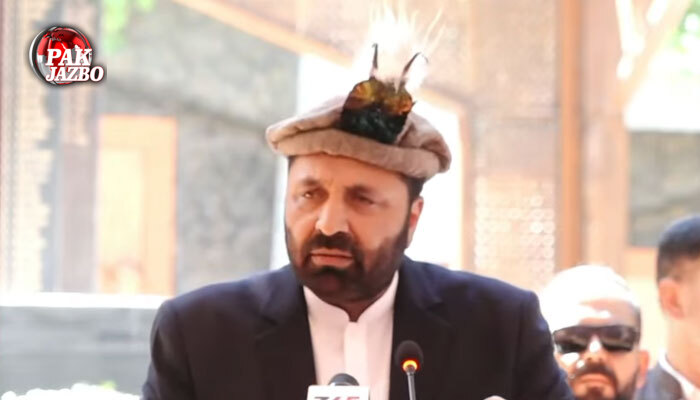
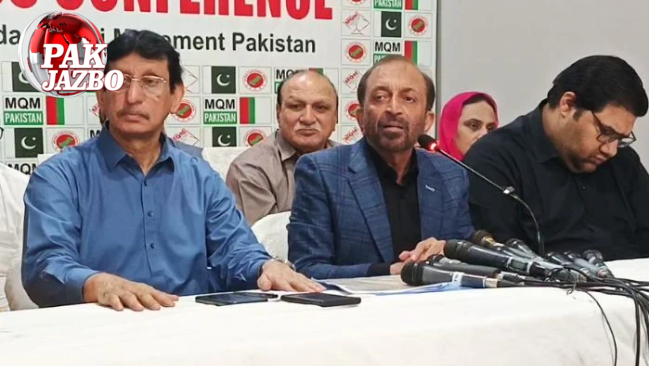
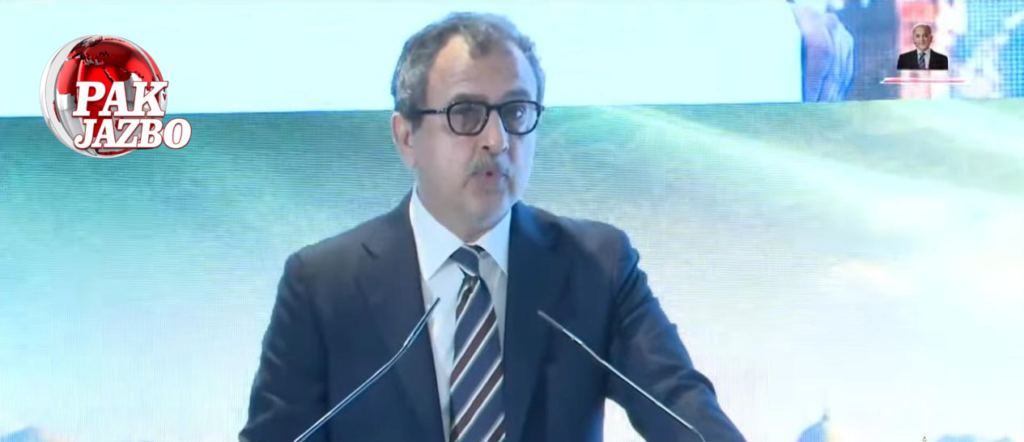
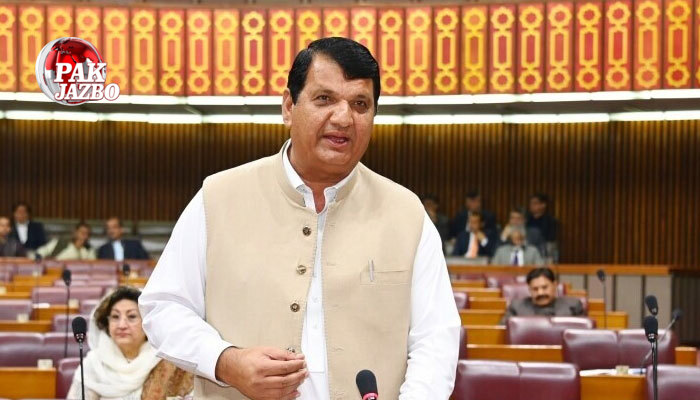
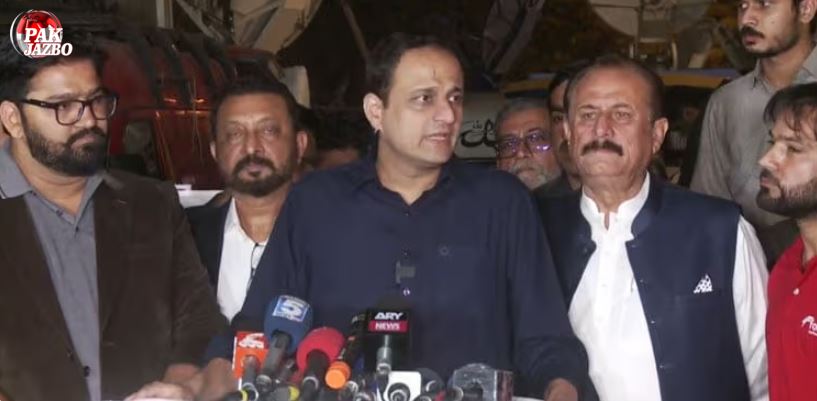
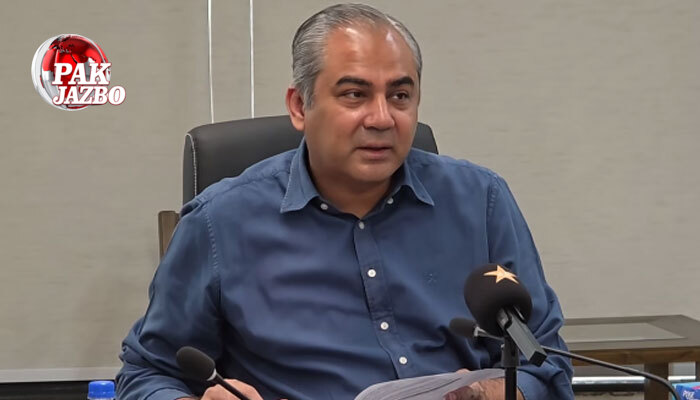
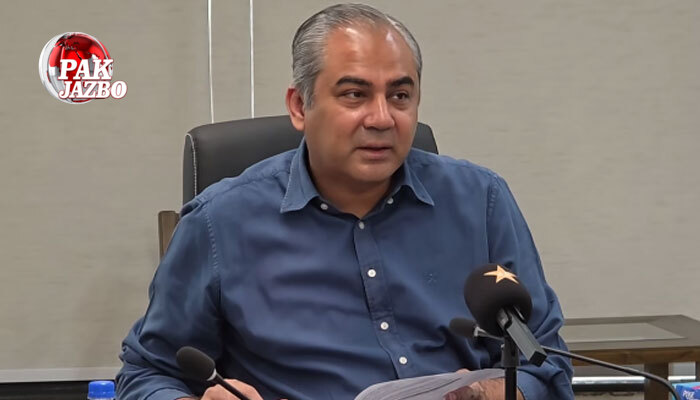
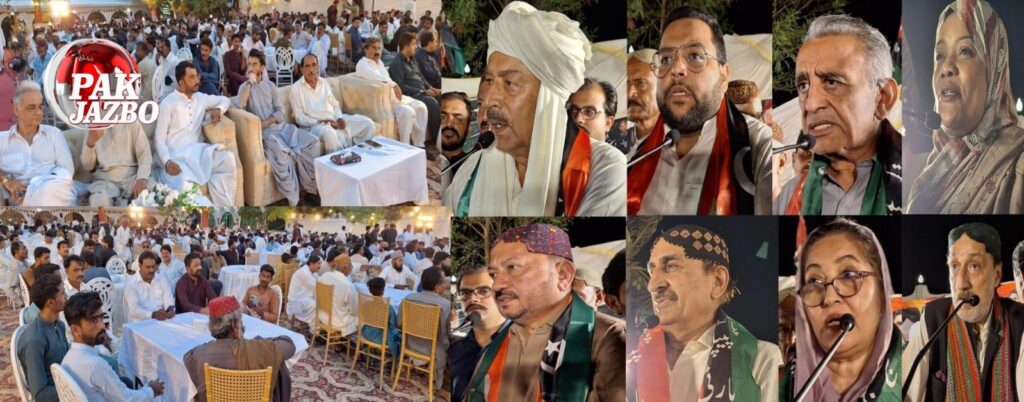
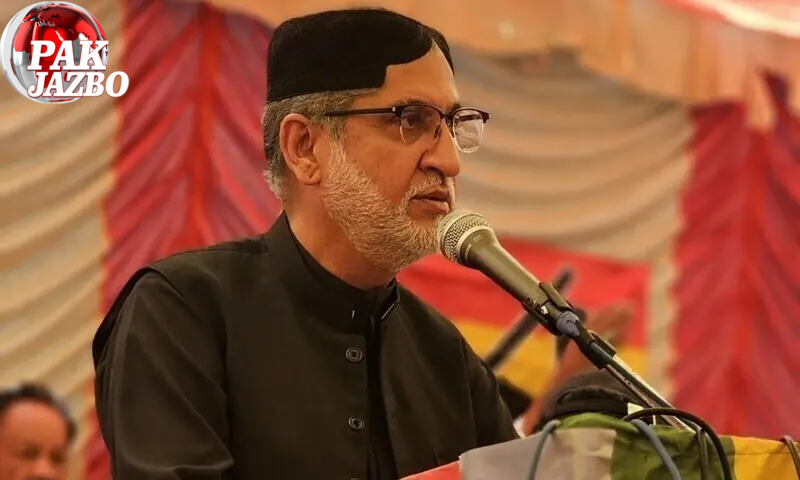
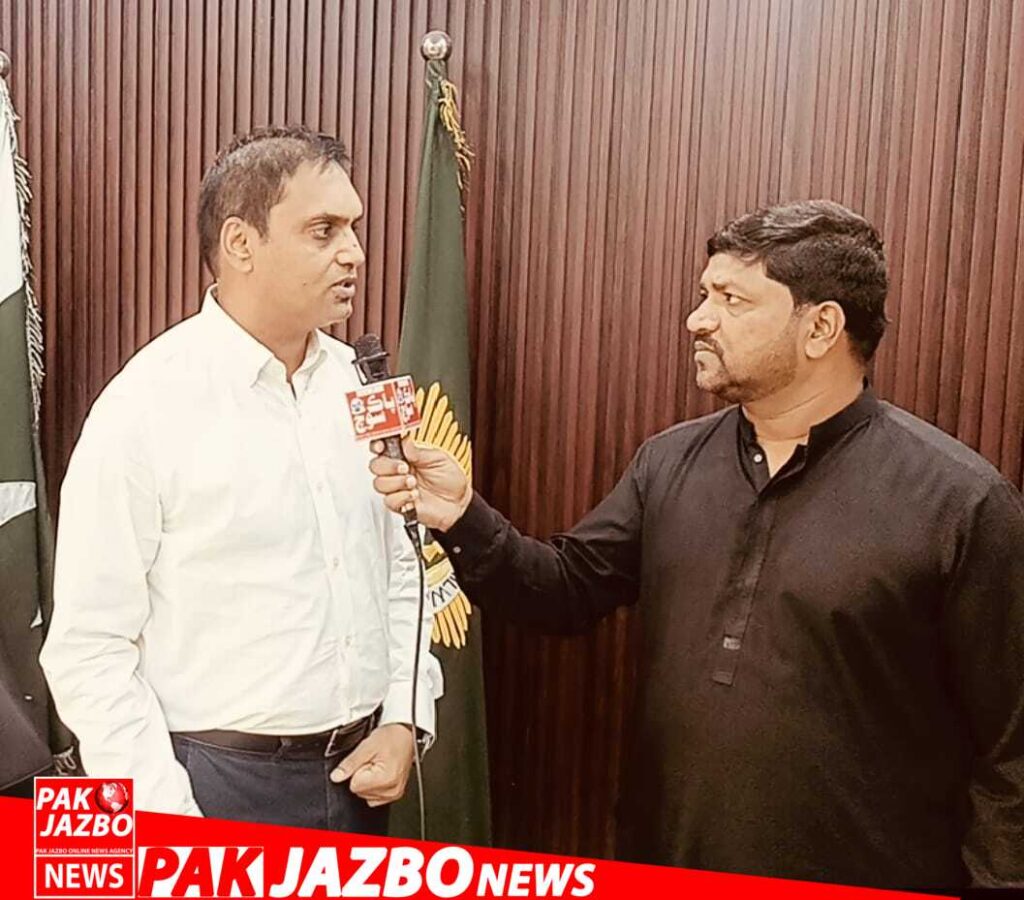
Karachi: Mayor of Karachi, Murtaza Wahab, has responded to the recent Pakistan Tehreek-e-Insaf (PTI) rally in the city, addressing concerns about crowd management at Bagh-e-Jinnah. He noted that the large venue is not easy to fill and expressed willingness to assist PTI if required. “Bagh-e-Jinnah is a large ground, and filling it is not an easy task,” Wahab said. He added, “If PTI did not have enough people to fill the ground, they could have informed us, and we would have provided assistance.”
Wahab’s comments come amid heightened political activity in Karachi, where PTI has been organizing rallies and public gatherings to engage its supporters. The mayor’s remarks specifically referred to the presence of PTI workers and the logistical challenges of holding large events in the city. By extending a conditional offer of support, Wahab indirectly highlighted the difficulties political parties face in mobilizing crowds without proper coordination.
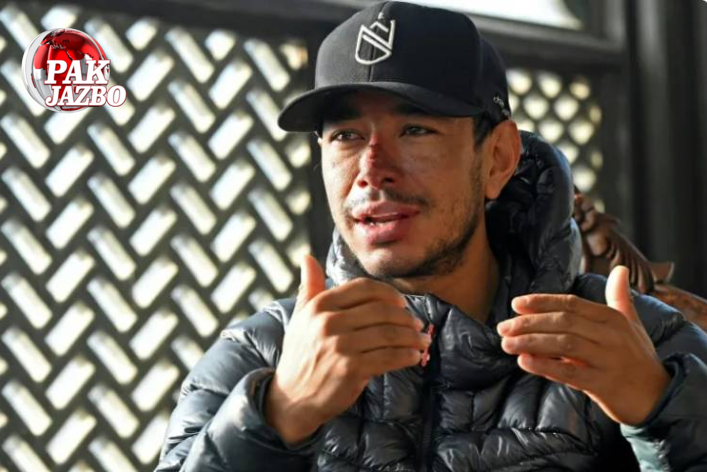
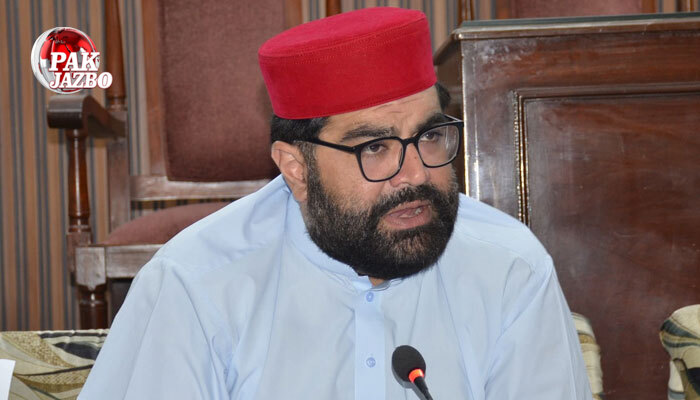
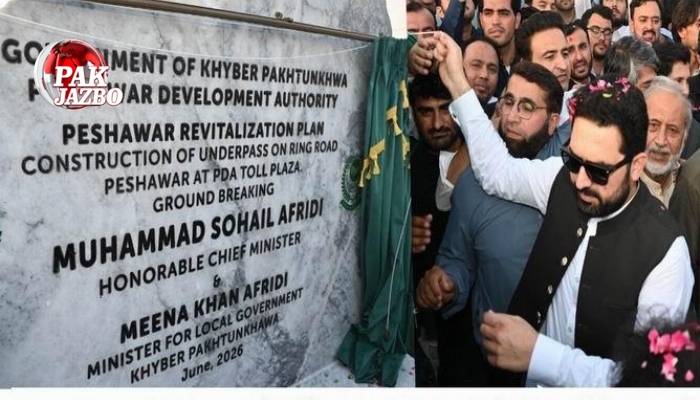
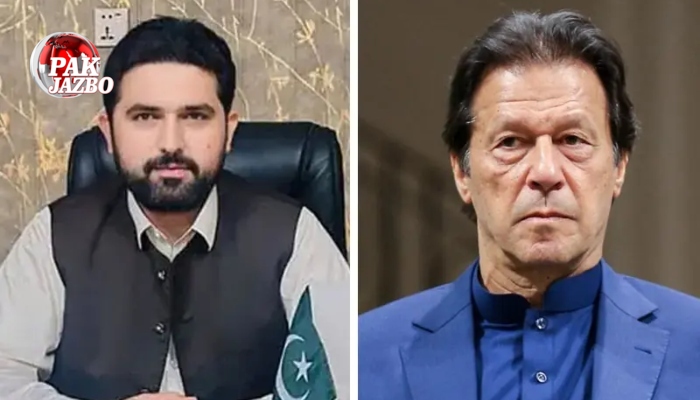
He also commented on the recent visit of Khyber Pakhtunkhwa Chief Minister, Sohail Afridi, to Karachi for a PTI gathering. Wahab suggested that rather than focusing on their responsibilities within their own province, Afridi and other leaders are more interested in creating disruptions in other regions. “Instead of working in their own province, the Chief Minister Sohail Afridi wants to disrupt other provinces,” Wahab remarked, emphasizing that local governance and attention to provincial issues should remain a priority.
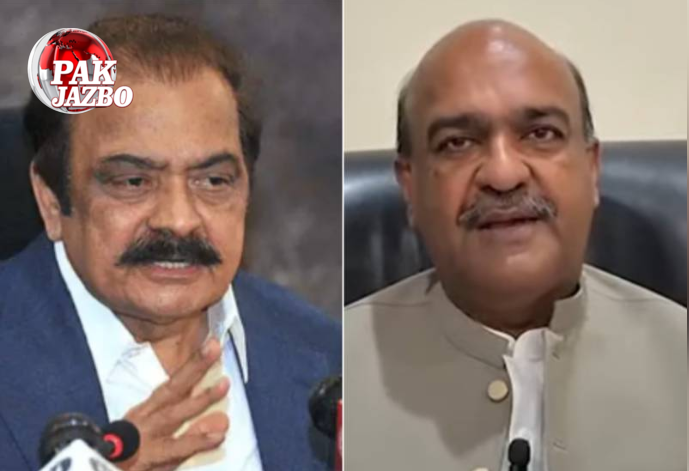
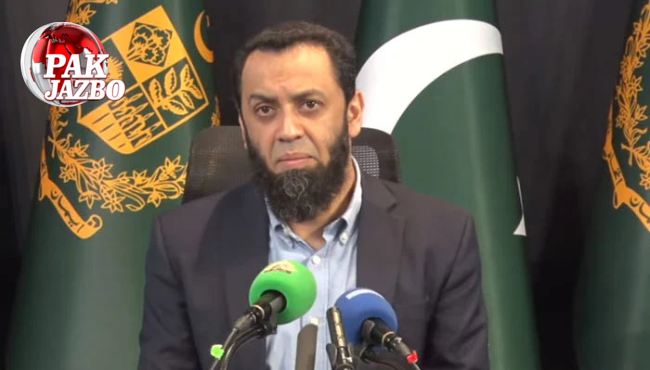
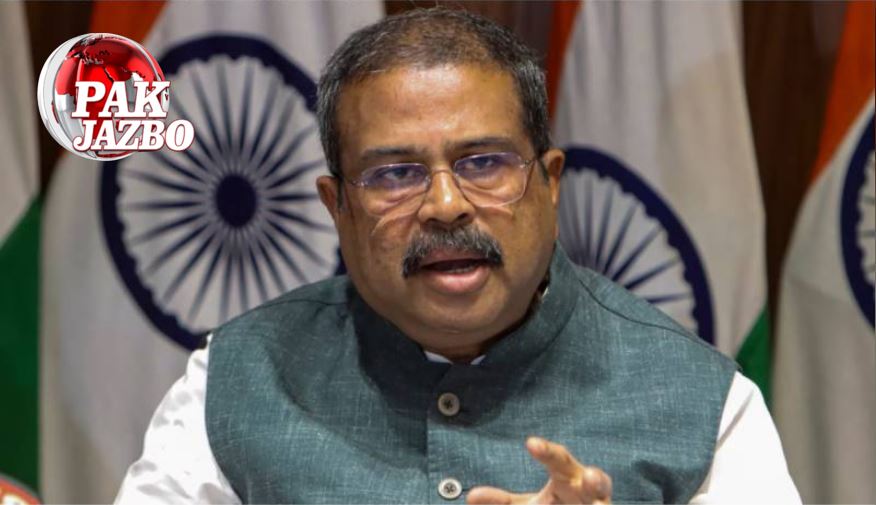
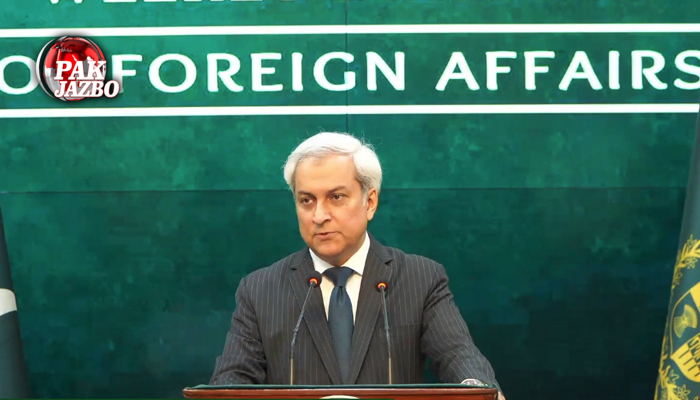
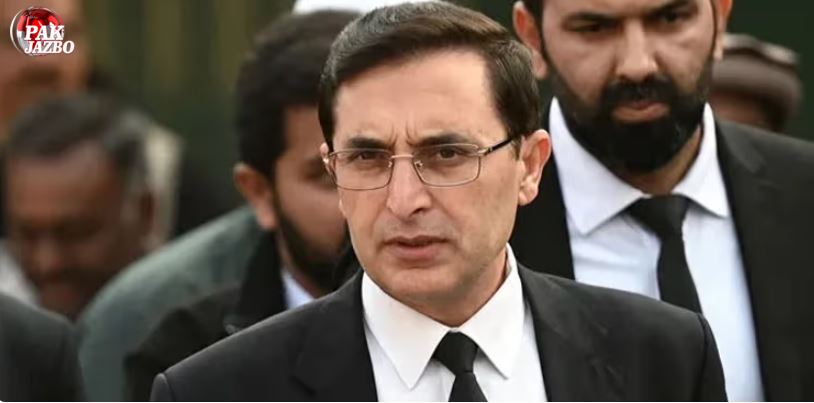
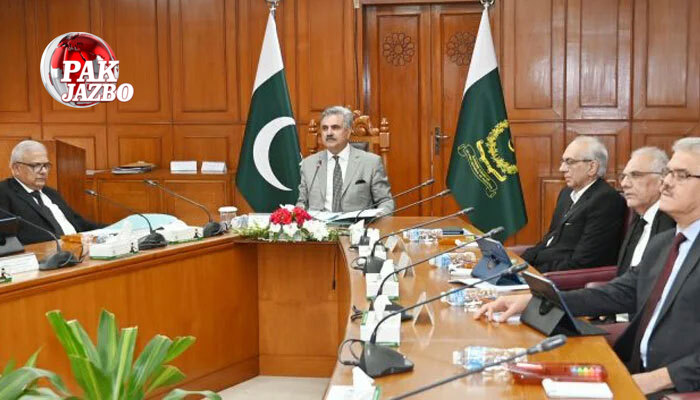
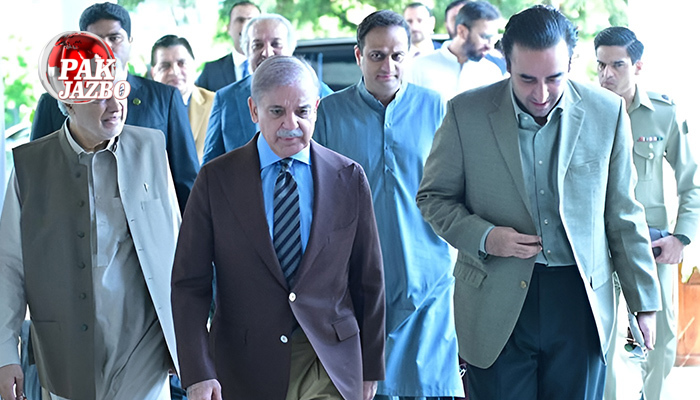
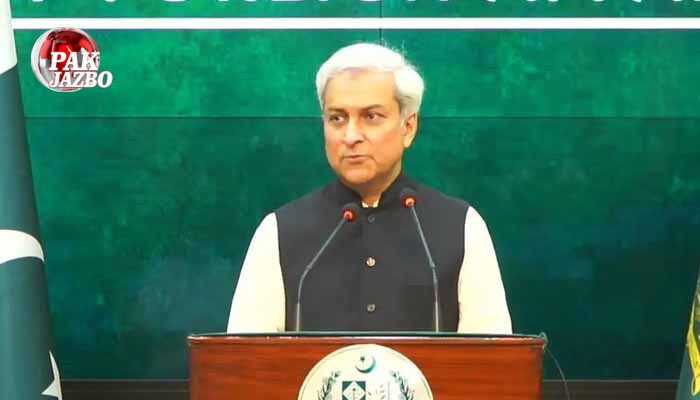
In a related statement, Federal Minister Bilal Azhar Kiyani offered a nuanced view, distinguishing between peaceful protests and PTI’s political activities. He stated, “A peaceful protest and PTI are two different things,” implying that while demonstrations are a legitimate form of expression, PTI’s rallies have a political objective that may involve challenges to public order.
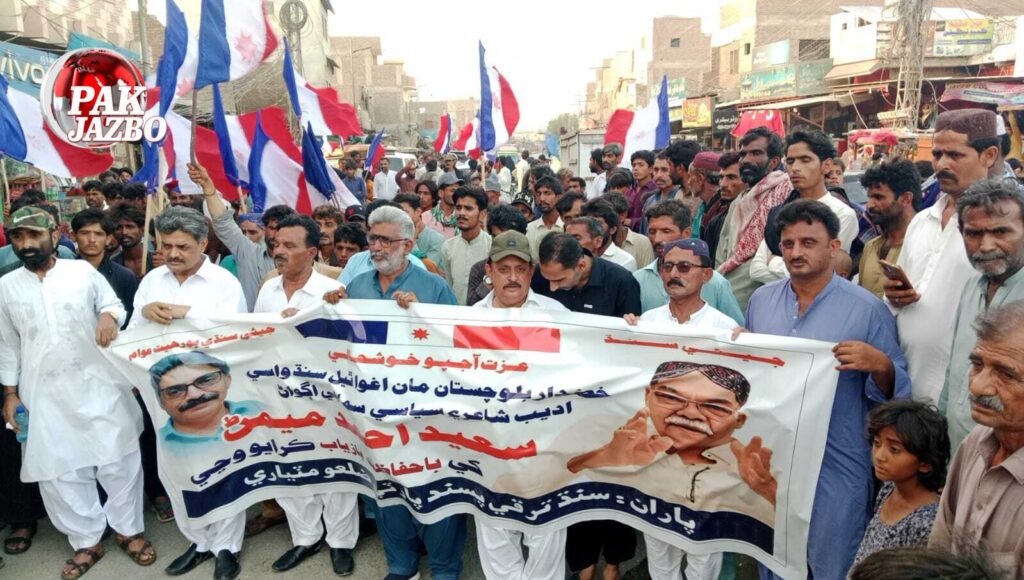
PTI’s recent activities in Karachi have generated mixed reactions from various political quarters. The Sindh government, for instance, has faced criticism from PTI supporters for reportedly creating obstacles and failing to ensure smooth operations during rallies. Some PTI leaders also raised concerns about perceived disrespect toward Sindhi cultural symbols, including the traditional Sindhi cap and Ajrak, claiming that these were disrespected during political events.
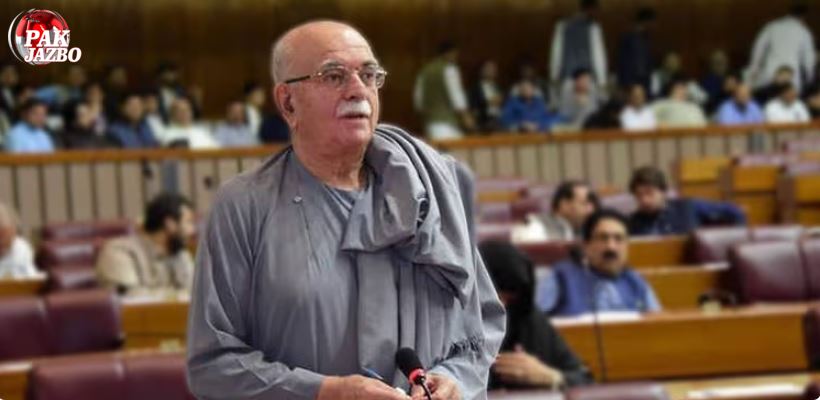
Separately, Karachi-based political figures have raised questions about the seeming contradictions in provincial-level support for PTI. Nasser Shah, a prominent politician, pointed out, “If there was pressure on us, why would Saeed Ghani welcome Sohail Afridi?” Shah’s comments suggest that political gestures often carry multiple interpretations, including public diplomacy and behind-the-scenes negotiations between parties.
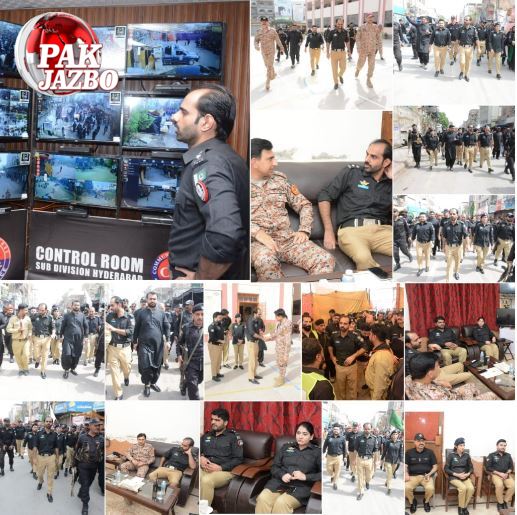
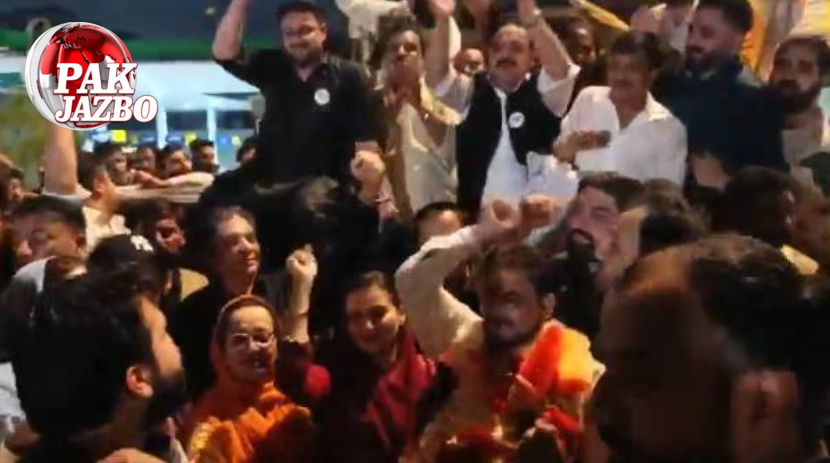
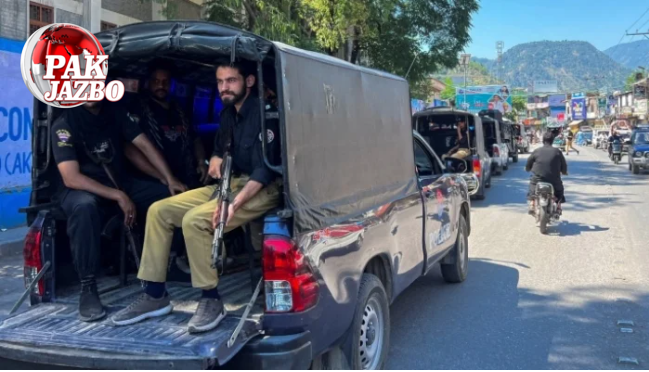
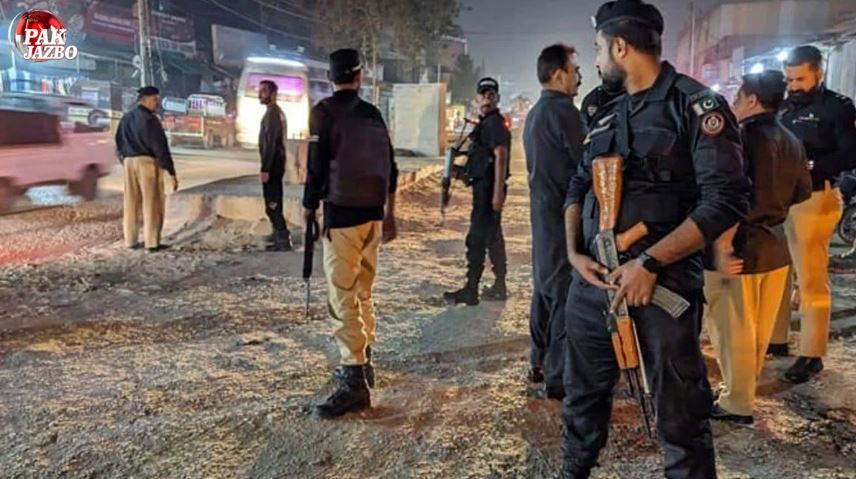
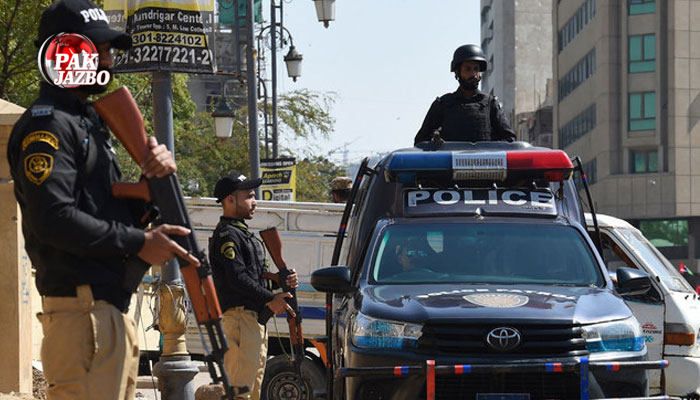
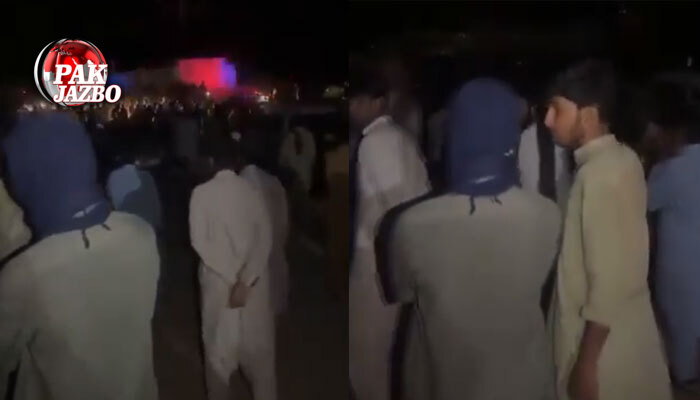
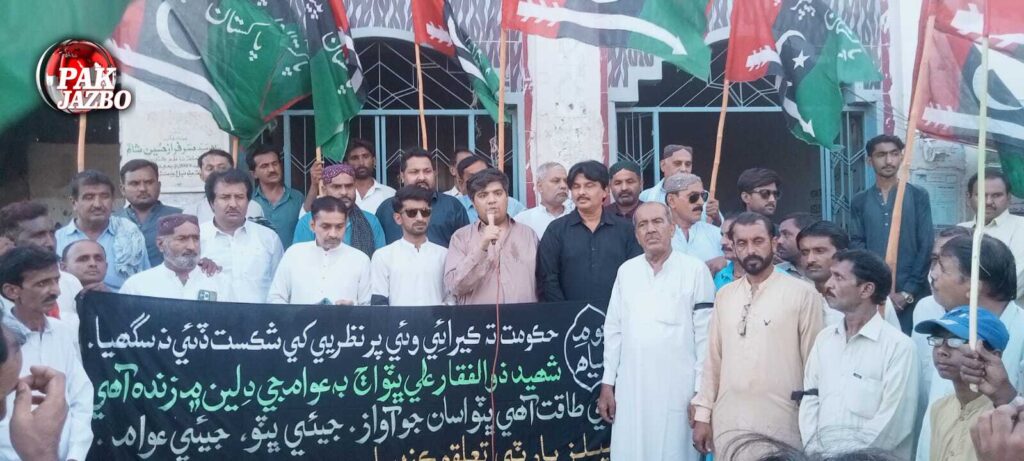
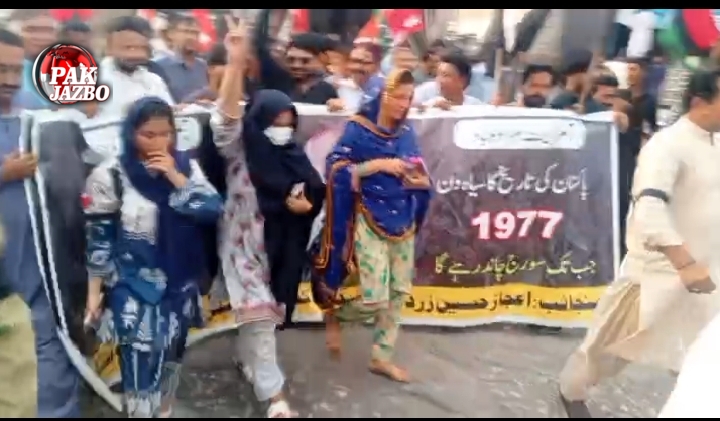
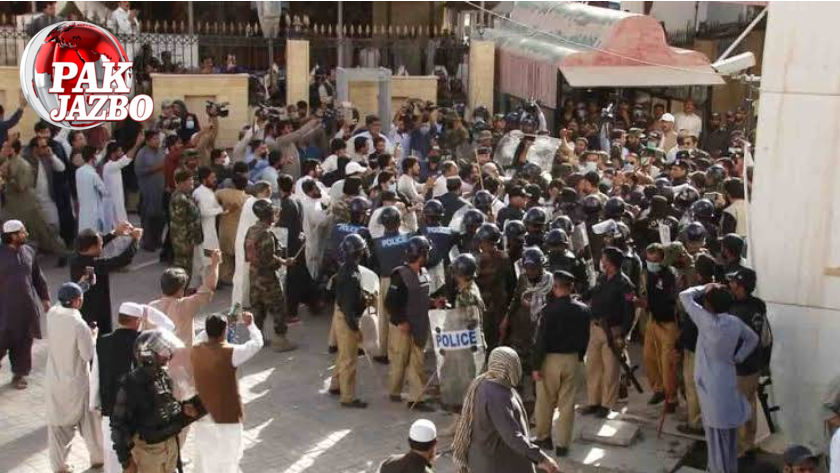
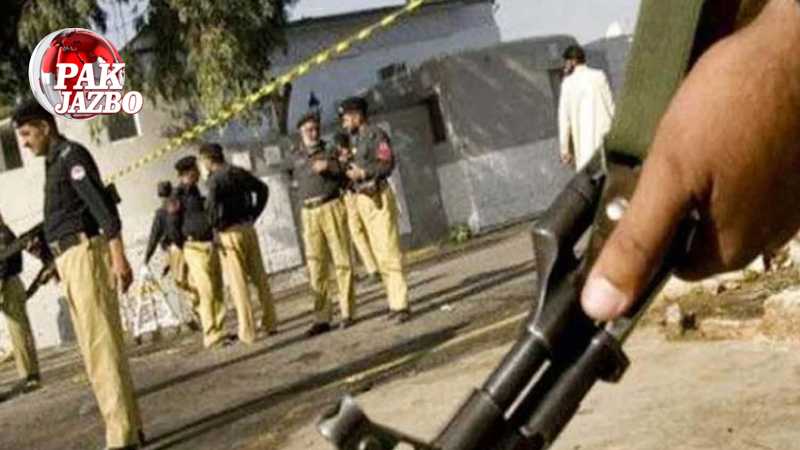
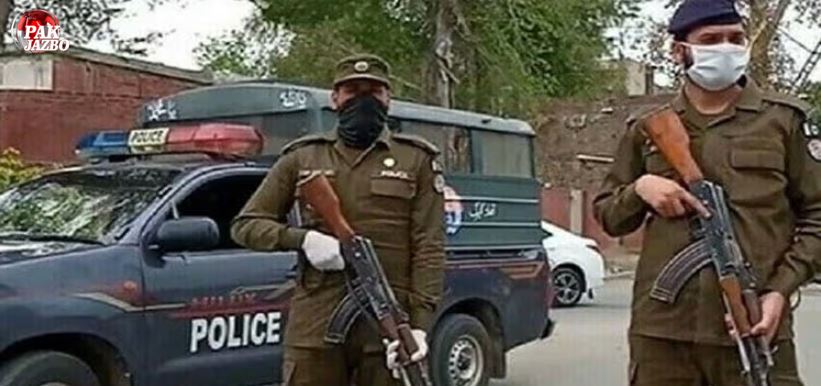
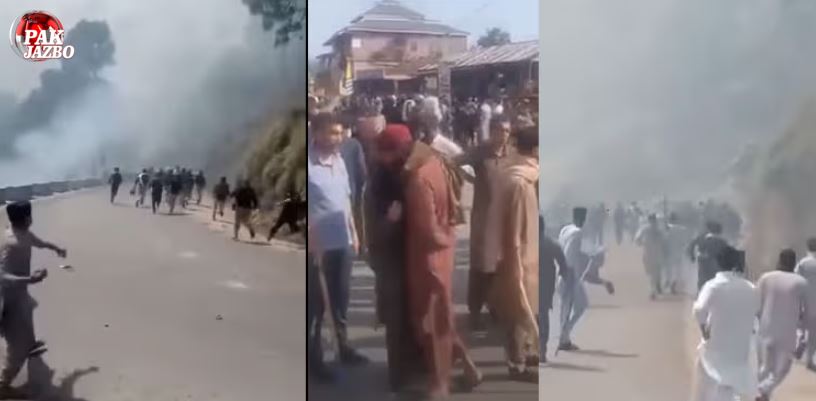
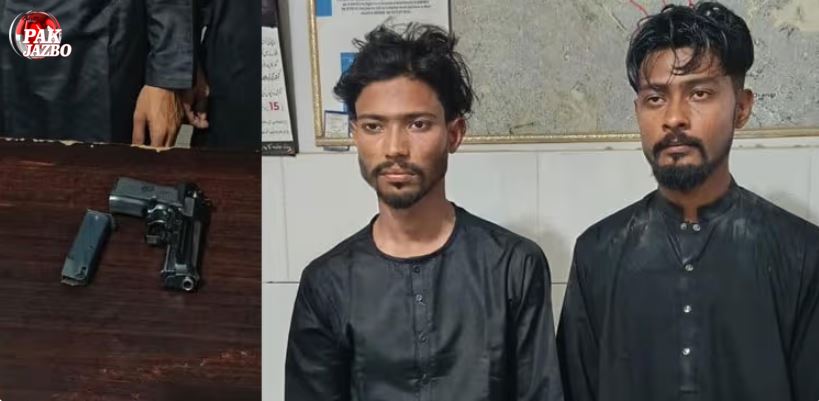
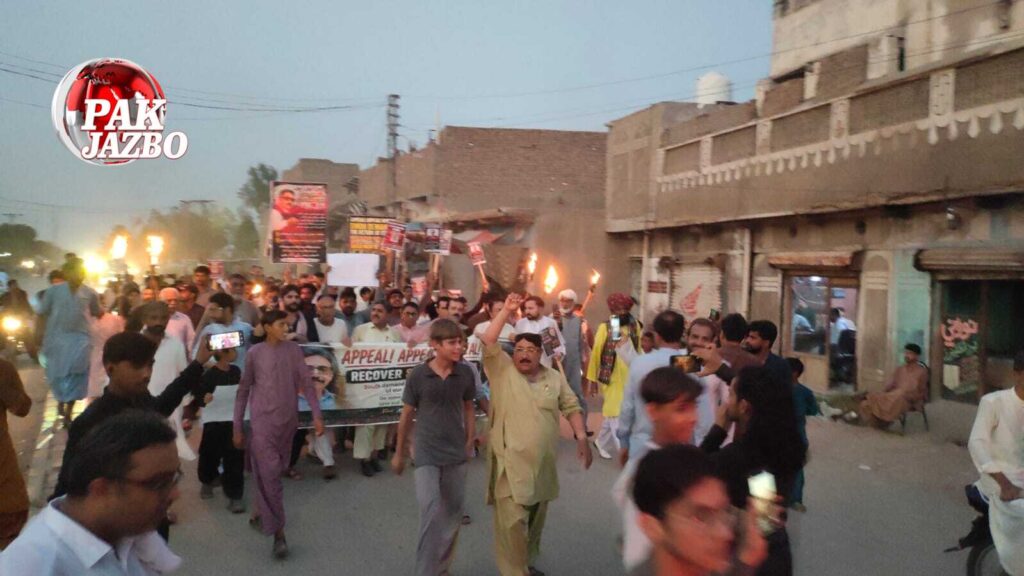
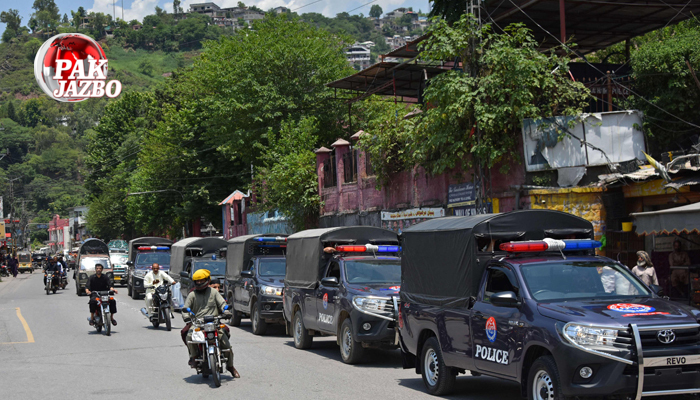
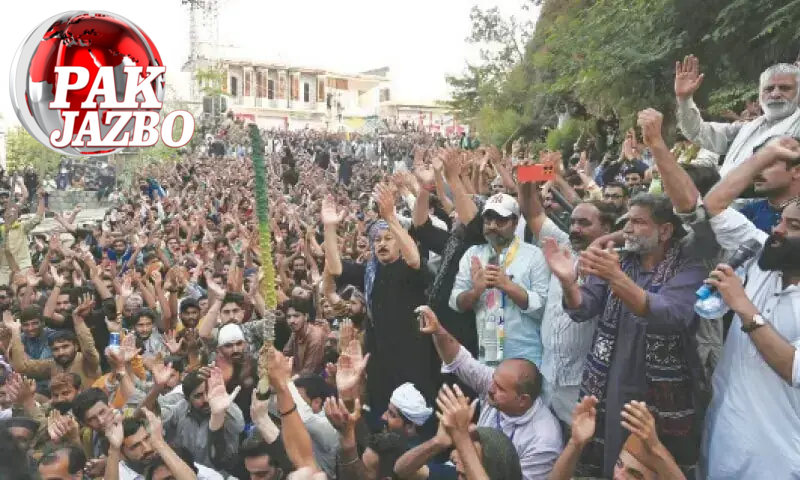
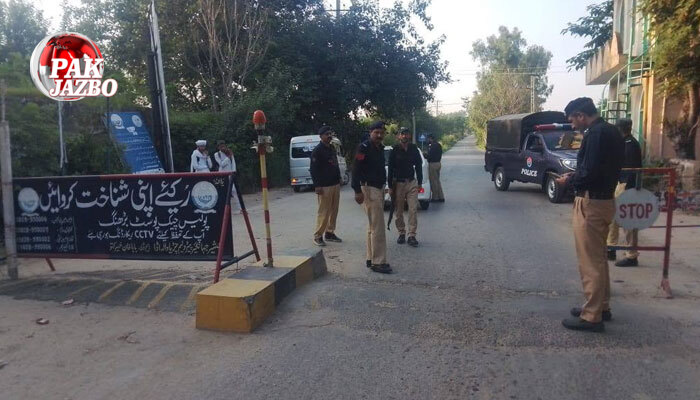
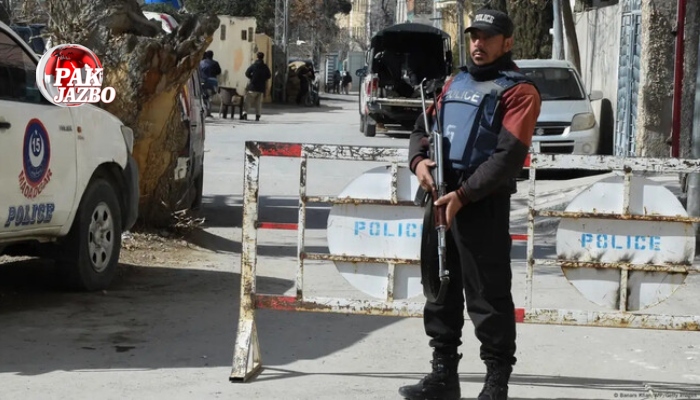
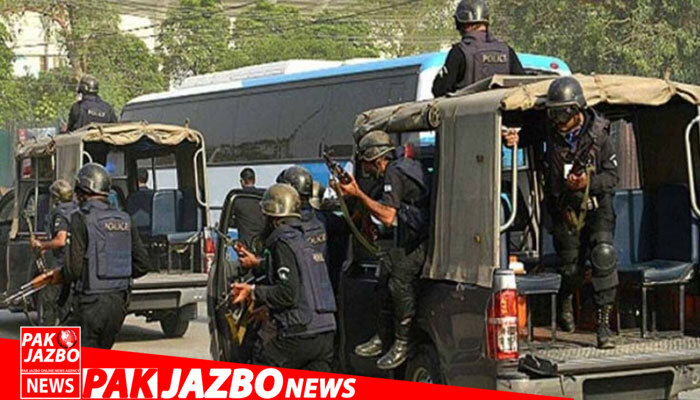
The PTI rally at Bagh-e-Jinnah also witnessed incidents of tension between party workers and law enforcement. Reports from Karachi indicate that PTI supporters threw stones at police, prompting authorities to detain several participants. These clashes underscore the challenges faced by local authorities in managing large political gatherings while maintaining law and order.
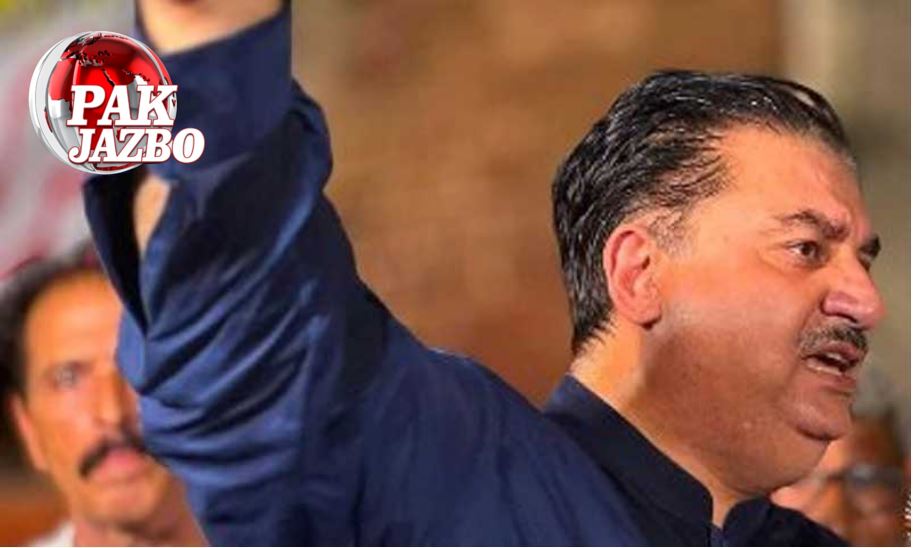
Sohail Afridi, during his address at Namayish Chowrangi, highlighted what he called instances of “police brutality” across multiple locations. Despite these challenges, Afridi claimed that PTI supporters managed to gather in significant numbers, demonstrating their determination and resilience. He criticized both Punjab and Sindh provincial governments for failing to treat PTI fairly, suggesting that these obstacles only strengthen the party’s resolve to reach out to citizens in different parts of the country.
Afridi further emphasized that PTI’s future strategy involves using street movements to spread the party’s message nationwide, echoing the vision of the party’s founder. “After experiencing unfair treatment in Punjab and Sindh, we will move to Khyber Pakhtunkhwa and organize street-level campaigns to convey the message of PTI’s founder across the country,” Afridi stated. This approach reflects PTI’s broader plan to mobilize public support and assert its political presence through grassroots engagement.
Political analysts note that rallies like those in Karachi are critical for PTI’s image, particularly as the party seeks to consolidate its voter base ahead of upcoming elections. These events allow PTI leaders to directly interact with citizens, demonstrate their organizational capacity, and project political influence. At the same time, such gatherings often create logistical and security challenges, making collaboration with local authorities essential.
Mayor Wahab’s offer of support, therefore, can be seen as both a practical gesture and a political statement. By extending assistance, he acknowledges the difficulties involved in organizing large-scale public events while subtly questioning PTI’s ability to independently manage crowds. Meanwhile, PTI’s insistence on continuing rallies despite resistance from authorities highlights the party’s determination to maintain its visibility and mobilize supporters across provincial boundaries.
In conclusion, the political dynamics in Karachi reflect a complex interplay of party strategies, administrative challenges, and public engagement. While PTI continues its efforts to expand its reach through rallies and street campaigns, local authorities like Mayor Murtaza Wahab remain cautious, balancing offers of support with critiques of political overreach. The outcome of these interactions will likely influence both the city’s political climate and the broader national discourse as parties prepare for future elections.
What’s your Reaction?
+1
+1
+1
+1
+1
+1

