























































































































































































































































































































































































































































































Indian Captain Surya Kumar Yadav Faces Backlash for Shaking Hands with ACC President Mohsin Naqvi


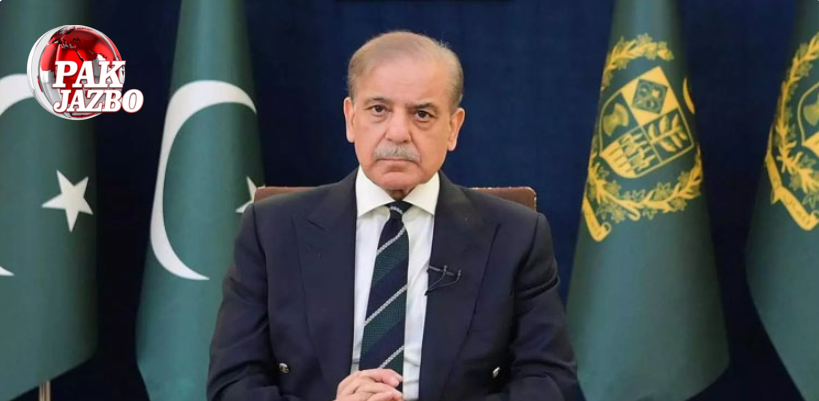
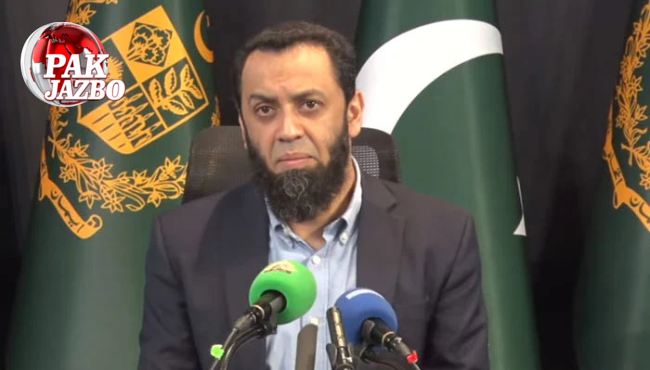
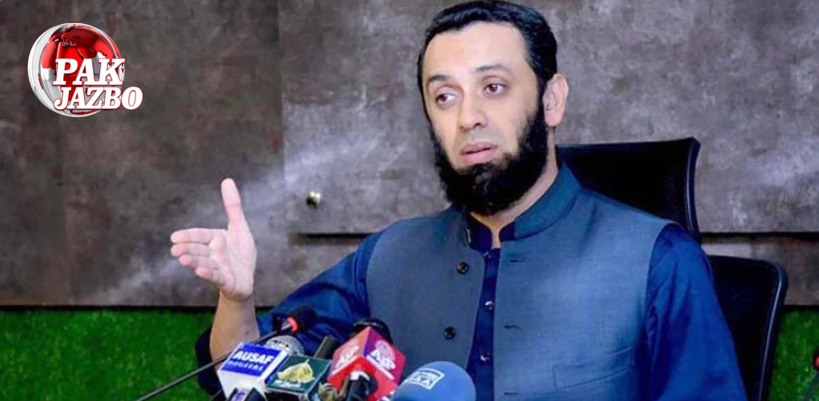
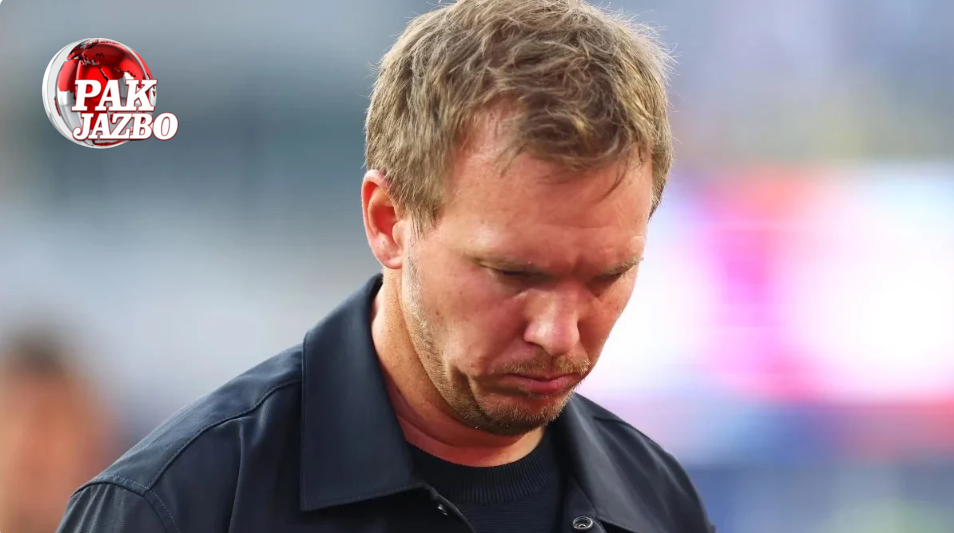
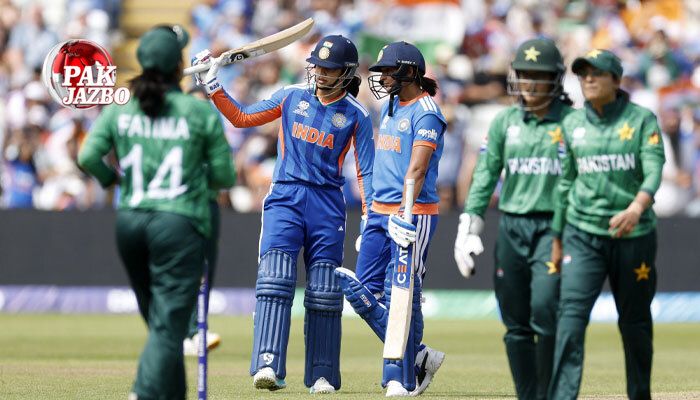
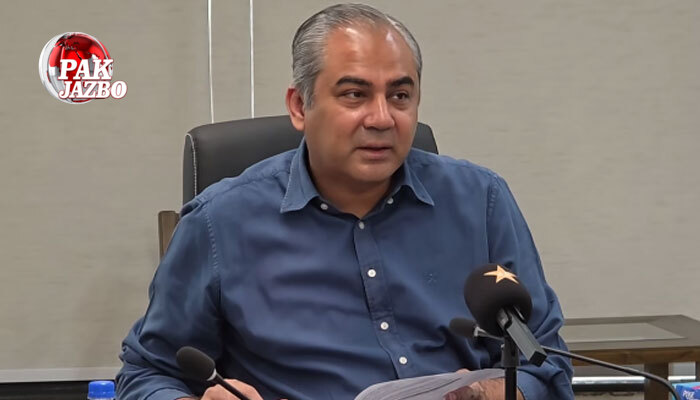
Indian cricket captain Surya Kumar Yadav has found himself at the center of a heated controversy after shaking hands with Mohsin Naqvi, the President of the Asian Cricket Council (ACC), during the unveiling ceremony of the Asia Cup trophy. The gesture, which in many sporting and diplomatic contexts would be considered standard etiquette, has sparked significant criticism and backlash within Indian media and social media circles.
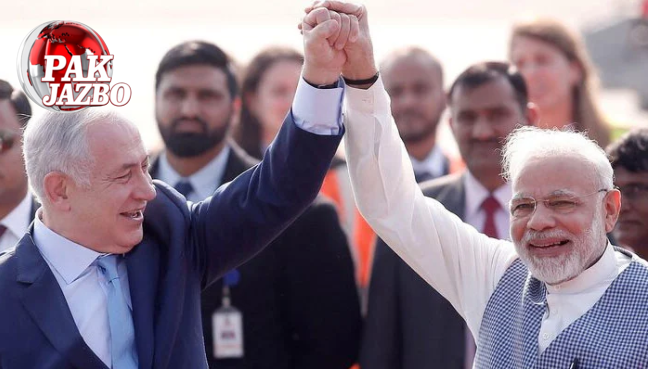
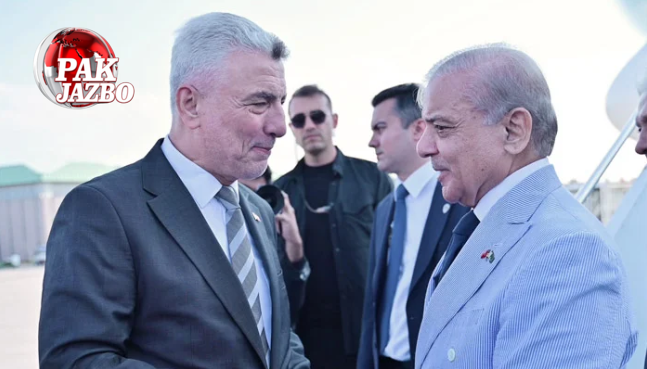
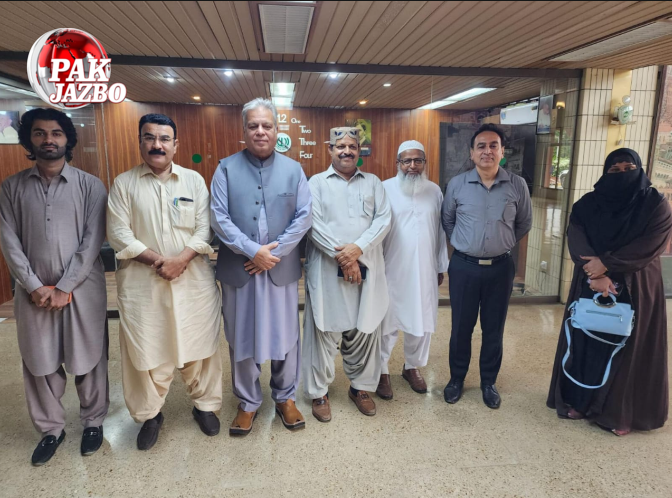
The incident occurred during the official event for the Asia Cup, where representatives from various cricketing nations gathered to celebrate the tournament and its trophy. Surya Kumar Yadav, as the captain of the Indian national team, approached Mohsin Naqvi, the Pakistani official and ACC president, and extended his hand in a customary handshake. While intended as a polite and professional gesture, this act quickly became a subject of intense scrutiny and debate.
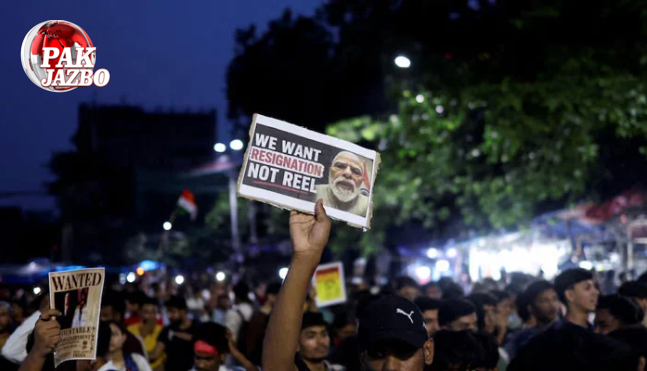
Indian media outlets immediately highlighted the handshake, framing it as controversial due to the longstanding political tensions between India and Pakistan. Headlines across several leading newspapers and news portals emphasized the meeting, often portraying it as a diplomatic faux pas rather than a simple sporting gesture. The coverage has portrayed Yadav’s action as unexpected and has questioned the appropriateness of interacting with a Pakistani official in such a public setting.
On social media, reactions were equally intense. Many users criticized the Indian captain for his handshake, describing it as a lapse in judgment and a breach of national pride. The backlash was not limited to cricket fans but extended to broader audiences, reflecting the sensitive nature of India-Pakistan relations. Some social media users described the act as an “extreme act of shamelessness” and questioned why the Indian captain would engage in such a gesture with Pakistan’s ACC president.
The criticism has also prompted discussions about the role of sportsmanship versus national sentiment. While cricket is often seen as a unifying force that transcends political boundaries, this incident has highlighted the fine line athletes must navigate when representing their countries in high-profile international events. Analysts and commentators have debated whether the backlash against Yadav is justified or an overreaction fueled by existing political tensions.
Interestingly, the response has been polarized. While a significant portion of the media and social media audience has condemned Yadav, others have defended him, emphasizing that sports should remain separate from political disputes. Supporters argue that the handshake was a gesture of professionalism and mutual respect, consistent with international norms in sports diplomacy. They suggest that such acts can promote goodwill and foster a spirit of collaboration among cricketing nations, despite broader political disagreements.
The controversy has also sparked a wider debate about the responsibilities of athletes as national representatives. In countries with heightened political sensitivities, actions that may seem routine in other contexts can be interpreted as symbolic gestures with significant political implications. In this case, Yadav’s handshake was construed by critics as an implicit acknowledgment or acceptance of Pakistani authority in an international forum, which has fueled the debate further.
Cricket analysts have pointed out that similar incidents have occurred in the past, where players from India and Pakistan have exchanged pleasantries during international tournaments, often without generating comparable levels of backlash. They argue that the intense criticism this time might be linked to Yadav’s visibility as the Indian captain and the highly publicized nature of the Asia Cup trophy unveiling ceremony. The media amplification of the event has magnified the controversy, making it a major talking point among sports fans and political commentators alike.
Furthermore, the incident underscores the complex interplay between sports, politics, and public perception. In South Asia, cricket is more than just a game; it is intertwined with national identity and pride. Therefore, even minor gestures during international cricket events can become highly scrutinized. Yadav’s handshake with Mohsin Naqvi illustrates how sports figures are often expected to navigate carefully between demonstrating professional courtesy and respecting national sentiments.
Despite the backlash, it remains to be seen whether any formal action will be taken against Yadav or if this will remain a matter of public debate and social media commentary. The Indian Cricket Board has not issued any statement regarding the incident, suggesting that it may view the gesture as a routine part of international protocol. However, the intensity of criticism in Indian media indicates that public sentiment may pressure officials or players to be more cautious in future interactions with counterparts from Pakistan.
This episode also raises broader questions about the role of athletes as informal ambassadors of their nations. While their primary responsibility is to perform on the field, they are also often expected to embody national values and sensitivities off the field. Actions such as handshakes, exchanges, and interactions with foreign officials can be interpreted symbolically, carrying meanings beyond mere politeness. In Yadav’s case, a simple handshake became a focal point for debates about national loyalty, diplomacy, and the influence of media narratives.
In conclusion, the incident involving Indian cricket captain Surya Kumar Yadav shaking hands with ACC President Mohsin Naqvi has ignited a complex debate that goes beyond sports. It reflects the intersection of cricket, politics, and national identity in South Asia, highlighting how gestures perceived as ordinary in one context can be controversial in another. While Yadav’s intent appears to have been professional and courteous, the backlash demonstrates the intense scrutiny athletes face in politically sensitive environments. The situation underscores the challenges faced by sports figures who must balance international etiquette with domestic expectations, and it will likely continue to be discussed as a notable moment in the ongoing discourse on sports diplomacy between India and Pakistan.
What’s your Reaction?
+1
+1
+1
+1
+1
+1