









































































































































































































































































































































































































































































































































































































































































































































































































































































































































































































































































































































































































































Russia Chooses Ballistic Missiles Over Negotiation Tables: Ukrainian President Zelensky


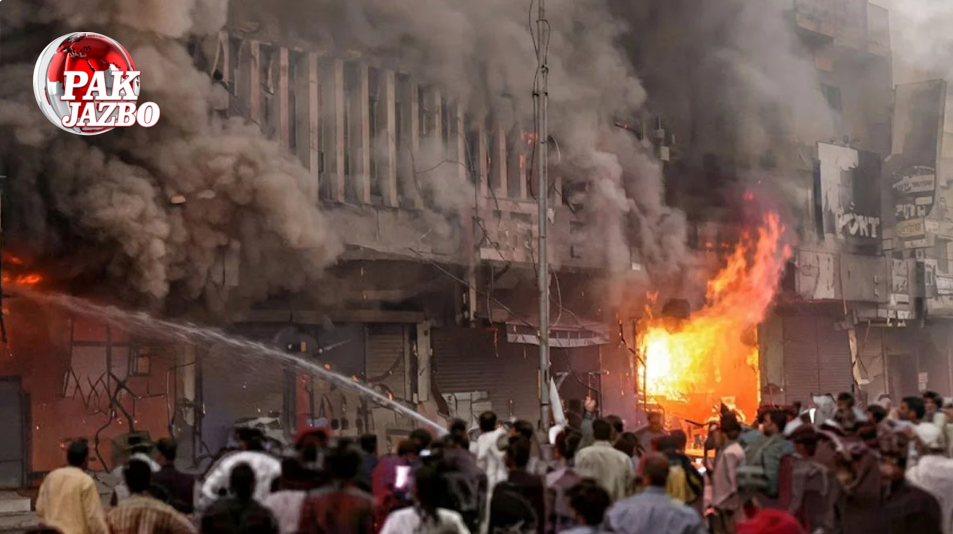
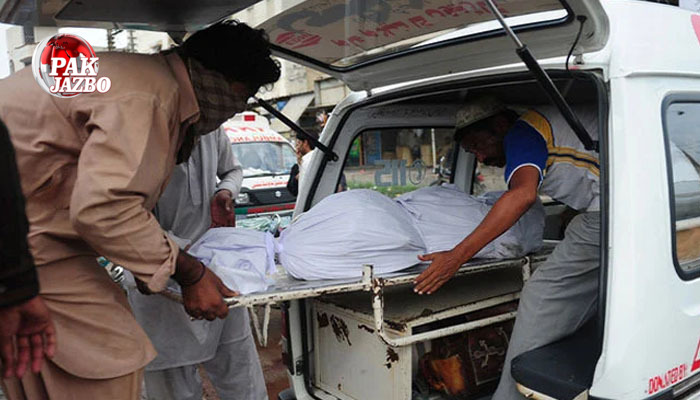
Ukrainian President Volodymyr Zelensky has once again launched a sharp critique of Moscow’s war strategy, accusing Russia of rejecting diplomacy and instead relying on force and destruction. His remarks came in the wake of a deadly overnight assault on Ukraine’s capital, Kyiv, which killed at least eight people and left many others injured.
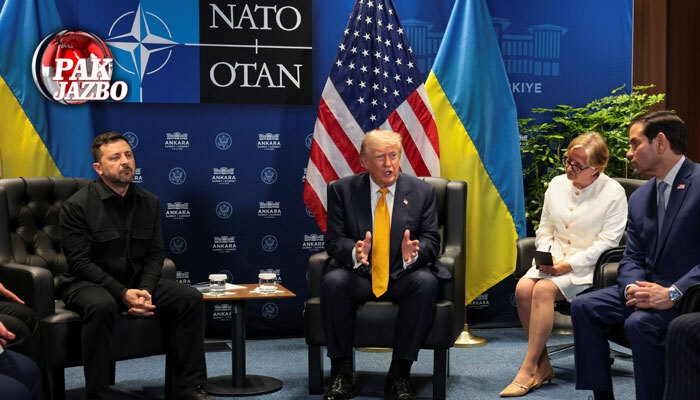
According to international news agencies, Zelensky stated that the latest Russian missile strikes are further evidence that the Kremlin has no genuine interest in peace talks or diplomatic negotiations. Instead, he argued, Russia continues to demonstrate that it prefers “ballistic missiles over the negotiation table.”
The Ukrainian president’s statement underscores the mounting frustration in Kyiv, as hopes for any form of dialogue with Russia continue to diminish amid escalating violence. “If Russia had any intention of pursuing real diplomacy, it would not be targeting civilians in Kyiv with missiles. Every attack proves their only interest is in bloodshed, not peace,” Zelensky remarked.
Renewed Call for Sanctions
In response to the latest strikes, Zelensky urged the international community to impose fresh and stronger sanctions against Russia. He emphasized that sanctions remain one of the few tools available to the global community to put pressure on Moscow and curb its capacity to wage war.
“Russia is not ending the war; instead, it continues its spree of killings. This is why the world must tighten restrictions and take stronger steps to weaken Russia’s war machine,” he said. His appeal reflects a recurring theme in Ukrainian diplomacy — the belief that only sustained and increased international pressure can limit Moscow’s military campaigns.
So far, Western nations, including the United States and European Union, have already imposed a wide range of sanctions targeting Russian banks, industries, and individuals close to President Vladimir Putin. However, Kyiv argues that these measures have not been sufficient to force Russia into a genuine peace process.
Escalation on Both Sides
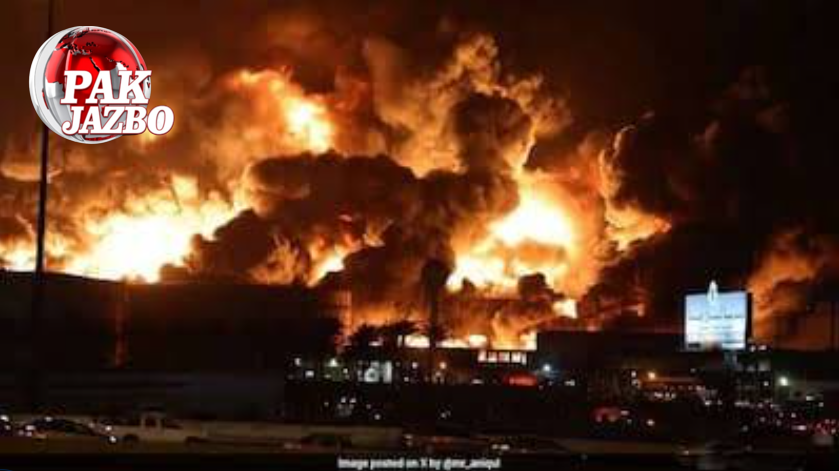
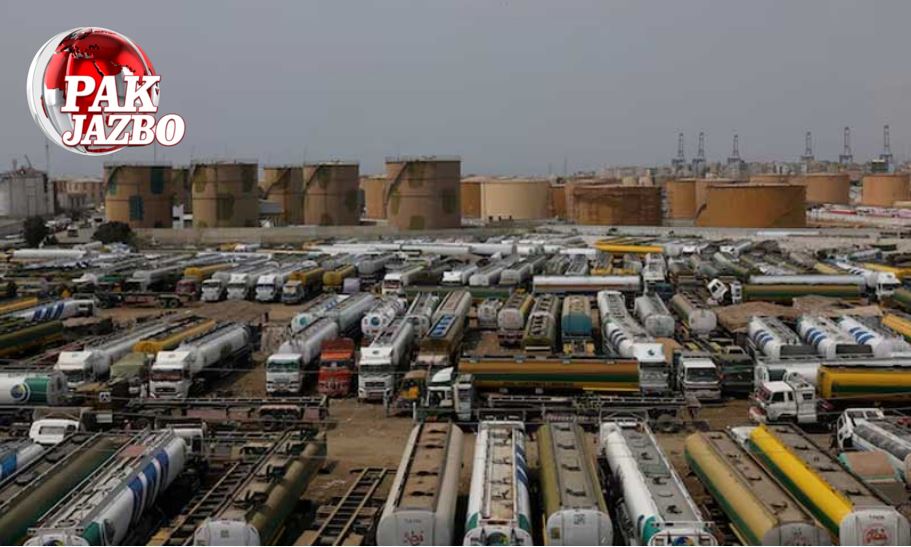
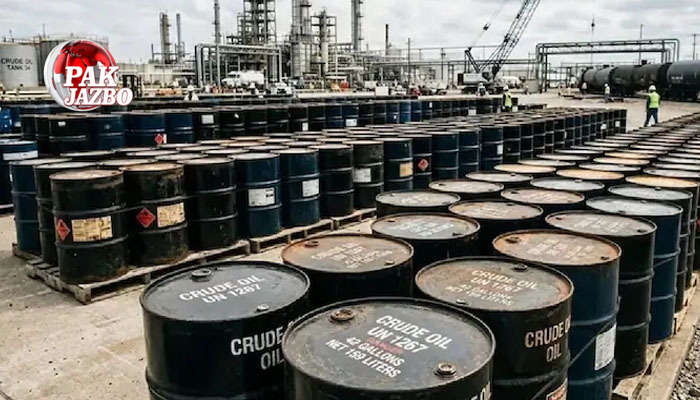
While Kyiv mourned the deaths caused by the Russian missile assault, Ukrainian forces were also active across the border. The commander of Ukraine’s drone forces confirmed that Ukrainian drones struck two oil refineries inside Russia overnight. The facilities, which play a crucial role in fueling Russia’s war operations and generating revenue, were reportedly targeted to disrupt Moscow’s logistics and economic base.
Though Russia has not officially confirmed the extent of the damage, such strikes highlight Ukraine’s evolving strategy of taking the fight deeper into Russian territory. Analysts suggest that these operations serve a dual purpose: to weaken Russia’s war infrastructure and to demonstrate to Russian citizens that the conflict is not limited to Ukrainian soil.
A Conflict Moving Further From Negotiation
Observers note that both sides are increasingly locked in a cycle of attacks and retaliation, pushing any prospects of negotiation further away. For Ukraine, every new Russian strike that kills civilians hardens its stance against compromise. For Russia, Ukrainian strikes on strategic infrastructure inside its borders serve as justification for intensifying its own offensives.
International mediators have long tried to encourage dialogue, but the atmosphere of distrust appears too strong. Zelensky’s latest comments make it clear that Kyiv sees no possibility of peace talks while Russian missiles continue to rain down on its cities.
Humanitarian Toll
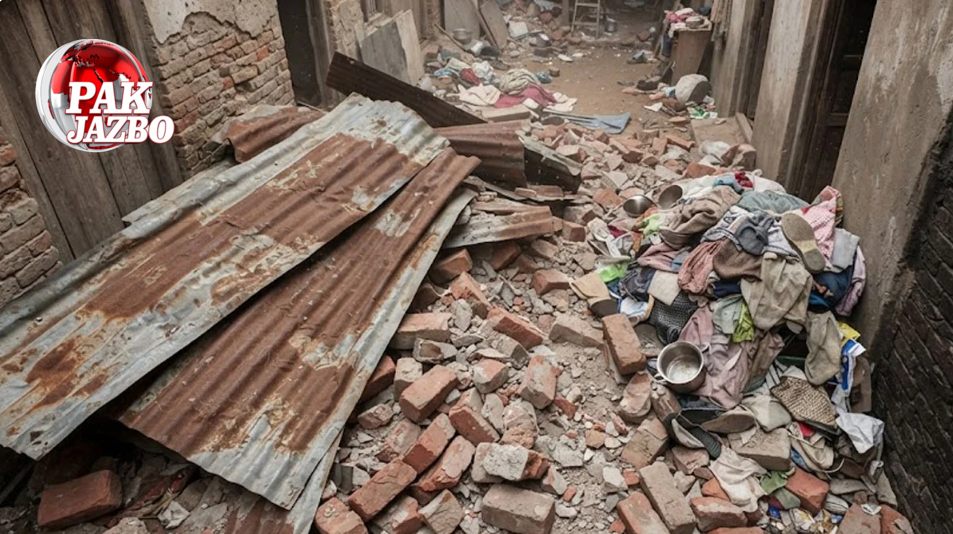
The attack on Kyiv that killed eight civilians is part of a broader humanitarian crisis that has unfolded since the start of the war. Residential buildings, schools, and hospitals have repeatedly been hit, leaving thousands of families displaced and communities devastated. Humanitarian organizations warn that continued bombardments will worsen the already dire situation, as winter approaches and essential services such as power and water face further disruption.
For many Ukrainians, each attack brings not only grief but also a renewed determination to resist. Civil defense units continue to mobilize, shelters remain active across urban centers, and international aid organizations are providing support to the wounded and displaced.
International Response and Global Impact
The international community’s reaction to the latest strikes is expected to shape the trajectory of the conflict in the coming months. The European Union has signaled that it may consider additional sanctions, while the United States has reiterated its commitment to providing Ukraine with both military aid and economic support.
At the same time, the conflict is having ripple effects worldwide. Strikes on Russian oil refineries threaten to disrupt global energy supplies, potentially pushing fuel prices higher. In addition, the destruction in Ukraine has sparked concerns over food exports, given the country’s crucial role as a grain supplier.
Global security experts also warn that continued reliance on missiles rather than dialogue risks destabilizing not only Eastern Europe but also the broader international order. The use of advanced ballistic technology against civilian areas raises questions about the erosion of international norms that prohibit indiscriminate attacks.
Zelensky’s Message to the World
Ultimately, Zelensky’s comments highlight a broader message: Ukraine sees itself fighting not only for its own survival but also for the principle that aggression should not go unchecked in the modern world. His appeal for sanctions, humanitarian support, and global solidarity reflects Ukraine’s determination to ensure that Russia pays a heavy price for continuing the war.
“The choice Russia makes every night is clear,” he said. “They choose to launch missiles instead of opening talks. The world must also make its choice — either to watch silently or to act decisively.”
For now, the path of the conflict remains uncertain, but Zelensky’s words underline the bleak reality: with missiles flying and casualties mounting, the negotiation table is gathering dust, while the battlefield grows ever more intense.
What’s your Reaction?
+1
+1
+1
+1
+1
+1