




























































































































































































































































































































































































































































































































































































































































Maulana Hali’s Journey to Alwar – A Travel Account


During his tenure as First Oriental Teacher at the Anglo-Arabic School in Delhi, Maulana Altaf Husain Hali, the eminent poet, reformer, and biographer of Sir Syed Ahmad Khan, undertook a special journey during the summer vacation—which at that time lasted for one month. On this occasion, he chose to visit the princely state of Alwar, though the reason behind selecting Alwar in particular is not clearly known.
This travelogue not only presents Hali’s personal experiences but also reflects his sharp observations on the social, cultural, and political life of India in the late 19th century. His route passed through Aligarh, Firozabad, Etawah, Mainpuri, Kanpur, Hamirpur, and Bundi Kothi, before finally reaching Alwar. Along the way, he met scholars, government officials, and common people, recording with sensitivity both the bright and the dark sides of society.
Stop at Aligarh – A Meeting with Sir Syed
On reaching Aligarh, Hali stayed as a guest at the residence of Sir Syed Ahmad Khan. It was his third visit to the Muhammadan Anglo-Oriental College (then known as Madrasa-tul-Uloom), and what he saw filled him with gratitude and admiration.
Hali observed the rapid progress of the institution. He noted that despite fierce opposition, Sir Syed’s persistence and determination had borne fruit. People who once denounced the college as “Darul Kufr” (abode of infidelity) were now sending their children there with pride. Parents who earlier feared that their children’s faith might be endangered were now assured that the religious and moral life of students was carefully supervised.
Hali also saw the students keeping fasts during Ramadan, gathering joyfully for iftar, and listening to Qur’an recitation in Tarawih prayers. He himself attended iftar gatherings hosted by Sir Syed and his close associate, Syed Fareeduddin Ahmad Khan.
The construction work at the college was in full swing, inspiring hope even among the most despondent Muslims. To Hali, it became clear that this institution was destined to play the central role in the revival and progress of the Muslim community.
Firozabad – Decline of the Once Prosperous
The next stop was Firozabad, a town in Agra district. Famous for its beautiful fans woven from palm leaves (some decorated with silk threads), Firozabad impressed Hali with its craftsmanship. Yet, he lamented the miserable condition of the Muslims there, who were once prosperous but had now fallen into poverty and insignificance.
Etawah and Mainpuri – Encounters with Hospitality and Prejudice
At Etawah, Hali had only a short stay, spending most of his time with his host. From there he moved to Mainpuri, where he spent two days and was warmly received by Mirza Abid Ali Beg, a Subordinate Judge.
Here Hali observed both the nobility and narrowness of society. While his host embodied generosity, communal concern, and refinement, an incident with the coachman revealed the deep-rooted religious prejudices of the time. The coachman, a devout Muslim, refused to share his water vessel with Hali simply because he had dined at the house of someone belonging to a so-called “condemned group.” This pained Hali deeply and highlighted the rigid divisions within the Muslim society of that era.
Kanpur to Hamirpur – The Miseries of Travel
From Kanpur, Hali traveled to Hamirpur by camel cart, as no other transport was available. This journey was, for him, one of the most excruciating experiences, far worse than traveling on foot. He humorously but bitterly remarked that European inventions had made Indians so comfort-loving that they could no longer endure hardship.
Hamirpur itself was a historical site, located between the Yamuna and Betwa rivers. Hali described its ancient temples, ruins of fortresses, and the isolated, almost insular lifestyle of its people. He noticed that many of the local Muslims had never even heard of the Aligarh College, and those who had considered it a frightening, un-Islamic institution.
Social Observations on the Way
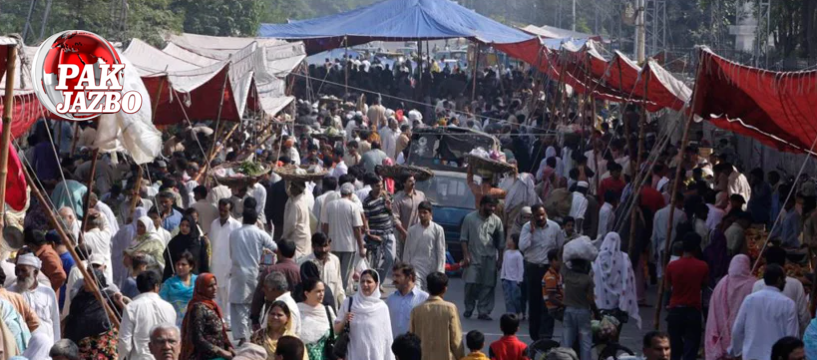
During the journey from Delhi to Hamirpur, Hali had the chance to interact with many “respectable” Muslims. He noted, with disappointment, that most of their gatherings were filled with boastfulness, self-praise, backbiting, flattery, abusive language, and petty sectarian quarrels. He lamented that these qualities—ego, prejudice, and selfishness—were holding the community back.
Return Journey – From Agra to Bundi Kothi
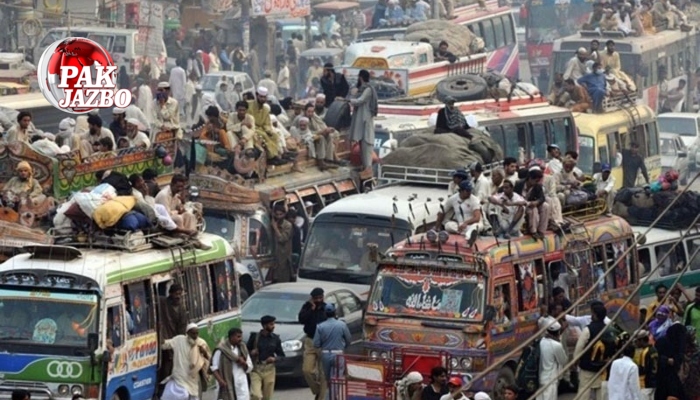
On his return, Hali halted at Agra for a day and then proceeded towards Alwar via the Rajputana State Railway. Unfortunately, the railway conditions were dreadful. The carriages were overcrowded, with eight people crammed into compartments designed for four. Sleeplessness and constant quarrels made the night journey unbearable.
At Bundi Kothi, he saw vast stone-built structures resembling a small city in themselves.
Arrival in Alwar – Splendor and Serenity
Finally, Hali reached Alwar, where he stayed as a guest in a friend’s house for five days. His first impression was of a city nestled in the lap of hills, with bustling bazaars and stone-built houses. He admired the royal palaces, particularly the one built by Maharaja Bane Singh at Moti Dungri, situated at such a height that the surrounding valleys and hills looked like a carpet of emerald from above.
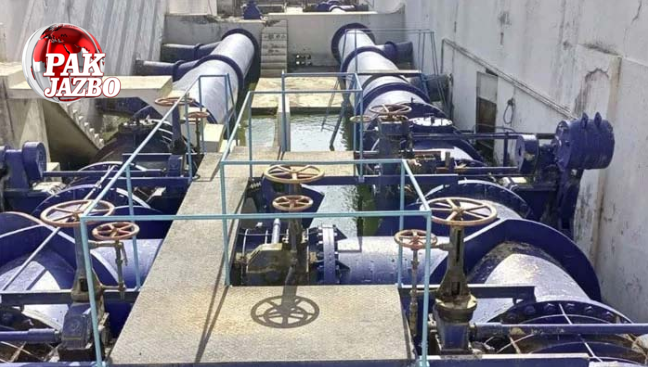
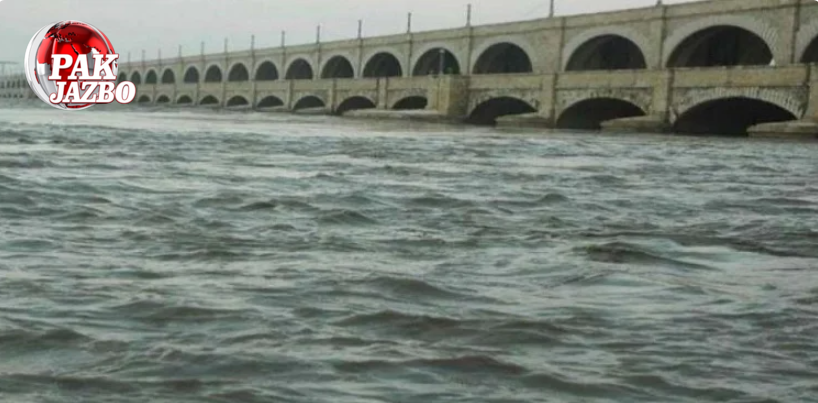
He also visited Siliserh Lake and Palace, an engineering marvel of the time, where a dam collected rainwater from the hills and channeled it through canals to irrigate the surrounding fields and gardens, keeping Alwar green year-round.
Hali praised the Company Garden (built for the Duke of Edinburgh’s visit) and other public buildings, schools, and hospitals established under the British Political Agent Caddle.
The Rule of Maharaja Mangal Singh
Hali was particularly impressed by the young ruler, Maharaja Mangal Singh, who had assumed power only two or three years earlier. He noted the Maharaja’s courage, simplicity, administrative reforms, and devotion to public welfare.
Among his achievements:
- Regular open courts every Thursday where subjects could present grievances directly to him.
- Reorganization of police and revenue departments.
- Significant savings in the state treasury.
- Establishment of schools for both boys and girls (including fourteen for women).
- Scholarships for students to pursue higher education in Ajmer.
Hali admired the Maharaja’s discipline, modest lifestyle, and avoidance of luxuries, though he noted that his passion for hunting was slightly excessive.
Conclusion
After spending five days in Alwar and witnessing both its natural beauty and administrative progress, Hali departed on the 29th of Ramadan, returning to Delhi in the evening.
This travelogue is not just a record of a journey—it is a window into the intellectual, social, and political landscape of 19th century India, reflecting Hali’s role not only as a poet but as a keen observer of society and a historian of reform.
What’s your Reaction?
+1
+1
+1
+1
+1
+1

