









































































































































































































































































































































































































































































































































































































































































































































































































































































































































































































































































































































































































































































































































































































































































































































































Woman in Daharki Accuses Husband and Influential Figures of Violence, Threats, and Forced Divorce


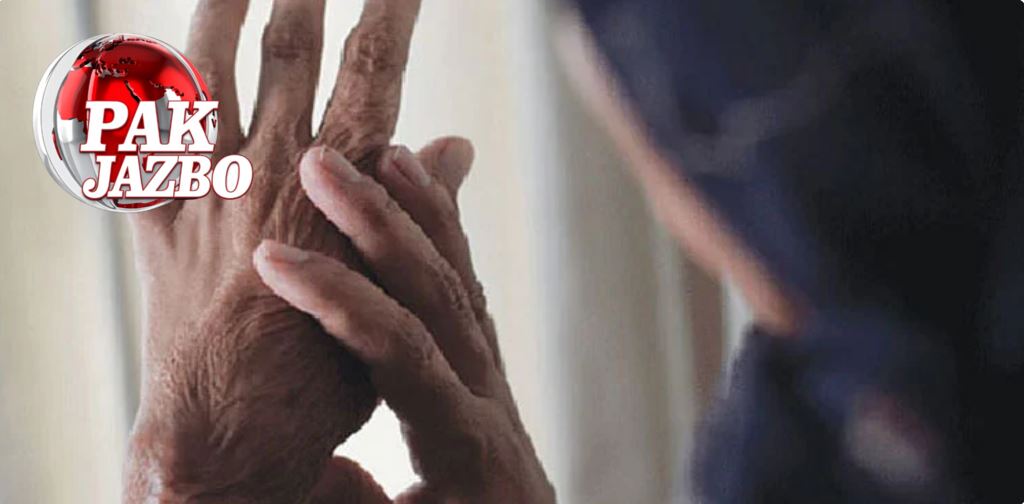
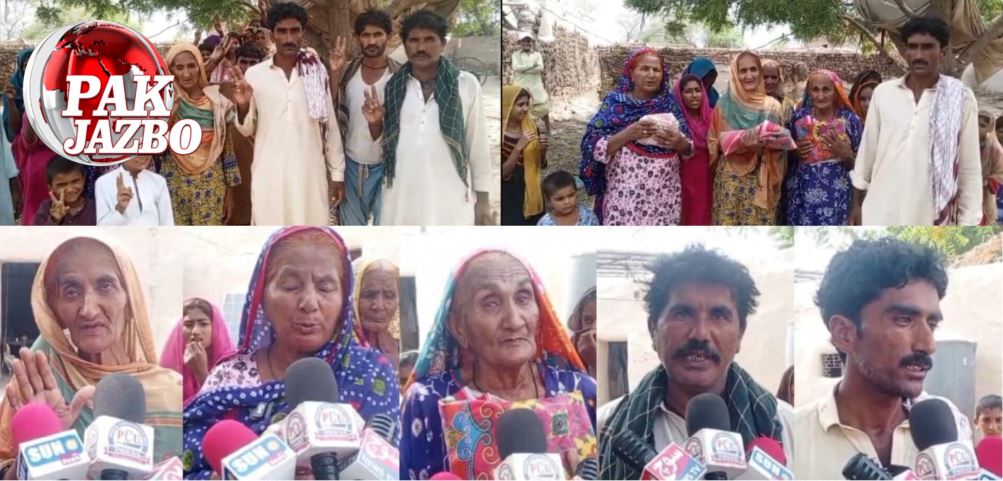
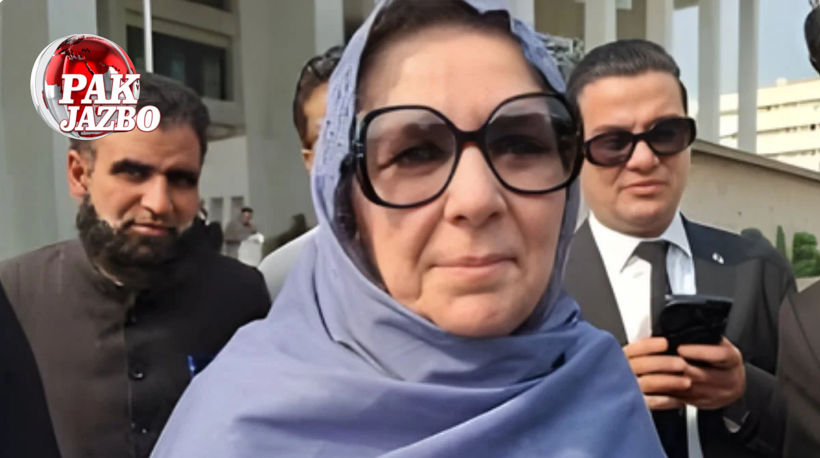
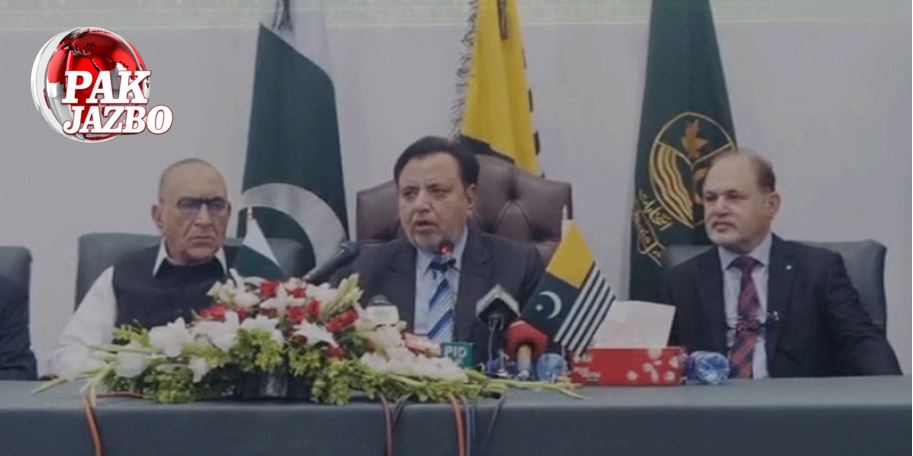
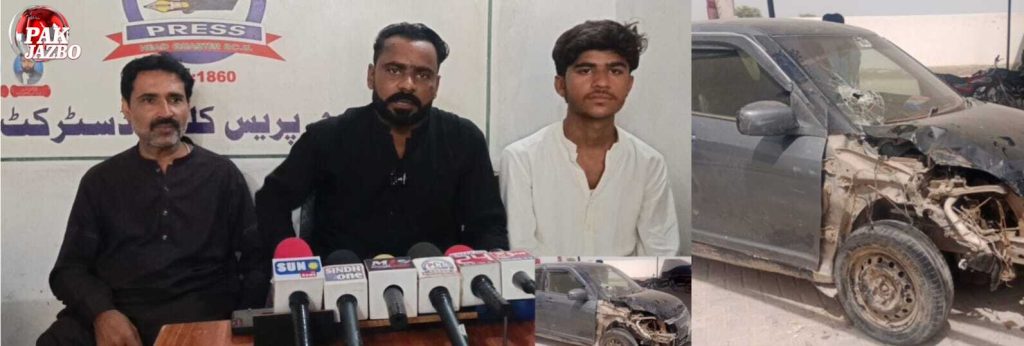
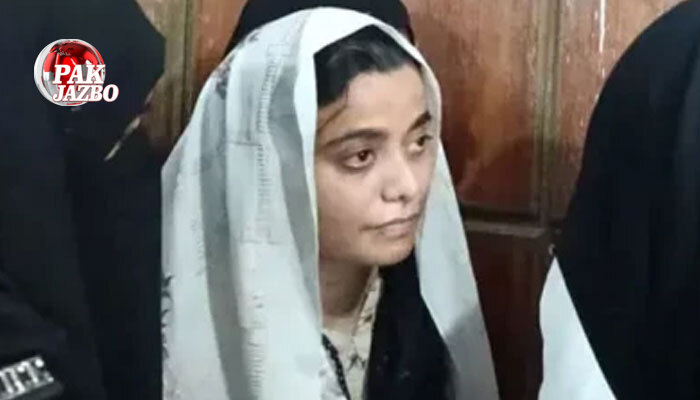
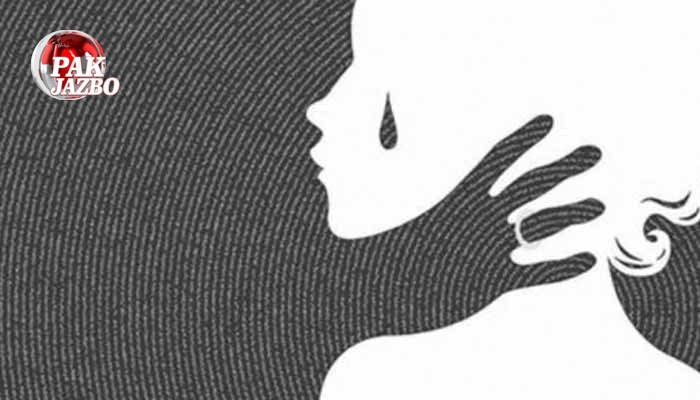
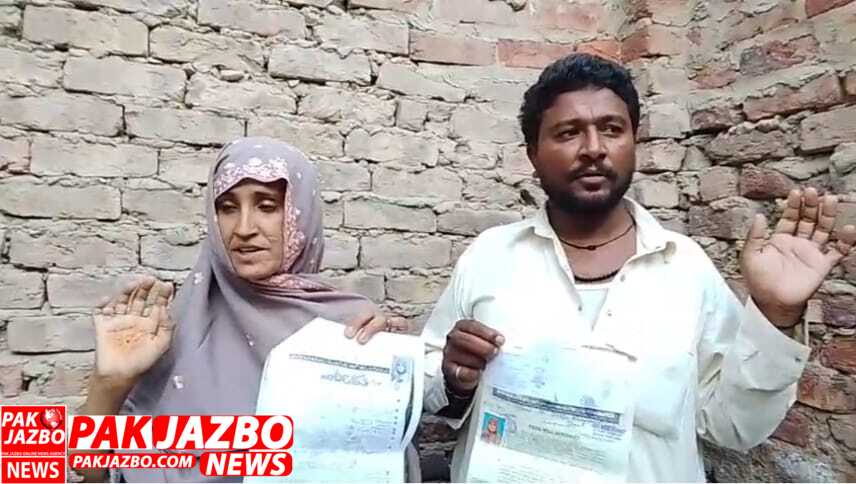
In Daharki, a small town in Sindh, a woman named Mai Zamiran, resident of the village Mithal Mahar, came forward at the local press club to raise her voice against alleged abuse, violence, and threats to her life. Speaking with visible distress, she accused her husband, Munawar Gorgij, of subjecting her to physical assault and misbehavior without any justification.
Allegations of Domestic Violence and Forced Divorce
Mai Zamiran narrated her ordeal, saying that her husband has repeatedly mistreated her and is now attempting to force her into accepting divorce against her will. She emphasized that the issue is not limited to her husband alone but involves the alleged involvement of influential figures from the community. According to her, two men—Wadero Ali Muhammad Gorgij and Abdul Khaliq—are also complicit in the harassment. She claimed these individuals have been pressuring her and directly issuing threats to her life.
In her statement, Zamiran accused them of hatching a conspiracy to separate her from her husband forcibly and warned that they were even capable of going to the extent of eliminating her. “I have been receiving death threats,” she declared, adding that she lives in constant fear for her safety and well-being.
Fear for Life and Public Appeal
The distressed woman appealed to the media and the authorities, saying: “If anything happens to me—if I am harmed, subjected to further violence, or even killed—the responsibility will lie solely with my husband Munawar Gorgij, Wadero Ali Muhammad Gorgij, and Abdul Khaliq.”
Her words reflected a mix of desperation and courage as she openly named the individuals she holds responsible, despite their social and political influence in the area. For women like her, speaking against powerful men often comes with significant risks, yet she insisted on making her plight public in hopes of gaining protection.
Call for Authorities to Take Action
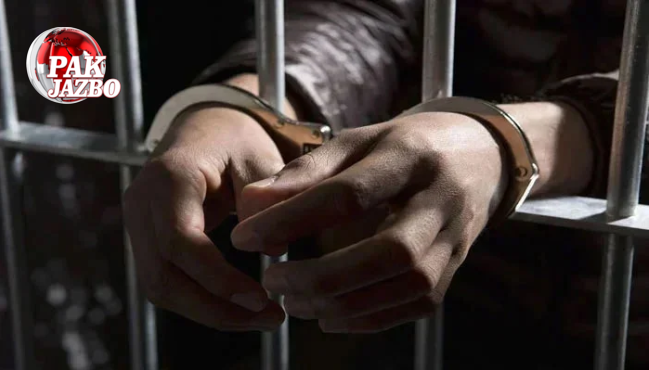
Mai Zamiran has formally appealed to higher authorities, including the local administration, the police, and human rights organizations, to ensure her immediate safety and security. She demanded that a formal First Information Report (FIR) be registered against the accused and that they be arrested without delay. She also urged officials to provide her protection so that she is not silenced through fear or intimidation.
Her plea underscores the systemic challenges faced by women in rural Sindh, where domestic disputes often escalate into violence, and where the influence of feudal lords or community leaders makes it harder for victims to seek justice.
Broader Social Context
Cases like that of Mai Zamiran are not uncommon in parts of rural Pakistan, where patriarchal structures and feudal power dynamics often deny women their basic rights. Domestic violence, coercion, and forced divorces are issues that frequently go unreported due to fear of retaliation, social stigma, and lack of institutional support.
Her decision to go to the press club rather than remain silent reflects a growing awareness among women that the media can amplify their voices when local systems fail them. It also shows the importance of public platforms in highlighting cases of injustice that might otherwise remain hidden within household walls.
The Power of Feudal Structures
The mention of Wadero Ali Muhammad Gorgij, identified as an influential figure (Wadero) in her statement, reveals the underlying feudal dynamics at play. In many rural communities, Waderos or landlords wield enormous influence over social, economic, and even legal matters. Victims often find themselves unable to challenge such figures, fearing social ostracism, harassment, or violence. By directly naming him, Mai Zamiran has taken an extraordinary risk, highlighting both her courage and the seriousness of her claims.
Human Rights and Women’s Protection Laws
Over the past decade, Pakistan has introduced various laws to curb domestic violence and protect women from abuse, but implementation remains inconsistent, particularly in rural and underprivileged regions. Activists argue that without effective enforcement, women like Zamiran remain vulnerable despite legal protections existing on paper.
Her appeal for an FIR is significant, as registering a case against influential figures is often the first and most difficult step. Many victims are pressured to withdraw complaints or are discouraged from going to the police at all.
Community and Media Responsibility
The case of Mai Zamiran also raises questions about the role of the community and the responsibility of media outlets. By reporting her grievances at a press club, she sought not only legal protection but also public solidarity. Media coverage can help ensure that her case does not get buried under local influence and that authorities are compelled to act.
Civil society organizations and human rights groups now have an opportunity to step in, monitor the case, and provide her with legal aid and psychological support. Without such backing, her complaints may remain unresolved, and she could continue to live under threat.
Conclusion: A Cry for Justice
The story of Mai Zamiran is not just the struggle of one woman; it represents the plight of many women in rural communities who continue to face domestic violence, forced separations, and threats to their lives. By bravely stepping forward and holding a press conference, she has challenged the silence surrounding such issues.
Her appeal to authorities is clear: she wants immediate protection, justice through the registration of an FIR, and the arrest of those threatening her. Unless timely action is taken, she warns, the consequences could be dire.
Her testimony serves as a reminder that domestic violence and feudal oppression remain pressing issues in Pakistan’s rural heartlands. The coming days will determine whether her cry for justice is heard or ignored.
What’s your Reaction?
+1
+1
+1
+1
+1
+1