


































































































































































































































































































































































































































































































































































































































































































































































































































































































































































































































































































































































































































































































































































































































































































































































































































Bushra Ansari Opens Up About Her First Marriage: “My Ex-Husband Was Very Demanding, and Pakistani Mothers Raise Sons That Way”


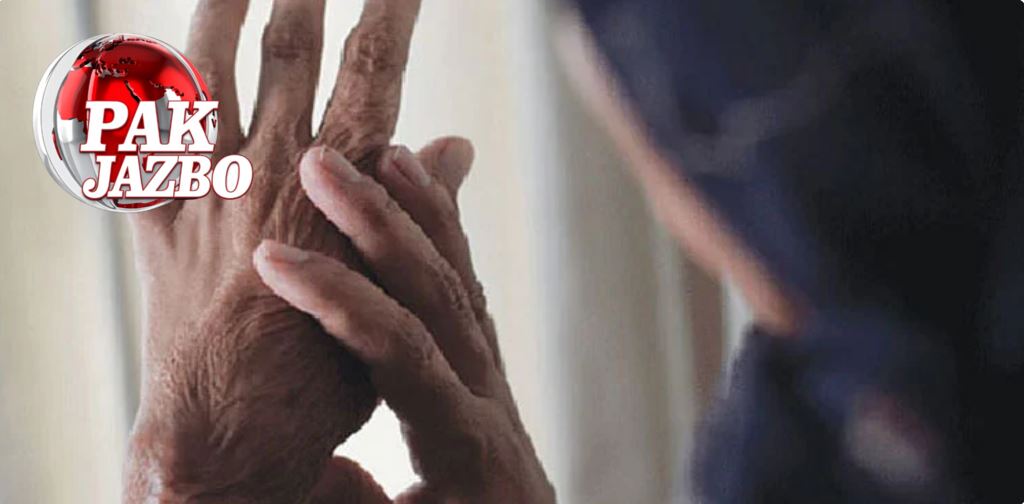
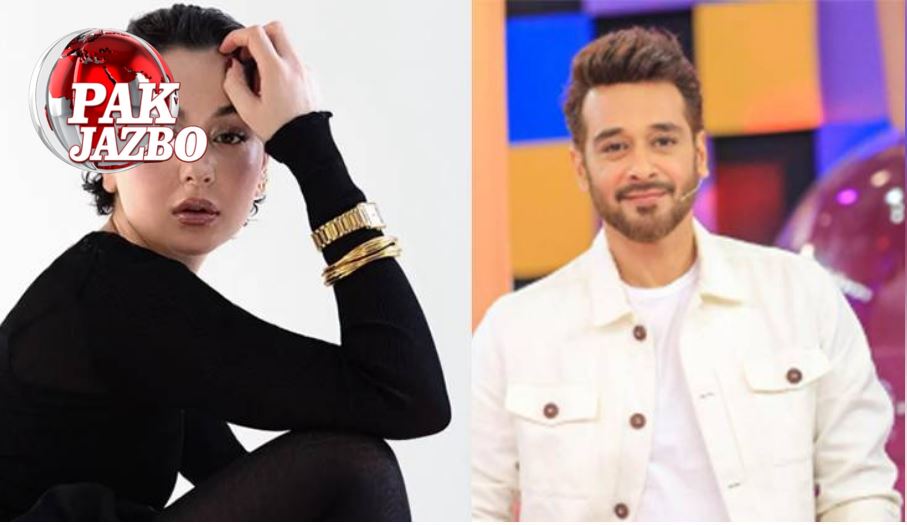
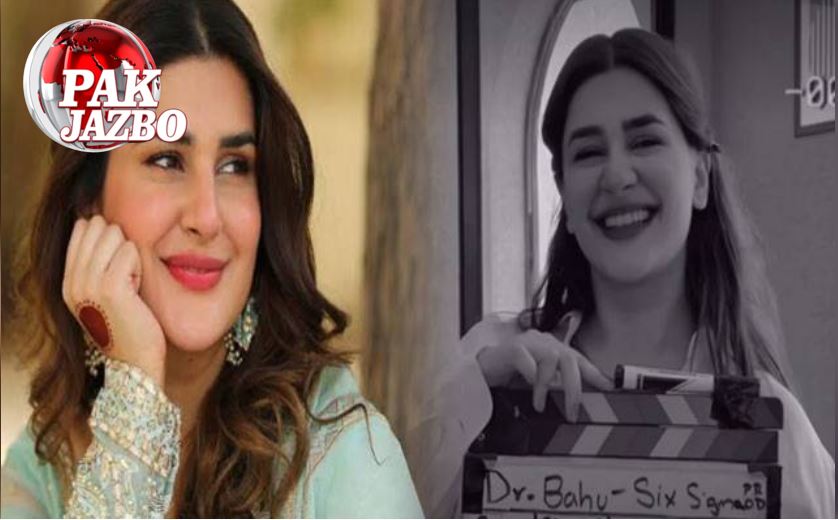
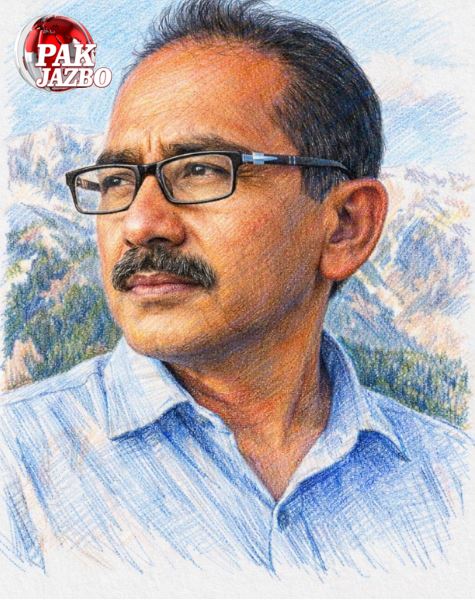
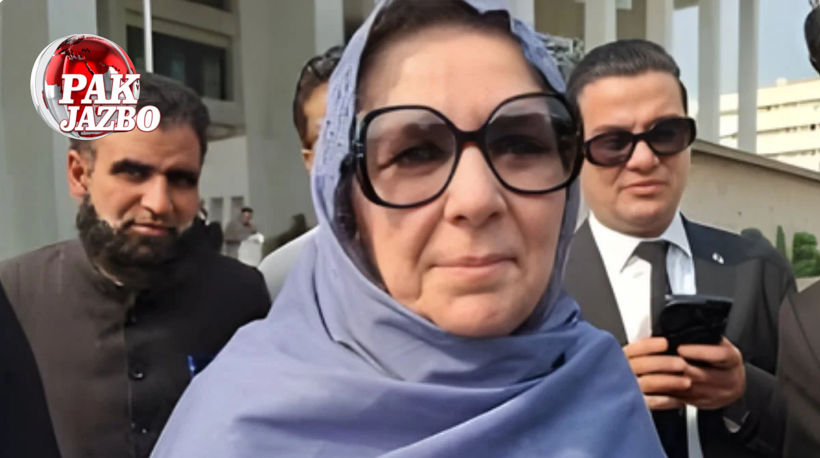
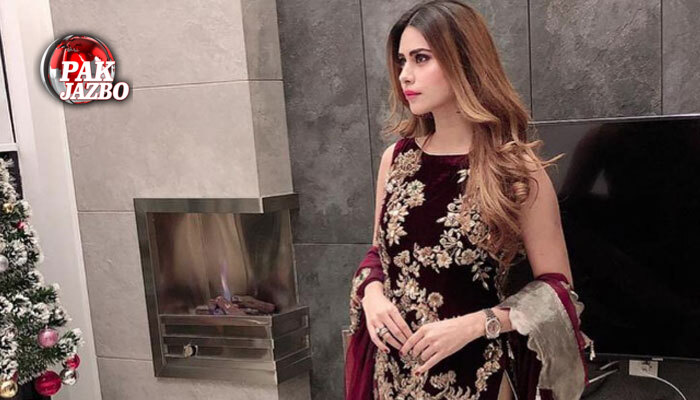
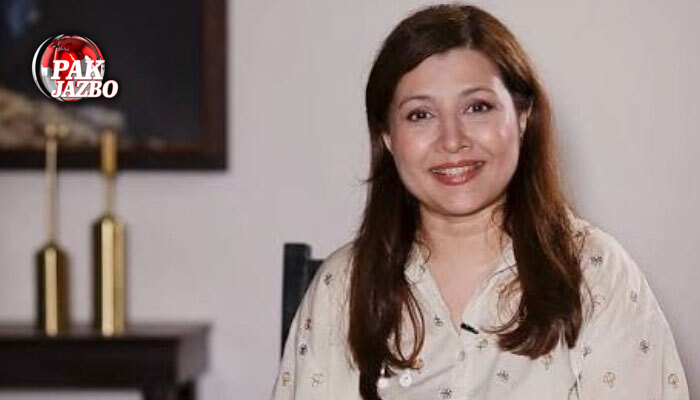
Veteran Pakistani actress, singer, and television host Bushra Ansari recently opened up about the challenges she faced in her first marriage. In a candid interview, she described her former husband, renowned producer and director Iqbal Ansari, as “very demanding.” Her honest reflection offers a deeper insight into her personal journey, cultural expectations, and the societal patterns she believes contribute to marital dynamics in Pakistan.
Bushra Ansari tied the knot with Iqbal Ansari in 1978, at a time when both were well-established figures in the Pakistani entertainment industry. Their marriage lasted for more than three decades and ended in divorce in 2014. Later, she married director Iqbal Hussain. Over the years, Bushra has occasionally touched upon her personal life in interviews, but her latest remarks have sparked wider conversations about gender roles, traditional family dynamics, and the emotional toll of unmet expectations in marriage.
A Marriage of Two High Achievers
In the interview, Bushra shared that before getting married, like many young women, she believed that marriage was a bond where two people live together happily ever after—loving, supporting, and caring for one another. She admitted that her idealistic vision was shaped largely by her parents, whose loving relationship had set a strong example for her.
“I grew up watching my parents treat each other with love and respect. So naturally, I believed that’s how all marriages function. But when I got married, things didn’t turn out that way,” she said.
She acknowledged that her first husband, Iqbal Ansari, was a successful and well-known figure in the industry. “He understood the nature of our work, our schedules, and the pressures we face. But on the personal front, he was a very traditional, demanding husband—one who wanted everything just right, exactly the way he liked,” Bushra recalled.
Cultural Patterns That Shape Marriages
Bushra Ansari went on to criticize a cultural issue that she believes plays a major role in how men behave in marriages. “Pakistani mothers raise their sons in a way that makes them feel entitled. They don’t teach them to share responsibility or do things on their own,” she asserted. “From childhood, boys are pampered and told they’re special. This mentality follows them into adulthood—and into their marriages.”
She emphasized that women in Pakistani households are trained to compromise, adjust, and serve, whereas men are raised to expect. “So when these boys grow up and become husbands, they expect their wives to be caregivers, homemakers, entertainers, and everything else—without ever questioning their own role in the relationship.”
Bushra’s remarks resonated with many viewers and listeners, especially women who have faced similar experiences in their relationships. Her observations touched on how societal conditioning and family dynamics impact marital expectations and why many women feel burdened in their personal lives despite being professionally accomplished.
A Complex Yet Respectful Relationship
Despite these challenges, Bushra Ansari has always spoken respectfully about her ex-husband. In a previous interview, she made it clear that while their marriage may not have worked out, she does not support anyone speaking ill of Iqbal Ansari.
“People often say negative things about Iqbal Ansari, but I stop them. I feel it is my ethical responsibility to do so,” she said. “He is the father of my children, and he was a big part of my life. Just because a marriage ends doesn’t mean we should disrespect that chapter of our lives.”
Bushra’s balanced and mature approach stands out in an era where celebrity breakups are often accompanied by public blame games. Her emphasis on dignity, even in disagreement, sets a powerful example.
Personal Growth and Self-Discovery
The celebrated actress also reflected on how her experiences shaped her as a person. “You learn a lot about yourself in marriage. You learn what you’re willing to tolerate, where your boundaries are, and how much of yourself you can sacrifice without losing who you are,” she said.
Bushra admitted that there were times when she felt emotionally drained and unheard, despite being a public figure loved by millions. “At work, I was appreciated. At home, I was expected to always be perfect. That imbalance eventually wears you down.”
Her decision to speak out now is driven by a sense of responsibility—to help others who might be going through the same things silently. “I want women, especially younger ones, to know that it’s okay to be honest about your struggles. And it’s okay to walk away from something that no longer brings peace.”
A Broader Social Message
Bushra Ansari’s revelations also underline a broader issue: the need to challenge outdated gender norms and promote emotional equity in relationships. While society often applauds a woman’s patience and tolerance, it rarely questions the entitlement or emotional absenteeism of men in marriages.
Her critique of how boys are raised in South Asian households is particularly striking. In pointing out the root causes—over-pampering, lack of accountability, and absence of domestic responsibility—she sheds light on a cultural cycle that repeats across generations. Unless parenting patterns shift and sons are taught empathy, equality, and independence, the same issues will continue to manifest in future marriages.
Looking Ahead
Today, Bushra Ansari continues to thrive in her career. She has proven herself as a powerhouse of talent across television, film, music, and theater. But more than that, she now serves as a voice of experience and empowerment.
Her journey is a testament to the strength and resilience of women who endure quietly, grow privately, and eventually find the courage to speak openly—not to assign blame, but to encourage growth and change.
Bushra’s story may be personal, but its impact is universal. It speaks to countless women who have found themselves in demanding relationships, who have sacrificed their own needs for others, and who are slowly reclaiming their voices. In her vulnerability, Bushra Ansari offers strength—and a hopeful message: it’s never too late to choose peace, to rewrite your narrative, and to demand more—justly, not just silently.
What’s your Reaction?
+1
+1
+1
+1
+1
+1